Long-stay visa holders skip biometric checks as EU EES goes live

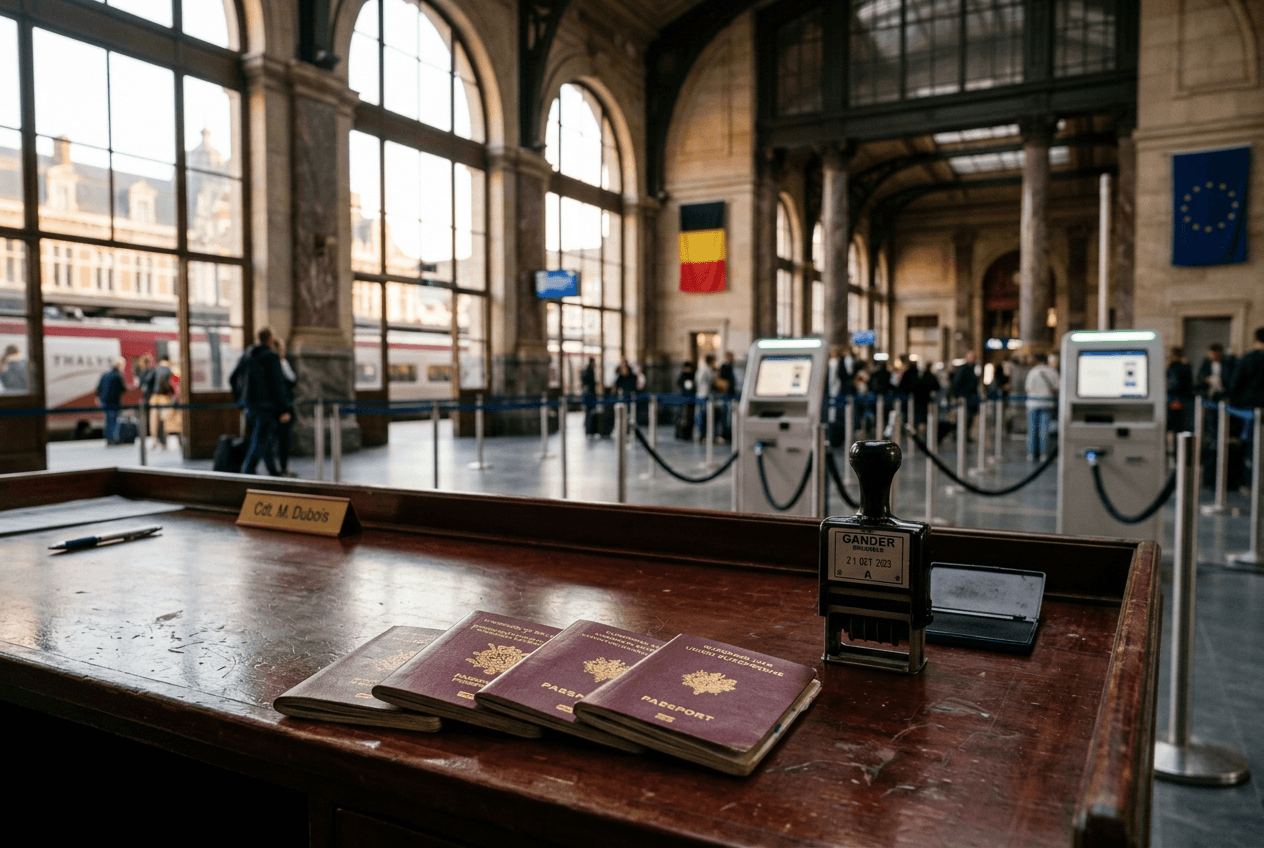
The EU’s Entry/Exit System has been fully operational since April 10, but long-stay visa and residence-permit holders remain outside its biometric registration process.
Long-stay residents aren’t registered
The Entry/Exit System (EES) records non-EU nationals visiting the Schengen area for short stays, generally under the 90-days-in-180 rule. It doesn’t apply to holders of valid residence permits or national long-stay visas, commonly called D visas.
That exemption covers many expats and digital nomads who have formalized their status through a national residence program. It also includes non-EU family members of EU or European Free Trade Association citizens who hold qualifying residence documents under free-movement rules.
Other exemptions cover nationals of Andorra, Monaco and San Marino, Vatican or Holy See passport holders and certain diplomats, cross-border workers, military personnel and crew members.
Standard document checks still apply
Exempt travelers must present an ID or passport together with the relevant long-stay visa, residence card or permit. Border officers conduct the usual document checks, but they don’t collect EES fingerprints or facial images or record the crossing in the system.
The practical step for resident nomads is to carry the physical residence document or D visa when crossing an external Schengen border. Permit names differ by country, so Stamped Nomad’s country-by-country guides can help travelers identify the document linked to their status.
UK nationals protected by the Withdrawal Agreement need a qualifying residence card, frontier-worker document or other recognized paperwork to receive the exemption.
Short-stay visitors remain subject to EES
Non-EU tourists, business travelers and nomads entering for short stays without a residence permit or D visa are registered. That includes many American, British and Canadian visitors.
EES stores passport details, fingerprints and a facial image after the traveler’s first registered entry. It then records subsequent arrivals and departures automatically to calculate time spent within the Schengen short-stay limit.
Frequently asked questions
Do long-stay visa holders have to give fingerprints at EU border checks?
Are residence permit holders included in the EU Entry/Exit System?
What documents do exempt travelers need to show at Schengen borders?
Does the Entry/Exit System apply to short-stay visitors?
Which non-EU travelers are exempt from EES registration?
Do UK nationals with residence rights need special documents for the EES exemption?
Don't miss the next nomad update
Visa changes, travel alerts, and destination news — delivered when they actually matter.