Japan’s northern coast stays on alert after April quake

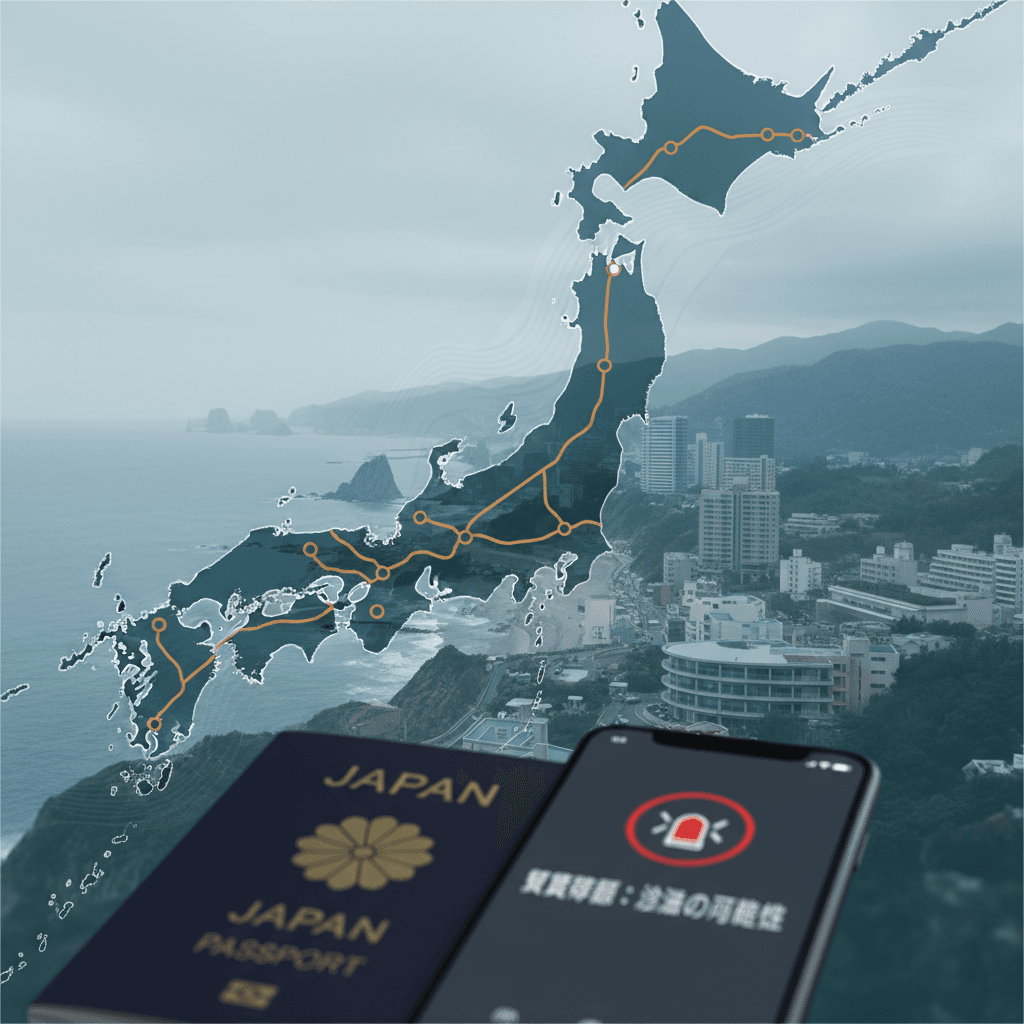
Canada updated its Japan travel advisory in April after a 7.7-magnitude earthquake off the Sanriku coast in Iwate Prefecture triggered tsunami threats for Hokkaido, Aomori, Iwate, Miyagi and Fukushima. The country’s overall risk level remains "Take normal security precautions," with no separate regional warning listed for those prefectures on the latest official page.
The quake hit on April 19 around 4:52 p.m. local time. Japan’s Meteorological Agency warned of possible aftershocks and tsunami risk, while coastal areas recorded waves of up to 80 cm and more than 170,000 residents evacuated.
Who the warning matters for
The update affects travelers, expats and digital nomads in Japan’s northern coastal areas, especially those near the shore, river mouths and low-lying towns. Local alerts remain the key reference point when seismic activity picks up.
Separate bear warnings continue in parts of Hokkaido, but they are unrelated to the earthquake response. Canada, the Japan Meteorological Agency and NHK are the main sources for current alerts and the government is still telling travelers to follow local instructions and evacuate if ordered.
What travelers should check now
Canadians in Japan should keep passports handy, register accommodations and monitor official notices, especially if staying in northern prefectures. Travelers and remote workers should also make sure health insurance covers disaster-related care. Canada’s advisory page and local emergency lines, 110 for police and 119 for medical or fire services, are the main references in an incident.
The tsunami warnings were lifted shortly after the quake, but the April advisory update remains in place. Read our full Japan guide for the complete picture and check visa updates for more travel changes.
Frequently asked questions
Which parts of Japan are under updated Canadian safety advisories after the April quake?
What triggered the tsunami threats in northern Japan?
Were there evacuations after the April earthquake in Japan?
What should travelers and expats do in Japan's northern coastal areas?
Should Canadians in Japan keep any documents or plans ready during an incident?
What emergency numbers should travelers use in Japan?
Stay updated on Japan
Visa changes, travel alerts, and destination news — delivered when they actually matter.