Japan tightens company-transfer visa checks

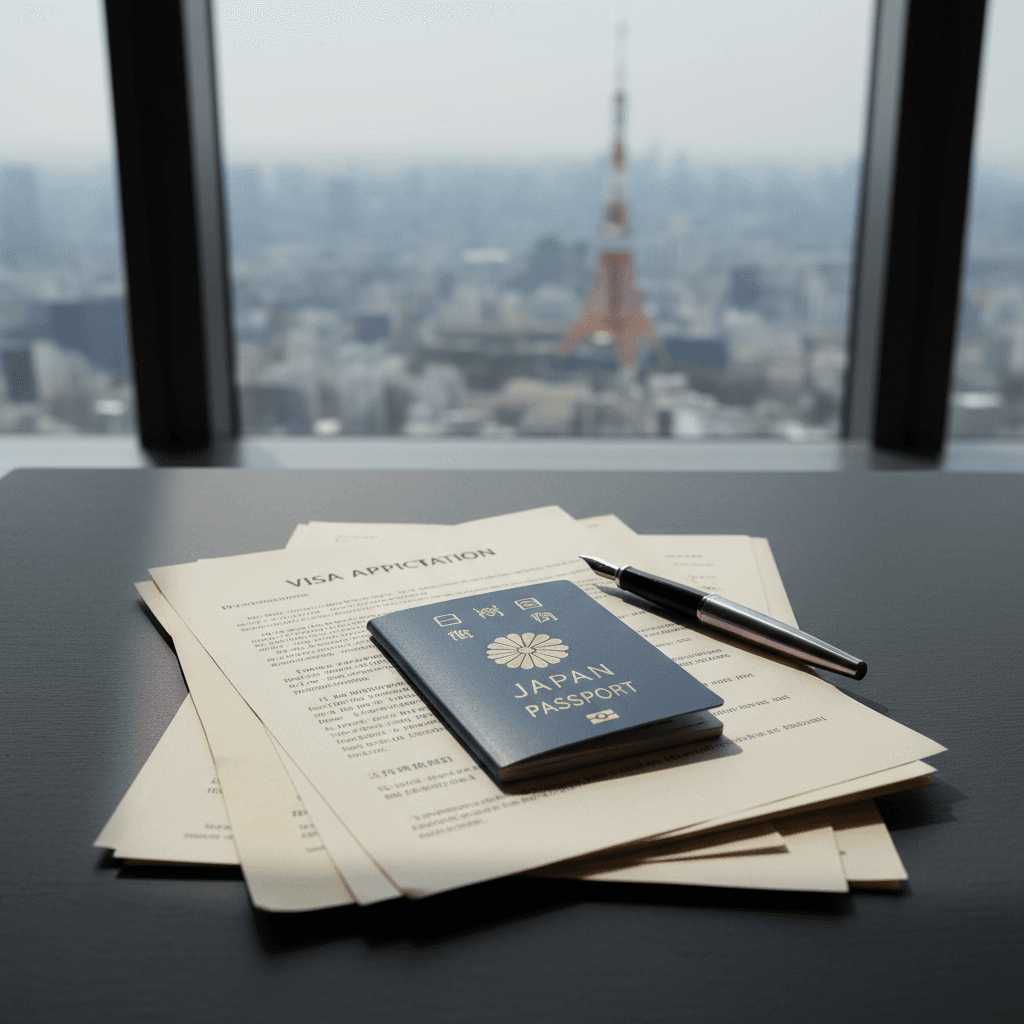
Japan’s Immigration Services Agency began stricter screening for the Intra-Company Transferee residence status on April 1, requiring more objective proof that applicants were working for an overseas office before moving. The change applies to new certificates of eligibility, status changes and extensions.
Applicants in the lower-tier categories now need more than a basic employment letter. The agency is asking for documents such as social insurance enrollment records in the home country, corporate registration papers, tax compliance records and proof that the overseas office actually existed.
Who feels the change
Multinational staff transferred as managers or specialists are the main group affected. For categories 3 and 4, missing paperwork can slow relocation or lead to denials, especially if the overseas company can't show clean tax or labor records.
Digital nomads and independent expats aren't covered by this visa and tourists are unaffected. Still, the tighter review adds another layer of scrutiny to Japan’s work visa process and applicants who rely on incomplete HR files may run into delays.
What employers and applicants need ready
For lower-tier applicants, the filing set now includes transfer orders, a resume, about 1 year of work history records, overseas office registration and tax documents, plus Japan-side materials such as office photos, a lease and financial statements. Foreign documents need translation and processing may take longer while officials verify them.
Extensions can still run from 3 months to 5 years, but renewals beyond 5 years face closer review. Read our full Japan guide for the complete picture and check our visa updates feed for more changes.
Frequently asked questions
What changed in Japan's Intra-Company Transferee visa screening?
What documents are now needed for lower-tier Intra-Company Transferee applicants in Japan?
What paperwork should employers and applicants prepare for the Japan company-transfer visa?
Who is most affected by Japan's tighter company-transfer visa checks?
Do digital nomads or tourists need to worry about Japan's company-transfer visa changes?
How long can an Intra-Company Transferee extension in Japan last?
Do foreign documents need translation for Japan's company-transfer visa filing?
Stay updated on Japan
Visa changes, travel alerts, and destination news — delivered when they actually matter.