Japan issues electronic 90 day tourist visas through the JAPAN eVISA portal

How the JAPAN eVISA system works
Japan's Ministry of Foreign Affairs runs the JAPAN eVISA portal, which issues electronic single-entry short-term tourist visas for stays of up to 90 days. Eligible applicants complete the form, pay the fee and receive the visa entirely online, skipping the in-person consulate trip that used to be standard.
The current MOFA list, updated May 15, 2026, confirms direct online applications for ordinary passport holders legally residing in Australia, Brazil, Cambodia, Canada, Saudi Arabia, South Africa, Taiwan, the United Kingdom and the United States. Applicants from China, Hong Kong, India, Indonesia, Macau, Mongolia, the Philippines, Singapore, South Korea (excluding Jeju), the United Arab Emirates and Vietnam route through accredited agencies or visa centers, though the visa itself is still issued electronically.
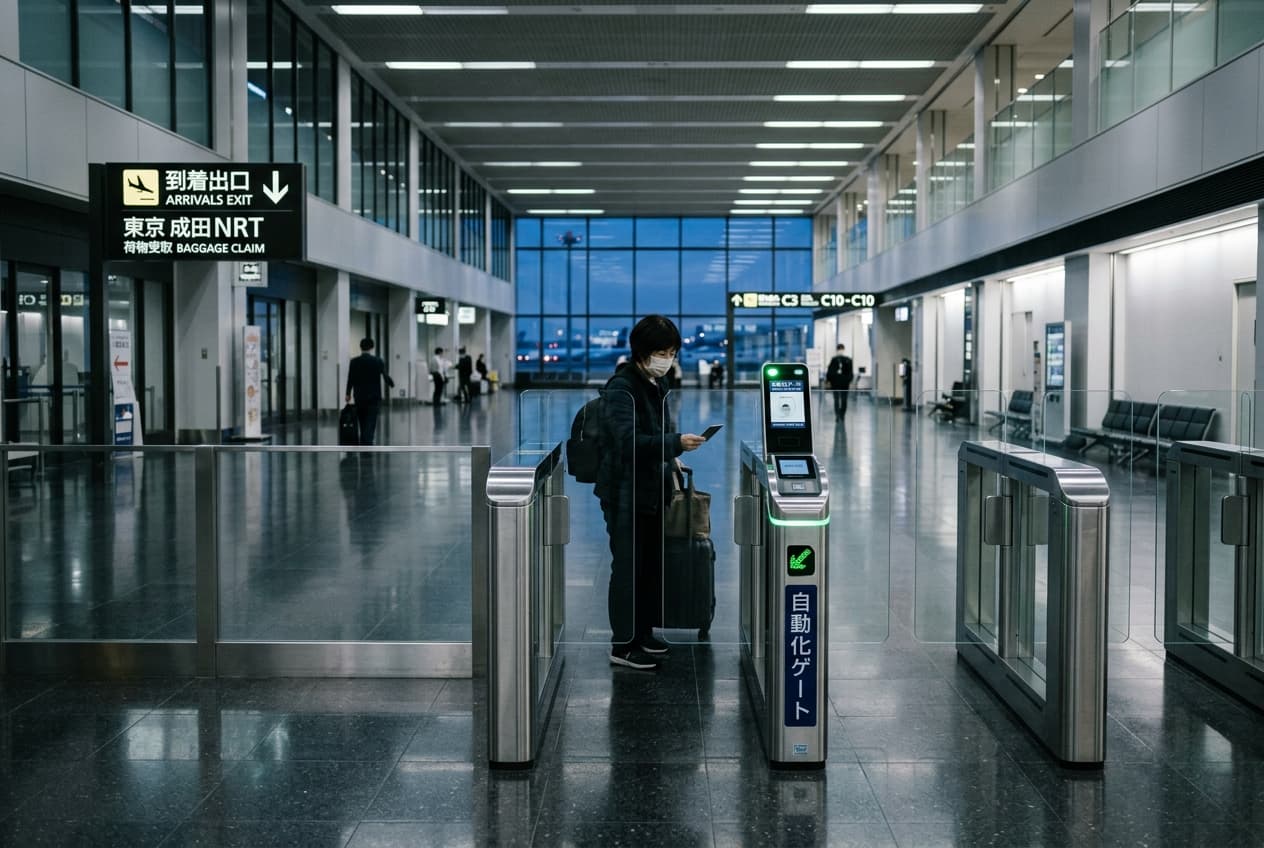
At the airport, travelers must display the Visa issuance notice on a mobile device. Screenshots and printouts are rejected.
Who the change reaches
The eVISA targets nationals who need a visa to enter Japan and previously had to file paper applications at a consulate. Visa-exempt travelers from the EU, US, Canada, Australia and roughly 60 other jurisdictions continue entering Japan without any visa for short tourism stays and don't use the eVISA system.
Digital nomads should read the program narrowly. It's a Temporary Visitor tourist visa, not a remote-work permit. Permitted activities are limited to tourism and income-generating work inside Japan isn't authorized under this status. The benefit for nomads from non-exempt countries is procedural: a digital application instead of a consulate visit.
Long-term residents, work visa holders, students and family-status expats are unaffected. They re-enter Japan on their residence card and existing status of residence.
What applicants need to do
Eligible travelers can:
- Create an account on the JAPAN eVISA portal and submit the application, supporting documents and fee online.
- Confirm stay length, which is typically 90 days but capped at 15 or 30 days for some Chinese, Vietnamese and Filipino package-tour applicants.
- Enter Japan by air or via designated international ferry routes, including services to Busan and Shanghai.
- Save the Visa issuance notice to a phone before departure, because paper copies won't be accepted at immigration.
Diplomatic and official passport holders use separate channels and can't apply through the main MOFA site.
Read our full Japan guide for the complete picture.
Frequently asked questions
How long is a JAPAN eVISA tourist visa valid for?
Can digital nomads work remotely in Japan on a JAPAN eVISA?
Which passport holders can apply directly through the JAPAN eVISA portal?
Do travelers need to show the JAPAN eVISA at the airport on a phone or on paper?
Can visa-exempt travelers use the JAPAN eVISA system?
How do eligible applicants apply for a JAPAN eVISA?
Stay updated on Japan
Visa changes, travel alerts, and destination news — delivered when they actually matter.