Japan enforces 14 day reporting rule for residence card holders

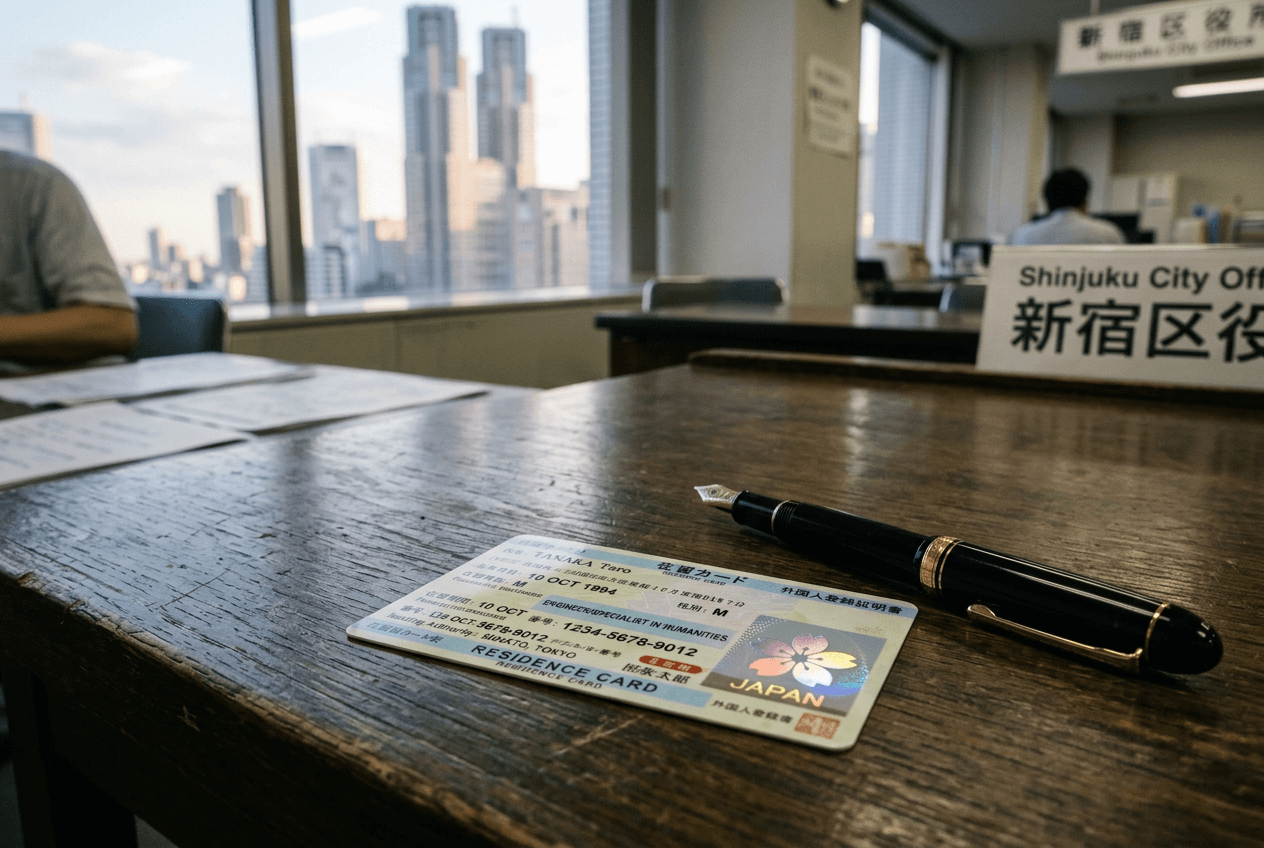
What the 14-day rule covers
Japan requires mid- to long-term foreign residents to report address and employer changes within 14 days, an obligation grounded in the Immigration Control and Refugee Recognition Act and enforced through the Immigration Services Agency (ISA). The rule isn't new, though ISA has tightened compliance through digital reporting channels and closer data-sharing between immigration offices, municipalities, employers and schools.
Address changes go to the local city or ward office, with the residence card presented in person. Moves between municipalities require both a moving-out notice to the old office and a moving-in notice to the new one, both inside the 14-day window. Changes to a "contracting organization", meaning the employer or school, go to the Minister of Justice through a regional immigration office, by mail or via the online e-notification system.
Triggering events for employer notifications include resignation, dismissal, starting a new job, company bankruptcy, transfers and changes to the employer's name or location. Students must report graduation, dropping out and school transfers on the same timeline.
Who falls under the requirement
The rules apply to anyone holding a residence card, which covers most foreign nationals staying longer than three months. That includes work-visa holders such as Engineer/Specialist in Humanities/International Services, Highly Skilled Professional, Business Manager and Intra-company Transferee, plus students, technical intern trainees, dependents and many Designated Activities holders, including Working Holiday participants.
Short-term visitors and tourists on visa-exempt stays of up to 90 days don't receive residence cards and aren't subject to the 14-day municipal reporting rule. Special permanent residents follow separate procedures, though municipal-level notifications can still apply.
Remote workers in Japan on a residence-card-bearing status are treated as mid- to long-term residents and must comply.
Deadlines, channels and what's coming
Notifications can be filed in person at a regional immigration office, by mail or through ISA's online e-notification portal. Address registration happens at the municipal office where the resident lives.
A new Specified Residence Card (特定在留カード), combining the residence card with My Number functions, launches June 14, 2026 as a voluntary integrated credential, per ISA.
Read our full Japan guide for the complete picture and follow our visa updates for ongoing changes.
Frequently asked questions
Who has to report address or employer changes within 14 days in Japan?
Where do I report an address change in Japan?
How do I report a move between municipalities in Japan?
How do I report an employer change in Japan?
Do students in Japan have to report school changes?
Do tourists and short-term visitors have to follow the 14-day reporting rule in Japan?
Stay updated on Japan
Visa changes, travel alerts, and destination news — delivered when they actually matter.