Japan AI cyber unit screens job ads to find 0 illegal foreign residents

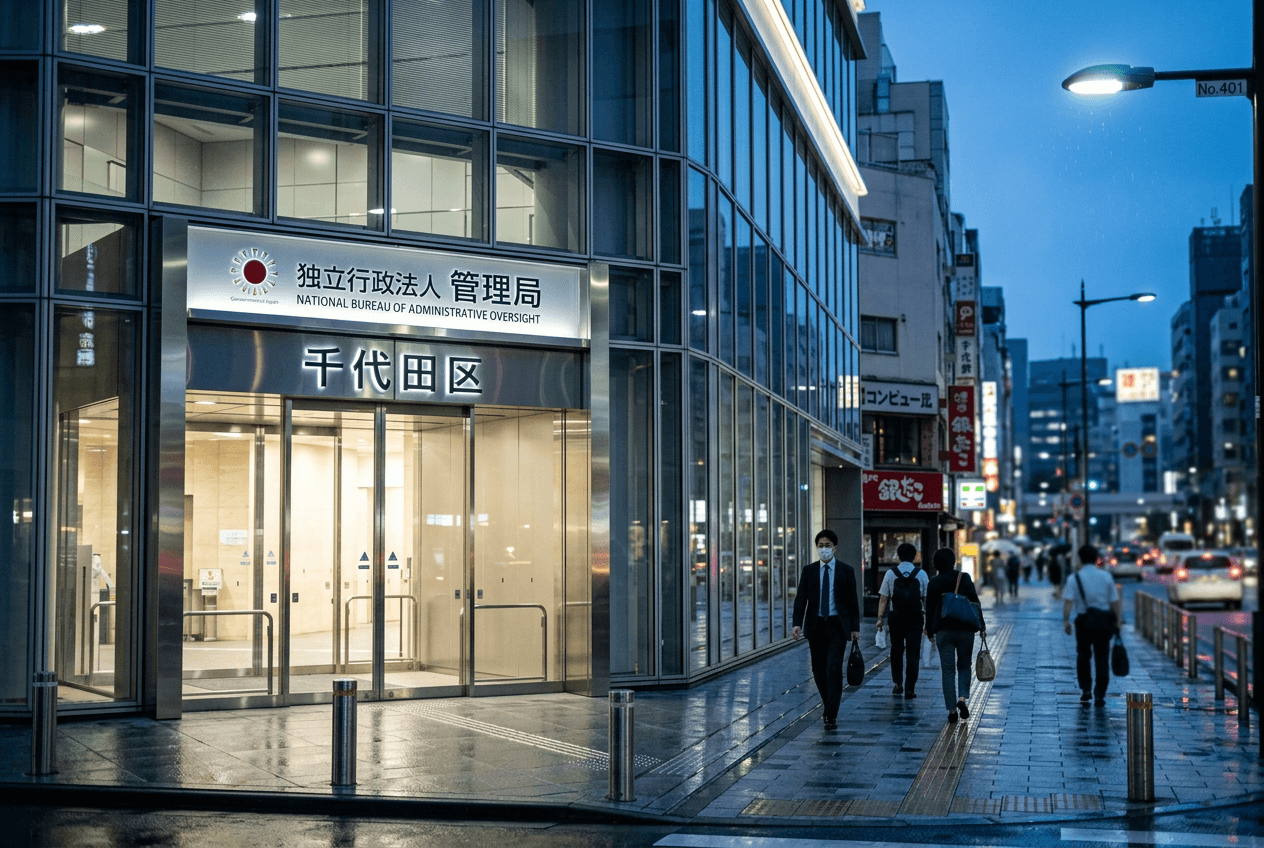
Tokyo's cyber patrol unit and the Zero Illegal Foreign Residents Plan
Japan's Immigration Services Agency (ISA) is building a dedicated cyber patrol unit to scan social media and online platforms for visa overstayers, unauthorized work and forged residence cards, with the analytical and AI tooling slated to come online as early as 2027. The unit sits inside the updated Zero Illegal Foreign Residents Plan, announced in May and a follow-up to the original framework launched in May 2025.
The agency will screen foreign-language job ads, recruitment posts and cash-only work solicitations, then hand leads to human investigators for offline enforcement. Employer crackdowns are part of the same push, with a stated focus on industries like metal and plastic scrapyards. Japan recorded roughly 68,488 people staying illegally as of January, down about 8.5% year over year, per the ISA.
Who gets caught in the net
Overstayers and people working outside their status are the explicit targets, including students exceeding permitted hours, dependents working without the 資格外活動許可 permission and tourists taking paid gigs.
Remote workers sit in a tricky spot. Japan still has no nationwide digital nomad visa in force and the common workaround of entering on a temporary visitor stamp while working online for foreign clients remains a legal gray zone. Under the new posture, public-facing posts marketing services to Japan-based clients, "DM for paid shoots in Tokyo" listings or side gigs advertised under a real name could surface as leads.
Technical intern trainees and Specified Skilled Workers are also flagged, with the ISA citing absconding and illegal job-hopping coordinated through native-language platforms. Ibaraki Prefecture added its own pressure on May 11, launching a 10,000-yen reward for tips on businesses employing foreigners without valid work permission.
Practical steps for foreigners in Japan
Students and dependents who want to work must file the Permission to Engage in Activity Other Than that Permitted application at a regional immigration bureau before accepting paid work. Long-term residents on status-specific visas like Engineer/Specialist in Humanities should keep side income within scope or apply for the same permission.
Audit any public posts tying your identity to work in Japan and keep payroll records, contracts and tax filings clean. The full cyber patrol rollout takes one to two years, though the legal framework is already active.
Read our full Japan guide for the complete picture.
Frequently asked questions
What is Japan's new cyber patrol unit going to monitor?
Who is the new enforcement focus targeting in Japan?
Can students and dependents work in Japan?
Is there a digital nomad visa in Japan?
Will public social media posts about freelance work in Japan be risky?
How long will Japan's cyber patrol rollout take?
Stay updated on Japan
Visa changes, travel alerts, and destination news — delivered when they actually matter.