Japan adds 230 officers to tighten screening for nomads and tourists

| Jan 2025 | 74,863 |
|---|---|
| Jan 2026 | 68,000 |
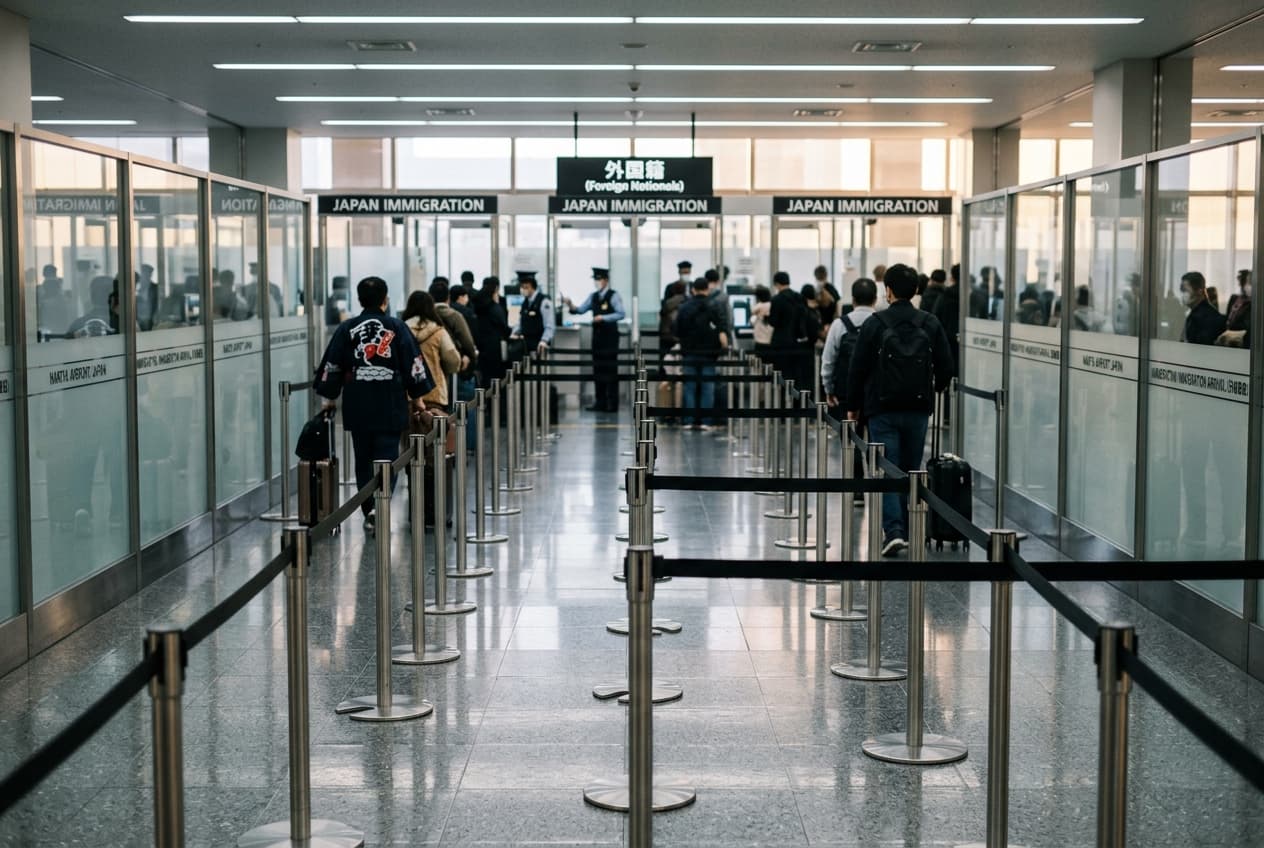
Japan's Immigration Services Agency is adding roughly 230 officers this fiscal year and travelers should expect longer questioning and closer document checks at airports and seaports as the new staff come online.
What changes at the border
The Immigration Services Agency (ISA) is deploying about 50 immigration control officers to hunt down overstayers inside the country and roughly 180 examiners to tighten screening at ports of entry and residency reviews, per UPI and Yomiuri-based reports. Cabinet approval of the enforcement ordinance was expected around late July, with hiring phased across fiscal 2026 (April 1, 2026 to March 31, 2027).
At the border, the legal rules for tourists, expats and nomads haven't changed. What has changed is the intensity of the questioning. Examiners will focus harder on purpose of visit, length of stay, funds and travel history, with a lower threshold for secondary inspection when patterns suggest unauthorized work or a likely overstay. The backdrop: roughly 68,000 foreigners were recorded as overstaying as of Jan. 1, 2026.
Who gets flagged and what to carry
Ibaraki Prefecture, cited as the top region for illegal employment cases, is getting a heavier share of the new enforcement officers. Cyber patrols are also expanding to monitor online chatter about under-the-table work.
Travelers most likely to face extra scrutiny:
Visitors on short-stay/visa-exempt entry whose itineraries look like remote work or long-term residence.
Digital nomads entering under the six-month nomad framework launched in March 2024, who should carry remote-work contracts, proof of income and evidence their clients are foreign entities, not Japanese ones.
Anyone with a prior overstay or violation in Japan, who risks being pulled from kiosk lanes for face-to-face interviews.
Students, trainees and specified-skilled workers whose day-to-day work may not match their status.
Budget extra time at Narita, Haneda, Kansai and Fukuoka, where the Integrated Kiosk collects fingerprints and a facial photo before an automated gate decision. Travelers cleared by the system still move quickly; those flagged go to a human officer. Nomads planning longer stints should read up on Japan's residency rules before booking, since visa-status reviews for extensions and category changes are tightening alongside the border push.
Frequently asked questions
What is changing at Japan’s border for tourists and digital nomads?
Which travelers are most likely to face extra scrutiny in Japan?
What documents should digital nomads carry when entering Japan?
Are Japan’s visa rules for tourists and nomads changing?
Which airports in Japan should travelers budget extra time for?
How many immigration officers is Japan adding?
Stay updated on Japan
Visa changes, travel alerts, and destination news — delivered when they actually matter.