Jakarta AQI hits 182 as dry season turns hazardous

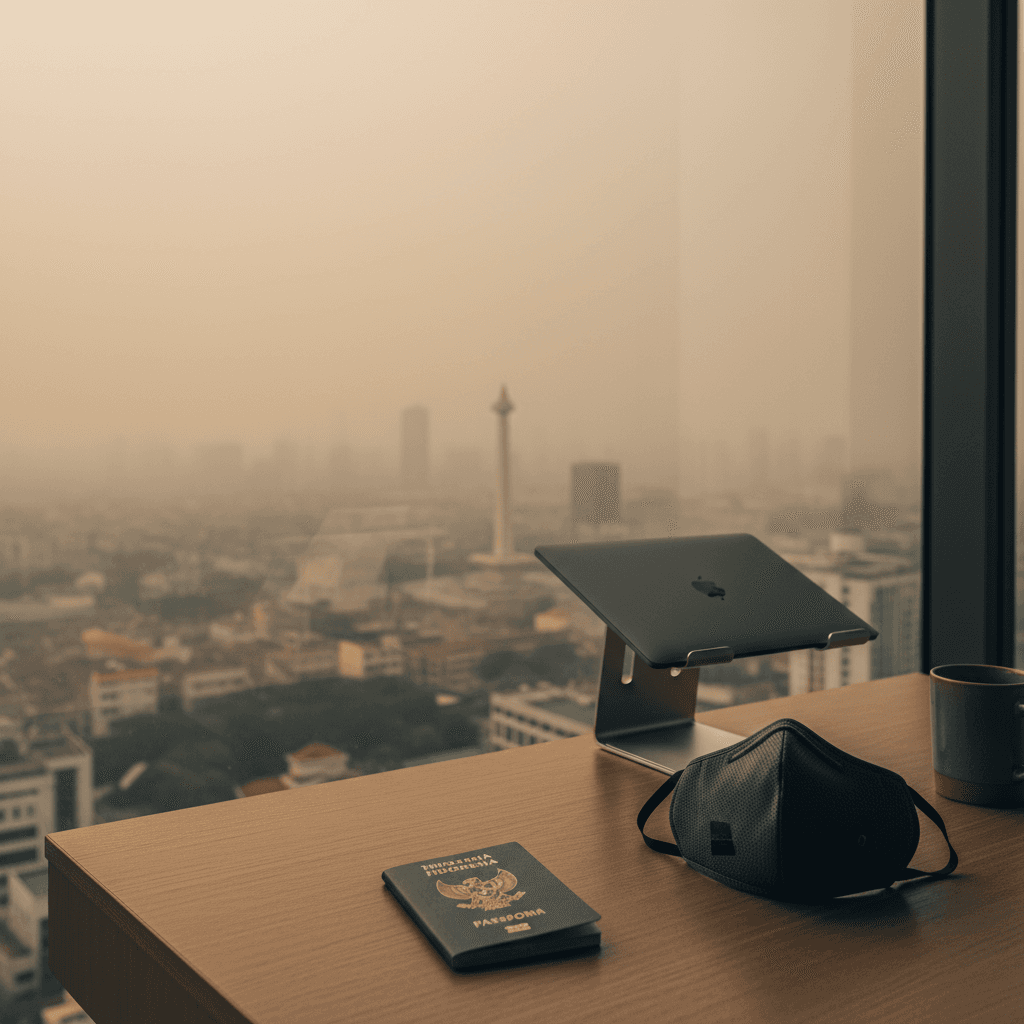
Jakarta’s air quality turned hazardous
Jakarta’s air hit an AQI of 182 on May 3 at 6 a.m. local time, with PM2.5 at 100 micrograms per cubic meter, according to IQAir data cited by Indonesian media. That put the capital at the top of global pollution rankings, ahead of Dhaka and Lahore.
Officials tied the spike to the start of the dry season. Indonesia’s Meteorology Agency expects that season to run from early May through August, with some areas already drying out in April, so the worst air can stick around.
Who feels it most
Everyone in the city faces some risk, but long-stay visitors, digital nomads and travelers spending more time outdoors are the most exposed. Children and people with respiratory conditions should cut back on outdoor activity and officials advised masks for anyone outside.
Sightseeing, commuting and even short transit stops can be enough to trigger irritation when fine particles are this high. Real-time AQI sites such as AQICN.org are tracking conditions and posting health guidance. nomad news
How to handle a stay in Jakarta
There’s no new visa step or fee tied to the pollution spike, but travelers should check AQI apps often, wear N95 masks outdoors and use air purifiers indoors if they’re staying for more than a night or two. Jakarta’s provincial administration is also pushing vehicle emission testing, water mist systems at 100 locations and a broader air pollution control strategy focused on PM2.5.
The city says it’s coordinating with nearby areas because local measures alone won’t be enough. Read our full Indonesia guide for the complete picture.
Frequently asked questions
What was Jakarta's AQI when the air turned hazardous?
How long is Jakarta's hazardous air expected to last?
Who is most exposed to Jakarta's polluted air?
Should I wear a mask outdoors in Jakarta right now?
Do I need a new visa because of Jakarta's pollution?
What should digital nomads do if they stay in Jakarta for more than a night or two?
Stay updated on Indonesia
Visa changes, travel alerts, and destination news — delivered when they actually matter.