Italy moves visa and work permit filings fully online

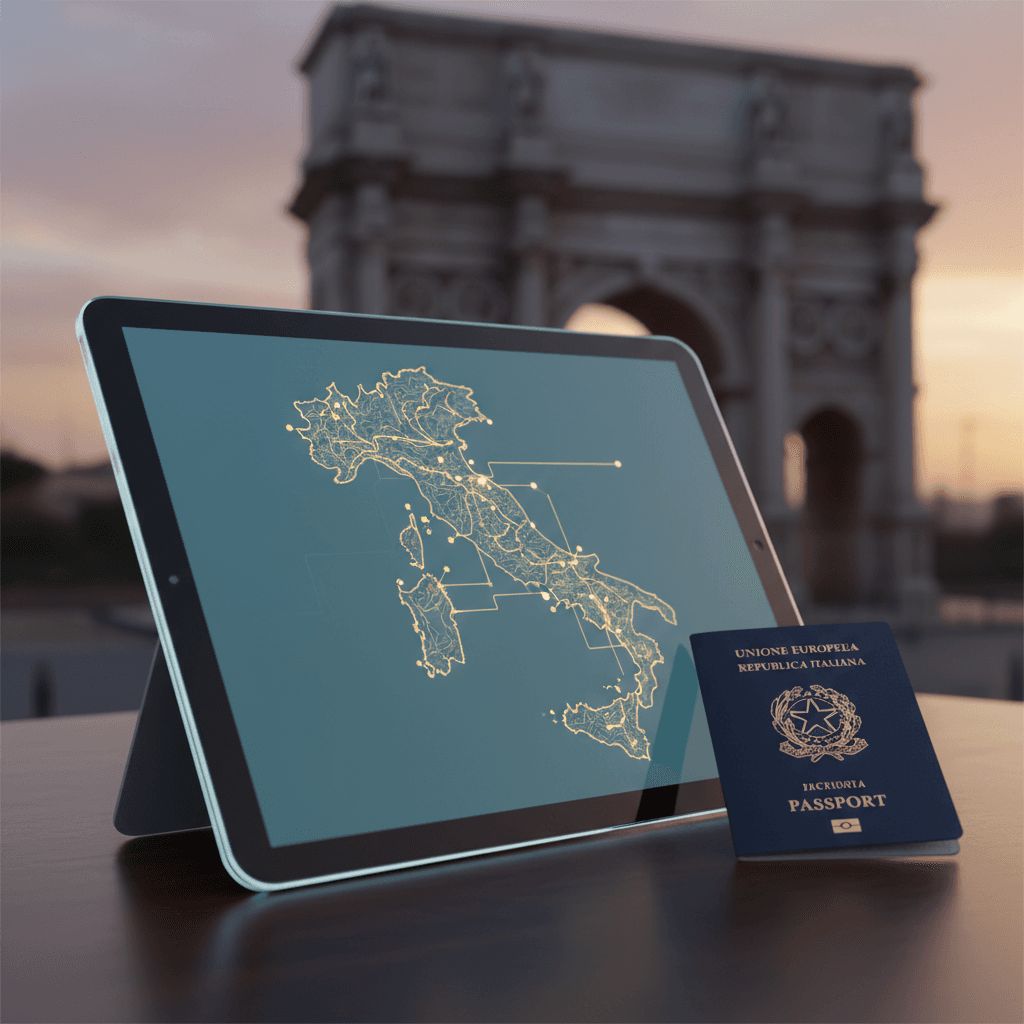
Italy’s visa system goes fully digital
Italy’s Ministry of Foreign Affairs now runs a fully digital visa portal for all Schengen type C and national type D applications. The paper workflow is gone and long-stay applicants still need biometrics before a visa is issued, the ministry said.
The change follows the EU’s Entry/Exit System, which has been fully operational since April 10, 2026. It records fingerprints and facial images for non-EU short-stay travelers instead of passport stamps, so border officers can track the 90/180-day rule electronically.
Who feels the changes most
Non-EU tourists, remote workers and expats are the main groups affected. Short-stay travelers now face biometric checks at the border and visa-exempt visitors are due to be pulled into ETIAS later in 2026, with a €7 ($7.60) fee and online pre-travel authorization.
Digital nomad applicants still need proof of remote work, private health insurance, a fixed address and income of at least €28,000 ($30,360) a year. They must apply for a residence permit within 8 days of arrival in Italy.
What to file and when
Italy’s Decreto Flussi quota for 2026 sets aside 164,850 work permits for non-EU workers, with priority for agriculture, tourism, healthcare and construction. Employers submit applications online on the designated click days and many seasonal jobs don't require a degree.
Travelers should also expect more border screening and possible waits under the EES system. Read our full Italy guide for the complete picture.
Frequently asked questions
Which Italy visa applications are now fully digital?
Do long-stay visa applicants in Italy still need biometrics?
What does the EU Entry/Exit System do for non-EU travelers in Italy?
What documents do digital nomad applicants need for Italy?
How many work permits does Italy set aside for non-EU workers in 2026?
When do visa-exempt visitors have to use ETIAS for Italy?
Stay updated on Italy
Visa changes, travel alerts, and destination news — delivered when they actually matter.