Germany's E-Visa Swap Drops the Passport Sticker for a QR Code

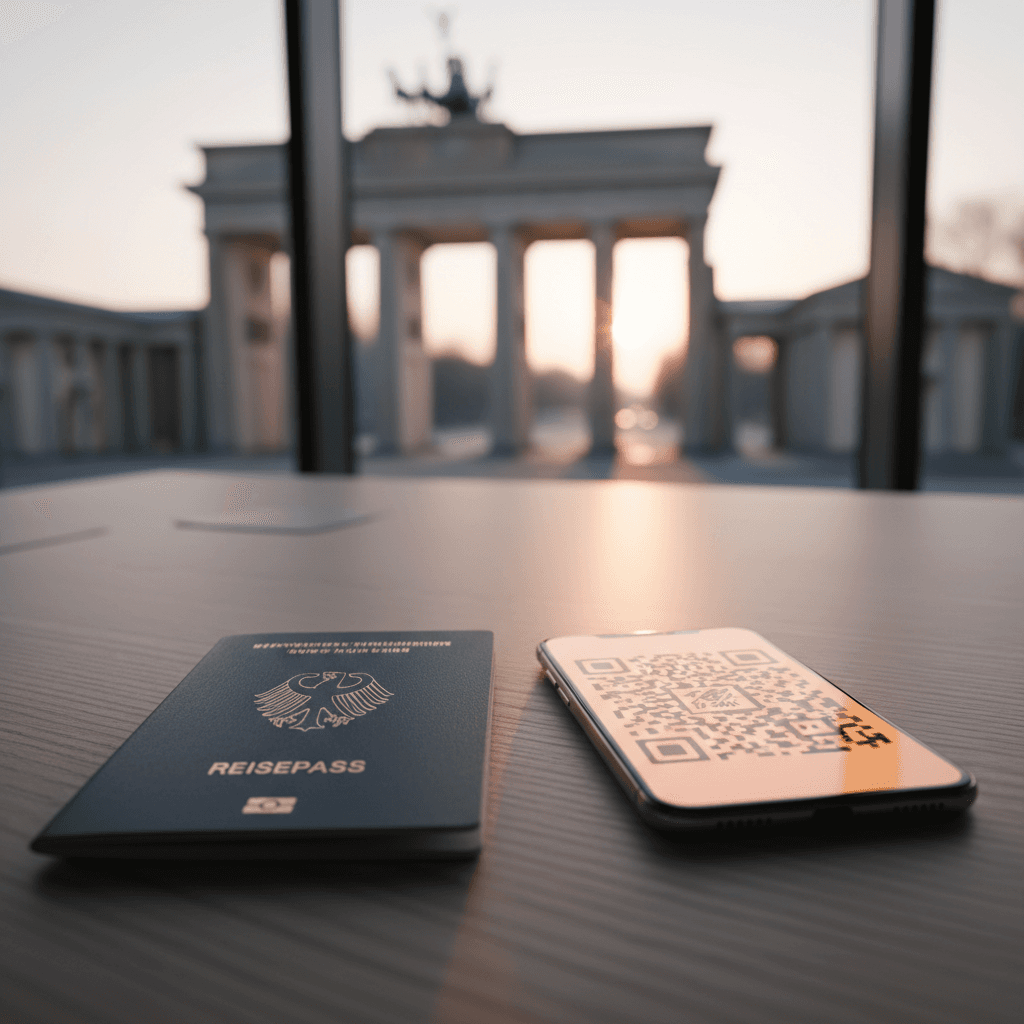
The EU has formally approved replacing the traditional Schengen visa sticker with a cryptographically secured 2D barcode e-visa and Germany , Europe's second-largest visa-issuing state , is deep in the rollout. Pilot issuance starts late 2026 at consulates in New Delhi and Istanbul, full global implementation hits by 2028 and honestly, it's a bigger overhaul than most travelers realize.
Your passport stays with you. Applications, fees and status tracking all move to the EU Online Visa Application Platform, border officers scan a QR-style code linked to EU databases and airlines get early-check capability via a new validation API. First-time applicants still need an in-person biometric appointment, repeat visitors get a noticeably smoother process, which, surprisingly, is the rare case where a bureaucratic upgrade actually delivers.
Who's Affected
Tourists and short-stay visitors transition automatically as the system rolls out, there's no opt-in. Digital nomads get something extra: Germany's Federal Foreign Office added an entirely new chapter on digital nomads to its Visumhandbuch (visa handbook) on March 26, 2026, anticipating a formal Remote-Work Visa later this year. The income bar is steep , €100,000/year pre-tax plus €10,000 in post-tax savings to qualify. Not cheap.
Expats chasing the EU Blue Card face updated minimums too: €50,700/year for general professions, €45,934.20 for shortage occupations. The blocked-account rule for students, turns out, now accepts any EU-licensed fintech with escrow protection , not just German banks.
One genuinely bad change: Germany abolished its remonstration procedure in July 2025, so rejected applicants can no longer appeal directly with the mission, they have to file a court action in Germany instead. Slower, more expensive, frankly frustrating.
What to Do Now
- Applying soon? Use the EU Online Visa Application Platform when it's live, book biometrics early , consulate queues won't shrink.
- Digital nomads: Confirm income documentation meets the €100,000 threshold before applying; German tax liability kicks in on global earnings.
- Corporate HR teams: Store e-visa files in JSON format, GDPR deletion rules apply.
- Everyone: Print a backup of the barcode. Scanning failures at borders are a real risk in early rollout phases.
Keep up with the latest visa updates as the pilot expands. Read our full Germany guide for the complete picture.
Frequently asked questions
When does Germany's e-visa rollout start?
Do I have to surrender my passport for Germany's new e-visa?
Will I still need to go to a consulate for Germany's e-visa?
What income do I need for Germany's digital nomad visa?
Can rejected Germany visa applicants still appeal at the mission?
What should travelers do if the e-visa barcode does not scan at the border?
Stay updated on Germany
Visa changes, travel alerts, and destination news — delivered when they actually matter.