Germany Restores Seamless Travel at Land Borders

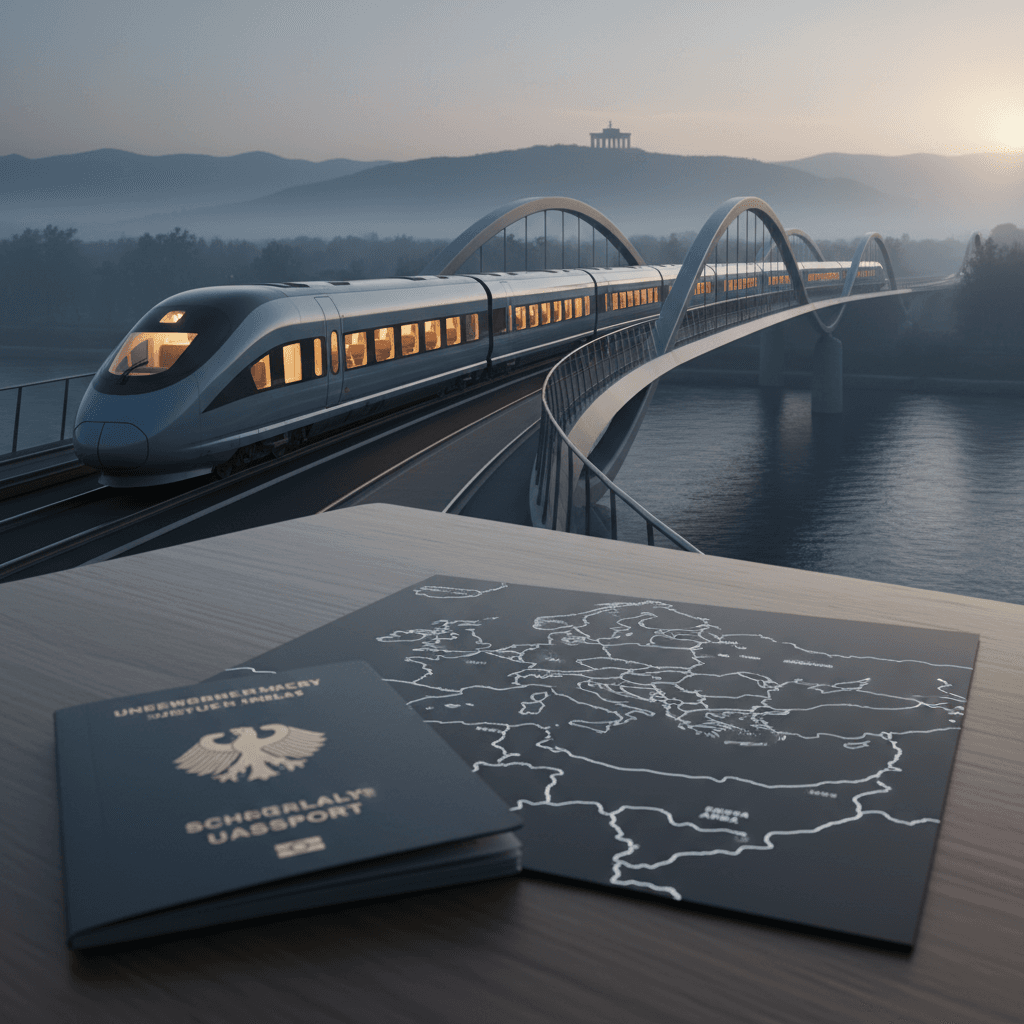
Germany officially ended temporary border controls at all nine of its land borders on March 16, allowing the legal basis for the checkpoints to expire. Fixed inspections that have slowed down travel since late 2025 are now replaced by targeted, mobile police patrols.
The change affects borders with France, Luxembourg, Belgium, the Netherlands, Denmark, Austria, Switzerland, the Czech Republic, and Poland. For digital nomads and frequent travelers, this means the end of 20 to 45-minute queues at major crossings and the restoration of normal rail schedules for high-speed ICE and EC trains.
Who benefits from the change
The removal of checkpoints is a major win for anyone moving through Central Europe.
- Cross-border commuters: Workers no longer need written travel attestations to cross internal EU borders, saving significant time on daily journeys.
- Digital nomads and tourists: EU, EEA, and Swiss nationals can move freely without any documentation beyond their standard ID.
- Third-country nationals: Citizens from countries like the USA, Canada, and Australia can transit these borders seamlessly within their 90-day visa-free window, though they must still carry a valid passport.
- Logistics: Freight traffic at key crossings like Weil am Rhein has returned to normal flow.
What to keep in mind
While Germany has stepped back from fixed controls, travel isn't entirely "back to normal" across the region. Neighboring countries like Denmark, Austria, and the Netherlands still have their own internal checks in place. France also intends to maintain its controls until at least April 30.
The German Interior Ministry has also reserved the right to reintroduce fixed checkpoints if migration pressure increases. You should expect to see mobile German Federal Police patrols on trains and main transit corridors.
Practical steps for nomads
If you are planning to stay in Germany long-term, remember that the lack of a border check does not change residency rules.
- Carry your passport or national ID at all times when crossing borders, as mobile checks are frequent.
- If you are a non-EU citizen working remotely, you still need to apply for a residence permit even if you entered via a visa-free border.
- Register with the local Bürgeramt if you stay in one German city for more than three months.
Stay informed on the latest nomad news to track potential reintroductions of these measures.
Read our full Germany guide for the complete picture.
Frequently asked questions
Which borders did Germany reopen without fixed checkpoints?
Can digital nomads cross Germany's land borders without extra documents?
Are there still border checks near Germany?
Does Germany's border change affect residency rules for remote workers?
Do I still need to register in Germany if I stay long term?
Can Germany bring back fixed border checkpoints?
Stay updated on Germany
Visa changes, travel alerts, and destination news — delivered when they actually matter.