France internal border checks remain through Oct. 31

| Nov 2025 - Apr 2026 | 6 months |
|---|---|
| May 2026 - Oct 2026 | 6 months |
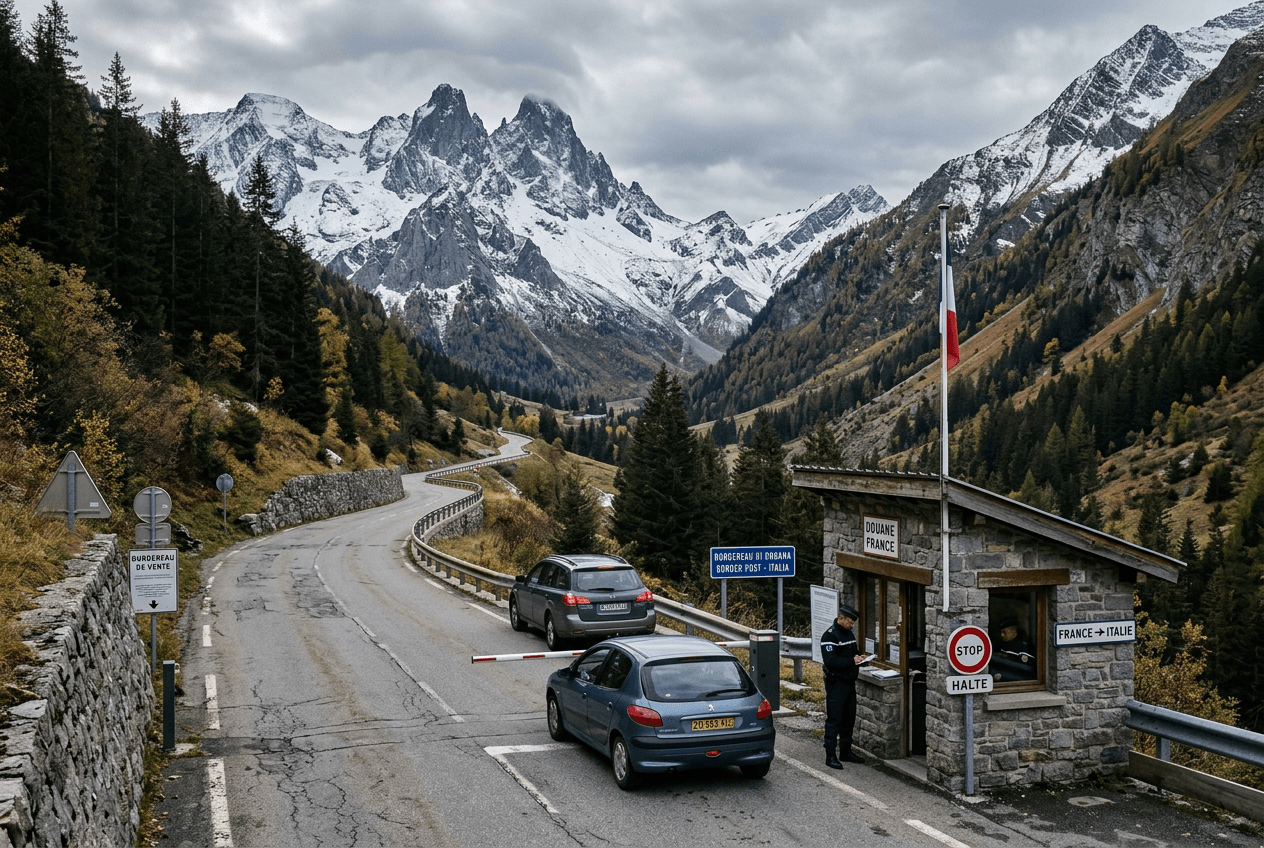
France's internal Schengen border checks stay in place through Oct. 31, 2026, per the European Commission's current listing, so expect passport or ID checks when crossing from Belgium, Germany, Luxembourg, Switzerland, Spain or Italy into France by road, rail, air or sea.
What travelers hit at the French border
The checks are police-run spot inspections, not full immigration processing and there's no fee. France notified the current control period to run May 1 through Oct. 31, 2026, following a prior stretch from Nov. 1, 2025 to April 30, 2026. Paris justified them citing jihadist threats, antisemitic attacks and organized crime tied to smuggling and irregular migration.
Carry a valid passport or national ID card if eligible to use one. Residents of France or neighboring Schengen states should keep proof of residence on hand, a titre de séjour or equivalent, because officers can ask during a stop even though internal checks don't change residence rights. Frequent cross-border commuters and nomads running weekly Paris-Brussels or Nice-Ventimiglia hops will feel this most, so budget an extra 15 to 30 minutes on rail and road crossings that used to be waved through.
EES is a separate system for external arrivals
Don't confuse the internal checks with the Entry/Exit System, which went fully operational at Schengen external borders on April 10, 2026 after a phased rollout that began Oct. 12, 2025. EES applies to non-EU short-stay travelers arriving from outside the Schengen zone and captures biometrics at the border. France's Ministry for Europe and Foreign Affairs says "there's nothing to do before travelling."
Holders of long-stay visas, overseas France visas or residence permits aren't registered in EES, a useful carve-out for anyone already settled under France's residency framework. The European Commission published a June 2026 recommendation pushing member states to phase out long-running internal controls as temporary and proportionate, but that guidance doesn't override France's active notification. The controls remain in force until the Oct. 31 end date, unless Paris files a new extension.
Frequently asked questions
How long will France keep its internal border checks?
Which borders into France are affected by the checks?
What documents do I need when crossing into France?
Are France's internal border checks the same as the Entry/Exit System?
Do I need to do anything before traveling to France because of EES?
How much extra time should I plan for crossing into France?
Stay updated on France
Visa changes, travel alerts, and destination news — delivered when they actually matter.