Czech Republic raises EU Blue Card salary floor to 73,823 CZK on May 1

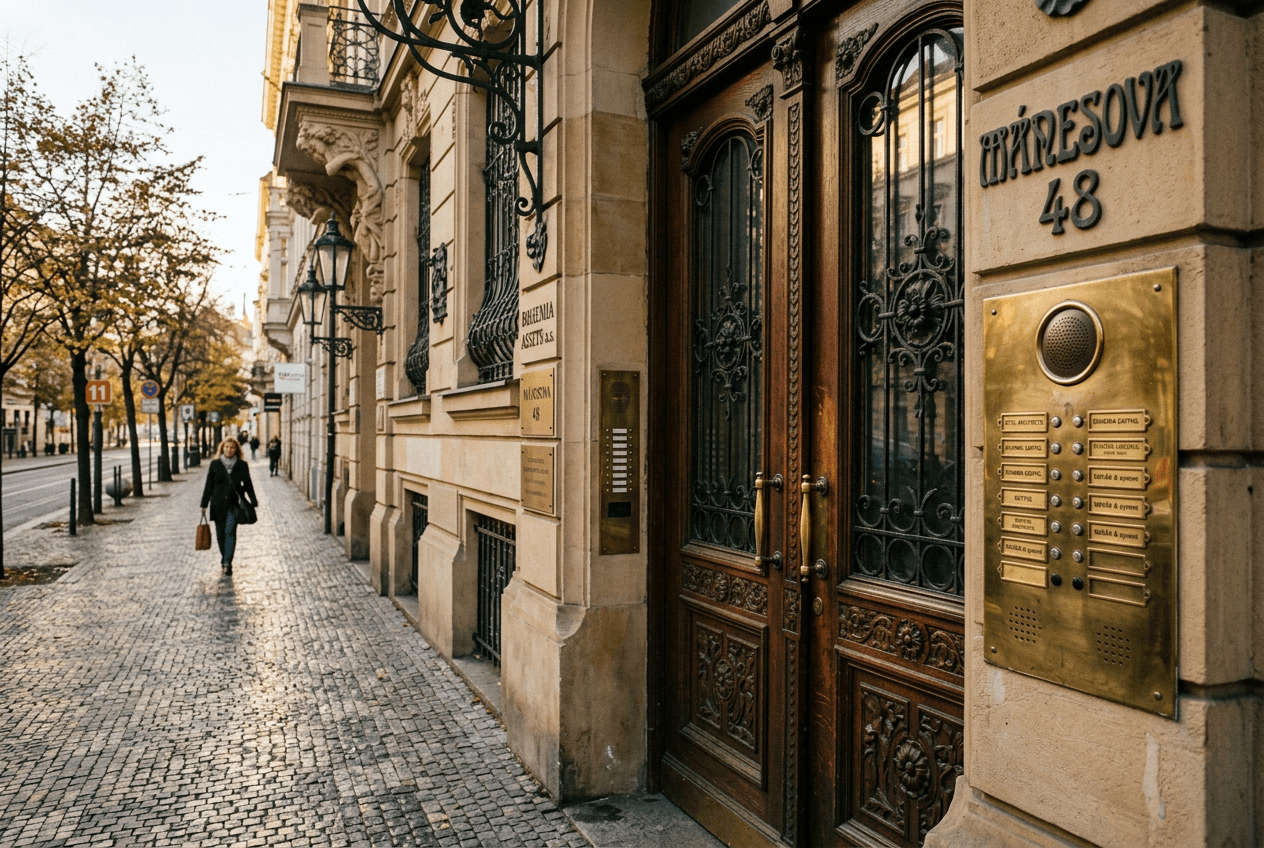
How the higher Blue Card salary floor works
The Czech Republic raised the minimum gross salary for the EU Blue Card to 73,823 CZK per month on May 1, lifting the threshold roughly 6.6% from the previous 69,248 CZK level. The figure tracks 1.5 times the national average salary, as required under EU Directive 2021/1883.
The new floor applies to fresh applications, pending files awaiting a decision and renewals processed from May 1 onward, the Ministry of the Interior confirmed. Standard processing still runs up to 90 days, dropping to 30 to 60 days for applicants already holding a Blue Card from another EU member state. Cards remain valid for the length of the work contract plus three months, capped at three years.
Who feels the change
The salary hike hits non-EU highly qualified workers, think IT specialists, engineers, doctors and senior managers, whose Czech employment contracts must now clear 73,823 CZK gross. Employers sponsoring Blue Cards have to top up offers in the pipeline or watch applications get rejected.
Standard Employee Card holders aren't directly bound by the new floor, though wage expectations in high-skill sectors tend to follow. Tourists on Schengen stays and remote workers without a Czech contract sit outside the Blue Card system entirely, so the threshold doesn't touch them.
Long-term expats using the Blue Card as a runway to permanent residence face a tighter squeeze, because the higher salary must hold across the five years of residence required before applying. Permanent residence applicants under §68 of the Act on the Residence of Foreign Nationals still need to pass the A2-level Czech state language exam.
What applicants need to file
Blue Card candidates need a university or higher vocational degree of at least three years, a job offer matching those qualifications, proof of accommodation, valid travel documents and health insurance. Contracts must run at least one year for applicants filing from abroad.
Fees:
- Ministry of the Interior application inside Czechia: 2,500 CZK
- Consular application from abroad: 5,000 CZK
- Extension of an existing Blue Card: 2,500 CZK
Applications go in person at a Ministry of the Interior office or a Czech embassy. Read our full Czech Republic guide for the complete picture and check our visa updates for related changes.
Frequently asked questions
What is the new EU Blue Card salary requirement in Czech Republic?
Does the new Blue Card salary floor apply to pending applications?
How long does a Czech EU Blue Card stay valid?
What documents do Blue Card applicants need in Czech Republic?
How long does Blue Card processing take in Czech Republic?
Do permanent residence applicants in Czech Republic still need a language exam?
Stay updated on Czech Republic
Visa changes, travel alerts, and destination news — delivered when they actually matter.