Chile adds Andes virus health risk to Level 2 travel advisory

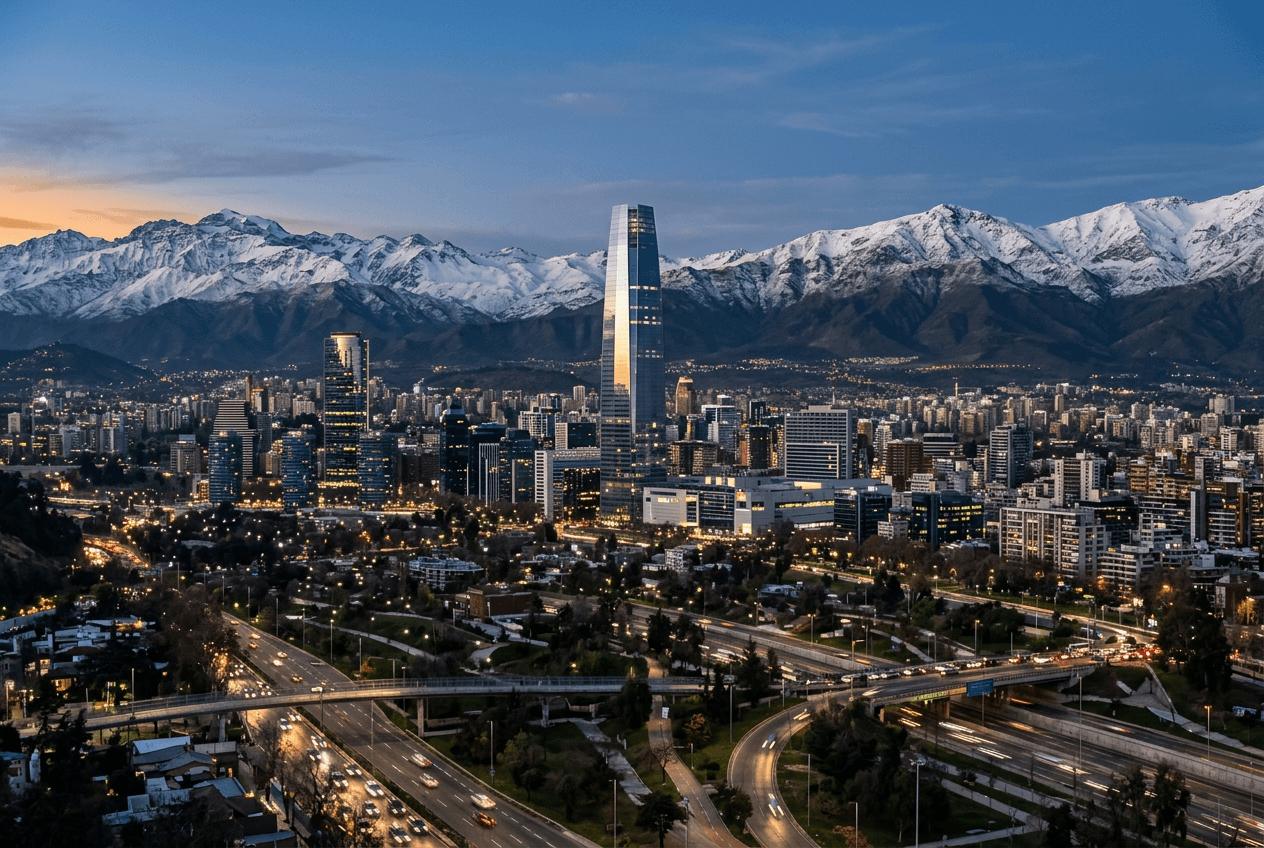
Andes virus flag added to Chile's Level 2 advisory
The U.S. Department of State updated its Chile travel advisory on May 20 to attach a Health (H) risk indicator tied to Andes hantavirus, while keeping the country at Level 2: Exercise Increased Caution. The U.S. Embassy in Santiago issued a parallel Health Alert the same day.
The indicator links to a CDC Level 1 Travelers' Health Notice, the lowest tier, which flags a recognized disease presence but calls the risk to most travelers "extremely low." No new entry screenings, vaccines or documents are required because of the change. Crime and civil unrest remain the primary drivers of Chile's Level 2 status.
Who carries the higher exposure
The advisory applies to all U.S. citizens in Chile, including tourists, retirees, students, business travelers and long-term visa updates holders. Embassy guidance is directed at both visitors and foreign residents.
Urban exposure is minimal. Travelers sticking to Santiago, Valparaíso, Atacama tour circuits or Patagonia with established operators face very low direct risk from Andes virus, per the State Department notice. Higher risk concentrates among nomads and expats who:
- Live or work in rural areas, particularly in southern and Andean regions
- Spend extended time in agriculture, construction or outdoor tourism work
- Camp, hike or stay in cabins where rodent contact is possible
Australian and Canadian advisories for Chile continue to emphasize security rather than health and haven't mirrored the U.S. update.
Steps for residents and long-stay nomads
Andes virus spreads primarily through contact with rodent droppings, urine or saliva, so prevention centers on avoiding rodent exposure in rural lodging and sealing food storage, the CDC said.
For long-stay foreign residents, the embassy recommends confirming health coverage works inside Chile. Practical checks:
- Verify enrollment in FONASA (public) or an ISAPRE (private) plan if resident or hold international insurance covering hospitalization
- Add medical evacuation coverage if based outside major cities, since high-acuity care concentrates in Santiago and regional capitals
- Review the CDC Chile page before travel into remote zones
The advisory doesn't change residency rules, visa categories or insurance mandates. It is a communication flag, not a regulation.
Read our full Chile guide for the complete picture.
Frequently asked questions
Is Chile still a Level 2 travel advisory?
Do I need new vaccines or documents to enter Chile because of the Andes virus update?
Who is most at risk for Andes virus in Chile?
How does Andes virus spread in Chile?
Do travelers staying in Santiago face a high Andes virus risk?
Should long-stay nomads in Chile check their health insurance?
Do I need medical evacuation coverage in Chile?
Stay updated on Chile
Visa changes, travel alerts, and destination news — delivered when they actually matter.