Australia partner visa fees jumped 25% to 11,710 dollars on July 1

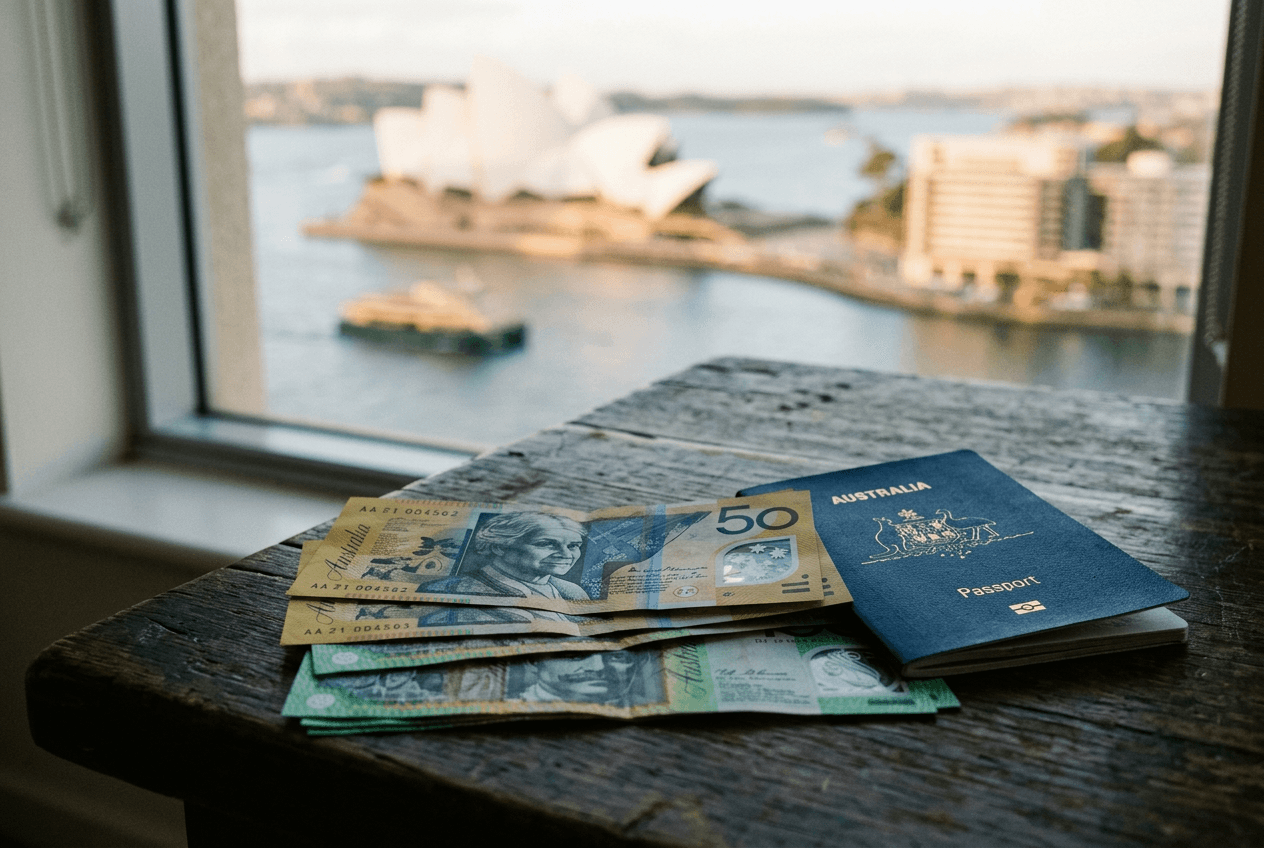
| Before July 1 | 9,365 AUD |
|---|---|
| After July 1 | 11,710 AUD |
Australia's visa fee hike hit on July 1, pushing partner visa charges past $11,000 and skilled independent applications to more than $6,000 for the main applicant.
Fee rises of 25% to 200% across the board
The Department of Home Affairs lifted visa application charges on most subclasses by roughly 25%, with a handful jumping over 200%. Applications lodged before July 1 keep the old fees; anything lodged on or after that date pays the new rate.
The main increases in Australian dollars:
- Student (subclass 500): $2,000 to $2,500. ELICOS and some ASEAN/Pacific concessions sit at $2,050.
- Temporary Graduate (485): $4,600 to $5,750.
- Skilled Independent (189): $4,910 to $6,135. Skilled Nominated (190) and Skilled Regional (491) rose to about $6,140.
- Skills in Demand (482): $3,210 to $4,015.
- Partner (820/801, 309/100) and Prospective Marriage (300): $9,365 to $11,710 for the primary applicant, plus roughly $5,860 per additional adult.
- Working Holiday and Work and Holiday (417/462): first visa $670 to $840; second or third $670 to $1,000.
- Resident Return (155): $490 to $1,475, a 201% jump.
- New Zealand family relationship (461): $445 to $1,330, a 199% jump.
What it costs a nomad in real terms
For a remote worker weighing employer sponsorship, the 482 fee alone now runs $4,015 (about $2,640 USD) before migration agent costs, skills assessments and health checks. Sponsoring employers also have to meet the raised Core Skills Income Threshold, which climbed to $76,515 on July 1, 2025 and has since been referenced at $79,499, with a specialist tier at $146,717. Anyone earning below that floor isn't eligible on employer-sponsored routes.
Working holidaymakers renewing twice now pay $2,840 across three visas instead of $2,010, an extra $830 over the life of the program. The offset: Cyprus, Finland, Germany and South Korea passport holders can now apply up to age 35, up from 30.
Partner applicants take the hardest hit in absolute dollars. A couple with one child under 18 now pays roughly $17,570 in government charges for a partner visa alone, before legal fees. The full fee schedule and eligibility rules for long-term routes into Australia sit alongside the higher salary floors that now gate employer sponsorship.
Frequently asked questions
When did Australia's new visa fees start?
How much does an Australian partner visa cost now?
How much is an Australian student visa now?
How much does a Skilled Independent visa cost in Australia now?
How much does a Working Holiday visa cost in Australia now?
Which passport holders can now apply for an Australian working holiday visa up to age 35?
What is the income threshold for employer-sponsored visas in Australia?
Stay updated on Australia
Visa changes, travel alerts, and destination news — delivered when they actually matter.