Malaysia began 100% baggage checks for high-risk routes at KLIA

| Current | 5 years |
|---|---|
| Proposed | 2 years |
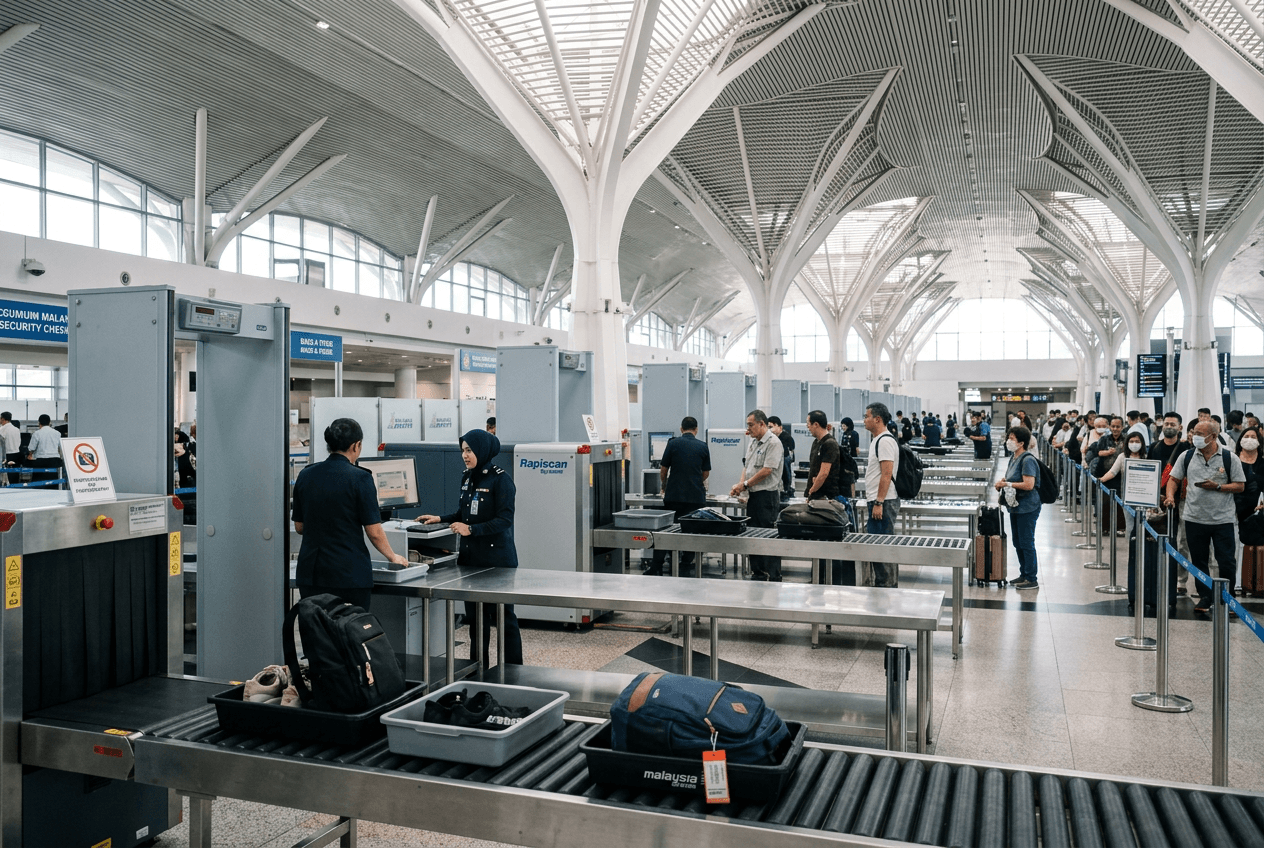
Malaysia began enforcing full baggage checks and head-to-toe physical pat-downs for passengers departing Kuala Lumpur International Airport on flights bound for high-risk destinations.
Targeted screening at KLIA departure gates
The enhanced security measures apply selectively based on route risk rather than a passenger's nationality, visa status or residency. Outbound travelers booked on routes with frequent contraband smuggling records face physical inspections from head to toe alongside 100% baggage screening, Home Minister Saifuddin Nasution Ismail confirmed in Parliament on Oct. 6, 2026.
While authorities singled out Indonesia as an affected destination, the government hasn't released a complete list of routes designated as high risk. Routine airport security continues for travelers on standard routes, but security teams intercept passengers whenever a destination triggers the high-risk classification. Anyone planning departures while traveling through Malaysia on regional routes should expect direct physical checks regardless of frequent-flyer status or cabin class.
Rollout timeline and Cabinet measures
Although discussed publicly during parliamentary question time on Oct. 6, 2026, the operational screening phase actually began in August 2026. The intervention forms part of a broader package of 17 recommendations approved by the Cabinet on Aug. 20, 2026, designed to close enforcement blind spots across Malaysian aviation hubs.
The Cabinet review followed the arrest of a commercial co-pilot in Jakarta carrying approximately 25 kilograms of illegal narcotics from KLIA. Saifuddin noted previous terminal protocols prioritized firearms, sharp objects and explosives over outbound contraband detection. The initial phase is scheduled to run for six months as a pilot at KLIA before authorities consider expanding the checks across other international entry points.
Tighter airside security and operational rules
The security package extends beyond passenger checkpoints to target airside personnel and airport surveillance infrastructure. Aviation workers now face mandatory pre-employment, periodic and random drug testing across technical and cabin crews.
Key operational changes within the airport security package include:
Reducing security-vetted airport access card validity from five years to two years
Deploying the police General Operations Force 19th Battalion for visible terminal patrols
Integrating more than 5,000 surveillance cameras across Terminal 1 and Terminal 2 into border control monitoring networks
Increasing intelligence-sharing between airport operators and customs enforcement teams
What departing travelers should prepare for
Passengers flying out of KLIA to Southeast Asian regional destinations should build in extra buffer time before departure. Because officers conduct manual pat-downs and full baggage inspections at the gate, boarding queues for classified flights move significantly slower than standard departures.
Material operational details remain unpublished by airport authorities:
The full official list of routes classified as high risk
Whether the 100% baggage inspection applies strictly to carry-on items or includes checked luggage
Specific accommodations for children, elderly travelers or passengers with disabilities
Detailed procedural differences between operations at Terminal 1 and Terminal 2
Travelers should keep personal electronics and carry-on liquids easily accessible inside their bags to speed up manual searches when boarding flights to affected regional destinations.
Frequently asked questions
What security checks are in place for high-risk flights from KLIA?
Which destinations are affected by the new KLIA screening?
When did the KLIA screening begin?
How long will the KLIA baggage checks last?
Who is subject to the new screening at KLIA?
Should travelers allow extra time before departing KLIA?
Stay updated on Malaysia
Visa changes, travel alerts, and destination news — delivered when they actually matter.