Zadar
🇭🇷 Croatia
The Tech Renaissance on the Adriatic
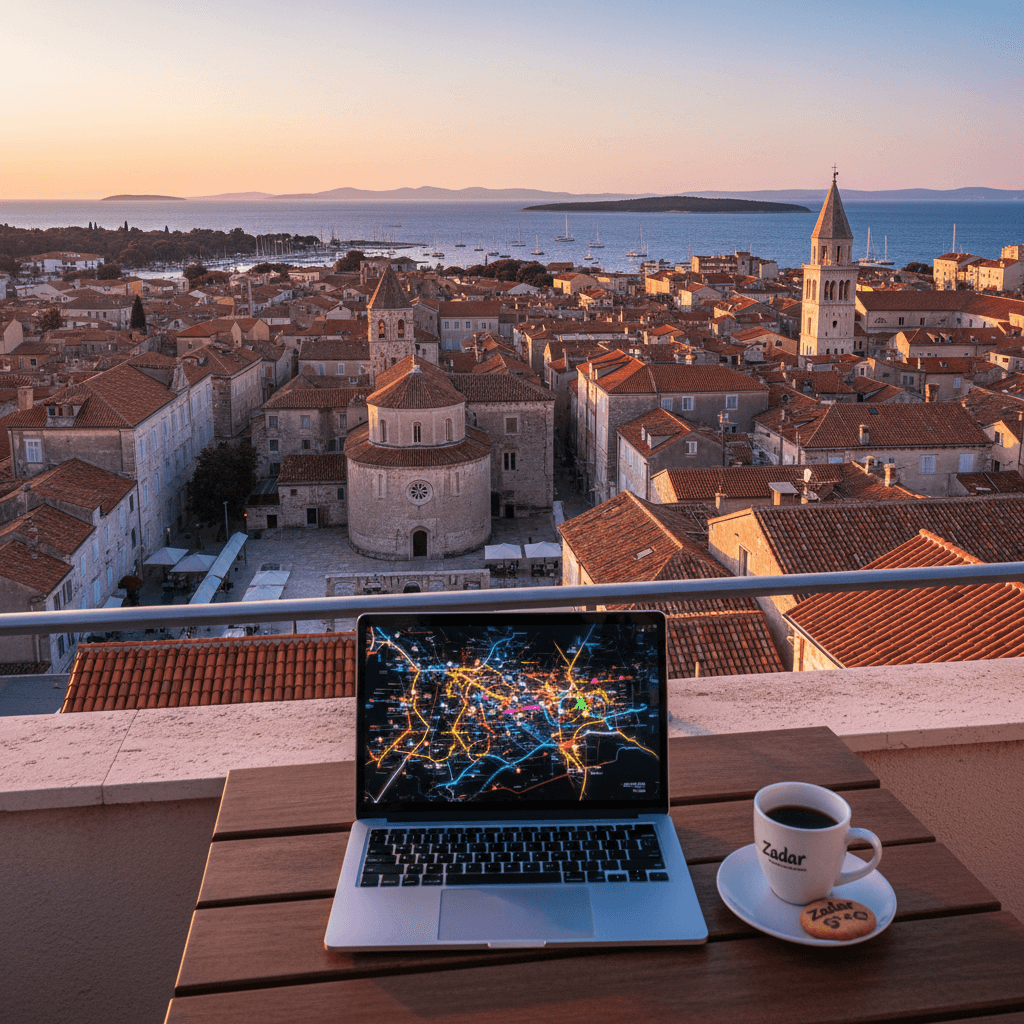
Zadar is where Croatia's ancient stone walls meet a surprisingly forward thinking tech scene. While most travelers flock to the high energy crowds of Split or the pricey prestige of Dubrovnik, Zadar has quietly carved out a niche for people who actually need to get work done. It feels less like a tourist trap and more like a functional, coastal living room. You'll find a community that values a slow morning coffee over a 10:00 AM stand-up meeting, yet the infrastructure for remote work is some of the most robust in the region.
The city is currently undergoing a transformation into a legitimate tech hub. Local government support and a surge in startups have brought hackathons and networking events to the forefront of the social calendar. It's a place where you can spend your morning debugging code in a modern coworking space and your afternoon listening to the Sea Organ, an architectural masterpiece that uses the waves to create haunting, melodic music. This blend of innovation and history makes it a magnet for nomads who find the typical "party islands" too distracting for a long term stay.
Life in the Slow Lane
The pace here is decidedly relaxed. Locals live by the philosophy of "pomalo," which roughly translates to "take it easy." This isn't just a slogan; it's a way of life that dictates your afternoon breaks and sunset rituals. Most nomads find that their productivity actually increases here because the environment lacks the frantic noise of larger European capitals. You're never more than a short walk from the water, and the air quality is consistently excellent, making it easy to clear your head after a long day of screen time.
Expats often mention that Zadar feels like a "big small town." It has the amenities of a city, like fast internet averaging ~50-90 Mbps by provider, but it retains a close knit community feel. You'll likely start recognizing the same faces at your favorite cafe within a week. While the winter months from December to February can be quiet and rainy, the city remains functional year round, unlike some smaller coastal villages that completely shut down after the summer season.
The Cost of Coastal Living
One of Zadar's biggest draws is its affordability compared to Western Europe or even other parts of the Croatian coast. You can maintain a high quality of life here without the "tourist tax" found elsewhere. Most solo nomads find they can live comfortably on a budget of €1,200 to €1,800 per month, depending on how many sunset cocktails and island hopping trips they squeeze in.
- Budget Lifestyle: Around €800 per month. This covers a modest apartment outside the center, groceries, and occasional meals out.
- Mid-range Lifestyle: Around €1,200 per month. This includes a nicer flat, frequent dining at local konobas, and a dedicated coworking desk.
- Comfortable Lifestyle: €1,800+ per month. This gets you a 1-bedroom apartment in the Old Town with sea views, upscale dining, and weekend adventures to national parks.
Where to Plant Your Laptop
Choosing a neighborhood in Zadar depends on whether you want the history at your doorstep or a more modern, residential feel. The city is highly walkable, especially within the historic core, though you might want a bike or an occasional Uber if you're staying further out.
Old Town (Poluotok)
- The Vibe: Living inside a museum. Marble streets, Roman ruins, and endless cafes.
- Rent: Expect to pay €500 to €700 for a decent studio.
- Pros: Everything is walkable; you're steps from the Sea Organ and the best nightlife.
- Cons: Can get noisy and crowded during the peak summer months.
Digital Nomad Village (Borik/Diklo)
- The Vibe: A purpose built community for remote workers.
- Rent: Packages start around €130 per week for all inclusive stay-and-work setups.
- Pros: Instant community, built-in networking, and proximity to the beach.
- Cons: A bit further from the historic center; feels more like a resort than a local neighborhood.
The Emotional Draw
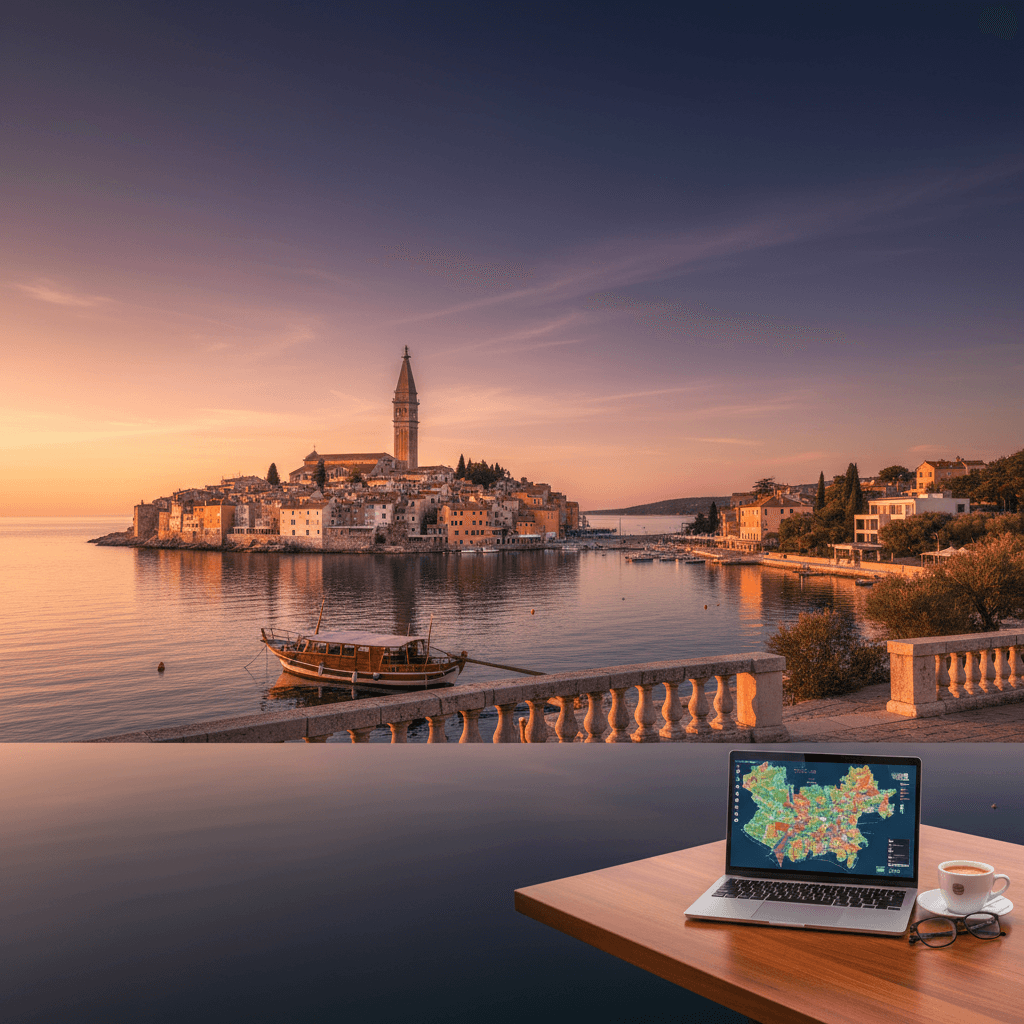
There is a specific feeling you get in Zadar when the sun starts to dip below the horizon. Alfred Hitchcock famously called it the best sunset in the world, and he wasn't exaggerating. Every evening, locals and nomads alike gather at the Riva to watch the sky turn shades of deep orange and purple. It's a collective moment of pause that reminds you why you chose this lifestyle. It isn't just about the low taxes or the fast WiFi; it's about the ability to work from a place that feels deeply human and connected to its environment.
The Price of Paradise
Zadar is one of the best kept secrets for your wallet in the Adriatic. While Split and Dubrovnik have seen prices skyrocket, Zadar remains remarkably grounded. You can live a high quality life here for about $800 to $1,200 a month, depending on how often you're eating sea bass on the Riva versus cooking at home.
Most nomads find that their money goes significantly further here than in Western Europe or even other Croatian hubs. While local salaries hover around $400, the infrastructure for remote workers is top tier, meaning you aren't sacrificing internet speed for those lower price tags.
Monthly Budget Tiers
- The Budget Nomad (approx. €800): This covers a modest studio outside the Old Town, plenty of home-cooked meals, and public transport. You'll have enough left for a few beers at local spots and basic gym or internet costs.
- The Mid-Range Professional (approx. €1,200): This is the sweet spot. It allows for a nicer apartment, regular coworking space fees, and eating out a few times a week. You'll also have a buffer for weekend trips to nearby national parks.
- The Coastal Comfort Life (€1,800+): If you want those legendary sunset views from your balcony in the Old Town, this is your bracket. This covers premium housing, upscale dining, and plenty of boat excursions or island hopping.
Housing and Rent
Rent is your biggest variable. If you're looking for a 1BR studio in the historic center, expect to pay between €1000 and €1400 monthly. Many expats recommend looking toward the outskirts or the Borik area for better value and quieter nights.
The Zadar Digital Nomad Village has become a go-to for many newcomers. They offer all-inclusive packages starting around €130 per week, which covers your living space and workspace. It's a great way to land, meet people, and figure out the city before signing a long term lease.
Food and Dining
Eating out is still affordable if you avoid the obvious tourist traps. Street food like slices of pizza or burek will cost you €5 to €8. A solid mid-range meal at a local konoba (tavern) usually runs about €15 to €20 per person.
Grocery shopping is where you'll save the most. Local markets are packed with fresh produce, and supermarket prices are consistent with the rest of the Balkans. Expect to spend about €200 to €300 a month if you're mostly eating at home.
Connectivity and Transport
Getting around won't break the bank. Zadar is highly walkable, especially in the center. If you need the bus, tickets are cheap at €1 to €2. For longer trips, Uber and Cammeo are the standard apps for reliable rides.
Staying online is equally affordable. Unlimited mobile data from providers like Hrvatski Telekom usually costs between €10 and €20 a month. If you prefer a dedicated office, coworking memberships average €29 to €51 monthly, offering speeds of 60+ Mbps which is more than enough for video calls and heavy uploads.
Lifestyle and Leisure
Life in Zadar is about the outdoors, which is often free. Sitting by the Sea Organ at sunset doesn't cost a dime. For other activities, keep these prices in mind:
- Gym membership: €30 to €50 per month
- Coffee on the Riva: €2 to €4
- Beer at a local bar: €3 to €5
- Ferry trip to nearby islands: €5 to €15
While the city is generally cash friendly, cards are accepted almost everywhere. Most travelers suggest using Wise or Revolut to avoid bank fees when withdrawing Euros from local ATMs.
The Old Town (Poluostrvo)
For solo travelers and nomads who want to be in the thick of it, the Old Town is the undisputed champion. It is a car-free marble peninsula packed with Roman ruins, medieval churches, and those famous sunsets at the Sea Organ. You won't need a vehicle here, as everything from the local market to the ferry terminal is within a ten-minute walk.
- The Vibe: Historic, social, and visually stunning. It is the best place to meet other travelers over a coffee on the Riva.
- Pros: Immediate access to the best cafes, fast internet in most rentals, and a high concentration of English speakers.
- Cons: It gets loud during the peak summer months, and rent is the highest in the city, often ranging between €600 and €800 for a decent studio.
Boranik and the Tech Hub
Digital nomads often gravitate toward the areas just outside the historic center, particularly near the Zadar Digital Nomad Village. This area balances work and play perfectly, offering more modern apartment layouts than the cramped Old Town buildings. It is where the city's tech renaissance is most visible, with frequent hackathons and networking events.
- The Vibe: Productive and community-focused. You will find people on laptops in every second cafe.
- Coworking: Many nomads opt for the Digital Nomad Village packages, which start around €130 per week for an all-inclusive stay-and-work setup.
- Rent: You can find modern one-bedroom apartments for €500 to €600 per month if you book for the medium term.
Diklo and Puntamika
Expats looking for a more "local" feel without sacrificing the sea view usually head north to Diklo or Puntamika. These neighborhoods are more residential and offer a slower pace of life. It is the kind of place where you recognize your neighbors at the bakery and can go for a morning swim just steps from your front door.
- The Vibe: Relaxed coastal living with a mix of retirees and long-term remote workers.
- Accessibility: It is a bit far to walk to the center, but the local bus system is reliable and cheap, costing only €1 to €2 per ticket.
- Cost: Mid-range. Expect to pay about €1,200 total per month for a comfortable lifestyle including a sea-view balcony.
Arbanasi and the Outskirts
Families and those planning to stay for a year or more often find their home in Arbanasi or the quieter outskirts. These areas provide the space that the city center lacks, including larger houses with gardens and proximity to schools. While it feels removed from the tourist trail, you are still only a short bike ride from the beach.
- The Vibe: Quiet, safe, and family-oriented. It feels like a genuine Croatian suburb rather than a vacation destination.
- Pros: Significantly lower rent than the Old Town and much better parking options if you decide to rent a car for island trips.
- Cons: Limited nightlife and a smaller selection of cafes. You will likely rely on apps like Uber or Cam taxi to get home after a late night in the city.
Quick Cost Comparison by Area
- Old Town: High budget (€1,800+ total monthly) for premium location and convenience.
- Central/Tech Hub: Mid-range (€1,200 total monthly) with a focus on networking and coworking access.
- Outskirts/Arbanasi: Budget-friendly (€800 to €1,000 total monthly) for those who prioritize space and local immersion.
Connectivity on the Dalmatian Coast
Zadar is hitting a sweet spot for remote workers right now. While it lacks the frantic energy of Split, the infrastructure is surprisingly robust. Most nomads find that fiber optic internet is becoming the standard in the Old Town and newer apartment blocks. You can expect average speeds of 50-90 Mbps depending on provider, but recent nomad reports average ~17 Mbps for unlimited home setups, usually costing between €29 and €51 per month.
Public WiFi is available in most plazas and cafes, but it can get spotty during the peak summer tourist rush. If you're planning to work from the seaside or a terrace, a local SIM card is your best friend. Expats recommend picking up a card from Hrvatski Telekom (HT) or A1. You can get unlimited data packages for about €10 to €20 per month, and the 5G coverage across the city center is excellent.
Coworking Spaces and Communities
The coworking scene here is evolving from a few scattered desks into a genuine tech hub. It's less about sterile offices and more about community integration. Many travelers gravitate toward the Zadar Digital Nomad Village, which is a unique setup located just outside the main tourist drag. It combines living and working spaces into a single ecosystem.
- Zadar Digital Nomad Village: This is the big player in town. All inclusive packages start around €130 per week. It's the go to spot if you want an instant social life and a dedicated desk without hunting for an apartment.
- Coffice Culture: While dedicated coworking offices are popping up, many nomads still prefer the local cafe scene. You'll find plenty of people with laptops in the quieter corners of the Old Town, especially during the morning hours when the "pomalo" (take it easy) pace of life is in full swing.
- Tech Events: Zadar is carving out a niche with frequent hackathons and networking meetups. These are great for meeting local developers and other expats who have made the permanent move to Croatia.
The Best Work From Cafe Spots
Zadar's cafe culture is legendary, but not every spot is laptop friendly. Some of the high traffic places on the Riva expect quick turnover. For a longer session, look for places with larger outdoor tables and a more relaxed vibe. The coffee is strong and affordable, usually around €2 to €3 for a latte, which serves as your "rent" for an afternoon of work.
Most nomads suggest finding spots near the university or tucked away in the narrow streets of the Peninsula. These areas tend to have more reliable power outlets and quieter atmospheres than the cafes directly facing the Sea Organ. If you need to take a video call, the Digital Nomad Village or a private rental is a safer bet, as the ambient noise of the city and the wind off the Adriatic can be unpredictable.
Practical Tech Tips
- Power Plugs: Croatia uses the standard European Type C and F plugs. If you're coming from the US or UK, bring a sturdy adapter; the cheap ones often wiggle out of the older stone wall sockets.
- Backup Data: Even with 5G, having a backup hotspot is smart if you have high stakes meetings. The stone walls in the Old Town can sometimes act like a Faraday cage, dropping your signal the moment you move into a back room.
- Banking: Set up Wise or Revolut before you arrive. Most coworking spaces and local cafes prefer card payments, and these apps will save you a fortune on conversion fees compared to traditional banks.
Stay Smart in the Sun
Zadar is one of those places where you can breathe a sigh of relief. It feels incredibly safe, even for solo travelers wandering the winding streets of the Old Town late at night. The city maintains a small town atmosphere where locals look out for one another, and violent crime is virtually non-existent. Most nomads find that the biggest "danger" is simply tripping over an uneven Roman stone or getting a bit too much sun while working from a seaside cafe.
That said, don't let the relaxed vibe make you careless. During the peak summer months, the city fills up with tourists. This is when petty theft, like pickpocketing, can occasionally happen near the Sea Organ or the Greeting to the Sun installation. Keep your laptop bag zipped and your phone off the edge of the table when you're in high traffic areas. Outside of the main tourist hubs, you'll likely feel more secure here than in almost any major North American or Western European city.
- Emergency Number: Dial 112 for any emergency services. It's the standard across the EU and operators usually speak English.
- Air and Water: The air quality is excellent, and the tap water is perfectly safe to drink. You'll see locals filling bottles at public fountains; feel free to do the same.
- Walking Home: It's common to see people walking alone at 2:00 AM without a second thought. Just stick to well lit paths if you're staying in the outskirts.
Navigating Healthcare
Healthcare in Zadar is reliable but can feel a bit limited compared to the massive medical hubs in Zagreb or Split. For minor issues, your first stop should always be a Ljekarna (pharmacy). These are everywhere, marked by glowing green crosses. The pharmacists are highly trained, speak great English, and can often give you exactly what you need for a cold or a minor skin irritation without a doctor's visit.
If you need a specialist or a hospital, Zadar General Hospital (Opća bolnica Zadar) is the main facility. While the care is professional, the infrastructure can feel a bit dated, and wait times for non emergencies are notoriously long. Expats often recommend looking into private clinics for faster service. Many nomads opt for Poliklinika Lacrima or similar private providers where you can pay out of pocket for a consultation, usually ranging from €50 to €80.
If you're in Zadar on the Digital Nomad Visa, you're required to have health insurance. Most people use international providers like SafetyWing or Genki, but you may also need to register with HZZO (the Croatian state health insurance) depending on your specific residency status. Always keep a digital copy of your policy on your phone; private clinics will want to see it upfront.
Health and Wellness Tips
- Pharmacy Hours: Most pharmacies close by 8:00 PM, but there is always one "duty" pharmacy open 24/7 on a rotation. Check the sign on any pharmacy door to see which one is currently on call.
- Dental Care: Croatia is a popular destination for dental tourism because the quality is high and prices are low. A standard cleaning in Zadar will usually run you about €40 to €60.
- Sun Safety: The Adriatic sun is deceptively strong, especially when there's a cool breeze. Locals stay out of the direct sun between 11:00 AM and 4:00 PM during July and August. Follow their lead to avoid heatstroke.
- Sea Urchins: If you're swimming off the rocks instead of a manicured beach, keep an eye out for sea urchins. Stepping on one is a quick way to ruin a week of work. A pair of €10 water shoes from a local market is a smart investment.
Getting Around Zadar
Zadar is a city that feels designed for slow mornings and spontaneous walks. Most nomads gravitate toward the Old Town, where the layout is incredibly compact. You can cross the entire historic peninsula on foot in about fifteen minutes, making it the primary way you'll navigate your daily life if you're staying central.
Public Transit and Buses
For trips outside the ancient walls, Zadar has a reliable and affordable bus network. It's surprisingly efficient for a smaller city, with tickets usually costing between €1 and €2. You'll find these buses helpful for reaching the tech hub districts or the residential outskirts where rents are lower.
- Liburnija Zadar: This is the main local bus operator. Their yellow buses connect the city center to neighborhoods like Borik and Gazenica.
- Airport Transfers: Getting to the city from Zadar Airport (ZAD) is straightforward. A dedicated airport bus runs frequently, taking about 15 to 30 minutes and costing roughly €5. If you prefer a private ride, a taxi or Uber will typically run you between €15 and €25.
Ride-Hailing and Taxis
While the city is walkable, you'll occasionally need a lift after a late night or when carrying groceries. Uber is active here and remains the go-to for most expats because of the transparent pricing. Cammeo is another popular local taxi app that often offers competitive fixed rates. It's generally better to use these apps rather than hailing a random taxi on the street to avoid the "tourist tax" prices sometimes found near the ferry port.
Cycling and Scooters
The bikeability of Zadar is a bit of a mixed bag. The Old Town's polished stone streets are beautiful but can be slippery, and they're mostly pedestrian-only. However, the coastal roads leading out of the center are perfect for a cruise. You can find daily bike or scooter rentals for about €5 to €10. Many remote workers living in the Zadar Digital Nomad Village use bikes as their primary mode of transport to get into the city center for meetups and coffee dates.
Island Hopping and Ferries
You can't talk about getting around Zadar without mentioning the water. The ferry terminal is your gateway to the Adriatic islands like Ugljan or Dugi Otok. Taking the local Jadrolinija ferries is a rite of passage here. For a few euros, you can hop on a boat and be on a quiet island beach in under half an hour. It's the ultimate "out of office" move for a Friday afternoon.
Practical Tips for Commuting
- The Barkajoli: For a truly local experience, use the rowboat ferrymen (Barkajoli) who have been rowing people across the harbor for centuries. It costs about €1 and saves you a long walk around the marina to get to the Old Town.
- Parking: If you're thinking of renting a car, don't. Parking in the center is a nightmare and expensive. Save the car rentals for weekend trips to Krka or Plitvice Lakes National Parks.
- Pedestrian Zones: Most of the historic center is car-free. Wear comfortable shoes; those Roman stones have been smoothed down over two millennia and can be surprisingly slick when it rains.
Getting by in Zadar
You won't have much trouble making yourself understood here. While Croatian is the official language, Zadar has a high level of English proficiency, especially among the younger crowd and those working in the tech sector. Most nomads find that they can easily order coffee, negotiate rent, or chat with coworkers without ever opening a translation app.
That said, locals genuinely appreciate it when you make an effort. Learning a few basics goes a long way in building rapport at your local konoba or neighborhood market. It's the difference between being just another tourist and being a part of the community.
Key Phrases to Know
- Bok: This is your Swiss Army knife of greetings. It means both hello and goodbye. Use it with the barista at the Zadar Digital Nomad Village or your neighbors.
- Hvala: Thank you. You'll use this constantly.
- Molim: Please. It also doubles as "you're welcome" or "pardon?" depending on the context.
- Koliko košta?: How much does it cost? Useful for the local markets where prices aren't always tagged.
- Pivo, molim: A beer, please. Essential for post-work drinks on the Riva.
Digital Communication and Connectivity
Zadar's tech hub status means the digital infrastructure is solid. You aren't going to be hunting for signal in the Old Town. Most cafes are remote work friendly and expect you to ask for the Wi-Fi password, which is usually printed right on your receipt.
- Mobile Providers: Expats recommend Hrvatski Telekom (HT) or A1. You can pick up a prepaid SIM at any "Tisak" newsstand for about €10 to €20, which usually gets you a week or two of unlimited data.
- Internet Speeds: Expect average speeds of 60+ Mbps. If you're staying at the Digital Nomad Village or using a dedicated coworking space, you'll often see much higher.
- Useful Apps: Google Translate is the standard for complex conversations. For getting around, Uber and Cammeo are the go-to apps for ride-hailing, though the city is small enough that you'll mostly be walking.
Social Nuances
Communication in Zadar is direct but relaxed. Don't be surprised if your "quick" coffee meeting turns into a two-hour session; the pomalo lifestyle (taking it slow) is real here. In a professional setting, like at a local hackathon or networking event, English is often the default language if internationals are present.
If you're planning a longer stay or applying for the digital nomad residency, having a basic grasp of Croatian helps with the bureaucracy. While government officials in the main offices usually speak English, having your documents translated or having a local friend help with the MUP (Ministry of the Interior) forms will save you plenty of headaches.
The Language of Community
The nomad scene here is close-knit. Most communication happens in dedicated WhatsApp or Slack groups for the Digital Nomad Village and local coworking hubs. It's a bilingual environment where you'll hear a mix of Croatian, English, and German. If you're feeling isolated, just head to the Sea Organ at sunset; it's the city's natural meeting point where "hello" is the only icebreaker you need.
When to Land in Zadar
Zadar is a seasonal city that breathes with the Adriatic. While it's becoming a year round tech hub, the weather still dictates the social rhythm. You'll want to time your arrival based on whether you're here for the outdoor island hopping lifestyle or deep focus work during the quieter months.
The Sweet Spot: May to October
Most nomads agree that May, June, and September are the golden months. During this window, temperatures hover between 20°C and 26°C, which is perfect for working from a cafe terrace without melting. The Adriatic is warm enough for a post work swim, but you won't be fighting crowds of cruise ship passengers in the Old Town.
July and August are the peak of summer. It gets hot, often hitting 30°C or higher, and the city fills up with vacationers. If you're staying in the Old Town during these months, expect higher noise levels and a surge in short term rental prices. However, this is also when the social scene is at its peak, with beach BBQs and outdoor events happening almost every night.
The Quiet Season: November to April
If you prefer a moody, reflective atmosphere for a big project, the winter months have their own charm. It rarely gets freezing, with January averages around 8°C. You'll see more rain between November and March, so pack a solid waterproof jacket and layers. The "Bura" wind can be fierce, blowing cold air down from the mountains, but it usually leaves the sky a crisp, stunning blue afterward.
Be aware that some beachside bars and tourist focused restaurants close down from December to February. The upside? This is when you'll find the best deals on long term housing, with some apartments dropping to nearly half their summer rates.
What to Pack
- The Summer Kit: High quality sunscreen, a reusable water bottle, and sturdy sandals for the pebbled beaches. You'll also want a light sweater for the evenings, as the coastal breeze can be surprisingly cool after sunset.
- The Digital Nomad Essentials: A universal power adapter and a reliable power bank. While Zadar has great 4G/5G coverage, you'll want a backup if you're working from a boat or a remote island beach.
- The Shoulder Season Layer: A windbreaker is non negotiable. The coastal weather can shift quickly, and a light, packable shell will save you during a sudden afternoon shower.
Seasonal Cost and Vibe Comparison
Peak Summer (July to August)
- Vibe: High energy, social, crowded, and sun drenched.
- Rent: Expect to pay €1200-1600 for a central studio in peak summer.
- Best for: Networking, parties, and island hopping.
Shoulder Season (May, June, Sept, Oct)
- Vibe: Relaxed, productive, and comfortable.
- Rent: Standard rates around €500 to €600.
- Best for: Outdoor fitness, cafe working, and local immersion.
Winter (November to March)
- Vibe: Quiet, windy, and local.
- Rent: Possible to find deals as low as €400 for long stays.
- Best for: Deep work, saving money, and enjoying the Sea Organ in solitude.
Travelers often say that Zadar feels like a different city every three months. If you're looking for the quintessential Croatian experience, aim for a September arrival. The water is at its warmest, the "back to school" energy hits the tech scene, and the sunsets over the Riva are consistently world class.
Connectivity and Workspace
Zadar is quickly becoming a favorite for remote workers who want reliable infrastructure without the crowds of Split or Dubrovnik. Most nomads find the mobile coverage here excellent. Providers like Hrvatski Telekom (HT) or A1 offer unlimited data packages for around €10 to €20 per month. You can pick up a SIM card at any Tisak kiosk or gas station as soon as you arrive.
For a dedicated workspace, the Zadar Digital Nomad Village is the biggest name in town. They offer all inclusive packages starting at €130 per week, which covers both your accommodation and access to a professional coworking environment. If you prefer the cafe scene, the Old Town is packed with spots that have solid WiFi and outdoor seating. Just look for places with larger tables away from the main tourist thoroughfares to ensure a quieter environment for calls.
Budgeting for the Adriatic
Living here is significantly more affordable than in Western Europe or even the larger Croatian hubs. A solo nomad can live comfortably on about €1,200 per month, while those on a tighter budget can get by on €800 if they stick to local markets and outskirts housing.
- Budget Tier (€800): Expect to spend €400 on rent in areas outside the center, €200 on groceries, and €50 on transport and internet.
- Mid-range Tier (€1,200): This covers a €500 apartment, €300 for dining out and socializing, and €100 for local transport and gym memberships.
- Comfortable Tier (€1,800+): This allows for a €700 central one bedroom apartment with sea views, frequent upscale dining, and weekend trips to the islands.
Getting Around
The Old Town is almost entirely pedestrian, making it highly walkable. For longer trips, the local bus system is reliable and cheap, with tickets usually costing between €1 and €2. If you need a car, ride hailing apps like Uber and Cammeo are active and generally more transparent than flagging down a random taxi on the street.
Travelers often say the bikeability is hit or miss depending on the neighborhood, but you can rent a bike or scooter for €5 to €10 a day to explore the coastline. For airport transfers, the Zadar Airport (ZAD) is only about 20 minutes away; a bus or taxi will set you back roughly €10 to €20.
Health and Safety
Zadar is incredibly safe, even for solo travelers late at night. The air quality is high and the tap water is perfectly safe to drink. While the city doesn't have a massive network of private hospitals, the local pharmacies are well stocked and pharmacists usually speak excellent English. In a serious pinch, dial 112 for emergency services.
Money and Language
While Croatia has fully transitioned to the Euro, it's still a good idea to carry a little bit of cash for smaller bakeries or market stalls. Most cafes and restaurants accept cards, and using fintech apps like Revolut or Wise will help you avoid unnecessary conversion fees at ATMs.
English proficiency is very high among the younger crowd and anyone working in the tech or tourism sectors. You won't struggle to get by, but learning a few basics goes a long way with the locals. Try Bok for hello, Hvala for thanks, and Koliko košta? when asking for a price.
When to Visit
The sweet spot is May through October. You'll get plenty of sunshine and temperatures between 20°C and 30°C. If you hate the rain, avoid November through March, as the coastal winds can get quite chilly and the city slows down significantly. Most expats recommend arriving in late spring to secure a good apartment before the summer tourism peak hits in July.
Need visa and immigration info for Croatia?
🇭🇷 View Croatia Country GuideEasy Landing
Settle in, no stress
Monthly Budget Estimates
More cities in Croatia
Osijek
🇭🇷 Croatia
Zagreb
🇭🇷 Croatia
Split
🇭🇷 Croatia