Yogyakarta
🇮🇩 Indonesia
The Soul of Java
If Jakarta is Indonesia's frantic engine and Bali is its flashy showroom, Yogyakarta is its beating heart. Known affectionately as Jogja, this city moves to a slower, more rhythmic beat. It is a place where royal palaces still command respect and the smell of clove cigarettes mingles with the scent of fresh batik wax. For nomads, the draw here isn't a beach club; it's the creative friction of a university town blended with ancient Javanese traditions.
You'll feel the difference the moment you step out of the airport train. There is a "halus" (refined) quality to the locals that makes the city feel immediately welcoming. It is significantly more affordable than the coast, and while the humidity can be a heavy blanket, the artistic energy usually provides enough of a breeze to keep you inspired. It is a city of low-slung buildings, hidden alleyway cafes, and a stubborn refusal to rush.
Living Costs & Local Life
Your money goes incredibly far here. Most nomads find they can live comfortably on $800 to $1,200 a month, while those on a strict budget can scrape by on $430. The local currency is the Rupiah, and you'll become a millionaire many times over just by visiting an ATM.
- Rent: A central studio or one-bedroom apartment usually runs around $241 (Rp3.8M). If you head further out, prices drop to about $178 (Rp2.8M).
- Dining: You can grab street food like Gudeg (jackfruit stew) for $1.26 (Rp20k). A mid-range dinner for two at a proper restaurant costs about $12.60 (Rp200k).
- Transport: Monthly costs for getting around usually fall between $30 and $100 depending on how much you use ride-hailing apps.
Where to Set Up Camp
Choosing a neighborhood in Jogja defines your social life. The city is segmented by its history and its modern student population.
Prawirotaman
- Best For: First-timers and solo travelers.
- The Vibe: This is the bohemian center. It is walkable, filled with art galleries, and has the highest concentration of expat-friendly cafes.
- The Trade-off: It can feel a bit touristy and gets noisy on weekend nights.
Gejayan
- Best For: Dedicated work sessions and younger expats.
- The Vibe: Located near the universities, this area is packed with affordable cafes and coworking energy. It feels more "real" than the tourist zones.
- The Trade-off: The student traffic can be a nightmare during peak hours.
Kotabaru
- Best For: Peace, quiet, and families.
- The Vibe: This area retains its colonial charm with wide, leafy streets and better air quality.
- The Trade-off: It is a bit of a trek to the main social hubs.
Work, WiFi, and Weather
Internet speeds in Jogja average around 11 Mbps. While it isn't lightning fast, it is stable enough for Zoom calls. Most nomads head to G45 Space because it has reliable AC, fast WiFi, and free coffee. Jogja Digital Valley is another solid choice, though it closes at 8:00 PM. For a more relaxed cafe vibe, Ekologi is a favorite for afternoon laptop sessions.
The weather is tropical and unapologetic. Expect 27 to 30°C year-round. The dry season from June to September is the sweet spot. If you visit during the rainy season between November and March, expect daily downpours that can turn the streets into small rivers, especially in January.
Navigating the City
Forget walking long distances; the heat and lack of consistent sidewalks make it tough. Download Gojek or Grab immediately. A motorbike trip usually costs between $0.70 and $1.50, while a car is rarely more than $4. If you're coming from the new YIA Airport, expect a 60 to 75-minute drive costing roughly $15 to $28.
Safety is rarely an issue here, as the city has a high safety index between 75 and 80. Just keep an eye on your phone in the crowded Malioboro market area. While English isn't as widely spoken as it is in Bali, a simple "Terima kasih" (thank you) goes a long way with the locals. Most residents are incredibly patient with language barriers, often helping you out with a smile and a bit of pantomime.
The Reality Check
Jogja isn't perfect. The traffic is thick, the power can be inconsistent during big storms, and the nomad community is smaller than what you'll find in Canggu. However, the trade-off is a city that feels authentic. You're two hours from Borobudur, the world's largest Buddhist temple, and a short scooter ride from the slopes of the Merapi volcano. It's a place for those who want to actually live in Indonesia, rather than just a tropical bubble.
The Bottom Line
Yogyakarta, or Jogja as locals call it, is arguably the most affordable creative hub in Indonesia. While Bali prices continue to climb, Jogja remains a place where you can live comfortably on a fraction of a Western budget. Most nomads find that $800 a month covers a very respectable lifestyle, including a private apartment, daily cafe visits, and plenty of weekend trips. If you are on a strict budget, you can get by on $430, while those seeking a more upscale experience with a luxury villa and frequent fine dining usually top out around $1,290.
Housing and Neighborhoods
Rent is your biggest variable, but even in the city center, a modern studio or one bedroom apartment averages about $241 (Rp3.8M). If you head just outside the main ring road, those prices drop closer to $178 (Rp2.8M). Expats usually gravitate toward a few specific pockets of the city.
- Prawirotaman: This is the bohemian heart of the city. It is walkable and packed with art galleries and cafes. It has a distinct expat vibe, though it can get a bit noisy at night.
- Gejayan: Located near the universities, this area is perfect for younger nomads. It is affordable and has the highest concentration of coworking spaces, though the student traffic can be intense.
- Kotabaru: If you prefer wide, leafy streets and colonial architecture, this is the spot. It is quieter and feels more residential, making it a favorite for families.
- Sosrowijayan: Best for short term stays or those who want to be near the train station. It is very cheap but leans heavily into the backpacker scene.
Eating and Drinking
Food is where Jogja really shines for your wallet. You can grab a filling meal of Gudeg (jackfruit stew) or Satay from a street vendor for about $1.26 (Rp20k). Even a mid-range dinner for two at a proper sit-down restaurant typically only costs around $12.60 (Rp200k). For a night out, Sakapatat Brew House is a popular choice for craft beer and burgers, while Liquid Bar is the go-to for late night energy.
Connectivity and Coworking
Internet speeds average around 11 Mbps. While that is plenty for standard remote work, the city's humidity means you probably won't want to work from an open-air cafe all afternoon. Most nomads invest in a coworking membership to stay productive and cool.
- G45 Space: Widely considered the best in town. It has reliable AC, fast WiFi, and provides free coffee.
- Jogja Digital Valley: A professional environment open from 9am to 8pm.
- Ekologi: A beautiful cafe that is very welcoming to laptop users.
A monthly hot desk pass usually runs about $139. For mobile data, grab a Telkomsel tourist SIM at the airport. You can get 18GB of data for anywhere between $4 and $15 depending on the current promotion.
Getting Around
The city is walkable in small pockets like Prawirotaman, but for everything else, you will need wheels. Most people rely on Gojek or Grab. A motorbike trip usually costs between $0.70 and $1.50, while a car is roughly $1.50 to $4. If you want more independence, scooter rentals are about Rp80k per day. When you arrive at YIA Airport, expect to pay between $15 and $28 for a car into the city, which takes about 60 to 75 minutes depending on the notorious Jogja traffic.
Practical Realities
While the cost of living is low, there are trade-offs. The humidity is heavy year-round, and power outages happen occasionally. English is not as widely spoken as it is in Bali, so learning basic phrases like Terima kasih (thanks) will go a long way. Safety is a high point here; the city has a high safety index between 75 and 80. Just keep an eye on your belongings in crowded spots like Malioboro and avoid unlit rural roads after dark.
For Digital Nomads and Creatives
If you are heading to Jogja to work, Prawirotaman is the undisputed hub. It has a laid back, bohemian energy that feels a bit like a quieter version of Ubud. You can spend your mornings at G45 Space, which most nomads consider the best spot in town because of the fast WiFi and air conditioning. When you need a break, the streets are lined with art galleries and cafes like Ekologi where the coffee is strong and the atmosphere is built for laptop users.
For those who prefer a more local, high energy student vibe, Gejayan is the place to be. It is surrounded by universities, meaning the prices for food and housing are incredibly low. You will find plenty of coworking spaces here, including Jogja Digital Valley, which stays open until 8:00 PM. It is a bit more chaotic than Prawirotaman, but it is perfect if you want to be surrounded by young Indonesian tech talent and affordable street food.
- Rent: Around $241 for a central studio.
- Coworking: Hot desks average $139 per month.
- Vibe: Creative, social, and very walkable in the Prawirotaman core.
For Expats and Long Term Residents
Kotabaru is the neighborhood of choice for those looking for a bit of peace and historical charm. This area was originally a Dutch colonial residential district, so the streets are wider, greener, and much quieter than the rest of the city. It feels more like a proper neighborhood than a tourist zone. You will find beautiful old architecture and a more refined pace of life here.
Expats often choose this area because it is less congested, though you will likely need a Gojek or Grab account to get into the center of the action. While it lacks the dense concentration of cafes found in the south, it offers a level of privacy and comfort that is hard to find elsewhere in Yogyakarta. It is the best spot to settle in if you plan on staying for six months or more.
- Rent: Expect to pay roughly $178 for a nice place just outside the immediate center.
- Transport: Car trips via Grab usually cost between $1.50 and $4.00.
- Vibe: Upscale, quiet, and colonial.
For Solo Travelers and Backpackers
If you are only in town for a few weeks and want to be in the thick of it, Sosrowijayan is the classic choice. It is located right next to the Tugu Railway Station and the famous Malioboro street. This is the backpacker heart of the city, filled with cheap guesthouses and hidden alleys. You will be steps away from the Beringharjo market, where you can find the best cheap eats in the city for about $1.26 a meal.
The energy here is high and it can get noisy, especially at night. However, it is the most convenient location for catching trains to other parts of Java or hopping on the Trans Jogja bus for $0.24. If you want to grab a craft beer and meet other travelers, Sakapatat Brew House is a short ride away and serves as a popular social anchor for the solo crowd.
- Food: Street food starts at Rp20,000.
- Safety: Generally very safe, though keep an eye on your pockets in the heavy Malioboro crowds.
- Vibe: High energy, transit friendly, and very budget conscious.
For Families
Families usually find the outskirts of Kotabaru or the northern residential districts most comfortable. These areas offer more space and better access to international style pharmacies and hospitals like Panembahan Senopati. The humidity can be tough on kids, so many families look for villas with pools, which are much more affordable here than in Bali.
While the city center is walkable, families often rely on Grab or Maxim for air conditioned transport to keep everyone cool. For weekend trips, the Borobudur and Prambanan temples are easy to reach by hiring a private driver for the day. Just remember that the traffic can be unpredictable, so a 60 minute trip can easily double during peak hours.
- Monthly Budget: A comfortable lifestyle for a family usually sits around $1,290.
- Weather: Best to visit in July and August to avoid the heavy rains of January.
- Vibe: Relaxed, respectful, and family oriented.
Connectivity and Speed
Internet in Jogja is a bit of a mixed bag. While the city is a hub for students and tech startups, the infrastructure hasn't quite caught up to the lightning speeds you might find in Jakarta. On average, you can expect speeds around 35 Mbps [8]. It is generally stable enough for Zoom calls and basic remote tasks, but the heavy humidity often makes working from open air cafes a sweaty endeavor that limits your focus.
Most nomads rely on a "belt and braces" approach by combining local WiFi with a solid data plan. Telkomsel is the gold standard for coverage, especially if you plan on taking weekend trips to the temples. You can grab a tourist SIM with 18GB of data for anywhere between $4 and $15. Just remember to register your phone's IMEI at the airport customs office when you land, or your local SIM might stop working after a few days.
Top Coworking Spots
If you need a professional environment to escape the heat, Jogja has a few standout options that beat working from a hotel lobby. Most spaces offer day passes or monthly memberships that are significantly cheaper than Bali prices.
- Jogja Digital Valley: open weekdays 9am-5pm. This is a more corporate, structured environment that feels more like a tech incubator. It is great if you want a quiet, productive atmosphere without the social distractions of a cafe.
- Ekologi Desk & Coffee: While technically a cafe, it is designed with workers in mind. It has a great aesthetic and plenty of power outlets, though it can get crowded with university students during midterms.
Costs and Memberships
Budgeting for your "office" here is straightforward. You aren't going to be priced out like you might be in more westernized hubs. A mid-range monthly hot desk usually averages around $56, though premium spots can go up to $139 depending on the perks included.
- Hot Desk (Monthly): $56 to $139
- Day Pass: Usually around $3 to $7
- Cafe Spend: A solid lunch and a couple of lattes will run you about $8
The Cafe Culture Shift
The working culture in Jogja is centered around the Gejayan and Prawirotaman areas. In Gejayan, you'll be surrounded by local students and a high energy, youthful vibe. Prawirotaman is more "bohemian expat," where you'll find menus in English and plenty of other people on laptops. If you find the local WiFi lagging, apps like Grab or Gojek are your best friends; you can use their data packages or even order a mobile hotspot device to your door if you're planning a long stay in a villa with spotty connectivity.
Expats recommend checking the power outlet situation before you sit down. Older buildings in the city center sometimes have inconsistent power during heavy tropical storms, so keeping your laptop fully charged is a smart move before you head out for the day.
Staying Safe in Jogja
Yogyakarta is widely considered one of the safest cities in Indonesia for foreigners, and the city has a moderate to high safety index around 60. Most nomads feel comfortable walking around during the day, and violent crime is extremely rare. The local culture is rooted in Javanese politeness, so you'll find people are generally helpful rather than aggressive. That said, petty theft like bag snatching or pickpocketing can happen in crowded tourist hubs like Malioboro Street. It is smart to keep your phone tucked away when you are on the back of a motorbike or walking near the curb.
Solo travelers should exercise a bit more caution in rural or poorly lit areas after dark. While the city center stays active, some of the smaller alleys (gangs) can get very quiet at night. If you are heading home late from a bar in Prawirotaman, it is better to call a Gojek or Grab rather than walking long distances alone. Most expats find that common sense goes a long way here; don't leave your laptop unattended in cafes and keep your passport in a secure spot at your accommodation.
Health and Medical Care
If you get sick, Yogyakarta has several reliable medical facilities that are used to treating international patients. Panembahan Senopati is a resilient hospital option, and many expats also recommend Siloam Hospitals for their modern equipment and English speaking staff. For minor issues like a cold or a skin rash, pharmacies (known locally as Apotek) are everywhere. Look for the Kimia Farma chain; they are professional, well stocked, and easy to find on Google Maps.
The most common health issue for nomads is the infamous "Bali Belly," which happens just as often in Java. The golden rule is to never drink the tap water. Stick to bottled or filtered water, even for brushing your teeth if you have a sensitive stomach. When eating street food at the Beringharjo market, look for stalls with a high turnover of local customers to ensure the food is fresh.
- Emergency Police: Dial 110
- Ambulance: Dial 118 or 119
- Standard Clinic Visit: Expect to pay $15 to $30 for a basic consultation.
- Vaccinations: Most travelers ensure they are up to date on Hepatitis A and Typhoid before arriving.
Environmental Hazards
The heat and humidity are no joke in Jogja. Temperatures hover between 27 and 30 degrees Celsius year round, which can lead to dehydration or heat exhaustion if you are out exploring temples all day. Pace yourself and stay hydrated. You should also be aware that Yogyakarta is in a volcanic zone. Mount Merapi is an active volcano nearby; while it is closely monitored by authorities, it is wise to check local volcanic activity reports if you plan on hiking in the area.
Traffic is another safety factor to consider. The streets are a chaotic mix of scooters, cars, and becaks (cycle rickshaws). If you rent a scooter for Rp80,000 a day, always wear a helmet and be prepared for unpredictable driving patterns. If you aren't an experienced rider, stick to ride hailing apps like Maxim or Grab; they are cheap, safer, and save you the stress of navigating the humidity and congestion yourself.
The Ride-Hailing King: Gojek and Grab
In Jogja, your smartphone is your best friend. While the city center is surprisingly walkable, the heat and humidity usually win out after ten minutes. Most nomads rely almost exclusively on Gojek or Grab. These apps are the local gold standard for getting from A to B without haggling over prices.
Motorbike taxis, known as ojeks, are the fastest way to slice through the notorious afternoon traffic. A typical cross-town trip on the back of a bike will cost you between $0.70 and $1.50. If you prefer air conditioning or you are traveling in a group, cars usually run between $1.50 and $4.00 per trip. For those on a strict budget, Maxim is a popular alternative that often undercuts the bigger players on price, though the wait times can be slightly longer.
Public Transit and the TransJogja
If you have more time than money, the TransJogja bus system costs about Rp2,700 ($0.17) per trip. These buses run on dedicated loops and cover most major hubs. It is a great way to rub shoulders with locals, but be warned that the buses can get incredibly cramped during rush hour. Most expats find them useful for specific routes but stick to ride-hailing for daily errands.
Two-Wheeled Freedom
For those staying long-term in neighborhoods like Prawirotaman or Gejayan, renting your own scooter is the ultimate badge of independence. Expect to pay around Rp80,000 (roughly $5) per day, though you can negotiate significantly lower rates for monthly rentals. It is the best way to reach the nearby beaches or the Merapi foothills on your own schedule. Just keep in mind that Jogja drivers are patient but the traffic flow is chaotic; only rent a bike if you are confident on two wheels.
Getting to and from YIA Airport
Yogyakarta International Airport (YIA) is a bit of a trek from the city center, usually taking 60 to 75 minutes depending on the time of day. You have a few solid options for the transit:
- Gojek or Grab: The most convenient door-to-door option. It typically costs between Rp250,000 and Rp450,000 ($15 to $28).
- Airport Train: Many nomads recommend the dedicated rail link. It is much faster than sitting in traffic and significantly cheaper than a private car.
- Damri Buses: These are the budget choice for solo travelers, offering regular shuttles to the city's main hubs.
Walking and the Malioboro Experience
Yogyakarta is one of the few Indonesian cities where walking is actually pleasant in certain pockets. The area around Malioboro Street and the Kraton is designed for foot traffic. You can spend an afternoon wandering between batik shops and street food stalls without needing a vehicle. However, once you leave the historical core, sidewalks become inconsistent or disappear entirely. Most travelers suggest walking in the early morning or late evening to avoid the midday sun.
Traditional Transport
You will still see Becaks (cycle rickshaws) and Andongs (horse-drawn carriages) throughout the tourist districts. While these are mostly for the experience rather than efficient commuting, they are a fun way to see the sights at a slower pace. Always agree on the price before you sit down; a short Becak ride should only cost a few dollars.
The Linguistic Landscape
In Yogyakarta, you'll find a fascinating mix of Indonesian (Bahasa Indonesia) and the local Javanese dialect. While Indonesian is the official language used for business and government, Javanese is the heartbeat of the city. It's the language of the streets, the markets, and the older generation. Most nomads find that while they can get by with English in tourist hubs like Prawirotaman, it's a different story once you head into local neighborhoods or student areas like Gejayan.
The English proficiency level here is notably lower than in Bali or Jakarta. You'll have no trouble booking a tour to Borobudur or ordering a burger at Sakapatat Brew House in English, but communicating with a local Gojek driver or a street food vendor at Beringharjo market usually requires some linguistic heavy lifting. Don't let this discourage you; locals are incredibly patient and often use a mix of smiles and hand gestures to bridge the gap.
Mastering the Basics
Learning a few phrases in Bahasa Indonesia goes a long way. It's a relatively straightforward language with no conjugation or complex tenses, making it accessible for short term stays. Expats recommend starting with these basics:
- Terima kasih: Thank you
- Sama-sama: You're welcome
- Selamat pagi: Good morning
- Berapa?: How much?
- Maaf: Sorry or excuse me
If you want to earn some serious "street cred" with the locals, try a bit of Javanese. A simple "Matur nuwun" instead of the Indonesian "Terima kasih" will almost always result in a wider smile. It shows you're respecting the local heritage, which is a big deal in Java's cultural capital.
Digital Tools and Translation
Since English isn't a given, your smartphone will be your best friend. Most travelers rely on Google Translate, specifically the camera feature for reading menus or signs. For more active learning, apps like Mondly or Talkpal are popular among the nomad community here. If you're diving deep into the local scene, there are specific English-Javanese Translator apps that can help you decipher more traditional settings.
When using ride-hailing apps like Gojek or Grab, the in-app chat has an auto-translate feature. This is a lifesaver when your driver is trying to find your exact pickup point at Jogja Digital Valley and you can't quite explain it in Indonesian.
Communication Etiquette
Communication in Jogja is as much about body language as it is about words. The culture is famously polite and indirect. You'll notice locals are soft-spoken and rarely raise their voices. Following suit will help you blend in. Travelers often say that a gentle approach works much better than being assertive or demanding, especially when negotiating scooter rentals or monthly rates for an apartment on Rumah123.com.
Socializing often happens in "warungs" (small local eateries) or creative cafes. If you're looking for English-speaking social circles, head to the language exchanges hosted in Prawirotaman cafes. These are great spots to meet locals who are eager to practice their English while helping you refine your Indonesian over a $1.26 meal.
The Seasonal Rhythm
Living in Yogyakarta means getting comfortable with the tropical cycle. The city stays warm year-round, with temperatures hovering between 27°C and 30°C. However, the real factor that will dictate your daily routine is the rain. You'll experience two distinct seasons that change the way you move through the city and plan your work sessions.
The dry season runs from June to September. This is when you'll get the clearest skies and the most manageable humidity. It's the ideal time for sunrise trips to Borobudur or scooter rides out to the Merapi volcano. July and August are widely considered the peak months for weather, offering the lowest rainfall of the year, usually between 24mm and 61mm per month.
The rainy season takes over from November through March. January is typically the wettest month, seeing up to 375mm of rain. During this time, the humidity can feel heavy and "sweaty," as many nomads describe it. You'll want to prioritize coworking spaces with strong AC, like G45 Space, rather than trying to work from open-air cafes during the afternoon downpours.
When to Plan Your Stay
If you have the flexibility, aim for the "shoulder" months of May or October. You might catch a few more clouds, but you'll avoid the heaviest crowds and the peak prices of the mid-summer tourism rush. Most long-term travelers find that the transition months offer a good balance of decent weather and a more relaxed pace in neighborhoods like Prawirotaman.
- High Season (June to August): Best for outdoor adventures and temple hopping. Expect sunny days and higher foot traffic in Malioboro.
- Shoulder Season (April, May, September, October): Good value for money and generally pleasant weather with occasional rain.
- Low Season (November to March): Frequent heavy rain, especially in January and February. Great for hunkering down on a creative project, but keep an eye on potential power inconsistencies during big storms.
Practical Weather Tips for Nomads
The humidity is a constant factor here. Even in the dry season, the air is thick. Most expats recommend choosing accommodation with AC rather than just a fan if you plan on getting any deep work done at home. If you're heading out for the day, always carry a lightweight poncho or raincoat in your scooter seat; the tropical rain can start and stop with very little warning.
For those planning to visit the nearby mountains or temples at dawn, remember that temperatures drop significantly outside the city center. A light jacket is a must for a 4:00 AM scooter ride to the hills. Back in the city, the heat usually peaks between 11:00 AM and 3:00 PM, which is the perfect time to retreat to an air-conditioned spot like Jogja Digital Valley or grab a cold drink at Ekologi.
The Daily Reality
Jogja is the kind of place that grows on you once you accept its rhythm. It's Java’s creative soul, far more relaxed than the frantic pace of Jakarta and more authentic than the polished tourism of Bali. You'll find a mix of ancient Javanese tradition and a massive student population that keeps the energy young and the prices low. Most nomads find the slow pace a welcome change, though the tropical humidity and the occasional power flicker require a bit of patience.
Cost of Living
Your money goes incredibly far here. A comfortable monthly budget usually sits around $1,290, but you can easily get by on $700 to $800 if you eat like a local and choose a modest studio.
- Housing: A one-bedroom in the city center averages $241 (Rp3.8M), while heading just outside the core drops that to about $178 (Rp2.8M).
- Food: Street food is a steal at $1.26 (Rp20k) per meal. Even a nice dinner for two at a mid-range spot usually won't top $13.00.
- Coworking: Expect to pay around $139 for a monthly hot desk.
Where to Plant Your Flag
Prawirotaman is the go-to for many nomads and solo travelers. It has a bohemian vibe with plenty of art galleries and cafes. It's walkable and has a solid expat community, though it can feel a bit "touristy" on weekend nights.
Gejayan is the choice for anyone who wants to be around the university crowd. It's packed with affordable cafes and coworking spots. It is lively and cheap, but the student traffic can be a headache during peak hours.
Kotabaru offers a different pace with its colonial architecture and quiet, tree-lined streets. It's great for families or anyone who needs a peaceful environment, even if it's a bit further from the main action.
Sosrowijayan is right by the Malioboro action and the train station. It's perfect for short-term backpackers looking for the cheapest guesthouses, but it's often too hectic for long-term deep work.
Internet and Productive Spaces
Speeds average around 11 Mbps, which is fine for most remote work but might struggle with heavy 4K video uploads. Since working in open-air cafes can get sweaty, most expats recommend dedicated spaces with air conditioning. G45 Space is widely considered the best in town for its fast WiFi and free coffee. Jogja Digital Valley is another reliable option, open from 9am to 8pm. For a more casual "laptop cafe" vibe, check out Ekologi.
Getting Around the City
Forget the public buses unless you're on a strict budget of $0.24 per trip. Most people rely on Gojek or Grab. A motorbike trip usually costs between $0.70 and $1.50, while a car is roughly $1.50 to $4.00. If you're staying for a while, renting a scooter for about Rp80k a day gives you the most freedom. For the 60 to 75-minute trek from YIA Airport, a Grab will run you between $15 and $28.
Health and Safety
Jogja is generally very safe with low violent crime rates. The biggest worry is petty theft in crowded spots like Malioboro, so keep your bags secure. Stick to bottled water and be aware that English isn't widely spoken once you leave the main hubs. If you need medical help, Panembahan Senopati is a reliable hospital. For emergencies, dial 110 for police or 118 for an ambulance.
Weather and Timing
It's hot year-round, usually hovering between 27 and 30°C. The dry season from June to September is the sweet spot for visiting. Avoid January and February if you can; the heavy rains and intense humidity can make even a short walk feel like a marathon.
Cultural Etiquette
This is a conservative city. Dress modestly when visiting temples like Borobudur or Prambanan, covering your shoulders and knees. Always remove your shoes before entering someone's home and use your right hand for eating or handing over money, as the left hand is considered unclean.
Need visa and immigration info for Indonesia?
🇮🇩 View Indonesia Country GuideOff the Radar
Pioneer territory
Monthly Budget Estimates
More cities in Indonesia
Ubud
🇮🇩 Indonesia
Balikpapan
🇮🇩 Indonesia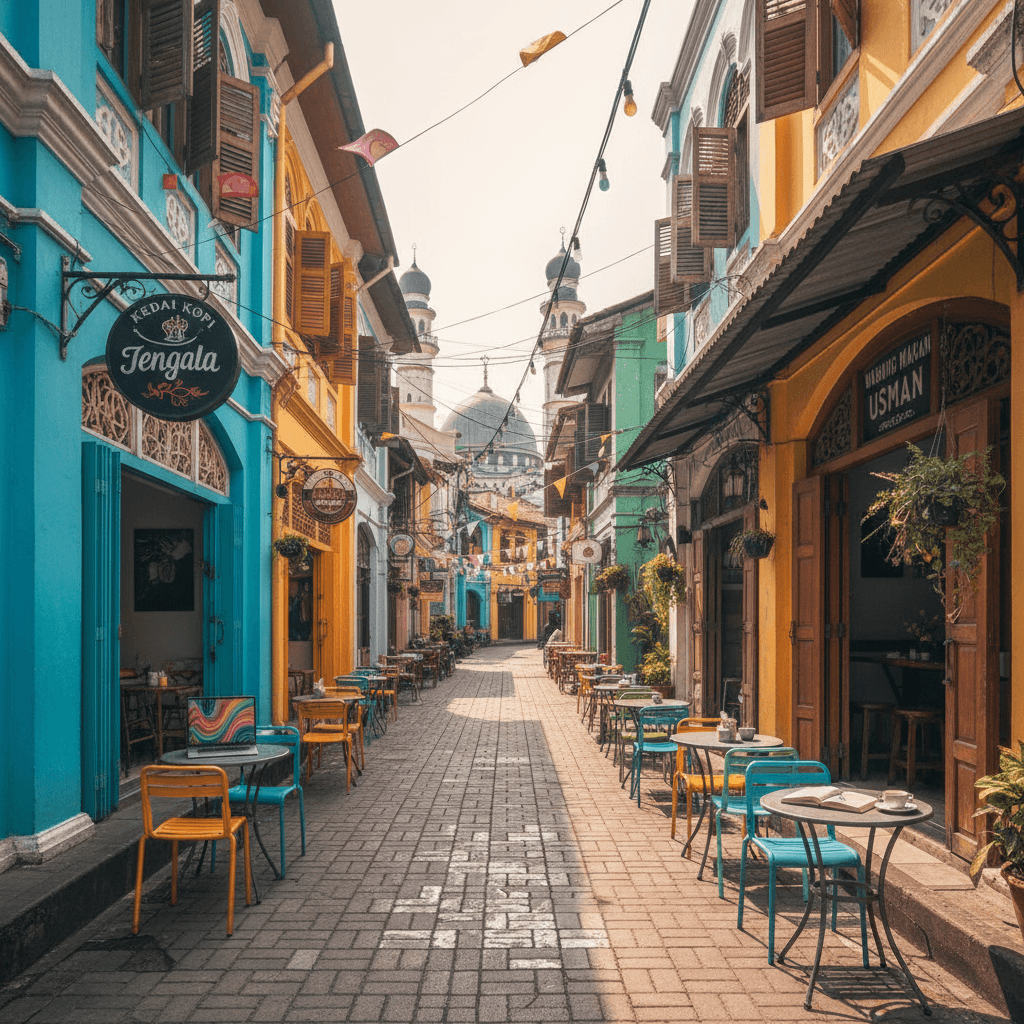
Medan
🇮🇩 Indonesia