Vinh
🇻🇳 Vietnam
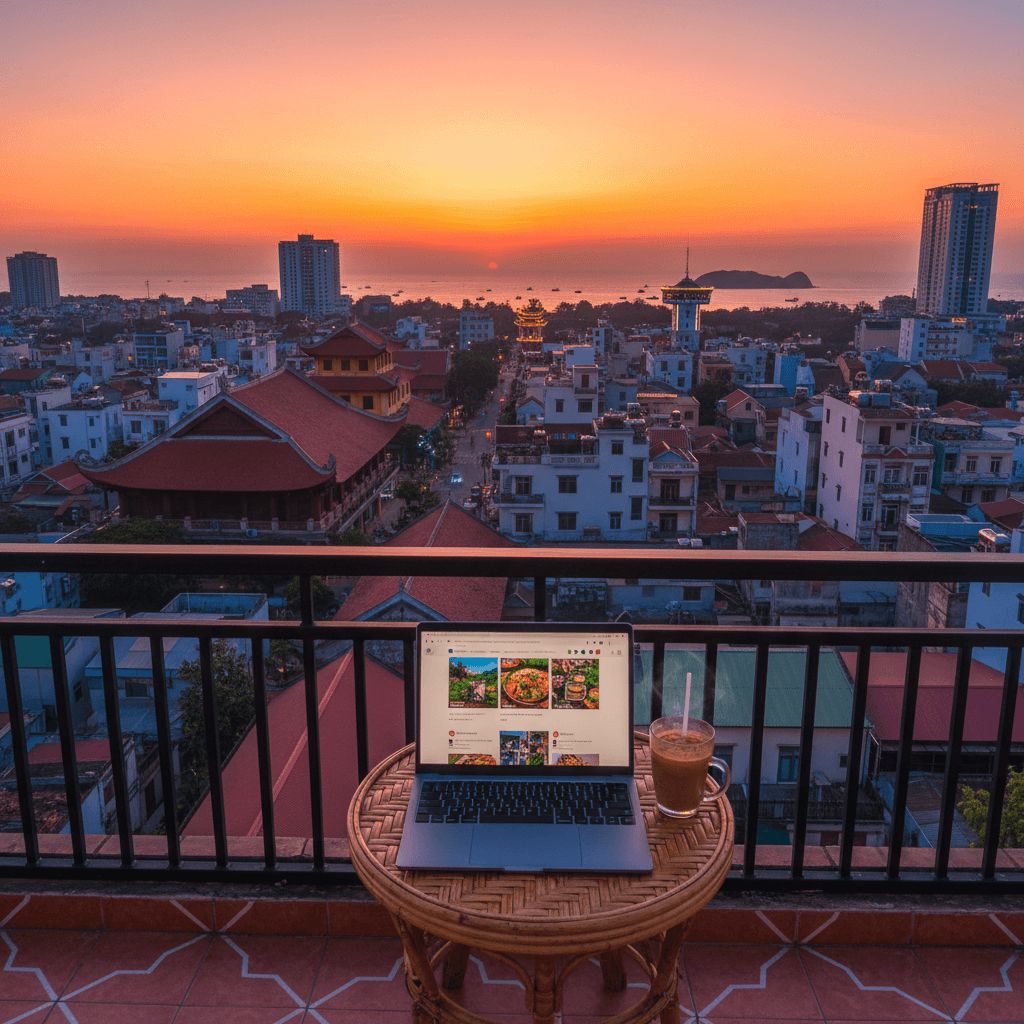
If you're looking for the high energy of Ho Chi Minh City or the digital nomad infrastructure of Da Nang, Vinh will be a culture shock. This isn't a city built for expats; it's a provincial capital that feels like a window into the "real" Vietnam. Located in Nghe An Province, Vinh is a coastal city where the tourism industry is still in its infancy, which is exactly why some travelers find it so compelling. It's quiet, incredibly affordable, and lacks the aggressive sales pitches you'll find in the northern or southern hubs.
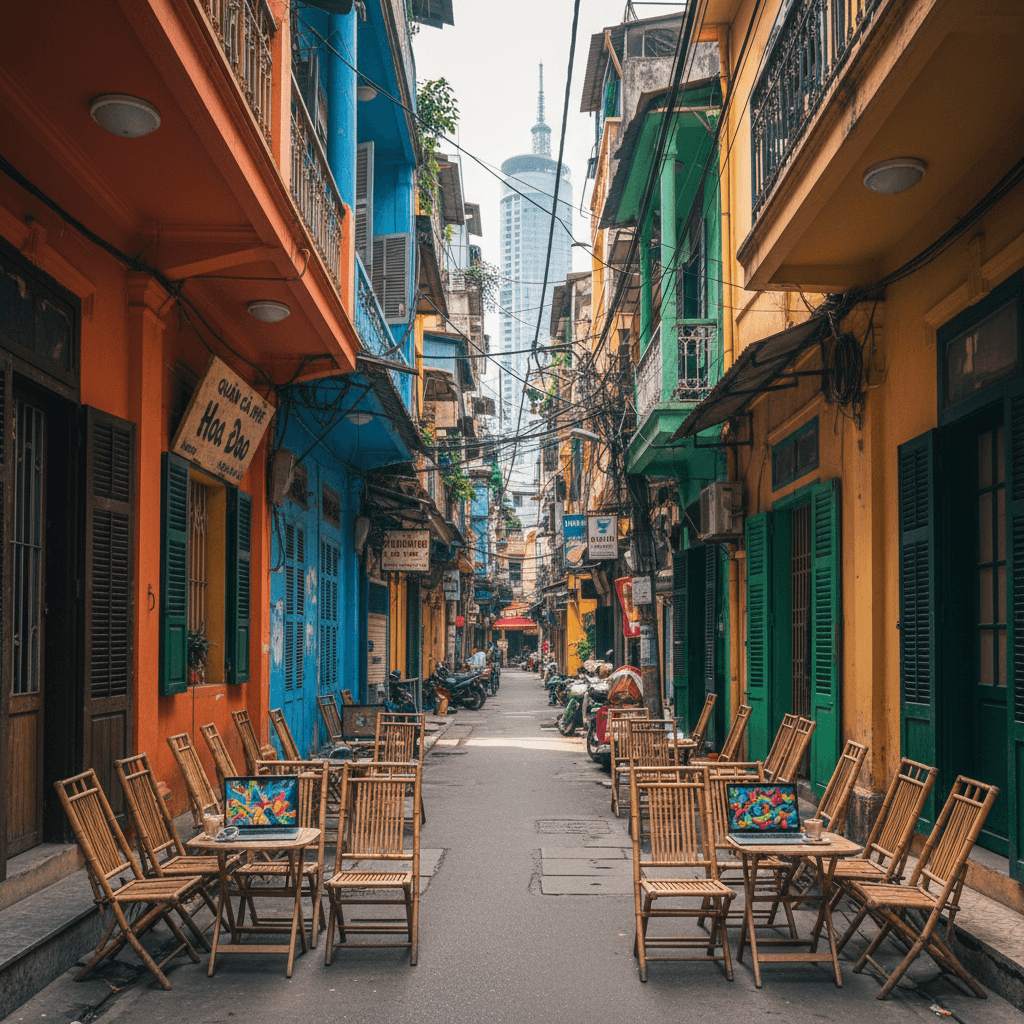
The vibe here is industrious but unhurried. You won't find sleek coworking spaces or rooftop bars filled with remote workers. Instead, you'll find a growing cafe culture and a local population that is genuinely curious about foreigners. It's the kind of place where you can sit at a street corner, eat a bowl of Chao Canh for less than $2, and feel like you're the only outsider in the neighborhood. While it lacks "digital nomad" polish, it offers a raw authenticity that's getting harder to find in Southeast Asia.
The Cost of Living
Vinh is one of the most budget friendly cities you'll encounter. Your money goes significantly further here than in the major coastal tourist towns. Most nomads who spend time here find they can live comfortably on $800 to $1,200 a month without even trying to save.
- Studio Apartment: $185 to $257 per month in the city center.
- Utilities: Roughly $43 for electricity and water.
- High Speed Internet: Around $9 per month.
- Local Meal: $1.88 for street food or a lunch set.
- Coffee: $1.79 for a cappuccino at a nice cafe.
- Beer: $0.94 for a 0.5L draught in a local pub.
Where to Base Yourself
Since Vinh is smaller and less developed for tourism, your neighborhood choice defines your experience. Most expats and long term visitors stick to the center to stay close to the few international amenities available.
City Center & Waterfront: This is the heart of the action. It's the most walkable part of town and puts you near the best restaurants and the Vinh Waterfront. It's busier than the outskirts but still feels sleepy compared to a Hanoi sidewalk.
Ngu Hai Street: Travelers often recommend this area for its peaceful, tree lined streets. It's home to The American Steak Restaurant and feels a bit more "residential boutique" than the rest of the city. It’s a great spot if you want quiet mornings but still want to be able to walk to a decent dinner.
The Work and Connectivity Reality
Let's be clear: there are no dedicated coworking spaces in Vinh. If you need a community of like minded entrepreneurs, you won't find it here. However, the cafe scene is stepping up. Nocenco Coffee is a popular spot for locals and the occasional traveler to flip open a laptop. Gin's Pizza also offers a reliable environment with a vintage vibe and decent WiFi.
For internet, don't rely solely on hotel WiFi. Pick up a Viettel or Vinaphone SIM card. You can get a monthly data package for $2 to $6, and the 4G coverage is surprisingly solid throughout the city. If you have a high stakes Zoom call, having that hotspot backup is a must.
Getting Around and Staying Safe
Vinh is generally very safe. Petty crime is rare, though you should always use common sense with your phone and wallet in crowded markets. For healthcare, Hoan My Vinh Hospital is the go to for modern facilities, though for anything truly serious, you'd likely head to Hanoi.
To get around, Grab is your best friend, though there are fewer drivers than in Da Nang. A 8km taxi ride will cost you about $5.60. If you're brave enough to handle the local traffic, renting a motorbike for $6 to $12 a day is the ultimate way to see the coastline and surrounding countryside.
Food and Social Life
The social scene revolves around food. While nightlife is limited to a few local bars and clubs, the dining scene is surprisingly varied. You can get a massive seafood spread at Chef Dzung, or opt for European flavors at Delicio. For a local specialty, try Nhut Thanh Chuong, which is fermented green jackfruit. It's an acquired taste but a staple of the Nghe An region.
English proficiency is quite low here. You'll want Google Translate downloaded for offline use. Learning basic phrases like Xin chao (Hello) and Cam on (Thank you) goes a long way in a city where people aren't yet jaded by overtourism.
The Price of Authenticity
If you're looking to slash your overhead while getting a raw, unfiltered look at Vietnamese life, Vinh is a heavy hitter. It ranks among the top 12% of the least expensive cities globally. You aren't paying the "expat tax" here because, frankly, the expat infrastructure doesn't really exist yet. This is a place where your dollar stretches until it snaps.
Most nomads who venture here find that a $600 monthly budget provides a perfectly respectable lifestyle, while $1,200 puts you in the local upper class. You'll sacrifice the Western comforts of Da Nang, but the trade-off is a cost of living that's hard to beat anywhere else in Southeast Asia.
Monthly Rent and Utilities
Housing is where you'll see the biggest savings. While you won't find many luxury high-rises with infinity pools, the local apartments are clean and functional. Most foreigners stick to the City Center near the waterfront to stay close to the action.
- Studio or 1-bedroom in the center: $185 to $257
- 3-bedroom family apartment: $332 to $472
- Monthly Utilities: Around $43 for electricity and water
- High-speed Fiber Internet: $8.74
Dining and Groceries
The food scene in Vinh is surprisingly diverse for its size. You can pivot between hyper-local street stalls and surprisingly good international spots like The American Steak Restaurant on Ngu Hai Street. If you're eating like a local, your daily food spend will be negligible.
- Street food lunch: $1.88
- Mid-range dinner for two: $26.50
- Large local beer (0.5L): $0.94
- Cappuccino at a nice cafe: $1.79
- Fast food meal: $4.48
Connectivity and Remote Work
Don't come here expecting a sleek coworking space with ergonomic chairs and networking events. They don't exist in Vinh. You'll be working from your apartment or joining the local "cafe culture" at spots like Nocenco Coffee or Gin's Pizza. Both offer decent WiFi, though it's always smart to have a backup.
Grab a local SIM card from Viettel or Vinaphone as soon as you arrive. Data is incredibly cheap, costing between $2 and $6 for a monthly package. It's your insurance policy for when the cafe WiFi decides to take a nap.
Getting Around
Vinh isn't a sprawling metropolis, so transport costs stay low. The Grab app works here, though you might wait a few minutes longer for a car than you would in Hanoi. Many long-termers just rent a motorbike for $6 to $12 a day to get the full freedom of the city.
- Local bus ticket: $0.33
- 8km Taxi ride: $5.62
- Monthly bus pass: $6.57
- Airport transfer: $3 to $8
Health and Wellness
For day-to-day issues, pharmacies are everywhere and very affordable. If you need a doctor, expats generally head to Hoan My Vinh Hospital on Pham Dinh Toai. It's a private facility with more modern equipment than the public options. For anything major, you'll likely want to hop a short flight to Hanoi or HCMC where international hospitals like Vinmec are located.
Vinh isn't the kind of place where you'll find a pre-packaged expat bubble. It's a provincial capital that feels like a real Vietnamese city, largely untouched by the digital nomad circuit. Because the city is compact, your choice of neighborhood depends less on "vibes" and more on your proximity to the few western-style amenities available. Most of the action is concentrated around the city center and the waterfront area, where you'll find the highest density of cafes and English speakers.
For Digital Nomads
If you're working remotely, you want to stay in the City Center, specifically near the Vinh Waterfront or the streets branching off Quang Trung. This is where you'll find the best infrastructure. Since there aren't any dedicated coworking spaces in Vinh, you'll be relying on "cafe hopping" to get things done. Staying here puts you within walking distance of Nocenco Coffee and Gin's Pizza, both of which are common spots for people looking to camp out with a laptop for a few hours.
- Monthly Rent: Expect to pay between $185 and $257 for a modern studio.
- Internet: Home fiber connections cost about $8.74 per month. Mobile data is cheap; a monthly Viettel or Vinaphone package runs between $2 and $6.
- Vibe: Busy but manageable. It’s the only part of town where you won't feel completely isolated as a remote worker.
For Expats
Expats who plan on staying for more than a few months usually gravitate toward the Ngư Hải Street area. It’s a bit more peaceful and features tree-lined streets that feel more residential than the main commercial drags. This neighborhood is home to The American Steak Restaurant, which serves as a de facto meeting point for the small international community. It's a good spot to meet teachers or engineers working in the province.
- Housing: You can find larger 3-bedroom apartments here for $332 to $472.
- Amenities: Higher concentration of international dining options. You're close to Delicio Restaurant for European meals and Sumo Chef for social hot pot dinners.
- Health: You’re a short drive from Hoan My Vinh Hospital on Pham Dinh Toai, which is the preferred private facility for expats.
For Families
Families often look toward the Nghi Phu district or the newer residential developments on the outskirts of the city center. These areas offer more space and modern housing complexes, though you'll definitely need a motorbike or a Grab account to get around. It’s significantly quieter, but English proficiency among neighbors will be near zero. It’s a trade-off for more square footage and less traffic noise.
- Living Costs: Utilities for a family of three typically hover around $130. A mid-range dinner for the whole family will usually cost under $30.
- Transport: A monthly bus pass is only $6.57, but most families find it easier to rent a scooter for $6 to $12 per day.
- Education: Be aware that international schooling options are very limited compared to Hanoi, so most expat families here are homeschooling or working in the local education sector.
For Solo Travelers
If you're just passing through or staying for a week, stick to the hotels near Vinh Market or the Vinh Airport corridor. The airport is only 7 km from the center, and a taxi transfer usually costs between $3 and $8. Staying near the market gives you immediate access to local street food like Chao Canh for less than $2 and puts you in the heart of the local culture. Solo travelers find that while there isn't much nightlife, the cafe culture is welcoming, and locals are often curious and friendly toward visitors.
- Daily Budget: You can live comfortably on $15 to $20 a day including food and a local guesthouse.
- Social Life: Head to Chef Dzung for a seafood buffet if you want to see where the locals celebrate. For a quieter night, the bars in the city center are your best bet, though they close earlier than those in Da Nang.
- Safety: Vinh is very safe; petty crime is much lower here than in the big tourist hubs. Just use common sense when walking alone late at night.
If you are coming to Vinh expecting the polished coworking hubs of Da Nang or the high speed digital infrastructure of Ho Chi Minh City, you will need to adjust your expectations. Vinh is a provincial city through and through. It is a place where you trade dedicated office pods for plastic stools and local coffee shops. It is not a digital nomad hub yet, but for a certain type of traveler, that is exactly the draw.
The Connectivity Reality
Internet speeds in Vinh are typically 100-300 Mbps or higher with fiber optic or 5G. While the national average in Vietnam is higher, the local infrastructure here is older. You will find reliable fiber optic connections in most mid range hotels and modern apartments, but it is always smart to have a backup. Most nomads here rely heavily on mobile data to fill the gaps.
Pick up a SIM card from Viettel or Vinaphone as soon as you arrive. You can get a monthly data package with 5GB/day for 15 days for approximately $10. The 4G coverage is surprisingly consistent throughout the city center, even when the shop Wi-Fi decides to take a break.
Where to Work: The Cafe Scene
Since there are no formal coworking spaces in Vinh, your "office" will be the local cafe scene. The culture here is centered around socializing and slow coffee, so you won't always find power outlets at every table. You will need to be strategic about where you set up shop.
- Nocenco Coffee: This is arguably the most famous spot in town for remote work. It features a striking bamboo interior and plenty of space. The Wi-Fi is generally stable enough for video calls, and the atmosphere is quiet during weekday mornings.
- Gin's Pizza: While it is primarily a restaurant, the vintage vibe and comfortable seating make it a solid afternoon workspace. It is one of the few places where the staff is used to seeing foreigners with laptops.
- The Highland Coffee Chains: You will find a few of these around the city. They are the "Starbucks of Vietnam" and offer the most predictable experience: decent AC, reliable Wi-Fi, and plenty of power outlets, though they can get loud during the lunch rush.
Practical Tips for Remote Workers
Working in Vinh requires a bit more self reliance than in the bigger cities. Most cafe owners won't mind you staying for a few hours if you buy a coffee, which usually costs around 25,000 to 45,000 VND or about $1.50. However, English proficiency is quite low here. It is helpful to have a translation app ready if you need to ask for the Wi-Fi password (mat khau) or find a power outlet (o cam dien).
If you need to take frequent, private client calls, your best bet is to work from your accommodation. A decent studio apartment in the city center goes for $185 to $260 a month, and most landlords are happy to show you a speed test before you sign. Just keep in mind that electricity is often billed separately, averaging about $40 a month if you run the air conditioning heavily while you work.
The Trade Off
The lack of a formal nomad community means you won't find weekly networking events or "coliving" meetups. You are largely on your own here. But for the price of a single desk in London or New York, you can cover your entire monthly rent and food budget in Vinh. If you can handle the occasional spotty connection and the lack of ergonomic chairs, the extreme affordability makes it a fascinating place to "go dark" and get some deep work done.
Keeping Your Cool in Vinh
Vinh isn't the kind of place where you'll find a tourist police officer on every corner, mostly because there aren't many tourists to begin with. This works in your favor. The city feels remarkably safe, and the aggressive scams or slick pickpockets common in Hanoi's Old Quarter or Ho Chi Minh's District 1 are virtually nonexistent here. Locals are generally more curious about you than they are interested in your wallet.
That said, standard common sense applies. Keep an eye on your phone when you're near busy roads to avoid the occasional drive by snatch, and don't leave your bag dangling off your chair at a sidewalk cafe. If you're out late, the city gets very quiet very quickly. It's not dangerous, but the street lighting can be patchy in residential areas, so sticking to a Grab car or bike for the ride home is a smart move.
Healthcare Essentials
If you come down with a standard bug or need a prescription filled, you'll find pharmacies on almost every major block. Most pharmacists speak very little English, but they're used to tourists pointing at symptoms or using Google Translate. If you need a doctor, there's a clear hierarchy of where to go based on how serious your situation is.
- Hoan My Vinh Hospital: This is your best bet for most issues. It's a private facility located at 99 Pham Dinh Toai in the Nghi Phu area. It is cleaner, more modern, and generally more efficient than the public options. You'll find a higher chance of encountering English speaking staff here.
- Vinh General Hospital: This is the city's main public hub. It's fine for basic diagnostics or if you're in a pinch, but the wait times are long and the language barrier is high.
- Emergency Situations: For anything truly major or surgical, most expats and long term travelers head to Hanoi or Da Nang. Vinh's facilities are adequate for the basics, but they lack the international accreditation found in the bigger hubs.
Insurance and Logistics
Most local clinics and hospitals in Vinh expect payment upfront in cash or via local bank transfer. Even at private spots like Hoan My, you'll likely need to pay out of pocket and then file a claim with your travel insurance provider later. Keep every receipt and stamped document they give you; insurance companies are notoriously picky about the paperwork from provincial Vietnamese hospitals.
In a real emergency, dial 115 for an ambulance. However, in many cases, grabbing a Grab or a taxi is actually faster than waiting for a dispatch. If you're managing a chronic condition, stock up on your specific brands in Hanoi or Saigon before heading to Vinh, as specialized medications can be harder to track down in Nghe An province.
Quick Safety Stats
- Emergency Number: 115
- Private Consultation: Expect to pay $15 to $30 for a basic visit.
- Pharmacy Hours: Most are open from 7:00 AM to 9:00 PM.
- Water Safety: Do not drink the tap water. Stick to bottled water, which usually costs about $0.40 for a large bottle at any VinMart.
Getting Around Vinh
Vinh isn't a city where you'll find a metro system or a endless fleet of luxury cars. It's a place where the pace is slower and the transport options are straightforward, if a bit localized. If you've spent time in Hanoi or Ho Chi Minh City, the first thing you'll notice is the lack of soul crushing traffic jams. Getting from point A to point B is usually a breeze, provided you know which app to open or which bike to rent.
The Grab Factor and Taxis
While Grab is the king of ride hailing in Vietnam, it's a bit more hit or miss here than in the major hubs. You can usually find a car or a motorbike via the app in the city center, but wait times can be longer, especially during the midday heat or evening rain. A typical 8 km taxi ride will set you back about $5.60, which is a steal compared to Western prices.
- Traditional Taxis: Look for Mai Linh (the green cars) or Vinasun. They're reliable and use meters, so you don't have to haggle.
- Parking Fees: If you're taking a taxi to a specific venue, be aware that you might be asked to cover a small parking or entry fee, usually between 5,000 and 15,000 VND.
- Language: Most drivers won't speak English. Have your destination written down in Vietnamese or pinned on your phone to avoid a long game of charades.
Two Wheels: The Local Way
To really live like a local in Vinh, you'll want a motorbike. It gives you the freedom to scout out those quiet cafes on Ngư Hải Street or head out to the coast without waiting on a driver. Most hotels and small rental shops offer scooters for somewhere between 150,000 and 300,000 VND per day. If you're staying for a month, you can usually negotiate a much better long term rate.
The roads in Vinh are generally wider and less chaotic than those in Da Nang, but you still need to stay sharp. Always wear a helmet, and technically, you're required to have an International Driving Permit. If you aren't comfortable on a bike, don't learn here; stick to the back of a GrabBike and let a professional handle the turns.
Buses and Walking
Vinh has a local bus system, but it's mostly used by students and locals who know the routes by heart. Signage is almost exclusively in Vietnamese, and the routes are fairly limited. At $0.33 per ticket, it's the cheapest way to move, but for most visitors, the complexity outweighs the savings. A monthly pass is only $6.50, but you'll likely find yourself relying on Grab more often.
The city center, particularly near the waterfront, is moderately walkable. You'll find some decent sidewalks, though like most of Vietnam, they're often used as improvised parking lots for scooters or outdoor seating for noodle shops. If you're staying near the Vinh Waterfront, you can reach most of the popular restaurants and cafes on foot, but for anything further out, you'll want wheels.
Airport Connections
Vinh Airport is conveniently located just 7 km from the heart of the city. It's a quick 15 minute hop into town. You can grab a taxi at the stand outside the terminal or book a Grab. Expect to pay between $3 and $8 depending on the time of day and the type of vehicle. It's one of the easiest airport transfers you'll experience in Southeast Asia.
If you are coming from the expat bubbles of District 1 in Saigon or the beachside cafes of Da Nang, Vinh will be a reality check. This is not a city where you can expect the barista to know your oat milk latte order in English. Outside of upscale hotels and a few western style restaurants, English proficiency is quite low. You are moving into the heart of north central Vietnam, and the linguistic landscape reflects that.
The Language Barrier
In Vinh, Vietnamese is the only game in town. While younger students and staff at some modern cafes might have a basic grasp of English, most of your daily interactions at local markets or with taxi drivers will happen in Vietnamese. The local dialect in Nghe An province is also famously thick; even some people from Hanoi or Ho Chi Minh City struggle to understand the heavy accents and unique local vocabulary used here.
Most nomads who spend time here find that learning the basics isn't just a polite gesture, it is a survival tactic. You will want to have these phrases ready to go:
- Xin chào: Hello
- Cảm ơn: Thank you
- Bao nhiêu tiền?: How much?
- Tính tiền: The bill, please
- Tôi không nói tiếng Việt: I don't speak Vietnamese
Digital Communication Tools
Since you won't find many English menus or bilingual signage, your phone is your best friend. Google Translate is the industry standard here. Make sure to download the Vietnamese language pack for offline use, as cell service can occasionally dip when you are inside older concrete buildings. The camera translation feature is particularly helpful for deciphering menus at local spots when you are trying to order Chao Canh or Nhut Thanh Chuong.
For getting around, Grab is vital. Even if you prefer walking, the app allows you to set your destination digitally, which bypasses the struggle of trying to pronounce street names like Ngư Hải or Phạm Đình Toái to a driver who doesn't understand your accent. It eliminates the price haggling and the language gap in one go.
Connecting with Locals and Expats
There is no established digital nomad scene in Vinh. You won't find weekly Co-working Wednesdays or dedicated Slack channels for expats. Most social networking happens organically in "third spaces" like Gin's Pizza or Delicio Restaurant. If you are looking to meet people, these western leaning spots are your best bet for finding the few teachers or engineers who make up the small expat community.
For data, stick with Viettel or Vinaphone. You can pick up a SIM card for about $5 to $15 depending on data amount, which will give you enough data to keep your translation apps running all month. Most cafes have decent WiFi, but having a beefy data plan acts as a necessary backup since dedicated coworking spaces don't exist in the city yet.
The Seasonal Cycle
Vinh sits in North Central Vietnam, which means it deals with more distinct seasonal shifts than the tropical south. You'll experience a real change in temperature and humidity throughout the year. Most travelers find the window from March to May to be the sweet spot. During these months, the weather is pleasantly warm but hasn't yet hit the oppressive heat of mid summer.
If you prefer cooler temperatures, the period from November to early March is your best bet. It feels more like a mild autumn or winter. Local expats often suggest bringing a light jacket or hoodie for the evenings during this time, as temperatures can dip into the mid 60s (18°C). It's a dry period, making it much easier to get around on a motorbike without worrying about sudden downpours.
The Heat and the Rain
From June to August, Vinh gets incredibly hot. We're talking highs that regularly climb into the 90s (35°C+). Because the city isn't as developed as Da Nang, you won't find air conditioning in every single street side cafe. If you're planning to work from places like Nocenco Coffee during these months, make sure you arrive early to snag a spot near a fan or AC unit. This is also when the "Lao winds" blow in from the west, bringing dry, scorching air that can make outdoor activities draining.
The rainy season typically ramps up in September and October. This part of the coast is prone to typhoons and heavy tropical storms. It's not just a light drizzle; the rain can be intense enough to flood certain streets and disrupt local transport. If you're sensitive to humidity or don't want your travel plans dictated by the forecast, it's usually best to avoid Vinh during these two months.
Month-by-Month Breakdown
- January to February: Cool and misty. Expect temperatures between 60°F and 70°F (15°C to 21°C). It's great for exploring but can feel a bit damp.
- March to May: The prime window. Clear skies and comfortable temperatures ranging from 75°F to 85°F (24°C to 29°C).
- June to August: Peak summer. Very hot and dry with temperatures often exceeding 95°F (35°C). Stay hydrated and plan indoor activities for midday.
- September to October: Typhoon season. High risk of heavy rain and storms. Prices might be lower, but the weather is unpredictable.
- November to December: Transition back to cool, dry weather. A very pleasant time to visit if you enjoy a crisp breeze.
When to Visit for Events
Timing your trip around Tet (Lunar New Year), which usually falls in late January or February, offers a unique look at local traditions. However, keep in mind that Vinh is a provincial city; many family owned restaurants and shops will close for a week. You might find the city feels a bit like a ghost town as people head to their ancestral villages. If you want the full "local experience" with everything open, aim for the shoulder seasons of April or November instead.
For those looking to hit the nearby Cua Lo Beach, stick to the April through July window. The water is calm and the sun is out, though you'll be sharing the sand with plenty of domestic tourists during the Vietnamese summer holidays.
If you are coming to Vinh expecting the digital nomad infrastructure of Da Nang or the high energy of Saigon, you will need to adjust your expectations. Vinh is a provincial capital that feels like a large town. It is a place for the traveler who wants to disappear into local Vietnamese life, save a significant amount of money, and doesn't mind a bit of a language barrier. It is quiet, affordable, and largely untouched by the typical expat trail.
The Cost of Living
Vinh is one of the most affordable cities you will find in Southeast Asia. Your money goes incredibly far here, making it an ideal spot for those in a "deep work" phase who want to slash their overhead. Most nomads can live quite well on $800 to $1,200 per month, while those on a strict budget can easily get by on $500.
- Studio Apartment: Expect to pay between $185 and $260 per month in the city center.
- Utilities: Basic electricity and water usually run around $45 per person.
- Internet: A high speed home connection costs roughly $9 a month.
- Local Meal: A bowl of chao canh or a street food lunch is about $1.90.
- Mid-range Dinner: A nice meal for two at a place like Delicio costs around $27.
- Coffee: A cappuccino or a high quality local brew averages $1.80.
Connectivity and Workspace
You won't find dedicated coworking spaces here. There are no hot desks or community managers. Instead, you will be working from your apartment or "cafe hopping." The internet is generally reliable, with speeds often hitting 50 Mbps, but it is wise to have a backup. Pick up a Viettel or Vinaphone SIM card for about $2 to $6 a month for data.
For a productive afternoon, head to Nocenco Coffee. It has enough space to set up a laptop and the WiFi is decent. Gin's Pizza is another solid option with a vintage vibe where nobody will mind if you stay for a couple of hours. Just be aware that English proficiency is lower here than in the big hubs, so have a translation app ready.
Getting Around
Vinh is moderately walkable in the center, particularly near the waterfront, but you will eventually want wheels. Grab operates in the city, though you might wait a few minutes longer for a car than you would in Hanoi. A taxi ride across town usually costs under $6.
Most long term residents rent a motorbike for 150,000 to 300,000 VND per day, though you can negotiate much lower monthly rates. If you arrive by air, Vinh Airport is only 7 km from the center. A Grab or taxi to your accommodation should only cost between $3 and $8.
Neighborhoods and Lifestyle
The city center near the Vinh Waterfront is where you want to be. It is the most walkable part of town and puts you close to the best food options. Ngư Hải Street is a favorite for its tree lined sidewalks and proximity to The American Steak Restaurant and other international spots.
Socially, Vinh is what you make of it. There isn't a pre packaged expat community or weekly nomad meetups. You will meet people at places like Sumo Chef or Chef Dzung, the massive seafood buffet. For a local taste, try the Nhut Thanh Chuong, a fermented jackfruit dish that is a staple of the Nghe An province.
Health and Safety
Vinh is remarkably safe. Petty crime is less common here than in the tourist heavy districts of larger cities. For medical needs, Hoan My Vinh Hospital on Pham Dinh Toai is the most modern private facility in the area. While it is great for standard care, anything major will likely require a trip to Hanoi. For emergencies, the number is 115.
Language and Culture
Prepare to use Google Translate frequently. Outside of hotels and upscale restaurants, English is rare. Learning the basics like Xin chào (hello) and Cảm ơn (thank you) goes a long way with the locals. The pace of life is slower here, and the people are generally curious and welcoming to the few foreigners who decide to stay a while.
Need visa and immigration info for Vietnam?
🇻🇳 View Vietnam Country GuideHidden Gem
Worth the effort