Ho Chi Minh City
🇻🇳 Vietnam
The Energy of Saigon
If Bangkok is the region's polished elder sibling, Ho Chi Minh City, still widely called Saigon by locals and expats alike, is the gritty, caffeinated younger brother who never sleeps. It is a city that hits you all at once. The first thing you'll notice is the swarm of millions of motorbikes that flow like liquid through the streets; it looks like chaos, but there is a rhythmic, unspoken logic to it. Once you learn to cross the street by walking at a steady pace and letting the bikes flow around you, you've officially graduated to Saigon life.
The vibe here is unapologetically industrious. You'll see entrepreneurs closing deals over $1 iced coffees on plastic stools right next to gleaming skyscrapers. It is a city of sharp contrasts where French colonial architecture sits in the shadow of the 81-story Landmark building. For nomads, the draw isn't just the low cost of living; it is the feeling that the city is moving toward the future at breakneck speed. You aren't just visiting a destination; you're plugging into a massive, high-voltage battery.
What to Expect on the Ground
Living here means embracing sensory overload. The air smells like a mix of exhaust fumes and charcoal-grilled pork from a nearby street stall. It’s loud, it’s humid, and it’s rarely peaceful, but that is exactly why people stay. The local community is incredibly welcoming, and the "expat bubble" is less of a wall and more of a bridge. You’ll find that people are eager to share a meal or point you toward the best Banh Mi stand in the alleyway.
- The Noise: Construction and honking are the city's soundtrack. If you need total silence to work, you'll want a high-end apartment with soundproof windows or a dedicated coworking space.
- The Digital Infrastructure: This is a top-tier nomad hub for a reason. Speeds often hit 100 Mbps, and every tiny cafe has better WiFi than most hotels in Europe.
- The Social Scene: It is incredibly easy to make friends. Between the craft beer bars in District 1 and the networking events in Thao Dien, your social calendar will fill up within a week.
The Cost of Living Reality
Saigon offers a high quality of life for a fraction of Western prices. While prices have crept up, you can still live a "luxury" lifestyle on a mid-range budget. Most nomads find that $1,200 to $1,500 a month buys a very comfortable life, including a modern apartment with a pool, daily meals out, and plenty of weekend trips.
District 1: The Heart of the Action
- The Vibe: High-energy, touristy, and central. This is where you'll find the famous rooftop bars and the backpacker chaos of Bui Vien.
- Rent for a Studio: $450 to $750.
- Best for: People who want to be steps away from the best restaurants and don't mind the constant roar of the city.
District 2 (Thao Dien): The Expat Sanctuary
- The Vibe: Riverside chic. It feels like a different city entirely, filled with villas, international schools, and artisan bakeries.
- Rent for a Studio/1BR: $700 to $1,200.
- Best for: Families and nomads who want a "Westernized" pocket with yoga studios and high-end grocery stores.
District 7 (Phu My Hung): The Quiet Alternative
- The Vibe: Clean, planned, and spacious. It has wide boulevards and a massive Korean community.
- Rent for a 1BR: $600 to $900.
- Best for: Those who need a break from the frantic energy of the center and prefer a suburban feel.
The Nomad Verdict
Saigon isn't for everyone. If you're looking for pristine beaches or quiet mountain retreats, you'll be disappointed. But if you want a city that feels alive, where you can get a world-class meal for $3 and work from a different stunning cafe every day of the month, there is nowhere better in Southeast Asia. It’s a place that demands you jump in with both feet; if you do, the city will reward you with an experience that's impossible to find anywhere else.
The Bottom Line on Budgets
Ho Chi Minh City remains one of the most wallet friendly hubs in Southeast Asia. You can live here on a shoestring or go full luxury, and the city scales with you. Most digital nomads find that $1,200 to $1,500 per month buys a very comfortable lifestyle, including a modern apartment, daily meals out, and plenty of weekend trips. If you are pinching pennies, you can get by on $800, but you will be living in local wards and sticking to street food.
Monthly Rent by Neighborhood
Your biggest expense is housing, and prices vary wildly depending on whether you want a western style high rise or a local walk up. Most rentals include water and cleaning, but you will usually pay for electricity separately at about $50 to $100 per month.
- District 1 (The Center): Expect to pay $350 to $760 for a studio. It is loud and busy, but you are steps away from the best nightlife.
- District 2 (Thao Dien): The expat favorite. Modern 1BR apartments in buildings like Masteri usually run $700 to $1,200. It feels like a different country with its paved sidewalks and western cafes.
- District 7 (Phu My Hung): Very quiet and organized. Studios start around $600, going up to $1,000 for high end builds. It is popular with families who want a break from the chaos.
- Phu Nhuan or Tan Binh: These are the "real" Saigon. You can find decent local apartments starting at $250. You will need a motorbike or a healthy Grab budget to get around from here.
Daily Life and Dining
Food is where Saigon really shines for your bank account. You can eat like a king for the price of a coffee in London. Locals recommend mixing it up: grab a $1.50 Banh Mi or Pho for lunch, then hit a mid range restaurant for dinner where a meal costs about $5.
- Street food meal: $0.80 to $2.00
- Mid range restaurant dinner: $3 to $7
- Upscale dining: $15 to $30+
- Craft beer or cocktail: $4 to $9
- Large bottle of water: $0.50
Connectivity and Workspace
Internet in HCMC is surprisingly fast, often hitting 100 Mbps or more in modern apartments. If you need a dedicated office vibe, coworking spaces are everywhere. Most nomads budget $70 to $150 per month for a hot desk at places like The Hive or Dreamplex. If you prefer the cafe hop lifestyle, a high quality cappuccino at The Workshop or Bosgaurus will set you back about $3.
Getting Around
Forget the bus; everyone uses Grab. It is the Uber of Southeast Asia and incredibly cheap. A GrabBike (riding on the back of a scooter) usually costs between $0.50 and $2 for most trips within the city. If you prefer air conditioning, a GrabCar will rarely cost more than $5 even during peak traffic. Most expats spend about $50 to $80 a month on transport if they aren't driving their own bike.
Typical Monthly Totals
- Budget Nomad: $850 (Local housing, street food, GrabBikes)
- Mid Range Expat: $1,400 (District 1 or 2 apartment, mix of local and western food, coworking membership)
- High End Living: $2,200+ (Luxury high rise, fine dining, private gym, frequent weekend travel)
The Social Butterfly: District 1 (The Core)
If you want to be in the thick of it, District 1 is your base. This is the city's heartbeat, where colonial architecture sits right next to glass skyscrapers and narrow alleys smelling of grilled pork. It is loud, unapologetically chaotic, and the most walkable part of a city that generally hates walking.
- The Vibe: High energy, 24/7 activity, and the best nightlife in the country.
- Living Costs: Expect to pay anywhere from $340 to $760 for a studio. Prices vary wildly depending on whether you are in a renovated "shophouse" or a modern high-rise.
- Nomad Staples: You will find the highest density of coworking spaces here, like CirCO Hoang Dieu and Sharespace.
Most solo travelers start here because everything is accessible. You can grab a $1.50 bowl of street noodles, walk to a rooftop bar for a $10 cocktail, and hit a networking event all within a few blocks. Just be prepared for the noise; the honking never truly stops.
The Long-Term Nomad: District 2 (Thao Dien)
Cross the bridge and the humidity seems to drop a degree. Thao Dien is the "expat bubble," a peninsula that feels more like a Mediterranean village than a Southeast Asian metropolis. It is the go-to for remote workers who want Western comforts without the District 1 sensory overload.
- The Vibe: Leafy streets, craft breweries, yoga studios, and posh riverside cafes.
- Living Costs: Studios usually start around $700, but most people move here for the luxury apartments in complexes like Masteri or Gateway.
- Community: This is where you will find The Hive coworking space and specialized grocery stores selling imported cheeses and sourdough.
Expats love the safety and the "village" feel, but some find it a bit too insulated. If you want to practice your Vietnamese, this isn't the place. If you want a $4 avocado toast and a quiet place to Zoom, it is perfect.
Families and Peace-Seekers: District 7 (Phu My Hung)
District 7 feels like a different city entirely. Planned and developed with a focus on space, it features wide boulevards, actual sidewalks, and plenty of green parks. It is the primary choice for families and those who have traded late-night pub crawls for morning jogs.
- The Vibe: Clean, quiet, and suburban. It has a massive Korean and Japanese influence, which shows in the incredible food scene.
- Living Costs: Modern 2-bedroom apartments range from $600 to $1,000. It offers much better value for space than the city center.
- Amenities: Home to City International Hospital and massive malls like Crescent Mall, making it very convenient for those with kids.
The downside is the commute. It can take 30 to 45 minutes to get into District 1 during rush hour. Most residents here tend to stay put on weekends because the neighborhood has everything they need.
The Budget Adventurer: Tan Binh & Phu Nhuan
For those who want to see their bank balance grow while living an authentic life, these districts are the "real" Saigon. Located between the airport and the center, these areas are packed with local markets and some of the best coffee shops in the city.
- The Vibe: Bustling, local, and authentic. You will be the only foreigner on your block, and your neighbors will likely know your name within a week.
- Living Costs: You can find great local apartments starting at $250. Your daily food spend will likely drop to under $10 if you eat like a local.
- Pros: Incredible street food and much lower prices for gyms and services.
Travelers often say these areas offer the best balance of price and culture. You are close enough to the action to hop on a $1 GrabBike to District 1, but far enough away to avoid the "tourist tax" on every meal.
Connectivity and Speed
You won't have to worry about the internet in Saigon. The city consistently punches above its weight, often outperforming many Western capitals. Fixed broadband speeds average around 250-260 Mbps, while 5G coverage is becoming the standard across the central districts. Most apartments come with a dedicated router, and if the signal feels sluggish, a quick upgrade to a faster plan usually costs less than a few cocktails.
For mobile data, skip the roaming charges. Grab a SIM card at Tan Son Nhat airport or any Viettel store in the city. Viettel generally has the best coverage if you plan on taking weekend trips to the countryside, but Vinaphone and Mobifone are solid choices for city life. You can get a monthly data package with 10GB or more for about $6. It's so cheap that most nomads just keep their hotspots running as a backup.
Top Coworking Spots
The coworking scene is mature and diverse, catering to everyone from solo coders to established startups. Most spaces offer daily passes if you're just passing through, or monthly memberships if you're settling in for a season.
- CirCO Hoang Dieu (District 4): Just over the bridge from the city center, this is a nomad favorite. It's got a gritty, industrial feel with phone booths for private calls and a very social atmosphere. Daily passes around $5-10 (check current rates).
- The Hive (Thao Dien & District 1): If you're living in the expat bubble of District 2, The Hive is the go-to. It feels more like a community hub than an office, featuring a rooftop terrace and frequent networking mixers. Monthly hot desks usually run between $70 and $150.
- Dreamplex: This is where the local tech scene hangs out. It's professional, sleek, and has multiple locations across the city. It's a bit more "corporate" but the networking opportunities are top-tier.
- WeWork E. Town Central: For those who want the gold standard and a familiar layout. It offers incredible views of the skyline and the usual perks like craft beer on tap and reliable air conditioning that stays ice-cold even in the April heat.
The Cafe Office Culture
Saigon is effectively one giant outdoor office. The locals have a deep-rooted coffee culture, and it’s perfectly acceptable to camp out in a cafe for three hours with a laptop as long as you keep ordering drinks. Most cafes have the WiFi password printed right on your receipt.
The Workshop Coffee in District 1 is legendary among remote workers. It’s tucked away in an old colonial building with high ceilings and huge communal tables. Expect to pay $3 to $5 for a high-quality pour-over. If you need a more modern vibe, Bosgaurus Coffee Roasters in the Saigon Pearl area is bright, minimalist, and incredibly quiet, making it perfect for deep work sessions.
For those on a budget, local chains like Highlands Coffee or Phuc Long are everywhere. They're noisier and the WiFi can be hit or miss during peak hours, but they're great for a quick hour of emails. If you're looking for a spot at 2:00 AM, Den Da coffee shops stay open late and are usually packed with students and night-owl freelancers.
Practical Tips for Remote Workers
- Power Outages: They don't happen often in the city center, but they do happen. Always keep your laptop and power bank charged.
- Apps to Download: Get Grab for everything. It's the "super app" for food delivery and transport. Zalo is the local version of WhatsApp; you'll need it to talk to landlords or local business owners.
- Noise: Saigon is loud. Construction and honking horns are part of the soundtrack. If you have important client calls, invest in a pair of high-quality noise-canceling headphones or book a private booth at a coworking space.
Staying Safe in the Chaos
Saigon is remarkably safe for a city of its size, but it operates on a different set of unwritten rules. You won't find much violent crime here; the real risks are opportunistic. Bag snatching and phone grabbing by people on motorbikes are the most common headaches for nomads. Most expats learn quickly not to use their phones while standing on a curb or to wear bags with thin straps that can be easily cut or pulled.
Scams usually target the uninitiated in District 1. You might run into the classic "broken shoe" scam where a street cobbler starts repairing your flip-flops without asking and then demands $20, or the coconut water vendors who insist you take a photo with their yoke before charging an "interaction fee." Just keep a firm "no" ready and keep walking. For transport, avoid hailing random taxis. Stick to Grab or Xanh SM (the electric taxi app) so your price is locked in and your route is tracked.
The biggest physical danger isn't crime; it's the traffic. Crossing the street feels like a leap of faith. The trick is to walk at a slow, steady pace and let the motorbikes flow around you like water. Never stop suddenly or run, as that's when accidents happen. If you decide to rent a bike yourself, wear a helmet and realize that local traffic laws are often treated as suggestions.
Healthcare and Medical Services
If you get sick, don't panic. The private healthcare system in Ho Chi Minh City is excellent and surprisingly affordable compared to Western standards. Most nomads head straight to Family Medical Practice in Diamond Plaza or International SOS in District 1 for general issues. These clinics feel like high-end Western doctors' offices, and the staff speaks perfect English.
For more serious matters or surgeries, there are several top-tier choices:
- FV Hospital (District 7): This is the gold standard for expats. It is JCI-accredited, meaning it meets international safety standards. They have a massive range of specialists and a dedicated international wing.
- City International Hospital (CIH): Located a bit further out, this facility is massive and state-of-the-art. It's often less crowded than FV and offers great value for specialized care.
- Vinmec Central Park: Situated right near the Landmark 81 tower, this is a popular choice for those living in the Binh Thanh area. It's modern, clean, and very efficient.
Pharmacies are on almost every corner, often marked with "PharmaCity" or "Long Chau" signs. You can buy many medications over the counter that would require a prescription elsewhere, but always check the expiration dates and brand names. A standard consultation at a premium international clinic will usually run you between $60 and $120, while a visit to a local private hospital might be as low as $20.
Health Precautions
The two things that take the biggest toll on long-term travelers are the air quality and food hygiene. Air pollution can get thick during the dry season, so many locals and expats wear AQI-rated masks while driving. To avoid "Saigon Belly," stick to busy street food stalls where the turnover is high and the food is piping hot. Avoid tap water entirely; even for brushing your teeth, most expats prefer using bottled or filtered water. High-quality travel insurance like SafetyWing or Genki is a must, as it covers the costs if you need a sudden trip to one of the international hospitals.
The Pulse of the Streets
If you have never been to Saigon, the first thing you will notice is the sea of motorbikes. It looks like absolute chaos, but there is a rhythmic flow to it that you will eventually learn to read. For most nomads, the days of trying to navigate a rental car or relying on a bicycle are over. In this city, your smartphone is your best friend for getting from point A to point B.
Grab and Ride-Hailing Apps
Forget hailing a random taxi on the street. Grab is the undisputed king here. You will see drivers in green uniforms on every corner. It is incredibly cheap and saves you from the headache of language barriers or price haggling. You just pin your location, see the fixed price, and go.
- GrabBike: This is the fastest way to move. It usually costs between $0.50 and $2 for most trips within the city. It is perfect for solo travelers who do not mind hopping on the back of a scooter.
- GrabCar: If you need air conditioning or you are traveling in a group, a car is still very affordable. Expect to pay $3 to $7 for a cross-district trip.
- Xanh SM: This is the new competitor on the block. They use electric VinFast cars and bikes. They are famous for being cleaner, quieter, and having drivers who often speak better English.
Traditional Taxis
If your phone dies and you have to grab a cab the old-fashioned way, stick to the two big names: Vinasun (white with green/red trim) or Mai Linh (bright green). These companies are professional and use meters. Most expats recommend avoiding the unmarked "no-name" taxis hanging around tourist spots like Ben Thanh Market, as they are notorious for rigged meters or taking the long route.
The Motorbike Culture
Many long-term nomads eventually decide to rent their own wheels. You can find monthly scooter rentals for anywhere from $40 to $80 depending on the model. While it gives you total freedom, the learning curve is steep. The "might is right" rule applies here; buses and trucks own the road, and motorbikes fill every available inch of space. If you are not a confident rider, stick to the back of a GrabBike.
Walking and Public Transit
Walking in Ho Chi Minh City is an Olympic sport. Sidewalks are often used as motorbike parking lots or makeshift outdoor kitchens. You will frequently find yourself walking in the street. District 1 is the most walkable area, especially around the Nguyen Hue pedestrian street, but even there, you need to keep your wits about you when crossing.
The city bus system is extensive and very cheap, usually around $0.30 per ride. The BusMap app is surprisingly accurate for tracking routes. However, most nomads find the buses slow because they get stuck in the same legendary traffic as everyone else. The Metro Line 1 is now operational alongside street transport.
Pro Tips for the Road
- Crossing the street: Walk at a slow, steady pace. Do not stop and do not run. The motorbike drivers will calculate your trajectory and flow around you like water.
- Bag snatching: Petty theft can happen. Keep your phone tucked away while on a bike or standing near the curb. Don't be the person waving an iPhone 15 in the air next to a busy road.
- Rainy Season: From May to October, the afternoon downpours can flood streets quickly. If it starts pouring, grab a coffee and wait 30 minutes. The traffic during a storm is a nightmare you want to avoid.
The Language Barrier: What to Expect
In Saigon, you can get by with English if you stay within the nomad bubbles of District 1 or Thao Dien. Most cafe owners, coworking space staff, and younger locals speak enough English to help you order a $2 latte or fix a WiFi issue. However, once you step into the local wet markets or hop on a GrabBike, the language gap widens quickly.
Vietnamese is a tonal language with six different tones, meaning the same syllable can have six different meanings depending on your pitch. Locals generally appreciate it when you try, but don't be surprised if your "Phở" sounds like "help" to them at first. Most nomads find that a friendly smile and some frantic gesturing go a long way in the neighborhood eateries of Tan Binh or Phu Nhuan.
Must-Have Apps for Communication
You shouldn't try to navigate the city without these digital lifesavers. They bridge the gap between "lost and confused" and "living like a local."
- Google Translate: The camera feature is a godsend for translating street food menus and utility bills. Download the Vietnamese pack for offline use.
- Zalo: This is the WhatsApp of Vietnam. Landlords, delivery drivers, and local business owners will almost always ask for your Zalo. It has a built-in translation tool for chats that works surprisingly well.
- Grab: While it's a transport app, the built-in chat translates your English messages into Vietnamese for the driver in real time. It saves you from having to explain your location over a noisy phone call.
Essential Phrases for Daily Life
Even if you're only here for a month, learning these five basics will change how locals treat you. It turns you from a "tourist" into a "guest."
- Xin chào (Sin chow): Hello. Use it for everyone.
- Cảm ơn (Gahm un): Thank you. You'll use this fifty times a day.
- Tính tiền (Tin teen): Check, please! Essential for getting out of a busy restaurant.
- Không cay (Khong ky): No spicy. If you can't handle the bird's eye chilies, memorize this immediately.
- Bao nhiêu? (Bow nyew): How much? Use this at the markets before you hand over any cash.
The Social Etiquette of "Saving Face"
Communication in Ho Chi Minh City isn't just about words; it's about the "vibe." Vietnamese culture places a high value on saving face. If you have an issue with your apartment or a bill, avoid getting loud or aggressive in public. Expats recommend staying calm and smiling even when you're frustrated. A polite request usually gets a much faster result than a public confrontation.
When meeting someone new, it's common for locals to ask "How old are you?" or "Are you married?" within the first five minutes. They aren't being nosy; they're trying to figure out which Vietnamese pronoun to use to address you respectfully. In a language built on hierarchy, knowing your age is the only way they can say "hello" properly.
Finding Your Community
If you're feeling isolated, the expat community is massive and very active. Most social coordination happens in Facebook Groups like "HCMC Expats" or "Thao Dien Community." For more professional networking, the CirCO and Dreamplex communities host regular mixers where English is the primary language. You'll find that the "Saigonese" are incredibly social and often the ones to strike up a conversation with you at a coffee shop just to practice their English skills.
Survival of the Sweatiest
Ho Chi Minh City doesn't really do "seasons" in the traditional sense. Instead, you get two distinct modes: wet and dry. It stays hot year round, with temperatures rarely dipping below 26°C (79°F) and frequently soaring past 35°C (95°F). If you aren't a fan of humidity, you'll want to make sure your apartment budget includes a healthy allowance for AC electricity bills, which usually run between $50 and $100 a month.
The Dry Season: Peak Nomad Vibes
The sweet spot for visiting is between December and April. This is the dry season, and it's when the city is at its most livable. The humidity drops slightly, and you can actually walk around District 1 or Thao Dien without feeling like you're melting into the pavement. This is also when the city is most crowded, as travelers flock here for the Tet Festival (Vietnamese New Year) in late January or February. While Tet is a beautiful time to see the flower displays, be aware that the city effectively shuts down for a week. Shops close, Grab rides become scarce, and prices for serviced apartments spike.
Most nomads prefer January and March. The weather is predictable, the skies are blue, and the rooftop bars like those in District 1 are actually pleasant to sit at. If you're planning a three month stay, this is the window to aim for.
The Monsoon: Rain, Flash Floods, and Lower Prices
From May to November, the southwest monsoon takes over. Don't let the "rainy season" label scare you off entirely. It usually doesn't rain all day. Instead, you'll get massive, cinematic downpours that last about an hour in the afternoon, followed by steam rising off the streets. It's actually quite cozy if you're tucked away in a cafe like The Workshop Coffee or Bosgaurus getting some deep work done.
However, the rain brings a few logistical headaches you should prepare for:
- Flooding: Areas like Thao Dien in District 2 are notorious for flooding. After a heavy downpour, some streets become literal rivers, making it impossible for GrabBikes to reach you.
- Commute Times: Traffic in Saigon is chaotic at the best of times, but when it rains, it grinds to a halt. A 10 minute trip can easily turn into 45 minutes.
- Air Quality: On the plus side, the rain clears the smog. The air quality index (AQI) is generally much better during the wet season than during the dusty dry months.
What to Pack
Regardless of when you arrive, the dress code is "breathable." Locals often wear long sleeves to protect their skin from the sun, but most expats stick to linen and light cotton. If you're coming during the wet season, don't bother with a heavy raincoat; you'll just sweat underneath it. Buy a $1 plastic poncho from a street vendor like everyone else. They're surprisingly effective and fit right over your backpack. For footwear, waterproof sandals are a better bet than sneakers if you're navigating the city during a flash flood.
The "Secret" Shoulder Season
If you want the best of both worlds, try November or early December. The heavy rains are tapering off, the city is starting to decorate for the holidays, and the extreme heat of April hasn't hit yet. You'll find better deals on long term rentals in District 7 or Phu Nhuan before the January rush hits, and the parks are lush and green from the preceding months of rain.
Getting Around the City
The easiest way to move through Saigon's organized chaos is Grab. Download the app immediately. It works just like Uber but includes GrabBike, where a driver in a green helmet picks you up on a scooter. It's the fastest way to slice through rush hour traffic and usually costs between $0.50 and $2 per trip. If you prefer four wheels, GrabCar or traditional Vinasun and Mai Linh taxis are reliable, just make sure the meter is running.
Walking is an adventure here. Sidewalks are often used as motorbike parking lots or impromptu street food stalls, so you'll frequently find yourself walking on the edge of the road. When crossing the street, move at a slow, steady pace. Don't stop or run; the sea of motorbikes will flow around you like water. It’s intimidating at first, but you'll get the hang of the rhythm after a day or two.
Staying Connected
Vietnam has some of the fastest and cheapest internet in Southeast Asia. You can pick up a Viettel or Vinaphone SIM card at the airport for about $6 to $10, which usually includes a massive amount of data, often 4GB to 10GB per day. For long term stays, you can top up at any WinMart or Circle K convenience store.
If you're working remotely, the cafe culture is elite. The Workshop Coffee in District 1 is a favorite for its industrial vibe and reliable speeds. For a more dedicated office feel, CirCO Hoang Dieu and Dreamplex are the go-to coworking hubs. Most nomads find that even basic neighborhood cafes have better Wi-Fi than what they have back home, often hitting speeds over 100 Mbps.
Money and Budgeting
The Vietnamese Dong (VND) can be confusing because of all the zeros. A quick trick is to drop the last three zeros and divide by 23 or 25 to get a rough USD estimate. Cash is still king at local markets and street food stalls, though most malls, nice restaurants, and Grab use digital payments or cards.
- Daily Budget (Budget): $15 to $20 covers street food, a few coffees, and GrabBike rides.
- Daily Budget (Mid-range): $40 to $60 allows for air-conditioned cafes, nice dinners, and a few cocktails.
- ATM Tips: Look for TPBank or VPBank ATMs; they often allow higher withdrawal limits and don't always charge foreign card fees.
Health and Safety
Saigon is generally very safe, but bag snatching is a real issue in high traffic areas like District 1. Keep your phone away from the curb when checking maps, and wear your backpack on both shoulders. Expats recommend keeping your valuables in a crossbody bag tucked in front of you when you're walking near the road.
For medical needs, avoid the public hospitals unless you speak fluent Vietnamese. Head to FV Hospital in District 7 or Family Medical Practice in District 1. They have English speaking staff and Western standards of care. A standard consultation will usually set you back about $60 to $100, so having travel insurance is a smart move.
Local Etiquette
Vietnamese people are incredibly welcoming, but a few small gestures go a long way. When handing over money or a business card, use both hands as a sign of respect. Removing your shoes when entering someone's home (and some boutique shops or cafes) is mandatory. Also, keep your cool. Raising your voice or getting angry in public causes a "loss of face" and won't help you resolve issues with landlords or drivers.
Learning a few basics like "Xin Chao" (Hello) and "Cam On" (Thank you) will earn you plenty of smiles. Most younger locals in the city center speak decent English, but once you head into the local neighborhoods of Phu Nhuan or Tan Binh, a translation app becomes your best friend.
Frequently asked questions
When is the best time to visit Ho Chi Minh City for digital nomads?
What is the rainy season in Ho Chi Minh City like?
How expensive is rent in Ho Chi Minh City for nomads?
How much money do I need to live comfortably in Ho Chi Minh City?
Is English enough to get by in Ho Chi Minh City?
What apps do digital nomads need in Ho Chi Minh City?
Which neighborhoods are best for digital nomads in Ho Chi Minh City?
Need visa and immigration info for Vietnam?
🇻🇳 View Vietnam Country GuideEasy Landing
Settle in, no stress
Monthly Budget Estimates
More cities in Vietnam
Ha Long City
🇻🇳 Vietnam
Vung Tau
🇻🇳 Vietnam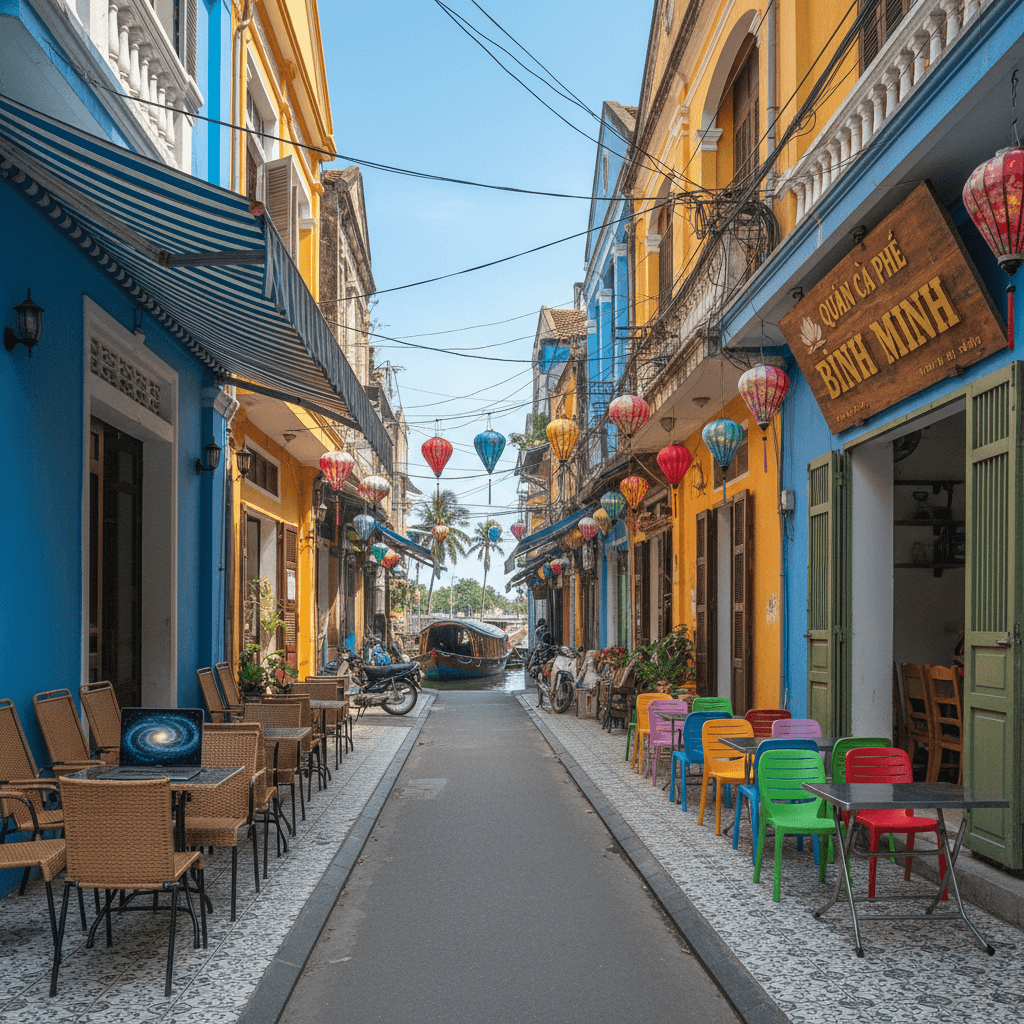
Can Tho
🇻🇳 Vietnam