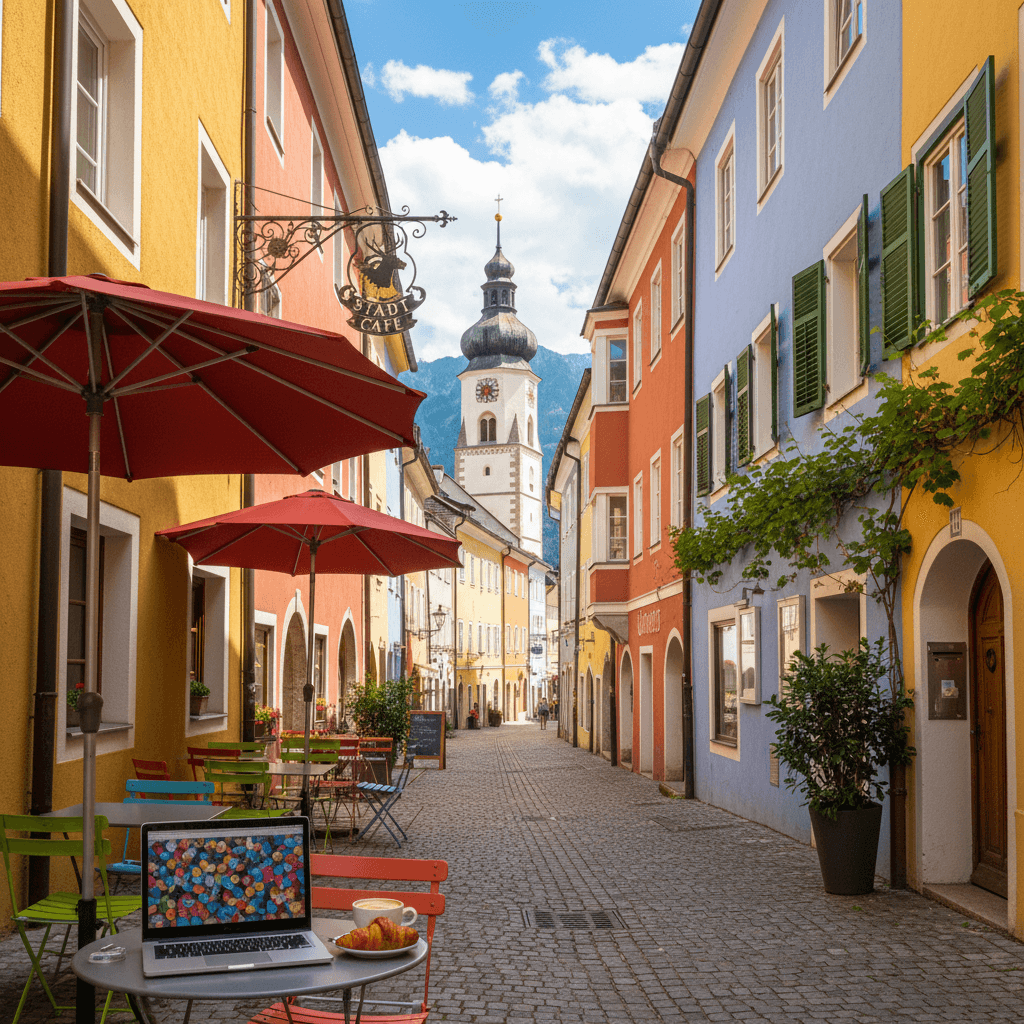
Villach
🇦🇹 Austria
The Crossroads of the Alps
Villach doesn't feel like your typical Austrian museum-piece city. While Vienna is grand and Salzburg is baroque, Villach has a laid-back, almost Mediterranean soul. Sitting at the intersection of Austria, Italy, and Slovenia, it’s a place where the precision of the north meets the dolce vita of the south. You’ll hear it in the local dialect and taste it in the food, which leans heavily on regional Carinthian flavors and Adriatic influences.
Most nomads who land here are looking for a specific kind of rhythm. It’s a town for people who want to finish a deep-work session by 3:00 PM and be at the top of a mountain or the edge of a turquoise lake by 4:00 PM. The vibe is quiet, safe, and incredibly functional, though it lacks the frantic energy of a major tech hub. It’s the kind of place where people actually stop to talk to you, and the "work-to-live" philosophy isn't just a slogan; it’s the default setting.
What Sets Villach Apart
What makes Villach unique is its accessibility to three different countries within a single afternoon. You can grab a morning espresso in the Hauptplatz, head to Slovenia for a hike, and be back in time for a glass of wine at a local Gasthaus. This "borderless" feeling gives the city an open-mindedness that’s rare for a mid-sized mountain town.
- The Outdoor Lifestyle: With the Villacher Alpe towering over the city and Ossiachsee just a short bike ride away, your desk is never more than twenty minutes from true wilderness.
- Reliable Infrastructure: You get the same blistering 5G speeds and punctual trains you’d find in Vienna, but with half the noise and significantly lower stress levels.
- Seasonal Shifts: The city transforms completely between seasons. Summer is all about the Villacher Kirchtag, a massive traditional festival that takes over the streets, while winter turns the town into a cozy base for skiers.
The Nomad Experience
Let’s be honest: you won’t find a massive, pre-packaged nomad community here like you would in Lisbon or Bansko. The scene is smaller and more intimate. You’ll likely meet other remote workers at Bizfarm or PGQ3, but you’ll also find yourself befriending local engineers and creatives who work for the big tech firms in the area. It’s an "integration-first" destination where you’ll feel more like a resident than a tourist.
Expats often mention that while the social scene takes a little more effort to break into, the quality of life is hard to beat. You aren't fighting for space in crowded cafes or dealing with the "over-tourism" fatigue found in Hallstatt. Instead, you get a clean, safe, and incredibly green environment where the air is fresh and the tap water tastes better than bottled.
Cost of Living Breakdown
Villach is generally more affordable than the Austrian capital, though it’s still firmly a mid-range European destination. For a solo nomad, a comfortable monthly budget usually falls between €2,000 and €3,000 depending on your housing choices.
- Housing: A modern one-bedroom apartment in the Innenstadt (City Center) typically runs between €900 and €1,200 per month. If you look toward the outskirts or near Warmbad, you can find better value, though you’ll want a bike or a bus pass.
- Food and Drink: A hearty meal at a local Gasthaus costs around €15 to €25. If you’re on a budget, street food like a Bosna or Wurst from a stand will set you back about €5 to €8.
- Connectivity: A flexible desk at a coworking space like die 90 averages €200 to €230 a month. High-speed mobile data plans from providers like A1 or Magenta are affordable, usually around €15 for a massive data bucket.
- Transportation: The city is highly walkable, but a monthly transit pass is about €50. Many nomads prefer renting an e-bike via apps like Tier to get around the lake districts.
If you’re the type of traveler who gets burnt out by "big city" chaos and wants a base that facilitates both high-level productivity and serious mountain time, Villach hits the sweet spot. It’s a place where you can actually hear yourself think.
The Price of Alpine Living
Villach sits in a sweet spot for budget management. It isn't as pricey as Vienna or Salzburg, but you're still paying for that high-tier Austrian infrastructure and proximity to the Italian border. Most nomads find they can live comfortably here for significantly less than in major European hubs, provided they swap expensive nightly rentals for monthly stays on platforms like Flatio.
A solo nomad typically spends between €2,000 and €3,000 per month for a mid-range lifestyle. This covers a private apartment, regular meals out at local Gasthäuser, and a dedicated desk at a coworking space. If you're willing to live in a shared flat and stick to wurst stands or home cooking, you can squeeze by on €1,500 to €2,000.
Monthly Budget Breakdown
- Budget Tier: €1,500 to €2,000. This involves a shared room for €500 to €700, relying on the €50 monthly transport pass, and working from cafes rather than offices.
- Mid-range Tier: €2,000 to €3,000. You'll get a 1BR apartment for €900 to €1,100, a full-time desk at Bizfarm or die 90 for about €220, and plenty of dinners at regional spots.
- Comfortable Tier: €3,000+. This covers a premium city center flat for €1,200 or more, frequent upscale dining, and weekend trips to the nearby lakes or across the border to Slovenia.
Housing and Neighborhoods
The Innenstadt (City Center) is the logical choice for anyone without a car. It's walkable, filled with coffee houses, and keeps you close to the main train station. You'll pay a premium for the convenience, but it saves you the headache of navigating bus schedules in the suburbs.
Expats with families often migrate toward Warmbad or the areas near Villacher Alpe. These spots offer better access to nature and larger living spaces, though you'll likely need a car or a sturdy e-bike to get into the city. For those on a strict budget, the industrial outskirts near the B91 highway offer the cheapest rents, but they lack the alpine charm that usually draws people to Carinthia.
Food, Drink, and Connectivity
Eating out is a mix of Austrian heartiness and Mediterranean influence. A quick lunch at a street stall costs €5 to €10, while a sit-down meal with a drink at a traditional tavern usually lands between €15 and €25. If you're heading to an upscale regional restaurant, expect to pay €40 or more per person.
Internet reliability is a non-issue here. Most apartments come with speeds around 50Mbps, and mobile data is both fast and cheap. You can grab a SIM from A1, Magenta, or Drei for €10 to €20 and get more data than you'll likely use in a month. For a professional setup, coworking spaces like PGQ3 or build offer high-speed fiber and 24/7 access for around €200 a month.
Practical Savings Tips
- Download the ÖBB app immediately. It's the gold standard for booking trains and buses, and buying tickets in advance can save you a fortune on regional travel.
- Skip the taxis. Villach is incredibly bikeable, and the city has a solid network of Lime and Tier e-scooters for short hops.
- Tipping is standard but modest. Rounding up the bill or adding 10% at restaurants is the local norm.
- Use fintech banks like Revolut or N26 to avoid local ATM fees, though most shops and cafes in the center accept cards without issue.
For Solo Nomads: Innenstadt (City Center)
If you want to be where the action is, the Innenstadt is your best bet. It is the most walkable part of town, packed with historic charm and the highest concentration of cafes where you can actually get some work done. Most nomads gravitate here because you are within a five minute walk of the main train station, making those weekend trips to Slovenia or Italy incredibly easy.
The vibe is social, especially during the Villacher Kirchtag in the summer when the streets turn into a massive festival. For your daily grind, you are close to coworking hubs like Bizfarm and die 90. While it is the most convenient area, it comes with a price tag. Expect to pay between €1,100 and €1,300 for a serviced studio or one bedroom apartment on platforms like Flatio.
- Pros: High speed internet, proximity to PGQ3 coworking, and no need for a car.
- Cons: Can get noisy during tourist season; higher rents than the outskirts.
For Expats and Long-Termers: Warmbad
Expats looking for a bit more stability and a "local" feel usually head south to Warmbad. This neighborhood is famous for its thermal springs and proximity to the Villacher Alpe. It offers a much quieter, residential atmosphere that feels less like a transit hub and more like a home. You will find more spacious apartments here, often with balconies overlooking the mountains.
Since this area is slightly removed from the center, you will likely want a bike or a monthly transit pass, which runs about €50. It is the perfect middle ground for someone who wants to work from home in peace but still be a ten minute bus ride from the city center bars and restaurants.
- Rent: Roughly €900 to €1,100 for a modern one bedroom apartment.
- Lifestyle: Daily access to hiking trails and the KärntenTherme spa complex.
- Connectivity: Reliable fiber optic internet is standard in most newer builds.
For Families: Near Ossiachsee (The Lake Periphery)
Families moving to Villach often prioritize nature over nightlife. The areas stretching toward Ossiachsee provide a suburban feel with immediate access to the water. It is a dream for kids, with plenty of green space and safe, quiet streets. You are trade off the "city" feel for a backyard and easy weekend boat trips.
Living out here generally requires a car, as public transport is less frequent than in the Innenstadt. However, the quality of life is hard to beat if you enjoy the outdoors. You will find larger family homes and multi bedroom rentals that are more affordable per square meter than city center flats.
- Rent: Family sized apartments or small houses starting around €1,400.
- Education: Close to local schools and safe playgrounds.
- Vibe: Very relaxed; focused on weekend cycling and lake activities.
For Budget Travelers: The North and Industrial Edges
If you are watching your bank account, look toward the northern outskirts or areas near the B91 highway. These neighborhoods lack the postcard aesthetic of the old town, but they offer the most competitive prices in Carinthia. It is an industrial zone, so it is functional rather than beautiful, but it is highly practical for those who just need a base to sleep and work.
You can often find shared flats or older apartment buildings here for €500 to €700 per month. It is a bit of a trek to the main coworking spaces, but the build coworking space is accessible and caters to a more tech focused, startup crowd. You will save enough on rent to afford plenty of Kärntner Kasnudeln at the local Gasthauser.
- Pros: Lowest rent in the city; easy access to large supermarkets and hardware stores.
- Cons: Lacks character; definitely requires a bike or car for mobility.
- Food: Plenty of affordable street food stands and wurst stalls nearby with meals for €5 to €10.
Connectivity That Just Works
You won't have to worry about dropping off a Zoom call while working from the heart of Carinthia. Austria consistently ranks high for digital infrastructure, and Villach is no exception. Fixed broadband speeds typically hover around 52Mbps, while the 5G mobile coverage remains impressively stable even as you head toward the outskirts. It’s the kind of reliability that lets you focus on your deadlines rather than hunting for a better signal.
For mobile data, most nomads skip the roaming charges and grab a local prepaid SIM. The big three providers are A1, Magenta, and Drei. You can expect to pay between €10 and €20 for a monthly plan with plenty of data. If you prefer an eSIM, Airalo works well here, but picking up a physical card at a shop in the City Center usually gets you a better data-to-Euro ratio.
The Coworking Scene
While Villach is smaller than Vienna, its coworking community is surprisingly professional and welcoming. It attracts a mix of local tech workers from the nearby semiconductor industry and remote professionals drawn to the mountains. Most spaces offer flexible day passes or monthly memberships starting around €200.
- Bizfarm: This is often the first stop for nomads. It has a modern, industrial vibe and is known for being a social hub where you can actually meet other professionals. They offer 24/7 access for long-term members.
- PGQ3: A great pick if you need a quiet, focused environment. The desks are spacious, and the coffee is better than your average office brew.
- build Coworking Space: This space has a bit more of a startup energy. It’s a solid choice if you’re looking to network with local entrepreneurs or need a sleek backdrop for client calls.
- die 90: A smaller, more intimate option that feels less like a corporate office and more like a shared studio. It’s perfect if you prefer a low-key atmosphere.
Laptop-Friendly Cafes
If you’re the type who thrives on the hum of a milk steamer, the local cafe culture won't disappoint. While traditional Austrian coffee houses are meant for slow afternoons and newspapers, several modern spots in the Innenstadt (City Center) are very accommodating to the laptop crowd. Just remember the local etiquette: buy a coffee or a snack every couple of hours, and maybe put the laptop away during the busy lunch rush.
Propeller Cafe is a frequent recommendation among the expat community for its relaxed vibe and reliable WiFi. You'll also find several bakeries and smaller bistros near the main square where the staff won't mind you staying for an hour or two. Just look for the younger crowd; they usually know which spots have the best outlets.
Practical Costs for Remote Workers
Budgeting for your "office" life in Villach is straightforward. Since the city is walkable, you won't spend much on commuting to your desk. Here is what to expect for your monthly tech and workspace overhead:
- Coworking Dedicated Desk: €200 to €230 per month
- Coworking Day Pass: €15 to €25
- Unlimited Mobile Data SIM: €15 per month
- Mid-range Cafe Session: €4 to €6 for a Melange or Cappuccino
Most nomads find that the lack of a massive, anonymous crowd makes it easier to actually get to know the people sitting at the next desk. It’s a smaller pond, but the connections tend to be more genuine. If you find the social scene a bit quiet, check out the Welcome2Villach portal or local Facebook groups, as they often post about casual meetups for internationals working in the area.
Safety in Villach
Villach is remarkably safe, even by high Austrian standards. Most nomads find the city exceptionally secure at all hours, with a low crime rate that makes walking home after a late dinner in the Innenstadt feel completely routine. There aren't any "no-go" zones or neighborhoods to avoid here; the city maintains a calm, respectful atmosphere that’s a far cry from the grit of larger European capitals.
While you don't need to be on high alert, standard common sense still applies during major events like the Villacher Kirchtag. When the summer festival crowds peak, keep an eye on your bag in the beer tents. Beyond that, your biggest safety concern will likely be the terrain if you're heading into the Villacher Alpe for a hike. The mountain weather shifts fast, so always check the local forecast before heading out.
The air quality is generally good. This makes it a breath of fresh air for those coming from smoggy hubs. If you’re cycling around town, you’ll find the infrastructure is built for it, though locals are quite disciplined about traffic rules. Stick to the bike lanes and you'll be fine.
Healthcare Infrastructure
Austria’s healthcare system is world class, and Villach is well equipped to handle everything from a routine checkup to specialized mountain sports injuries. The facilities are modern, clean, and efficient. You’ll find several high quality hospitals in the area, including the Landeskrankenhaus (LKH) Villach, which is the primary public hospital.
For minor issues, look for an Apotheke (pharmacy). They are easy to spot by the large red "A" sign. Pharmacists in Villach are highly trained and usually speak great English; they can often recommend over the counter treatments that might require a prescription in other countries. On Sundays or late at night, pharmacies operate on a rotation system, so you'll always find at least one open in the city.
- Emergency Numbers: Dial 112 for general EU emergencies, 133 for police, or 144 for an ambulance.
- Insurance: Most expats and long term nomads use private providers like Cigna or Genki, but if you’re officially employed in Austria, you’ll be covered by the national ÖGK system.
- Language: While doctors usually speak English, administrative staff at smaller clinics might prefer German. Using an app like DeepL can help if you're filling out intake forms.
Practical Health Tips for Nomads
The tap water in Villach isn't just safe to drink; it's delicious mountain water. There is no need to buy bottled water here, which helps keep your grocery budget down. If you're planning on spending a lot of time in the forests or tall grass during the summer, expats recommend getting a tick vaccination (FSME). Ticks in Carinthia can carry encephalitis, and the local "Zeckenimpfung" is a standard precaution for anyone living an active outdoor lifestyle.
If you need a quick consultation without a long wait, there are several private doctors (Wahlarzt) in the city center. You'll pay upfront, usually between €80 and €150, but you can often get an appointment the same day and claim it back through your travel insurance later.
The Logistics of Getting Around
Villach is a breath of fresh air if you're tired of the logistical headaches of larger capitals. It's a compact, efficient hub where you can often get from a morning deep-work session to a lakeside trail in under 20 minutes. Most nomads find that the city center is almost entirely walkable, and the infrastructure is built to favor those on two wheels or using public transit rather than cars.
Public Transit and the ÖBB App
The backbone of movement here is the Austrian Federal Railways (ÖBB). While it's a national rail service, it also manages the local S-Bahn lines and integrated bus networks. You won't need to fumble with paper tickets; just download the ÖBB app. It's the gold standard for locals and expats alike, allowing you to buy tickets for both trains and buses in a few taps.
- S-Bahn Lines: These connect the main station (Villach Hauptbahnhof) to the outskirts and nearby towns like Klagenfurt. Trains are punctual and clean.
- City Buses: The bus network covers the areas where the trains don't reach, including the commercial zones and residential neighborhoods like Warmbad.
- Monthly Passes: If you're staying for a full month, a regional pass usually costs around €50 to €60. It's a solid investment if you plan on exploring the Carinthian countryside on weekends.
Cycling and Micro-mobility
Villach is exceptionally bike-friendly. The city is flat in the center and sits right on the Drau Cycle Path, which means you can commute alongside the river with zero traffic. Many nomads prefer renting a bike for the duration of their stay rather than relying on buses.
For quick trips, keep the Lime or Tier apps on your phone. E-scooters and e-bikes are scattered throughout the Innenstadt and near major coworking spots like Bizfarm. Just be mindful of the parking zones; the city is strict about where you leave them to keep the historic streets tidy.
Taxis and Ride-Hailing
This is one area where Villach shows its smaller-town roots. Don't expect to pull up Uber or Bolt and find a car in two minutes. While these services exist, they are far less prevalent than in Vienna. Taxis are reliable but expensive, often used only for late-night trips back from the pub or early morning runs to the station. If you need a ride, most locals call a local taxi company directly or head to the designated stands at the Hauptbahnhof.
Regional Connections and Airports
Villach’s real superpower is its location as a gateway. You’re sitting on a major rail junction that makes international day trips incredibly easy. Most travelers find that the 30-minute train ride to Klagenfurt is the easiest way to reach the nearest airport (Klagenfurt Airport), though it's a smaller hub.
- Ljubljana Airport (Slovenia): Often a better bet for international flights, reachable in about one hour by car or shuttle.
- Italy and Slovenia by Train: You can be in Tarvisio, Italy, or Jesenice, Slovenia, in under an hour. It's common for nomads to head to Italy just for lunch and be back by the afternoon.
Practical Transit Tips
If you're heading toward the lakes like Ossiachsee, check the seasonal schedules. During the summer months, bus and boat frequencies increase significantly, but they scale back once the hiking season cools off. For those living in the periphery or near the B91 highway, a car might feel necessary, but for anyone staying central, the combination of a bike and the ÖBB app is all you'll ever need.
The Linguistic Landscape
You'll find that getting by in Villach is surprisingly smooth, even if your German is limited to Guten Tag. Because the city sits at a geographic crossroads near Italy and Slovenia, the locals are used to a multilingual environment. English proficiency is high, especially among the younger crowd and anyone working in the tech or tourism sectors. Most nomads find they can handle everything from apartment leases to ordering a Kärntner Kasnudeln dinner using English alone.
That said, the local tongue is German, specifically flavored with a Carinthian dialect that might sound a bit musical or "softer" than what you would hear in Berlin. While standard German (Hochdeutsch) is the official language for business and government, learning a few phrases will earn you serious respect at the Villacher Kirchtag summer festival. Expats recommend starting with Servus, a versatile greeting used for both hello and goodbye that fits the city's relaxed, alpine vibe.
Digital Tools and Translation
For day to day interactions, technology fills the gaps effectively. Most travelers and remote workers rely on a few specific apps to navigate the more technical side of Austrian life:
- Google Translate: The camera feature is a lifesaver for translating grocery labels at Billa or Spar, where items aren't always intuitively named.
- DeepL: If you're dealing with official documents or emails for a long term rental, this is the gold standard for accuracy in German.
- ÖBB App: While primarily for trains, it's the best way to understand transit signage and schedules without needing a translator.
Social Nuances and Communication Style
Austrian communication is famously direct, which can sometimes be mistaken for coldness by those coming from more "effusive" cultures. In Villach, people value punctuality and clear expectations. Arriving five minutes early for a meeting is considered on time. Most nomads notice that once you break the ice, locals are incredibly helpful and extroverted compared to their northern neighbors.
Handshakes are the standard greeting in professional and social settings. If you're working out of a space like Bizfarm or die 90, a simple nod and a polite Hallo as you enter the room is the expected etiquette. It's also common to see people switch to English the moment they realize you're struggling, as many are eager to practice their language skills with internationals.
Essential Phrasebook for Nomads
While you won't need to be fluent to survive, having these basics in your back pocket makes the transition easier. Prices are usually quoted clearly, but knowing your numbers helps at the local markets.
- Grüß Gott: The formal way to say hello. You'll hear this in shops and from older residents.
- Danke schön: Thank you very much. Use it often; politeness goes a long way here.
- Die Rechnung, bitte: The bill, please. Essential for those long afternoons working from a cafe.
- Sprechen Sie Englisch?: Do you speak English? It's always more polite to ask in German first.
- Wo ist...?: Where is...? Useful for finding the nearest Apotheke (pharmacy) or ATM.
If you're planning to stay for more than a few months, consider joining a local language exchange. While the nomad scene is smaller than Vienna's, the community at coworking spots often organizes informal meetups where you can trade English or Spanish lessons for German tips. It's the fastest way to move from being a visitor to feeling like a local in this corner of Carinthia.
The Seasonal Rhythm
Villach sits in a unique geographic sweet spot. It’s tucked away in the southern Alps, meaning it catches a bit more Mediterranean sunshine than the gloomy northern reaches of Austria, but it still gets the full four-season experience. Most nomads find that the city’s personality shifts dramatically with the thermometer. You’ll either be chasing lakeside sunsets or snowy mountain trails, depending on when you pull into town.
The sweet spot for most remote workers is June through August. This is when the Carinthian lakes like Ossiachsee become your unofficial office. Temperatures hover around a comfortable 20°C to 26°C, which is perfect for a morning deep-work session followed by an afternoon swim. It’s also the season of the Villacher Kirchtag, a massive summer festival where the city center turns into a giant open-air party. Just be prepared for scattered rain showers; July often sees about 10 rain days, so keep a light jacket in your bag.
Winter and Shoulder Seasons
If you’re a skier or snowboarder, January and February are the prime months. The city stays cold, with highs around 4°C and lows dipping to -2°C, but the proximity to the Villacher Alpe and nearby ski resorts makes it a winter playground. Expats often recommend this time if you enjoy the cozy coffee house culture and don't mind the shorter days. The streets are quieter, the air is crisp, and the thermal baths in Warmbad become the go-to spot to decompress after a day of meetings.
The shoulder seasons, particularly May and September, offer a more local vibe. These months are ideal for hikers who want to avoid the peak summer heat and the tourist crowds. You’ll find the hiking trails around Dobratsch are much more peaceful, though some lakeside amenities might start closing up for the season as the temperatures begin to dip.
When to Visit: A Quick Breakdown
- High Season (June to August): Best for lake life, outdoor festivals, and maximum sunlight. Expect higher prices for short-term rentals and more tourists in the Innenstadt.
- Ski Season (December to February): Best for winter sports and cozy vibes. The city is festive in December but can feel quite sleepy in February.
- Budget Season (March to April and October to November): Best for those looking to save on accommodation. The weather can be unpredictable and grey, but you'll have the coworking spaces like Bizfarm and die 90 mostly to yourself.
Monthly Climate Averages
- January: High of 4°C, Low of -2°C. Expect roughly 5 days of precipitation, often snow.
- April: High of 15°C, Low of 4°C. A mix of spring sun and lingering mountain chills.
- July: High of 26°C, Low of 14°C. Peak summer warmth with about 10 days of rain, usually in the form of evening storms.
- October: High of 14°C, Low of 5°C. Clear, crisp days perfect for mountain photography before the first frost.
Most travelers agree that if you want the full Carinthian experience, aim for late June. You’ll get the best of the warm weather, the lakes will be warm enough for a dip, and the city’s social calendar is at its peak. If you’re planning a stay longer than 90 days, remember that the weather is the least of your worries; you’ll need to look into residence permits since Austria doesn't have a dedicated nomad visa yet.
Getting Settled and Staying Connected
Villach might feel like a quiet alpine retreat, but its infrastructure is as sharp as any major European hub. You'll find the internet speeds here are surprisingly robust for a mountain town. Most nomads clock fixed line speeds around 50Mbps, and the mobile 5G coverage is excellent. For a local SIM, skip the tourist kiosks and head to an A1, Magenta, or Drei store. You can usually snag an unlimited data plan for between €10 and €20 per month. If you prefer to have data the second you land, Airalo eSIMs work perfectly across Carinthia.
When you need to get out of your apartment, the coworking scene is small but high quality. Bizfarm and PGQ3 are the go-to spots for a professional desk and a reliable community. Expect to pay around €200 to €230 for a monthly hot desk. If you prefer the hum of a coffee shop, the local cafe culture is welcoming to laptop users, though it's polite to keep your stay to a couple of hours during the busy lunch rush.
Budgeting for the Alpine Life
While Villach is more affordable than Vienna, it's still an Austrian city, so your budget needs to reflect that. Most solo nomads find that €2,000 to €3,000 a month provides a very comfortable lifestyle with plenty of room for weekend trips to Italy or Slovenia.
- Budget Tier (€1,500 to €2,000): Best for those sharing a flat or staying further out. You'll be cooking at home and sticking to €5 to €8 street food like wurst or kebabs.
- Mid-Range Tier (€2,000 to €3,000): The sweet spot for most. This covers a private studio, a €200 coworking membership, and eating out at a local Gasthaus where a meal runs €15 to €25.
- Comfortable Tier (€3,000+): This allows for a premium city center apartment, frequent fine dining, and unlimited mountain excursions.
Navigation and Neighborhoods
The city is incredibly walkable, but the ÖBB app will be your best friend for anything beyond the city center. The train system is punctual and clean. For local hops, a monthly transport pass costs about €50. If you're heading to the airport, Klagenfurt is only 30 minutes away by train, though many nomads prefer flying into Ljubljana just across the border for more international connections.
Innenstadt (City Center)
- Rent: €1,000 to €1,200 for a 1BR via platforms like Flatio.
- Vibe: High energy, walkable, and close to all the cafes. It can get crowded during the Villacher Kirchtag summer festival.
Warmbad / Villacher Alpe
- Rent: €800 to €1,000.
- Vibe: Quiet and green. It's perfect for expats or families who want immediate access to hiking trails and thermal baths.
Staying Safe and Healthy
Safety is a non-issue here. Crime rates are among the lowest in Europe, and there aren't really any "bad" neighborhoods to avoid. If you do get sick, the healthcare system is top-tier. Pharmacies, marked by a large red "A" for Apotheke, are everywhere. For emergencies, dial 112. Most doctors speak excellent English, though having a translation app like DeepL handy for specific medical terms is a smart move.
Language and Local Customs
While German is the official language, you'll find that most people under 40 speak fluent English. That said, a little effort goes a long way. Start with a "Hallo" or "Guten Tag," and always use a firm handshake when meeting someone new. Austrians value punctuality, so if you're meeting a local for coffee at 2:00 PM, show up at 1:55 PM. When dining out, a 10% tip is standard and appreciated.
When to Visit
The best weather hits between June and August, when temperatures hover around 25°C and the nearby lakes like Ossiachsee are perfect for swimming. Winters are cold, often dipping below 0°C in January and February, but that’s the prime time if you’re here for the world-class skiing just outside the city limits.
Need visa and immigration info for Austria?
🇦🇹 View Austria Country GuideHidden Gem
Worth the effort