Victoria
🇸🇨 Seychelles
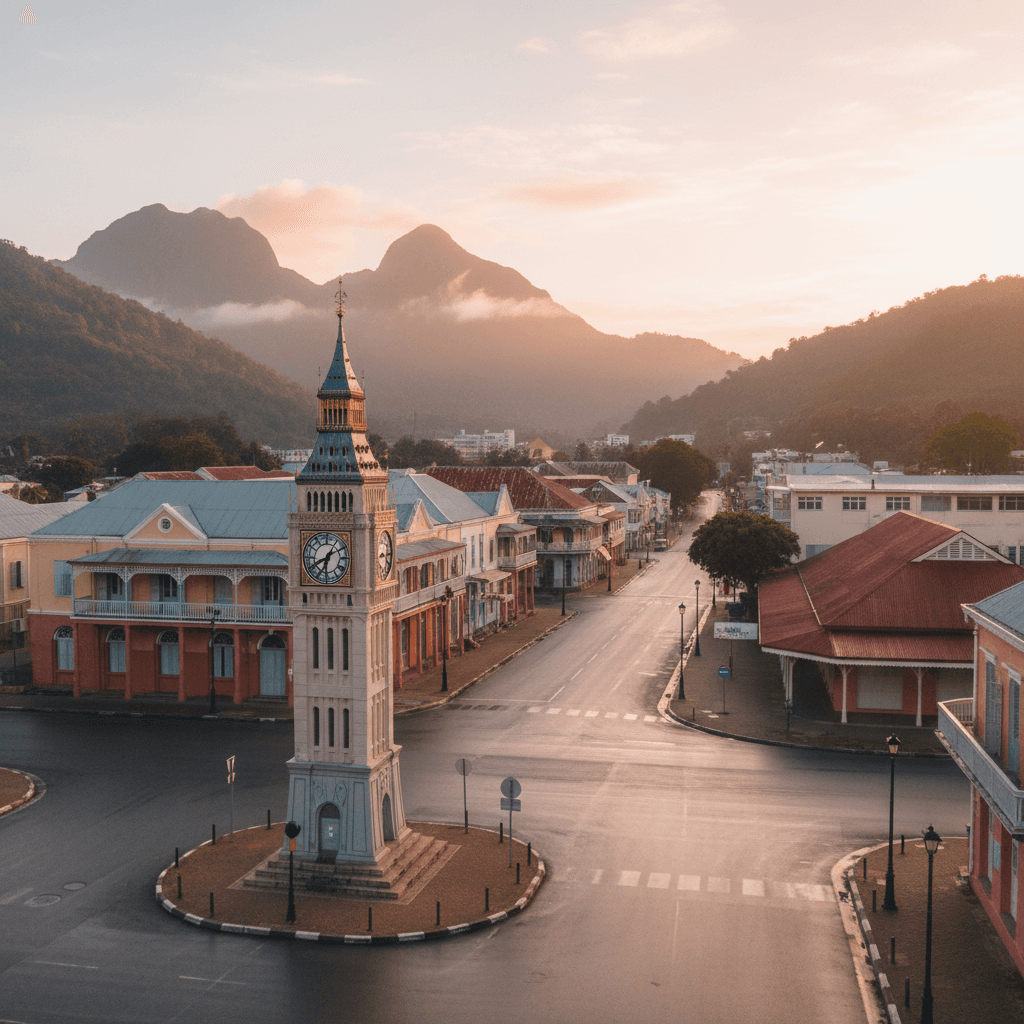
Victoria feels more like a sleepy island town that happens to run a capital than a real city. The center is tiny, the air smells faintly of diesel, sea salt and fried snacks from the market and the day moves at a pace that can drive impatient people mad. Not cheap. Not hectic.
Most nomads come for the tax-free foreign income rules, the English-speaking day-to-day and the easy access to Beau Vallon and other beaches, but the tradeoff is real, honestly: groceries cost a lot, internet can be patchy and you won’t find the deep coworking scene you’d get in Bangkok or Chiang Mai. The market is the heartbeat here, with fruit stacks, fish counters and the occasional horn blast outside, so if you want polished urban energy, this isn’t it.
That said, Victoria has a calm, safe feel that’s hard to fake. You can hear rain hammering tin roofs in the afternoon, then five minutes later you’re in a quiet café with cold tile under your feet and a view toward the hills, which, surprisingly, makes work feel less like a grind even when the WiFi is acting up.
Who it suits
- Best for: Slow-travel nomads, expats, beach people and anyone who’d rather swap nightlife for sea air.
- Not great for: Budget hunters, heavy remote workers and people who need fast, reliable internet every single day.
- Vibe: Creole, compact, safe and a little rough around the edges in a way that feels real, not curated.
Beau Vallon is the easy social pick, Eden Island feels polished and expensive and central Victoria or English River makes the most sense if you want buses, banks and the market within reach. Expatlife and local nomads usually steer newcomers toward those areas because transport is simpler, but the rent jumps fast once you get close to the beach or the marina.
Quick feel for the city
- Food: Creole seafood, grilled fish and market meals, with decent casual spots but few bargains.
- Work: Blend Seychelles in Providence and Regus in Victoria are the main bets, though cafés and hotel lounges get used a lot.
- Nightlife: Low-key, with places like Katiolo, Tequila Jacks and Boardwalk Bar doing most of the heavy lifting.
Victoria works when you stop expecting it to behave like a big nomad hub. It’s slower, pricier and a bit inconvenient, but the beaches are close, the people are friendly and the whole place has that salt-sticky, sun-warmed, slightly imperfect island feel that keeps some people here longer than they planned.
Victoria isn't cheap. A one-person monthly budget usually lands around $1,646 and that number climbs fast once you add imported groceries, air-conditioning and the odd taxi ride when the bus timetable doesn't suit your day.
The city feels small, salty and a bit stubborn about costs, honestly. Rent is the biggest swing factor, with studios and 1BRs in the center around $696 to $927, Beau Vallon and Eden Island pushing higher and quieter places like Anse Royale usually coming in lower if you don't mind the extra commute.
Typical monthly budget
- Budget: $1,200 to $1,800, shared housing, buses, home cooking, local markets.
- Mid-range: $1,800 to $2,500, a one-bedroom outside the center, some dining out, occasional coworking.
- Comfortable: $2,500 to $3,500, central or beachside apartment, taxis, restaurants a few times a week.
Food hits harder than most first-timers expect, because so much gets shipped in. A simple lunch can run $12 to $15, dinner for two around $50 and a beer is about $4.50, so those casual "let's just grab something" evenings can quietly chew through your week.
Utilities and internet together average about $190 a month, which isn't wild by island standards but still stings when the Wi-Fi slows down during a rainy afternoon and your calls start freezing. Mobile data on Airtel or Cable & Wireless is generally workable on Mahé, though the connection can feel patchy compared with the slicker setups you get in Asia.
Neighborhood cost snapshots
- Victoria, English River: Central, handy for errands and the market, studio around $696 to $927.
- Beau Vallon: Beachy and social, but rents often start around $850 and go up.
- Eden Island: Secure and polished, usually $1,400-plus, with a more expat-heavy feel.
- Anse Royale: Lower rents, often $600 to $900, but you'll rely on transport more.
If you want to keep spending sane, shop at the market, cook most meals and use the bus instead of taxis. The SPTC app helps, fares are cheap and frankly, the real drain here isn't transport, it's the imported milk, cheese and random household basics that seem to cost more every week.
Victoria is tiny, so neighborhood choice matters more than it does in bigger capitals. Pick wrong and you’ll be stuck with taxi bills, noisy roads or a beach that looks great online but feels dead after sunset. Pick right and life gets easy, honestly.
Nomads
- Beau Vallon: Best if you want beach time, cafes and a social scene. Rent usually starts around $850 for a one-bedroom and you’ll hear music, scooter engines and the sea all in the same afternoon.
- Victoria, English River: Best for errands, banks and staying central without a car. It’s practical, but the market area can feel gritty, with honking buses, heat off the pavement and the odd petty-theft risk in crowded spots.
- Blend-style coworking near Providence: Not a neighborhood in the classic sense, but the coworking setup there makes life easier if you need AC, proper desks and stable internet, which, surprisingly, still matters a lot in Seychelles.
Most nomads end up in Beau Vallon or central Victoria because daily life just works better there. The internet’s decent, not brilliant and you’ll still get the occasional slowdown when everyone’s online at once, so don’t expect Bangkok speeds.
Expats
- Eden Island: The polished choice, with marina views, security and restaurants close by. It’s comfortable, but it feels pricey and a bit removed from everyday Seychellois life, with rents often pushing past $1,400.
- Victoria/English River: Best for people who want to live near work, shops and transport. You can walk to a lot, though the morning air can smell like exhaust and wet concrete after rain.
- Bel Ombre: Quieter, greener and good if you want views over the city without living in it. The hills are real, though, so you’ll feel every climb in the humidity.
Expats usually choose convenience over romance here. Eden Island looks slick, Victoria is functional and Bel Ombre gives you space without feeling too remote, but you’ll still pay island prices for almost everything.
Families
- Eden Island: The safest-feeling pick for many families, with gated access and calm roads. It’s tidy, though your wallet will feel it fast.
- Bel Ombre: Better if you want quiet nights, more greenery and less traffic noise. Kids get more room to breathe and you’re still close enough to Victoria for school runs and shopping.
Families often prefer places where they can keep routines simple, because ferrying groceries, school bags and beach gear gets old fast. Eden Island is easy, Bel Ombre is calmer and both beat living somewhere where every trip turns into a taxi negotiation.
Solo Travelers
- Beau Vallon: The easiest place to meet people, eat out and walk to the beach after work. It’s lively without being wild and the weekend night market smell of grilled fish and spices does half the social work for you.
- Victoria: Good for short stays and practical access to buses, the market and services. It’s safe enough in daylight, but don’t wander sleepy side streets late at night.
If you’re on your own, Beau Vallon usually wins. You’ll have more to do, more places to eat and fewer moments where the island feels too quiet, though the tradeoff is paying more for the privilege.
Victoria’s internet is decent, not amazing. Fixed broadband usually sits around 20 to 50 Mbps, mobile data can push past 50 Mbps in town and fiber shows up in some hotels and city spots, but you’ll still get the occasional slowdown when everyone’s online and the rain starts hammering the roof.
If you’re working remotely here, plan around that reality. Don’t expect the kind of slick, all-day reliability you get in Bangkok or Lisbon, because Seychelles is smaller, pricier and a bit patchier, though the upside is that cafés do tolerate laptops and the local SIM coverage on Mahé is pretty solid.
Best coworking bets
- Blend Seychelles, Providence: The best serious option, with 24/7 access, AC and speeds around 60 to 80 Mbps and honestly it’s the place most nomads end up using when they’re tired of hunting for a quiet corner.
- Coboat in Beau Vallon: More of a community play, better for short stretches and meeting people than for disappearing into deep work.
- Hotel lounges: A decent backup at $15 to $30 a day, especially if you just need a strong coffee, a power outlet and a chair that isn’t plastic.
Cafés can work too, weirdly enough, but choose carefully. In central Victoria you’ll hear market chatter, buses coughing at the curb and the clink of cups over the hum of ceiling fans, so it’s fine for emails and calls, less fine for anything you need silence for.
What nomads actually do
- Buy a local SIM: Airtel and Cable & Wireless are the usual picks and they give you enough coverage to stay online while moving around Mahé.
- Keep a hotspot backup: Useful when your apartment WiFi drops, which it sometimes will, especially in older buildings or cheaper rentals.
- Work early: Morning hours are calmer, faster and less annoying, before heat, traffic and random network slowdowns pile up.
Short version, Victoria can absolutely work for remote jobs, but it’s not a place for people who panic when a file upload takes five minutes. For steady calls and long work sessions, Blend is the safest bet, then a café only if you’ve got patience and a power bank in your bag.
Victoria feels calm for a capital, but don't mistake that for sleepy. The center stays busy around the market, with bus engines coughing, fish-seller chatter and the odd wave of humidity that sticks to your skin and honestly that's where most petty theft happens. Keep your phone zipped away in crowded spots and skip dark side streets after late dinners.
Violent crime is low. Most nomads and expats move around without drama, especially in daytime, though the usual island-careless habits still get people, like leaving a bag on a café chair or wandering back from the beach after dark. Unlit remote beaches are the main place I'd avoid at night, because once the tourist crowds thin out, the silence can feel a bit too complete.
What to watch for
- Pickpockets: Around the market, bus stops and tight backstreets, especially when it's crowded.
- Beach safety: Avoid isolated stretches after dark, even if they look beautiful and empty.
- Street smarts: Use normal city common sense, because careless bags and open phones draw attention fast.
The healthcare setup is straightforward, which, surprisingly, is a relief on an island this small. Seychelles Hospital in Victoria handles 24/7 emergencies and the public system is basic but generally free for routine care, so you won't get slammed with the kind of bills you might expect elsewhere. For a fever, a cut or a nasty stomach bug, that's usually enough.
Emergency number: 151. Hospital phone: +248 4388000. Pharmacies are scattered through Victoria, Beau Vallon and Eden Plaza, though opening hours can be annoyingly limited, so don't wait until evening to buy painkillers or antihistamines. If you need a specialist or anything complex, the island can push you into an overseas evacuation and that gets expensive fast.
Practical healthcare notes
- Best first stop: Seychelles Hospital for emergencies and urgent issues.
- Pharmacy timing: Buy basics during the day, not after work.
- Travel insurance: Get coverage that includes medical evacuation, because local specialists are limited.
For nomads, the real trick is simple, keep insurance active, save the emergency numbers in your phone and don't gamble on late-night pharmacy runs. The system works fine for everyday problems, but if you need advanced treatment, Victoria runs out of runway quickly and that's the part people only appreciate after something goes wrong.
Victoria’s compact, so you won’t need much planning if you’re staying near the center. Most days, people just walk, hop on the bus or grab a taxi when the heat gets too sticky and the uphill roads start feeling annoying. Cheap? No. Simple? Mostly.
The public bus is the best budget move, if you can live with the schedule and a bit of patience. Fares are SCR10-12 per ride depending on payment method (card cheaper), the SPTC app helps and buses usually run from about 5:30am to 8:30pm, though they can feel slow and cramped when school lets out or commuters pile on with shopping bags and noisy plastic stools.
Taxis are easy to find in Victoria, but they’re unmetered, so you should ask the price before you get in. A short hop to Beau Vallon is often about $10, while longer runs around Mahé can creep up fast and frankly, nobody likes settling a fare while the driver is already turning the key.
- Bus: Best for low-cost daily travel, no-frills and short city-to-beach trips.
- Taxi: Best for late nights, airport runs, rain or when you’re carrying groceries and sweating through your shirt.
- Car rental: Around $30 to $50 a day, useful if you want beaches outside Victoria and hate waiting on bus timings.
- Walking: Works well in central Victoria and around Beau Vallon, though the sun is brutal by midday.
If you’re staying in Victoria, English River or Beau Vallon, walking actually makes sense for short errands. The market, banks, small shops and cafés are close enough that most nomads don’t bother with wheels every day, though the sidewalks can be patchy and the humidity, weirdly, makes a five-minute walk feel longer.
Bikes and scooters aren’t really a thing here in the way they are in some Asian hubs, so don’t expect easy rentals on every corner. Airport transfers are straightforward, SEZ is only about 9km away and you can get there by bus or taxi without drama, though baggage plus midday traffic can make the ride feel oddly slow for such a tiny island.
Victoria runs on English and Seychellois Creole, so day-to-day life is pretty easy for most nomads and honestly, you won’t spend much energy translating menus, bus stops or basic errands. French still pops up in pockets, especially in older families and some shops, though English gets you through almost everything without drama.
The pace is slow. People speak softly, traffic honks here and there and the whole place feels like it’s moving one gear down from the mainland, which, surprisingly, can be a relief after louder Asian hubs.
That said, don’t expect mainland-style efficiency. Government offices can be slow, phone calls can drag and if you need something fixed quickly, you’ll probably hear “come back tomorrow” more than once, so build in slack for paperwork, deliveries and any tech issue that needs a human hand.
For practical communication, most locals are friendly and direct enough and if you’re polite, patient and clear, you’ll get better help than if you arrive sounding rushed. Prices are usually stated in Seychellois rupees and you’ll want to check whether someone means cash, card or bank transfer before assuming anything.
Useful phrases
- Hello: Bonzour
- How are you?: Ki manyer?
- Thank you: Mersi
- How much is this?: Konbyen sa?
- Where is the bus stop?: Kot arête bis?
Internet, frankly, can be the real communication headache. You’ll find decent fixed WiFi in some homes, hotels and places like Blend Seychelles or Regus, but speeds still wobble more than you’d like and mobile data is handy for backup when a storm rolls through or the connection just sulks.
If you’re working with overseas clients, keep your setup simple, test calls early and don’t assume every café table has stable WiFi, because a few don’t. Bring noise-cancelling headphones too, since market chatter, scooter engines and the clatter of plastic chairs can fill a room fast.
How to make life easier
- Use English first: It’s the safest default.
- Keep messages short: Simple, polite, direct.
- Confirm prices: Especially taxis and market purchases.
- Have offline maps: Bus routes and addresses can be messy.
For nomads, the sweet spot is staying calm, speaking plainly and accepting that Seychelles runs on island time. If you can do that, Victoria feels manageable, warm and easy enough to live in, even when the internet blips or a request takes longer than it should.
Victoria stays warm all year, but the feel changes enough that timing matters. The driest stretch usually runs from May to September, when southeast trade winds make the air feel cleaner, the sea looks calmer on the west side of Mahé and walking around town doesn't leave you sweating through your shirt in five minutes. Not cheap. Not cool, either.
If you want the easiest month-to-month weather, aim for June, July or August. Those months are breezier and less sticky, so Beau Vallon feels better for beach days and Victoria's streets are less punishing, though evenings can get a bit windy and the sea can look choppy on exposed coasts. The humid months, especially December to March, bring heavier rain, thicker air and that damp, salty smell that clings to clothes.
Best months: May to September for drier, more comfortable weather, with June to August usually the sweet spot.
Rainiest stretch: December to March, when showers can be sudden and heavy, then clear fast.
Hottest-feeling months: October to April, especially if you're inland and the humidity sits on your skin.
What to expect by season
- Dry season: Better for beach time, island hopping and daily routine, though rental prices don't really get kinder.
- Wet season: Lower crowds and greener hills, but the rain can turn a simple errand into a sweaty, soaked nuisance.
- Shoulder months: April, May, October and November often give you a decent mix of sun, fewer gusts and slightly calmer water.
Honestly, the tradeoff in Victoria isn't about cold versus hot, it's about humidity versus wind. The rain can drum on tin roofs, the market smells like ripe fruit and fish before noon and then a squall blows through and the whole place feels washed clean for an hour. If you're working remotely, that matters, because AC and decent internet feel more valuable when the air outside is thick and sticky.
For nomads, the smartest plan is to book around the weather you actually like, then pick your neighborhood around that, too. Beau Vallon works best in the drier months, while central Victoria is fine year-round if you don't mind traffic noise, bus brakes and a bit of urban grit. Skip the assumption that Seychelles is always postcard-perfect, because it isn't and that's exactly why the timing feels so important.
Victoria moves at a sleepy pace, but don’t mistake that for cheap or effortless. The market smells like ripe fruit, diesel and grilled fish, buses rattle past at odd intervals and the humidity hangs on your skin long after sunset. Honestly, this town is easy to like and easy to overspend in.
Money runs hot here. A solo nomad usually lands around $1,200 to $1,800 if you share housing, cook most meals and stick to the bus, but a more comfortable setup pushes closer to $2,500 once you add a private flat, taxis and the occasional dinner out. Imported goods cost a lot, so that cheap-looking grocery basket turns out, weirdly, to be the expensive part of the month.
Where to stay
- Beau Vallon: Best for beach life and social evenings, though rents start higher and the area gets crowded around the seafront.
- Eden Island: Clean, secure and polished, but you're paying for the marina feel and a less local atmosphere.
- Victoria or English River: Handy if you want banks, shops and the market nearby, just expect more noise and a bit more street hustle.
- Anse Royale: Quieter and cheaper, with lower rents, though you'll need transport more often.
Internet is decent, not amazing. Fixed connections often sit around 20 to 50 Mbps, mobile can be better on a good day and the signal can wobble just when you're on a call. Blend Seychelles in Providence is the space most nomads mention first, Regus works if you want a proper desk and cafes will do in a pinch, though some are better for coffee than for deadlines.
Getting around is simple enough if you don't mind waiting. The SPTC bus app helps, fares are cheap at about SCR12 and central Victoria is walkable, but taxis aren't metered so ask the price before you get in, because a short trip to Beau Vallon can feel oddly expensive for the distance.
Day-to-day basics
- Safety: Very good overall, but keep an eye on your phone and wallet in the market and on quiet backstreets at night.
- Healthcare: Seychelles Hospital handles emergencies, pharmacies are easy to find in Victoria and Beau Vallon and serious cases sometimes need evacuation.
- Food: Local lunches, seafood and market snacks are the best value, while imported supermarket items can sting.
- Nightlife: Low-key. Katiolo, Tequila Jacks and a few hotel bars are where people end up when they want music and a drink, not a big scene.
For practical planning, keep cashless payments and a backup SIM, because service can drop at the worst possible moment. This place is safe, pretty and slower than most digital nomad hubs, but the costs are real and the internet isn't the kind you brag about.
Frequently asked questions
How expensive is Victoria, Seychelles for digital nomads?
Which neighborhood is best for nomads in Victoria, Seychelles?
Where should remote workers go for coworking in Victoria?
How good is the internet in Victoria, Seychelles?
Is Victoria, Seychelles safe for solo travelers?
Where do nomads stay if they want beach access in Victoria?
What healthcare is available in Victoria, Seychelles?
Need visa and immigration info for Seychelles?
🇸🇨 View Seychelles Country GuideHidden Gem
Worth the effort