Veliko Tarnovo
🇧🇬 Bulgaria
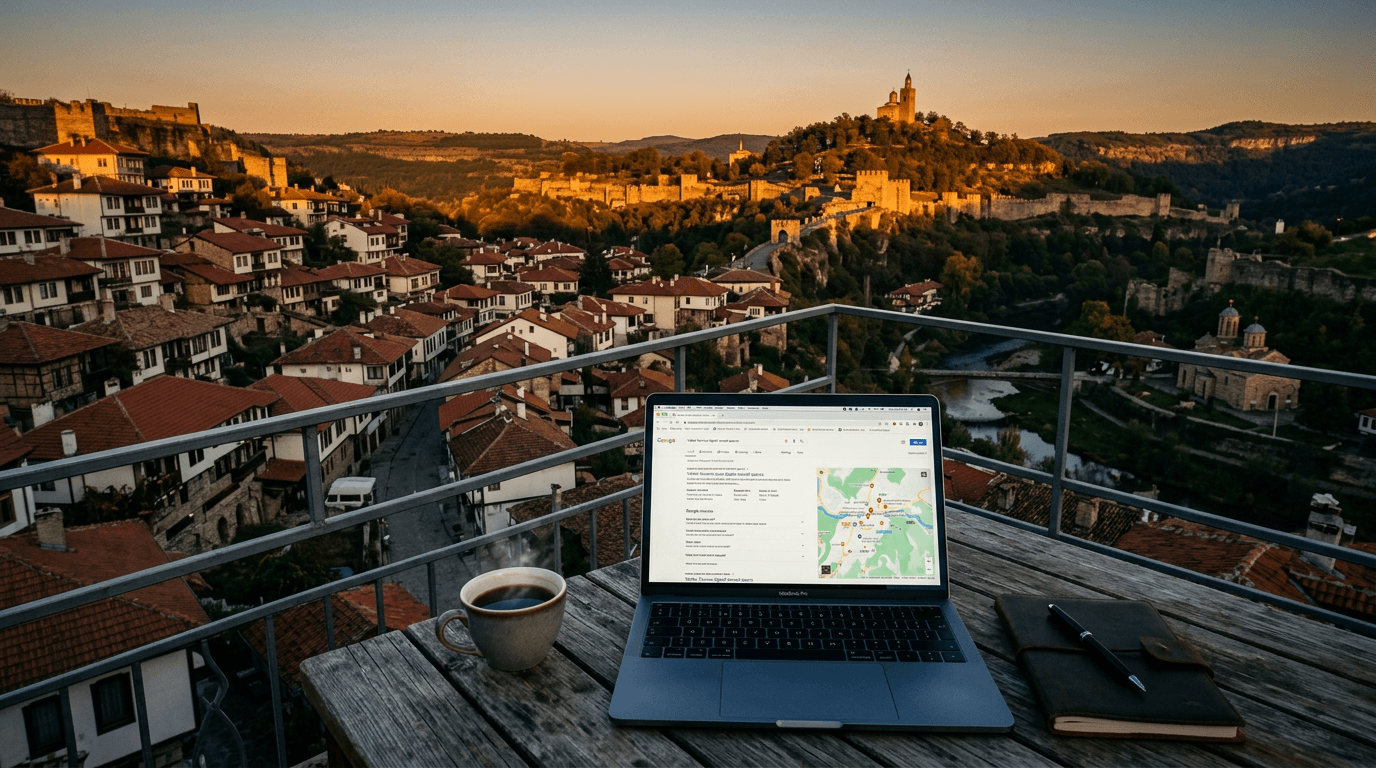
Veliko Tarnovo feels like a small city that never really stopped being a medieval one. The old town clings to the hills above the Yantra River, Tsarevets fortress looms over everything and the streets in Asenov Quarter and Samovodska Charshiya still have that uneven, cobbled, slightly creaky feel underfoot. It’s scenic in a very real way, not the polished kind. You hear church bells, cars grinding uphill and, in summer, the buzz of tourists mixing with the smell of grilled meat and hot stone.
For nomads, the appeal is simple: it’s affordable, walkable and calm without feeling dead. There’s decent internet, a growing but still small expat scene and enough cafes, bars and day trips to keep life from turning into a rut. The tradeoff is obvious. If you want a big international crowd, nonstop events or easy flights, this isn’t your city. Bureaucracy can be slow and irritating and nightlife tops out at fun, not wild.
What makes Veliko Tarnovo stand out in 2025 and 2026 is that it’s getting easier to use as a base. Bulgaria’s full accession to the Schengen Area has simplified regional movement by eliminating internal border checks for those traveling by air, sea, and land. This is still a place where you’ll feel the pace drop the second you look down from the fortress or wander the quieter lanes near Sveta Gora.
Where the city feels best
- Old Town, Tsarevets and Asenov Quarter: Best for atmosphere, views and short stays. Gorgeous, but the old housing stock can be cold, noisy and drafty.
- Center and Vasil Levski boulevard: The most practical area for daily life, with cafes, banks, gyms, the mall and easier access to BCVT coworking.
- Kolyu Ficheto: Better for modern apartments, parking and insulation. Less charming, more comfortable.
Costs are still one of the city’s biggest draws. A furnished one-bedroom in a decent area usually runs about 500 to 800 BGN, while a comfortable monthly life for one person often lands around 1,450 to 1,950 BGN if you mix cooking with eating out and the occasional weekend trip. It’s not glamorous, but it’s easy on the wallet and that matters.
Veliko Tarnovo suits people who like a slower rhythm, old stone underfoot and evenings that end with a beer in a local bar instead of a scene. If you need constant social energy, you may get restless. If you want a base with character, good value and a little bit of everyday history, it’s hard to beat.
Veliko Tarnovo is one of Bulgaria’s easier cities on the wallet. It’s compact, walkable and still feels lived-in rather than polished for outsiders, so your money goes further here than in Sofia or along the Black Sea. The tradeoff is simple, fewer big-city amenities, but also fewer big-city bills.
Typical monthly costs
- Rent: Furnished apartments in a good area tend to sit closer to 500 to 800 BGN, while places outside the center often land around 400 to 500 BGN.
- Food: Groceries for one person usually come in around 250 to 350 euros a month if you cook most meals. Eating out regularly adds another 100 to 200 euros.
- Transport and extras: City buses are cheap and most daily errands don’t cost much. If you want a comfortable monthly life with groceries, internet, utilities and a few nights out, a realistic non-rent budget is about 550 to 750 euros.
That puts a tight stay around 950 to 1,250 BGN, a mid-range setup near 1,450 to 1,950 BGN and a more comfortable expat-style month at roughly 2,000 to 2,700 BGN. The numbers move depending on whether you want a plain flat in an older block or a newer apartment with better insulation, an elevator and less winter draft sneaking through the windows.
Food and going out
Local food is cheap and easy to live on. Banitsa, pizza slices, kebabs and simple lunches usually cost 4 to 8 BGN and a solid restaurant meal often lands between 12 and 20 BGN. A full dinner with a drink is usually 20 to 35 BGN, which is pretty reasonable if you’re not eating out every night.
Bars are generally affordable, and it is not a city that drains your budget after two rounds. You’ll hear music spilling out onto the street, glasses clinking and the usual late-night scooter buzz, making for a lively but budget-friendly atmosphere.
Where the money goes
- Old Town and Asenov Quarter: Best for atmosphere, worst for modern convenience. Pretty, but older housing can mean cold floors, thin walls and awkward parking.
- Center and Vasil Levski boulevard: The sweet spot for most nomads, with cafes, banks, buses, Veliko Tarnovo Mall and coworking near each other.
- Kolyu Ficheto: Better value for newer flats, stronger insulation and easier parking, though it feels more practical than scenic.
Dedicated coworking is limited, so many remote workers split time between Business Center Veliko Tarnovo and laptop-friendly cafes. If you want a calm, affordable base without paying Sofia prices, this city makes a lot of sense. Just don’t expect a huge expat scene or glossy infrastructure, because it’s still a small city with small-city quirks.
Veliko Tarnovo is small enough that you can live almost anywhere and still get around easily, but the feel changes fast from one hill to the next. Some areas lean scenic and touristy, others are practical and quieter and a few are just plain better if you plan to stay a month or longer.
For nomads
The best base is the center around bul. Vasil Levski and Nezavisimost Street. You’ll be close to the mall, buses, cafés and the bars people actually use, so you don’t waste time crossing town for everything.
- Rent: About 550 to 750 BGN for a decent 1BR.
- Why stay here: Walkable, practical and the easiest place to settle if you work online.
- Downside: Traffic noise, older blocks and the occasional noisy student night.
If you want views more than convenience, Old Town and Asenov Quarter are beautiful, but they can be annoying for daily life. The cobblestones, steep streets and drafty old apartments look great in photos, then you’re carrying groceries uphill in cold rain with your backpack banging your shoulders.
For expats
Kolyu Ficheto is the sensible pick. It has newer apartment blocks, better insulation, easier parking and a more straightforward daily routine, which matters once you’re past the honeymoon phase of living in a medieval city.
- Rent: Usually 500 to 800 BGN for a modern 1BR.
- Food: Supermarkets and simple lunch spots are easy to reach.
- Downside: Less charm, more concrete and not much atmosphere after dark.
Expats who stay longer often prefer this kind of convenience over postcard views. The heating works better, the floors aren’t freezing in winter and you’re less likely to hear every step from the apartment above.
For families
Families usually do best in more residential parts of Kolyu Ficheto or slightly outside the center, where apartments are newer and there’s space to park. You’ll get easier supermarket runs, calmer streets and fewer tourist crowds around your door.
- Rent: Around 700 to 1,000+ BGN for a larger flat.
- Good for: Parking, insulation and day-to-day comfort.
- Trade-off: You’ll need to walk or bus in for the old-town atmosphere.
For solo travelers
Old Town and Asenov Quarter are the easiest places to fall into the city’s rhythm. You get fortress views, small guesthouses, quiet lanes and that mix of church bells, café chatter and wood smoke that makes the city feel older than it's.
- Best for: Short stays, photographers and anyone chasing atmosphere.
- Downside: Less practical for long stays and not great for heavy shopping.
- Alternative: Stay in the center if you want nightlife and easier errands.
Veliko Tarnovo has decent internet for a small city and most nomads don’t have trouble getting through a normal workday here. The connection at newer apartments, central cafés and the better offices is usually solid enough for video calls, file uploads and a few browser tabs, though speeds can dip in older buildings with weak wiring. The city feels calm, but don’t expect silence, there’s plenty of scooter noise, church bells and the occasional burst of honking from the main roads.
Dedicated coworking is still limited, so a lot of people split their week between home, cafés and the few proper workspaces that do exist. Day passes and monthly plans are usually reasonable by Bulgarian standards and the central locations make it easy to combine work, errands and lunch.
Where nomads actually work
- Center and Vasil Levski boulevard area: Handy for cafés, bars and errands, with the best mix of convenience and city energy.
- Laptop-friendly cafés: Good for a few focused hours, especially if you order coffee and lunch and don’t overstay during the rush.
Cafés here can work well if you’re flexible. Look around the center, Samovodska Charshiya and the streets near the mall for places with enough plugs, decent Wi-Fi and staff who won’t give you side-eye for opening a laptop. I’d skip the prettiest terrace spots for serious work, they’re better for coffee and people-watching than back-to-back Zoom calls.
Costs stay friendly. A coworking day pass in Bulgaria often lands around 15 BGN to 30 BGN and monthly access is commonly 200 BGN to 350 BGN, depending on services. In a café, you can usually work for the price of a couple of drinks and a light meal, which makes long stays cheap if you’re not picky about being in a formal office.
Internet and work setup tips
- Check the apartment first: Ask for a speed test, not just "Wi-Fi included."
- Have a backup: A local SIM or eSIM helps when a router drops out.
- Pick newer buildings: Better insulation, better wiring and fewer weird internet problems.
The biggest frustration isn’t the internet, it’s the limited choice. If you want a big nomad scene, endless coworking options and people on your exact schedule, Veliko Tarnovo will feel small. If you want quiet, low costs and enough connection to get your work done without much drama, it’s a very workable base.
Veliko Tarnovo feels safe in the day-to-day, especially compared with bigger Balkan cities. The center, Old Town and the roads around Vasil Levski boulevard usually feel calm, with the normal small-city stuff, a bit of honking, students spilling out of bars and the smell of grilled meat drifting from corner places at night. Petty theft can still happen, especially in crowded tourist spots and around the bus station, so don’t leave a phone on a café table and call it a win.
Most nomads don’t worry much about violent crime here. The bigger annoyances are practical ones, dim side streets, winter ice on steep cobbles and the occasional sketchy building with weak lighting or poor locks. If you’re living in an older flat in Asenov Quarter or the Old Town, check the entrance, heating and window seals before you sign anything. Cold tile floors in January are no joke.
For healthcare, the city has enough for routine stuff, but not much room for drama. You’ll find general practitioners, dentists, pharmacies and a public hospital and locals often go straight to pharmacy advice for minor problems before booking a doctor. Private clinics in town are better for faster English service and shorter waits, while bigger hospitals and specialist care often mean a trip to Sofia.
What to expect on the ground
- Emergency number: 112 works nationwide for police, ambulance and fire.
- Pharmacies: Common around the center and mall area and many stock basic meds without much fuss.
- Private care: Better for speed and English, especially for dental work, labs and quick consults.
- Public care: Cheaper, but bureaucracy and waits can be maddening if you don’t speak Bulgarian.
Travelers with prescriptions should bring a copy of the medication name, not just the brand, because local stock can be hit or miss. Good travel insurance matters here, especially if you’ll need imaging, specialist visits or an overnight transfer to another city. Cash still helps for small clinics and pharmacies, though bigger places usually take cards.
Air quality can get grim in winter when smoke hangs low over the hills and the city’s steep streets become slippery after rain or snow. Keep decent shoes, a charged phone and offline maps, because getting turned around in the old lanes after dark is easier than it should be. For most remote workers, though, the trade-off is simple, low stress, low costs and a pace that lets you sleep.
Veliko Tarnovo is small enough that you’ll often skip transport entirely. The steep old streets, hilltop views and compact center make walking the default, but the hills can punish your legs, especially in summer when the heat sits on the cobblestones and the climb up to Tsarevets starts to feel endless.
For day-to-day life, most nomads base themselves around the center, Vasil Levski boulevard or Kolyu Ficheto so they can walk to cafés, shops and buses. The old town is gorgeous, but it’s less practical for long stays because of the stairs, older buildings and awkward parking. You’ll hear scooters buzzing uphill, taxis idling outside bars and the occasional bus rattling past with the windows open.
Getting around town
- Walk: Best for short trips and errands in the center. Expect steep streets, uneven paving and the odd slippery patch after rain.
- City bus: Cheap and useful for longer hops, especially between newer districts and the center. Fares are low by European standards, usually around 1.50 to 2.00 BGN per ride in comparable Bulgarian cities.
- Taxi: Handy late at night or when you’re hauling bags uphill. They’re still affordable, but always ask for the meter or agree the price first.
Veliko Tarnovo doesn’t have metro-style convenience, so rideshare habits are more old-school. Most locals still use taxis, buses and their own two feet and that’s part of the city’s rhythm. If you’re used to zipping across a big city in minutes, the slower pace can feel awkward at first, then oddly relaxing once you stop fighting it.
Going farther
- Bus to Sofia: VERIFY CURRENT BUS OPERATORS AND PRICING BEFORE PUBLISHING
- Car rental: Worth it only if you’re planning village stays, monastery runs or mountain trips. Parking in the center can be a pain.
- Train: Possible, but usually slower and less convenient than the bus from Veliko Tarnovo.
For groceries, mall runs and coworking, the best setup is simple: stay in or near the center, walk most places and use buses or taxis only when the hill starts to win. BCVT near the mall is easy to reach from the newer districts and many cafés in town are laptop-friendly if you don’t mind working around clinking cups, espresso steam and the low hum of conversation.
If you’re staying a month or more, don’t chase a perfect transit map. Pick a neighborhood that cuts down on climbing, keep a taxi app on your phone for late nights and accept that in Veliko Tarnovo, getting around is less about speed than about choosing the right hill to climb once.
English gets you through the obvious stuff in Veliko Tarnovo, but don’t expect everyone to switch easily. In cafés near the university, at BCVT and in hotels around the center, younger Bulgarians usually speak decent English. Outside that bubble, it drops fast. Older shopkeepers, taxi drivers and building managers may know only a few words, so simple Bulgarian helps more than any app.
The local pace is slower than Sofia’s and that affects communication too. People don’t usually rush to answer emails and a “yes” can mean “maybe, if the electricity, internet and mood all cooperate.” Face-to-face works better than long message threads. If you’re renting an apartment, it’s smart to confirm details on the phone and then again in person, because what was promised online can change once you arrive.
Useful basics go a long way: “Zdravei” for hello, “Blagodarya” for thank you and “Kolko struva?” for “How much is it?” Pronunciation isn’t perfect and that’s fine. Locals usually appreciate the effort, even if you butcher the vowels. In shops and on buses, keep it short and polite, because people will help faster if you don’t make them work for it.
What to expect day to day
- English: good in coworking spaces, cafés with laptop crowds and most central hotels
- Bulgarian: useful for landlords, plumbers, taxi drivers and small neighborhood stores
- Messages: WhatsApp and Viber are common, so ask which one people prefer
- Paperwork: bureaucracy can be messy and forms often come with no English version
For errands, cashiers and bus drivers are usually quick and matter-of-fact. Don’t expect warm chatter. The tone can feel blunt if you’re used to more small talk, but it’s rarely meant as rudeness. In winter, when the sidewalks are icy and the air smells faintly of wood smoke and exhaust, people tend to be even less chatty.
If you’re staying a month or longer, hire a local translator for lease signing, visa paperwork or municipal visits. It costs less than one bad mistake. For day-to-day help, Google Translate works fine, but Bulgarian text recognition can be clumsy with handwritten signs and old photocopies. The city’s small enough that once you’ve learned a few names and phrases, people start recognizing you and communication gets easier fast.
Veliko Tarnovo has a proper continental rhythm, hot summers, chilly winters and a long, pleasant shoulder season that most nomads end up liking best. The city sits on hills above the Yantra, so weather can change fast, with sun on one side of town and damp shade on the other. Spring brings blooming trees and the smell of wet stone after rain, while autumn is usually the sweet spot, crisp mornings, mild afternoons and fewer tour groups crowding Tsarevets.
Best time to visit: April to June and September to mid-October. Those months usually give you the best mix of walkable weather, decent apartment availability and enough daylight to explore without melting on the climb up to the fortress. July and August can be brutally hot, especially in the cobbled old town where the heat bounces off stone and the air feels dry by lunchtime. Winter is cheaper and calmer, but the streets get icy, the daylight is short and some places scale back their hours.
For medium-term stays, spring and fall are easiest on both your body and your routine. Cafés in the center stay busy enough to feel alive, the internet holds up well and you won’t spend half the day dodging rain or sweating through a laptop bag. If you want atmosphere without crowds, aim for late May or late September.
Season by season
- Spring: Best for walking, day trips and photos. Expect mild days, occasional rain and fresh air after a cold winter.
- Summer: Good for long evenings and outdoor bars, but midday heat can be punishing. Old Town gets sticky and noisy, with tourists, buses and the smell of grilled meat drifting through the streets.
- Fall: The easiest season overall. Warm afternoons, cooler nights and a slower pace once the summer crowds thin out.
- Winter: Quiet and affordable, but grey, cold and a bit bare. Good if you want to work, save money and don’t mind short days.
If you’re planning around value, winter can be the cheapest time for apartments and longer stays, though older flats can feel drafty and some have weak insulation. Summer brings more short-term demand, especially in the old town and near Tsarevets, so book early if you want a view or a newer place near the center. For most nomads, April, May, September and October hit the best balance.
Veliko Tarnovo works best as a calm, low-cost base rather than a place to “arrive” and get swept up in expat chaos. The city’s small, the internet is usually solid and you can get most errands done on foot, though the hills and cobbles will punish bad shoes. Summers can feel sticky and dusty, with exhaust hanging around the main roads and fortress steps baking under the sun.
For non-EU nomads, Bulgaria’s partial accession to the Schengen Area has simplified travel by eliminating passport checks at air and sea borders with other member states. The tradeoff is simple: you get easier mobility and a cheaper day-to-day life, but not a huge international scene. If you want constant meetups, Sofia is a better bet.
Where to base yourself
- Old Town, Tsarevets and Asenov Quarter: Best for atmosphere and views. You’ll wake up to church bells, footsteps on cobbles and tour groups starting early, but older flats can be cold in winter and awkward for parking.
- Center and Vasil Levski boulevard: The most practical area for nomads. You’re close to Veliko Tarnovo Mall, banks, buses, bars and Business Center Veliko Tarnovo, so it’s easier to work and live without a car.
- Kolyu Ficheto: Better for newer apartments, elevators and easier parking. It’s less charming, but the insulation is usually better and you won’t hear quite as much late-night street noise.
How much you’ll spend
- Room or older studio: about 350 to 450 BGN a month.
- Decent 1BR: usually 550 to 750 BGN, with nicer modern places going higher.
- Non-rent spending: plan on 600 to 1,200 BGN depending on how often you eat out, travel and drink.
Food is still cheap if you stick to local spots. A banitsa, slice of pizza or simple lunch usually runs 4 to 8 BGN, while a proper restaurant meal often lands around 20 to 35 BGN with a drink. Beer in bars is usually around 2 to 3 euros, cocktails 5 to 7 euros and the nightlife is fun enough for a few nights a week, not every night.
Work-wise, don’t expect a big coworking scene. Business Center Veliko Tarnovo is the main dedicated option and laptop-friendly cafés can fill the gaps if you’re fine buying coffee and moving once the chairs get uncomfortable. Intercity buses are the main escape hatch, with Sofia usually costing 26 to 32 BGN and taking about 3 to 4 hours, which is fine until you do it too often.
The local rhythm is slower, the bureaucracy can be maddening and winter damp gets into your bones. Still, if you want a city that’s walkable, affordable and not full of digital nomads arguing about productivity, Veliko Tarnovo makes a lot of sense.
Frequently asked questions
How much does a one-bedroom apartment cost in Veliko Tarnovo?
How much does it cost to live in Veliko Tarnovo as a digital nomad?
Is Veliko Tarnovo good for remote work internet?
Where do digital nomads work in Veliko Tarnovo?
Which neighborhood is best for digital nomads in Veliko Tarnovo?
Is Veliko Tarnovo safe for expats and digital nomads?
What emergency number should I use in Bulgaria?
Need visa and immigration info for Bulgaria?
🇧🇬 View Bulgaria Country GuideEasy Landing
Settle in, no stress
Monthly Budget Estimates
More cities in Bulgaria
Burgas
🇧🇬 Bulgaria
Bansko
🇧🇬 Bulgaria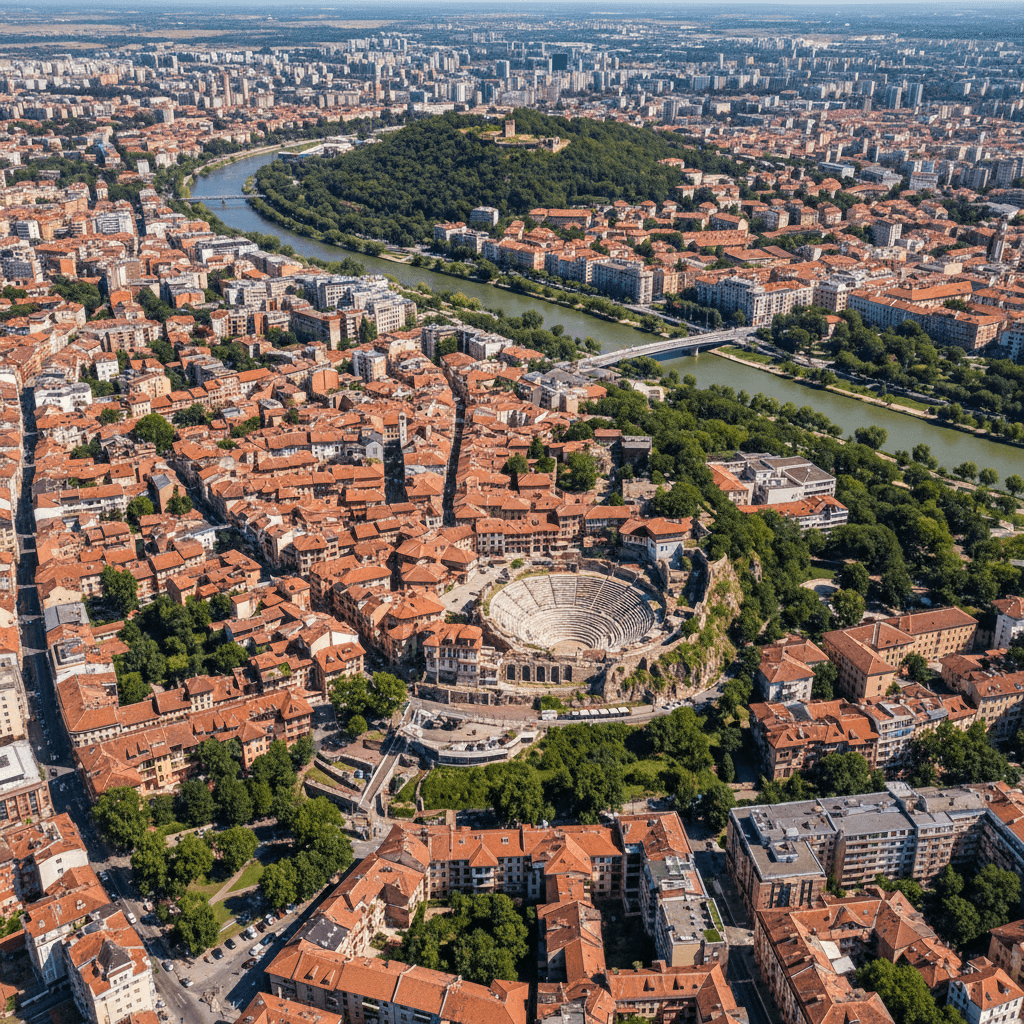
Plovdiv
🇧🇬 Bulgaria