Varna
🇧🇬 Bulgaria
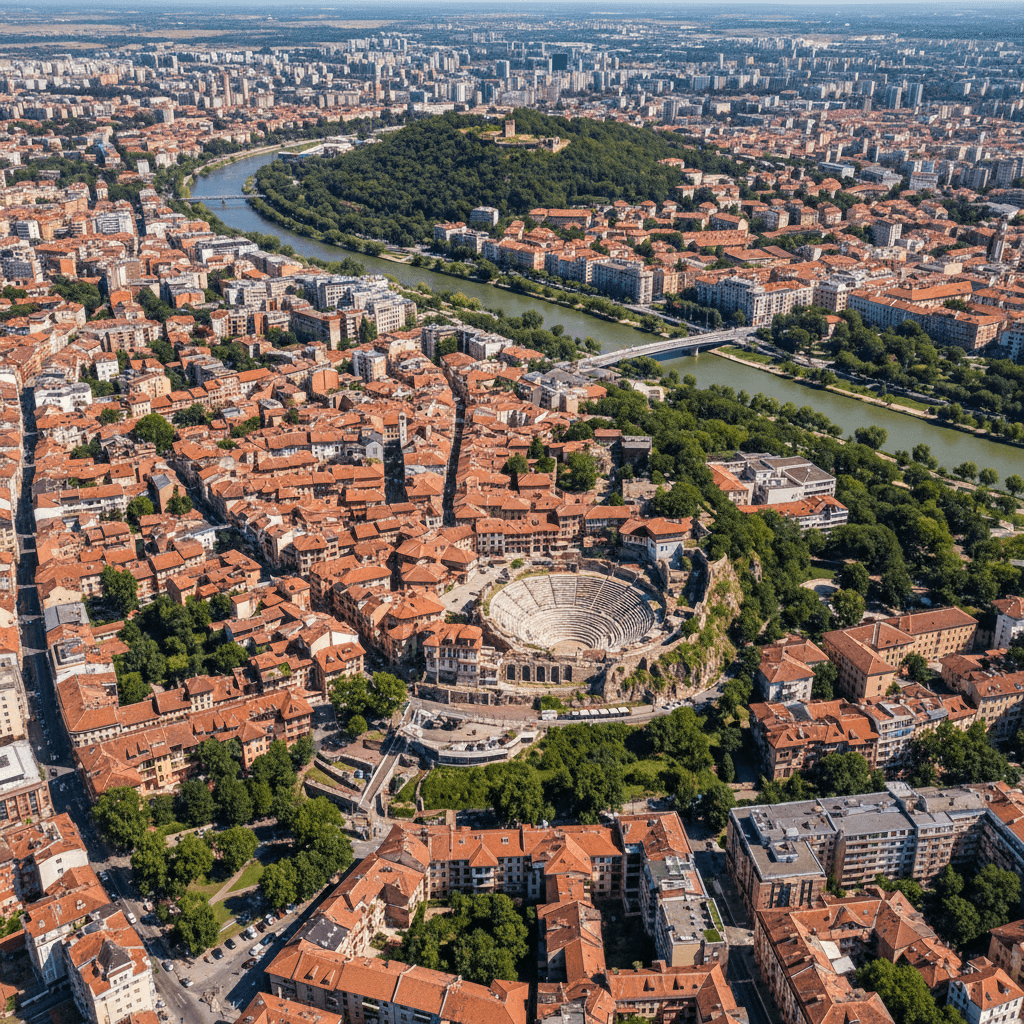
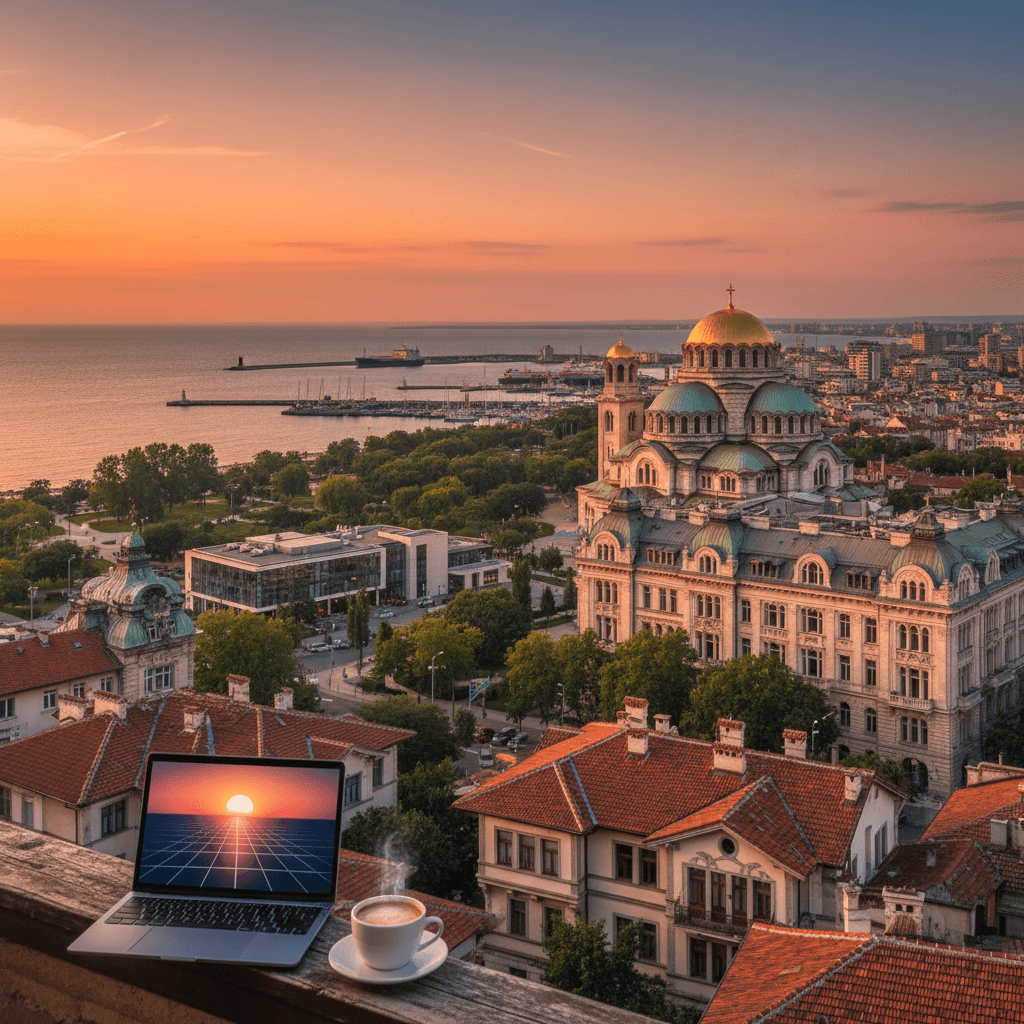
Varna feels like a beach town that didn’t stop being a real city. You get the Sea Garden, the Roman Baths, tramless streets full of scooters and buses and then, ten minutes later, you’re eating grilled fish while the smell of sunscreen and exhaust mixes in the warm air. In summer, it gets loud, sticky and a bit chaotic, honestly, but that’s also when the place makes the most sense.
Most nomads come here for the low costs, decent internet and the fact that you can work, swim, then meet people over a beer without spending much. A single person can get by on roughly $800 to $1,000 a month if they keep it simple, though a nicer one-bedroom in the center pushes the budget up fast and winter can feel oddly quiet when cafés thin out and some services go half-asleep.
It’s not polished. That’s part of the charm.
Where people actually stay
- Chataldzha, Red Square, Levski: Best for nomads who want cafés, young locals and quick access to the center, though rents are higher and traffic noise is constant.
- Old Center: Walkable, historic and close to museums and the promenade, but summer tourists crowd the streets and restaurants.
- Briz, Trakata, Vinitsa: Quieter and greener, with more space and better sea views, though you’ll rely on buses or taxis more often.
- Izgrev, Galata: Good if you want calm and a more residential feel, with fewer urban conveniences and longer trips into town.
The coworking scene, turns out, is better than people expect, with spots like Switch, Innovator and YocoWork giving you proper desk space instead of that awkward café-chair posture. Internet’s decent, mobile coverage is solid and you’ll hear the low hum of laptops, espresso machines and the occasional chair scrape when everyone’s trying to get a call done before the afternoon heat hits.
Varna is safe in the day and most people just keep an eye on their bag at the beach and avoid dark side streets at night. The frustrating part is the language gap, plus the fact that off-season transport, nightlife and some restaurants can feel patchy, so if you want a smooth, easy life all year, this city will test your patience a little.
Still, the balance is good, especially if you like your coastal life with a bit of grit. Cheap seafood, long walks in the Sea Garden, sea air in your clothes and a city that doesn’t pretend to be anything other than itself, that’s Varna.
Varna can be cheap, but only if you stay disciplined. A single nomad can scrape by on about $770 a month with shared housing and home cooking, though most people end up closer to $1,000 to $1,400 once they start going out for seafood, coffee and the occasional beer by the Sea Garden.
The city feels easy on your wallet in the middle of the day, then summer hits and prices creep up, the cafés fill with sunscreen, loud German tourists and the smell of grilled fish. Rent is the biggest swing, honestly and where you live changes the whole math.
Typical monthly budget
- Budget: Around $770, shared place, supermarket food, not much nightlife.
- Mid-range: Roughly $1,000 to $1,400, studio rent, some eating out, coworking a few days a week.
- Comfortable: $1,800 plus, central 1BR, more taxis, better restaurants, less penny-pinching.
Rent
- City center studio or 1BR: 500 to 900 BGN, about $270 to $490.
- Outskirts like Briz or Trakata: 350 to 600 BGN, about $190 to $325.
- Hotter areas: Chataldzha, Red Square and Levski usually start around 600 BGN for a 1BR and the noise follows you home.
Old Center is walkable and pretty, but summer crowds make it feel tight and slightly frazzled, with scooters buzzing past old façades and restaurant music bleeding into the street. Briz, Trakata, Vinitsa and Galata are calmer, greener and a bit more spacious, though you’ll rely on buses or taxis more often, which, surprisingly, gets old fast.
Daily costs
- Street food: 3 to 7 BGN, about $1.60 to $3.80.
- Mid-range meal: 15 to 30 BGN, about $8 to $16.
- Upscale dinner: 40 BGN and up, about $22 plus.
- Public transport: 1.60 BGN per ride, cheap enough, though the buses can be slow and stuffy.
- Coworking day pass: 15 to 28 EUR, depending on the space.
For working nomads, the better-value spots are places like The Social, Switch, Innovator, Stila 2 and YocoWork, while café WiFi is fine for a few hours if you buy coffee and don’t mind the clatter of cups. SIM cards are cheap too, Vivacom offers 12GB for 12 BGN and mobile coverage is decent around town, though internet speeds are, frankly, just okay.
If you want to keep costs down, cook at home, use buses instead of taxis and avoid beachfront restaurants in peak season. That’s the real trick in Varna, not some clever hack, just knowing when to skip the pretty place with the inflated menu.
Varna works best when you match the neighborhood to your tolerance for noise, heat and bus rides. The center gets sticky and loud in summer, with scooter buzz, bus brakes and café chatter drifting through the heat, but it also keeps you close to the Sea Garden, coworking spots and late dinners. Not cheap. Still worth it for some people.
Nomads
Most nomads end up around Chataldzha, Red Square, Levski or the Old Center because you can walk to coffee, grab a bus fast and get back to work without wasting half the day. Chataldzha and Red Square feel younger and more plugged in, while the Old Center gives you stone streets, renovated flats and tourist noise that gets old by August. Honestly, if you want easy social life, this is the zone.
- Best for: coworking, cafés, quick beach access
- Rent: around 600+ BGN for a 1BR in the busier central areas
- Downside: noisy, pricier, parking can be a headache
The coworking scene, turns out, is decent for a city this size, with places like Switch, The Social and Innovator giving you a proper desk, solid WiFi and enough regulars that you’ll stop feeling anonymous after a week.
Expats
Briz, Trakata and Vinitsa are the places expats talk about when they want space, trees and less honking outside the window. You’ll need transport, because these neighborhoods sit farther out, but the tradeoff is cleaner air, bigger apartments and that calmer coastal feel that makes morning coffee actually enjoyable. Frankly, if you hate tourist traffic, move here.
- Best for: quieter living, gardens, families with cars
- Rent: about 350 to 600 BGN for many outskirts studios or 1BRs
- Downside: you’ll rely on buses, taxis or a car
Families
Izgrev and Galata suit people who want a slower pace, bigger homes and fewer late-night surprises. Galata has that almost-rural feel, with sea views and a bit of wind off the water, which, surprisingly, can make the summer heat more bearable. The flip side is simple, less retail, fewer services and longer trips into town.
Skip Vladislavovo unless you already know the area well, because it’s more transport-dependent and less friendly for newcomers. I’d also avoid Maksuda, full stop, because safety concerns there aren’t theoretical.
Solo travelers
Solo travelers do well in the Old Center or near the Cathedral, where you can walk almost everywhere and meet people without trying too hard. Cafés, beach bars and foreigner meetups make it easy to strike up a chat, though summer crowds can feel relentless and the language barrier shows up the second you leave the main streets. The sea air helps, but the humidity clings.
- Best for: walkability, social life, easy first-time stays
- Good backup: the Sea Garden edge for calmer evenings
- Downside: tourist-heavy in peak season
Varna's internet is decent, not dazzling. Average fixed broadband speeds hover around 220 Mbps download, which is fine for calls, docs and normal remote work, but if you're juggling huge uploads or heavy video edits, you may feel the drag, especially when the summer crowds pile in and mobile networks get a bit sticky.
The coworking scene, turns out, is one of the city's better surprises. Innovator sits at about $70 a month, The Social runs around $8 a day or $90 monthly, Switch is similar at $8 daily and $108 monthly and YocoWork can be a nice low-friction option with paid access and amenities like free coffee and tea, which sounds almost too easy until you remember how much you hate noisy cafes.
- Innovator: Around $70/month, good for people who want a proper desk and a routine.
- The Social: About $8/day or $90/month, busy and social, but still workable.
- Switch: Roughly $8/day or $108/month, solid if you want a more standard coworking setup.
- Stila 2: Fast WiFi, coffee included, handy when you just need to get stuff done.
- Wollow: Around 28 EUR/day, pricier, so I’d only use it if you really need the setup.
Most nomads split time between coworkings and cafes, honestly because neither option is perfect. Jasmin Specialty Coffee gets singled out for free WiFi and a good working atmosphere and in general the city has enough coffee places that you won't be trapped in one chair all day while the espresso machine hisses and the sea air drifts in from the park.
For SIMs, Vivacom is usually the easiest first stop, with A1 and Yettel also available in shops and at the airport. A 12GB Vivacom plan for 30 days can cost about 12 BGN and if you'd rather skip the shop hassle, Airalo eSIMs work fine for short stays, though physical SIMs are still cheaper and more common.
- Best for cheap data: Vivacom, especially for short-term plans.
- Best for convenience: Airport SIM counters, though they aren't always the cheapest.
- Best fallback: eSIMs via Airalo, useful if you land late.
If you need reliable workdays, stick to central neighborhoods like Chataldzha, Red Square, Levski or Old Center, because the cafes, buses and coworkings are clustered there and you're less likely to waste time crossing town for a meeting. The city isn't a tech hub, frankly, but for beach-side remote work with decent WiFi and low rent, it does the job without pretending to be Berlin.
Varna feels safe in the way a lot of Black Sea cities do, relaxed but not sloppy. You’ll hear gulls over the surf, scooter engines in the Sea Garden and the odd late-night honk near the center, but violent crime is rare and most problems are the boring kind, petty theft, a missing phone, a bag left on a beach chair too long.
Stick to main streets after dark, especially around the busier nightlife strips and the train station area and don’t get careless on the sand, because beach pickpocketing does happen, just not often. Honestly, the center and the Sea Garden are fine for walking, though some side streets get dim and a bit empty once the summer crowd thins out.
Where to be cautious:
- Beaches: Keep valuables close, especially in July and August.
- Late-night side streets: Stay on the lit routes, then grab a taxi if it feels off.
- Very cheap-looking taxis: Use known apps or firms, because random cabs can play games with fares.
There aren’t any special “don’t go there” zones for nomads beyond the usual common sense, though a few outer neighborhoods feel less convenient and more transport-dependent than unsafe. The bigger annoyance, frankly, is language, if you need help fast, English isn’t always enough with older staff, shopkeepers or in smaller clinics.
Healthcare
Public healthcare exists, but it can be slow and bureaucratic, so most expats and nomads end up using private clinics when they need anything beyond basic advice. Private care is decent in Varna, especially in the larger hospitals and specialist practices, but it’s pricier than people expect and you’ll want insurance before anything goes wrong.
Pharmacies are easy to find across the city, which is handy when you’re dealing with a summer cold, stomach issues or sunburn that’s turned your shoulders to leather. For emergencies, dial 112 and if you need a doctor in a hurry, go private first unless it’s a true emergency.
- Emergency number: 112
- Ambulance: 112
- Police: 110
- Pharmacies: Widespread and easy to spot
Travel insurance isn’t optional in practice, it’s the thing that saves you from a nasty bill after a clinic visit or scan. The tap water in Varna also isn’t something I’d bother gambling on, so buy bottled water and keep a few liters at home, especially in summer when the heat sits on your skin and everything feels a bit sticky.
Varna is easy to move around, mostly because the center, the Sea Garden and the beach strip are all close enough that you can just walk. That said, summer traffic gets ugly fast, buses fill up with sweaty people and sand and taxis sometimes creep up the meter when the city’s packed.
Public transport is the default. A one-way ticket costs around 2 BGN and a Varna Card gives you unlimited rides for 15 BGN a day, which is handy if you’re bouncing between the center, the beach and farther-out neighborhoods like Briz or Galata. Buses and trolleybuses cover most of the city and apps like busVarna, Moovit and VarnaTraffic.com make the whole thing less confusing, honestly, because signage can be patchy and English isn’t always there when you need it.
Airport transfers are straightforward. VAR sits about 10 km from town, so Express 409 is the cheap option at 2 BGN and takes roughly 25 minutes, while a taxi usually lands in the 15 to 20 BGN range. No Uber here. Use Taxi Stars, Yellow Taxi or Hippo Taxi instead and if a driver starts acting vague about the fare, just get another cab.
Best ways to move around
- Walking: Best for the Old Center, Sea Garden and the beach promenade, where the sea air mixes with grilled corn, sunscreen and the clang of trams and traffic in the distance.
- Buses and trolleybuses: Cheap, reliable enough and the best bet for daily life if you’re living beyond the center.
- Taxis: Useful late at night or after the beach, though drivers can be a mixed bag, so check the price before you get in.
- Bikes and scooters: Rent a Bike Varna charges about 17 BGN a day and Hop Scooter starts at 0.50 BGN plus 0.17 per minute.
The city center is walkable, weirdly so for a place this spread out and the Sea Garden makes long strolls feel easy until the humidity sticks to your skin and you remember it’s August. If you’re staying in Briz, Trakata, Vinitsa or Galata, plan on using transport more often, because those areas are calmer but less convenient for everyday errands.
For most nomads, the sweet spot is this: walk when you can, take the bus when you can’t and save taxis for nights out or airport runs. It’s a simple system. And it works.
English gets you by in central Varna, especially with younger people, students and anyone working in cafes or coworkings, but Bulgarian is still the default in shops, taxis, clinics and most apartment negotiations. Cyrillic can feel clunky at first, then you spot the pattern and honestly that little mental switch makes daily life smoother fast.
Most locals in the center will understand basic questions, though replies can be short and practical, not chatty. Some older people speak Russian, a few service staff know enough English for transactions and the rest gets handled with gestures, phone translation and a bit of patience, which, surprisingly, works better than overexplaining.
Useful basics
- Hello: Zdravei
- Thank you: Blagodarya
- How much? Kolko struva?
- Yes / No: Bulgarians often nod for yes and shake for no, which trips people up hard
That head movement thing still catches newcomers out. Watch locals first, don't assume, because a cheerful nod can mean “no” and a side-to-side shake can mean “yes,” and if you get it wrong at a bakery or taxi stand, the whole exchange gets weirdly awkward.
What actually helps
- Google Translate: Good for camera mode and screenshots
- Offline notes: Save your address in Cyrillic
- Simple phrases: Learn prices, directions and food words
In restaurants, pointing works fine and in markets the smell of grilled meat, frying oil and ripe fruit usually does half the talking anyway. For apartments, don’t wing it, because landlord emails, contracts and utility chats often switch into Bulgarian fast and if you’re renting long term, having a local friend or agent help will save you hours.
On the street, people are generally polite but not overly warm with strangers, so keep your tone calm and direct. Speak slowly, use short sentences and if someone answers in Bulgarian, don’t panic, just ask them to repeat or type it, then check it in Translate before you nod and move on.
Where English is easiest
- Cafes and coworkings: Usually fine for English
- Sea Garden and Old Center: Tourist-friendly, more bilingual staff
- Big supermarkets and chains: Basic English usually works
Outside those pockets, English drops off fast. That's normal here, not rude and if you learn just a few Bulgarian basics, you’ll get better service, fewer blank stares and a lot less friction when the tram rattles by, the cashier calls the next customer and the whole city seems to move a little faster.
Weather & Best Time to Visit
Varna is at its best when the sea takes the edge off the heat. June to September is warm, sometimes sticky and the promenade smells like sunscreen, salt, grilled fish and hot concrete, while winter can feel grey, windy and oddly empty, especially once the beach bars shut down. Not cheap. Not crowded in winter either.
Best months: May, June and September. You get pleasant 20 to 25°C days, lighter crowds and enough life in the Sea Garden, cafés and coworkings to keep things easy, which, surprisingly, is the sweet spot for most nomads who want beach time without fighting for a sunbed or hearing thumping music until 3 a.m.
Season by season
- May: Mild, sunny and still calm, good for walking, apartment hunting and long lunches near the Cathedral.
- June to August: Peak season, highs often hit 27 to 30°C, beaches fill up, taxis get busier and the city feels louder, sweatier and more expensive.
- September: Honestly the nicest balance, the sea is still warm, evenings cool off and the chaos starts fading.
- November to February: Cold, damp and slow, with more closures and a lot less energy around the waterfront.
If you want summer and don’t mind crowds, go now. If you want space, clearer heads and better-value rentals, late spring or early autumn wins, hands down, because you still get beach weather without the crush of weekend tourists and the constant parking drama near the Sea Garden.
Winter isn’t brutal, but it can be dull, with cold tile floors in older apartments, a damp wind off the Black Sea and fewer places open late, so plan on more home cooking and less spontaneous nightlife. Frankly, that’s when Varna feels most like a local city rather than a seaside holiday spot.
Quick weather take
- Hottest month: July, with sticky afternoons and bright evenings.
- Rainiest stretch: November, when grey skies hang around and the pavements stay slick.
- Coldest month: January, around 3°C, cold enough to make a sea breeze bite.
- Best vibe: Late May, early June and September, when the city still feels awake but manageable.
Pack for sun, but don’t forget a light jacket, Varna can switch from beach weather to chilly wind fast once the sun drops. The best days are the ones when you can sit outside at Stila 2 or Jasmin Specialty Coffee in the morning, then head to the beach after lunch without melting on the walk there.
Varna is easy to live in if you keep a few local habits straight. Tap water isn’t something most people drink, so buy bottled water, carry cash for tiny purchases and expect a little friction the first week while you get used to Cyrillic signs and half-English, half-Bulgarian service.
The city runs on a pretty normal rhythm, then summer hits and everything gets louder, slower and more crowded, with the smell of sunscreen, grilled fish and exhaust hanging over the Sea Garden. June through August is beach season, honestly, so book housing early if you want a decent place near the center or Chataldzha.
Money and banking
- Cards: Widely accepted in cafes, supermarkets and coworkings.
- Cash: Still useful for taxis, kiosks and smaller taverns.
- ATMs: UniCredit and DSK are common and Revolut or Wise works well for most nomads.
Budget-wise, Varna stays fairly kind, but the cheap months and the comfortable months aren’t the same thing. A studio in the center can run 500 to 900 BGN, while places in Briz or Trakata are usually lower and long-term Airbnb deals sometimes work out better than you'd expect if you negotiate directly, which, surprisingly, still happens here.
SIMs and internet
- Starter SIMs: Vivacom, A1 or Yettel, usually around 15 BGN for a basic pack.
- Data: Good enough for remote work, though speeds can dip outside the center.
- Coworking: The Social, Switch, Innovator and YocoWork are the usual picks.
Most people I’ve seen work fine from cafes like Jasmin Specialty Coffee or from coworkings with proper desks and fast WiFi, because apartment internet can be a bit hit-or-miss depending on the building. If you need stable calls, get a local SIM on day one and keep a backup eSIM, turns out that saves a lot of swearing when the router blinks out.
Getting around
- Bus: 1.60 BGN per ride.
- Varna Card: 15 BGN for unlimited day travel.
- Airport: Express 409 is cheap, taxis are quicker and cost more.
The center is walkable and the Sea Garden makes that easier, but buses matter once you head toward Briz, Vinitsa or Galata. Taxis are fine if you stick to the known apps and avoid random curbside rides at the airport, because a bad meter story is still a very Varna kind of annoyance.
Local habits
- Yes/no: Bulgarians often nod for "no" and shake their head for "yes."
- Tipping: 10 percent is standard enough.
- Weekend trips: Pobiti Kamani and Aladzha Monastery are easy escapes.
That head gesture trips people up all the time, so don't overthink it, just watch what locals do and you’ll catch on quickly. Keep Google Translate handy for menus and forms, be polite in shops and don't leave valuables on the beach towel while you swim, because petty theft is rare, but a warm afternoon and an empty bag still invite trouble.
Need visa and immigration info for Bulgaria?
🇧🇬 View Bulgaria Country GuideHidden Gem
Worth the effort
Monthly Budget Estimates
More cities in Bulgaria
Veliko Tarnovo
🇧🇬 Bulgaria
Burgas
🇧🇬 Bulgaria
Bansko
🇧🇬 Bulgaria