Vanadzor
🇦🇲 Armenia
The Post-Industrial Spirit
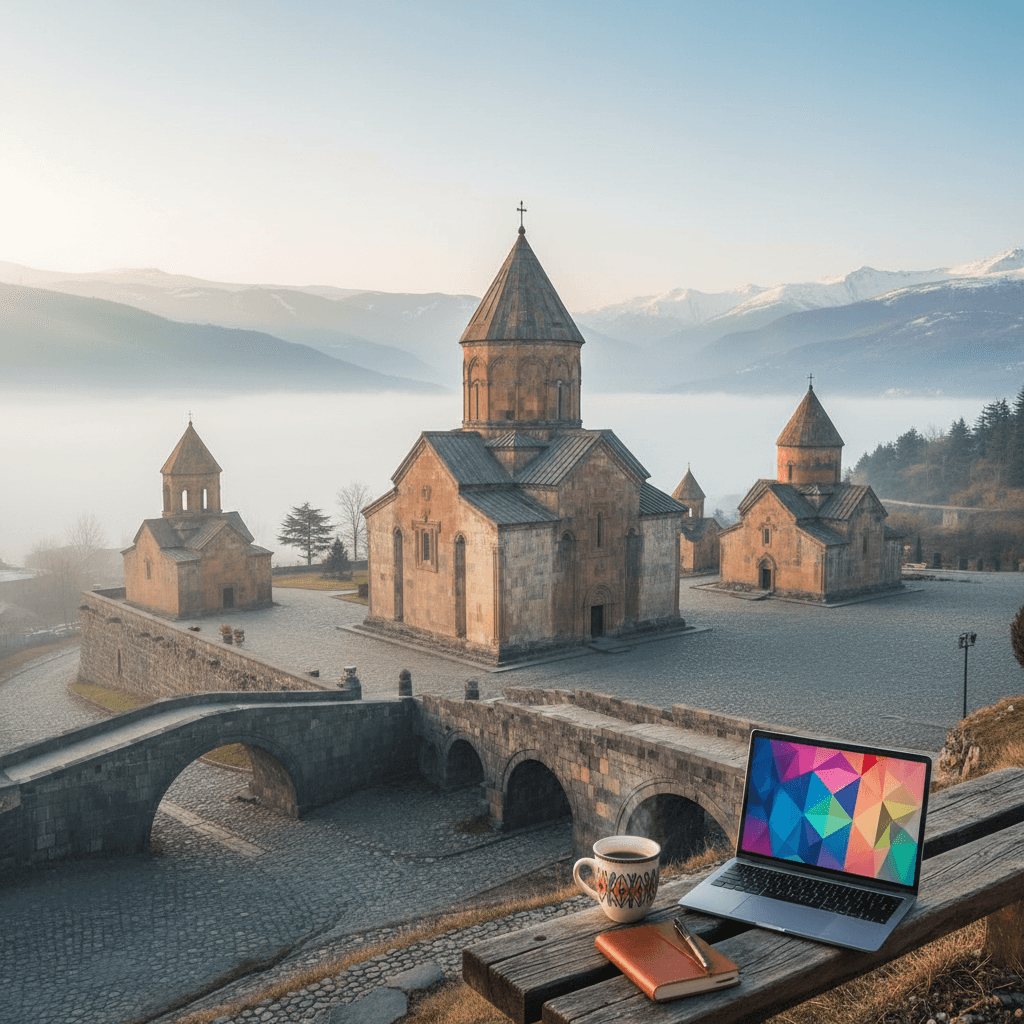
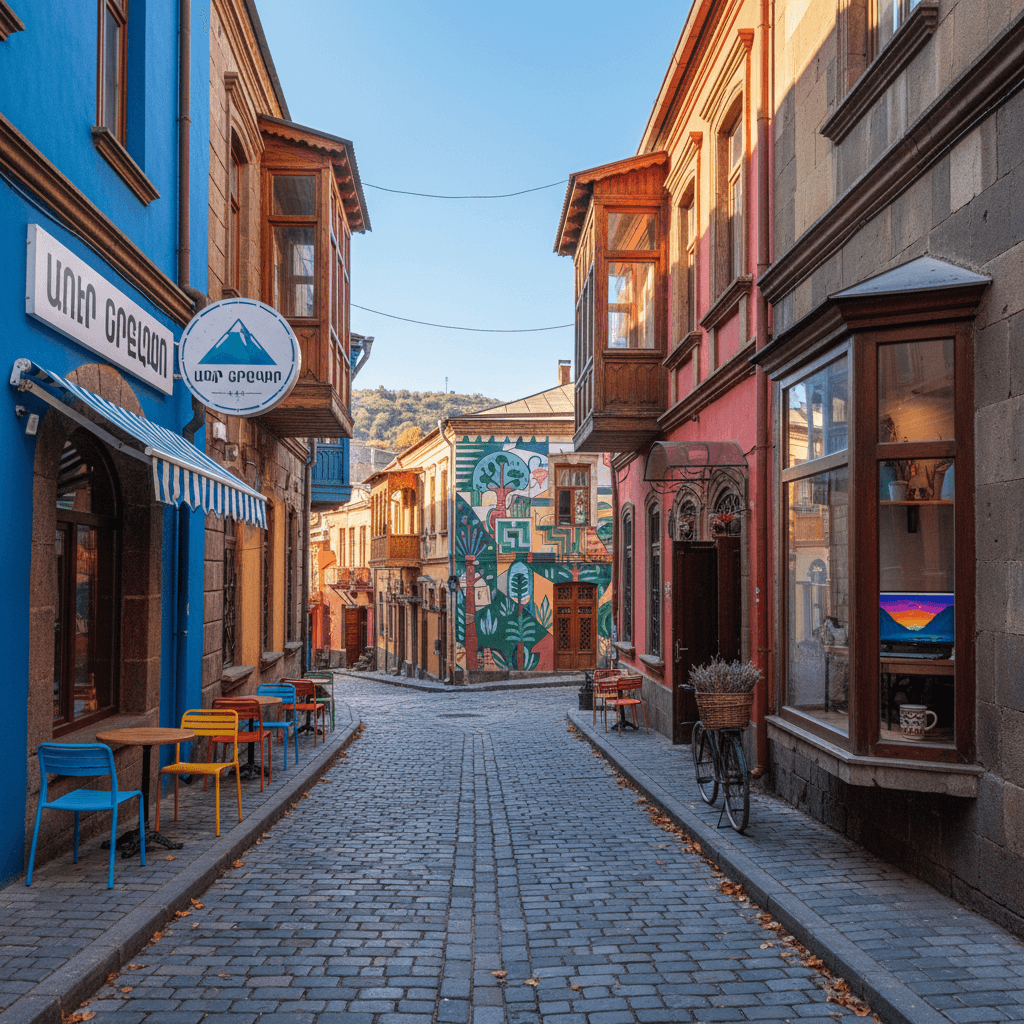
Vanadzor doesn't try to impress you with the polished grandeur of Yerevan or the fairytale aesthetic of Dilijan. It’s a city that feels honest. As Armenia’s third largest urban center, it carries a distinct, gritty charm where Soviet era architecture sits against the lush, dramatic backdrop of the Debed Canyon. For nomads, the vibe is unapologetically slow. It’s the kind of place where you can spend a Tuesday afternoon working from a park bench without feeling the rush of a capital city breathing down your neck.
What sets Vanadzor apart is its creative, slightly rebellious soul. While it was once a chemical manufacturing hub, it’s reinventing itself as a tech and arts center. You’ll feel this transition at spots like LOFT Vanadzor, where the local youth and remote workers gather. It’s less of a tourist destination and more of a living room for people who want to get deep work done during the week and lose themselves in ancient history or mountain hikes on the weekend.
What It’s Like on the Ground
Living here feels like being part of a well kept secret. You’ll find that the local pace of life dictates your own. Most nomads find the city incredibly grounding, though it isn't for everyone. If you need a high energy nightlife or a 24/7 English speaking environment, you might find it isolating. However, if you value a $1,500 monthly budget that affords a high quality of life, you'll likely fall in love with the affordability and the mountain air.
- The Draw: Serious affordability, a growing tech community, and immediate access to the Debed Canyon’s 5th century churches.
- The Friction: Winters are cold and snowy, English is sparse outside of tech circles, and the "vibe" is quiet rather than "bustling."
- The Crowd: You’ll meet independent developers, outdoor enthusiasts, and creative expats who’ve moved away from the rising costs of Yerevan.
The Neighborhood Breakdown
Vanadzor is compact enough that your choice of neighborhood usually depends on how much "city" you actually want. Most short term arrivals stick to the center for convenience, while those staying months at a time often look toward the greener fringes.
Central Vanadzor
- The Vibe: The heartbeat of the city, centered around the main square. It’s walkable, functional, and close to the best coffee.
- Rent: $250 to $450 for a 1BR apartment.
- Pros: Walking distance to LOFT and grocery stores; easiest area to manage without a car.
- Cons: Older Soviet apartment blocks; can feel a bit grey in the winter.
Debed Canyon & Outskirts
- The Vibe: Serene, rural, and visually stunning. This includes nearby villages like Odzun.
- Rent: $400 to $600 for modern guesthouses or private homes.
- Pros: Incredible views, fresh air, and a tight knit community feel.
- Cons: You’ll need to rely on Yandex Go or GG apps to get into the city; fewer amenities.
Cost of Living & Logistics
Your money goes significantly further here than in almost any other European or Caucasian hub. A comfortable lifestyle usually tops out around $2,000, and that includes plenty of dining out and weekend trips. Local transport is nearly free, with bus rides costing about $0.20, and even a cross city taxi rarely exceeds $5.
Internet reliability has improved leaps and bounds. Most central apartments and cafes offer speeds around 54 Mbps, which is plenty for video calls. For a dedicated setup, a desk at a coworking space runs between $100 and $200 per month. When it comes to food, you can grab a khorovats (barbecue) wrap on the street for $3 or sit down for a full mid range meal for about $10.
Safety is a non-issue for most, with low crime rates similar to many European cities. The biggest challenge you’ll face is the language barrier; while Russian is widely understood, having Google Translate ready for Armenian script is a lifesaver when navigating local pharmacies or smaller markets.
The Price of Peace in Armenia's Third City
If you're coming from Yerevan, Vanadzor feels like a financial breath of fresh air. It's a city where your dollar stretches significantly further without sacrificing the basic infrastructure needed for remote work. Most digital nomads find they can live a high quality life here for roughly $1,767 a month, which covers a private apartment, frequent cafe meals, and a dedicated desk at a coworking space.
For those on a tighter grind, a budget of $1,000 is entirely doable if you opt for shared housing and stick to local favorites like lavash wraps and khorovats. If you want more breathing room, $1,500 puts you in a solid mid range bracket with a private one bedroom apartment and plenty of dinners out. At the $2,000 plus level, you're living at the top of the local market, frequenting the few upscale spots in the center and taking regular weekend trips into the Debed Canyon.
Breaking Down the Monthly Essentials
- Housing: A central one bedroom apartment near the main square typically runs between $300 and $500. If you're looking for something modern with high end finishes, expect to pay $600 or more.
- Food and Dining: Street food is incredibly cheap at $2 to $5 per meal. Daily dining at mid range cafes will cost you about $10 to $15 total, while a splurge at a nicer sit down restaurant usually lands between $15 and $25.
- Connectivity: A local SIM from Ucom or Beeline is a steal at $5 to $10 for 20GB of data. LOFT Vanadzor is the go to hub for professionals, with monthly memberships ranging from $100 to $200.
- Transportation: Getting around is nearly negligible. Local buses and marshrutkas cost about $0.20, and even using Yandex Go or GG for a private ride across town rarely exceeds $5.
Strategic Neighborhoods for Nomads
Central Vanadzor: This is the logical choice for most solo travelers. It's the most walkable part of the city and keeps you close to LOFT and the best concentration of cafes. It can get a bit noisy during the day, but the convenience of having shops and pharmacies at your doorstep is hard to beat.
Debed Canyon Villages: If you're an expat with a family or just need total silence for a deep work phase, look toward Odzun. You'll find family run guesthouses for $20 to $40 a night. It's beautiful and serene, though you'll definitely want a car or a reliable driver since amenities are sparse.
The Outskirts: Areas heading toward Gyumri or Dilijan offer even lower rents. These spots are becoming popular with long term residents who want a quiet, tech focused vibe, though winters here can feel quite isolated and cold.
Practical Spending Tips
Cash is still king for small purchases at local markets, but Wise and Revolut work well at most ATMs. For apartment hunting, locals recommend skipping the agencies and checking List.am or dedicated Facebook groups to find the best deals. If you're arriving from the airport, a taxi from Gyumri will cost you about $20 to $30, which is a fair price for the nearly two hour journey.
For Digital Nomads: Central Vanadzor
If you want to be where the action is, Central Vanadzor near the main square is your best bet. This is the most walkable part of the city, placing you within a few blocks of the local tech scene and the best coffee shops. Most nomads gravitate here because it feels like a real community rather than a spread out suburb.
The crown jewel for remote work in this area is LOFT Vanadzor. It is an inspiring, multi functional space where you can grab a desk for $100 to $200 a month. You will find reliable 54 Mbps internet and a steady stream of local professionals and travelers to network with. While the area can be a bit noisier than the outskirts, the convenience of having everything at your doorstep makes up for it.
- Rent: Expect to pay $300 to $500 for a central 1BR apartment.
- Vibe: Social, convenient, and surprisingly productive.
- Best for: Short stays, networking, and those without a car.
For Expats and Nature Lovers: Debed Canyon and Odzun
Expats looking for a more permanent, serene lifestyle often head north into the Debed Canyon, specifically toward villages like Odzun. This area is famous for its 5th century church and dramatic cliffside views. It is much quieter than the city center and offers a pace of life that feels therapeutic.
Living here usually means staying in family run guesthouses or renovated traditional homes. You will trade the convenience of coworking spaces for fresh mountain air and home cooked meals. It is a favorite for those who prioritize deep work and hiking over a social nightlife. You will definitely want to use the Yandex Go or GG apps for transport, as it is a bit of a trek from the main city hub.
- Daily Cost: Guesthouses run between $20 and $40 a night, often including breakfast.
- Vibe: Ancient, quiet, and deeply integrated with nature.
- Best for: Writers, outdoor enthusiasts, and long term residents seeking peace.
For Families: The Southern Outskirts
Families often prefer the residential areas on the outskirts toward Dilijan or Gyumri. These neighborhoods offer more space for your money and a slower, safer environment for kids. While these areas are less walkable, the $0.20 bus rides make it easy to get into the center when you need to stock up on supplies.
The infrastructure here is improving rapidly, and you will find more modern apartment options that cater to longer stays. Winters can be a bit harsher and colder in these higher elevations, but the proximity to regional parks and the growing tech vibe makes it a solid choice for a stable home base. Most families find that $2,000 a month provides a very comfortable lifestyle, including private housing and frequent dining out.
- Rent: Modern spots can go for $600 or more.
- Vibe: Residential, family oriented, and spacious.
- Best for: Long term stays and those who want a "local" feel away from the main square.
For Solo Travelers: Near the Arts and Cafe District
Solo travelers should stick to the blocks surrounding the central cafes and the main market. This area makes it easy to meet people without much effort. Street food like khorovats or lavash wraps is everywhere, costing only $2 to $5, which is perfect for someone on the move.
Safety is a huge plus here, as the city is statistically as safe as Paris. Solo travelers often report that locals are incredibly hospitable, though you should keep Google Translate handy since English is not yet widespread. If you are looking to connect with others, keep an eye on Nomad Armenia events or local Facebook groups, which often organize meetups in central bars and cafes.
- Daily Food Budget: $10 to $15 for a mix of street food and mid range cafes.
- Vibe: Authentic, safe, and easy to navigate.
- Best for: Budget conscious explorers and social butterflies.
Vanadzor doesn't have the breakneck internet speeds of Seoul, but for a city tucked into the Armenian highlands, it holds its own. You can expect average download speeds averaging 50-100 Mbps depending on provider. While that won't win any global awards, it's more than enough for Zoom calls, uploading video content, or managing a remote team without the lag spikes you might find in more remote mountain villages.
The Coworking Scene
The heartbeat of the local nomad scene is LOFT Vanadzor. Located right near the main square, it functions as a hybrid between a traditional office and a creative hub. It's the kind of place where you'll find local tech entrepreneurs rubbing shoulders with travelers. Expect to pay between $100 and $200 for a monthly pass, which is a steal compared to Yerevan prices. The space is designed for deep work, but it also hosts community events that help bridge the gap between expats and locals.
Most nomads find the atmosphere here more focused than the cafes in the capital. It's quiet, the coffee is decent, and the power supply is reliable. If you're looking for a professional anchor in the city, this is your best bet.
Cafe Culture and Remote Work
If you prefer a change of scenery, the cafe culture in central Vanadzor is surprisingly accommodating. Most central spots offer free WiFi, and as long as you're ordering a coffee or a snack, staff generally won't mind if you park your laptop for a few hours. Travelers often recommend the cafes near the main square for their accessibility and consistent connections. Just keep in mind that English isn't the default; having a translation app ready will make the "what's the WiFi password?" conversation much smoother.
Staying Connected: SIM Cards and Data
Don't rely solely on public WiFi. Local SIM cards are incredibly affordable and offer great coverage throughout the city and even into parts of the Debed Canyon. You can pick up a card at the airport or at branded shops in town. Expats recommend these providers:
- Ucom: Known for solid data packages and good urban coverage.
- Beeline (Team Telecom): A reliable alternative with competitive pricing.
- Data Costs: Expect to pay around $5 to $10 for a 20GB monthly plan.
At-Home Internet
If you're renting an apartment for a month or more, verify the connection before signing anything. Most modern builds in the center have fiber optic lines. If the speed isn't up to par, upgrading a plan is usually a straightforward process through the landlord. For those staying in the outskirts or in guesthouses near Odzun, speeds can be more variable, so a backup mobile hotspot is a smart move for anyone with "must-attend" meetings.
Tech and Hardware
Vanadzor is the third-largest city in Armenia, but it's not a tech retail mecca. You'll find basic cables, chargers, and peripherals in the center, but if you need specialized gear like a high-end mechanical keyboard or specific laptop parts, you'll likely need to make a trip to Yerevan or order online. Most nomads suggest stocking up on your specific tech needs before heading north to the Lori region.
Safety in the Third City
Vanadzor carries a reputation for being one of the safest spots in the Caucasus. It ranks similarly to major European hubs, though it feels much smaller and more intimate. You'll find the local vibe is relaxed and community focused. Most nomads feel perfectly comfortable walking through the city center or the main square late at night without looking over their shoulder.
Violent crime is extremely rare here. The biggest "threat" you'll likely face is the occasional stray dog or uneven pavement on side streets. While there aren't any specific "no go" zones, it's smart to stay within the main tourist and residential hubs. Avoid wandering too close to the border regions unless you're on a guided trek, but within Vanadzor itself, standard common sense is all you need. Keep your bag zipped in crowded markets and don't leave your laptop unattended at LOFT Vanadzor, even though the community is tight knit.
If you do run into trouble, the emergency numbers are easy to remember. Dial 101 for the police and 103 for an ambulance. While police presence is visible, they generally leave foreigners alone. It's helpful to have a translation app ready, as English proficiency among local officers isn't guaranteed.
Healthcare Basics
Medical facilities in Vanadzor are functional and adequate for routine issues, but they lack the bells and whistles of private clinics in Yerevan. For a standard checkup or a minor infection, the local hospitals get the job done. However, for anything major or specialized, most expats and long term nomads take the two hour drive to the capital where the equipment is more modern and English speaking doctors are easier to find.
Pharmacies are everywhere in the city center. They are usually well stocked with European and Russian brands. You can find most common medications over the counter, but it's always a good idea to bring a supply of your specific prescriptions. Prices for medicine are quite low compared to Western standards, often costing just a few dollars for basic antibiotics or painkillers.
Health & Wellness Essentials
- Routine Care: Local clinics are fine for basic needs; expect to pay $20 to $40 for a consultation.
- Emergency Care: Dial 103. Response times are decent within the city limits.
- Insurance: Most nomads use providers like SafetyWing or World Nomads. Make sure your policy covers medical evacuation to Yerevan or your home country for serious procedures.
- Water: The tap water in Vanadzor is generally safe to drink and comes from mountain springs, though some travelers prefer filtered water for the first few days while their system adjusts.
Staying Prepared
Since English isn't widely spoken in the medical sector, travelers often recommend having a local friend or a contact from your guesthouse help translate during a doctor's visit. If you're staying in the Debed Canyon or more remote villages like Odzun, keep in mind that medical help is further away. Always carry a basic first aid kit if you're heading out for deep work sessions in the mountains or hiking near the old Soviet sanatoriums. The air quality is excellent, and the pace of life is slow, which many find does wonders for their mental health and stress levels.
Getting Around Vanadzor
Vanadzor is a city that rewards those who prefer a slower, more deliberate pace. Unlike the frantic energy of Yerevan, the layout here is manageable and remarkably walkable, especially if you base yourself near the main square. Most nomads find they can handle 90% of their daily errands on foot, passing through Soviet era boulevards and leafy parks that define the city's character.
Public Transport and Marshrutkas
For longer distances or trips to the outskirts, the local marshrutka (minibus) system is the backbone of daily life. These white or yellow vans follow set routes and are incredibly cheap, usually costing between $0.20 and $0.50 per ride. You'll pay the driver in cash as you exit. While there isn't a digital map for every route, the locals are helpful, even if you have to rely on a few words of Armenian or a translation app to find the right stop.
- City Routes: Frequent service between the central district and residential outskirts.
- Regional Trips: Regular departures from the bus station to nearby villages like Odzun or the Debed Canyon for about $2 to $5.
- Intercity Travel: Vans to Gyumri or Dilijan are affordable and run several times a day, though they leave when full rather than on a strict clock.
Ride-Hailing and Taxis
If you aren't in the mood to decipher bus routes, ride-hailing apps are your best friend. Don't bother trying to hail a car on the street; instead, download Yandex Go or GG. These apps work just like Uber and are very reliable in the city center. A typical cross-town trip rarely exceeds $3 to $5. It’s a great way to avoid the "tourist tax" sometimes applied to foreigners in unmetered street taxis.
Cycling and Scooters
The infrastructure for bikes and scooters is still in its infancy. You won't find rows of electric scooters waiting on every corner like you might in Tbilisi or Yerevan. However, some family run guesthouses and boutique hotels have started offering informal rentals. Expect to pay around $5 a day for a basic bicycle. It's a fantastic way to explore the flatter parts of the valley, though you'll want a bit of stamina for the inclines heading toward the canyon.
Arrival and Airport Transfers
Since Vanadzor doesn't have its own active commercial airport, most travelers arrive via Gyumri Airport or Zvartnots International in Yerevan. From Gyumri, the drive is about 1 to 2 hours. A private taxi for this leg usually costs between $20 and $30. If you're coming from Yerevan, the drive takes about 2.5 hours. Many nomads recommend booking a private transfer for your first arrival to handle luggage easily, then switching to the more adventurous marshrutkas once you've settled in.
Practical Navigation Tips
Google Maps is generally accurate for street names, but it often misses the smaller passages between apartment blocks. If you're looking for a specific cafe or a coworking spot like LOFT Vanadzor, look for landmarks rather than just the street number. Most expats recommend keeping a few small bills and coins on hand, as drivers rarely have change for large 10,000 or 20,000 dram notes. If you're heading out to the Debed Canyon for a weekend of deep work or hiking, pre-book your return transport with your host, as apps become less reliable once you leave the city limits.
Communication in Vanadzor is a mix of old-school hospitality and modern tech. While the city is becoming a favorite for remote workers, it hasn't lost its local character. You won't find the same level of English fluency here as you do in Yerevan, but the community is incredibly patient. Most nomads find that a combination of translation apps and a few basic Armenian words goes a long way in daily interactions.
The Language Barrier
Armenian is the primary language, and Russian remains widely spoken across all generations. English proficiency is generally low, particularly among older residents and in local markets. However, in spots like LOFT Vanadzor or newer cafes, the younger crowd and tech professionals usually speak enough English to help you out. Travelers often say that even when there's a total language gap, locals are quick to use hand gestures or call a bilingual friend to help you translate.
To make your life easier, learn these basics:
- Barev: Hello
- Shnorhakal: Thank you
- Ayo / Voach: Yes / No
- Hajogh: Goodbye
Connectivity and SIM Cards
Getting online is cheap and fast. You can pick up a physical SIM card at the airport or at branded shops in the city center. Most expats recommend Ucom or Beeline for reliable coverage. Expect to pay around $5 for a monthly plan with 10GB+ of data, which is usually more than enough for tethering if your home Wi-Fi dips.
For navigation and daily logistics, download these apps immediately:
- Google Translate: The camera feature is a lifesaver for reading menus and labels at the grocery store.
- Yandex Go or GG: These are the local versions of Uber. They remove the need to negotiate fares in Armenian and keep rides around $3 to $5 within the city.
- List.am: This is the local Craigslist. If you're looking for long-term housing, you'll need this, though you might want a local friend to help you browse the listings.
Digital Nomad Infrastructure
The internet in Vanadzor is surprisingly stable, averaging about 54 Mbps. While the city has a slower pace, the tech infrastructure is catching up quickly. LOFT Vanadzor is the heartbeat of the remote work scene here. It's a creative hub near the main square where you can get a monthly membership for $100 to $200. It's also the best place to meet other English speakers and find out about local meetups.
If you prefer working from cafes, the central district has plenty of spots with free Wi-Fi. Just keep in mind that outside of the city center, especially if you head into the Debed Canyon or villages like Odzun, the connection might be more suited for emails than heavy video calls. If you're staying in a village guesthouse, always ask for a speed test before committing to a long stay.
Cultural Nuances in Communication
Armenians are famous for their hospitality, which often translates into long conversations and invitations for coffee or cognac. If you're invited into a home, it's polite to remove your shoes at the door. When it comes to social etiquette, offering a toast is a big part of the culture. Being polite and showing interest in the local history will get you further than any translation app ever could.
When to Pack Your Bags
Vanadzor doesn't follow the same rules as the scorching plains of Yerevan. Sitting higher up in the Lori region, the city enjoys a temperate climate that feels much more European than Middle Eastern. You'll find a distinct four season cycle here, which is a major draw for nomads who want to see the leaves change in the Debed Canyon or wake up to a quiet, snow covered square in January.
The sweet spot for a visit is June through September. During these months, the daily highs hover between 20°C and 30°C. It's warm enough for light clothing but rarely hits the oppressive heat you'll find elsewhere in the Caucasus. This is the prime window for deep work at LOFT Vanadzor followed by a sunset hike. The air is dry, the mountain breeze is constant, and the surrounding greenery is at its peak.
The Seasonal Breakdown
- Spring (April to May): This is the rainy season, particularly in May. Expect about 10 rainy days a month. It's a moody, beautiful time for writers and creatives who don't mind staying indoors, but the trails can get muddy.
- Summer (June to August): Peak season for a reason. Highs average 28°C in July. It's the best time for social meetups and weekend trips to Odzun.
- Autumn (September to October): September is arguably the best month to be here. The crowds thin out, and October temperatures sit around a comfortable 18°C. The fall colors in the canyon are spectacular.
- Winter (December to February): It gets cold. Lows often drop to -5°C and snow is a guarantee. If you aren't a fan of grey skies and freezing temperatures, you'll likely find this period limiting.
What to Expect by the Numbers
January is the coldest stretch. You can expect an average high of 5°C and a low of -3°C. Most nomads who stay through the winter move from the outskirts into Central Vanadzor to be closer to heated cafes and the coworking hub, as walking long distances in the snow gets old quickly.
July offers the best weather for outdoor enthusiasts. With highs of 28°C and lows of 15°C, you'll want a light jacket for the evenings even in the height of summer. Rainfall is at its lowest during this month, averaging only 5 days of precipitation.
October brings the rain back slightly, but it's manageable. With an average high of 18°C, it's perfect sweater weather. Many expats recommend this time for long term stays because the apartment rental market cools down and the city feels more authentic without the summer travelers.
The "Avoid" List
Unless you're looking for total isolation and don't mind the bite of the wind, December through March is generally the worst time for a first visit. The city takes on a bit of a somber, Soviet grey tone when the trees are bare and the sun sets early. Outdoor activities like mountain biking or visiting the nearby 5th century churches become significantly harder to coordinate. If you do come during these months, make sure your apartment on List.am has a reliable heating system, as older buildings in Vanadzor can be drafty.
Making it Work in Vanadzor
Living in Armenia's third largest city feels like stepping into a slower, more intentional pace of life. While Yerevan is the loud, energetic sibling, Vanadzor is the quiet creative who prefers mountain views and a solid cup of coffee. It is a place where you can actually hear yourself think, making it a favorite for nomads who need to get deep work done without the distractions of a major metropolis.
Cost of Living
Your money goes significantly further here than in the capital. Most nomads find they can live a very comfortable life on about $1,500 to $1,700 per month, though you can easily scrape by on $1,000 if you are savvy. Rent is the biggest win; a decent one bedroom apartment in the city center typically runs between $300 and $500. If you want something modern and newly renovated, you might see prices climb toward $600, but rarely much higher.
Daily expenses are equally manageable. You will likely spend:
- Daily Meals: $10 to $20 depending on if you are grabbing a $3 khorovats wrap or sitting down at a mid range cafe.
- Transportation: Local bus rides are a steal at $0.20, while a cross town trip via Yandex Go or GG apps usually costs under $5.
- Coworking: A monthly desk at LOFT Vanadzor averages $100 to $200.
Connectivity and Workspace
The internet is surprisingly reliable for a mountain city, averaging around 54 Mbps. You won't have trouble with Zoom calls in the city center. LOFT Vanadzor is the undisputed hub for the remote work crowd; it is located right near the main square and serves as the primary social anchor for expats. For mobile data, pick up a SIM card from Ucom or Beeline. You can get 20GB of data for about $10, and the 4G coverage holds up well until you get deep into the Debed Canyon.
Navigating the Neighborhoods
Where you stay depends on how much isolation you crave. The City Center near the main square is the most practical choice for short stays. It is walkable, close to the shops, and puts you within stumbling distance of the coworking scene. It can get a bit noisy near the main roads, but it is where the action is.
If you are here for the scenery, look toward the Debed Canyon villages like Odzun. This is where you will find those iconic 5th century churches and family run guesthouses. It is quieter and perfect for families or writers, though you will definitely need a car or a reliable taxi contact to get into town for supplies. Long termers often look at the Outskirts toward Gyumri, where prices drop even further, though the winters there can be biting.
Language and Culture
Armenian is the heartbeat here, and Russian is the most common second language. English proficiency is still relatively low, especially among the older generation and in smaller shops. You will want Google Translate downloaded for offline use. Learning a few basics like Barev (Hello) and Shnorhakal (Thank you) goes a long way with the locals, who are famously hospitable. If you are invited into a home, remember to remove your shoes at the door. It is also common practice to toast with local cognac or wine; just be prepared for the toasts to be long and poetic.
Health and Safety
Vanadzor is remarkably safe. You can walk home at night without much worry, though the street lighting can be hit or miss in residential patches. For healthcare, pharmacies are everywhere and well stocked for the basics. If you have a serious medical issue, the local hospitals are functional, but most expats head two hours south to Yerevan for specialized care or major procedures. Make sure you have travel insurance that covers medical evacuation just in case.
Weather and Timing
The city has a distinct four season rhythm. June through September is the sweet spot; the weather is warm and dry, perfect for hiking the canyon. Winters from December to March are no joke. Temperatures frequently dip below freezing, and snow is a guarantee. If you aren't a fan of the cold or gray Soviet aesthetics under a layer of slush, you might find the winter months a bit isolating.
Need visa and immigration info for Armenia?
🇦🇲 View Armenia Country GuideHidden Gem
Worth the effort