Utrecht
🇳🇱 Netherlands
The "Village" City
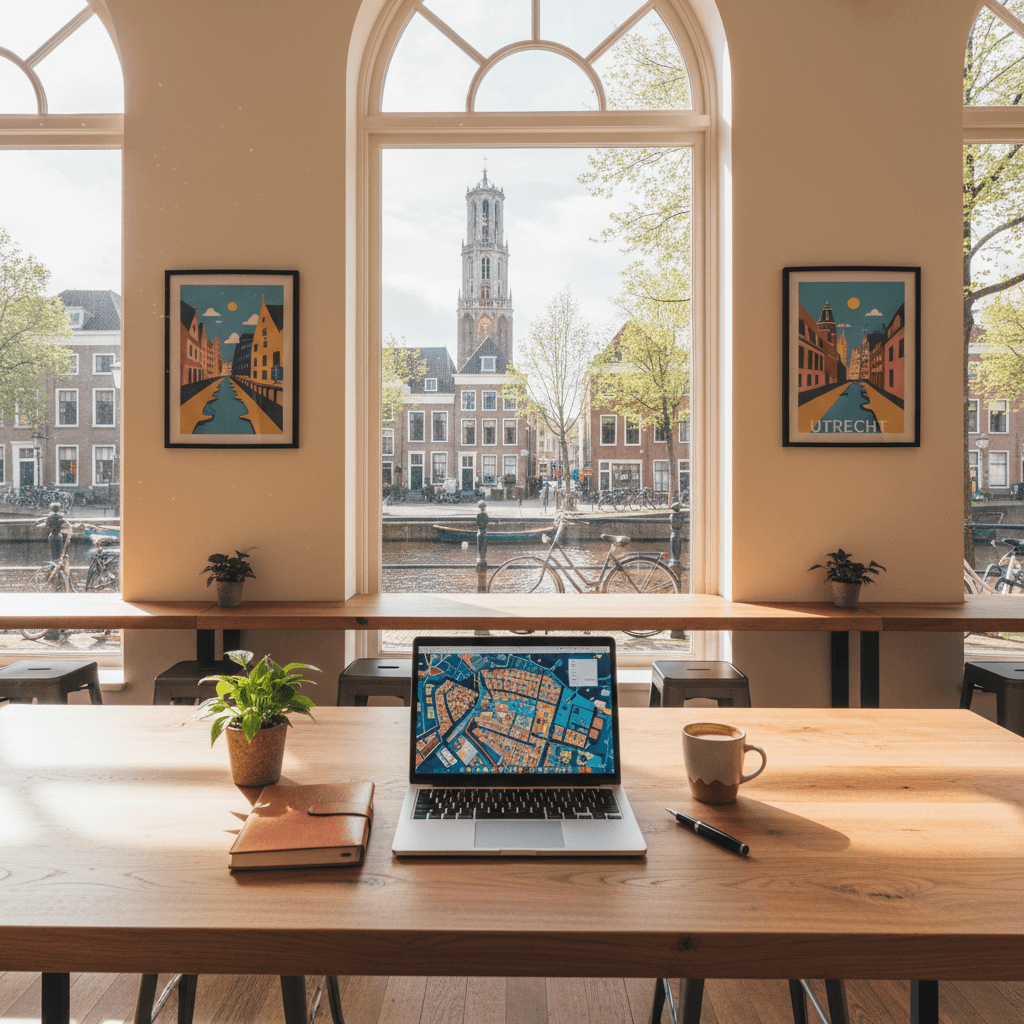
If Amsterdam is the loud, charismatic older sibling who’s always hosting a party, Utrecht is the sophisticated younger sister who’s more interested in a great book and a perfect espresso. It’s a city that feels like a village. With a population of around 380,000, it hits that sweet spot where you’ll start recognizing the same baristas within a week, yet there’s always a new creative pop-up or canal-side terrace to discover.
Most nomads find themselves comparing it to Venice or Barcelona, but that’s not quite right. Utrecht has a verticality those cities lack. The Oude Gracht, the city's central artery, features unique two-layered wharves. While the street level is for shopping and cycling, the lower level sits right at the water’s edge, packed with cellar restaurants and sun-drenched workspaces. It’s a surreal, intimate experience to answer emails while a canal boat drifts by just inches from your laptop.
The Daily Rhythm
Life here is dictated by two things: pedals and students. As a major university hub, the energy is perpetually young and forward-thinking. You’ll see it in the sheer number of bikes; the city is designed for two wheels first and cars almost never. The Nature Score of 94/100 isn't just a stat. It’s the feeling of being able to bike from the medieval center to the lush paths of the Kromme Rijn in under 15 minutes.
The vibe is decidedly unhurried. People here take their "gezelligheid" (that untranslatable Dutch word for cozy social connection) seriously. You won't find the frantic tourist crowds of the capital. Instead, you'll find locals lingering over craft beers under illuminated bridges or browsing the markets near Vredenburg. It’s a place where you can actually hear yourself think, which is exactly why the remote work community is growing so fast.
What It Costs to Stay
Utrecht isn't a budget destination, but it provides a high quality of life for your Euro. You’re paying for safety, air quality, and infrastructure that works perfectly every single time. Most nomads budget around $3,630 per month to live comfortably.
- Budget Tier: $2,500+. This requires staying further out in neighborhoods like Lombok and being disciplined with dining out.
- Mid-Range: $3,000 to $4,000. This covers a nice apartment and frequenting the wharf-side cafes.
- Comfortable: $4,500+. This allows for a central studio near the Dom Tower and weekend trips across Europe.
The Nomad Experience
The infrastructure for remote work is seamless. Internet speeds typically hit 200 Mbps, and the cafe culture is welcoming to those with laptops, especially during the quieter morning hours. If you need a dedicated desk, coworking spaces like those near Utrecht Centraal offer day passes for roughly $20.
Socially, the city opens up through its "Free Walking Tours Utrecht" and active expat meetups. Because almost everyone speaks flawless English, the barrier to entry is non-existent. You can walk into a bar on the Oude Gracht, ask a question in English, and find yourself in a deep conversation about Dutch design or the best place to get "bitterballen" within minutes. It’s an easy city to be "new" in, which is perhaps its greatest luxury for a nomad.
Living in Utrecht is a premium experience, and the price tag reflects that. While it's generally more affordable than Amsterdam, you're still looking at a high cost of living compared to most of Europe. Most digital nomads find they need a monthly budget of around $3,630 to live comfortably without constantly checking their bank app. If you're on a tighter budget, you can squeeze by on $2,500 by staying further from the canals and cooking most meals, but the "sweet spot" for most expats is usually between $3,000 and $4,500.
Housing and Neighborhoods
Rent will be your biggest hurdle. The market is competitive, especially in the historic center. If you want to wake up to views of the Oude Gracht, expect to pay a significant premium for the privilege of being steps away from the wharf cellars and cafes. Many nomads recommend looking toward the Kromme Rijn or Vecht Rivers areas for a quieter, more nature focused vibe that's still an easy bike ride to the station.
- Studio or 1BR Apartment: Prices vary wildly by proximity to the center, but expect to pay $1,600 to $2,200 for a decent nomad friendly setup.
- Hoog Catharijne Area: This neighborhood near the central station is convenient for frequent travelers, though it lacks the medieval charm of the old city.
- Short term stays: With only seven hostels in the city, booking ahead is mandatory if you aren't ready to commit to a monthly lease.
Dining and Social Life
The student population keeps the food scene diverse and relatively accessible. You can grab affordable street food or a quick broodje (sandwich) for under $10, but a mid range dinner along the canal wharves will usually run you $30 to $50 per person. Since Utrecht is a bike city, you'll save a fortune on transport, which most people end up reinvesting into the local craft beer scene.
- Coffee: A flat white at a laptop friendly cafe costs about $4.50.
- Groceries: Budget around $400 to $500 a month if you shop at local spots like Albert Heijn or Jumbo.
- Beer: A pint at a local bar is usually around $6 to $8.
Work and Connectivity
Internet speeds are fantastic, often hitting 200 Mbps, so you won't struggle with video calls. While many nomads work from cafes along the canals, dedicated coworking spaces provide a more stable environment. Expect to pay about $20 for a day pass or between $250 and $450 for a monthly hot desk. Apps like Holafly are popular for immediate eSIM data, though picking up a local KPN or Vodafone SIM is cheaper for long stays.
Transport and Utilities
You don't need a car here. In fact, having one is often more of a headache than a help. Most residents spend almost zero on daily transport because they bike everywhere. If it's raining, the bus and tram system is reliable and integrates perfectly with the OV-chipkaart system.
- Bike Rental: A monthly subscription like Swapfiets costs around $20 to $25.
- Utilities: For a standard apartment, budget about $200 to $250 for electricity, heating, and water.
- Train to Amsterdam: A one way ticket for a 30 minute ride is roughly $9.
Overall, Utrecht offers a high quality of life with a Nature Score of 94/100. You're paying for the safety, the clean air, and the ability to live in a city that feels like a village. It's an investment in your sanity and productivity, even if the monthly bill is higher than what you'd find in Southern Europe.
For Nomads and Social Butterflies: The City Center (Oude Gracht)
If you want to live inside a postcard, this is where you land. The Oude Gracht is the heart of Utrecht, famous for its unique wharf system where 13th-century cellars have been converted into cafes and studios right at the water's level. It is the most walkable part of the city, and you'll rarely need anything more than your own two feet or a beat up swap bike to get around.
Most nomads gravitate here for the immediate access to cafe culture. You can spend your mornings working from a wharf side terrace and your afternoons browsing the boutiques on the upper street level. The vibe is student driven and energetic, though it comes with a price tag. Expect to pay a premium for the convenience of being near the action.
- Rent: High, often $2,200+ for a small central apartment.
- Vibe: Picturesque, lively, and very international.
- Pros: Zero commute to the best bars; high speed fiber internet is standard.
- Cons: Can get noisy with weekend foot traffic; groceries require a bit of a walk to larger supermarkets.
For Expats and Commuters: Near Hoog Catharijne
The area surrounding the central station and the Hoog Catharijne mall isn't as "Old World" as the canals, but it is incredibly practical. This is the primary hub for expats who need to zip over to Amsterdam or Rotterdam for meetings, as the train ride to Amsterdam is only 30 minutes. It feels more like a modern metropolitan center than a medieval village.
You'll find more high rise apartment options here compared to the rest of the city. While it lacks some of the historic soul found further east, you are steps away from the largest indoor mall in the country. It is efficient, clean, and puts every imaginable amenity within a five minute walk.
- Rent: Mid to High, around $1,900 to $2,400 for modern builds.
- Vibe: Professional, busy, and ultra modern.
- Pros: Immediate access to Utrecht Centraal; great for those without a car.
- Cons: Lacks the "Dutch Venice" charm; can feel a bit corporate.
For Families and Long Termers: Kromme Rijn and Vecht Rivers
If you need more square footage and a bit of silence, look toward the outskirts following the Kromme Rijn or Vecht rivers. These areas feel more like a collection of villages connected by scenic bike paths. It is where you'll find the 94/100 Nature Score that Utrecht is famous for, with plenty of green space for kids to run around.
Expats with children often choose these neighborhoods because they offer a slower pace of life while still being a 15 minute bike ride from the city center. You'll find more traditional houses with gardens here rather than cramped canal apartments. It is the best way to experience the high quality of life the Netherlands is known for without the tourist crowds.
- Rent: Moderate, roughly $1,700 to $2,100 for larger spaces.
- Vibe: Peaceful, green, and residential.
- Pros: Close to nature trails; quieter nights; more community focused.
- Cons: Requires a bike for almost everything; fewer English speaking cafes for remote work.
For Solo Travelers: The Museum Quarter
At the southern end of the city center lies the Museum Quarter. It is a bit more refined and quieter than the main shopping district but retains all the historic beauty. Solo travelers often find this area easier to navigate because it is safe, well lit, and full of small galleries and specialty coffee shops where it is easy to strike up a conversation.
The neighborhood hosts many of the city's free walking tours, which are a staple for meeting people when you first arrive. It feels intimate and authentic, giving you a chance to live like a local rather than a visitor. You are still within striking distance of the nightlife, but you won't have a bar right under your window.
- Rent: High, similar to Oude Gracht due to historic demand.
- Vibe: Arty, sophisticated, and calm.
- Pros: Very safe at night; beautiful architecture; less "party" energy.
- Cons: Limited housing inventory; apartments are often in very old, narrow buildings.
Connectivity and Speed
You won't have to worry about the internet in Utrecht. The city is a tech hub in its own right, and the infrastructure reflects that. Most nomads find speeds averaging around 200 Mbps, though even the more conservative spots rarely dip below 45 Mbps. Fiber is the standard in most apartments and modern coworking spaces, so video calls and heavy uploads are rarely an issue.
For mobile data, expats recommend grabbing a local SIM from providers like KPN or Vodafone if you're staying long term. If you're just passing through for a month, an eSIM from Holafly is the easiest way to get online the second you step off the train at Utrecht Centraal. You'll find free WiFi at the station and in almost every cafe, though it’s always polite to buy a coffee before asking for the password.
Coworking Spaces
While Utrecht is smaller than Amsterdam, its coworking scene is sophisticated and growing. You can expect to pay around $20 for a day pass, while monthly memberships typically range from $250 to $450 depending on whether you want a hot desk or a dedicated setup. Most spaces are located within a short bike ride of the city center or near the main station hub.
- Social Impact Factory: Located right near the station, this is a favorite for those who want a professional but creative environment. It’s perfect for networking with local entrepreneurs.
- Hashtag Workmode: A popular choice for creative freelancers, often praised for its bright interiors and community events.
- Regus and Spaces: These offer the most reliable, corporate style environments if you need a quiet office for high stakes meetings.
The Cafe Culture
Utrecht’s real charm lies in its "laptop friendly" cafes. The Oude Gracht area is lined with spots where you can work with a view of the water. Many of these cafes are housed in old wharf cellars, giving you a unique medieval backdrop for your workday. Just keep in mind that on weekends, many central cafes have a "no laptop" policy to keep the tables open for diners.
If you're looking for a reliable spot to settle in for a few hours, try these nomad favorites:
- The Village Coffee & Music: It’s got a gritty, cool vibe and excellent espresso. It can get loud, so bring your noise canceling headphones.
- Anne & Max: A staple for remote workers. They have plenty of power outlets and a menu designed for people staying a while.
- BUNK Hotel: This converted church near the station has a massive lounge area that’s very welcoming to people working on laptops.
Community and Networking
The nomad community here is active but decentralized. Unlike Lisbon or Chiang Mai, you won't find one single "nomad hub." Instead, people connect through Meetup.com groups or expat circles. There are frequent "Utrecht Free Tours" which are a great way to meet other arrivals. Because of the high number of international students and researchers at the university, the social scene is very welcoming to English speakers, and you’ll find that most locals are happy to chat in English over a craft beer after work hours.
For those looking to stay longer, the Novad platform is a helpful resource for finding nomad friendly apartment listings, though competition for housing remains high. If you find the city center too distracting, the Kromme Rijn area offers a quieter, more scenic environment with plenty of green space to clear your head between deep work sessions.
Safety in the Streets
Utrecht is remarkably safe, even by high Dutch standards. Because it lacks the overwhelming mass tourism of Amsterdam, the city maintains a calm, neighborly atmosphere that makes it easy to feel at ease. Most nomads find they can walk through the historic center or along the Oude Gracht canals late at night without looking over their shoulder. The city is well lit, and the constant presence of students and locals on bikes keeps the streets feeling lived in at all hours.
There aren't any specific "no go" zones to worry about here. Even the areas around Utrecht Centraal and the Hoog Catharijne mall, which are the busiest parts of the city, are generally secure and well policed. Your biggest safety concern won't be violent crime; it will be bike theft. It is a local rite of passage to have a bike stolen at least once, so expats recommend investing in two high quality locks. Always secure your frame to a fixed rack, not just the wheel.
If you're out enjoying the canal side wharves, just watch your step. The two layered canal system is beautiful but the lower wharves don't always have railings. Between the uneven medieval bricks and a few craft beers, it is surprisingly easy to take an accidental dip. Stick to the well trodden paths and you'll be fine.
Navigating the Healthcare System
The Dutch healthcare system is world class, and Utrecht is home to some of the best facilities in the country. If you are staying long term on a Self Employed Permit, you will be required to take out Dutch health insurance. For shorter stays, make sure your travel insurance is up to date, as out of pocket costs for specialists can climb quickly.
- The Huisarts (GP): This is your gatekeeper. You cannot see a specialist without a referral from a local doctor. If you're an expat, register with a GP near your neighborhood as soon as you arrive, as many practices in the center can reach capacity.
- Pharmacies (Apotheek): You'll find these everywhere. They handle prescriptions and can offer expert advice on minor ailments. For basic stuff like ibuprofen or hay fever meds, you can also hit a Kruidvat or Etos drugstore.
- Emergency Services: Dial 112 for any life threatening situation. For non urgent medical issues outside of office hours, look for the Huisartsenpost, which provides after hours care.
The air quality in Utrecht is excellent, often cited as a major perk for those moving from more congested European capitals. With a Nature Score of 94/100 and a city layout that prioritizes pedals over petrol, your lungs will likely thank you for the move. Most doctors and medical staff speak flawless English, so you won't have to worry about a language barrier when explaining your symptoms.
Practical Wellness Tips
Digital nomads often struggle with the "gray days" during a Dutch winter. From December to February, the sun can be a rare visitor. Locals swear by taking Vitamin D supplements and using "light therapy" lamps to keep the winter blues at bay. When the sun does come out, do what the locals do: drop everything and head to a canal side terrace to soak up every bit of Vitamin D possible.
Tap water in Utrecht is not just safe; it is some of the best tasting water in Europe. There is no need to buy bottled water. Carry a reusable bottle and fill up at your coworking space or any cafe. It's better for the environment and your budget, especially since monthly nomad costs here average around $3,630.
The Bicycle Capital of Your Dreams
If you're coming from North America or even other parts of Europe, the first thing you'll notice about Utrecht is that the bicycle isn't just a leisure activity; it's the city's pulse. With an incredible nature score of 94/100, the city is designed for humans, not cars. You'll rarely need a vehicle here, and honestly, driving through the narrow medieval center is more of a headache than it's worth.
The city is remarkably compact. You can walk from the massive Utrecht Centraal station to the iconic Oude Gracht canal in about 8 minutes. Most nomads find that a sturdy second-hand bike is the best investment they can make. You can rent one through services like Swapfiets for a monthly fee or check local marketplaces if you're staying longer. Just remember the local etiquette: stay in your lane, signal your turns, and always, always double-lock your bike.
Mastering the Rails
Utrecht Centraal is the busiest railway hub in the Netherlands, which is a massive perk for remote workers who want to explore. You're never stuck in one place. You can be in Amsterdam in just 30 minutes, making it easy to head up for a meeting or a concert and be back in your quieter Utrecht canal-side neighborhood by midnight.
- Schiphol Airport: Direct trains run constantly, getting you to the terminal in roughly 30 minutes.
- Rotterdam & The Hague: Both are reachable in under 45 minutes, perfect for day trips.
- Payment: Most travelers now use OV-pay, which lets you tap in and out of trains, buses, and trams using your contactless debit card or phone. It’s much easier than fumbling with yellow plastic OV-chipkaarts.
Buses, Trams, and Apps
While the center is walkable, the outer neighborhoods like those near the Kromme Rijn or Vecht rivers are better served by the city's clean, efficient bus and tram network. The trams are particularly handy if you're staying near the Science Park or the southern districts. For route planning, download the 9292 app or NS app. They provide real-time updates and are far more accurate than generic map apps for Dutch transit schedules.
If you find yourself out late after the trains stop or you're carrying heavy groceries, ride-hailing apps like Uber operate here, though they can be pricey. A short trip within the city limits will usually run you $15 to $25. Most locals prefer the night buses or simply pedaling home under the illuminated bridges of the Oude Gracht.
Practical Nomad Logistics
Connectivity is seamless throughout the city. Most cafes along the wharves have reliable WiFi, but for a guaranteed 200 Mbps connection, you'll want to stick to dedicated spaces. If you need a local data plan, expats recommend picking up a SIM from KPN or Vodafone, or grabbing an eSIM from Holafly before you land. This ensures you can use your maps the moment you step off the train.
- Walking: Best for the historic core and Wharfside dining.
- Cycling: The default for 90% of your daily errands and social life.
- Train: Your gateway to the rest of the country and Schiphol.
- Tram/Bus: Ideal for reaching quieter, residential neighborhoods or the Hoog Catharijne mall hub.
The beauty of Utrecht is its scale. It’s large enough to have every amenity a digital nomad needs, from high-speed fiber internet to international networking events, yet small enough that you'll start recognizing the same faces at your favorite coffee shop within a week. It’s a city that invites you to slow down and enjoy the scenery, preferably from the seat of a bicycle.
The English Bubble
You can breathe easy in Utrecht. The Netherlands consistently ranks at the top of global indices for non native English proficiency, and Utrecht, with its massive student population and international tech scene, is no exception. Walking into a cafe on the Oude Gracht or a shop near Hoog Catharijne, you'll find that almost everyone speaks English fluently. Most nomads find they can live here for years without ever mastering the local tongue, as the default for many social and professional interactions is English.
The city has a creative, international vibe that makes it feel like an open book. Signs in the central station and major tourist areas are bilingual, and menus in the city center usually come in both Dutch and English. If you're working from a spot like Utrecht Centraal or a local coworking space, you'll hear a mix of languages, but English is the bridge that connects everyone.
Dutch Directness
While the language barrier is low, the communication style can be a bit of a shock if you aren't prepared for it. The Dutch are famous for their directness. Expats often describe it as refreshing, though it can feel blunt at first. If a colleague or a barista thinks your idea won't work or that you're standing in the wrong place, they'll tell you straight out without much sugarcoating. Don't take it personally; it's not rudeness, it's just efficiency. They value honesty and getting to the point quickly.
Useful Dutch Phrases
Even though you don't need Dutch to survive, learning a few basics goes a long way in building rapport with locals. It shows you're making an effort to integrate into the community rather than just passing through. Here are a few staples to get you started:
- Hallo (Hello): The standard greeting. You'll hear this everywhere.
- Dank je (Thank you): Pronounced like "dahnk ya." It's the most common way to show appreciation.
- Lekker: This is a versatile word you'll hear constantly. It means delicious when referring to food, but it can also mean nice, comfortable, or even "great" in a general sense.
- Alstublieft (Please/Here you go): Use this when ordering a coffee or when someone hands you something.
- Hoi: A casual "hi" used among friends and in relaxed settings.
Digital Tools and Connectivity
For everything else, Google Translate is your best friend, especially for reading labels at the grocery store or translating mail from the municipality. The camera feature is particularly handy for scanning official documents or parking signs. If you're looking to dive deeper into the language, many nomads recommend the Duolingo Dutch course or joining a local "Language Cafe" meetup to practice in a low pressure environment.
To stay connected, most travelers pick up an eSIM from Holafly or a local physical SIM from providers like KPN or Vodafone. These offer fast data speeds, usually around 200 Mbps in the city center, which is more than enough for video calls and remote work. Having a local number or a solid data plan is also helpful for using Dutch apps like Buienradar for weather or 9292 for public transport, which are much easier to navigate when you can translate on the fly.
Social Etiquette
Communication in Utrecht isn't just about words; it's about the "polder model" of consensus. In social groups or work meetings, people generally expect everyone to have a say. Travelers often notice that hierarchies are flat here. Whether you're talking to a business owner or a fellow nomad at a meetup, the tone is usually egalitarian and informal. Just remember to keep your voice at a moderate level in cafes and on trains, as the Dutch value a certain level of public decorum despite their direct speaking style.
Climate Realities
Utrecht has a classic temperate maritime climate, which is a fancy way of saying you should always carry a compact umbrella. It's rarely extreme, but it's consistently unpredictable. You'll experience mild summers and chilly, damp winters that make those cozy canal-side cafes look even more inviting.
Winter temperatures usually hover between 0°C and 6°C. While it doesn't snow as often as it used to, the dampness can make the cold feel like it's biting through your layers. If you're visiting between December and February, bring a windproof coat. This is the quietest time for the city, and while the days are short, the illuminated bridges over the Oude Gracht make for some pretty spectacular evening walks.
Spring and summer are when the city truly wakes up. From May through August, temperatures typically sit between 15°C and 22°C. These are the peak months for nomads who want to work from the wharf-level terraces. It's the best time to experience Utrecht's 94/100 Nature Score, as the bike paths along the Kromme Rijn river become lush and green.
When to Book Your Stay
If you want the best balance of weather and social activity, aim for May, June, or September. The "shoulder seasons" are fantastic because the student population is active, the cafes are lively, but you aren't dealing with the peak heat or the heaviest tourist crowds of July.
- Best for Outdoor Vibes: June to August. Expect long days where the sun doesn't set until nearly 10:00 PM, perfect for post-work drinks by the water.
- Best for Budgeting: November or January. These are the "worst" months weather-wise, but you'll have an easier time finding short-term apartment deals when the sky is grey.
- Best for Scenery: Late April. This is when the Dutch tulips are in season and the city parks are in full bloom.
The Rain Factor
Rain is a year-round reality here. There isn't a specific "monsoon" season, but autumn and winter tend to be the wettest. Most locals don't let it stop them; you'll see people cycling through downpours without a second thought. If you're planning to live like a local, download the Buienradar app. It's what everyone uses to find a 15-minute gap in the rain to dash to the grocery store or a coworking space.
Expats often find that the lack of sunlight in November and December is the hardest adjustment. If you're prone to the winter blues, make sure your rental has plenty of natural light and plan to spend your afternoons in the well-lit cafes near the Hoog Catharijne area to keep your productivity up.
Seasonal Packing List
Because the weather shifts quickly, the "onion method" (layering) is the only way to go. Even in the height of summer, a breezy day can turn chilly once the sun goes down behind the historic buildings.
- A high-quality raincoat: Don't bother with cheap umbrellas; the wind will just flip them inside out. A sturdy parka is a better investment.
- Waterproof footwear: Essential for those 10-minute walks from the station to the city center.
- Light knits: Even in July, you'll want a sweater for the evenings.
- Bike gear: If you're staying long-term, some waterproof trousers will save your life during a rainy commute.
Connectivity and Tech Setup
Staying connected in Utrecht is seamless, but you'll want to sort your data early to avoid roaming fees. Most nomads recommend grabbing a Holafly eSIM before landing for instant data. If you prefer a local physical SIM, head to a KPN or Vodafone shop in the city center. You can expect blazing fast average speeds of 200 Mbps, making it one of the most reliable cities for video calls and heavy uploads.
For banking, expats generally lean toward fintech giants like Bunq or Revolut. They handle Euro transactions without the headache of traditional Dutch banks, which often require a BSN (social security number) and a long-term contract. Having a card that supports Maestro or V-Pay is still helpful in smaller shops, though Visa and Mastercard acceptance has improved significantly across the city.
Budgeting for the Dutch Lifestyle
Utrecht isn't a budget destination, but it's more affordable than the capital. A typical nomad budget sits around $3,630 per month. If you're careful with groceries and stick to local markets, you can squeeze by on $2,500, while those wanting a high-end canal-side lifestyle should plan for $4,500 or more.
- Coworking Day Pass: Roughly $20.
- Monthly Coworking Desk: Between $250 and $450.
- Quick Lunch: $12 to $18 for a sandwich or salad.
- Dinner on the Oude Gracht: $30 to $50 per person with drinks.
Navigation and Etiquette
The city is built for two wheels, not four. If you're staying longer than a week, rent a bike from Swapfiets or a local shop. The bike paths are efficient but fast; always stay to the right and don't stop suddenly in the middle of the lane. Pedestrians should be wary of the "silent" cyclists who won't always ring a bell before passing you.
Dutch communication is famously direct. Don't mistake a "no" or a blunt correction for rudeness; it's just their way of being efficient. English proficiency is incredibly high here, especially among the large student population, so you'll rarely face a language barrier. However, a simple "Hallo" or "Dank je" goes a long way in social settings.
Health and Safety
Utrecht is exceptionally safe, even late at night. The canals are well-lit, and there aren't any specific "no-go" zones to worry about. For any health issues, pharmacies (drogisterij) handle basic needs, while a Huisarts (GP) is your first stop for anything more serious. In a true emergency, dial 112. The air quality is excellent, and the tap water is some of the cleanest in Europe, so skip the bottled water and carry a reusable flask.
Finding a Home Base
The housing market is competitive. Nomads often use platforms like Novad to find mid-term rentals that bypass the usual two-year lease requirements. If you want to be in the heart of the action, look for spots near Oude Gracht. If you need more space and quiet for deep work, the areas near the Kromme Rijn or Vecht Rivers offer a more suburban, green feel while remaining a short bike ride from the center.
Visa Basics
If you're coming from outside the EU, look into the Self-Employed Permit. It's the standard route for many long-term nomads and freelancers looking to establish a legal base in the Netherlands. For shorter stays, the 90-day Schengen rules apply for most nationalities.
Need visa and immigration info for Netherlands?
🇳🇱 View Netherlands Country GuideEasy Landing
Settle in, no stress
Monthly Budget Estimates
More cities in Netherlands
Maastricht
🇳🇱 Netherlands
Groningen
🇳🇱 Netherlands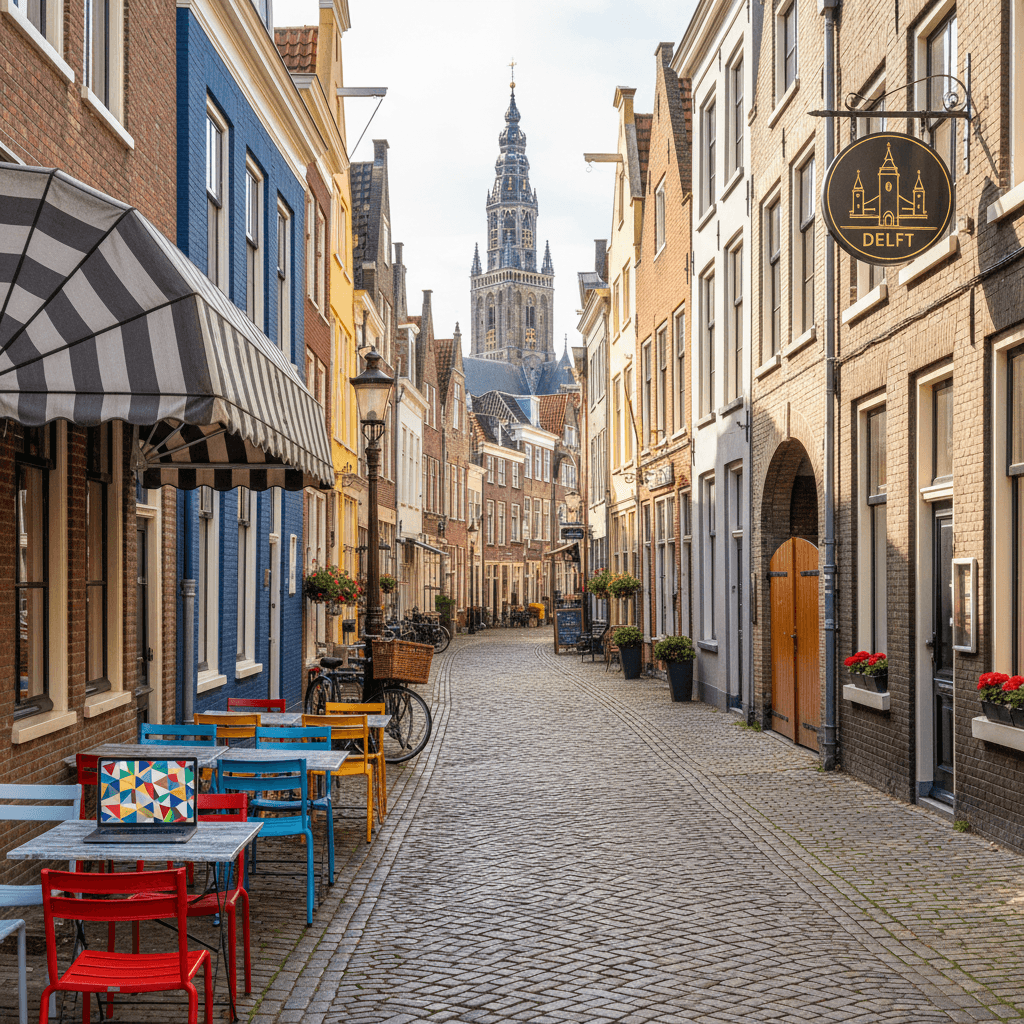
Delft
🇳🇱 Netherlands