Ulsan
🇰🇷 South Korea
The Industrial Heart with a Quiet Pulse
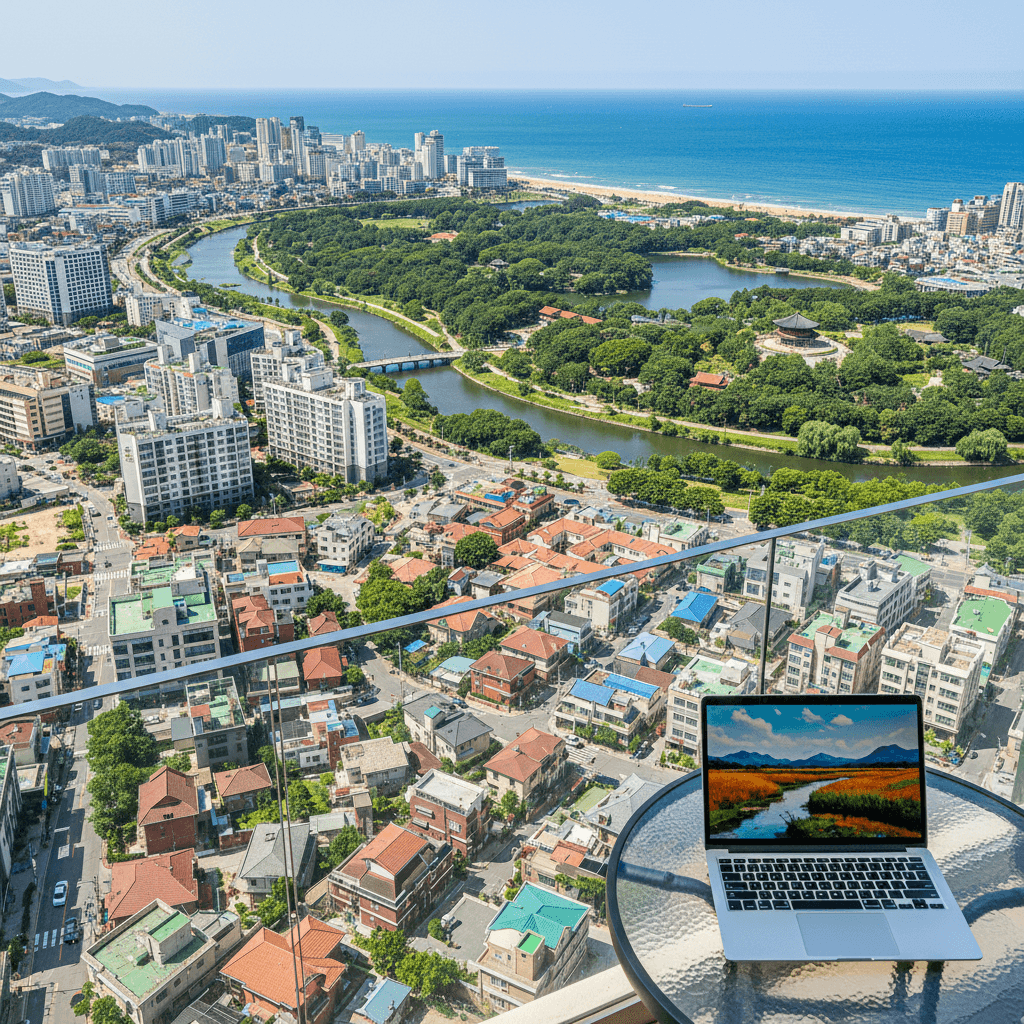
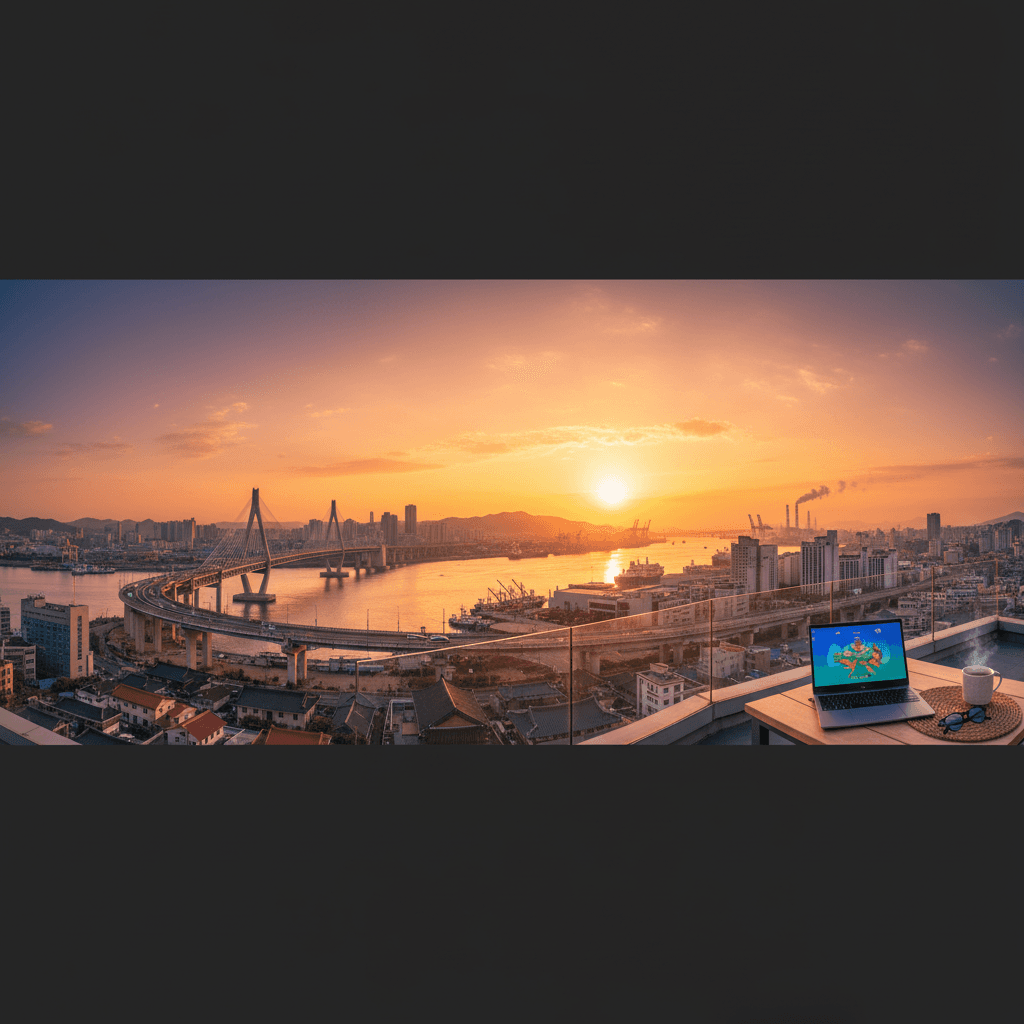
If Seoul is the hyperactive brain of South Korea and Busan is its sun-drenched soul, Ulsan is the city that actually builds the world. It is unapologetically industrial, home to the world largest shipyard and a skyline dominated by the steel skeletons of Hyundai Heavy Industries. For most travelers, it is a blur on the KTX window between more famous stops, but for a specific type of digital nomad, that is exactly the draw. Ulsan is a place for focused, deep work where the distractions of tourist traps are replaced by a gritty, functional efficiency and a surprisingly low cost of living.
The vibe here is brisk and work-oriented. You will feel the city wake up early with the shift changes at the factories, but there is a distinct shift toward calm in the residential pockets. Life centers around the Taehwa River, where massive eco-parks provide a lush, green counterpoint to the petrochemical giants nearby. It is a city of contrasts: you can spend your morning on a Zoom call in a sleek Samsan-gu cafe and your afternoon hiking through bamboo forests or watching massive container ships disappear into the horizon. It does not try to impress you; it just works.
Living Costs and Logistics
Living here is significantly easier on the wallet than life in the capital. You can expect to save about 20% to 30% compared to Seoul or Busan. A single nomad can live quite well on a mid-range budget of ₩2.5M to ₩3.5M ($1,800 to $2,600 USD) per month, while those on a tighter grind can get by on ₩1.5M ($1,100 USD) if they stick to local spots.
- Rent: A clean, modern studio in the center will run you ₩500K to ₩800K ($370 to $600 USD). If you head south toward the industrial districts, prices drop even further.
- Food: You can grab tteokbokki or kimbap from a street stall for ₩3K to ₩7K ($2 to $5 USD). A proper Galbi BBQ dinner usually sits around ₩20K ($15 USD).
- Connectivity: Internet is lightning fast, averaging 100 to 160 Mbps. Most nomads rely on Kakao T for rides and Papago to bridge the language gap, as English is far less common here than in the bigger hubs.
The Neighborhood Breakdown
Ulsan is spread out, so where you plant your laptop matters. Most nomads gravitate toward the central core for convenience, but the coastal edges offer a different pace entirely.
Samsan-gu
- Best For: First-timers and solo nomads.
- The Vibe: This is the heartbeat of the city. It is walkable, packed with department stores, and has the best concentration of cafes.
- Pros: Easy access to Ulsan Station for KTX trips; most English-friendly area.
- Cons: It can get loud on Friday nights when the office workers let loose.
Nam-gu
- Best For: Budget-conscious travelers and industrial enthusiasts.
- The Vibe: Raw and functional. You are close to the shipyards and the massive infrastructure that powers the country.
- Pros: Cheapest rent in the city, often starting at ₩400K ($300 USD).
- Cons: Air quality can be an issue due to the factories; less walkable than the center.
Suyeong-gu
- Best For: Nature lovers and families.
- The Vibe: Coastal and relaxed. It feels more like a traditional seaside town with seafood markets and beach access.
- Pros: Fresh air and proximity to the water.
- Cons: Higher rents, often reaching ₩1.2M ($900 USD); further from the central business district.
Productivity and Connection
While you won't find a WeWork on every corner, the cafe culture is robust. Koreans take their coffee seriously, and it is perfectly acceptable to camp out for a few hours with your laptop in places like Starbucks or local favorites in Samsan-gu. For a more professional setup, Ulsan Hive offers day passes for ₩15K ($11 USD) and monthly desks for around ₩200K ($150 USD). It is a smaller community, so you might have to be proactive on Discord or Facebook groups like Ulsan Expats to find your tribe. Most nomads find that while the social scene is quieter, the lack of "digital nomad bubble" distractions makes it one of the best places in Korea to actually get things done.
The Industrial Discount
If you're looking to stretch your budget without sacrificing South Korea's world class infrastructure, Ulsan is a strategic play. It’s the country's industrial engine, but for a nomad, that translates to a cost of living roughly 20% to 30% lower than Seoul or Busan. You get the same lightning fast internet and efficient transit for a fraction of the price.
A solo traveler can get by on a budget of ₩1.5M to ₩2M ($1,100 to $1,500 USD) per month. If you prefer a mid range lifestyle with a nicer apartment and frequent dinners out, plan for ₩2.5M to ₩3.5M ($1,800 to $2,600 USD). For those who want the high end experience, including premium Hanwoo beef dinners and upscale housing, ₩4M+ ($3,000+) will let you live quite large here.
Where to Plant Your Flag
Ulsan's layout is spread out, so your choice of neighborhood dictates your daily costs and quality of life. Most nomads gravitate toward the central hubs to avoid feeling isolated.
- Samsan-gu: This is the heart of the action near the main station. It’s perfect for solo workers who want walkable cafes and easy KTX access to Busan. Expect to pay ₩500K to ₩800K ($370 to $600) for a modern studio.
- Nam-gu: If you're on a tight budget, look south. It’s more industrial, but you can find apartments for ₩400K to ₩600K ($300 to $450). Just be prepared for a more "gritty" vibe and more factory views.
- Suyeong-gu: This eastern district is where you'll find the beaches and a more relaxed, family friendly atmosphere. Rents hit ₩800K to ₩1.2M ($600 to $900), reflecting the premium for sea air and parks.
Eating and Drinking
Food is where Ulsan really shines for the budget conscious. Street food stalls in Samsan-gu serve up tteokbokki or kimbap for ₩3K to ₩7K ($2 to $5), making for a quick, cheap lunch. A proper sit down meal like Galbi BBQ usually runs between ₩15K and ₩25K ($11 to 19) per person.
If you're celebrating, a high end meal featuring Hanwoo steak will start around ₩50K ($37). For groceries, sticking to local markets rather than premium department store basements will keep your weekly bill manageable. Most expats recommend the Papago app to help translate menus, as English signage isn't as common here as it is in Seoul.
Connectivity and Coworking
You won't struggle for bandwidth. Average speeds clock in around 100 to 160 Mbps. While the dedicated coworking scene is smaller than in Busan, Ulsan Hive in Samsan-gu is the go to spot, costing about ₩200K ($150) a month or ₩15K ($11) for a day pass. Many nomads just camp out in local cafe chains like Starbucks or A Twosome Place for the price of a latte.
- Mobile Data: Grab a SIM from KT or SK Telecom for ₩30K to ₩50K ($22 to $37) a month for unlimited data.
- Transit: A monthly bus pass is roughly ₩55K ($40). For quick trips, use the Kakao T app; short taxi rides usually cost between ₩3K and ₩5K.
- Health: If you need a doctor, Ulsan University Hospital has an English desk and top tier facilities. A basic pharmacy run for cold meds will only set you back about ₩5K.
The trade off for these lower prices is a quieter social life. You might find yourself heading to Busan on the weekends for a change of pace, which is a quick 30 minute KTX ride away. It’s a small price to pay for the significant monthly savings you'll pocket by calling Ulsan home.
The Nomad Choice: Samsan-gu
If you're landing in Ulsan to get work done, Samsan-gu is the undisputed hub. It's the most modern part of the city, located right near the main transport links and the KTX station. Most nomads gravitate here because it feels the least like an industrial park and the most like a mini-Seoul, packed with high-rise apartments and neon-lit streets.
- Rent: Expect to pay between ₩500,000 and ₩800,000 ($370 to $600) for a decent studio or one-bedroom apartment.
- Workability: This is where you'll find Ulsan Hive, the city's primary coworking space. If you prefer deep work in cafes, the area is saturated with high-speed Wi-Fi spots like Starbucks and local specialty roasters.
- The Vibe: It's walkable and convenient. You've got easy access to the KTX, which can zip you to Busan in 21 minutes if you need a weekend break from Ulsan's quieter pace.
The Budget Expat: Nam-gu
Nam-gu is the heart of Ulsan's industrial identity. It's home to the massive shipyards and petrochemical plants that drive the local economy. While it's not the prettiest neighborhood, it's where your money goes the furthest. Expats working in the manufacturing sector often settle here, creating a gritty but authentic atmosphere.
- Rent: You can find older but functional apartments for ₩400,000 to ₩600,000 ($300 to $450).
- Atmosphere: It's functional rather than fashionable. You'll see the world's largest shipyards from your window, which is a unique flex, but the air quality can be a bit heavier here than in the north.
- Social Life: It's less about trendy bars and more about local BBQ joints where workers grab a meal after a shift. It's a great place to practice your Korean, as English is rarely spoken.
The Family Base: Buk-gu
For those traveling with a spouse or children, Buk-gu is the residential winner. It's located in the north and feels worlds away from the smoke stacks of the south. It's quieter, greener, and designed for long-term living rather than short-term stays.
- Rent: Larger family-sized apartments generally run ₩700,000 to ₩1,000,000 depending on the age of the building.
- Perks: You're close to the Taehwa River trails, which are perfect for morning runs or evening walks. The schools are concentrated here, and the streets are wider and safer for kids.
- Trade-offs: You'll definitely want to use the Kakao T app for taxis or get comfortable with the bus system, as it's a bit of a trek to the central nightlife and the main train station.
The Solo Traveler: Suyeong-gu
Technically on the eastern edge near the coast, Suyeong-gu is for the solo traveler who wants a "work-cation" feel. It's the closest you'll get to a beach town vibe in an industrial city. It's popular with those who want to be near seafood markets and coastal parks rather than shopping malls.
- Rent: Prices are higher here due to the proximity to the water, often ranging from ₩800,000 to ₩1.2M ($600 to $900).
- Highlights: The area is famous for its fresh seafood and views of the East Sea. It's much more relaxed, though it gets crowded with domestic tourists during the summer months.
- Community: While Ulsan’s social scene is subdued, you're more likely to run into other travelers at the coastal cafes here than in the industrial center.
Connectivity Standards
You won't have to worry about your Zoom calls dropping here. Ulsan benefits from South Korea's world leading digital infrastructure, meaning you can expect speeds between 100 and 160 Mbps as a baseline. Whether you're in a high rise in Samsan-gu or a quiet spot near the Taehwa River, 4G and 5G coverage is nearly universal at 99.94% reliability.
For your mobile setup, skip the expensive roaming. Most nomads pick up a local SIM or eSIM from providers like KT or SK Telecom for around ₩30,000 to ₩50,000 a month for unlimited data. If you prefer an eSIM before you land, Holafly or RapideSIM offer plans between $20 and $40. If you're traveling in a group or need a backup for multiple devices, portable WiFi "eggs" are available for about ₩30,000 a day, though they're less cost effective for long stays.
Coworking Spaces
Ulsan isn't a tech hub like Seoul, so the coworking scene is more intimate. You won't find a WeWork on every corner, but the quality of the existing spaces is high. Most nomads gravitate toward Samsan-gu because it's the most walkable district with the best transport links.
- Ulsan Hive: Located in the heart of Samsan-gu, this is the go to spot for focused work. Day passes run about ₩15,000, while a monthly dedicated desk costs around ₩200,000. It's quieter than your average Seoul office, which is great for deep work.
- Local Libraries: If you're on a tight budget, the Ulsan Library is a stunning, modern facility with free high speed internet and quiet zones. Just keep in mind that phone calls are a no go in the study areas.
The Cafe Culture
In Ulsan, the "cafe office" is a way of life. Unlike some European cities where you might feel pressured to leave after thirty minutes, Korean cafe culture embraces the long stay. As long as you buy a drink, it's perfectly acceptable to camp out with your laptop for a few hours. Most local chains and independent shops provide fast, free WiFi and plenty of power outlets.
For a reliable experience, Starbucks in Samsan-gu is the "old faithful" for nomads, but the local specialty cafes near the Taehwa River Grand Park offer a much better view for your afternoon emails. If you're staying in the industrial Nam-gu area, you'll find plenty of quiet spots where the prices are lower, though English menus become rarer the further you get from the city center.
Practical Tips for Remote Work
Since English isn't widely spoken in local offices or smaller cafes, download Papago or Naver Dictionary before you arrive. If you need to ask for the WiFi password, just say "Wi-fi eodi isseoyo?" and look for the sticker usually posted on the side of the espresso machine or at the bottom of your receipt.
One thing to keep in mind is the industrial rhythm of the city. Cafes in the business districts can get very crowded during the 12:00 PM to 1:00 PM lunch rush. If you want a choice of the best seats near a power outlet, try to settle in by 10:30 AM or wait until the office crowds head back to work after 1:30 PM.
A Safe Harbor in the Industrial Heart
Ulsan is remarkably safe, even by South Korea's high national standards. You can walk through the central streets of Samsan-gu at midnight without a second thought. Petty crime like pickpocketing is almost unheard of; it's the kind of place where people leave their MacBooks on a cafe table to use the restroom without worry. While the city feels secure, keep your wits about you in the industrial zones of Nam-gu after dark. The risk isn't crime, but rather heavy truck traffic and poorly lit areas near the shipyards where the scale of machinery makes pedestrians hard to see.
The real safety concern for nomads isn't the locals, but the air. Because Ulsan is the country's manufacturing engine, air quality can dip when the wind blows from the factories or during the spring "yellow dust" season. Most expats keep an eye on the AirVisual app. If the numbers spike, do what the locals do: grab a high quality KF94 mask from any CU or GS25 convenience store for about ₩1,500. It's a small price to pay for protecting your lungs while you're exploring the coast.
World-Class Care at Your Doorstep
If you get sick, you're in good hands. South Korea's healthcare system is famously efficient, and Ulsan is no exception. For anything serious, head straight to Ulsan University Hospital. They have a dedicated international clinic with English speaking staff who can help you handle the paperwork. A standard consultation fee for a non-resident usually sits around ₩50,000 to ₩80,000, which is a steal compared to US prices. You'll find the technology here is just as advanced as anything in Seoul or Busan.
For minor issues like a cold or a light stomach bug, look for the green "Pharmacy" signs (Yak-guk). They're on almost every block in residential neighborhoods. You can get basic meds for around ₩5,000 without a prescription. Pharmacists in the city center usually speak enough English to understand "headache" or "fever," but having Papago ready on your phone to translate specific symptoms will save you a lot of gesturing.
Practical Emergency Info
It's smart to have the local emergency numbers saved before you need them. The system is streamlined, but the language barrier can be a hurdle if you're panicked.
- Police: Dial 112. There is a specialized tourist police line available if you need English assistance.
- Fire and Ambulance: Dial 119. The response times in the city center are incredibly fast.
- Medical Referral Service: Dial 1339 from any phone to find the nearest open hospital or pharmacy that can accommodate foreigners.
Most digital nomads find that a basic travel insurance policy covers their needs here perfectly. If you're staying long-term on a Digital Nomad Visa (the F-1-D), you might eventually be eligible for the National Health Insurance Service (NHIS), but for shorter stays, private insurance is the way to go. Just remember to keep your receipts; Korean hospitals are great at providing itemized English bills if you ask at the front desk before you leave.
The Logistics of Life in Ulsan
Moving around Ulsan is a study in efficiency, though it lacks the subway spiderweb you'll find in Seoul. Because the city is spread out between industrial hubs and residential pockets, you'll rely heavily on the city's robust bus network and the ubiquitous Kakao T app. It's a city built for workers, meaning the transport is punctual, clean, and designed to get you where you need to go without much fuss.
Public Transit and Tech
The backbone of local travel is the bus system. It's affordable at ₩1,300 per ride, and you'll want to grab a T-money card as soon as you arrive. You can tap in and out of buses and use the same card for the occasional trip to Busan. For those who prefer direct routes, Kakao T is the gold standard for ride-hailing. Most short hops across central districts like Samsan-gu will run you between ₩3,000 and ₩5,000.
- T-money Card: Your universal pass for buses and convenience store snacks. Pick one up at any GS25 or CU.
- Kakao T: Essential for hailing taxis. Link your card or pay the driver directly in cash or credit.
- Taehwa River Biking: Bike rentals are available at Taehwagang Grand Park and other locations along the river, costing approximately ₩3,000 for the first hour.
Connecting to the Rest of Korea
Ulsan Station is your gateway to the rest of the peninsula. While it's located a bit outside the main city center, the KTX high speed rail makes weekend trips incredibly easy. You can reach the nightlife of Busan in approximately 20-25 minutes or the center of Seoul in about 2.5 hours. If you're heading to the airport, keep in mind that Ulsan Airport is quite small and mostly handles domestic flights. For international departures, nomads usually take a bus or taxi to Busan's Gimhae International Airport, which takes about an hour and costs roughly ₩20,000.
Walking and Biking
Whether Ulsan is walkable depends entirely on where you plant your flag. If you're based in Samsan-gu, you'll find everything from coworking spots to BBQ joints within a ten minute stroll. However, the industrial zones in Nam-gu are a different story; they're massive, spread out, and better viewed from a car window. For leisure, the city has invested heavily in bike paths and walking trails near the Taehwa River Eco Park, which travelers often say is the best way to clear your head after a long day of deep work.
Practical Navigation Tips
Don't rely on Google Maps here; it's notoriously unreliable for walking directions in South Korea. Download Naver Maps or Kakao Maps instead. They offer real-time bus arrivals and much more accurate street data. Since English signage can be hit or miss once you leave the main hubs, having the Papago translation app on your home screen is a lifesaver for reading bus stop schedules or communicating with taxi drivers who might not speak much English.
- Naver Maps: Best for walking directions and finding specific cafe entrances.
- Papago: Use the image translation feature for bus routes and street signs.
- KTX: Book your seats a few days in advance on weekends, as the Ulsan to Seoul line fills up fast.
The Language Barrier is Real
In Seoul or Busan, you can usually stumble through a conversation in English, but Ulsan is a different beast. Because the city is built on heavy industry rather than international tourism, English proficiency is quite low once you leave the high end hotels. Most nomads find that while the locals are incredibly polite, the "Ulsan wall" is a real thing if you don't speak a lick of Korean.
Expats living in the industrial Nam-gu district often say they feel more like true foreigners here than anywhere else in the country. You won't see menus with English subtitles in most local BBQ spots, and shopkeepers will likely respond to your English questions in rapid-fire Korean. It isn't meant to be rude; it's just the reality of a city that prioritizes domestic manufacturing over global hospitality.
Survival Tech and Essential Apps
If you want to get anything done, your phone needs to be loaded with the right tools before you land. Google Translate is notoriously hit-or-miss with Korean grammar. Instead, every traveler and long term resident recommends Papago. It's the gold standard for voice translation and image scanning, which you'll need for reading utility bills or grocery labels.
- Naver Map: Forget Google Maps; it doesn't work for walking directions or real-time bus tracking in Korea. Use Naver for navigating the Samsan-gu cafe scene.
- Kakao T: This is the local Uber. You can call a taxi to your exact location, and even if you don't speak the language, the app handles the destination for the driver.
- Naver Dictionary: Useful for looking up specific terms when Papago feels a bit too literal.
Basic Phrases for the Digital Nomad
Learning the Hangul alphabet takes about an afternoon and will save you hours of frustration. Being able to read "Starbucks" or "Pharmacy" phonetically is a game changer. Travelers often find that making a small effort with the language opens doors, especially in the smaller markets near Taehwa River.
- Annyeonghaseyo: Hello (Standard polite version).
- Gamsahamnida: Thank you.
- Wi-fi eodi isseoyo?: Where is the Wi-Fi? (The most important sentence for a nomad).
- Olmayeyo?: How much is it?
- Yeogi kadeu dwaeyo?: Do you take cards here? (Though almost everywhere in Ulsan does).
Communication Styles and Social Nuances
Ulsan operates on a strict hierarchy and a brisk, work-first pace. In the Buk-gu residential areas, the vibe is quieter and more community-focused. You'll notice that punctuality isn't just a suggestion; it's a sign of respect. If you're meeting a local contact or a fellow expat from the Ulsan Expats Facebook group, arriving five minutes early is the standard.
Communication is often indirect. If someone says "it might be difficult" to fulfill a request, they're usually politely saying "no." Digital nomads who have spent time here suggest joining WhatsApp or Discord groups via digitalnomadskorea.com to find English speaking social circles, as the local nightlife in Samsan-gu can feel a bit isolating if you're flying solo without the language skills to join a noraebang (karaoke) session.
Seasonal Breakdown
Ulsan follows the classic four-season Korean climate. Spring and autumn are the sweet spots for most nomads. From late March to May, the city wakes up with cherry blossoms along the Taehwa River. Temperatures hover between 15°C and 22°C (59°F to 72°F), making it perfect for afternoon work sessions in Samsan-gu’s outdoor cafes. You'll want a light jacket for the evenings, but the air is generally crisp and comfortable.
Summer, specifically July and August, brings the heat and humidity. Expect highs of 30°C (86°F) and frequent rain during the monsoon season. If you're staying in the industrial Nam-gu area, the humidity can make the air feel heavy. On the plus side, this is the time to head to the Suyeong-gu beaches or Ilsan Beach to cool off. Just be prepared for crowds, as domestic tourists flock to the coast during school holidays.
Autumn, from September to November, is arguably the best time to be here. The sky turns a deep blue, and the humidity vanishes. Temperatures sit around 18°C (64°F). It is the most reliable time for hiking the nearby mountains or taking the 21-minute KTX trip to Busan without breaking a sweat. Winter, running from December to February, is dry and cold. While Ulsan is slightly warmer than Seoul, you'll still see temperatures dip below 0°C (32°F). It rarely snows heavily, but the wind off the East Sea can be biting.
Air Quality and Industrial Considerations
Because Ulsan is an industrial powerhouse, air quality is something you need to track. "Yellow Dust" from the Gobi Desert often hits in the spring, and heavy industry emissions can occasionally spike PM2.5 levels. Most expats and locals use the AirVisual or AirGuard K apps to check daily levels. On high-pollution days, you'll see everyone wearing KF94 masks. If you have respiratory sensitivities, you might prefer staying closer to the coast in Suyeong-gu rather than deep in the industrial zones of Nam-gu.
The Best Time for Nomads
If you're planning a three-month stint to maximize your productivity and social life, aim for September through November. The weather is stable, which means fewer "rain days" trapped indoors and more opportunities to explore the shipyards or the bamboo forests. If you prefer the energy of outdoor festivals and don't mind a bit of sweat, May and June are great alternatives before the heavy monsoon rains arrive in July.
Packing Essentials by Season
- Spring/Autumn: Layers are your best friend. Bring a denim jacket or a light trench coat, and comfortable walking shoes for the river trails.
- Summer: Breathable, moisture-wicking fabrics. A sturdy umbrella is a must for monsoon season, though you can grab a cheap one at any CU or GS25 convenience store for about ₩5,000.
- Winter: A heavy "long padding" (down coat) is the unofficial uniform of Korea. You can buy high-quality winter gear at the Lotte Department Store in Samsan-gu if yours isn't up to the task.
- Year-round: A portable power bank for your phone. You'll be using Kakao T and Papago constantly, and cold winters can drain batteries faster than usual.
Key Events to Plan Around
- Ulsan Whale Festival: Held in Jangsaengpo, it's a unique look at the city's maritime history. Festival dates vary by year, typically taking place in either late spring or fall.
- Taehwa River Spring Flower Festival (May): Great for photography and outdoor working breaks.
- Chuseok (Late September/October): The Korean Thanksgiving. The city gets very quiet as people head home to families. Many small shops close for 3 to 5 days, but major chains stay open.
The Ulsan Vibe
Ulsan isn't your typical tourist destination. It's an industrial powerhouse where the world's largest shipyards meet quiet riverside parks. While Seoul has the tech-glam and Busan has the beach parties, Ulsan is built on a foundation of hard work and manufacturing. It's faster-paced than a rural village but lacks the frantic energy of the capital. For nomads, this means a lower cost of living and a surprisingly peaceful environment for deep work, provided you don't mind the occasional industrial skyline.
The culture here is deeply rooted in Confucian respect and punctuality. You'll find the streets are clean and the people are polite, though English isn't widely spoken. Most nomads find that while the language barrier is real, the reliable infrastructure and proximity to nature make it a fair trade-off. It's a city for those who want to get things done during the week and escape to the mountains or nearby Gyeongju on the weekends.
Where to Set Up Base
Choosing a neighborhood in Ulsan depends on whether you want convenience or a quiet retreat. Most solo travelers and nomads gravitate toward the city center for better connectivity.
- Samsan-gu: This is the heartbeat of the city. It's near Ulsan Station, making it easy to hop on a KTX train to Seoul or Busan. You'll find plenty of walkable cafes and affordable studios starting around ₩500,000 ($370). It gets loud on weekends, but it's the best spot for social life.
- Nam-gu: If you're on a strict budget, look here. Rents can drop to ₩400,000 ($300). It's the industrial heart, so you'll see shipyards and factories everywhere. The air quality can be an issue, but the "industrial-chic" vibe is unique.
- Suyeong-gu: Located to the east, this area is more relaxed and family-friendly. It's closer to the beaches and seafood markets. Expect to pay more for the view, with rents ranging from ₩800,000 to ₩1.2 million ($600 to $900).
- Buk-gu: A quiet residential north side perfect for long walks along the Taehwa River. It's short on nightlife but great for those who want a local, suburban feel.
Connectivity and Workspace
South Korea's internet is arguably the best in the world. You'll get average speeds of 100 to 160 Mbps, and 4G/5G coverage is nearly universal. While Ulsan doesn't have the endless coworking options of Seoul, the cafe culture is strong. You can easily spend an afternoon working from a Starbucks or a local chain in Samsan-gu for the price of a latte.
- Ulsan Hive: Located in Samsan-gu, this is the primary hub for nomads. Monthly memberships run about ₩200,000 ($150), or you can grab a day pass for ₩15,000 ($11).
- Mobile Data: Grab an eSIM from Holafly or a local SIM from KT or SK Telecom. Unlimited plans usually cost between ₩30,000 and ₩50,000 ($22 to $37) per month.
Cost of Living and Logistics
Your money goes further here than in South Korea's bigger cities. A single nomad can live comfortably on ₩2.5 million to ₩3.5 million ($1,800 to $2,600) a month, including a nice apartment and frequent dining out.
- Food: Street food like tteokbokki or kimbap costs ₩3,000 to ₩7,000 ($2 to $5). A solid galbi BBQ dinner will set you back about ₩20,000 ($15).
- Transport: Use a T-money card for the bus, which costs ₩1,300 ($1) per ride. Taxis start at a ₩3,000 ($2) base rate.
- Health: Ulsan University Hospital has an English desk and top-tier facilities. Pharmacies are on almost every corner and carry basic meds for around ₩5,000 ($4).
Download Papago for translations and Kakao T for hailing rides. Google Maps isn't very reliable in Korea; Naver Maps is the gold standard for getting around. If you're feeling lonely, check out the "Ulsan Expats" Facebook group or take the 30-minute KTX ride to Busan for larger nomad meetups.
Need visa and immigration info for South Korea?
🇰🇷 View South Korea Country GuideHidden Gem
Worth the effort
Monthly Budget Estimates
More cities in South Korea
Andong
🇰🇷 South Korea
Daegu
🇰🇷 South Korea
Cheongju
🇰🇷 South Korea