Ubud
🇮🇩 Indonesia
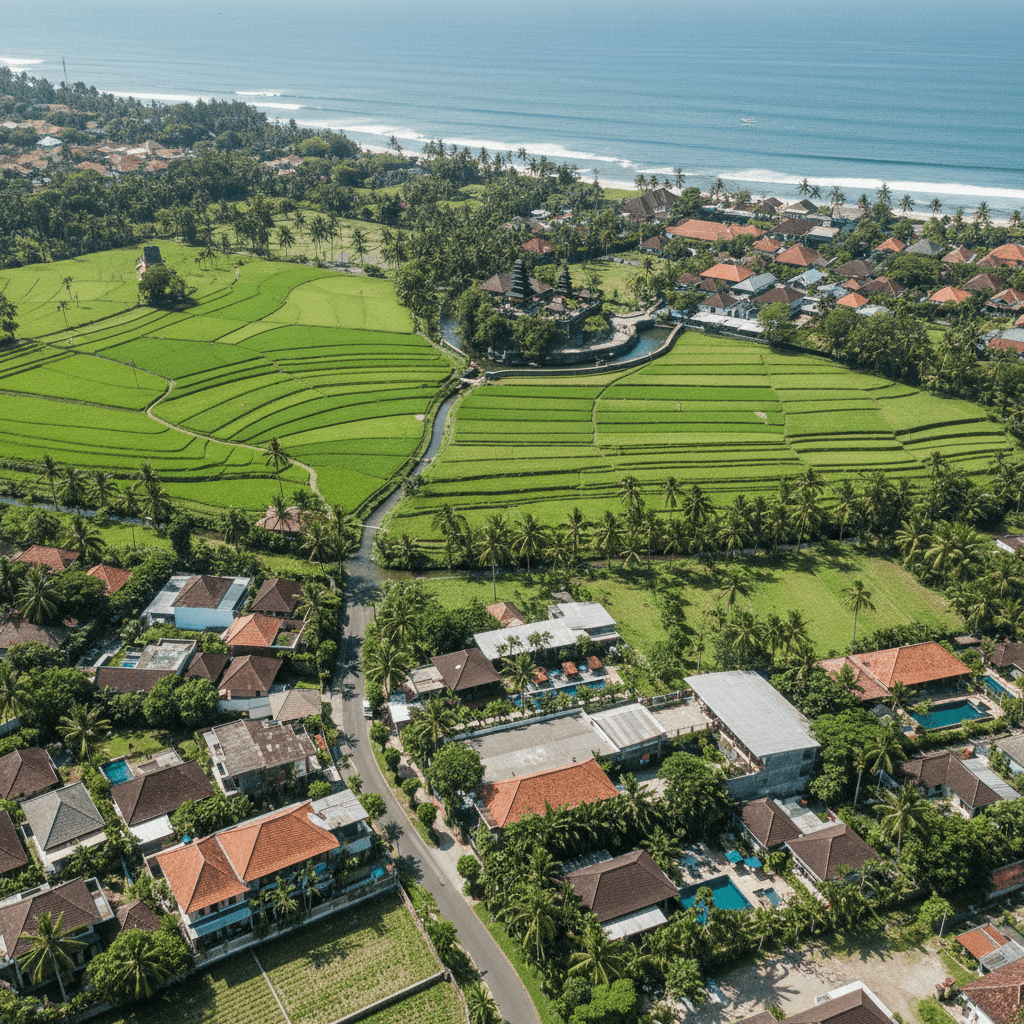
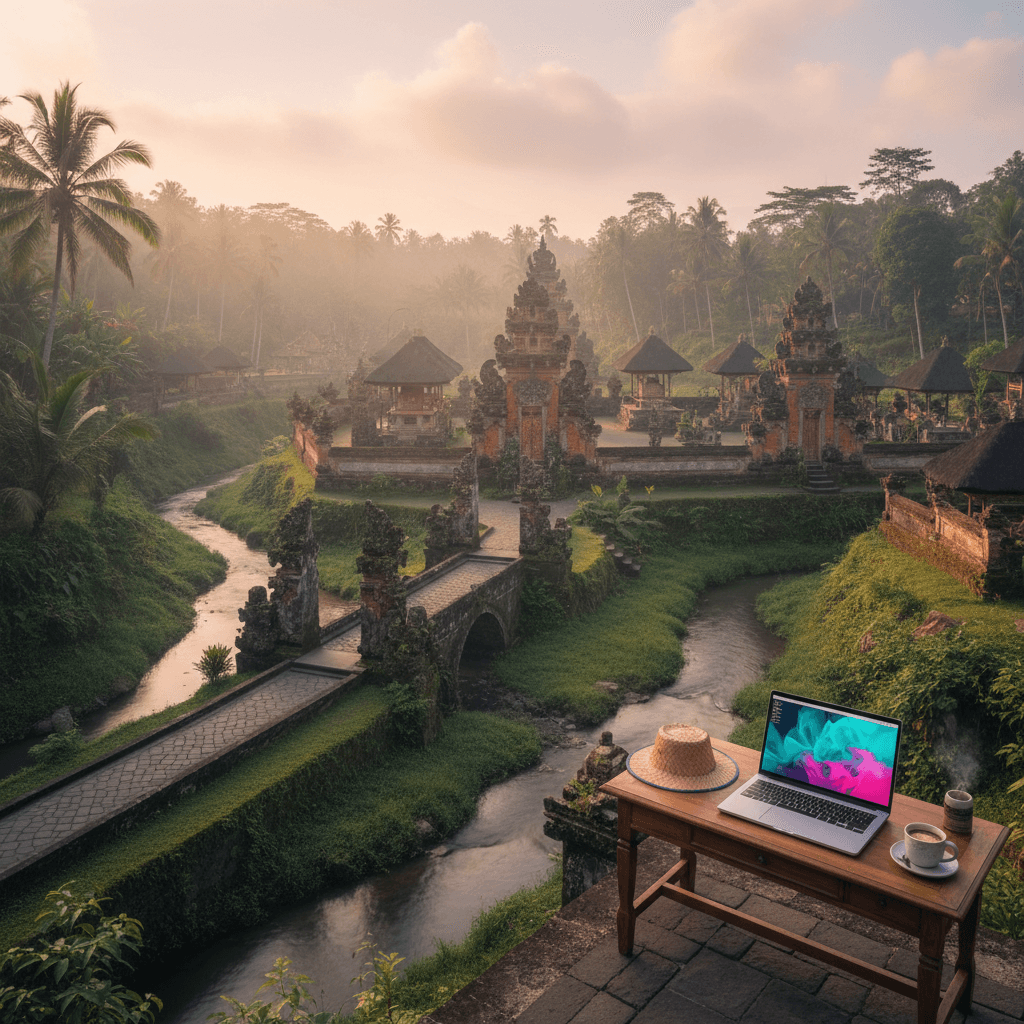
Ubud is Bali's emerald heart, a place where the scent of incense and frangipani hits you before you even step off your scooter. While coastal spots like Canggu chase the surf and sunset parties, Ubud leans into a slower, more intentional rhythm. It is the global headquarters for the "wellness nomad," attracting people who want to swap late nights for 7:00 AM yoga at The Yoga Barn and trade beach clubs for jungle views. It feels creative and spiritual, though you have to ignore the occasional influencer photoshoot to find the real magic.
The experience of living here is a mix of high-speed fiber internet and ancient tradition. You might spend your morning on a Zoom call at Outpost and your afternoon watching a local procession block the street with gamelan music and towering offerings. Most nomads find the community incredibly welcoming, but the traffic on Jalan Raya Ubud can be a nightmare. If you can handle the humidity and the occasional monkey trying to steal your sunglasses, it is one of the most inspiring places on the planet to get work done.
The Cost of Living
Your budget in Ubud depends entirely on how much "Bali life" you want to buy. You can live like a local or splurge on a private jungle sanctuary.
- Bootstrapping (18.5 to 22 million IDR / ~$1,170 to $1,390 USD): This covers a shared room or a basic guesthouse, eating mostly at local warungs, and sticking to free activities like rice field walks.
- Comfortable (30 to 38 million IDR / ~$1,900 to $2,400 USD): The sweet spot for most nomads. You get a private 1BR villa, a mix of Western cafes and local food, a full-time coworking membership, and a decent scooter.
- Premium (50 to 70 million IDR / ~$3,165 to $4,430 USD): This is for those wanting a luxury villa with a private pool, staff, and frequent dinners at high-end spots like Locavore.
Where to Plant Your Roots
Choosing the right neighborhood changes your entire experience. Ubud is more spread out than it looks on a map.
Jalan Bisma: A favorite for nomads who want to be central but avoid the worst of the noise. It is walkable to the Monkey Forest and packed with spas and small cafes. Expect to pay 8 to 14 million IDR for a decent studio here.
Penestanan & Sari Organik: These areas are where you go for the classic "Eat Pray Love" vibe. It is quieter, greener, and full of wellness seekers. Many villas here are only accessible by foot or scooter path, which keeps the cars away. Long-term rentals are often cheaper here, but you will feel a bit isolated without a bike.
Central (Goutama & Kajeng): Best for solo travelers who want to be in the thick of it. You are steps away from the Ubud Art Market and the best coffee shops, though the tourist crowds can be intense during the day.
Internet and Productive Hubs
The days of "Bali belly" and "Bali WiFi" being equally unreliable are mostly over. Most hubs now run on fiber via Biznet or IndiHome, with speeds hitting 50 to 200 Mbps. For focused work, Outpost Ubud is the gold standard, offering a monthly unlimited pass for about 2 million IDR. If you prefer a quieter vibe, Ubud.Space offers 200 Mbps and a day pass for 120,000 IDR. For a more casual afternoon, Watercress or Kebun Bistro are great spots to work with a laptop for an hour or two.
Getting Around and Staying Safe
Walking is great for short distances in the center, but for anything else, you will need the Gojek or Grab apps. A short scooter ride usually costs between 20,000 and 40,000 IDR. If you rent your own bike, it will set you back about 750,000 to 1 million IDR per month. Just be careful; the roads are narrow and traffic is chaotic.
Ubud is generally very safe, but keep your wits about you in the markets to avoid pickpockets. If you need medical help, BIMC Ubud Medical Centre is the go-to for international standards and English-speaking staff. For anything major, Siloam is the closest emergency hospital.
Cultural Etiquette and Weather
Balinese culture is deeply respectful. Always wear a sarong when entering temples, use your right hand for transactions, and try not to step on the Canang Sari (small flower offerings) on the sidewalks. Learning a few phrases like Suksma (thank you) goes a long way with the locals.
Timing your visit is key. The dry season from May to October is perfect, with sunny days and lower humidity. If you come between November and March, expect heavy afternoon downpours that can turn the streets into small rivers. It is still beautiful, but you will spend a lot more time inside your favorite cafe waiting for the rain to stop.
The Price of Jungle Life
Living in Ubud is a balancing act between spiritual indulgence and practical budgeting. While prices have crept up as the town cements its status as a global wellness capital, it remains significantly more affordable than Western hubs. Most nomads find they can live a high quality life here for a fraction of what they would spend in Europe or North America, provided they swap imported goods for local alternatives.
Your monthly burn rate depends heavily on your housing choices and how often you succumb to the siren call of high end vegan cafes. A bootstrapping nomad can get by on 18.5 to 22 million IDR (roughly $1,170 to $1,390 USD) by staying in shared guesthouses and sticking to local warungs. For a more comfortable lifestyle with a private one bedroom villa and a coworking membership, expect to spend 30 to 38 million IDR ($1,900 to $2,400 USD). If you want the full influencer experience with a private pool and staff, budgets often hit 50 to 70 million IDR ($3,165 to $4,430 USD).
Monthly Expense Breakdown
- Rent: You can expect to pay 15 to 30 million IDR for a basic studio or 1BR villa in central areas. If you want those iconic rice field views in Penestanan, expect to pay 10 to 16 million IDR. Be prepared to pay two months upfront, as that's the standard ask for many landlords.
- Food: A plate of nasi goreng at a local warung costs 20,000 to 30,000 IDR. Mid range cafes like Watercress or Ibu Susu usually charge 80,000 to 120,000 IDR for a meal. For a splurge, a single plate at Locavore can exceed 500,000 IDR.
- Transport: Scooter rentals are the way to go, costing 750,000 to 1 million IDR per month. If you prefer apps, Grab or Gojek rides around town usually cost between 20,000 and 40,000 IDR.
- Coworking: A monthly unlimited pass at Outpost Ubud is around 2 million IDR. If you just need a desk for a day, passes at most spots range from 150,000 to 200,000 IDR.
Where to Plant Your Roots
Choosing the right neighborhood changes your daily cost and stress levels. Central Ubud is great for those who want to walk, while the outskirts offer the quiet serenity most people come here for.
Jalan Goutama and Kajeng
- Best For: Solo travelers and first time nomads.
- Pros: Extremely walkable, close to the art market, and surprisingly quiet in the evenings.
- Cons: High tourist foot traffic during the day and slightly higher prices for basic amenities.
Jalan Bisma
- Best For: Established expats and digital nomads.
- Pros: A perfect middle ground that's peaceful yet central. It's lined with great spas and minimarts.
- Cons: The one way traffic system can be a headache if you're on a scooter.
Penestanan and Sari Organik
- Best For: Long term stays and wellness seekers.
- Pros: Stunning rice field views and a much more authentic, quiet atmosphere. Long term rentals are often cheaper here.
- Cons: You'll definitely need a scooter. Many paths are too narrow for cars, making move in day a bit of a trek.
Connectivity and Productivity
Ubud's infrastructure has caught up with its popularity. Fiber optic internet via Biznet or IndiHome is standard in most modern villas, usually costing 400,000 to 700,000 IDR per month for speeds between 50 and 200 Mbps. For a rock solid connection, Outpost Ubud is a favorite for its 100 Mbps speeds and community events. Ubud.Space is another heavy hitter, offering up to 200 Mbps for about 120,000 IDR for a day pass.
For mobile data, grab a Telkomsel tourist SIM. You can find a Telkomsel tourist SIM: 25GB for 30 days around 200,000-400,000 IDR depending on plan. It's much easier to set this up on arrival than trying to find a registered shop later in town.
Practical Spending Tips
Cash is still king for smaller purchases and local markets, though QRIS (a local scan to pay system) and apps like Wise are gaining ground. Most expats recommend using ATMs attached to banks rather than standalone ones to avoid skimming. When it comes to healthcare, BIMC Ubud Medical Centre is the go to for international standards, though a basic consultation will be pricier than local clinics. Always keep a sarong in your scooter seat for temple visits; buying one at the entrance of every site adds up quickly.
For Solo Travelers and Digital Nomads
If you want to be in the thick of the action without needing a scooter for every coffee run, Jalan Goutama and Jalan Kajeng are your best bets. These central veins are remarkably quiet in the evenings because they are largely car free. You can walk to the Ubud Art Market or grab a desk at Ubud.Space within minutes. Most nomads here pay around 15 to 30 million IDR for a central studio on Jalan Bisma, which offers a perfect middle ground between the chaos of the main road and the peace of the Monkey Forest.
- Pros: High walkability, dozens of cafes like Watercress nearby, and a strong sense of community.
- Cons: You will deal with tourist crowds during the day and slightly higher prices for convenience.
- The Vibe: Social, fast paced, and creative.
For Wellness Seekers and Long Term Expats
Those staying for six months or more often gravitate toward Penestanan or the Sari Organik rice fields. This is where you find the quintessential Bali aesthetic: narrow paths, lush greenery, and yoga studios like Dragonfly Village. Living here usually requires a scooter since it is further from the center, but the reward is a significantly lower price tag for long term villas. Expect to pay 10 to 16 million IDR for a place with a serious rice field view.
- Pros: Serene environment, cheaper local warungs, and a more authentic Balinese feel.
- Cons: Not very walkable; you will definitely need a scooter or Gojek to get groceries.
- The Vibe: Spiritual, quiet, and health focused.
For Professionals and Established Expats
Campuhan offers a balanced lifestyle for those who have moved past the backpacker phase. It is home to some of the town's best dining, including Pica and Ibu Susu, and provides easy access to the Campuhan Ridge Walk for morning exercise. It feels more "grown up" than the center but keeps you close enough to the coworking hubs. Many professionals here use Outpost Ubud, which costs about 2 million IDR per month for an unlimited membership with 100 Mbps speeds.
- Pros: Excellent restaurant scene, beautiful green spaces, and high quality housing.
- Cons: Traffic can get congested on the main bridge, and it is less "central" than Bisma.
- The Vibe: Sophisticated, active, and balanced.
For Families and Slow Travelers
Families usually head slightly south of the center toward Nyuh Kuning or the outskirts of Penestanan. These areas offer larger villas with pools and gardens that fit a premium budget of 50 to 70 million IDR per month. The streets are wider and safer for walking with kids, and the proximity to international standard care at BIMC Ubud Medical Centre provides peace of mind. You are close to the Sacred Monkey Forest, though you will need to keep a close eye on your belongings around the local macaques.
- Pros: Larger properties, quieter streets, and a friendly expat parent community.
- Cons: Further from the main coworking hubs; a private driver is often necessary for school runs or trips to Tegallalang.
- The Vibe: Safe, spacious, and family oriented.
Key Cost of Living Breakdown
- Scooter Rental: Budget 750,000 to 1 million IDR per month plus an International Driving Permit.
- Daily Meals: Local warungs cost 20,000 to 30,000 IDR for nasi goreng, while mid range cafes average 100,000 IDR.
- Connectivity: A Telkomsel tourist SIM with 25GB of data runs about 150,000 IDR and is reliable for hotspots.
- Coworking: Day passes at top spots like Ubud.Space or Outpost range from 150,000 to 200,000 IDR.
Connectivity and Speed
Ubud has come a long way from the days of patchy jungle signals. Most modern villas and hubs now run on fiber optic networks via providers like Biznet or IndiHome. You can generally expect speeds between 50 and 200 Mbps in dedicated workspaces, which is plenty for seamless Zoom calls or uploading content.
If you are setting up a home office, a monthly fiber subscription typically runs between 400,000 and 700,000 IDR. For those on the move, a Telkomsel tourist SIM is the gold standard for reliability. You can grab a pack for 30 days at the airport for around 200,000 IDR or more, though many nomads prefer using eSIMs for convenience before they even land.
Top Coworking Spaces
The coworking scene here is less about corporate cubicles and more about bamboo architecture and rice field views. It is a social lifeline for many, especially those looking to escape the isolation of a private villa.
- Outpost Ubud: This is the heavy hitter in the south of town. It feels like a productive sanctuary with a pool, onsite yoga, and a very active community. A monthly unlimited pass costs around 2 million IDR. The internet is rock solid at 100 Mbps and the ergonomic chairs are a lifesaver for long shifts.
- Ubud.Space: Located more centrally, this spot is favored by those who need high speed without the "retreat" vibes. It offers high-speed internet and day passes; check current rates on their website. It is often quieter than Outpost, making it better for deep focus.
- Beluna: A favorite for creatives and writers, situated near the iconic Sari Organik path. It has a more boutique, aesthetic feel that matches the spiritual atmosphere of the neighborhood.
The Cafe Culture
If you don't need a dedicated desk, Ubud’s cafe scene is world class. Most spots expect you to buy a meal or a few coffees if you plan to camp out for three hours. Always run a quick speed test before you order your latte, as some older buildings have thick stone walls that eat the WiFi signal.
- Watercress: Great for a morning session with excellent coffee and reliable speeds. It gets busy during lunch, so arrive early to snag a spot near a power outlet.
- Kebun Bistro: A beautiful French style bistro that feels like a hidden garden. It is better for light admin work rather than heavy video editing, but the atmosphere is unbeatable.
- Clear Cafe: While famous for its food, the upstairs seating area is a popular haunt for nomads looking for a relaxed vibe and decent connectivity.
Practical Workflow Tips
Power outages used to be a daily headache, but they are much rarer now. Still, if you have a high stakes meeting, it is smart to have your Telkomsel hotspot ready as a backup. The tropical heat can also be a factor; while many cafes are open air to catch the breeze, you will want a spot with AC like Outpost during the humid peak of the afternoon.
Most nomads find that joining local WhatsApp groups like Bali Nomads in Ubud or checking Nomeo for meetups is the best way to stay updated on the best new work spots. These communities often share real time updates on which cafes have the fastest speeds or which spaces are currently hosting networking events.
Personal Safety and Common Sense
Ubud is remarkably safe for solo nomads and families alike. The local community is deeply rooted in Balinese Hinduism, which fosters a culture of respect and hospitality. Violent crime is extremely rare, but like any tourist hub, petty theft exists. Most nomads find that keeping their wits about them is enough to stay out of trouble.
Pickpockets occasionally target crowded areas like the Ubud Art Market or the busy stretches of Jalan Raya Ubud. Keep your bag in front of you in these zones. A more unique local hazard involves the long-tailed macaques at the Sacred Monkey Forest. These monkeys are professional thieves; they will snatch sunglasses, phones, or loose jewelry in seconds. If a monkey grabs something, don't fight back, as they can bite. It's best to secure all belongings before entering the forest area.
Nighttime safety is generally high, though some of the smaller lanes in Penestanan or the Sari Organik rice fields lack streetlights. Expats recommend carrying a small flashlight or using your phone light when walking home after dinner. While the vibe is peaceful, isolated dark paths are best avoided if you're alone.
Road Safety and Transport Risks
The biggest physical risk in Ubud isn't crime; it's the traffic. The narrow roads weren't built for the current volume of cars and scooters. If you're renting a scooter for 750,000 IDR a month, you must have an International Driving Permit (IDP). Police occasionally set up checkpoints, and fines are common for those without the right paperwork or a helmet.
Road accidents are frequent, especially during the rainy season when the pavement gets slick. If you aren't an experienced rider, stick to Gojek or Grab bike taxis. They're affordable, usually costing between 20,000 and 40,000 IDR for trips around town, and the drivers know how to handle the congestion better than any newcomer.
Healthcare Facilities
If you get sick, you won't have to look far for quality care. For minor issues like "Bali Belly" or skin infections, local pharmacies like Guardian or Kimia Farma are well stocked. Many medications that require a prescription in the West are available over the counter here.
For more serious medical needs, Ubud has reliable international standard facilities:
- BIMC Ubud Medical Centre: This is the go-to for most expats and nomads. It offers 24 hour emergency care, English speaking staff, and an on-site lab. It's located near the Monkey Forest and handles everything from vaccinations to minor surgeries.
- Siloam Medika: Located just outside the main center, this clinic is excellent for urgent care and routine checkups. For major emergencies requiring intensive surgery, they can coordinate transfers to larger hospitals in Denpasar.
- Emergency Number: Dial 112 for general emergencies in Indonesia, though calling the clinic directly is often faster.
Health Precautions
The most common ailment for nomads is dehydration or food poisoning. Never drink the tap water. Even locals stick to bottled or filtered water. Most villas and coworking spaces like Outpost provide large 19 liter water jugs (gallons) for a few dollars. Use bottled water even for brushing your teeth if you have a sensitive stomach.
Dengue fever is a seasonal risk, particularly during the wet months from November to March. Use repellent, especially at dawn and dusk. Most high end villas provide mosquito nets or electric plug-in repellents, but it's smart to keep a bottle of Soffell or a natural alternative in your bag.
Finally, ensure your travel insurance specifically covers scooter accidents. Many policies are void if you don't have a valid motorcycle license from your home country plus an IDP. Double check your fine print before you kickstart that engine.
The Logistics of Getting Around
Ubud is a place where your feet and a scooter will be your best friends. While the town center is technically walkable, the tropical heat and narrow, often uneven sidewalks mean you'll likely want a set of wheels for anything beyond a quick coffee run. Most nomads find that mastering the local transport landscape is the first step to feeling settled in the jungle.
Walking and Foot Traffic
If you base yourself in central areas like Jalan Goutama or Jalan Bisma, you can reach the Ubud Art Market or the Monkey Forest on foot. It is a great way to soak in the atmosphere, but be prepared for "Ubud traffic" even on the sidewalks. You'll be dodging incense offerings (canang sari) on the ground and navigating around delivery scooters. Always keep a close eye on your belongings in crowded areas, as opportunistic pickpockets occasionally target distracted walkers.
Scooter Rentals
For true freedom, renting a scooter is the standard move for expats and long term nomads. It allows you to skip the gridlock on the main roads by ducking through back alleys and small paths through the rice fields. Expect to pay between 750,000 and 1,000,000 IDR per month for a standard bike like a Honda Vario or Scoopy.
- Requirements: You legally need an International Driving Permit (IDP) alongside your home license. Police checkpoints do happen, and they will check for both your IDP and a helmet.
- Safety: Road conditions can be tricky, especially during the rainy season from November to March when roads get slick. If you aren't an experienced rider, Ubud's steep hills and narrow lanes aren't the best place to learn.
- Fuel: You can fill up at Pertamina stations for the best price, or grab a bottle of fuel from a roadside vendor if you're in a pinch.
Ride Hailing Apps
If you prefer not to drive, Grab and Gojek are indispensable. These apps work just like Uber and allow you to book either a car or a scooter taxi (ojek). A short hop across town usually costs between 20,000 and 40,000 IDR. For airport runs to Denpasar, expect to pay around 150,000 IDR depending on the time of day and demand.
Local transport communities sometimes have "no go" zones for these apps to protect traditional taxi drivers. You'll see signs posted in certain neighborhoods. In these spots, it is usually better to walk a few minutes away from the main hub before calling your ride to avoid any awkwardness for your driver.
Private Drivers and Day Trips
Ubud lacks a reliable public bus system, so if you're planning a day trip to the Tegallalang rice terraces or Goa Gajah, hiring a private driver is the most comfortable way to go. Most nomads find drivers through WhatsApp groups or Facebook communities like "Bali Digital Nomads." A full day (8 to 10 hours) typically costs between 500,000 and 700,000 IDR, which includes fuel and the driver's time. It is a stress free way to explore the surrounding highlands without worrying about navigation.
Cycling
Bikes are a popular choice for those staying in quieter outskirts like Penestanan or the Sari Organik path. These areas are often car free and much more peaceful. However, the main roads in Ubud are generally too congested and hilly for casual cycling to be enjoyable for most people. If you do rent a bike, keep it for the scenic rice field paths where you can actually enjoy the breeze.
The Linguistic Landscape
You won't have much trouble getting by in Ubud if you only speak English. Because it's been a global hub for yoga and art for decades, the staff at cafes, villas, and coworking spaces are usually quite proficient. However, the linguistic heart of the town is a mix of Bahasa Indonesia, the national language, and Balinese, the local mother tongue used in ceremonies and daily life.
Expats and long term nomads generally find that learning even a handful of Indonesian words changes the dynamic of their interactions. It moves you from "tourist" to "guest" in the eyes of locals. While Balinese is beautiful, it's significantly harder to learn due to its different social registers. Stick to Indonesian for daily errands; it's phonetic, has no verb conjugations, and is widely respected when practiced by foreigners.
Key Phrases to Know
- Om Swastiastu: The traditional Balinese greeting. You'll hear this everywhere from hotel lobbies to local warungs.
- Suksma: This is "thank you" in Balinese. Using this instead of the Indonesian equivalent often earns a huge smile.
- Terima kasih: The standard Indonesian "thank you."
- Sama-sama: You're welcome.
- Berapa?: How much? (Useful at the Ubud Art Market).
- Tidak pedas: Not spicy. If you aren't a fan of heat, memorize this before ordering your first Nasi Goreng.
Digital Communication and Apps
In Ubud, WhatsApp is the undisputed king of communication. You'll use it for everything: booking a massage at Karsa Spa, ordering water delivery to your villa, or chatting with your scooter rental guy. Most local businesses don't rely on email or formal booking systems; they'll often just have a WhatsApp button on their Instagram profile.
For navigating language barriers on the fly, Google Translate is your best friend. The camera feature is particularly handy for translating menus at smaller local warungs or reading signs at the pharmacy. If you're looking for community, the Nomeo app and various WhatsApp groups like "Bali Nomads in Ubud" are where the actual social organizing happens.
Connectivity for Nomads
Staying connected is relatively cheap, but you need to be strategic. Don't rely on your home country's roaming plan. Most nomads pick up a Telkomsel tourist SIM immediately. You can get around 200,000-400,000 IDR. If your phone supports it, an eSIM is even easier to set up before you land.
Fiber optic internet has improved drastically in the last few years. Providers like Biznet and IndiHome are the gold standard for villas, usually costing between 400,000 and 700,000 IDR per month. If you're scouting a long term rental in the Penestanan rice fields, always run a speed test before signing. While many central spots hit 100 Mbps, the further you get into the jungle, the more "creative" the wiring can become.
Social Etiquette and Non-Verbal Cues
Communication in Bali is as much about gesture as it is about words. Locals are generally indirect and avoid confrontation. A "yes" might sometimes mean "I understand what you want, but I can't do it," so pay attention to tone and context. Always use your right hand when handing over money or food, as the left hand is traditionally considered unclean. Also, avoid pointing with your index finger; if you need to indicate a direction, use your thumb or a polite wave of the hand.
The Tropical Rhythm
Ubud doesn't follow a four season calendar. Instead, your life here will be dictated by the shift between the dust of the dry season and the steam of the monsoon. While the temperature stays fairly consistent, hovering between 24°C and 32°C, the humidity is the real variable that determines how much work you'll actually get done at an open air cafe.
The jungle geography means Ubud is often a few degrees cooler and significantly wetter than coastal spots like Canggu or Uluwatu. You'll notice the clouds tend to gather over the ridge in the mid afternoon, even when the rest of the island is clear. It's a trade off for the lush, deep green scenery that defines the region.
Dry Season: The Gold Standard (May to October)
If you're planning your first stint as a nomad in Bali, aim for the window between May and October. This is when the island is at its most spectacular. Rainfall drops significantly, sometimes to as little as 1 to 7 days per month, and the air feels crisp rather than heavy.
- The Perk: Reliable sunshine makes it the best time for sunrise hikes at Mount Batur or scooter trips through the Tegallalang rice terraces without getting soaked.
- The Vibe: This is peak season. You'll find Outpost Ubud and Ubud.Space at their most social, but you'll also deal with the heaviest traffic on Jalan Raya Ubud.
- The Cost: Expect to pay a premium for short term villa rentals. Many popular spots in Penestanan or near Jalan Bisma book out months in advance.
Rainy Season: The Creative Retreat (November to March)
The rains usually arrive in earnest by November, peaking in January and February. You can expect anywhere from 16 to 20 rainy days a month. Unlike a light drizzle, Bali rain is a vertical wall of water that can turn the streets into small rivers in minutes.
Many long term nomads actually prefer this time. The "influencer" crowds thin out, and the town regains its quiet, spiritual character. It's the perfect environment for deep work, writing, or committing to a 30 day pass at a yoga studio. Just make sure your scooter has good tires and you've invested in a heavy duty poncho from a local Circle K.
Shoulder Season Strategy
April is often cited by expats as the "sweet spot." The heavy monsoon rains begin to taper off to about 11 days a month, the landscape is neon green from the previous months of water, and the massive tourist waves haven't yet landed for the summer. You can often snag better deals on monthly villa rentals before the June price hikes kick in.
A Quick Look at the Numbers
- January to March: Highs of 30-31°C, heavy rain, very humid. Great for discounts and quiet cafes.
- April: Transition month. 30°C with moderate rain. A favorite for savvy travelers.
- May to October: Highs of 27-32°C. Lowest rainfall. Perfect weather but maximum crowds.
- November to December: Highs of 30-31°C. Rain returns frequently. Busy around the holidays, then quiet.
Most nomads find that regardless of the month, the early mornings are the most productive. The air is still cool, the light hitting the shrines is beautiful, and you can get a solid four hours of work in before the midday heat or the afternoon showers roll through.
The Ubud Vibe
Ubud is Bali's cultural soul, traded for the ocean air of Canggu in exchange for jungle canopies and terraced rice fields. For nomads heading here in 2025 or 2026, it's a place for deep work and wellness rather than late night parties. You'll find a community that prioritizes yoga at sunrise and creative collaboration at local cafes. It's magical if you embrace the quiet, though the rise of influencers and heavy traffic on the main arteries can test your patience during the peak season.
Cost of Living
Your budget depends entirely on how much of the "villa life" you want to fund. A modest setup with a shared room and local warung meals runs about 18.5 to 22 million IDR ($1,170 to $1,390 USD). Most nomads aim for a comfortable middle ground around 30 to 38 million IDR ($1,900 to $2,400 USD), which covers a private 1BR villa, a coworking membership, and frequent cafe dining.
- Housing: Expect to pay 8 to 14 million IDR for a central studio on Jalan Bisma. If you want those iconic rice field views, prices jump to 10 to 16 million IDR. Be ready to pay two months upfront.
- Food: A plate of nasi goreng at a local warung costs 20,000 to 30,000 IDR. Dinner at a mid range spot like Ibu Susu averages 95,000 IDR, while a high end experience at Locavore can exceed 500,000 IDR.
- Transport: Monthly scooter rentals range from 750,000 to 1 million IDR. Short Grab rides usually cost between 20,000 and 40,000 IDR.
Where to Plant Your Roots
Jalan Goutama and Kajeng (Central)
This is the heart of the action. It's walkable to the art market and palace, offering a car free vibe in many sections. It's great for solo travelers who want everything nearby, though the tourist crowds can get loud during the day.
Jalan Bisma
A favorite for long term nomads. It’s central but stays surprisingly peaceful. You're within walking distance of the Monkey Forest and plenty of spas. The main drawback is the one way traffic system, which makes scooter trips slightly longer.
Penestanan and Sari Organik
Expats and wellness seekers gravitate here for the serene rice field views and spots like Dragonfly Village. It's cheaper for long term stays, but you'll feel further from the center and will likely need a scooter for daily errands.
Internet and Coworking
Connectivity is reliable with fiber providers like Biznet pushing speeds between 50 and 200 Mbps. Most cafes, including favorites like Watercress or Kebun Bistro, hover around 100 Mbps. Always run a quick speed test before settling in for a long session.
- Outpost Ubud: A heavy hitter for community. 2 million IDR per month gets you unlimited access, a pool, and yoga onsite.
- Ubud.Space: Known for its 200 Mbps speeds and focused atmosphere. Day passes are roughly 120,000 IDR.
- Mobile Data: Grab a Telkomsel tourist SIM at the airport. 150,000 IDR gets you 25GB for 30 days.
Navigation and Safety
Walking works for the very center, but everyone eventually uses Grab or Gojek. These apps are the easiest way to book a car or scooter taxi. If you rent your own scooter, you'll need an International Driving Permit (IDP) and a helmet; local police do perform spot checks.
Ubud is generally very safe. The biggest "threats" are the monkeys in the Sacred Monkey Forest who will snatch sunglasses or phones, and the occasional pickpocket in crowded markets. For medical needs, BIMC Ubud Medical Centre provides international standard care and English speaking staff. In a serious emergency, Siloam is the nearby hospital, reachable at 112.
Social Life and Culture
Socializing happens in WhatsApp groups like "Bali Nomads in Ubud" or via events at coworking spaces. Nightlife is low key, centered around live music bars rather than the sprawling beach clubs found in the south. When you're out, remember Balinese customs. Wear a sarong when entering temples, use your right hand for transactions, and be careful not to step on the small offerings (canang sari) placed on sidewalks.
Weather Watch
The dry season from May to October is the sweet spot with sunny days and lower humidity. If you visit between November and March, expect heavy afternoon downpours. Temperatures stay consistent between 24 and 32°C, but the humidity during the rainy season makes it feel much hotter. Use the rainy months for focused indoor work and the dry months for exploring Tegallalang or Goa Gajah.
Need visa and immigration info for Indonesia?
🇮🇩 View Indonesia Country GuideEasy Landing
Settle in, no stress
Monthly Budget Estimates
More cities in Indonesia

Balikpapan
🇮🇩 Indonesia
Yogyakarta
🇮🇩 Indonesia
Medan
🇮🇩 Indonesia