Tuy Hoa
🇻🇳 Vietnam
The Authentic Middle Ground
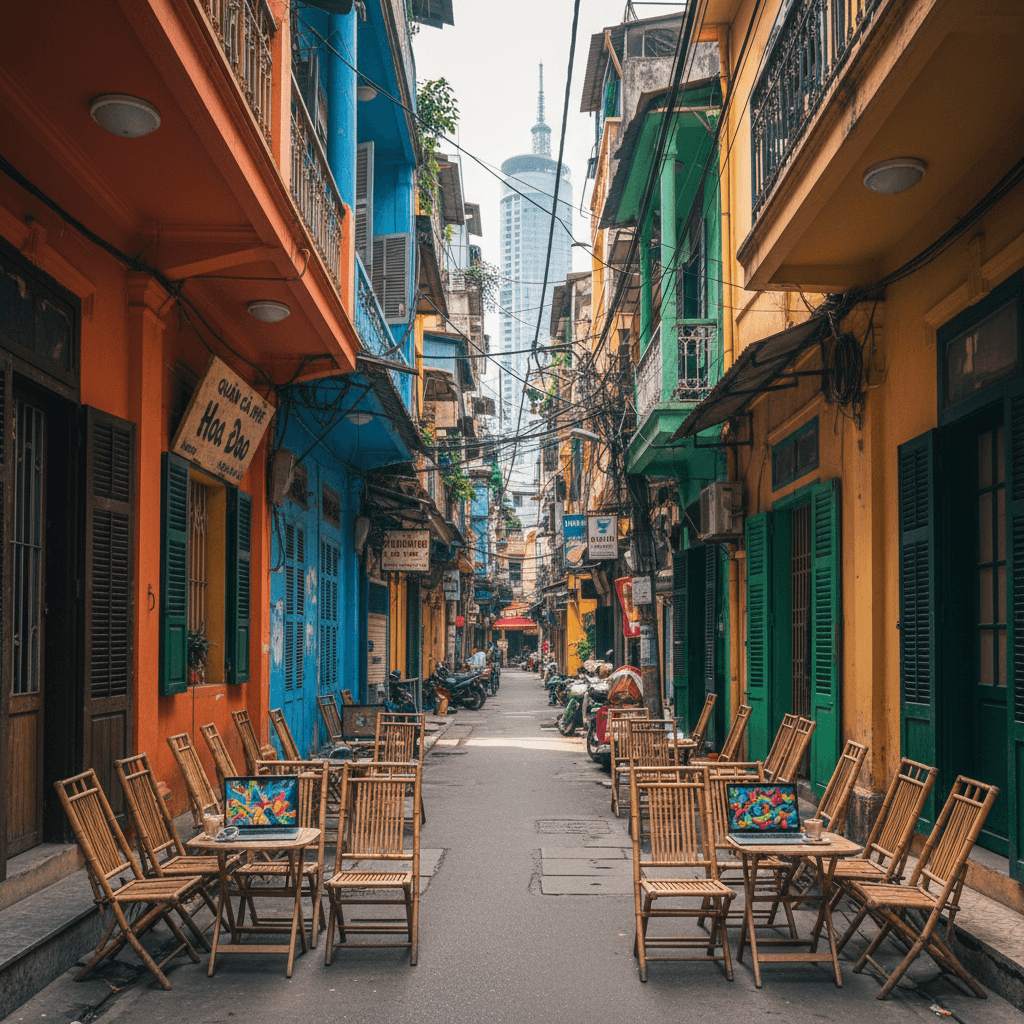
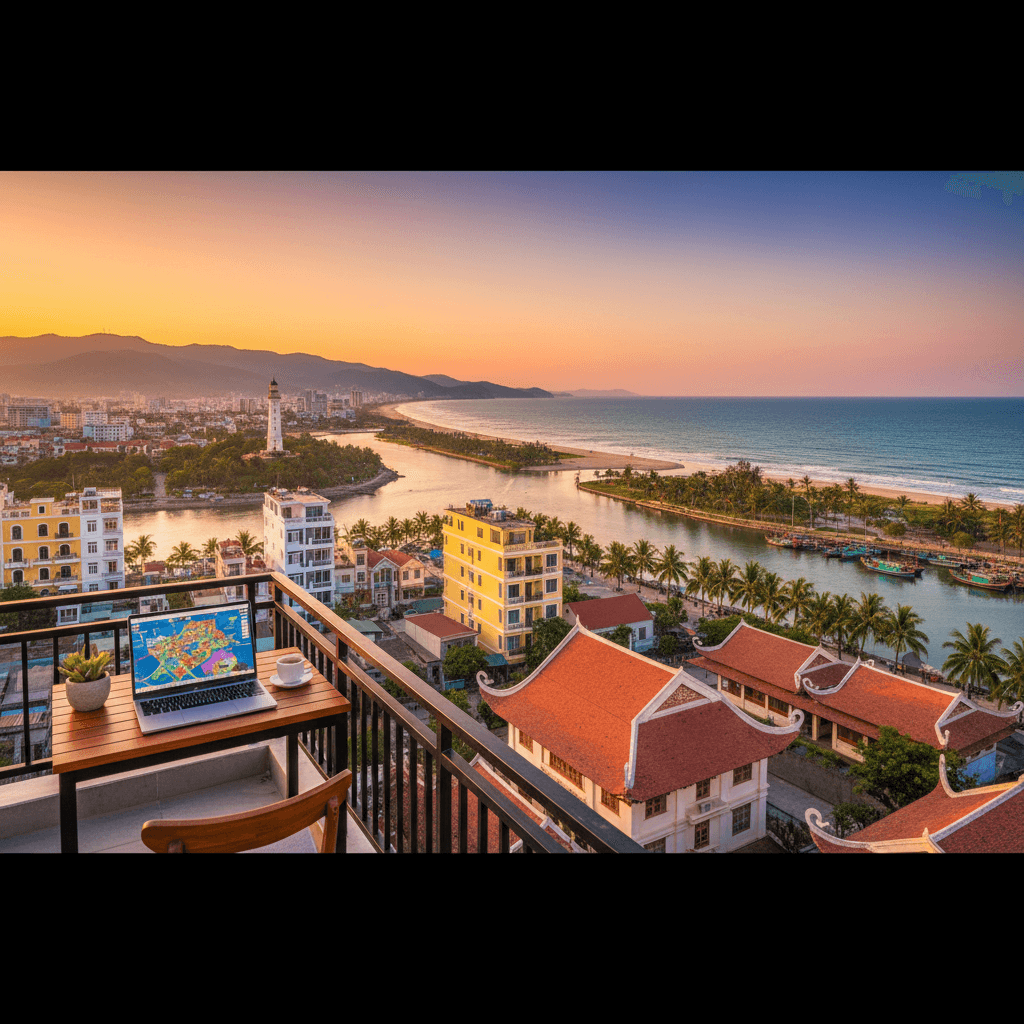
Tuy Hoa is the city for nomads who’ve grown tired of the "expat bubble" but aren't quite ready to go completely off-grid. Located halfway between the tourist hubs of Nha Trang and Quy Nhon, it feels like a provincial capital that hasn't realized how attractive it is yet. You won't find the polished, high-speed energy of Da Nang here. Instead, you get a coastal city hemmed in by the mountains and the sea, dominated by the silhouette of Chop Chai Mountain and a pace of life that actually lets you breathe.
The vibe is refreshingly honest. It’s a place where you can spend your mornings working from a high-end cafe like Noonconcept and your evenings eating 15,000 VND street food on a plastic stool without seeing another foreigner for days. Most digital nomads find the "nothing much to do" aspect is actually its greatest strength; it’s a city that rewards routine and deep focus rather than constant sightseeing.
Cost of Living Breakdown
Living here is significantly cheaper than in Vietnam’s major hubs. You can live a very comfortable lifestyle for around $1,084 per month, though budget-conscious travelers often manage on $500 to $700 if they stick to local housing and street food.
- The Budget Tier ($500 to $700/month): This covers a basic apartment outside the city center, plenty of Cơm Gà (chicken rice) for lunch, and local coffee.
- The Mid-Range Tier ($1,000 to $1,500/month): This is the sweet spot for most nomads. It gets you a modern studio near the beach, daily cafe visits, and frequent dinners at places like Bob’s Cafe American.
- The Comfortable Tier ($1,500 to $2,500+/month): This allows for a premium 1-bedroom apartment, regular coworking at Wink Hotel, and upscale dining at Hayan or Sala Beach Club.
Choosing Your Neighborhood
The city is split between the coastal strip and the commercial center. Where you stay depends on whether you value the sound of the waves or the convenience of the shops.
Beach Side (Tuy Hoa Beach)
- The Vibe: The most developed part of the coast, specifically around Nghinh Phong Tower. It’s peaceful, walkable, and has a growing collection of aesthetic cafes.
- Rent: Expect to pay between $600 and $1,000+ for modern, beach-side setups.
- Pros: Immediate access to the sand, parks, and evening sea breezes.
City Side (Hung Vuong Road)
- The Vibe: This is the commercial heart. It’s busier and noisier but puts you within walking distance of Vincom Plaza and the best local markets.
- Rent: Central apartments typically range from $700 to $1,200 depending on the building age.
- Pros: More dining variety and better grocery options.
The Work-From-Cafe Culture
While you won't find global coworking chains like The Hive here yet, the local cafe culture is a nomad's dream. Vietnamese cafes are essentially unofficial offices. You can buy a $1.50 iced coffee and sit for four hours with reliable WiFi and nobody will ever ask you to leave. 2WAY Tea & Coffee and Bonpy Coffee are staples for the laptop crowd. If you need a more professional environment, Wink Hotel Tuy Hoa Beach offers a dedicated workspace and a rooftop pool for when the midday heat kicks in.
The city feels safe, quiet, and remarkably welcoming. It's a place where locals are genuinely curious about you, rather than seeing you as just another tourist. If you can handle the lack of international luxury brands and the slower social scene, you’ll find a city that feels like a well-kept secret.
The Cost of Living in Tuy Hoa
Tuy Hoa is one of the most affordable coastal cities left in Vietnam. While popular hubs like Da Nang have seen prices climb, this provincial capital remains a place where your dollar goes incredibly far. Most digital nomads find they can live a high quality life here for around $1,084 per month, though your actual spend depends heavily on whether you prioritize beach views or local immersion.
Monthly Budget Tiers
- The Budget Tier ($500 to $700): Perfect for those who want to live like a local. You'll stay in a basic apartment or shared house outside the city center, eat primarily at street stalls, and get around on a rented motorbike.
- The Mid-Range Tier ($1,000 to $1,500): This is the sweet spot for most nomads. It covers a modern studio apartment, a mix of local eateries and nicer cafes, and plenty of weekend trips to the surrounding coastline.
- The Comfortable Tier ($1,500 to $2,500+): At this level, you're looking at a premium one bedroom apartment near the beach, regular dinners at upscale spots like Hayan, and daily coworking at the Wink Hotel.
Housing and Neighborhoods
Rent is the biggest variable in Tuy Hoa. The city is currently seeing new residential developments pop up near landscaped parks and lakes, which is a sign that the secret is getting out. Most expats recommend staying on the Beach Side near the Nghinh Phong Tower. It's peaceful, walkable, and has a growing cafe scene.
- Beach Side: Expect to pay between $600 and $1,000 for a modern spot. It's the most developed area with easy access to the sand and evening parks.
- City Center (Hung Vuong Road): Prices here range from $700 to $1,200. You're paying for convenience; this is the main commercial strip near Vincom Plaza and the best shopping.
- Budget Outskirts: If you don't mind a 10 minute drive, you can find local apartments for $300 to $500.
Dining and Socializing
The food scene is a major draw for the "slow travel" crowd. Street food is exceptionally cheap, often costing less than $2 for a full meal. Even the higher end experiences won't break the bank compared to Western standards.
- Local Staples: A bowl of noodles or Com Ga Phu Yen at a street stall typically runs 15,000 to 45,000 VND ($0.60 to $1.90).
- Mid-range Dining: Expect to spend 40,000 to 150,000 VND ($1.70 to $6.30) at sit down restaurants.
- Upscale Spots: Dinner at Sala Beach Club or Hayan usually costs between 200,000 and 500,000 VND ($8 to $21).
- Daily Caffeine: A classic Vietnamese iced coffee is about 18,000 VND ($0.78), while specialty lattes at Noonconcept or 2WAY Tea and Coffee run $1 to $3.
Transportation and Connectivity
Since there's no major ride hailing presence beyond Grab, most nomads rent a motorbike for around 150,000 VND ($6.30) per day. It's the best way to explore the coast. For work, you won't find massive coworking chains like Toong or Dreamplex here yet. Instead, the city relies on a robust cafe culture. Most cafes have fast, reliable WiFi and don't mind if you work for several hours on the price of a single coffee. If you need a more formal setup, the Wink Hotel Tuy Hoa Beach offers dedicated work spaces and a rooftop pool for a more professional environment.
The Beach Side: Best for Digital Nomads
If you're coming to Tuy Hoa to work remotely, the area around Nghinh Phong Tower is where you want to be. This is the most developed stretch of the coastline, offering a mix of modern apartments and the city's best "office" substitutes. Most nomads gravitate toward the streets branching off Nguyen Huu Tho road because it balances sea breezes with decent infrastructure.
- Rent: Expect to pay between $600 and $1,000 for a quality beachside studio.
- The Vibe: Mornings start with a swim, and afternoons are spent in places like Noonconcept or 2WAY Tea & Coffee. The WiFi in these cafes is surprisingly stable, often hitting speeds that handle video calls without a hiccup.
- Why it works: It’s walkable, peaceful, and has a growing cluster of cafes that don't mind if you park your laptop for three hours. The Wink Hotel also sits here, offering a dedicated coworking space and a rooftop pool for when the 3 PM slump hits.
City Side (Hung Vuong Road): Best for Expats
For those planning to stay longer than a month, the area surrounding Hung Vuong Road feels more like a functional home. This is the city's main commercial vein. You're closer to the Vincom Plaza, larger grocery stores, and the best concentration of gyms. It feels less like a holiday and more like real life.
- Rent: Prices here range from $700 to $1,200 for modern units, though older local houses can be found for much less if you're willing to negotiate in person.
- The Vibe: It’s noisier than the beach, but you have everything at your doorstep. Expats recommend this area because you aren't reliant on a motorbike just to grab a bottle of wine or a specific imported ingredient.
- Top Spots: You're near Hayan for a solid steak or Gozo Brewhouse, which is a massive bamboo structure perfect for meeting other foreigners over a craft beer.
Downtown & Market Area: Best for Solo Travelers
If you're traveling solo and want to soak up the provincial energy of Phu Yen, stay near the Tuy Hoa Market or the train station. This is the heart of the "old" city. It’s chaotic, loud, and smells like grilled pork and incense, but it’s where you’ll find the most authentic interactions and the cheapest food in town.
- Rent: Budget options here are plentiful, often falling between $300 and $500 for basic guesthouses or small apartments.
- The Vibe: Very local. You won't find many English menus here. You'll be eating Cơm Gà (chicken rice) for $1.50 and drinking 18,000 VND iced coffees with locals on tiny plastic stools.
- Practicality: It’s the best spot for those without a private vehicle. You can walk to the market for fresh fruit and catch the train easily for weekend trips to Quy Nhon or Nha Trang.
Long Thuy Beach: Best for Families and Slow-Pacers
Located just north of the city center, Long Thuy is a traditional fishing village that’s slowly seeing more residential growth. It’s far enough away to feel like a retreat but close enough to reach the city center in ten minutes by scooter. Families often prefer the quietude here compared to the bustle of the city side.
- Rent: You can find larger, multi-bedroom houses here for $500 to $800, though they may lack the "western" finishes of the downtown apartments.
- The Vibe: It's all about the rhythm of the ocean. You'll see fishing boats coming in at dawn and families playing on the sand at dusk. It’s safe, quiet, and very community-oriented.
- Cons: You'll definitely need a motorbike. Amenities are thin, so you'll be heading into the Hung Vuong area for any major shopping or healthcare needs at the General Hospital of Tuy Hoa.
Digital Nomad Infrastructure
Tuy Hoa doesn't have the high octane tech scene of Da Nang or the endless coworking chains of Saigon, but it's a dream for nomads who prefer the "cafe as an office" lifestyle. The city's digital infrastructure is surprisingly robust, with high speed fiber optic internet now the standard in most modern apartments and hotels. You won't find yourself hunting for a signal here; even the smaller local spots usually have a reliable router tucked away behind the counter.
The local culture is incredibly laid back about remote work. Unlike some digital nomad hubs where you feel pressured to buy a fresh latte every hour, Tuy Hoa cafe owners are happy to let you camp out for an entire afternoon. A single 18,000 VND ($0.78 USD) iced coffee is often your ticket to a workstation for the day. While there aren't many dedicated coworking spaces yet, the city makes up for it with a massive variety of aesthetic, air conditioned cafes that offer plenty of power outlets.
Top Places to Work
- Wink Hotel Tuy Hoa Beach: This is currently the closest thing to a dedicated nomad hub in the city. It features a modern coworking space with ergonomic seating and the fastest WiFi in town. It's a great spot if you have important video calls and need a professional environment.
- Noonconcept: A favorite for those who need a bit of style with their caffeine. It's a higher end cafe with excellent pastries and a quiet atmosphere that's perfect for deep work. Expect to pay $2 to $4 for premium drinks.
- 2WAY Tea & Coffee: Known for its friendly staff and Taiwanese bubble tea, this spot has a bright, airy feel. It's popular with local students and freelancers, so the vibe is productive but relaxed.
- Bonpy Coffee: If you like to start your workday with a hearty brunch, this is the place. They serve traditional Vietnamese coffee and have plenty of table space for laptops.
- Bob's Cafe American: When you need a break from local flavors, Bob's offers a familiar Western environment with reliable internet and comfortable seating.
Connectivity and SIM Cards
For mobile data, you'll want to stick with the big three providers: Viettel, Vinaphone, or Mobifone. Viettel generally has the best coverage if you plan on taking your motorbike out to the more remote cliffs or beaches north of the city. You can pick up a SIM card at the airport or any small phone shop in the city center. Data packages are incredibly cheap, often costing less than $5 to $10 for a month of heavy usage.
Most apartments include high speed internet in the monthly rent, but it's always smart to ask for a speed test before signing anything. If you're staying near Hung Vuong Road or the Tuy Hoa Beach area, you can usually expect speeds between 50 Mbps and 100 Mbps, which is more than enough for most remote roles. If the power goes out during a storm, your 4G or 5G hotspot will easily bridge the gap.
Practical Work Tips
- Power Outlets: Vietnamese plugs usually take both two prong flat and round pins. Most modern cafes have plenty of outlets, but bringing a small power strip is a pro move if you have multiple devices.
- Peak Hours: Local cafes get busy and noisy around 7:00 AM and again after 5:00 PM when the workday ends. For maximum focus, aim for the 10:00 AM to 3:00 PM window.
- Noise: If you have meetings, be aware that Tuy Hoa is still a developing city. Construction noise or the occasional karaoke speaker can pop up anywhere. Quality noise canceling headphones are a mandatory part of your kit here.
- Language: Most cafe staff won't speak fluent English. Have a translation app ready, though "cafe da" (iced coffee) and "mat khau WiFi" (WiFi password) will get you 90 percent of what you need.
The Safety Landscape
Tuy Hoa feels like the kind of place where everyone knows their neighbor. It is significantly quieter than the chaotic hubs of Saigon or Hanoi, and that translates to a very low crime rate. Most nomads feel perfectly comfortable walking the beach paths or city streets after dark. You won't find the aggressive street hawkers or "tourist traps" that plague more developed coastal cities, which makes for a much more relaxed daily life.
The biggest safety concern here, as in most of Vietnam, is the traffic. While Tuy Hoa is less congested than Da Nang, the intersections can be unpredictable. If you are renting a motorbike for 150,000 VND a day, keep your eyes on the road and wear a helmet. Petty theft is rare, but don't leave your phone or wallet in the front cubby of your scooter when you park it. Use common sense, and you'll likely find this to be one of the safest stops on your Southeast Asian itinerary.
Healthcare Infrastructure
It is important to manage your expectations when it comes to local medical facilities. Tuy Hoa is a provincial capital, not an international medical hub. For minor ailments, rashes, or stomach issues, the local clinics are adequate, but they won't feel like the luxury private hospitals you find in the West.
- General Hospital of Tuy Hoa City: Located at 273 Nguyen Van Linh. This is the primary facility for the city. It is busy and functional, but English speaking staff are limited.
- Serious Emergencies: If you face a major medical crisis or require specialized surgery, expats and long term travelers usually head to Da Nang or Ho Chi Minh City. It is a smart move to have travel insurance that includes medical evacuation for this reason.
- Emergency Number: Dial 115 for an ambulance, though in many cases, taking a Grab or a taxi is actually faster if you are mobile.
Pharmacies and Prescriptions
You will have no trouble finding medicine for routine issues. Pharmacies are everywhere, and many pharmacists speak enough basic English to help with a cough or a headache. Look for the reputable national chains to ensure you are getting genuine products rather than generic knockoffs.
- Pharmacity and Long Chau: These are the two most reliable chains in the city. They are well lit, air conditioned, and prices are clearly labeled.
- Medigo: A very useful app if you are feeling too unwell to leave your apartment. You can order pharmacy supplies for delivery directly to your door.
- Prescriptions: While many medications that require a script in the US or Europe are sold over the counter here, always carry a physical copy of your prescription for any controlled substances to avoid issues at customs or during refills.
Staying Healthy in the Heat
The sun in Phu Yen province is intense, especially between 11:00 AM and 3:00 PM. New arrivals often underestimate the humidity and the heat index. You will notice the locals disappear during these hours, and you should probably do the same. Stick to the "café office" culture during the day and save your beach walks for sunset when the temperature drops. Hydration is key, but stick to bottled or filtered water. A bottle of water at a local shop will only cost you about 10,000 VND, so there is no reason to risk the tap water.
The Motorbike is King
Tuy Hoa is a sprawling provincial capital where the layout favors those on two wheels. While the city center is technically walkable, the midday heat and the distance between the beach and the main dining strips make a motorbike the most practical tool in your kit. Most nomads rent a scooter through their hotel or a local shop for around 150,000 VND ($6.30 USD) per day. The roads here are wider and significantly less chaotic than those in Saigon or Hanoi, making it a great place to get comfortable riding if you are relatively new to it.
If you aren't keen on driving yourself, Grab is your best friend. It's reliable for getting around the urban core, though you might wait a few extra minutes for a car compared to larger hubs. For a more local experience, green Mai Linh taxis are everywhere. Just make sure they flip the meter or agree on a price beforehand if you're heading to further spots like the Bai Xep cliffs.
Arrival and Departure
Getting into town is straightforward but requires a bit of planning. Tuy Hoa Airport is a relic of the American War turned civilian hub, located just south of the city. While it’s convenient, flights are mostly limited to Hanoi and Ho Chi Minh City. If you're coming from elsewhere in Southeast Asia, you'll likely fly into one of the big metros first and then catch a domestic connection.
The Tuy Hoa Railway Station is a popular alternative for travelers coming from Da Nang or Nha Trang. It sits right on the main North-South line. It’s an easy, scenic way to arrive, and the station is close enough to the center that a quick Grab ride to your accommodation won't cost more than a couple of dollars. For long-distance bus travel, the Phu Yen Busline Transportation Station connects you to Da Lat and Quy Nhon, but the train is generally more comfortable for digital nomads carrying gear.
Walkability and Daily Loops
The city is split into two distinct vibes: the beach side and the city side. If you stay near Nghinh Phong Tower, you can enjoy the coastal walking paths along Nguyen Huu Tho road. This area is fantastic for morning runs or sunset strolls when the locals come out to exercise. However, the trek from the beach to the main commercial hub on Hung Vuong Road is a bit of a haul on foot, especially when the sun is at its peak.
- Grab Car/Bike: Best for quick trips across town or to the Vincom Plaza.
- Motorbike Rental: Essential for exploring the lighthouse or northern beaches. Expect to pay about $6 to $7 USD daily.
- Train: The most relaxing way to reach Tuy Hoa from other coastal cities.
- Walking: Stick to the beachfront parks and the immediate downtown market area.
Practical Transit Tips
Traffic in Tuy Hoa is mellow by Vietnamese standards, but you still need to keep your wits about you. The landmark Chop Chai Mountain serves as a natural compass; if you can see it, you know which way is north. Expats often suggest using the Grab app even if you don't book a ride, just to get a baseline for what a fair price should be before talking to a local taxi driver. If you're planning a day trip to the famous Ganh Da Dia stone formations, a motorbike is the way to go, but start early to beat the heat and the occasional tour bus.
The Language Barrier is Real
If you're coming from Da Nang or Ho Chi Minh City, the first thing you'll notice in Tuy Hoa is that English proficiency drops off significantly. This isn't a tourist hub where every cafe server speaks fluent English. It's a provincial capital where life moves at a local rhythm. Most nomads find that while staff at upscale spots like Wink Hotel or Hayan can communicate easily, your neighborhood banh mi vendor or the mechanic fixing your motorbike likely won't speak a word of English.
Don't let that intimidate you. The locals here are famously patient and haven't developed the "tourist fatigue" found in busier cities. They're generally excited to see foreigners and will go out of their way to help you via Google Translate or enthusiastic hand gestures. You'll want to have a local SIM card with plenty of data for real time translation; Viettel is the consensus favorite for the best coverage in Phu Yen province.
Mastering the Basics
Learning a few tonal basics goes a long way here. Even a mangled "Xin chao" (hello) or "Cam on" (thank you) earns you a massive smile. Because Tuy Hoa sees fewer expats, people genuinely appreciate the effort. If you're staying for more than a month, learning your numbers is the most practical skill you can acquire. It makes navigating the Tuy Hoa Market much smoother and ensures you're paying the local price for your 18,000 VND coffee.
Key phrases to keep in your pocket:
- Bao nhieu? (How much?)
- Tinh tien (Check, please; used naturally in cafes)
- Khong duong (No sugar; vital if you aren't ready for the intense sweetness of local drinks)
- Khong da (No ice)
Digital Communication and Apps
In Tuy Hoa, Zalo is king. While the rest of the world uses WhatsApp or Messenger, Vietnam runs on Zalo. If you're renting an apartment long term or trying to coordinate a motorbike rental, the owner will almost certainly ask for your Zalo. It has a built in translation feature that's surprisingly decent for texting back and forth with landlords or local friends.
For getting around, Grab is your best friend. Even if you don't speak the language, the app handles the destination and the price, usually around 25,000 to 50,000 VND for short hops around the city side. Most drivers will call you when they arrive; if you can't speak Vietnamese, just message them through the app's chat feature, which translates automatically.
The Social Vibe
Expats often say that the "language of beer" is the easiest way to integrate here. If you find yourself at a local seafood spot like Ba Tam, don't be surprised if a group of locals invites you to join them for a "Mot, Hai, Ba, Yo!" (1, 2, 3, Cheers!). It's a high energy, social environment where the lack of a shared vocabulary doesn't stop anyone from having a good time. Just keep your phone charged, your Google Translate app updated, and your sense of humor intact.
The Seasonal Highs and Lows
Tuy Hoa follows the distinct tropical monsoon climate of south-central Vietnam, but with its own coastal quirks. You'll find two primary seasons here: the dry season from January to August and the wet season from September to December. Because it isn't as shielded as Nha Trang, the weather can feel a bit more raw and authentic.
The sweet spot for nomads and long-term travelers is February to May. During these months, the humidity hasn't hit its peak yet, and temperatures hover comfortably between 24°C and 30°C (75°F to 86°F). It's the perfect window for motorbiking out to the cliffs or working from a beachside café without needing the AC on blast all day.
Dry Season: Sun, Surf, and Coastal Breezes
From June to August, the heat cranks up. It's common to see temperatures hitting 34°C (93°F) or higher. You'll notice the city's rhythm changes during this time; locals disappear indoors from noon until 4:00 PM, and the streets only come alive once the sun starts to dip.
- Best for: Beach lovers, island hopping to Hon Chua, and clear skies for photography at Nghinh Phong Tower.
- Nomad Tip: This is when you'll want a place with a high-performing AC unit. Electricity bills might jump to $40 or $60 a month if you're running it 24/7.
- Water Quality: The ocean is calmest and clearest during these months, making it the only reliable time for swimming or snorkeling.
Wet Season: The Quiet Cooldown
When September hits, the rain arrives. Unlike the short afternoon bursts you see in Saigon, Tuy Hoa can experience grey, drizzly days that linger. October and November are the wettest months, often bringing heavy rains and the occasional tropical storm from the South China Sea.
Expats who stay through the winter say the city takes on a moody, poetic vibe. It’s significantly cheaper to find short-term rentals, and the coffee shops like Noonconcept become cozy hubs for deep work. However, the ocean becomes rough and brownish, so don't expect any beach days during this window.
The Best Time for Your Budget
If you're looking to maximize your $1,084 monthly budget, timing your arrival is key. Avoid the Tet Lunar New Year (usually late January or early February) if you want to save money. Prices for serviced apartments and transport can double, and many local eateries shut down for a week.
For the best balance of weather and value, aim for March or April. You'll get the best of the coastal scenery before the summer domestic tourism rush starts in June. During these shoulder months, you can easily snag a beach-side studio for around $600 without the mid-summer "peak season" markup.
What to Pack
Even in the height of summer, bring a light jacket. The coastal winds can get surprisingly brisk in the evenings, especially if you're riding a motorbike back from a day trip. If you're visiting between November and January, you'll definitely need a sweater as temperatures can dip to 18°C (64°F) at night, which feels much colder given the high humidity.
- Dry Season Gear: High-SPF sunscreen (hard to find specific brands here), polarized sunglasses, and a breathable mesh riding jacket.
- Wet Season Gear: A heavy-duty poncho (buy a 50,000 VND one locally) and waterproof bags for your laptop and gear.
- Year-round: Sturdy sandals. The city's sidewalks are a work in progress, and you'll be hopping between sand and pavement constantly.
Connectivity and Data
You won't find a massive coworking scene here, but the local café culture more than makes up for it. Most nomads treat Noonconcept or 2WAY Tea and Coffee as their de facto offices. The WiFi is surprisingly stable across the city, usually clocking in fast enough for Zoom calls without a hiccup. If you need a more professional setup, Wink Hotel Tuy Hoa Beach offers dedicated work zones and a rooftop pool for when you need a break.
For mobile data, grab a SIM card from Viettel or Vinaphone. You can pick these up at the airport or small kiosks downtown. A monthly plan with plenty of data usually runs under $10 USD. Coverage is solid throughout the city, though it can get spotty if you head deep into the mountains toward the Chop Chai area.
Money and Budgeting
Tuy Hoa is one of the most affordable coastal spots in Vietnam. You can live comfortably on $1,084 a month, which covers a nice apartment and eating out daily. While the city center around Hung Vuong Road is convenient, staying near Nghinh Phong Tower gives you better beach access for a similar price.
- Budget Tier ($500 to $700): Stick to local guesthouses, eat at street stalls like Cơm Gà Phú Yên, and use a bicycle or walk.
- Mid-range Tier ($1,000 to $1,500): A modern studio, a mix of local spots and places like Bob’s Cafe American, and a monthly motorbike rental.
- Comfortable Tier ($1,500+): A sea-view apartment, regular dinners at Hayan or Sala Beach Club, and frequent weekend trips.
Cash is still king for street food and local markets. Keep smaller denominations like 20,000 and 50,000 VND handy for your morning coffee or a bowl of tuna eye soup at Bà Tám. For larger supermarkets like Vincom Plaza, cards are widely accepted.
Getting Around
The city is flat and relatively easy to navigate, but the midday sun is brutal. Most expats recommend renting a motorbike for about 150,000 VND ($6.30) per day. It’s the only practical way to explore the northern beaches or get to the train station with luggage. If you aren't comfortable riding, the Grab app works well for both cars and bikes within the city limits.
Walking is great along the Nguyen Huu Tho beach path, but only after 5:00 PM when the temperature drops and the locals come out to socialize. For longer hauls, the Tuy Hoa Railway Station is a reliable link to Da Nang or Ho Chi Minh City, just be sure to book your tickets a few days in advance during peak season.
Health and Safety
Tuy Hoa is remarkably safe, even by Vietnamese standards. Petty crime is rare, though you should always use common sense with your phone and wallet in crowded markets. The biggest risk here is the traffic and the sun; always wear a helmet and high SPF sunscreen.
For medical needs, Pharmacity and Long Chau are the most reliable pharmacy chains for over the counter meds. If something serious happens, Tuy Hoa City General Hospital on Nguyen Van Linh is the primary facility. It's fine for basic issues, but for anything complex, most expats head to larger international hospitals in Ho Chi Minh City. In an emergency, dial 115 for an ambulance.
Need visa and immigration info for Vietnam?
🇻🇳 View Vietnam Country GuideHidden Gem
Worth the effort