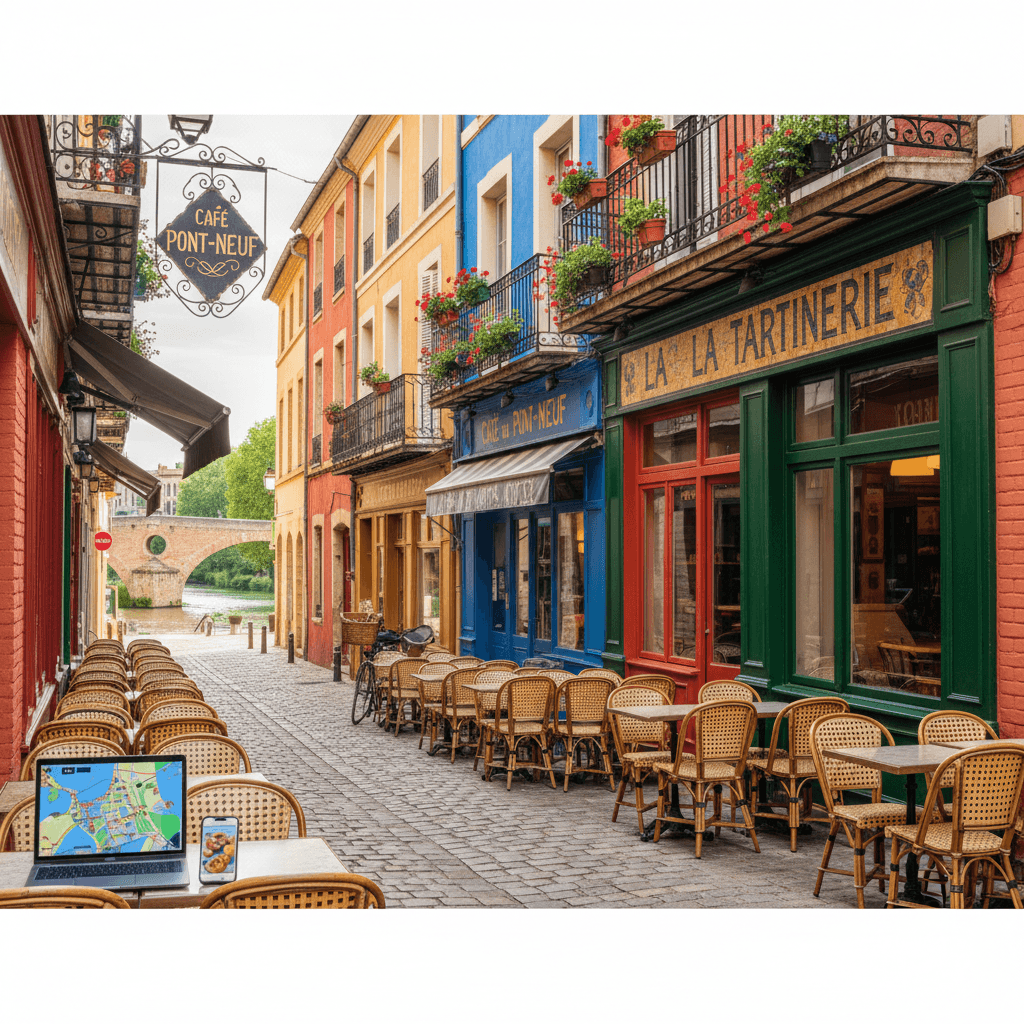
Toulouse
🇫🇷 France
The Pink City Persona
Toulouse earned its nickname, La Ville Rose, from the warm terracotta bricks that glow under the southern French sun. It strikes a balance that's rare in Europe: it is the heart of the continent's aerospace industry, home to Airbus and the European Space Agency, yet it feels like a slow-paced Mediterranean town where lunch breaks are sacred. You'll find rocket scientists and university students sharing the same riverside spots along the Garonne, creating an atmosphere that is high-tech but deeply traditional.
The vibe here is less "hustle culture" and more "intellectual leisure." While Paris is frantic and the Riviera is flashy, Toulouse is grounded. It’s a city where you can spend your morning on a high-speed fiber connection and your afternoon wandering through the Victor Hugo Market, picking up local cheeses and duck confit. Nomads often find the city incredibly walkable and visually stunning, though it lacks the massive, pre-packaged nomad communities you might find in Lisbon or Bali. You have to put in a bit more effort to break the social ice here, but the reward is a more authentic French experience.
The Cost of Living Breakdown
Living in Toulouse is significantly more affordable than Paris, but it isn't exactly a budget destination. Your monthly burn will depend heavily on whether you want to be in the historic center or the quieter outskirts.
- Budget Tier (€1,500 to €2,000/month): This covers a room in a shared apartment (colocation), cooking most meals with occasional street food at €10 a pop, and using the Tisséo public transport network.
- Mid-range Tier (€2,500 to €3,500/month): The sweet spot for most nomads. This includes a private one-bedroom apartment in Capitole or Saint-Cyprien (expect to pay €800 to €1,200 for rent), dining out a few times a week at spots like Le Bibent, and a dedicated desk at a coworking space.
- Comfortable Tier (€4,000+/month): High-end living in a renovated historic flat, frequent fine dining, and weekend trips to the Pyrenees or the coast via rental cars or first-class rail.
Where to Plant Your Flag
Choosing a neighborhood is about balancing proximity to the action with your tolerance for noise. Most nomads gravitate toward these three areas:
Capitole / Centre-Ville
- The Draw: You are in the heart of the history. Everything is walkable, and the architecture is breathtaking.
- The Trade-off: Rents are at a premium, and the streets can get loud on weekends. You'll also encounter more aggressive panhandlers in the main plazas.
Saint-Cyprien
- The Draw: Located across the river, this is the artsy, trendy side of town. It’s slightly cheaper and has a fantastic local market and riverside parks.
- The Trade-off: Some pockets feel a bit gritty, and pedestrian safety can be hit-or-miss with aggressive cyclists.
Compans-Caffarelli
- The Draw: A bit further out but very green. It's close to the business district and universities, making it quieter and more professional.
- The Trade-off: The nightlife is much thinner here, so you'll be heading back to the center for evening drinks.
The Remote Work Reality
Internet speeds in Toulouse are excellent, with high-speed fiber being the standard for most apartments and cafes. If you need a professional environment, Harry Cow is the most famous local spot for nomads, though it can get a bit loud during peak hours. Expect to pay between €250 and €400 per month for a desk. Global chains like Wojo or WeWork are also available for those who prefer a more predictable corporate setup.
For data on the go, skip the expensive roaming. Grab a HolaFly eSIM for unlimited data or use ConnectPls if you need a more robust local setup. While many cafes are laptop-friendly, the French still value the "social" aspect of cafes, so it's polite to keep the laptop tucked away during the busy lunch rush between 12:00 and 2:00 PM.
Safety and Getting Around
Toulouse is generally safe, but like any major city, it has its quirks. The most common complaint from expats involves "aggressive" interactions with motorists or cyclists and persistent panhandling in the Capitole area. It is best to avoid the outer suburb of Reynerie at night. For healthcare, the CHU Toulouse is world-class, and you'll find a pharmacy on nearly every corner for minor issues.
Getting around is a breeze. The Tisséo metro lines A and B cover the main arteries, and a monthly pass costs roughly €50 to €70. For shorter trips, the VélôToulouse bike-share program is ubiquitous and cheap, costing just €1 to €2 to unlock. If you’re arriving from the airport (TLS), the shuttle or Metro Line A will get you to the center in about 20 to 30 minutes for under €10.
The Price of the Pink City
Living in Toulouse offers a sweet spot between the wallet-draining prices of Paris and the extreme affordability of rural France. You get the perks of a major tech hub without the capital city premium. Most nomads find they can live quite well here if they budget correctly, especially since the city is compact enough to save you a fortune on transportation.
For a solo nomad, your monthly burn will likely fall into one of three buckets:
- Budget (€1,500 to €2,000): This covers a room in a shared apartment, plenty of street food from the Victor Hugo Market, and a monthly Tisséo pass for the metro.
- Mid-range (€2,500 to €3,500): This is the sweet spot for most. It gets you a private one-bedroom in a central spot like Saint-Cyprien, a desk at a coworking space like Harry Cow, and regular dinners out.
- Comfortable (€4,000+): You'll be looking at upscale pads in the Capitole area, frequent taxi rides, and high-end dining at spots like Le Bibent.
Housing Costs by Neighborhood
Finding a short-term rental is often the biggest hurdle for freelancers since the local market favors long-term tenants with French contracts. Expats recommend using platforms like Adagio Aparthotel or HomeExchange if you're staying for a month or two. Prices shift significantly depending on which side of the Garonne river you land on.
Capitole and Centre-Ville
- The Vibe: Right in the heart of the action with pink terracotta views.
- Rent: Expect to pay between €800 and €1,200 for a studio or small one-bedroom.
- Pros: Totally walkable; you're steps away from every major market and museum.
- Cons: It's the most expensive area and can get noisy with tourists and late-night revelers.
Saint-Cyprien
- The Vibe: Artsy, trendy, and slightly more relaxed.
- Rent: Usually ranges from €700 to €1,000.
- Pros: Great cafe culture and beautiful canal views for your morning run.
- Cons: Some pockets feel a bit chaotic for pedestrians due to aggressive cyclists.
Compans-Caffarelli
- The Vibe: Professional and green, popular with university staff and families.
- Rent: Generally €600 to €900 for a decent apartment.
- Pros: Quieter nights and easy access to large parks.
- Cons: You'll have to commute a bit further for a serious nightlife scene.
Eating and Drinking
Food is where Toulouse really shines, and it doesn't have to break the bank. You can grab high-quality street food for €5 to €10 if you stick to the local markets. A mid-range three-course meal usually lands between €15 and €25, while a high-end dinner will start around €40 plus wine.
If you're making your own coffee, a latte at a nomad-friendly cafe is about €4. For groceries, shopping at local markets isn't just a cultural experience; it's often cheaper than the smaller city-center supermarkets like Carrefour City.
Workspace and Connectivity
Internet speeds are generally excellent across the city. Most nomads grab a HolaFly eSIM for unlimited data or use ConnectPls if they need a more robust local setup. If you need a dedicated desk, coworking spaces are your best bet, though they can be a significant monthly expense.
- Harry Cow: A favorite for its central location, costing roughly €250 to €400 a month. It gets lively, so bring noise-canceling headphones.
- Wojo or WeWork: These international chains offer more corporate stability for €250 to €500 per month.
- Public Libraries: The Bibliothèque François Mitterrand is a great free alternative if you just need a quiet table for a few hours.
Transportation and Extras
Toulouse is incredibly walkable, but the Tisséo network is there when the rain hits. A monthly pass costs approximately €49, covering the metro, trams, and buses. If you prefer two wheels, the VélôToulouse bike-share program is a steal at roughly €1 to €2 to unlock plus a small per-minute fee.
When you need to get to the airport (TLS), the shuttle is about €8 and takes roughly 25 minutes. For weekend escapes, you're perfectly positioned for day trips to the Pyrenees or the Mediterranean, which are easily accessible via the regional train system for a modest fare.
Capitole and Centre-Ville: Best for Solo Nomads
If you want to be in the middle of the terracotta action, this is your spot. The Capitole district is the heart of the city, where you'll find those famous pink buildings and the massive Place du Capitole. It is incredibly walkable, meaning you can ditch the metro and just wander between cafes and the Victor Hugo Market for your morning espresso and croissant fix.
- Monthly Rent: Expect to pay between €800 and €1,200 for a central studio or one bedroom apartment.
- The Vibe: High energy, historic, and very social. You are steps away from museums and the best street food, which usually runs about €5 to €10.
- The Downside: It is the most touristy part of town. You will deal with higher prices and more aggressive panhandlers than in the quieter residential zones.
Solo travelers usually find this the easiest place to meet people, though the local social scene can feel a bit closed off. Most nomads here head to Harry Cow for coworking; it is a popular spot that costs roughly €250 to €400 a month, though it gets quite loud when the afternoon rush hits. For a more corporate setup, Wojo or WeWork are reliable alternatives in the €250 to €500 range.
Saint-Cyprien: Best for Artsy Expats
Located just across the Garonne river, Saint-Cyprien has a grit and charm that the more polished center lacks. It is the trendy, bohemian alternative where the wine bars are a bit cheaper and the vibe is more local. Expats love the canal views and the proximity to Les Abattoirs, the city's modern art museum.
- Monthly Rent: A bit more affordable than the center, typically €700 to €1,000.
- The Vibe: Creative and relaxed. It feels less like a postcard and more like a neighborhood where people actually live and work.
- The Downside: Some streets can feel a little sketchy for pedestrians late at night, so keep your wits about you after dark.
This area is perfect if you want a local experience without being isolated. You can easily hop on Metro Line A to get back to the center in minutes, or use the VélôToulouse bike shares which cost about €1 to €2 to unlock. It is a great middle ground for those who want to stay close to the action but need a slightly lower cost of living.
Saint-Georges and Compans-Caffarelli: Best for Families
If you are moving with kids or just want a peaceful night's sleep, these areas are the gold standard. Saint-Georges is a bit more upscale and residential, while Compans-Caffarelli is home to the beautiful Jardin Japonais and the business district. Both offer plenty of green space and proximity to international schools.
- Monthly Rent: Large family apartments often start at €1,500 and go up significantly from there.
- The Vibe: Quiet, safe, and professional. You won't find much nightlife here, but the streets are clean and the parks are excellent.
- The Downside: It can feel a bit boring if you are looking for late night energy or a fast paced social life.
Expats in these neighborhoods often rely on the Tisséo network, specifically Metro Line B, to get around. A monthly transport pass is roughly €50 to €70, making it easy to commute to the aerospace hubs or the city center without needing a car. While the nightlife is thin, the quality of life and safety for children makes it the top choice for long term relocations.
Areas to Approach with Caution
While Toulouse is generally safe, nomads and expats recommend staying alert in certain spots. Avoid the outer suburbs like Reynerie, which have a reputation for safety concerns and poor interactions with motorists and cyclists. If you are looking for housing, stick to the central rings to ensure you have reliable internet and easy access to the 112 emergency services if needed. Most travelers find that as long as they stay alert in the main squares and avoid isolated outer districts at night, the city is easy to navigate.
Connectivity and Speed
You won't have to hunt for a signal in Toulouse. France has poured significant investment into its fiber infrastructure, and the city center is blanketed in high speed coverage. Most central apartments and coworking spaces easily clock speeds between 100 Mbps and 500 Mbps. If you're working from a rental, just double check that they've upgraded to fiber, as some older buildings in the historic district might still rely on slower ADSL lines.
For mobile data, skip the hassle of physical SIM cards and grab a Holafly eSIM for unlimited data. If you're planning a longer stay, ConnectPls is a favorite among the nomad community for reliable local coverage. Having a solid data plan is helpful because while public WiFi exists in spots like the Bibliothèque François Mitterrand, it can be finicky during peak student hours.
Top Coworking Spaces
The coworking scene here reflects the city's aerospace identity: it's professional, tech forward, and efficient. Expect to pay between €250 and €500 per month for a dedicated desk, depending on how many perks you need.
- Harry Cow: Located right in the heart of the city near the Capitole, this is the most frequent recommendation for newcomers. It's set in a beautiful renovated space with a friendly atmosphere. Just keep in mind that it can get quite lively, some nomads find it a bit too noisy for deep focus during the afternoon rush. Monthly rates typically hover around €250 to €400.
- Wojo: If you prefer a more corporate, predictable environment, Wojo offers several spots across the city. It's great for those who need professional meeting rooms and ergonomic chairs. You'll likely pay closer to the €500 mark here for full access.
- Spaces: This provider offers a modern, high-end environment with multiple locations in the city. It is a reliable choice for those who need a global standard of service, professional networking opportunities, and well-designed communal areas.
Café Culture and Remote Work
Toulouse is a student city at heart, so there's a healthy tolerance for laptops in cafés, provided you aren't camping out on a single espresso for four hours. The vibe is relaxed, but it's polite to check for "no laptop" signs during the busy lunch service between 12:00 PM and 2:00 PM.
The Saint-Cyprien neighborhood is the best bet for a work from a café afternoon. It's artsy and less touristy than the Capitole, with plenty of spots offering strong WiFi and better prices. You'll find mid range lunch deals here for €15 to €25, making it an affordable alternative to the pricier center.
Living Costs for Nomads
Your budget will largely depend on how close you want to be to the pink terracotta of the center. Toulouse is generally more affordable than Paris or Lyon, but prices are creeping up. Most nomads choose a mid range lifestyle to make the most of the city's food and proximity to the mountains.
Budget Tier
- Total: €1,500 to €2,000 per month
- Housing: Shared apartments or studios in the suburbs (€600 to €900).
- Work: Working from home or public libraries.
- Food: Local markets like Victor Hugo and street food (€5 to €10 per meal).
Mid Range Tier
- Total: €2,500 to €3,500 per month
- Housing: A private 1BR in Saint-Cyprien or Capitole (€800 to €1,200).
- Work: A dedicated desk at a space like Harry Cow.
- Food: Dining out at bistros like Le Bibent and a monthly Tisséo transport pass (€50 to €70).
A Note on Logistics
Finding a traditional long term lease as a freelancer can be a nightmare due to French paperwork requirements. Most nomads stick to Airbnb, HomeExchange, or the Adagio Aparthotel for stays of one to three months. If you're looking to stay longer and want a more formal setup, look into the French Tech Visa or Talent Passport, which are specifically designed to help tech pros and remote workers navigate the residency process.
Stay Sharp in the Pink City
Living in Toulouse generally feels safe and relaxed. Most nomads find the city center, particularly around Capitole and Saint-Cyprien, easy to navigate on foot without much worry. However, the urban experience here has its quirks. You'll likely notice aggressive panhandlers in high traffic areas like the main squares or near the Jean Jaurès metro station. It's best to keep your phone tucked away and maintain a confident pace when passing through these spots.
The local traffic culture can be a bit chaotic for newcomers. Locals often warn about unpredictable behavior from both motorists and cyclists. If you're walking or biking near the Garonne river or through the narrow streets of the old town, keep your eyes open. Pedestrian right-of-way isn't always respected as strictly as you might expect in other European hubs.
While the center is welcoming, certain outer districts have a different reputation. Expats recommend avoiding Reynerie and some of the more isolated northern suburbs, especially after dark. These areas don't offer much for the nomad lifestyle anyway, so you likely won't find yourself there unless you take a wrong turn on the metro.
World-Class Healthcare
France is famous for its medical standards, and Toulouse is no exception. As a major tech and aerospace hub, the city hosts some of the best facilities in the country. The CHU Toulouse (Centre Hospitalier Universitaire) is the primary public hospital system, known for high quality care and modern equipment. You'll find several sites across the city, including Purpan and Rangueil.
If you need a routine check-up or a specialist, most expats use the Doctolib app. It's the gold standard here for booking appointments; you can filter by language to find English-speaking doctors, which is a lifesaver if your French is still at the "Bonjour" stage. Expect to pay around €25 to €30 for a standard GP visit, though specialists will cost more.
- Pharmacies: Look for the glowing green crosses. They're everywhere, and French pharmacists are highly trained. They can often give medical advice for minor ailments or suggest over-the-counter meds so you can skip a doctor visit.
- Emergency Numbers: Dial 112 for general European emergencies or 15 specifically for the SAMU (ambulance service).
- Insurance: Since there isn't a specific nomad visa yet, most remote workers use private providers like SafetyWing or PassportCard until they qualify for the French state system via a Talent Passport or French Tech Visa.
Practical Safety Tips
If you're out enjoying the nightlife in Saint-Cyprien or grabbing a late drink near Place de la Daurade, the usual city rules apply. Stick to well-lit streets and use ride-hailing apps like Uber or Bolt if you're heading back to your apartment late at night. The metro runs until 12:00 AM on weekdays and 3:00 AM on Friday and Saturday nights, which is a budget-friendly way to get home safely.
Petty theft like pickpocketing does happen, particularly in crowded markets like Victor Hugo or during the busy summer festivals. Keep your bag zipped and close to your body. If you do lose something, the main police station (Hôtel de Police) is located in the Embouchure district. Most travelers find the local police professional, though an English speaker may not always be available immediately.
The Tisséo Network
Getting around Toulouse is a breeze thanks to Tisséo, the city's unified transit operator. The system is built around two main metro lines: Line A (the red line) and Line B (the green line). They intersect at Jean Jaurès, which serves as the central hub for the entire city. The metro is fast, clean, and runs until midnight on weekdays or 3:00 AM on Friday and Saturday nights.
For neighborhoods the metro doesn't reach, a spiderweb of bus routes and two tram lines fill the gaps. Most nomads and expats find the monthly pass, which currently costs €48.90, to be the best value. If you're just visiting for a week, you can load individual trips or a 10-trip pass onto a Pastel card or use the Tisséo app on your phone to tap and go.
Two Wheels and Walking
Toulouse is compact and impressively flat, making it a dream for cyclists. The city's bike-share program, VélôToulouse, has stations every few hundred meters in the center. It's incredibly cheap; you'll pay about €1 to €2 to unlock a bike, with the first 30 minutes usually free. Just be mindful of the local traffic culture. While the city is bike-friendly, some travelers mention that motorists and pedestrians can be a bit aggressive, so keep your eyes open when crossing busy intersections.
If you're staying in Capitole or Saint-Cyprien, you'll likely do most of your exploring on foot. You can walk from the pink terracotta heart of the city to the banks of the Garonne in under 15 minutes. It's the best way to soak in the architecture without worrying about metro schedules.
Airport Connections
Getting from Toulouse-Blagnac Airport (TLS) to the city center is straightforward. You have two main options:
- The Airport Shuttle (Navette Aéroport): This bus departs every 20 minutes and costs €8.50, with journey time varying from 20 to 45 minutes depending on traffic.
- Ride-hailing: Uber and Bolt both operate in Toulouse. A ride to the city center typically costs between €25 and €35 depending on the time of day and traffic.
Regional Travel
One of the biggest perks of basing yourself here is the proximity to the rest of Southwest France. The Matabiau train station is the gateway to the region. You can hop on a TER train and be in the medieval city of Carcassonne in an hour, or head south toward the Pyrenees for a weekend of hiking. For longer trips, the TGV high-speed rail connects you to Paris in about 4 hours or Bordeaux in 2 hours.
Practical Transport Tips
- Apps to Download: Get the Tisséo app for real-time bus and metro schedules. Google Maps is generally reliable for walking directions, but the local app is better for service alerts.
- Safety: The metro is safe, but keep an eye on your belongings at Matabiau station and Jean Jaurès, where pickpockets occasionally operate.
- Late Nights: If you miss the last metro, look for the Noctambus. It's a night bus service that runs when the metro is sleeping, specifically catering to the student population and late-night workers.
Getting by in the Pink City
In Toulouse, French is the undisputed king. While the city pulses with the energy of the aerospace industry and a massive student population, it doesn't bend over backwards for English speakers like Paris or the Riviera might. You'll find that most locals are polite but tend to keep to themselves until you make the first move in their native tongue.
Expats working at Airbus or the European Space Agency usually get by with English in professional settings, but your daily life at the Victor Hugo Market or a corner boulangerie will be much smoother if you lead with a cheerful Bonjour. Most nomads find that a little effort goes a long way here; if you jump straight into English without asking Parlez-vous anglais? first, you might be met with a cool reception.
The Social Landscape for Nomads
The social scene in Toulouse can be a bit of a slow burn for solo travelers. Unlike the instant communities you find in Lisbon or Chiang Mai, the nomad scene here is still finding its feet. Many remote workers say that while the city is beautiful and walkable, it can feel a little lonely if you aren't proactive about joining groups.
To break the ice, expats recommend these local touchpoints:
- Toulouse Area English Speaking Forum: A reliable digital hub for practical advice and meetups.
- Facebook Expat Groups: Search for "Expats in Toulouse" to find weekend hiking trips to the Pyrenees or evening drinks in Saint-Cyprien.
- Language Exchanges: Look for "Franglish" events or "Polyglot" nights held in central bars; they're the fastest way to meet locals who actually want to practice their English with you.
Digital Connectivity and Coworking
The internet infrastructure is excellent, as you'd expect from a European tech hub. High speed fiber is the standard in most central apartments in the Capitole or Saint-Georges areas. If you're out and about, the Bibliothèque François Mitterrand is a solid quiet spot, though many nomads prefer the cafe culture in Saint-Cyprien for a more relaxed afternoon of emails.
For a dedicated desk, you have a few reliable options:
- Harry Cow: A popular central spot, though it gets a bit noisy during peak hours. Expect to pay between €250 and €400 per month.
- Wojo or WeWork: These international chains offer more corporate, reliable environments for €250 to €500 a month.
- Mobile Data: Grab a HolaFly eSIM for unlimited data if you're on a short stint, or use ConnectPls if you need a more robust nomad-specific data plan.
Navigating Local Customs
Communication isn't just about words; it's about the pace of life. Toulouse operates on a relaxed, Mediterranean clock. Lunch is a sacred window, often lasting from 12:00 PM to 2:00 PM, and many smaller shops will close during this time. Don't expect quick service or "hustle" culture in the cafes. Embrace the slow speed, use Merci liberally, and keep Google Translate handy for those tricky menu items at the local bistros.
One final tip for your phone: if you're staying long term, setting up an N26 account is the standard move for expats. It makes paying for everything from your VélôToulouse bike subscription to your €50 Tisséo monthly transport pass much easier than trying to use a foreign bank card for every small transaction.
The Seasonal Sweet Spot
Living in Toulouse means embracing a Mediterranean rhythm where the sun is a constant companion for much of the year. Most nomads find that the city truly shines during the shoulder seasons. May and June are arguably the best months to arrive; the pink terracotta buildings glow under a mild sun, and temperatures hover comfortably between 20°C and 25°C. It is the perfect window to work from a cafe terrace in Saint-Cyprien before the summer heat settles in.
September is another favorite for expats. The summer crowds thin out, but the weather remains warm enough for weekend trips to the Pyrenees or the Mediterranean coast. You will get clear skies and low rainfall, making it the prime time for exploring the Victor Hugo Market or cycling along the Garonne without breaking a sweat.
Summer Heat and Winter Chills
July and August bring the heat. Temperatures often climb toward 30°C, and while the city is lively, the humidity can make focused work a bit of a slog if your apartment lacks air conditioning. Many locals head to the coast during this time, so while the vibe is relaxed, some smaller spots might close for their own summer breaks.
Winter in Toulouse is mild compared to Paris or Lyon, but it gets damp. January is usually the toughest month, with temperatures dropping to between 5°C and 10°C. This is the peak of the rainy season, which stretches from October through March. You will see monthly rainfall between 50mm and 80mm, so a good waterproof jacket is a requirement if you are planning to rely on the VélôToulouse bike shares.
A Nomad’s Seasonal Cheat Sheet
- Best for Work-Life Balance: May to June. Long days, pleasant evenings, and the city’s parks are at their best.
- Best for Budgeting: November to February. While the weather is gray, you might find better deals on short-term stays in areas like Capitole or Compans-Caffarelli.
- Best for Adventure: September. The hiking trails in the nearby mountains are still accessible and the water at the southern beaches is still warm.
- Worst Time to Visit: January. It is the coldest and rainiest stretch, which can feel isolating if you are a solo traveler struggling with the city's quieter social scene.
Practical Weather Tips
Toulouse is a walking city, so your footwear matters more than your wardrobe. Even in the rainier months, the city’s compact nature means you are never far from a metro station or a cozy coworking space like Harry Cow. If you are visiting in the spring, pack layers. The temperature can swing significantly between a morning coffee in a chilly breeze and a sunny afternoon beer at a bar in Saint-Georges.
Expats often suggest keeping an eye on the wind. The "Vent d'Autan" is a local southeasterly wind that can be quite strong and occasionally affects the mood of the city. It is a quirky local phenomenon you will quickly learn to recognize after a few weeks in the Pink City.
Making the Move to La Ville Rose
Living in Toulouse feels like a blend of old world charm and futuristic ambition. While the pink terracotta streets give off a relaxed Southern French vibe, the presence of Airbus and the European Space Agency keeps the city's pulse fast and innovative. It is a compact, walkable place where you can grab a croissant in a medieval square before heading to a high tech coworking space.
Most nomads find the city incredibly welcoming for short to medium stays, though solo travelers sometimes report a bit of a social hurdle. The locals are polite but often keep to their established circles. To break the ice, expats recommend joining the Toulouse Area English Speaking Forum or looking for language exchange meetups in the Saint-Cyprien neighborhood.
Cost of Living Breakdown
Toulouse is generally more affordable than Paris or Lyon, but prices are creeping up as its tech reputation grows. Expect your monthly budget to fall into one of these tiers:
- Budget (€1,500 to €2,000): This covers a room in a shared house, plenty of meals from the Victor Hugo Market, and a Tisséo transport pass.
- Mid-range (€2,500 to €3,500): You can afford a private one bedroom apartment in the center, a dedicated desk at a coworking space, and regular dinners at mid range spots like Le Bibent.
- Comfortable (€4,000+): This allows for a premium apartment in Capitole, frequent ride hailing with Uber, and weekend trips to the Pyrenees or the coast.
Where to Set Up Base
Choosing the right neighborhood changes your entire experience. Here is how the main hubs stack up:
Capitole / Centre-Ville
- Rent: €800 to €1,200 for a studio or small one bedroom.
- Vibe: The heart of the city. Everything is walkable, and the architecture is stunning.
- Downside: It gets noisy at night and can feel quite touristy.
Saint-Cyprien
- Rent: €700 to €1,000 for a one bedroom.
- Vibe: Artsy and trendy with great canal views and a younger crowd.
- Downside: Some streets feel a bit chaotic for pedestrians.
Compans-Caffarelli
- Rent: €750 to €1,100.
- Vibe: Quiet, green, and professional. It is close to the university and business hubs.
- Downside: The nightlife is much thinner here than in the center.
Internet and Productive Spaces
The WiFi in Toulouse is generally excellent. If you are working from cafes, most places around the university districts are nomad friendly, though they might expect you to order a fresh coffee every few hours. For a more stable setup, Harry Cow is a popular local favorite, though it can get loud during the afternoon rush. Monthly memberships there or at Wojo typically run between €250 and €400.
For data, don't rely on finding open hotspots. Grab a local SIM through ConnectPls or set up an HolaFly eSIM before you land for unlimited data. If you are staying long term, an N26 account is the easiest way to handle local payments without the headache of traditional French banking bureaucracy.
Getting Around and Staying Safe
You probably won't need a car. The Tisséo network is fantastic, with Metro lines A and B covering the main arteries. A monthly pass costs €52.50. For quick trips, the VélôToulouse bike share is everywhere; it costs about €1 to unlock and a few cents per minute after that.
Safety is standard for a large European city. Stick to the well lit central areas and avoid the outer suburbs like Reynerie at night. Travelers often mention being bothered by aggressive panhandlers in the main squares, so just keep your wits about you. If you have a medical emergency, dial 15 for an ambulance or 112 for general help. The CHU Toulouse hospital system is world class, so you are in good hands.
The Fine Print
France doesn't have a specific digital nomad visa for 2026, but freelancers often use the French Tech Visa or the Talent Passport if they meet the income and skill requirements. When you arrive, remember that a simple "Bonjour" goes a long way. It is the gatekeeper phrase for any social interaction here. If you ignore it, you might find service a bit chilly.
Need visa and immigration info for France?
🇫🇷 View France Country GuideEasy Landing
Settle in, no stress
Monthly Budget Estimates
More cities in France
Rennes
🇫🇷 France
Nice
🇫🇷 France
Bordeaux
🇫🇷 France