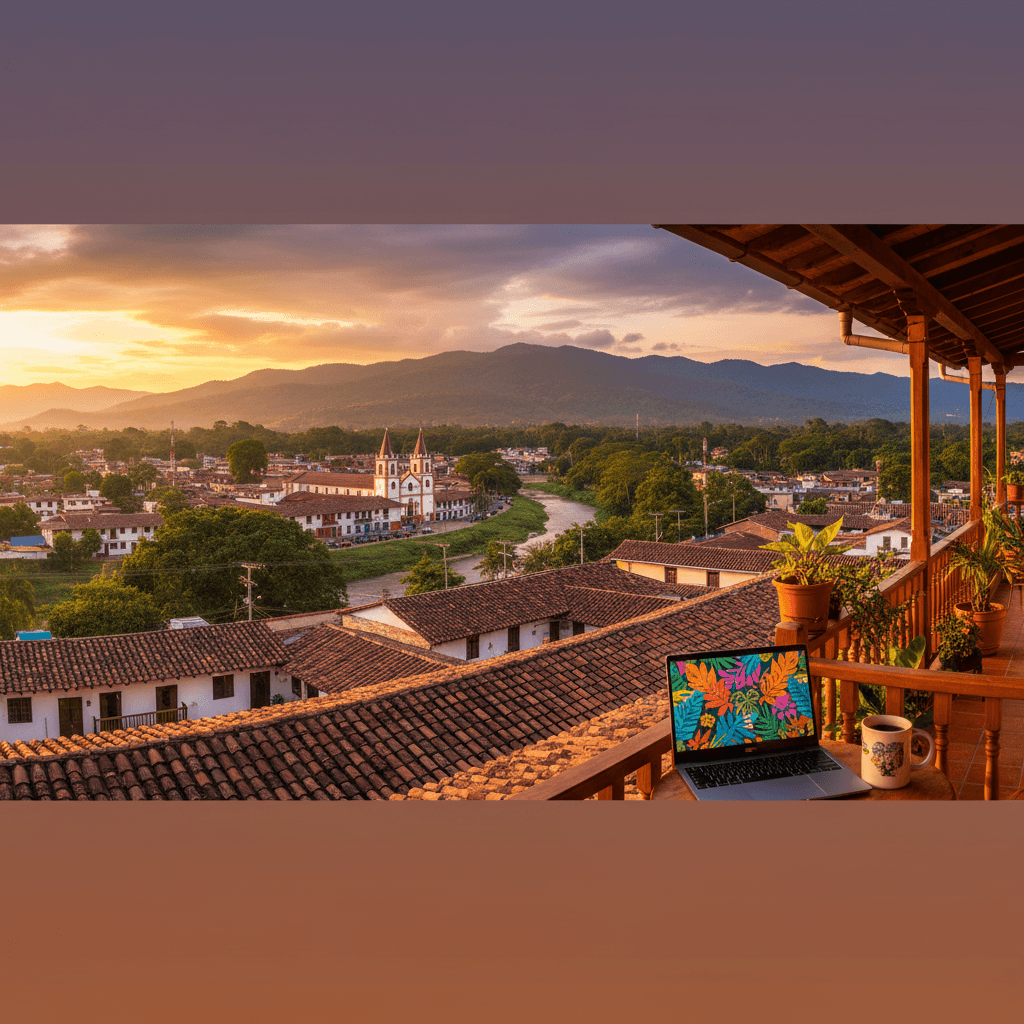
Tarapoto
🇵🇪 Peru
The Jungle Immersion
Tarapoto is where you go when you’ve had your fill of Lima’s gray skies and Cusco’s thin mountain air. Located in the high jungle of northern Peru, it feels less like a city and more like a gateway to the wild. It isn’t a polished nomad hub with avocado toast on every corner; instead, it’s a place defined by the smell of damp earth after a tropical downpour and the constant hum of mototaxis. It’s authentic, slightly gritty, and undeniably lush.
The vibe here is fiercely local. You won’t find the "backpacker bubble" typical of South American circuit stops. Instead, you’ll find yourself eating fresh mangoes at the market alongside residents or cooling off in a waterfall after a morning of deep work. It’s a destination for the outdoorsy nomad who values nature over nightlife and prefers a quiet bungalow to a high rise apartment.
The Daily Grind and Cost of Living
Living here is incredibly easy on the wallet, ranking as one of the most affordable spots in Peru. Most nomads can live comfortably on $1,200 to $1,500 a month, while those on a budget can easily get by on $900 or less. The trade off for these low prices is a lack of traditional Western comforts. You won't find a WeWork here, but the community center of gravity is Casa Bosque, a coworking space that provides the reliable infrastructure needed to actually get things done.
- Rent: A basic apartment or a jungle bungalow typically costs around $400 per month.
- Food: Local lunch menus (menú del día) are a steal at $2 to $3, featuring Amazonian staples like tacacho and cecina.
- Transport: Mototaxis are the lifeblood of the town, with most rides costing between $0.50 and $1.
Where to Plant Your Flag
Tarapoto doesn't have the distinct neighborhood identities of a major metropolis. It functions as a compact core surrounded by green fringes. Most solo travelers and digital nomads stick to Central Tarapoto. It’s walkable and puts you within reach of the markets and the few laptop friendly cafes that exist. You’ll be sacrificing peace for convenience, as the central streets can be noisy with traffic.
If you have a bit more budget and want the true Amazonian experience, look toward the Outskirts or areas near Laguna Azul. This is where you’ll find the beautiful bungalows and eco lodges. It’s perfect for families or those who don't mind a commute in exchange for waking up to birdsong. Just keep in mind that internet out here is hit or miss; expats recommend specifically looking for stays that have installed Starlink to avoid connection headaches.
Connectivity and Logistics
The internet situation is "workable" rather than "lightning fast." While some spots in town offer decent fiber, it’s nowhere near the 200 Mbps you’d find in Miraflores. Always ask your host for a speed test screenshot before booking. For a backup, grab a local Claro or Entel SIM card at the airport, or set up an eSIM via Holafly before you land.
Navigating the city is straightforward. There are no ride hailing apps like Uber; you simply flag down a mototaxi. For longer trips to the waterfalls or the lagoon, you can rent a scooter or hire a driver for the day. While the city feels safe compared to the more chaotic parts of Lima, it’s still the jungle. Travelers suggest carrying SafetyWing or similar insurance, especially if you plan on hiking or swimming in remote areas.
The Social Scene
Don't expect a curated social calendar. The nomad scene is small and organic. You’re more likely to meet people at Casa Bosque or while grabbing a coffee at a local market than at a scheduled meetup. Language is a factor here; English proficiency is low, so knowing basic Spanish is a massive advantage for everything from negotiating rent to ordering your jungle juice. It’s a place for the independent soul who doesn't mind a bit of solitude and a lot of adventure.
The Price of Jungle Life
Tarapoto is easily one of the most affordable corners of Peru for remote workers. While Lima and Cusco have seen prices climb, this jungle outpost remains a place where your budget stretches incredibly far. You aren't paying for polished infrastructure here; you're paying for a lifestyle where fresh papaya is cheaper than bottled water and your biggest expense is likely the Starlink connection you'll need for Zoom calls.
Most solo nomads find they can live a very comfortable life on $1,200 to $1,500 per month. This "comfortable" tier usually includes a modern bungalow with reliable internet, frequent dining out, and weekend trips to Laguna Azul. If you're willing to live like a local in a simple apartment and eat at the markets, you can easily get by on $900 or less.
Monthly Budget Breakdown
- Budget Tier: $900. Best for those who prioritize immersion. You'll stay in a basic studio in the town center and stick to the $2 lunch menus.
- Mid-Range Tier: $1,000 to $1,200. This covers a nicer jungle bungalow on the outskirts and daily mototaxi rides.
- Comfortable Tier: $1,200 to $1,500. This is the sweet spot for nomads. It covers a high end stay with Starlink, plenty of Amazonian craft beer, and private tours to remote waterfalls.
Housing and Utilities
Rent is the biggest variable. A standard apartment in the town core will run you about $400 a month. These places are often basic, so don't expect central air conditioning or soundproofing. Expats often recommend looking for "quintas" or small gated complexes that offer a bit more security and green space.
If you want the true Tarapoto experience, look for bungalows on the edge of town. These often feel like private resorts but come with the "jungle tax" of spotty cell service. Always ask a host for a speed test screenshot before booking. While fiber is slowly rolling out, many nomads rely on Casa Bosque for a guaranteed connection when their home WiFi fails.
Food and Dining
Eating in Tarapoto is a highlight for anyone who loves tropical flavors. Local markets are packed with exotic fruits you've probably never seen before, and they cost pennies. For a midday meal, look for signs saying "Menu." For $2 to $3, you'll get a starter soup, a main dish like Juane (seasoned rice and chicken wrapped in bijao leaves), and a fruit drink.
Mid-range dining is affordable too. Even at the nicer spots in town, a dinner for two rarely exceeds $25. There isn't much of a Western food scene here, so you'll be leaning heavily on Peruvian staples. If you're cooking at home, your grocery bill will be remarkably low if you stick to local produce rather than imported snacks.
Getting Around
You won't find Uber or Cabify here. The city runs on mototaxis, those three-wheeled covered motorcycles that buzz through the streets. A typical ride across town costs between $0.50 and $1. It's a loud and windy way to travel, but it's incredibly efficient. For longer trips to the airport or nearby nature spots, expect to pay around $5 to $10. Many travelers eventually rent a scooter or bike to explore the trails on their own terms, though prices for these are usually negotiated on the spot.
Practical Costs
- Local SIM Card: $10 to $15 for a month of data with Claro or Entel.
- Coworking: Casa Bosque is the go-to spot, offering daily and weekly rates that are much lower than Lima prices.
- Gym Membership: Local gyms are basic and usually cost around $20 to $30 per month.
- Laundry: Most nomads use "lavanderias" that charge by the kilo, usually costing about $5 for a large week's worth of clothes.
For Digital Nomads
The town core of Central Tarapoto is where you'll want to plant your flag. It is the only part of the city that feels truly walkable and provides the infrastructure needed to actually get work done. Most nomads gravitate here because it's the heartbeat of the local market scene and home to the city's main coworking hub, Casa Bosque. It is a no frills experience, but the proximity to fresh fruit stalls and cheap lunch spots makes it a practical home base.
- Rent: Around $400 for a basic apartment or studio.
- Internet: Variable; look for places explicitly advertising Starlink to avoid mid-meeting dropouts.
- Vibe: Authentic Peruvian immersion mixed with a small, growing community of remote workers.
The downside to the center is the noise and the basic nature of the builds. You won't find the luxury high rises of Lima here. Instead, you get a front row seat to the mototaxi symphony and local life. It's the best spot for networking, as you're likely to run into the few other expats in town at the local cafes or the central plaza.
For Expats and Long-Term Residents
If you're planning to stay for a few months or a year, look toward the outskirts and jungle edges. These areas offer a significant step up in peace and quiet compared to the frantic energy of the town center. Expats often prefer the residential pockets that lead out toward the waterfalls and rivers, where you can find larger bungalows with actual garden space.
- Rent: $500 to $700 for a more spacious jungle bungalow.
- Transportation: You'll rely heavily on mototaxis, which usually cost between $0.50 and $1 per ride into town.
- Lifestyle: Closer to nature, quieter nights, and better air quality.
Living on the edge of town means you're trading convenience for tranquility. You'll need to be more self sufficient with your grocery runs and definitely verify your connectivity. Many long term residents install their own satellite internet to bypass the local grid's limitations. It is the ideal choice if you want the Amazonian dream without being completely off the map.
For Families
Families usually find their rhythm in the quieter, greener zones near the road to Laguna Azul or the outskirts of the Banda de Shilcayo district. These areas are less congested and offer more safety for kids to move around compared to the high traffic center. While Tarapoto doesn't have a massive expat family scene yet, the low cost of living allows families to afford larger properties that would be priced out in other Peruvian cities.
- Housing: Larger multi room houses are available for $800 to $1,000.
- Activities: Easy access to weekend swimming spots and hiking trails.
- Cons: Schools and specialized healthcare are concentrated in the center, so expect a daily commute.
The lifestyle here is very outdoor centric. Families who enjoy weekend trips to the lagoon or exploring the nearby chocolate farms will find plenty to do. Just keep in mind that English proficiency is quite low, so your kids will likely pick up Spanish at lightning speed through local immersion.
For Solo Travelers
If you're passing through or staying solo for a few weeks, stick to the streets immediately surrounding the Plaza de Armas. This is the safest and most social part of the city for someone on their own. You're within walking distance of the most reliable pharmacies, banks, and the best selection of $2 to $3 set lunch menus.
- Stay: Local guesthouses or hostels near the center.
- Social: Best chance to meet locals and other travelers at the markets.
- Safety: High visibility and plenty of foot traffic even after dark.
Solo travelers often use the center as a launching pad for day trips. Since there aren't ride hailing apps like Uber, being in the center makes it much easier to negotiate with mototaxi drivers for trips to the Ahuashiyacu waterfall or other nearby nature sites. It's the most efficient way to see the region without needing your own wheels or a complex logistics plan.
Connectivity in the Jungle
Working from the Amazon usually implies a trade off between scenery and stability, but Tarapoto manages a decent middle ground. You won't find the blistering 200 Mbps fiber speeds common in Lima's Miraflores district, but the "solid enough" infrastructure here handles standard Zoom calls and heavy emails without much fuss. Most nomads find that while the local grid is improving, it still has its quirks; heavy tropical downpours can occasionally interfere with local signals.
The real game changer for the region has been the rollout of Starlink. Many forward thinking Airbnb hosts and boutique hotels near the outskirts now offer satellite internet to bypass the town's older wiring. Before you book a bungalow for a month, always ask the host for a fresh speed test screenshot. If you're relying on local DSL, expect speeds to hover around 10 to 30 Mbps, which is plenty for most tasks but might struggle with 4K video editing or massive file uploads.
Coworking Spaces
Tarapoto isn't a massive nomad hub yet, so don't expect the polished, corporate feel of a WeWork or Comunal. The scene here is intimate and community focused. Currently, the primary spot for productive work is Casa Bosque. It's a low key setup that caters specifically to the remote work crowd, offering a reliable connection and a tropical atmosphere that beats sitting in a dark hotel room.
- Casa Bosque: This is the go to hub in Central Tarapoto. It provides a dedicated workspace with better than average WiFi and a chance to meet the small but growing expat community. While daily and monthly rates are flexible and affordable, they don't typically publish a static price list, so it's best to message them directly upon arrival.
- Laptop Friendly Cafes: You'll find a handful of spots in the town center where you can camp out for an hour or two. While the "cafe culture" is still evolving, many nomads gravitate toward local spots near the main plaza. Just keep in mind that air conditioning is a luxury here; most cafes are open air to catch the breeze.
Mobile Data and Backups
A local SIM card is a non negotiable backup for your hotspot. Claro and Entel are the two heavy hitters in Peru and generally offer the most reliable coverage in the San Martin region. You can pick these up at the airport or at various small kiosks in the center of town for just a few dollars.
- eSIM Options: If you want to hit the ground running, apps like Holafly work well for immediate data, though they are usually more expensive than a local physical SIM.
- Coverage: Signal is strong in the town core but drops off quickly once you head toward the waterfalls or deeper into the jungle. If you're staying near Laguna Azul, don't count on your phone's data plan to save you during a meeting.
Practical Tips for Remote Workers
Power surges and outages can happen during the rainy season from December to March. It's a smart move to keep your laptop and power bank fully charged at all times. If you're planning a long term stay, look for rentals in the Central Tarapoto area to stay close to the strongest infrastructure. While the jungle bungalows on the outskirts are dreamier, they often require a dedicated satellite setup to be truly viable for a 40 hour work week.
Most travelers recommend using Wise or Revolut for your finances, as they offer better exchange rates when paying for your coworking membership or upgraded internet. Keep some cash on hand for the smaller cafes, as many local businesses haven't made the jump to card readers yet.
Staying Safe in the Jungle
Tarapoto is generally much more relaxed than Lima or Cusco. You won't find the same level of aggressive street crime here, but that doesn't mean you should let your guard down. Most nomads feel comfortable walking around the town core during the day, though it's smart to stick to well lit areas once the sun sets. The vibe is local and low key, so you'll stand out less if you keep your expensive tech tucked away in your bag rather than out on the table at a sidewalk cafe.
The real risks in this part of Peru are often environmental rather than criminal. If you're heading out to Laguna Azul or hiking to waterfalls like Ahuashiyacu, the terrain can be slippery and unpredictable. Local travelers often suggest hiring a guide for deeper jungle treks, not just for navigation, but to handle any wildlife encounters or sudden weather shifts. If you're renting a scooter or taking a mototaxi, keep in mind that traffic rules are more like suggestions. Mototaxis are the standard way to get around for about $0.50 to $1, but they offer zero protection in a fender bender.
In case of an emergency, the national police can be reached by dialing 105. However, don't expect English speaking dispatchers. It's a good idea to have a local SIM from Claro or Entel so you can use translation apps or GPS if you get turned around in the outskirts.
Healthcare Essentials
Healthcare in Tarapoto is basic. You'll find plenty of local pharmacies (boticas) in the center that can handle minor ailments like stomach bugs or skin rashes, which are common for newcomers adjusting to the tropical humidity. For anything more serious than a flu or a small cut, the local hospitals may not meet the standards you're used to in North America or Europe.
Expats and long term nomads generally follow a simple rule: if it's a major medical issue, get to Lima. The capital has world class private clinics that Tarapoto simply cannot match. Because of this, having robust travel insurance is non negotiable. Most nomads use SafetyWing because it specifically covers jungle activities and provides the paperwork needed for the Peruvian digital nomad visa.
- Vaccinations: Check with a travel clinic before arriving. While not always mandatory, many travelers opt for Yellow Fever and Hepatitis shots given the Amazonian setting.
- Water Safety: Never drink the tap water. Stick to bottled water or high quality filters to avoid parasites.
- Mosquitoes: Dengue is a reality in the Peruvian jungle. Use repellent liberally, especially during the rainy season from December to March.
Insurance and Logistics
When booking your stay, especially if you're looking at bungalows on the jungle edges, ask your host about their proximity to medical clinics. If you're planning to stay for several months on the 365 day digital nomad visa, you'll need to prove you have health coverage that works within Peru. Make sure your policy includes medical evacuation; a flight from Tarapoto to Lima in a medical emergency is expensive and difficult to organize on your own.
Carry a small first aid kit when you head out on day trips. Basic supplies like antiseptic wipes, rehydration salts, and blister pads go a long way when you're an hour away from the nearest shop. Most nomads find that as long as they respect the heat and stay hydrated, their biggest health challenge is simply the occasional "Amazon belly" from trying too many exotic fruits at the local market.
Navigating the City and the Jungle
In Tarapoto, transportation is less about sophisticated apps and more about raising your hand for a three wheeled adventure. The city lacks the ride hailing infrastructure of Lima, but you won't miss it once you see how efficiently the local system moves. It's a loud, windy, and surprisingly fun way to get around a tropical hub.
The Mototaxi Life
The mototaxi is the undisputed king of the road here. These covered rickshaws are everywhere, and you'll rarely wait more than thirty seconds to flag one down. They're perfect for the humid climate because they provide a constant breeze while shielding you from the sudden Amazonian downpours.
- Short hops: Most rides within the city center cost between $0.50 and $1.
- Airport runs: A trip from Aeropuerto Cadete FAP Guillermo del Castillo Paredes to the town core usually runs between $5 and $10 depending on your luggage and haggling skills.
- Etiquette: Always agree on the price before you hop in. Most drivers don't carry much change, so keeping small soles coins on you is a smart move.
Walking the Core
If you're staying near the center or around the Casa Bosque coworking area, you'll find the town remarkably walkable. The streets are compact, and most of your daily needs, from the local markets to the pharmacy, are within a ten minute radius. Just be prepared for the heat; nomads usually do their walking early in the morning or after the sun starts to dip, as the midday humidity can be intense.
Reaching the Outskirts
When you want to trade the city noise for the quiet of the jungle, you have a few specialized options. For popular spots like Laguna Azul or the nearby waterfalls, you can either hire a mototaxi for a longer haul or look for a "colectivo" (shared taxi) at the local terminals. These are fixed route cars that wait to fill up before heading to specific nearby towns.
Two Wheeled Rentals
For those who want more autonomy, you'll find scooter and bike rentals near the nature trailheads and some of the more nomad focused hostels. Expect to pay a bit of a premium for a daily rental compared to the cost of mototaxis, but it's the best way to explore the jungle edges at your own pace. Just keep an eye on the weather; those dirt roads turn into mud slides quickly during the rainy season from December to March.
Practical Transit Tips
Since there's no Uber or Cabify to rely on, your phone is mostly for navigation. Most travelers recommend downloading an offline version of Google Maps or using a local SIM from Claro or Entel to keep your bearings. If you're heading deep into the jungle for a hike, don't count on catching a ride back easily; it's common practice to arrange a pickup time with your mototaxi driver or pay them a little extra to wait for you while you swim.
The Linguistic Landscape
In Tarapoto, Spanish isn't just the official language; it's the heartbeat of daily life. Unlike the tourist corridors of Cusco or the high-rise districts of Lima, English proficiency here remains very low. You'll find a few staff members at Casa Bosque or higher-end hotels who can pivot to English, but once you step into the local markets or hop on a mototaxi, you're firmly in a Spanish-only zone.
The local dialect is flavored by the jungle. You might hear subtle influences from indigenous Quechua or Ashaninka languages, though these are more common in remote tribal communities than the town center. Locals are generally patient with learners, but they won't automatically switch to English to help you out. If you're planning a stay longer than a week, brushing up on your basics is the best way to move from being a tourist to a resident.
Survival Phrases and Local Slang
You don't need to be fluent to get by, but you should have a handle on the essentials. Most interactions start with a friendly greeting, and skipping that can come off as rude. Here are the phrases nomads use most often:
- ¿Cuánto cuesta? (How much does it cost?): Use this for everything from street food to mototaxis.
- La cuenta, por favor (The bill, please): Standard for finishing up your $3 lunch menu.
- ¿Hay WiFi? (Is there WiFi?): Still a vital question in a town where connectivity varies.
- ¿Dónde está el baño? (Where is the bathroom?): Self-explanatory but vital.
- Todo bien (Everything’s good): The standard response to most casual check-ins.
Digital Tools for the Jungle
Since data can be spotty when you head toward Laguna Azul or deeper into the trees, don't rely on live translation apps. Download the offline Spanish dictionary on Google Translate before you leave your apartment. It's a lifesaver for deciphering menus featuring Amazonian fish or fruits you've never heard of before.
For staying connected, travelers recommend getting a local SIM from Claro or Entel at the airport or in the town center. If you want to skip the physical card, Holafly offers eSIMs that work well in Peru, though they can be pricier than local rates. Having a data plan is your safety net for using translation tools on the fly.
Communication Tips for Nomads
Communication in Tarapoto is often more about gestures and patience than perfect grammar. When hiring a mototaxi, it's common practice to agree on the price before you get in. Usually, a ride across town is about $0.50 to $1, and a simple "cinco soles" or "dos soles" is all you need to say to negotiate.
Expats frequently mention that showing a little effort goes a long way. Even a clumsy "gracias" or "buenos días" opens doors and earns you better service. If you're struggling with a specific word, don't be afraid to use photos on your phone; it's often the fastest way to communicate exactly what you're looking for at the hardware store or the pharmacy.
Embrace the Humidity
Tarapoto sits in the high jungle, which means you're trading the coastal fog of Lima for a tropical climate that stays warm year round. Temperatures generally hover between 25°C and 32°C (77°F to 90°F). It’s the kind of heat that makes you appreciate the city's many waterfalls and the cool waters of Laguna Azul, located approximately 50 km south of Tarapoto. Expect high humidity regardless of the month; your hair will have a life of its own here, and you'll want to prioritize accommodation with good ventilation or AC if you aren't used to the tropics.
The Drier Window: May to October
Most nomads and outdoor enthusiasts aim for the window between May and October. This is technically the dry season, though "dry" is a relative term in the Amazon. While you'll still see the occasional downpour, they're usually short lived and followed by sunshine. This is the best time for hiking the jungle trails or taking a mototaxi out to the Ahuashiyacu waterfall without worrying about mudslides or washed out paths. The trails are firmer, the mosquitoes are slightly less aggressive, and the river levels are perfect for swimming.
The Rainy Season: December to March
If you're planning to visit between December and March, prepare for the skies to open up. The rainy season brings heavy, dramatic downpours that can last for hours. While the jungle turns an incredible, electric shade of green, the infrastructure can struggle. Flooding is a real possibility in certain areas, and unpaved roads near the outskirts become a messy challenge for mototaxis. Travelers often say that while the city stays open, your plans for jungle trekking might get sidelined by the weather. On the plus side, the waterfalls are at their most powerful and impressive during these months.
The Shoulder Months
April and November act as the transition periods. You might get lucky with a week of perfect sunshine, or you might spend three days watching the rain from a cafe like Casa Bosque. These months are great for budget travelers who want to avoid the peak season crowds, though Tarapoto is rarely "crowded" by international standards. Prices for jungle bungalows often dip during these times, making it easier to snag a deal on a long term stay.
What to Pack
- Lightweight fabrics: Think linen or moisture wicking tech gear. Heavy denim is your enemy in 90% humidity.
- Rain gear: A high quality, breathable rain shell is better than an umbrella, which won't do much against a sideways Amazonian storm.
- Dry bags: If you're carrying a laptop to work from different spots, a waterproof bag is non negotiable for those sudden afternoon showers.
- Insect repellent: Essential for the jungle outskirts, especially during the transition into the rainy season.
The Verdict
For the best balance of reliable travel conditions and outdoor access, book your stay for July or August. You’ll get the most consistent weather for exploring the lagoons and rivers. If you don't mind the occasional power outage or getting stuck in a cafe while the rain drums on the roof, the rainy season offers a much more solitary, authentic experience at a lower price point.
Connectivity and Workspace
Internet in the jungle has historically been a gamble, but the arrival of Starlink has changed the game for remote workers in Tarapoto. While standard fiber in town can reach 200 Mbps, it's prone to flickering during heavy tropical storms. Most nomads now insist on seeing a speed test screenshot before booking an Airbnb. If you're working on high stakes video calls, look for stays that specifically advertise satellite internet.
For a dedicated work environment, Casa Bosque is the go-to hub. It's one of the few places in town that truly understands the nomad workflow, providing reliable power and a community of like-minded travelers. Beyond that, the cafe culture is still waking up. You'll find a few laptop-friendly spots near the center, but don't expect the endless rows of specialty coffee shops you'd see in Lima.
- Local SIMs: Grab a card from Claro or Entel at the airport or in the town center.
- Backup: Keep an eSIM like Holafly active as a secondary data source for when the local grid dips.
Budgeting for the Jungle
Tarapoto is easily one of the most affordable corners of Peru. You can live comfortably here for $1,200 to $1,500 a month if you want a high end bungalow and frequent dinners out. If you're on a tighter budget, $900 covers a basic apartment and plenty of local market meals.
Eating like a local is the best way to save. A standard "menu" lunch at a neighborhood spot typically costs between $2 and $3. This usually includes a soup, a main dish often featuring cecina (smoked pork) or tacacho (mashed plantains), and a fruit drink. Tropical fruits are incredibly cheap at the local markets, so stock up on passion fruit and mangoes for your morning smoothies.
Getting Around
The city center is compact and easy to navigate on foot, but for anything further than a few blocks, you'll be using mototaxis. These three wheeled rickshaws are the lifeblood of Tarapoto. A ride across town usually costs between $0.50 and $1. There aren't any major ride hailing apps like Uber here, so you'll need to flag them down the old fashioned way.
When you head out to Laguna Azul or the nearby waterfalls, expect to pay a bit more for a dedicated driver or hop on a local bus. For the adventurous, scooter rentals are available if you want to explore the jungle trails on your own schedule, though the roads can get muddy and unpredictable during the rainy season.
Health and Safety
Tarapoto feels much safer than the grit of Lima, but the jungle environment brings its own set of rules. Most travelers find the town relaxed, though it's still smart to stick to well lit areas at night. The biggest risks are usually related to nature rather than crime. Make sure your health insurance, like SafetyWing, covers "adventure" activities if you plan on hiking to remote falls or swimming in the lagoons.
Healthcare in town is sufficient for minor ailments and pharmacies are everywhere. However, for anything serious, you'll likely need to fly to Lima. Keep 105 programmed into your phone for the national police, and always carry some cash, as many jungle outposts won't have working card readers.
Language and Culture
English proficiency is quite low here. While the staff at Casa Bosque or higher end hotels might speak some, you'll need basic Spanish for markets, mototaxis, and daily life. It's a great place to immerse yourself and practice. The locals are generally patient, especially if you're making an effort to learn about their Amazonian traditions and indigenous Quechua influences.
- Visa: Peru's 365 day digital nomad visa is the best long term play, though many still enter on tourist permits.
- Banking: Use Wise or Revolut for better exchange rates, but always keep a stash of Soles for the mototaxis.
- Tipping: Modest tipping is appreciated but not mandatory in local spots; 10 percent is plenty at nicer restaurants.
Need visa and immigration info for Peru?
🇵🇪 View Peru Country GuideOff the Radar
Pioneer territory