Tandil
🇦🇷 Argentina
The Sierras Meet the Silicon Valley of the South
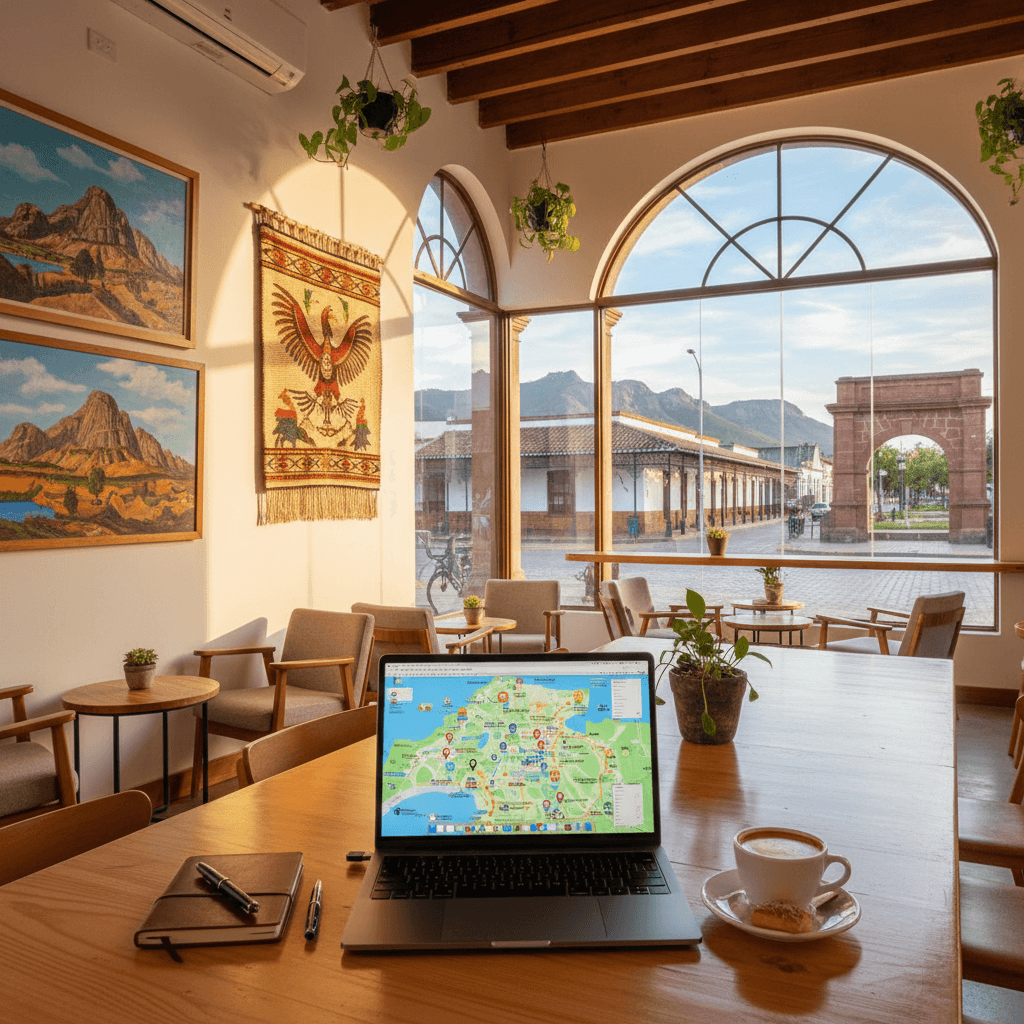
While Buenos Aires draws the crowds with its European architecture and late night tango, Tandil offers a completely different rhythm. Located about 310 kilometers south of the capital, this city of around 152,000 people feels like a well kept secret among Argentine professionals. It is famous for two things that rarely go together: ancient, wind-swept granite hills and a booming software industry. This creates a vibe that is part rugged outdoor playground and part intellectual hub.
Nomads often describe Tandil as the perfect middle ground. You get the reliability of a city that produces world-class tech talent, but you can be hiking up a mountain trail within 15 minutes of closing your laptop. The air is crisp, the streets are lined with low-rise stone buildings, and there is a distinct lack of the frantic energy found in the Federal Capital. It is a place where people still take their afternoon siesta, yet the coffee shops are filled with developers working on international projects.
A Culture of Quality Over Speed
Life here centers around the Monte Calvario and the Parque Independencia, but the real soul of the city is found in its "picadas." Tandil is the undisputed capital of artisanal salami and cheese in Argentina. You will quickly find that social life revolves around long, slow lunches of Salame de Tandil and local Banquete cheese. It is a town that values craftsmanship, whether that is in a line of code or a cured meat.
The emotional experience of living here is one of groundedness. You aren't constantly fighting traffic or noise. Instead, you're looking out at the oldest mountains on the planet while enjoying some of the most stable infrastructure in the province. Local expats often mention that the city feels incredibly safe, even by small-town standards, which allows for a relaxed lifestyle where you can walk home after a late dinner without a second thought.
The Nomad Reality
Tandil earned the nickname "Silicon Valley of the South" because of its strong university presence and the sheer number of tech firms based here. For a nomad, this means the city actually understands your needs. You aren't just a tourist; you are part of a demographic the local economy is built around. Most visitors find that the internet reliability here often rivals or beats what they find in Palermo or Recoleta.
- The Pace: Slow and deliberate. Expect businesses to close between 1:00 PM and 4:30 PM.
- The Landscape: Rolling hills (sierras) that offer world-class trekking, mountain biking, and paragliding.
- The Community: A mix of university students, tech entrepreneurs, and traditional farming families.
- The Cost: Generally 20% to 30% cheaper than Buenos Aires for rent and dining.
If you are looking for a party-centric lifestyle, you will likely find Tandil too quiet. But if you want a base where you can actually get work done, breathe clean air, and eat some of the best food in South America, it hits the mark. It is a destination for the "slow nomad" who prefers a weekend at the Lago del Fuerte over a night at a crowded nightclub.
The city has a way of slowing your heart rate. You'll find yourself adopting the local habit of carrying a mate kit to the park at sunset, watching the light hit the granite rocks, and realizing that the frantic pace of the digital world feels very far away. It is this balance of high-tech capability and old-world tranquility that makes Tandil stand out in the crowded landscape of Argentine destinations.
The Peso Factor
Living in Tandil is significantly more affordable than Buenos Aires, though you have to keep an eye on the local economy. Argentina uses a dual exchange rate system, so your budget depends entirely on whether you are using the official rate or the "Blue Dollar" rate. Most nomads bring USD cash to exchange at local casas de cambio or use Western Union to get the best value for their money. If you play your cards right, you can live a very high quality life here for a fraction of what you would spend in North America or Europe.
For a single person living a comfortable nomad lifestyle, including a nice apartment, eating out frequently, and weekend excursions, a monthly budget of $800 to $1,200 USD is the sweet spot. You can certainly get by on $600 USD if you cook at home and choose a modest studio, while $1,800 USD puts you in a luxury villa with a pool in the hills.
Housing and Neighborhoods
Rent is your biggest variable. Tandil is popular with domestic tourists, so prices can spike during the summer months of January and February. Short term rentals through Airbnb or local real estate agents (inmobiliarias) are common, but you will get much better deals if you negotiate a monthly rate in person.
- City Center (Centro): This is where the action is. You are close to cafes and the main plaza. A modern one bedroom apartment here typically runs between $350 and $500 USD per month.
- El Cerrito: A bit more residential and quiet, offering great views. Expect to pay $400 to $600 USD for a house or a high end apartment.
- Don Bosco / Golf Area: This is the upscale part of town near the hills. Large houses with gardens can go for $700 to $1,000 USD or more, but it is perfect if you want peace and nature.
Food and Dining
Tandil is the salami and cheese capital of Argentina, so your grocery bill will likely be filled with local artisanal products. Eating out is a way of life here, and it is surprisingly cheap compared to international standards. A massive "picada" (a platter of meats and cheeses) for two people usually costs around $15 to $20 USD at a local spot like Epoca de Quesos.
- Daily Menu (Menú del Día): Many local restaurants offer a fixed price lunch for $6 to $8 USD.
- Dinner at a Parrilla: A high quality steak dinner with a bottle of Malbec will set you back about $18 to $25 USD.
- Monthly Groceries: If you shop at supermarkets like Carrefour or local butcher shops (carnicerías), expect to spend about $200 to $250 USD per month.
- Coffee: A flat white or a "café jarrito" at a specialty shop like Standard Coffee is roughly $2 to $3 USD.
Transportation and Connectivity
Tandil is a walkable city if you stay in the center, but you will want a car or a bike to explore the surrounding hills. The local bus system uses the SUBE card, which is the same card used in Buenos Aires. Each ride is less than $0.50 USD. Taxis and Remises (private cars) are also very affordable for getting across town, usually costing between $3 and $5 USD for most trips.
Internet is generally reliable, with most modern apartments offering fiber optic connections. You can expect speeds between 50 Mbps and 100 Mbps. If you need a dedicated workspace, a hot desk at a local coworking spot like Glow or similar hubs typically costs around $80 to $120 USD per month.
Daily Essentials
Gym memberships are a bargain, usually around $20 to $30 USD per month. If you need a local SIM card, a monthly prepaid plan from Personal or Movistar with plenty of data will cost you less than $10 USD. A movie ticket at the local cinema is about $4 USD, and a liter of craft beer at a local brewery like Quarryman is around $3 USD. Overall, your money goes a long way here, allowing for a lifestyle that remains out of reach in most major global hubs.
The Professional Nomad: Microcentro and Surroundings
If you need to be within walking distance of a reliable desk and a strong espresso, staying near the city center is your best bet. While Tandil is small, the area around Plaza Independencia feels the most connected. You are close to Punto Digital and several cafes like Antonino that are accustomed to people opening laptops for a few hours. This area is walkable, safe, and puts you near the main bus lines if you want to explore the hills without a car.
- Estimated Rent: $450 to $650 for a furnished apartment.
- Atmosphere: Business by day, social by night.
- Internet: Most central rentals offer fiber optic with speeds between 50 and 100 Mbps.
The Long-Term Expat: Barrio Graduados
Expats looking for a more permanent, residential feel often gravitate toward the northern or western edges of the city. Barrio Graduados is a favorite because it offers a quiet, suburban lifestyle while remaining just a ten minute drive from the center. It is a neighborhood where neighbors know each other and the streets are lined with trees. You will find more spacious houses here rather than the cramped apartments of the center.
Living here usually requires a car or a reliable bike, as it is further from the main commercial hubs. Most expats in this area shop at the Monarca supermarket chain and enjoy the proximity to the Parque del Origen for afternoon walks. It is the kind of place where you can settle in for six months or a year without feeling like a temporary tourist.
Families: Lago del Fuerte
For those traveling with kids, the area surrounding the Lago del Fuerte reservoir is the gold standard. It is the recreational heart of Tandil. You have immediate access to the Paseo de los Españoles, which features playgrounds, jogging tracks, and plenty of green space for children to run. The safety levels here are exceptionally high, even by Tandil standards, which are already better than those in Buenos Aires.
- Top Perk: Close to the Acuario Tandil and various sports clubs.
- Housing: Mostly larger homes with gardens and occasionally a private pool.
- Monthly Budget: Expect to spend $800 to $1,200 for a family sized house.
Solo Travelers and Nature Lovers: Don Bosco and Sierra del Tigre
If you came to Tandil to hike and clear your head, look for a "cabaña" or a small studio in the Don Bosco neighborhood or near the Sierra del Tigre reserve. This is where the city starts to blend into the mountains. Solo travelers often prefer this area for the peace and the immediate access to trails like the Sendero de las Animas. It is common to find small complexes of cabins where you can meet other travelers around a shared outdoor grill or "parrilla."
The trade off is the commute. You will likely rely on Remises (fixed price taxis) to get groceries or go out for dinner in the center. A ride usually costs around $3 to $5. Many solo nomads find the isolation worth it for the views of the valley and the silence at night. Just be sure to confirm the Wi-Fi strength before booking, as some cabins in the hills rely on slower radio link internet rather than fiber.
Practical Considerations for All Neighborhoods
Regardless of where you land, keep in mind that Tandil operates on a traditional schedule. Most shops close for a siesta between 1:00 PM and 4:30 PM. Safety is a major draw for this city; most residents feel comfortable walking alone at night, though standard city precautions still apply in the darker outskirts. For those staying longer, the local SUBE card is necessary for the bus system, though the city is small enough that you will likely do most of your daily errands on foot.
Connectivity and Speed
While Tandil is a smaller mountain town compared to the capital, the internet infrastructure is surprisingly robust. Most short term rentals and modern apartments in the downtown area or near the Parque Independencia offer fiber optic connections. You can generally expect download speeds between 50 Mbps and 100 Mbps, though it is always smart to ask for a speed test screenshot before booking a place in the more remote hilly outskirts like Don Bosco.
Mobile data is your best backup here. Personal and Movistar both have solid 4G coverage throughout the city center. If you are planning to work from the scenic spots near Lago del Fuerte, bring a local SIM card; the signal holds up well enough for emails and Slack, though video calls might get choppy near the base of the hills.
Top Coworking Spaces
The coworking scene in Tandil is intimate but professional, catering to a mix of local tech entrepreneurs and the growing number of remote workers fleeing the humidity of Buenos Aires. Because Tandil is a university town with a strong focus on systems engineering, the community is technically savvy.
- Espacio Co-Working (CEPIT): Run by the Chamber of Information Technology of Tandil, this space is less about "lifestyle" and more about serious work. It is an excellent place to meet local professionals in the software industry.
Work-Friendly Cafes
If you prefer the hum of a coffee shop, Tandil has several spots where nobody will glare at you for opening a laptop. The local culture is laid back, and as long as you keep the coffee orders coming, you can usually camp out for a few hours.
- Bulevar: Situated near the main plaza, this cafe has plenty of power outlets and a steady Wi-Fi connection. The outdoor seating is great for people watching, but head inside if you need to focus.
- Socios: A favorite for its specialty coffee and large tables. It gets busy during the mid morning rush, so try to arrive before 10:00 AM to snag a spot near a wall plug.
- Antonino: This spot has a more relaxed, bohemian vibe. The internet is decent for light tasks, and the atmosphere is perfect for clearing out your inbox while enjoying a local pastry.
Digital Nomad Community and Logistics
Most nomads in Tandil connect through local WhatsApp groups or by hanging out at the breweries in the Barrio de la Estación after work. The city is safe and walkable, which makes it easy to move between your accommodation and your workspace without needing a car. For those staying longer than a few weeks, the Argentina Digital Nomad Visa, allowing up to 6 months initial stay, extendable once for another 6 months (total 1 year) is a great option.
One thing to keep in mind is the "siesta" culture. While coworking spaces stay open, many smaller shops and some cafes might close between 1:00 PM and 4:30 PM. Plan your lunch and errands accordingly so you don't end up wandering around looking for a snack during the afternoon lull.
Monthly Tech Budget
- Coworking Desk: $140 USD
- Prepaid SIM (10GB): $8 USD
- Cafe Session (Coffee + Medialuna): $4 USD
- Fiber Internet (if not included in rent): $25 USD
Personal Safety and Street Smarts
Tandil is widely considered one of the safest cities in the province of Buenos Aires. It lacks the frantic energy and petty crime rates of the capital, making it a favorite for nomads who want to walk around with a laptop bag without constantly looking over their shoulder. You'll find that locals are quite relaxed, and it's common to see people sitting in parks like Parque Independencia well after sunset.
That said, basic precautions still apply. While violent crime is rare, opportunistic theft can happen if you leave your phone on a cafe table while you head to the restroom. Stick to well lit areas in the center or the Barrio Graduate neighborhood at night. If you are staying further out near the hills, stick to calling a Remis (a private car service) rather than walking long distances on unlit roads. Most expats use the Hola Tandil app or local radio taxi numbers to get around safely after dark.
The biggest "safety" concern you'll likely face is the uneven sidewalks. If you're wandering through the older parts of town or hiking up to El Centinela, watch your step. The terrain is hilly and the infrastructure can be a bit rugged in spots.
Healthcare Infrastructure
For a city of its size, Tandil has surprisingly robust medical facilities. It serves as a regional hub, so the quality of care is high. The Hospital Municipal Ramón Santamarina is the primary public facility. It handles emergencies 24/7 and provides care regardless of your residency status, though wait times for non-emergencies can be long.
Most nomads and expats prefer private clinics for faster service and more modern amenities. Sanatorio Tandil and Clínica Chacabuco are the top choices. These facilities are well equipped for everything from routine blood work to specialist consultations. You'll find that many doctors in these private clinics have trained in Buenos Aires or abroad, so there is a decent chance of finding English speaking staff, though having a translation app or a basic grasp of Spanish medical terms is helpful.
Insurance and Costs
If you're staying long term, look into a local "prepaga" or private health plan. Companies like OSDE or Swiss Medical have excellent coverage in Tandil. If you're just passing through, a standard international travel insurance policy will be accepted at private clinics, but you'll likely need to pay upfront and seek reimbursement later.
- Doctor Visit (Private): Expect to pay between $15 and $30 USD for a private consultation if you're paying out of pocket.
- Pharmacies: You'll find a Farmacity or a local 24 hour pharmacy on almost every major block in the center. Many medications that require a prescription in the US or Europe are available over the counter here.
- Emergency Number: Dial 107 for public medical emergencies or 101 for the police.
Water and Environment
The tap water in Tandil is generally safe to drink and tastes much better than the chlorinated water in Buenos Aires. It comes from local aquifers and is heavily monitored. However, if you have a sensitive stomach, sticking to bottled water for the first week is a smart move while your system adjusts. The air quality is exceptionally high, which is a massive draw for digital nomads looking to escape the pollution of larger metropolitan areas.
One thing to keep in mind is the sun. Because of the elevation and the clear air, the UV rays can be intense. Whether you're working from a patio in Montecristo or trekking the Sierra del Tigre, wear high SPF sunscreen. Locals take the sun seriously, and you should too.
The Layout of the Land
Tandil isn't the kind of place where you'll be stuck in subway tunnels or fighting for space on a crowded train. It is a compact, hilly city where the urban grid meets the mountains. Most nomads find that life centers around the Plaza Independencia and the surrounding blocks, where the streets are walkable and the pace is slow. If you're staying in the center or the nearby Barrio Estación, your own two feet will be your primary mode of transport for daily errands and coffee runs.
When you want to head toward the hills, like the Cerro Movediza or the Lago del Fuerte, you'll need a bit more horsepower. The city is built on a series of slopes, so while walking to a trailhead is doable, you might not want to do it with a laptop bag in tow. Local expats usually recommend a mix of the public bus system and the reliable fleet of radio taxis.
Mastering the Colectivo
The local bus system, known as the Colectivo, is the most budget friendly way to navigate the city. There are six main lines, identified by colors, that crisscross the urban area and connect the residential neighborhoods to the tourist spots. To ride, you'll need a SUBE card, which is the same electronic payment card used in Buenos Aires and other major Argentine cities. You can pick one up at local kiosks or Loteria shops around the city center.
- Fares: A single trip usually costs around $0.50 to $0.80 USD depending on the current exchange rate and local subsidies.
- The App: Download the SUMO Tandil app. It is a lifesaver for checking real time bus locations and managing your card balance.
- Routes: The 500 (Yellow) and 501 (Red) lines are particularly useful for getting from the downtown core to the recreational areas near the dam.
Remises and Taxis
If you are heading home late at night or carrying groceries, look for a Remis. These are private car services that look like regular cars but operate on fixed rates. They are generally preferred over traditional street taxis because you can call them to a specific address, and the price is often slightly lower. Most locals have the number of a favorite Remisería saved in their WhatsApp contacts.
Taxis are also plentiful and can be hailed on the street or found at designated stands near the main plaza. They use a meter system. A typical ride across town will rarely set you back more than $5 or $7 USD. While Uber has a presence in some parts of Argentina, its availability in Tandil can be spotty, so don't rely on it as your only backup plan.
Cycling and Two Wheeled Travel
Tandil is a dream for cyclists who don't mind a few inclines. The city has been expanding its Senda Ciudadana, a network of bike paths that make it safer to get around without a car. Many travelers say renting a mountain bike for a month is the best investment you can make here, especially if you plan on visiting the Sierra del Tigre reserve frequently.
- Bike Rentals: Expect to pay about $15 to $20 USD for a full day rental, though monthly rates can be negotiated much lower at local shops.
- Safety: Drivers are generally respectful, but the hilly terrain means you need good brakes and a bit of stamina.
- Parking: Always use a heavy duty lock; while Tandil is safer than the capital, bike theft still happens in public parks.
Getting Out of Town
For weekend trips back to Buenos Aires or down to the coast, the Terminal de Ómnibus is your hub. It is located just a short taxi ride from the center. Long distance buses in Argentina are surprisingly comfortable, often featuring seats that fold completely flat. A trip to Buenos Aires takes about 5 hours and costs roughly $25 to $40 USD depending on the level of luxury you choose. There is also a train service, but it is notoriously slow and runs on a limited schedule, so stick to the buses if you value your time.
The Local Lingo
In Tandil, you are going to encounter Rioplatense Spanish. This is the same dialect spoken in Buenos Aires, characterized by the "sh" sound for the double-L (ll) and Y. If you ask for a street name like Valle, it sounds like "Va-she." You will also use "vos" instead of "tu" for the second person singular. It feels intimidating at first, but locals are incredibly patient with learners.
Unlike the capital, English proficiency in Tandil is lower. While younger people and those working in the tech sector at the UNICEN university or local software poles often speak some English, your daily interactions at the butcher or the neighborhood fiambrería will happen almost entirely in Spanish. Learning basic phrases for ordering food and asking for directions is not just helpful; it is a requirement for a smooth stay.
Key Slang and Regionalisms
To sound less like a textbook and more like a local, you need to pepper your speech with lunfardo. This is the local slang that defines Argentine communication. You will hear these words dozens of times a day in the cafes around Plaza Independencia.
- Che: The ultimate filler word. It is used to get someone's attention, similar to "hey" or "mate."
- Boludo: Use this with extreme caution. Between friends, it is a term of endearment like "dude," but with a stranger, it is an insult.
- Bárbaro: This means "great" or "awesome." If you like your coffee, tell the waiter it is bárbaro.
- Guita: A common word for money. You will hear this when discussing the ever-changing exchange rates.
- Posta: This means "really?" or "the truth." It is used to confirm something surprising.
Digital Communication and Connectivity
WhatsApp is the lifeblood of Tandil. You will use it for everything from booking a table at Época de Quesos to messaging your landlord or ordering a delivery. If a business has a phone number listed, assume it is for WhatsApp. Most locals prefer voice notes over long text messages, so do not be surprised if you receive a two minute audio clip explaining how to find a hidden trailhead.
For your phone, grab a local SIM card from Personal or Claro. You can find these at small kiosks called "maxikioscos" throughout the city center. You will need your passport to register the chip. Data is generally affordable, and 4G coverage is solid within the city limits, though it can drop off quickly once you head into the surrounding hills like Cerro Leones.
The Social Aspect of Language
Communication in Tandil is warm and physical. When meeting someone for the first time in a social setting, a single kiss on the right cheek is the standard greeting for everyone, regardless of gender. It can feel surprisingly intimate if you are coming from a culture that values personal space, but it is the fastest way to feel integrated.
If you want to practice your Spanish, look for language exchange meetups or head to local coworking spaces like Distrito Avellaneda. The tech community there is welcoming and often happy to trade some Spanish practice for English conversation. Being able to talk about the local salamines (salami) or the latest rugby match will earn you immediate respect from the locals, known as Tandilenses.
Staying Connected Online
While you are out and about, look for the "BA WiFi" or municipal networks in public squares, though they are often slow. Most cafes along Avenida España offer free WiFi for customers. Always ask for the "clave" (password) when you sit down. Most nomads find that a backup 4G hotspot is useful for those rare moments when the local fiber optic lines face a temporary hiccup during a summer storm.
The Sweet Spot: Spring and Fall
If you want to experience the Tandil hills at their best, aim for the shoulder seasons. October through November and March through April are the goldilocks zones for digital nomads. During these months, daytime temperatures usually hover around 20°C to 24°C (68°F to 75°F). It is perfect weather for taking your laptop to a cafe patio or heading out for a hike at Sierra del Tigre after you log off.
Spring brings a burst of green to the pampas, while autumn turns the local poplars and oaks into shades of gold and copper. These periods avoid the humidity of the deep summer and the biting winds of winter. You will find the town has a steady, productive energy without the massive crowds that descend during major holidays.
Summer Heat and Holiday Crowds
From December to February, Tandil heats up. Highs often hit 30°C (86°F) or more. While it is not as oppressive as the humid heat in Buenos Aires, the sun is incredibly strong here. Most locals take a siesta during the hottest part of the day, and you should probably do the same. This is the peak season for domestic tourism, so expect prices for short term rentals at places like Mulen Hotel or local cabañas to spike.
The city gets particularly packed during Semana Santa (Holy Week). Tandil is famous for its massive Via Crucis at Monte Calvario, and the population nearly doubles with pilgrims and tourists. If you are looking for a quiet place to focus on a project, avoid visiting during this week. Prices for everything from empanadas to Airbnbs will be at their highest.
Winter Chill: A Cozy Alternative
Winter runs from June to August. It gets surprisingly cold in the hills, with nighttime temperatures often dropping to 2°C (35°F) and daytime highs struggling to reach 13°C (55°F). While snow is rare, it is not unheard of. The air is crisp and dry, which many nomads find great for deep work sessions.
This is the best time to lean into the local food culture. There is nothing better than sitting by a fireplace with a plate of Tandil's famous salame and cheese or a hot locro stew when the wind is howling outside. Just make sure your accommodation has decent heating, as many older houses in the center can be drafty.
What to Pack and Prepare For
- Layering is key: Even in summer, the temperature can drop significantly once the sun goes down behind the hills. Always keep a light jacket or a fleece handy.
- Rainfall patterns: Rain is fairly evenly distributed throughout the year, but October and March tend to be the wettest months. Sudden thunderstorms are common, so a good waterproof cover for your laptop bag is a smart investment.
- UV Protection: The elevation and clear air mean the sun is fierce. If you plan on working from the outdoor tables at places like Standard Coffee, bring high SPF sunscreen and a hat.
- The Wind: Tandil can get quite breezy. If you are sensitive to allergies, be aware that spring winds can carry a lot of pollen from the surrounding agricultural fields.
Most long term travelers find that November is the absolute peak for quality of life. The jasmine is in bloom, the days are long, and the local parks like Lago del Fuerte are perfect for an evening run or a sunset mate session before the summer heat truly kicks in.
Getting Around and Staying Connected
Tandil is a walkable city compared to the sprawl of Buenos Aires, but you will still need a strategy for moving between the hilly outskirts and the downtown core. Most nomads rely on the SUMO card, which is the local version of the SUBE card used in the capital. You can buy and top these up at small kiosks called maxikioscos throughout the center. A bus ride generally costs less than $1 USD, making it the most budget friendly way to reach trailheads or remote cabins.
For faster trips, download the Radio Taxi Tandil app or use Remises, which are private car services with fixed rates. While Uber exists, it is less reliable here than in larger hubs. If you plan on exploring the Sierra del Tigre or the more remote parts of the Tandil mountains, renting a car for a weekend is a smart move. Expect to pay around $40 to $60 USD per day for a standard manual transmission vehicle.
Internet and Coworking
Fiber optic internet has expanded rapidly here, and most modern apartments in the center offer speeds between 50 and 100 Mbps. However, if you book a cabin in the hills, speeds can drop significantly or rely on slower satellite connections. Always ask for a speed test screenshot before committing to a long term stay outside the city grid. For a reliable office environment, reliable coworking spaces like Distrito Avellaneda or Barbini Coworking are the go to spots for expats. A daily pass usually runs about $10 to $15 USD, while monthly desks hover around $120 USD.
Money and Costs
Argentina is famous for its dual exchange rates. To get the most for your money, avoid using ATMs, which charge high fees and use the official government rate. Instead, use Western Union to send yourself money, which typically gives you the "Blue Dollar" rate, nearly doubling your purchasing power. Many local shops and restaurants prefer cash, though Mercado Pago is the dominant digital wallet and is accepted almost everywhere from produce stands to high end boutiques.
- Monthly Budget: A comfortable lifestyle for a single nomad averages $800 to $1,200 USD.
- Mid-range Meal: A steak dinner with wine at a spot like Epoca de Quesos costs roughly $15 to $20 USD.
- Coffee: A flat white or cafe con leche is usually around $2 to $3 USD.
- Groceries: Expect to spend $200 to $300 USD per month if you cook at home.
Safety and Local Etiquette
Tandil is significantly safer than Buenos Aires or Rosario. You can generally walk around with your phone out without much worry, though standard urban awareness still applies at night. The vibe here is slower and more traditional. Siestas are a real thing; many shops close between 1:00 PM and 4:30 PM, so plan your errands for the morning or late evening.
When it comes to paperwork, the Digital Nomad Visa is your best bet for staying legal. It allows for a six month stay and is renewable once. You will need to provide proof of remote income and a clean criminal record. Most travelers find the process straightforward when handled through the official government portal, though having a basic grasp of Spanish or a local friend to help with the nuances makes it much smoother.
Health and Wellness
The air quality and access to nature are the big draws here. For medical needs, Sanatorio Tandil is the private clinic most expats recommend for its efficiency and modern equipment. Travel insurance is a must, but out of pocket costs for a standard doctor visit are surprisingly low, often under $30 USD. If you want to stay active, look for "Centros de Entrenamiento" rather than big box gyms; they are more community focused and offer great ways to meet locals through functional training or yoga classes.
Need visa and immigration info for Argentina?
🇦🇷 View Argentina Country GuideEasy Landing
Settle in, no stress