Tampere
🇫🇮 Finland
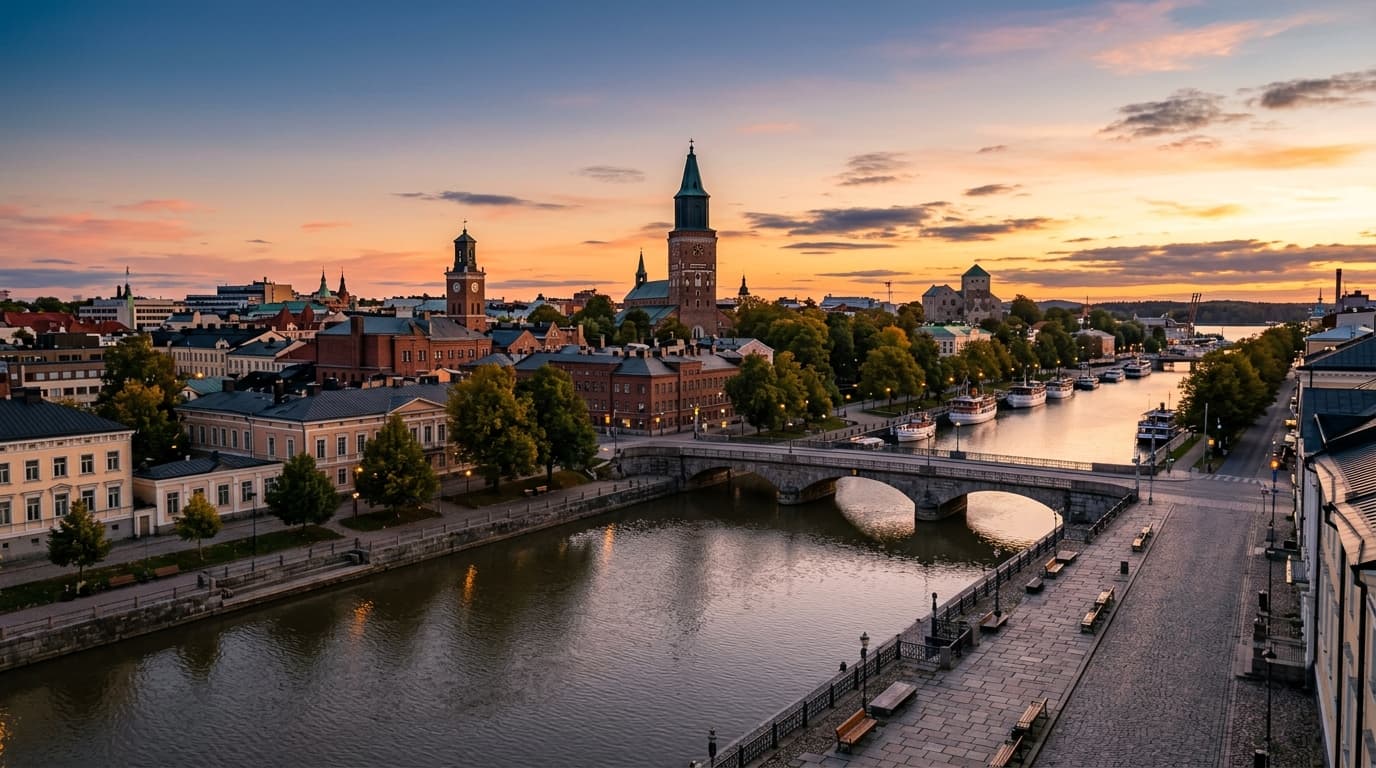
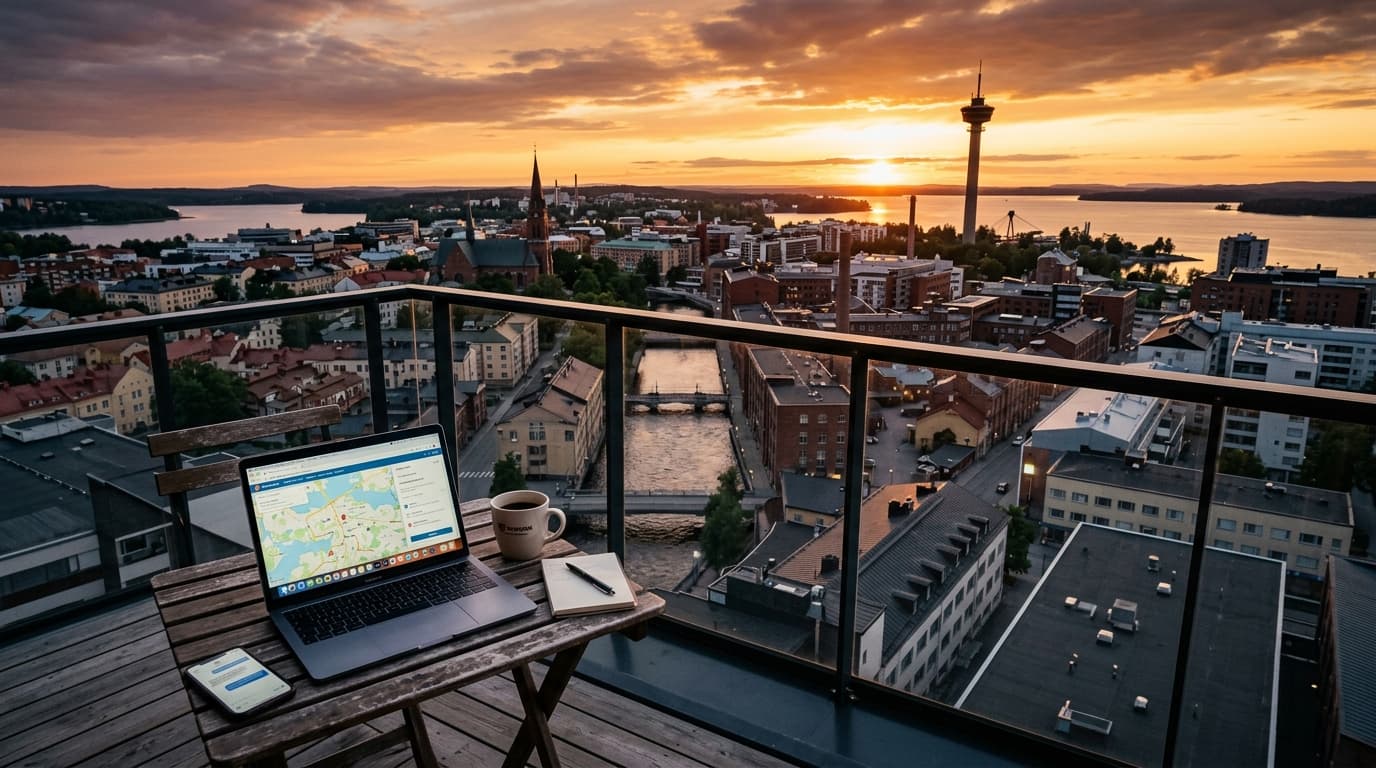
Tampere feels like Finland’s practical side with better views. It’s compact, lakefront and just a little rough around the edges, with old brick mills, tram lines and saunas sitting beside coworking spaces and student hangouts. The city gets called a mini-Helsinki, but it’s less polished, more local and easier to settle into if you like calm streets, cold air and a place that doesn’t try too hard.
It’s Finland’s second city and a real tech and gaming hub, so the atmosphere is younger and more work-oriented than you might expect. Tampere University, startup meetups and places like Platform6 keep the city plugged into the remote-work crowd, while the lakes and forests are always close enough to drag you outside after a long screen session.
The vibe is relaxed, not sleepy. You’ll hear tram bells, café chatter and the clack of bike wheels on wet pavement, then five minutes later you’re staring at black water, pine trees and steam rising off a public sauna. That mix is what makes Tampere stick.
What nomads tend to like
- Safety: Very high by global standards, with low-key streets and reliable public services.
- Infrastructure: Fast internet, good transit, clean tap water and libraries that make sense for remote work.
- Nature access: Lakes, trails, swimming spots and saunas are close to the center, not stuck on the edge of town.
- Scale: You can cross town quickly, so it doesn’t chew up your day.
What frustrates people
- Cost: A single person usually needs around €1,750 to €1,850 a month and rent pushes that up fast.
- Winter: It’s long, dark and cold, with that dry sub-zero bite that turns sidewalks crunchy.
- Social pace: Locals can seem reserved and building a real circle takes time.
If you want cheap chaos and late-night energy, Tampere will probably feel too controlled. If you want Nordic comfort, strong coffee, steady internet and easy access to water and woods, it makes a lot more sense than the flashier European nomad stops.
Tampere isn’t cheap, but it’s a lot easier on the wallet than Helsinki. A single person usually lands around €1,750 to €1,850 a month for rent, food, transport and basic life and that number climbs fast if you want a central flat, regular bar nights or a furnished short-term place.
The city feels comfortable in a very Nordic way. You get clean tap water, solid internet, reliable trams and buses and winter sidewalks that are often more ice rink than pavement, so budget a bit extra for boots and anything with proper grip. The flip side is that you’re paying for safety, order and access to lakes and forests right outside the center.
What rent usually looks like
- City center: €900 to €1,100 for a one-bedroom, with larger family apartments often at €1,500 to €1,900.
- Near-center areas like Tammela, Pyynikki and Kaakinmaa: about €800 to €1,000 for a one-bedroom.
- Hervanta and other outer districts: roughly €650 to €850, depending on building age and condition.
Short-term furnished apartments are pricier, often 20% to 40% above long-lease rates. That stings if you’re only here for a month or two. Shared flats and small studios outside the core are the easiest way to keep monthly costs under control.
Everyday spending
- Groceries: about €250 to €350 per month for one person.
- Lunch or cheap restaurant meal: around €14 to €17.
- Mid-range dinner for two: about €80 before alcohol.
- Local transport: roughly €3 for a single ride and €56 to €60 for a monthly pass.
- Coworking: open desks start near €139 a month, with some startup spaces cheaper.
Student cafeterias are a small miracle if you can use them. Non-students still get decent value at about €6 to €10 a meal, which is better than paying full restaurant prices every day. Regular grocery runs are manageable, but eating out in Tampere adds up faster than most first-time visitors expect.
Lean budget: €1,500 to €1,800, with a room or modest studio, little dining out and no paid coworking.
Mid-range: €2,000 to €2,500, which gets you a one-bedroom outside the center, some meals out and a coworking membership.
Comfortable: €2,600 to €3,000+, usually a central flat, more social spending and a few weekend trips.
Hervanta works well if you want lower rent and don’t mind a more student-heavy, practical feel. Keskusta costs more, but you’ll hear tram bells, café chatter and the low hum of the station right outside your door. Pick your tradeoff carefully, because the cheap option in Tampere is still Finland-priced.
Tampere is compact enough that you can live in one district and still get across town in 10 to 20 minutes by tram, bus or bike. The city feels like a cleaner, calmer mini-Helsinki, with lake air, old brick factories, student energy and a winter that gets dark fast.
For digital nomads
Tulli and Tammela are the smart pick if you want the station, tram lines and coworking within easy reach. Tulli Business Park puts you close to flexible office space, while Tammela gives you a more lived-in feel, with market stalls, apartment blocks and less of the polished downtown shuffle.
- Best for: Remote workers, startup people and short-term stays
- Rent: About €800 to €1,050 for a 1BR
- Coworking: Platform6 desks from about €100, other desks from about €139 plus VAT
- Why here: Easy tram access, fast internet, quick train connections
Keskusta works too if you want cafés, offices and no commute. It’s pricier, noisier and less neighborly, but you’ll be able to grab lunch, log in and get home without thinking about transport.
For expats
Pyynikki, Pispala and Amuri are the areas people usually mention when they want a bit more character. Pyynikki has ridge views, pine forest and the smell of coffee drifting from local cafés, while Pispala’s steep wooden streets feel charming until January ice makes every hill a small insult.
- Best for: Longer stays, couples and people who like walking
- Rent: Roughly €900 to €1,100 for a 1BR in the better-located parts
- Lifestyle: Saunas, lake access and quieter streets than the center
- Trade-off: Hills, higher prices and less convenience in winter
These neighborhoods suit expats who want Finnish calm without feeling stranded. You’re still close to the city center, but you get more trees, less traffic hum and a bit of breathing room.
For families
Families usually do best in Lentävänniemi or parts of Hervanta, where housing is a bit more affordable and daily life is straightforward. Hervanta has strong tram and bus links, schools and services, though it’s not everyone’s idea of pretty and some residents are blunt about its social problems.
- Best for: Families, long-term renters and budget-conscious households
- Rent: About €650 to €850 for a 1BR, more for larger flats
- Transport: Good public transit and easy cycling in warmer months
- Feel: Practical, not flashy
For solo travelers
Keskusta is the easiest base if you’re in town for a short visit or working a few weeks from a furnished place. You’ll be near the station, restaurants, saunas and late services, so you won’t waste time figuring out where anything is.
- Best for: Short stays and car-free trips
- Rent: Highest in the city, especially for furnished units
- Food: Lunches run about €14 to €17, student meals are much cheaper
- Best move: Stay central, then explore Pyynikki and Pispala on foot or by tram
Tampere’s internet is exactly what you’d hope for in Finland: fast, steady and boring in the best way. Fiber is common in apartments and offices, mobile coverage is strong across the city and public WiFi shows up in libraries, cafes and many coworking spots. You’re far more likely to complain about the heating than the connection.
The real upside is how easy it's to work anywhere without much drama. Cafes in Keskusta, Tammela and Tulli tend to be laptop-friendly during the day, though some places get wary of long table squatting if you nurse one coffee for three hours. Windows fog up in winter, boots drip on the floor and the whole city feels half hibernating, so a proper desk starts sounding pretty nice by November.
Best coworking options
- Platform6: The top pick for startup people and solo founders. It sits near the center, has a strong tech crowd and offers various memberships and office options, but prices change frequently so check their site for current rates.
- Tulli Business Park: Good if you want a more office-like setup near the station and tram lines. It’s convenient, no-nonsense and close to cafés, lunch spots and after-work drinks.
- City center coworking spaces: Several downtown spaces offer open desks and private desks. They’re pricier, but the commute is painless.
Most nomads who stay a while end up splitting time between a coworking desk and a library or cafe. Tampere’s library network is excellent, quiet and free, which matters when you don’t want to spend a lot just to answer email. If you’re on a tighter budget, that combo works well.
Where to work by neighborhood
- Keskusta: Best for convenience. Trams, coffee, restaurants and the main station are all close together, so it’s the easiest base for short stays.
- Tulli and Tammela: Better for a work-first routine. These areas feel a little less polished than the center, but they’re practical and close to flexible offices.
- Hervanta: Cheaper and very connected by tram, with a student-heavy feel. Good for long stays if you don’t mind being away from the prettiest parts of town.
For internet speed, Tampere doesn’t really disappoint. The bigger issue is cost, because once you add rent, transit and a coworking desk, the city stops feeling cheap fast. Still, if you want Nordic calm, reliable connectivity and a place where your video calls won’t fall apart, Tampere does the job without fuss.
Tampere feels very safe by European city standards. You’ll still want normal city sense, especially late at night around the station, Tulli and tram stops, but violent crime isn’t a daily concern for most visitors or long-stay nomads.
The bigger annoyance is usually winter itself, not crime. Dark afternoons, icy sidewalks and that dry, face-stinging cold can make the city feel harsher than it looks on a map. In summer, the opposite problem kicks in, with bright nights, open terraces and lots of people out around the lakes.
Safety basics
- Late-night transit: Trams and buses are reliable, but avoid empty platforms and quiet underpasses if you’re alone and tired.
- Winter footing: Streets can get slick fast, especially in Pyynikki, Pispala and other hilly areas. Wear proper shoes, not fashion sneakers.
- Nightlife: Keskusta and the station area can get rowdy on weekends, mostly from drunk behavior rather than serious threats.
- Bikes: Lock them well. Theft is more of a nuisance than a major citywide problem, but cheap locks get tested.
Most expats say the city feels calm enough that they stop thinking about personal safety after a few weeks. The main adjustment is the social reserve, not danger, people usually keep to themselves on buses, in stairwells and at the grocery store checkout.
Healthcare and pharmacies
Finland’s healthcare system is solid and Tampere has easy access to clinics, specialists and emergency care. Public services are the cheaper route, while private options move faster if you need a quick appointment or better English at reception.
Pharmacies or apteekki, are easy to find in Keskusta, Tammela and near the main shopping streets. Staff are generally helpful and over-the-counter meds are straightforward to buy if you know the generic name. For small stuff like colds, skin issues or a sore throat, that’s usually enough.
- Public care: Best for residents who can wait a bit and want lower costs.
- Private clinics: Faster for GP visits, but pricier, so many nomads use them sparingly.
- English support: Common in larger facilities, though not every desk clerk is fluent.
- Insurance: Bring solid travel or expat coverage. Private care adds up quickly.
Tap water is excellent, the air is clean and food safety is rarely an issue. For most nomads, the real healthcare headache is seasonal, not medical, the long dark stretch can drag on, so plan for vitamin D, exercise and a routine that gets you outside before the sun disappears.
Tampere is compact enough that you won’t spend your life commuting, but it’s still a proper city, not a sleepy provincial town. The center, Tulli, Tammela and Amuri are easy to stitch together on foot, by tram or on a bike and most trips stay short unless you’re heading out to Hervanta or the lakeside edges.
Trams and buses are the easiest way to move around. Tampere’s tram is clean, frequent and simple to figure out and the bus network fills in the gaps. A one-way ride costs around €2.70–€3, while an adult monthly pass is about €59, which is fair if you’re here longer than a week or two.
Most nomads end up using a mix of walking, public transport and cycling. Summer bike rides along the lakes feel great, with pine scent, water glare and that rare Finnish softness in the air, but winter is a different story. Sidewalks get slick, the wind off the lakes cuts hard and you’ll hear the scrape of boots on packed snow for months.
Best areas for staying mobile
- Keskusta: Best if you want to walk everywhere and keep train and tram access close. Expect more noise, more traffic and higher rents.
- Tulli and Tammela: Good for station access, coworking and a slightly more lived-in feel. Handy if you’re bouncing between cafés, offices and the city center.
- Pyynikki and Pispala: Beautiful, scenic and a bit hilly. Great for walks and lake views, less fun when the pavement turns to ice.
- Hervanta: Cheaper and well connected by tram, so it works for students and longer stays if you don’t need to be in the center every day.
For bikes, the city is manageable, but not flat. Pispala and Pyynikki can punish your legs and winter cycling takes real nerve unless you’re used to Nordic conditions and studded tires.
Taxis are easy to find through apps or by phone, but they’re not a daily habit for most people. The starting fare is about €7 ($7.60), so they make sense for late-night returns, airport runs or when the weather turns nasty and you just want to get in, shut the door and stop feeling your face.
If you’re staying a while, set yourself up near a tram stop and a decent grocery store. That combo cuts down on annoyances fast, especially once the dark months arrive and even a short walk can feel longer than it should.
English gets you pretty far in Tampere. In cafes, coworking spaces, universities and most tech workplaces, staff usually switch to English without fuss and younger locals often speak it well. You’ll still hear plenty of Finnish, though, especially on trams, in grocery stores and at neighborhood bars where conversations stay low and private.
The city feels friendly but not chatty in the exaggerated, smile-everywhere sense. People are polite, direct and a bit reserved, so don’t mistake quiet for coldness. If you ask for help, you’ll usually get it, just without the extra small talk. That said, making local friends takes time and Finnish social circles can feel closed until you’ve shown up a few times.
A few Finnish basics help more than you’d think. “Moi” works for hello, “kiitos” for thanks and “anteeksi” for sorry or excuse me. Even a clumsy effort gets a better reaction than pretending English should do all the work. Most expats pick up useful signs quickly, then leave the grammar battles for later.
- Apps: Google Maps, Nysse for local transport and WhatsApp for day-to-day coordination.
- Emails: Keep them short and exact. Finnish workplaces tend to like clear subject lines and no drama.
- Meetings: Show up on time. Finns read lateness as sloppy, not relaxed.
- Language help: Duolingo is fine for basics, but you’ll learn faster from street signs, menus and repeated errands.
For practical life, nearly everything useful comes in English or has an English version, from banking and public services to library websites and rental listings. The paperwork still feels Finnish, though, which means tidy forms, long compound words and a little bureaucratic friction. Patience helps. So does having your documents scanned and ready before you need them.
In shops and restaurants, service is usually efficient rather than warm. Don’t expect a lot of chatter over the counter. In winter, that clipped efficiency can feel especially stark, with boots squeaking on icy floors, tram doors hissing open and everyone bundled up against the dark. It’s not unfriendly, just very Finnish.
If you’re staying longer, start learning basic Finnish early. It won’t transform daily life overnight, but it does make appointments, apartment hunting and casual conversations easier. In a city this compact, the people you keep seeing matter and even a little language effort goes a long way.
Tampere is a real four-season city and the weather shapes daily life more than people expect. Winters are long, dark and properly cold, with icy sidewalks, grey afternoons and that dry indoor heat that makes your skin crack by February.
Late autumn through early spring can feel a bit bleak if you need sunlight to stay sane. The upside is that the city still functions well, trams keep moving, cafes stay warm and the lakeside views can be beautiful when the snow comes down quietly over Näsijärvi and Pyhäjärvi.
Best time to visit
- May to September: Best overall. Long daylight, decent temperatures and the easiest season for lakes, walking, cycling and patios.
- June to August: Peak summer. This is the sweet spot for first-timers, though it can get busy around festivals and accommodation costs climb.
- September and early October: A strong shoulder season, with cooler air, fewer crowds and crisp mornings that smell like wet pine and lake water.
- November to March: Best if you want sauna culture, snow and a quieter city, but don’t come expecting comfort unless you’re fine with darkness and sub-zero weather.
Most nomads and expats who stay longer than a few weeks end up preferring late spring or summer. You get more daylight, easier socializing and less of the winter drag that can make even a short walk feel like work.
What each season feels like
- Winter: Cold, clean and still, with slushy streets, snow-bright evenings and plenty of time indoors. Good for saunas, less good for casual street life.
- Spring: Slow and muddy. The snow melts late, the air stays chilly and the city looks a bit half-awake.
- Summer: Bright, social and easygoing. The lakes matter more, people linger outside and the whole place feels lighter.
- Fall: Probably the most underrated stretch, especially September, before the wet cold settles in and the skies go flat again.
If you’re planning a remote-work stay, book your housing early for June through August. Tampere is cheaper than Helsinki, but it isn’t cheap and furnished short-term places can jump 20% to 40% above normal long-stay rents.
For shorter visits, pair the weather with the city’s rhythm. Summer is best for saunas by the lake, Pispala walks and late dinners, while winter suits museum days, coworking and getting very good at saying no to the cold.
Tampere is easy to live in, but it’s not cheap and the winter can wear you down. Expect dark mornings, frozen sidewalks and that dry, biting cold that creeps under your collar the moment you step outside.
The city works best if you like routine. Public transport is reliable, the center is compact and most errands can be handled on foot, by tram or with a short bus ride, so you won’t waste half the day crossing town.
- Budget: A single nomad usually needs about €1,500 to €1,800 for a lean month, more like €2,000 to €2,500 for a comfortable setup with a decent flat and some coworking.
- Rent: A 1BR in Keskusta or Tulli can run €900 to €1,100, while Tammela, Hervanta and other outer areas are often €650 to €850.
- Food: Groceries tend to land around €250 to €350 a month. Lunch deals are common at €14 to €17, but a proper dinner for two can hit about €80 before drinks.
- Transit: A local ticket is around €2.70–€3 and a monthly pass sits near €59, which feels fair once the tram starts saving you from icy pavement.
For work, most nomads stick close to the center or Tulli. Platform6 is the obvious startup pick and desks there start at roughly €100 a month, while other shared spaces in town begin around €139 excluding VAT. The libraries are also solid if you don’t mind a quiet room, flat Wi-Fi and the occasional cough echoing off hard walls.
Area choice matters more for lifestyle than distance. Keskusta is the easiest base, but it can feel a bit hard-edged at night. Tammela is practical and walkable. Pyynikki and Pispala are prettier, with lake views, steep streets and winter sidewalks that can be a sloppy mess after snowmelt turns to ice.
What to know before you arrive
- Apps: Download Nysse for local transport, Wolt for food delivery and a Finnish banking app if you’re staying long term, because paying for everyday life can be annoyingly app-heavy.
- Weather: Bring real winter gear. The wind off the lakes feels sharper than the thermometer suggests.
- Social life: People are polite but reserved, so don’t expect instant chatty neighbors. Meetups, gyms and sauna nights help more than random pub crawling.
- Money: Cards work almost everywhere, cash barely matters and tap water is excellent, so you can skip bottled water without thinking twice.
If you want Nordic comfort, safety and easy access to nature, Tampere makes a lot of sense. If you want cheap rent and late-night chaos, look elsewhere.
Frequently asked questions
How much does it cost to live in Tampere as a digital nomad?
Which neighborhoods are best for digital nomads in Tampere?
Is Tampere good for remote work and coworking?
How safe is Tampere for long-term stays?
How good is the internet in Tampere?
Which area is best in Tampere if I want lower rent?
What is winter like in Tampere?
Need visa and immigration info for Finland?
🇫🇮 View Finland Country GuideNomad Haven
Your home away from home