Tagaytay
🇵🇭 Philippines
The Highland Escape
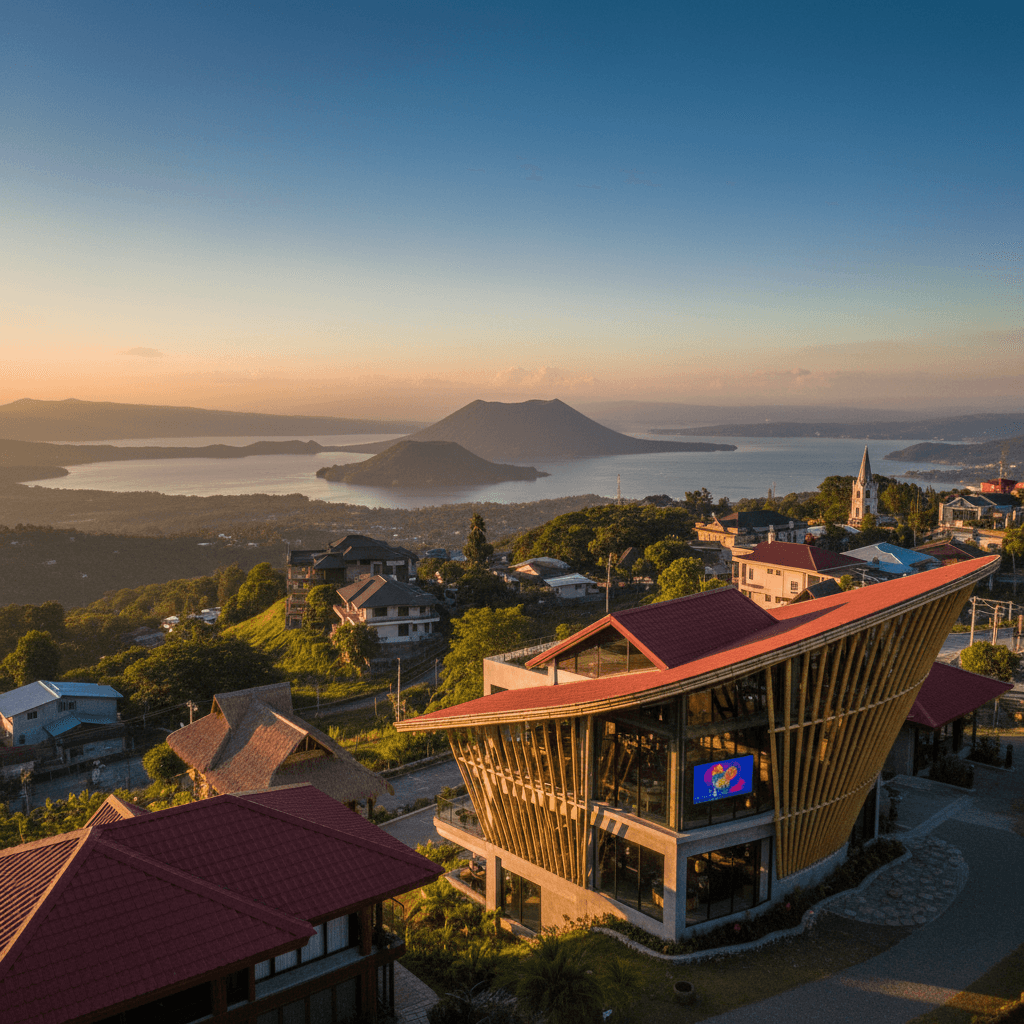
Tagaytay is the cool, misty breath of fresh air that Manila dwellers crave. Sitting on a ridge 2,000 feet above sea level, it trades the sweltering humidity of the lowlands for a crisp, pine-scented breeze. It doesn't feel like the typical Philippine beach destination; there are no white sands or surf breaks here. Instead, you get a moody, romantic atmosphere where the clouds often roll right into your living room.
The city's soul is tied to the view of Taal Volcano, a surreal "island within a lake within an island" that sits squarely in the center of your peripheral vision. Nomads often find themselves staring at the crater for hours from a cafe balcony, watching the light shift over the water. It is a place of slow mornings, thick sweaters, and steaming bowls of Bulalo soup.
The Local Vibe
The energy here is a mix of quiet provincial life and upscale weekend retreat. During the week, it's a sanctuary for remote workers who want to swap traffic noise for birdsong. Come Friday afternoon, the vibe shifts as the Manila crowd arrives for the farm-to-fork dining scene. It is more sophisticated than the gritty nomad hubs of Southeast Asia, leaning into boutique aesthetics and garden-to-table living.
Expats recommend Tagaytay if you're looking for productivity over parties. While places like Boracay or Siargao are for the social butterflies, Tagaytay is for the writer, the coder, or the creative who needs a headspace reset. You’ll spend your time in places like Kubli Cafe Bistro, where the coffee is strong and the WiFi is prioritized for those with laptops open.
Cost of Living Breakdown
Living here is mid-range for the Philippines. You aren't paying island premiums, but the proximity to the capital keeps prices steady. Most travelers suggest budgeting for a comfortable lifestyle to really enjoy the "mountain chic" lifestyle.
- Budget Tier: Around PHP 40,000 per month. This covers a basic Airbnb or local studio, eating at the Mahogany Beef Market for PHP 150 meals, and using jeepneys to get around.
- Mid-Range Tier: Roughly PHP 60,000 per month. You'll get a central apartment in Silang Junction and split your time between local spots and trendy cafes like Farmer’s Table, where a meal runs PHP 300 to PHP 500.
- High-End Tier: PHP 80,000 and up. This is the "Tagaytay Dream" lifestyle: a modern condo with a direct volcano view, frequent dinners at upscale farm-to-fork restaurants, and private transport.
The Neighborhood Layout
The city is linear, hugging the ridge. Understanding the pockets helps you decide between convenience and quiet.
Silang Junction
- The Draw: This is the functional heart of the city. You have Ayala Malls Serin for groceries and Olivarez Plaza for local transport and markets.
- Vibe: Busy and convenient. Most first-timers stay here because everything is walkable.
- Trade-off: It gets the brunt of the weekend traffic congestion.
Sungay North
- The Draw: Home to the Tagaytay Public Market and the Picnic Grove. It feels more residential and lush.
- Vibe: Quiet and creative. This is where you'll find Museo Orlina and better views of the lake without the mall crowds.
- Trade-off: You'll need to rely more on the Grab app or jeepneys to get to the main retail hubs.
Maitim & San Jose
- The Draw: A balanced middle ground with a bit more nightlife and retail variety.
- Vibe: A mix of local expats and long-term travelers. It feels less like a tourist trap and more like a lived-in community.
- Trade-off: The boundaries are a bit blurry, and it lacks a single "center" point.
What Makes It Different
Tagaytay is defined by its climate. While the rest of the country is hitting 35°C, you might be reaching for a cardigan as the sun goes down. It’s a destination that encourages you to slow down, eat well, and actually get some work done. It lacks the intense digital nomad infrastructure of Bali, but it makes up for it with soul, scenery, and the best breakfast views in Southeast Asia.
The Price of the Ridge Life
Living in Tagaytay puts you in a unique spot. You're paying for the breeze and that iconic volcano view, which means prices sit a bit higher than rural provinces but still feel like a bargain compared to Makati or BGC. Most nomads find they can live quite well here without draining their savings, especially if they balance fancy farm to table dinners with local market runs.
For a realistic monthly budget, most digital nomads land in one of three tiers:
- The Budget Backpacker: Around PHP 40,000. This covers a basic Airbnb or a local apartment away from the ridge, plenty of meals at the Mahogany Beef Market, and getting around via jeepney.
- The Mid-Range Nomad: Around PHP 60,000. This is the sweet spot. You'll get a comfortable studio near Silang Junction, eat out at nice cafes a few times a week, and use Grab for most trips.
- The Luxury Expat: PHP 80,000+. This buys you the dream; a high end condo with a direct view of Taal, daily dining at places like Farmer's Table, and a private car or frequent long distance shuttles.
Housing and Utilities
Rent is your biggest variable. If you want to wake up to the volcano every morning, you'll pay a premium. Short term stays in central areas like Silang Junction or Maitim usually go through Airbnb or boutique hotels. For a decent 1BR or studio, expect to pay between PHP 25,000 and PHP 40,000 per month if you're booking monthly. If you're willing to live further back from the ridge in residential spots like Sungay North, you can find local apartments for PHP 15,000 to PHP 20,000.
Electricity can be surprisingly pricey in the Philippines, but since Tagaytay is naturally cool, you'll rarely need the air conditioning. This saves you a significant chunk of change compared to the sweltering lowlands. Most nomads spend about PHP 2,000 to PHP 4,000 on utilities if they're staying long term.
Dining and Groceries
Tagaytay is a foodie town, so it's easy to overspend on artisanal bread and organic salads. However, eating like a local keeps costs low. A bowl of the famous Bulalo at the Mahogany Beef Market will cost you about PHP 100 to PHP 200. If you're heading to a trendy spot like Farmer's Table or a cafe in Crosswinds, expect to pay PHP 400 to PHP 800 for a full meal.
Groceries are best handled at the Tagaytay Public Market for fresh produce and meat. For everything else, Ayala Malls Serin has well stocked supermarkets. A weekly grocery run for one person usually totals around PHP 2,500 to PHP 4,000 depending on how many imported comforts you crave.
Transport and Connectivity
Getting around is cheap if you're brave enough for the jeepney, which costs roughly PHP 20 to PHP 50 for most local routes. For more comfort, Grab is the go to app here. Short trips across town usually fall between PHP 200 and PHP 400. If you're coming from Manila, a van or bus will set you back about PHP 150 to PHP 200, while a private airport transfer is closer to PHP 1,500.
Since there aren't many dedicated coworking spaces, you'll likely work from cafes like Kubli Cafe Bistro. Budget about PHP 300 to PHP 500 per day for coffee and snacks to "pay" for your seat. For internet, most nomads rely on a mix of hotel WiFi and a local SIM. A heavy data 5G promo from Globe or Smart costs about PHP 500 to PHP 1,000 per month and is a mandatory backup for those Zoom calls.
Day to Day Essentials
- Coffee at a view cafe: PHP 180 to PHP 250
- Beer at a local bar: PHP 80 to PHP 120
- Gym day pass: PHP 200 to PHP 400
- Cinema ticket at Ayala Serin: PHP 300 to PHP 450
For Digital Nomads and Solo Travelers
If you're landing in Tagaytay to get work done while soaking in the volcano views, Silang Junction is your primary base. This is the city's heartbeat, where the north and south roads meet at Olivarez Plaza. You'll find the most reliable infrastructure here, including Ayala Malls Serin for your banking needs and Farmer's Table for high quality meals between deep work sessions.
Most nomads aim for modern condo units or boutique Airbnbs in this central hub. Expect to pay between PHP 25,000 and PHP 40,000 per month for a mid range studio with decent table space. While there aren't dedicated coworking chains like you'd find in Makati, Kubli Cafe Bistro in nearby Sungay North has become the unofficial office for remote workers. It's got the right mix of strong WiFi and a quiet atmosphere that's hard to find in the more tourist heavy spots.
- The Vibe: High energy, convenient, and very walkable.
- Best For: First timers who don't want to rely on transport for every meal.
- Potential Downside: Weekend traffic from Manila can make the main junction noisy and congested.
For Long Term Expats
Expats looking for a more permanent rhythm usually gravitate toward Maitim or San Jose. These neighborhoods offer a better balance of residential quiet and access to the city's nightlife. It's less about the immediate "tourist" view and more about the lifestyle, with better access to local retail and specialty grocery stores.
Living here often requires a slightly higher budget if you're looking for a house rather than a condo, with comfortable long term rentals often hitting PHP 50,000 or more. You'll be closer to the Mahogany Beef Market, where you can grab fresh local produce and the city's famous bulalo for around PHP 150 to PHP 200. It's a more authentic way to live, away from the constant turnover of weekend visitors.
- The Vibe: Established, social, and slightly more upscale.
- Best For: Those staying six months or longer who want a sense of community.
- Pro Tip: Use GCash or Maya for almost everything here; it's the standard for local payments.
For Families
Sungay North is the top pick for families who need space and a slower pace. It feels more like a highland retreat than a city center. You're positioned near the Tagaytay Picnic Grove and the Puzzle Mansion, which are great for keeping kids entertained without driving across town. The air feels a bit fresher here, and the streets are generally quieter at night.
Budgeting for a family stay usually falls into the PHP 80,000+ range per month to cover a larger home and frequent dining out. You'll likely want to use the Grab app for getting around, as jeepneys can be a squeeze with kids and gear. Short trips via ride hailing apps usually cost between PHP 200 and PHP 400, which is a small price to pay for the convenience of door to door service in the hilly terrain.
- The Vibe: Green, peaceful, and activity focused.
- Best For: Slow travelers with children who value safety and space over nightlife.
- Top Spots: Museo Orlina for a bit of culture and Tagaytay Public Market for the freshest fruit in the region.
The Connectivity Reality
Tagaytay isn't a tech hub like Makati or Cebu, but it has evolved into a reliable secondary base for remote workers who want to trade humidity for highland breezes. You can generally expect fiber speeds between 40 and 80 Mbps in most modern condos and established cafes. While the infrastructure is solid, the rolling hills and occasional fog can lead to signal drops, especially during the rainy season from June to October.
Most nomads find that relying on a single connection is a rookie mistake here. Locals and long-term expats always keep a backup. Grab a local SIM card from Globe or Smart at Ayala Malls Serin; both networks have decent 5G coverage in the central areas. If you're staying for a month or more, investing in a portable Starlink mini kit is becoming a popular move for those renting more secluded Airbnbs in areas like Sungay North where the views are better than the wiring.
Coworking and Work-Friendly Cafes
The city lacks the dedicated, high-intensity coworking spaces you'll find in Manila. Instead, Tagaytay operates on a cafe-culture model. You won't find rows of ergonomic chairs and private booths, but you will find plenty of caffeine and volcano views. Most spots expect a PHP 200 to PHP 500 daily spend if you're planning to camp out with a laptop for a few hours.
- Kubli Cafe Bistro: Located in Sungay North, this is the closest thing to a nomad headquarters. It's quiet, the WiFi is actually meant for working, and the atmosphere stays productive rather than purely touristy.
- Farmer’s Table: Situated in Silang Junction, it's great for a morning session. It's an open-air garden setting, so make sure your laptop battery is topped up as outlets can be scarce in the best seating areas.
- Crosswinds Tagaytay: If you're staying on the eastern side of town, the cafes inside this Swiss-themed resort offer a much quieter environment than the central junction, though you'll pay a premium for the peace.
Digital Tools and Logistics
To stay productive and mobile, you'll need a few specific apps on your phone. Cash is still used in local markets, but the digital economy is surprisingly robust in the highlands.
- GCash or Maya: These are non-negotiable. You'll use them for everything from paying for your coffee to settling your utility bills or sending a deposit for a scooter rental.
- Grab: Essential for transport and food delivery. While jeepneys are cheaper at PHP 20 to PHP 50, Grab is the go-to for getting home after a late-night session when the fog rolls in.
- Speedtest by Ookla: Always run a check before you commit to a long-term Airbnb. Ask the host for a screenshot of a recent test; don't just take their word that the WiFi is "good."
The Cost of Staying Connected
Budgeting for your "office" costs in Tagaytay is straightforward. Since there aren't many monthly coworking memberships, your costs will scale with how much coffee you drink and how much data you burn.
- Prepaid Data: Around PHP 500 to PHP 1,000 per month for a heavy data user on a 5G plan.
- Cafe "Rent": Expect to spend PHP 6,000 to PHP 10,000 a month if you work out of cafes five days a week.
- Backup Hardware: A decent power bank and a pocket WiFi device will set you back about PHP 3,000 once, but they're worth it when the afternoon thunderstorms cause a quick power flicker.
Expats recommend choosing a stay near Olivarez Plaza or Silang Junction if you don't have your own transport. These areas have the highest concentration of backup options if your home internet fails. If you venture further out toward Maitim, you'll get more peace, but you'll be more dependent on your own mobile data setup.
A Safe Haven in the Highlands
Tagaytay is widely considered one of the safest spots in the Philippines for remote workers and families. Because it's a premier weekend destination for Manila’s elite and international tourists, there is a visible and reassuring police presence, especially around Olivarez Plaza and Silang Junction. You'll find the atmosphere much more relaxed than the frantic energy of Metro Manila.
Most nomads feel comfortable walking around central areas during the day. While violent crime is rare, petty theft can happen in crowded spots like the Mahogany Beef Market or near the SkyRanch amusement park. Keep your phone tucked away in these high traffic zones. If you're out late in Maitim or San Jose, stick to well lit main roads or use a ride hailing app rather than wandering into unfamiliar residential side streets.
Healthcare Infrastructure
For a smaller city, Tagaytay is well equipped to handle most medical needs. You aren't going to find the massive "medical cities" of the capital, but the local facilities are reliable for standard consultations and emergencies. Expats often recommend Tagaytay Medical Center on the Emilio Aguinaldo Highway for its modern equipment and English speaking staff.
- Tagaytay Medical Center: The primary choice for expats; located near the city center with a 24 hour emergency room.
- Ospital ng Tagaytay: A public option that handles urgent care, though wait times are longer.
- Unihealth-Tagaytay Hospital: Another private facility frequently used by locals and long term residents.
For specialized surgeries or complex chronic conditions, most residents make the 2 hour drive to Metro Manila. Places like St. Luke’s Medical Center or Makati Medical Center are world class and worth the trip for serious issues.
Pharmacies and Prescriptions
You won't have to look far for medicine. Major chains like Mercury Drug and Watsons are everywhere, particularly inside Ayala Malls Serin and near the Olivarez transport hub. They are generally open until 9:00 PM or 10:00 PM, and some branches near the junction operate 24/7.
If you take specific maintenance medication, bring a digital and physical copy of your prescription. While many pharmacists are lenient with basic meds, they are strict about antibiotics and specialized drugs. Most common brands are available, but they might be sold under different local names, so knowing the generic chemical name is helpful.
Emergency Contacts and Practicalities
The national emergency number is 911, which connects you to police, fire, and ambulance services. For more localized help, it's a good idea to keep the direct number for the Tagaytay City Police Station saved in your phone. Most hotels and high end Airbnbs also have their own security protocols and can summon medical help quickly.
Health insurance is a must for any nomad here. While a visit to a local GP might only cost you PHP 500 to PHP 1,000, a hospital stay can drain your budget fast if you're paying out of pocket. Ensure your policy covers "medical evacuation" to Manila just in case. Most private hospitals in the city will expect payment upfront or a guarantee of payment from your provider before admission.
Environmental Safety
It's impossible to talk about safety in Tagaytay without mentioning Taal Volcano. It is an active volcano, and the Philippine Institute of Volcanology and Seismology (PHIVOLCS) monitors it constantly. Locals are used to the occasional sulfur smell or "vog" (volcanic smog). If you have asthma or respiratory issues, check the air quality levels before booking a long stay. Most nomads find the air much cleaner than Manila, but during periods of volcanic activity, you'll want to stay indoors or wear an N95 mask.
During the rainy season from June to October, the steep terrain can occasionally lead to localized landslides on the roads leading down to the lake. Stick to the main ridge roads during heavy downpours and you'll be fine.
Getting In and Out
Most nomads arrive in Tagaytay via Manila. It's a relatively short trip, but timing is everything. A van or bus from PITX (Parañaque Integrated Terminal Exchange) usually costs between PHP 100 and PHP 200. While the distance is short, the two to three hour journey can easily double on Friday afternoons when the weekend crowd flees the capital.
For a smoother arrival with luggage, private transfers from NAIA (Ninoy Aquino International Airport) range from PHP 800 to PHP 1,500. It's a steep jump in price, but it saves you the headache of transfers if you're carrying monitors or heavy gear.
The Local Transit Scene
Once you're settled, the iconic Philippine jeepney is your primary mode of transport. These colorful beasts run along the main Tagaytay-Nasugbu Highway and cost about PHP 15 to PHP 50 depending on the distance. They're perfect for hopping between Olivarez Plaza and Silang Junction, though they can get cramped during peak hours.
If you prefer a direct door-to-door experience, Grab is the king of ride-hailing here. It's reliable and saves you the trouble of negotiating fares. Short trips within the central districts typically run between PHP 200 and PHP 400. Tricycles are also available for shorter interior roads where jeepneys don't venture, but always agree on the price before you hop in.
Walkability and Neighborhood Vibes
Tagaytay isn't a traditionally walkable city because it's stretched thin along a ridge. However, specific pockets are very pedestrian-friendly. If you stay near Ayala Malls Serin or Olivarez, you'll find that grocery stores, pharmacies, and cafes like Farmer’s Table are all within an easy ten-minute stroll.
For those staying further out in Sungay North or near Picnic Grove, you'll likely want to rent a scooter. While not as common as in Siargao, you can find local rentals for around PHP 200 per hour or negotiate a daily rate if you're staying for a month. It's the best way to reach spots like Kubli Cafe Bistro without waiting on a jeepney.
Practical Transport Tips
- Download GCash and Maya: Many younger drivers and almost all Grab services accept these digital wallets. It saves you the "no change" struggle common with larger bills.
- Avoid the Weekend Rush: Traffic on Saturday and Sunday is notorious. Most expats recommend doing your grocery runs and errands on Tuesday or Wednesday when the roads are clear.
- The Fog Factor: Tagaytay gets heavy fog, especially in the early mornings or late evenings during the rainy season from June to October. If you're driving a scooter, keep your lights on and slow down; visibility can drop to zero in minutes.
- Tuk-tuks vs. Tricycles: You'll see modern electric or gas-powered "e-trikes" replacing older sidecars. They're more comfortable for taller nomads and generally offer a smoother ride on the hilly terrain.
Exploring Beyond the Ridge
If you're looking for a change of scenery, many travelers take a day trip down Talisay Road to reach the Taal Lake shore. This usually requires a private tricycle or a hired car, as public transport is sparse on the steep descent. Expect to pay a premium for the return trip, as drivers have to haul back up the mountain. For longer weekend escapes to Hidden Valley or Fantasy World, renting a car for the day is often the most efficient choice for a group of nomads.
The Language Barrier (Or Lack Thereof)
One of the biggest perks of basing yourself in Tagaytay is how effortlessly you can communicate. The Philippines is famous among nomads for its high English proficiency, and Tagaytay is no exception. Because it's a major weekend getaway for Manila's elite and international tourists, almost everyone you encounter will speak English fluently. From the baristas at Kubli Cafe Bistro to the vendors at the Tagaytay Public Market, you'll rarely need a translator to get things done.
The local language is Tagalog, often referred to as Filipino. While you can get by with zero Tagalog, locals genuinely appreciate it when you try a few words. It changes the dynamic from "tourist" to "guest." You'll hear a lot of "Taglish" in the cafes around Silang Junction, which is a fluid mix of both languages. It makes the transition into local life much smoother than in other Southeast Asian hubs where the language gap can feel like a wall.
Key Phrases to Know
While English is the default for business and tech, these Tagalog basics will help you build rapport at the Mahogany Beef Market or with your Grab driver:
- Salamat: Thank you. (Add "po" at the end, Salamat po, to be extra respectful to elders).
- Magkano?: How much? (Useful when browsing the stalls at Olivarez Plaza).
- Bayad po: Here is my payment. (Standard phrase when passing your fare forward in a jeepney).
- Para po: Please stop. (What you shout when you want to get off the jeepney).
- Ingat: Take care. (A common way to say goodbye).
Digital Communication and Apps
In Tagaytay, your smartphone is your lifeline, but you shouldn't rely on your home roaming plan. Most expats recommend a dual SIM setup using Globe and Smart. Signal strength can vary depending on which side of the ridge you're on. If you're staying in a more secluded Airbnb in Sungay North, one carrier might have full bars while the other is dead. Prepaid SIM cards are cheap and available at Ayala Malls Serin.
For daily logistics, WhatsApp isn't actually the king here. Most locals and businesses use Messenger or Viber. If you're trying to book a table at Farmer's Table or messaging a landlord about a studio, Viber is often the fastest way to get a response. For payments, make sure you download GCash or Maya. These fintech apps are ubiquitous; even small fruit stands often have a QR code for GCash, which saves you the hassle of carrying around heavy coins.
The "Bahala Na" Vibe
Understanding communication in Tagaytay also means understanding the local temperament. Travelers often notice a relaxed, "bahala na" attitude, which roughly translates to "come what may." It's a blend of fatalism and extreme chill. If the WiFi dips during a rainstorm or a delivery is late because of traffic on Aguinaldo Highway, getting frustrated won't help. A smile and a bit of patience go a long way in the Philippines. People here are famously non-confrontational, so if you have an issue with your accommodation, address it politely and indirectly to get the best result.
Socializing and Community
Since Tagaytay doesn't have a massive, centralized coworking hub like Siargao or Canggu, the "language" of the nomad community happens in Facebook groups and boutique cafes. Most nomads find their tribe by hanging out at places like Crosswinds or joining Manila Expat groups, as many people split their time between the city and the ridge. Don't be afraid to strike up a conversation in English at a cafe; Filipinos are incredibly social and will often go out of their way to give you local tips on where to find the best Bulalo or the most reliable Starlink connection.
The Highland Microclimate
Tagaytay is famous for its "perpetual spring" vibe. While Manila swelters in 35°C heat, the ridge stays a refreshing 18°C to 25°C. You'll actually see people wearing light sweaters and hoodies here, which is a rarity in the Philippines. The cool breeze coming off Taal Lake makes it one of the few places in the country where you can work on a balcony at noon without breaking a sweat.
The air is crisp, but it's also noticeably humid. If you're staying in a boutique Airbnb in Sungay North or a condo near Olivarez Plaza, keep an eye on your tech. The moisture can be intense during the rainy months, so some nomads keep silica gel packets in their laptop bags to prevent any dampness issues.
Best Time to Visit: December to May
The sweet spot for a Tagaytay stint is between December and February. The Amihan (northeast monsoon) winds are in full swing, bringing the temperatures down to their lowest. It's dry, clear, and perfect for those volcano views from cafes like Kubli. This is when the city feels most alive, though you'll have to contend with the holiday crowds from Manila.
From March to May, the rest of the Philippines enters the "summer" heat. Tagaytay stays relatively cool, making it a prime refuge for expats fleeing the lowland humidity. Prices for short term rentals might spike during Holy Week, so book your stay well in advance if you're planning to be there in April.
The Rainy Season: June to October
The rains usually kick in by June and peak around July and August. Tagaytay gets hit hard by fog and heavy downpours during this window. It's atmospheric and cozy if you're a writer or a developer who loves a "cabin in the woods" feel, but it can be isolating. Typhoons are a real factor here; they can knock out power or lead to patchy internet, even in central areas like Silang Junction.
- Dry Season (Dec to May): Best for outdoor dining at Farmer's Table and boat trips to Taal. Expect clear skies and higher prices.
- Shoulder Months (November and May): Great balance of lower prices and decent weather.
- Wet Season (June to Oct): Expect daily rain and thick fog. Great for deep work, but bad for sightseeing.
Crowd Control and Logistics
Timing your visit isn't just about the weather; it's about the calendar. Tagaytay is the weekend playground for Manila's elite and middle class. From Friday night to Sunday evening, the main ridge road turns into a parking lot. If you're a nomad who values peace, try to arrive on a Monday and do your exploring mid week.
Most long term travelers recommend avoiding the city during major Filipino holidays like Christmas or Easter unless you enjoy 3 hour traffic jams for a 5 kilometer stretch. If you do visit during peak season, stick to neighborhoods like Sungay North where you can walk to local markets and avoid the main highway congestion.
What to Pack
Don't let the "tropical" label fool you. You'll need more than just shorts and flip flops. Expats living here year round suggest a mix of layers. A light rain jacket is a must for the sudden afternoon showers in the wet season, and a decent fleece or hoodie is necessary for those 18°C mornings when the wind kicks up along the ridge.
Connectivity & Tech Setup
Internet reliability in Tagaytay has improved significantly, but it still requires a strategy. Most boutique Airbnbs and hotels in Silang Junction or Maitim clock speeds between 40 and 80 Mbps. However, the rolling hills and fog can sometimes interfere with fixed lines. Expats recommend a dual-SIM setup using both Globe and Smart to ensure you stay online during localized outages.
For a dedicated workspace, head to Kubli Cafe Bistro in Sungay North. It's the go-to for nomads who need a reliable connection and a quiet atmosphere. While Tagaytay lacks the massive coworking hubs found in Manila or Cebu, the cafe culture is strong. You'll find remote workers tucked away at Farmer’s Table or the various coffee shops overlooking the ridge, though you should expect to pay around PHP 200 to 500 for a day's worth of coffee and bandwidth.
- SIM Cards: Grab a 5G SIM at Ayala Malls Serin. Register it immediately with your passport to activate data.
- Backup: Many long-termers now use Starlink or portable Smart Bro hotspots for extra security.
- Fintech: Download GCash or Maya. These apps are used for everything from paying for tricycle rides to settling your bill at the local market.
Budgeting for the Highlands
Tagaytay sits in a mid-range price bracket. It's more expensive than rural beach towns but cheaper than Makati or BGC. Your biggest expense will be housing, especially if you want that iconic volcano view. A comfortable lifestyle here usually costs around PHP 60,000 to 80,000 per month.
Monthly Cost Estimates
- Studio Apartment: PHP 25,000 to 40,000 for a modern unit in a central area like San Jose.
- Local Meals: PHP 100 to 200 at Mahogany Beef Market for a bowl of Bulalo.
- Mid-range Dining: PHP 300 to 500 per person at trendy farm-to-fork spots.
- Transport: PHP 20 to 50 for local jeepney loops; PHP 200 to 400 for Grab rides.
Transportation & Logistics
Getting around is straightforward if you stay near Olivarez Plaza. This is the city's heartbeat where the main roads intersect. You can walk most of the central strip, but for longer hauls, use Grab. It's the most reliable way to avoid haggling with trike drivers. If you're coming from Manila, vans and buses from PITX run regularly for about PHP 100 to 200, taking roughly 2 to 3 hours depending on the notorious weekend traffic.
For weekend errands, the Tagaytay Public Market is the best spot for fresh produce and meat. If you need modern amenities or banking, the ATMs at Ayala Malls Serin are generally the most reliable for international cards. Always carry some cash, as smaller vendors and transport won't accept digital payments.
Health & Safety
This is one of the safest areas in the Philippines for foreigners. There's a visible police presence, and the community is tight-knit. For medical needs, pharmacies are everywhere around the main junction. While there are local clinics for minor issues, most expats head back to Manila for specialized care or major procedures. In any emergency, dial 911.
Climate Realities
The weather is the main draw, but it requires preparation. Temperatures hover between 18 and 25°C, which is a dream compared to the heat of the lowlands. However, the rainy season from June to October can bring heavy mist and typhoons. During these months, power flickers are more common, so keep your power banks charged and your sweaters handy. The peak season from December to May is beautiful but brings crowds from Manila that can turn a ten-minute drive into an hour-long crawl.
Need visa and immigration info for Philippines?
🇵🇭 View Philippines Country GuideEasy Landing
Settle in, no stress