Sylhet
🇧🇩 Bangladesh
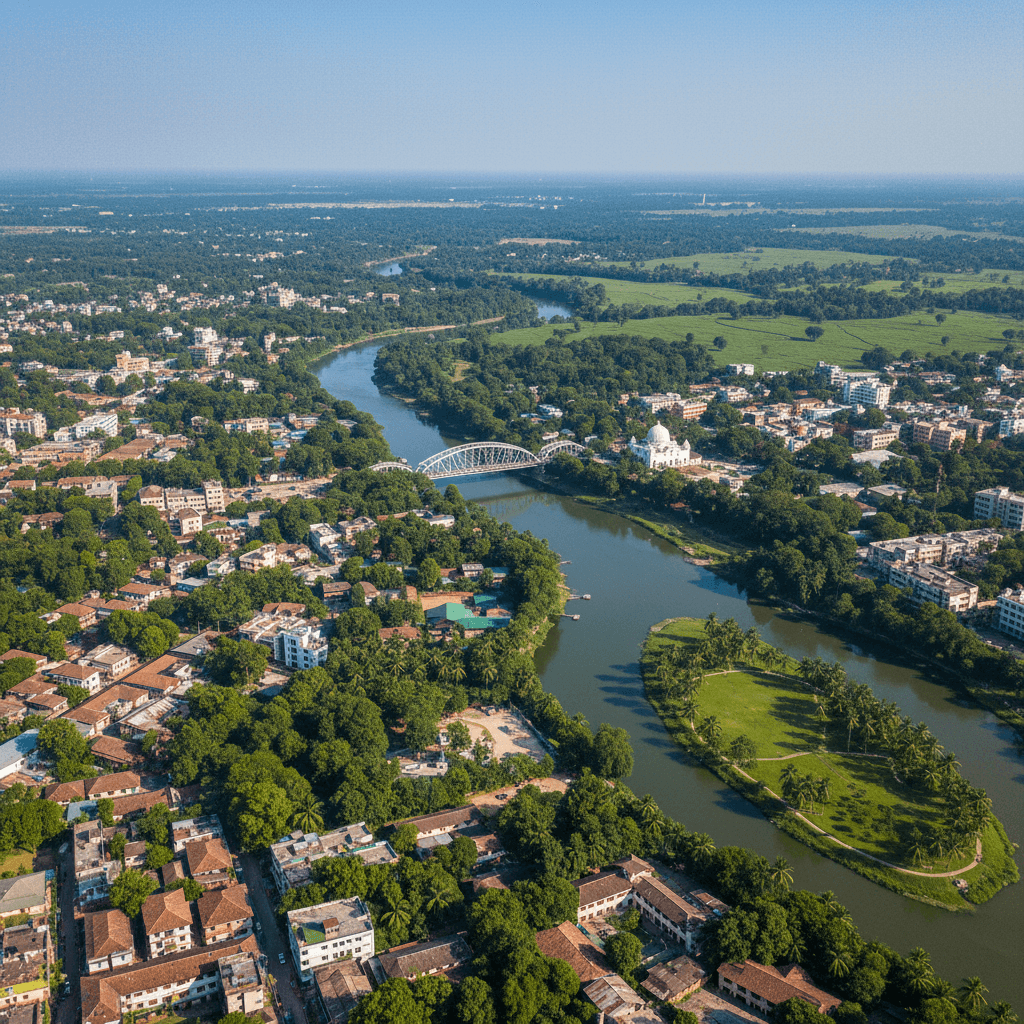
Sylhet feels slower than most Bangladeshi cities, greener too, with tea gardens, low hills and the smell of wet earth after rain drifting in through rickshaw windows. It’s calm in a way Dhaka rarely is. That calm has a price, though, because the remote-work setup here is still pretty thin.
Most nomads come for the atmosphere, not the infrastructure. You’ll hear calls to prayer, honking CNGs and rain rattling on tin roofs, then step outside into humid air that clings to your shirt, which, surprisingly, can be part of the charm if you’re here for a short stay and not trying to build a long-term work base.
Budget-wise, Sylhet stays gentle on the wallet. A solo nomad can live well on about $250 to $400 a month, depending on how local you eat and whether you want a private room or a small apartment in the center.
- Shared room: $30 to $50
- Central 1BR: around $80 to $115
- Meals: street food from $0.33, mid-range dinner for two around $11
- Transport: buses and CNG autos are cheap, Pathao rides stay manageable
Zindabazar is the practical base, with shops, food and decent access to everything. Ambarkhana feels greener and closer to the tea country, while the Shahjalal University area has a younger, scrappier energy, honestly better if you want affordable cafes and don’t mind student traffic.
Internet is decent, but don’t expect miracles. 4G usually lands in the 15 to 40 Mbps range, fixed broadband can go above 50 Mbps and the real issue is consistency, because a heavy monsoon downpour can wreck your plan faster than any power cut. Coworking options are limited, so most people end up working from cafes like Nirob or from home.
What people like: low crime, friendly locals, cheap food, easy day trips to tea gardens and waterfalls. What gets old fast: traffic noise, sticky heat, sudden rain and the fact that Sylhet still doesn’t have much of a nomad scene, so you’ll need to make your own social life.
It’s a good city for a reset, not a hustle. If you want quiet mornings, spicy kebabs and long green views, Sylhet lands hard, if you need slick coworking, nonstop events and flawless Wi-Fi, it’ll frustrate you pretty quickly.
Sylhet is cheap, but it isn’t dirt cheap if you want a private flat in a decent area, reliable mobile data and a few cafe sessions each week. A solo nomad can live here on about $327 a month including rent, though that number jumps fast once you start ordering Pathao rides, eating out and running AC during sticky afternoons.
The city feels calmer than Dhaka, with tea-scented air near Ambarkhana, honking CNGs in Zindabazar and rain drumming on tin roofs when the monsoon rolls in. Food is where your money stretches best, honestly, especially if you’re happy with kebabs, rice plates and street snacks instead of imported groceries.
Typical Monthly Costs
- Budget: About $250, if you’re fine with a shared room, street food and local buses.
- Mid-range: Around $400, which usually covers a modest 1BR, mixed local meals and regular ride-hailing.
- Comfortable: Roughly $700, if you want a central flat, AC rides and more restaurant meals.
Rent and Neighborhoods
- Zindabazar: Central and walkable, with 1BR places around $52 to $115, though traffic noise gets old fast.
- Ambarkhana: Quieter and greener, better if you want easier access to tea estates and day trips.
- Shahjalal University area: Cheaper and younger, with more student energy and basic cafes.
For a 1BR, expect around $52 to $115 in the city center and a little less if you’re willing to live farther out; bigger 3BR apartments tend to land around $92 to $177. Apartments on Jiji.com.bd often sit in the BDT 8,000 to 25,000 range, which sounds reasonable until you see how much the newer buildings charge for backup power and water.
Daily Spending
- Street food: $0.33 to $2, cheap, filling and everywhere.
- Mid-range dinner for two: About $11, with spots like Panshi Restaurant and Spice & Rice in the mix.
- Beer: About $4, though nightlife stays pretty low-key.
- Transport: Roughly $30 a month if you rely on Pathao and CNG autos.
- Utilities and internet: Around $30, assuming you’re not overusing AC.
Internet is the weak point, weirdly enough for a city this livable, because 4G can swing between 15 and 40 Mbps and fixed broadband sits around 50 Mbps for about $13 a month. Grameenphone is usually steadier, Banglalink can be faster in bursts and cafes like Nirob Cafe work fine for a few hours, though you’ll still hear spoon clatter, phone chatter and the occasional power hiccup.
If you want Sylhet to feel affordable instead of annoying, keep your housing simple, eat local and skip overpaying for a fancy central address. That’s the real trick here.
Sylhet feels calmer than most Bangladeshi cities, with tea-scented air, prayer calls drifting over tin roofs and traffic that still manages to honk like it’s late for somewhere important. The city’s best areas depend on what you care about, though, because the center is handy and noisy, while the greener edges are quieter but more of a faff to live in day to day.
Nomads
If you’re working remotely, stick close to Zindabazar. It’s the smartest base for most nomads, with easier access to eateries, shops, Pathao rides and the kind of central convenience that saves you from burning half a day on CNGs and random detours.
- Rent: About $80 to $115 for a 1BR in the center
- Food: Cheap street snacks, mid-range meals around $4 to $11
- Best for: Walkability, airport access, simple logistics
- Downside: Traffic noise, constant movement, less peace
The internet can be, honestly, a bit uneven, so don’t assume every cafe is work-friendly just because it has chairs and fluorescent lights. Broadband is better than mobile data if you’re staying put and cafes like Nirob are fine for a few hours, though you’ll still hear the grind of fans, cups and the occasional scooter outside.
Expats
Ambarkhana is the safer pick if you want a softer landing, a bit more greenery and easier access to tea gardens when the city starts feeling cramped. It’s also the place where you’re less likely to spend your evenings stuck in Zindabazar traffic, which, surprisingly, can feel worse than the heat.
- Rent: Roughly $50 and up on the edge, more for better units
- Food: Mid-range dining, plenty of local restaurants nearby
- Best for: Quieter routines, day trips, family-style living
- Downside: You’ll be farther from the center
Shahjalal University area also works if you want a younger, cheaper feel, with students around, affordable cafes and a looser rhythm. It’s not polished, frankly and the amenities can be basic, but the energy is more relaxed than the commercial core.
Families
Families usually do best in Ambarkhana or other calmer residential pockets away from the worst traffic. You’ll get more space for the money, lower noise at night and easier access to private healthcare if you need it, which matters when the government hospitals are crowded and everyone’s already tired.
- Rent: Around $92 to $177 for a 3BR
- Best for: Quiet streets, greenery, easier day trips
- Watch out for: Heavy monsoon rain, patchy sidewalks, drainage problems
Rain changes everything here. In monsoon season, roads flood fast, the smell of wet earth mixes with exhaust and getting across town can turn into a slow, damp slog, so pick a neighborhood that doesn’t trap you far from groceries, pharmacies and a decent clinic.
Solo Travelers
Solo travelers should look at Zindabazar first, then the university area if they want cheaper rooms and a more casual social scene. Zindabazar is the easier launch point for food, transport and airport runs, while the student side is less polished but more relaxed and slightly easier on the wallet.
- Best for: Simple transport, cafes, short stays
- Food: Street kebabs, cheap plates, late-night bites
- Downside: Less dedicated nomad infrastructure
Sylhet’s neighborhoods don’t have a huge expat map, so you’ll mostly choose between convenience and calm, not some glossy fantasy of the perfect remote-work district. Skip the overhyped search for a “nomad hub”, the city works better when you pick the area that matches your tolerance for honking, humidity and everyday unpredictability.
Sylhet’s internet is decent enough for remote work, but don’t expect Dhaka-level reliability. Grameenphone usually gives the steadiest 4G, Banglalink can be faster when the signal behaves and fixed broadband around 50 Mbps for about $13 a month is the best bet if you’re staying put. Still, monsoon rain can mess with speeds and power, so a backup SIM isn’t optional, it’s sanity.
The city feels calm, green and a little sleepy, with the sound of calls to prayer, honking CNGs and rain hammering tin roofs, which, surprisingly, makes long work sessions easier than they sound. Coffee shops do get used for laptop time, but the coworking scene is thin, honestly, so most nomads end up working from cafés, serviced offices or their apartment. Don’t plan your week around big networking events, there just isn’t much of a scene.
Where to work
- Zindabazar: Best for staying central, with easy access to shops, restaurants and transport, though traffic noise can get old fast.
- Ambarkhana: Quieter and greener, with tea garden access nearby, good if you want less exhaust smell and more breathing room.
- Shahjalal University area: Cheaper and younger, with student cafes and a casual feel, but amenities are basic.
If you want a simple café setup, Nirob Cafe is a common pick for laptop work and it’s the kind of place where you’ll hear spoon clinks, low conversation and the AC fighting the humidity. Dedicated coworking is scarce in Sylhet itself, so the practical move is to book a serviced room, pick a café with power backup and keep your hotspot ready for the weirdly frequent dead zones.
For SIMs, Grameenphone and Robi are the safest choices for most travelers and eSIM options like Airalo can save you airport hassle. Pathao and Uber Taxi are also handy when you need to bounce between places because the rain started sideways or when you’re done pretending a 20-minute walk in 33-degree heat was a good idea.
Quick setup tips
- Backup internet: Get a second SIM on arrival, because one network will eventually sulk at the worst time.
- Power: Choose places with generators or UPS, especially during monsoon season.
- Budget: Dedicated desks in Bangladesh can run about BDT 790 a day, monthly plans around BDT 17,000, though you’re more likely to improvise than subscribe in Sylhet.
My take, skip the fantasy of a polished nomad hub and treat Sylhet like a slow, affordable base with enough connectivity to work, if you stay flexible. The tea gardens are beautiful, the air smells better after rain and the internet usually gets the job done, just not with much drama-free confidence.
Sylhet feels safer than Dhaka and most nomads notice that fast. The streets around Zindabazar and Ambarkhana still get noisy with horns, mosque calls and motorcycle exhaust, but petty crime is relatively low, so you’re usually thinking more about rain and traffic than theft. Still, keep the usual city sense, especially after dark.
Don’t get careless. Dark side streets, slippery footpaths and half-lit alleys are the annoying bits, not violent crime. Solo travelers, including women, generally say the city feels manageable, though you’ll want to stay alert in crowded markets, use Pathao at night and avoid wandering too far from the main roads when the power flickers.
Where to stay
- Zindabazar: Best for short stays, shops and quick access to taxis, though traffic can be a headache.
- Ambarkhana: Quieter and greener, with easier access to tea garden day trips, which, surprisingly, helps it feel calmer at night.
- Shahjalal University area: Good for budget renters and younger crowds, but expect student noise and basic facilities.
Healthcare is mixed. Sylhet MAG Osmani Medical College Hospital is the main public option and it can be overwhelmed, so don’t treat it like a reliable first stop for anything serious. The waiting rooms get packed, the air smells like antiseptic and sweat and the place can feel chaotic, frankly, when you just need quick attention.
For better care, expats usually head to private hospitals like Mount Adora, IBN Sina or Oasis. They’re cleaner, faster and more accustomed to foreigners, though you’ll pay more and sometimes a lot more, than at the public hospital. Pharmacies are easy to find in central Sylhet, so basic meds and first-aid supplies aren’t hard to get.
Health basics
- Emergency number: 999
- Public hospital: Sylhet MAG Osmani Medical College Hospital
- Private options: Mount Adora, IBN Sina, Oasis
Monsoon season makes safety feel different. Roads turn slick, rickshaws spray muddy water and a normal ten-minute walk can turn into a wet, sweaty slog, so keep sandals with grip and don’t assume a short trip will stay short. If you get sick, hit a private clinic early instead of waiting, because delays here get annoying fast.
For most travelers, the city’s biggest health risk isn’t crime, it’s bad weather, stomach trouble and trying to rough it through an understaffed public system. Stay cautious, stay dry and you’ll probably find Sylhet pretty easy to live with.
Sylhet is easy to get around, but it’s also a little rough around the edges. The center is compact enough to walk for short hops, though traffic, honking and the occasional jam of rickshaws, CNGs and minibuses can make even a simple trip feel oddly slow.
For most trips, ride apps are the least annoying option. Pathao is the main one people use for bike and car rides, Uber Taxi shows up in some areas and a short ride usually costs around $0.41, which sounds laughably cheap until you’re stuck in rain and everyone else has the same idea.
- Pathao bike: Fastest for solo riders, especially around Zindabazar and Ambarkhana, but wear a helmet and expect sudden braking.
- Pathao car or Uber Taxi: Better in monsoon weather, pricier than bikes, still affordable by most city standards.
- CNG auto-rickshaws: Good for short hops when you can’t get a car, but you’ll need to haggle or ask a local what a fair fare looks like.
- Local buses: Cheap, crowded, noisy and frankly not the move if you’re carrying luggage or trying to arrive clean.
If you’re staying near Zindabazar, Ambarkhana or the University area, you can mix walking with short rides and save a lot. Zindabazar is the most practical base, Ambarkhana is calmer and greener and the university area has cheaper food and a younger crowd, though the roads can be a mess after heavy rain.
Getting to Osmani International Airport is straightforward, usually by Pathao or a hired car and a quick transfer often runs about $3 to $5. That’s the standard play, no drama, because there isn’t much in the way of dedicated airport shuttle culture here and the weather can turn a five-minute plan into a soaked, frustrating detour.
One thing to accept early, the monsoon changes everything. Streets flood, tires hiss through puddles and a dry ride can turn into a wet shirt and muddy shoes in ten minutes, so keep flexible plans and don’t count on tight schedules.
For daily life, most nomads stick to a simple pattern, walk when it’s close, book Pathao when it’s hot or raining and use CNGs when they’re in a hurry and don’t mind a bit of bargaining. It isn’t elegant, but it works.
Sylhet feels softer than Dhaka. The traffic still honks, the muezzin calls still roll over the rooftops and the humidity still sticks to your skin, but the pace is slower, the air is greener and people usually have time to answer your questions instead of brushing you off.
English gets you by in hotels, better restaurants and with some younger locals around Shahjalal University, though outside those pockets you’ll want a few Bengali basics and in Sylhet proper a little Sylheti goes a long way. Assalamu alaikum works as a greeting, Dhonnobad gets you thanks and that tiny effort tends to soften every interaction, even when the conversation starts in broken English and ends in smiles.
Don’t expect polished remote-work etiquette. Staff in smaller shops may answer one question, then disappear for a minute and a driver might nod even when he clearly didn’t catch the destination, so say the place twice and show it on your phone if you can.
What to say and where
- Zindabazar: Best for basic English, hotel check-ins, phone shops and grabbing directions fast.
- Ambarkhana: Locals are friendly, though fewer people speak much English, so simple Bengali helps.
- Shahjalal University area: Younger crowd, more English in cafes and less pressure if you’re clearly a foreigner.
For day-to-day life, Google Translate is worth keeping open, honestly, because menu translations can be shaky and pronunciation trips people up more than you’d think. Ask for the bill before you’re done eating if you’re in a hurry, because service can drift and if you’re trying to work remotely, the network may suddenly wobble right when you need to send a file.
Most nomads also get better results with messaging apps than with voice calls, turns out, since text is easier when the connection drops or the person on the other end is half listening. In cafes, speak a little quieter than you would in Dhaka, remove your shoes if you’re invited into someone’s home and keep your dress modest, because Sylhet is relaxed but still quite traditional.
Language-wise, the city rewards patience. If you stay polite, repeat yourself without sounding irritated and learn a handful of phrases, people usually meet you halfway and that makes daily life much smoother than trying to bulldoze through every errand in English.
Sylhet has two seasons that matter, dry and drenched. Dry season runs roughly October to March, with cooler air, clearer roads and the best shot at actually seeing the tea fields without grey rain hanging over everything, while April to September brings heavy monsoon downpours, sticky humidity and the kind of sudden flooding that can kill a day trip fast.
Don’t come for the summer. June through August are brutally wet, with rain hammering tin roofs, buses crawling through water and humidity that clings to your skin even after a cold shower. The city still works, but plans get messy, shoes stay muddy and the air smells like wet earth, exhaust and tea leaves after a storm.
If you want the sweet spot, aim for November to February. It’s cooler, drier and easier on the body, with daytime highs around 24 to 27°C and nights that can feel surprisingly pleasant after the monsoon drag, especially if you’re staying near Zindabazar or Ambarkhana and hopping out for food, errands and day trips.
March and October are decent shoulder months, honestly the smartest compromise if you want fewer crowds and less rain risk without paying for peak comfort. You’ll still get heat and there’ll be the odd downpour, but you’re less likely to lose a whole week to weather drama.
Best Months
- November to February: Best overall, cool, dry, easiest for tea garden visits and waterfall trips.
- March and October: Good shoulder months, cheaper and quieter, with some heat or rain.
- April to September: Skip unless you really want monsoon, roads get soggy and outdoor plans fall apart.
For short stays, most travelers prefer the dry season because Sylhet’s appeal is outdoors and that’s when the hills, gardens and day trips actually feel worth the effort. For longer stays, the weather matters even more, because a week of rain can turn internet runs, market trips and CNG rides into a soggy headache, weirdly enough.
Pack light layers, a real rain jacket and shoes that dry fast. Keep a flexible schedule, because in Sylhet the rain doesn’t just fall, it arrives with a hiss on the pavement, a smell of wet greenery and then a sudden quiet when the call to prayer cuts through the noise.
Sylhet is easy on the wallet, though the weather can be a pain. A solo nomad can live on roughly $250 to $400 a month if you keep rent modest, eat local and don’t lean on taxis every day, which, surprisingly, still leaves room for the odd tea estate trip. Not cheap in the wrong habits. Cheap if you’re sensible.
For housing, Zindabazar makes the most sense if you want to stay central and keep errands simple, while Ambarkhana feels greener and calmer and the Shahjalal University area is better for cheaper rooms and a younger crowd. Jiji.com.bd is the first place most people check for apartments and the market is still pretty basic, so don’t expect polished listing photos or fast replies. The best-value 1BRs tend to sit around BDT 8,000 to 25,000 a month, depending on location and AC. Honking starts early. So do the prayer calls.
What to actually use
- SIM card: Grameenphone or Banglalink, bought at the airport or in town, because signal quality matters more than loyalty here.
- Money apps: bKash and Nagad, both widely used for daily payments, transfers and top-ups.
- Internet backup: a local SIM plus fixed broadband if your apartment supports it, because home wifi can be patchy and a bad upload can wreck your day.
- Ride-hailing: Pathao for bikes and cars, Uber Taxi when you want a familiar app and don’t feel like bargaining.
Internet is decent enough for normal remote work, honestly, but it’s not the place to assume flawless Zoom calls. Grameenphone usually gives around 15 to 25 Mbps, Banglalink can spike higher and fixed broadband can reach 50 Mbps or more for about $13 a month, though local outages still happen when the rain comes down hard. The monsoon can slam the whole rhythm of the city, rain hammering tin roofs, roads turning slick, humidity sticking to your skin and plans getting cancelled because a two-kilometer trip now feels like a project.
Food and day-to-day life are simple if you lean local. Street snacks like kebabs and fritters are cheap, mid-range meals at places such as Panshi Restaurant are decent for a sit-down dinner and cafés around Zindabazar and the university area work fine for a laptop session when you need a change of scene. Skip the idea of a big nightlife crawl, there just isn’t one and that’s part of the deal.
For getting around, walking works in the center, CNG autos are cheap and Pathao is the app to keep on your phone. Taxis from Osmani Airport are straightforward enough, though not glamorous and the whole city feels calmer than Dhaka, with less grime, less chaos and a lot more shade. Dress modestly, take your shoes off indoors, use your right hand when greeting people and if you get sick, private hospitals like Mount Adora or IBN Sina are the safer bet than the overcrowded public system.
Need visa and immigration info for Bangladesh?
🇧🇩 View Bangladesh Country GuideHidden Gem
Worth the effort