Strasbourg
🇫🇷 France
The Franco-German Soul
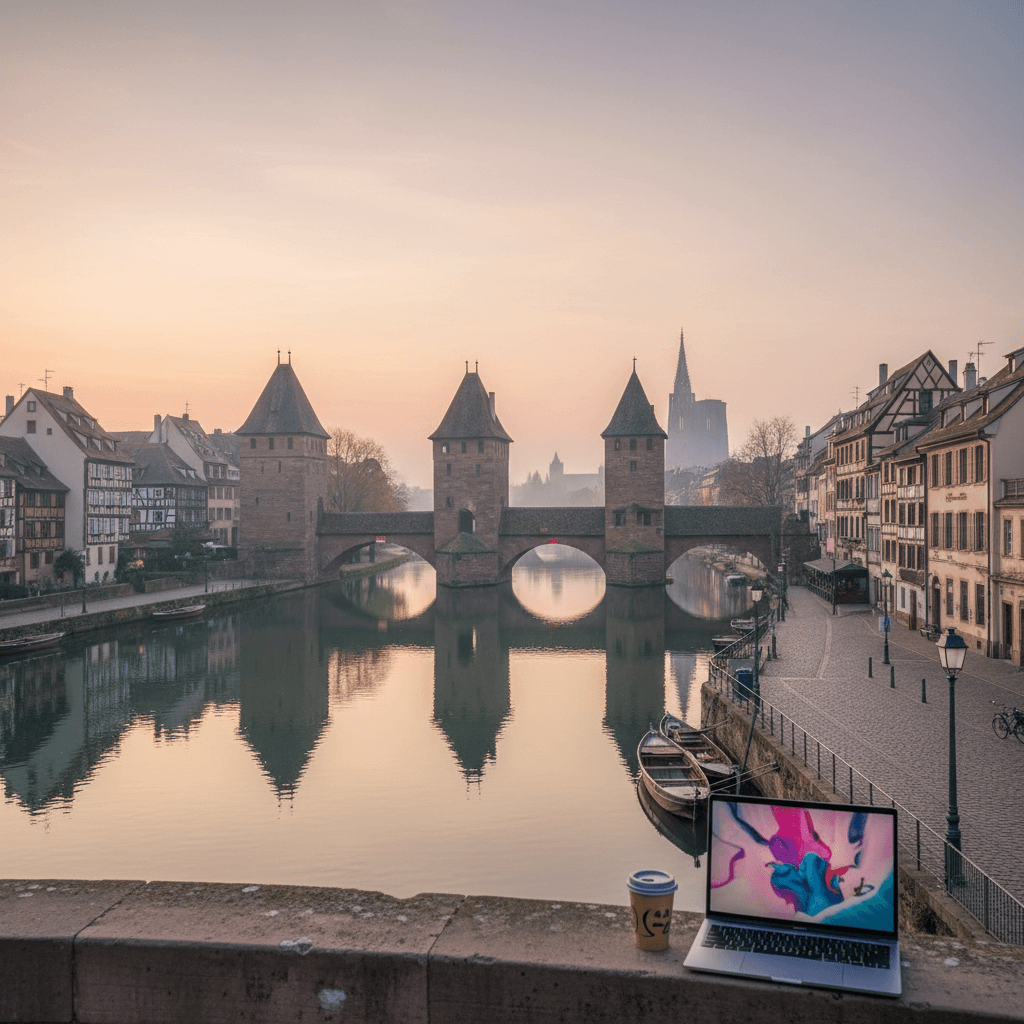
Strasbourg feels like a city that finally figured out the work-life balance puzzle. It sits right on the border of Germany and France, and that geography defines its personality. You get the efficiency and order of a German town mixed with the slow, indulgent pace of French life. It is remarkably walkable, safe, and has a positive atmosphere that makes foreigners feel welcome almost immediately.
The city center, particularly the Grande Île, is where most nomads gravitate. It is a fairy-tale setting with half-timbered houses and narrow alleys, but it functions like a modern hub. You can cross the entire central district on foot in twenty minutes, and the air is clean because the city prioritizes trams and bikes over cars. It is the kind of place where you grab a €2.70 coffee, walk past a Gothic cathedral, and then hop on a train to be in Germany for lunch.
The Reality of Working Here
While the vibe is relaxed, the infrastructure for remote work can be a bit of a mixed bag. The city provides free public WiFi in many areas, but the independent cafe scene hasn't fully embraced the laptop-all-day culture. Spots like Coffee Stub are popular for their atmosphere, but space is often tight and the WiFi can be temperamental. If you have a deadline, many nomads find themselves retreating to the Starbucks for guaranteed speeds and a reliable desk.
For a more professional setup, coworking spaces are available for around €350 a month. Most long-term travelers prefer to negotiate their housing to include a workspace. If you are staying a month or more, don't accept the first Airbnb price you see. You can often haggle a studio down from €870 to around €700, especially if you're booking outside the peak summer months or the famous Christmas market season.
Neighborhoods to Know
- Grande Île (City Center): The heart of the action. It's the most walkable area with the most "unique" Strasbourg charm, though you'll pay a premium for it with nightly rates around €85.
- Krutenau: This is the student and soul-food district. It's lively, a bit noisier at night, and filled with more affordable eateries and bars. It's great for solo travelers looking to meet people.
- Neustadt: The "New Town" built during the German era. It has wider boulevards and a more residential, sophisticated feel. It's excellent for families or nomads who want a quieter base with easy tram access.
Cost of Living Breakdown
Strasbourg isn't a budget destination, but it's manageable if you eat like a local. Groceries can be slightly more expensive than across the border in Germany, but dining out is reasonable for a major European city. A typical dinner or a hearty plate of street food will run you about €15.
- Budget Tier: €1,500/month. This covers a room in a shared apartment, sticking to public transport, and enjoying the city's many parks and free festivals.
- Mid-Range Tier: €2,200/month. This allows for a private studio (around €800), a few nights of dining out, and a hot desk at a local coworking space.
- Comfortable Tier: €3,000+/month. This gets you a high-end one-bedroom apartment in the historic center, upscale dining, and frequent weekend trips to nearby Alsace vineyards.
Practical Logistics
Getting around is effortless. The tram system is world-class, and a short 3km taxi or ride-share trip is surprisingly cheap at around €2.70. For your phone, expect to pay about €21 for a 10GB data plan. While many people in the tourist center speak English, knowing basic French phrases like "Bonjour" and "Merci" goes a long way in building rapport with the locals.
The emotional draw of Strasbourg is its safety and its pace. It doesn't have the frantic energy of Paris. Instead, it offers a high quality of life where you can work productively in the morning and spend your afternoon cycling along the canal or exploring 2,000 years of history. It’s a city that rewards those who like to slow down and wander.
The Bottom Line on Budgeting
Living in Strasbourg feels like a fair trade. You're getting a high quality of life with a blend of French flair and German efficiency without the eye-watering price tag of Paris. It's a mid-range destination where your money goes reasonably far, provided you're willing to negotiate and eat like a local. Most solo nomads find they can live comfortably on about €2,200 per month, though you can certainly squeeze that down to €1,500 if you're staying in shared housing and sticking to the city's excellent street food.
If you're looking for a more upscale experience with a private one-bedroom apartment in a historic building and frequent dinners out, plan for €3,000 or more. Groceries here tend to be slightly more expensive than just across the border in Germany, so many expats make a habit of popping over the Rhine for major shopping trips.
Housing and Neighborhoods
Finding a place to stay is your biggest variable. While Airbnb prices hover around €85 per night, the real secret is the long-stay discount. Nomads often find that a studio listed for €870 can be haggled down to €700 for a monthly booking. Focus your search on these three areas:
- Grande Île (City Center): This is the heart of the action. It's incredibly walkable and safe, though you'll pay a premium for the charm. Expect higher rent but lower transport costs since everything is at your doorstep.
- Krutenau: This is the go-to for a younger, more social crowd. It's packed with affordable eateries and has a lively nightlife scene. It's perfect if you want to be where the energy is, though it can get a bit noisy on weekends.
- Neustadt: If you prefer wider streets and a more residential feel, this area is great for families or those who want a modern apartment. It's well-connected by the tram system and feels a bit more "local" than the tourist center.
Daily Expenses
Eating out is a highlight here, especially if you're a fan of Alsatian fusion. A solid dinner or a hearty portion of street food usually runs about €15. Your morning caffeine fix at a spot like Coffee Stub will cost around €2.70, while a large beer at a local pub sits at €6.40. For quick snacks, a Coca-Cola is typically €2.70.
Getting around is remarkably cheap because the city is so compact. A 3km taxi or ride-share trip is only about €2.70, but most people just walk or use the trams. For your digital life, a local SIM card with 10GB of data costs around €21 per month. If you need a dedicated office environment, a hot desk at a local coworking space goes for roughly €350 a month.
The Remote Work Reality
While the city offers free public WiFi in many areas, the cafe culture isn't always nomad-friendly. Many independent shops have limited seating or inconsistent internet speeds. If you have a deadline, you'll likely end up at Starbucks for the reliable connection. For longer stays, it's worth investing in a coworking membership or ensuring your Airbnb host provides a speed test before you book. If you're staying longer than 90 days, keep in mind you'll need to look into local registration or an A1 certificate to keep your remote work status official.
Grande Île for Nomads
If you want to be in the thick of it, the Grande Île is your base. This is the historic heart of Strasbourg, surrounded by the River Ill. It is almost entirely walkable, and you can get from your apartment to a meeting in minutes. Most nomads land here because it is where the free city WiFi is strongest and the atmosphere feels most like the storybook Alsace you see in photos.
- Rent: Airbnb studios average €870 a month, but savvy travelers negotiate this down to €700 for longer stays. Daily rates hover around €85.
- Work: Cafe culture is a bit tricky here. Space is tight, and many independent spots like Coffee Stub have inconsistent WiFi. Most nomads head to the Starbucks on Place Kléber when they need a guaranteed connection and a desk for a few hours.
- Pros: You won't need a car or even a bike; everything is at your doorstep. It is incredibly safe and foreigner friendly.
- Cons: It is the most expensive area for housing and can feel crowded during the peak tourist months.
Krutenau for Solo Travelers
Just southeast of the center, Krutenau is the soul of the city's social scene. It is a former fishermen's district that has evolved into a trendy enclave popular with students and younger professionals. If you are traveling alone and want to meet people, this is where you go for a €6.40 pint of beer or a €15 dinner at a local bistro.
The vibe here is energetic and slightly less polished than the Grande Île. You will find more affordable street food options and late night spots. It is the best place to find that French and German cultural fusion without the premium price tag of the main tourist squares. Just be aware that living near the bars means dealing with a bit of noise on Friday and Saturday nights.
Neustadt for Expats and Long-Termers
Neustadt, or the New City, was built during the German administration in the late 19th century. It feels different from the rest of Strasbourg, with wide boulevards and massive, ornate buildings. Expats often choose this neighborhood because the apartments are larger and more modern than the cramped timber framed houses in the old town.
- Atmosphere: It is quieter and more residential, making it ideal if you are working from home and need a professional environment.
- Connectivity: The tram system here is excellent, and a taxi ride back to the center usually costs less than €3.
- Daily Life: You will find better access to local markets and grocery stores that aren't marked up for tourists. It is the perfect middle ground for someone staying three months or longer.
The Practical Side of Living
Regardless of which neighborhood you pick, getting around is cheap and easy. A 10GB data SIM will set you back about €21, and a hot desk at a local coworking space typically costs around €350 per month. Most people find that a monthly budget of €2,200 allows for a comfortable lifestyle with a private studio and plenty of meals out.
If you are on a tighter budget, you can get by on €1,500 by opting for shared housing and sticking to the city's excellent public transport. Strasbourg is one of those rare cities where you don't have to worry about "bad" neighborhoods; the safety levels are high across the board, and the locals are generally welcoming to those who lead with a friendly "Bonjour."
Connectivity and Speed
Strasbourg is a city that thrives on a slow pace, but its internet infrastructure generally keeps up with the demands of remote work. You'll find free public WiFi throughout the city center, which is great for checking emails while wandering the Grande Île. However, don't rely on it for heavy lifting or video calls. Most nomads opt for a local SIM card to stay tethered. A 10GB data plan typically runs around €21 per month, providing a reliable backup for those moments when cafe signals drop.
If you're booking an Airbnb or a local studio, always ask the host for a speed test screenshot before committing. While the city is modern, some of the charming older buildings in the Krutenau or the city center have thick stone walls that can be absolute killers for internal WiFi range. On average, you can expect decent speeds in residential rentals, but it's always better to verify if your job depends on a stable 50 Mbps connection.
The Cafe Work Culture
Working from cafes in Strasbourg is a bit of a mixed bag. The city isn't quite at the level of Lisbon or Berlin when it comes to laptop friendly culture. Many independent spots are small, and owners often prefer to keep tables open for diners during the lunch rush. You might find yourself feeling a little unwelcome if you linger for four hours over a single espresso.
- Starbucks: It's the predictable choice, but often the most reliable. The WiFi is consistent, there are plenty of outlets, and the staff won't mind if you stay for a long session.
- Coffee Stub: This is a local favorite for the atmosphere and quality of the brew. It's a great place to get an hour of work done, but the WiFi can be hit or miss, and the space fills up quickly.
- Anticafé: If you need a more structured environment, look for "pay by the hour" spots where the coffee and snacks are included in the price of your seat.
Most nomads recommend using cafes for light admin or creative brainstorming rather than deep work. If you have a day full of Zoom meetings, you'll likely want to head to a dedicated coworking space to avoid the background noise and spotty connectivity of the smaller bistros.
Coworking Spaces
For those staying a month or longer, a dedicated desk is the way to go. Strasbourg has several professional spaces catering to the growing expat and nomad community. A hot desk will generally set you back about €350 per month, which is a fair price for the stability and networking opportunities it provides.
The vibe in these spaces is professional yet relaxed, mirroring the city's general atmosphere. You'll find a mix of local entrepreneurs, EU consultants, and international nomads. It's often the best way to break out of the "tourist bubble" and meet people who actually live in the city. Most spaces offer daily or weekly passes if you aren't ready to commit to a full month right away.
Logistics and Practicalities
If you're planning a longer stay, keep in mind that France has specific rules for remote workers staying more than 90 days. While many nomads enter on a standard Schengen allowance, staying beyond that requires local registration or a specific visa. The city is very foreigner friendly, but the bureaucracy can be slow, so start your research early if you plan to make Alsace your semi permanent home.
- Mobile Data: Expect to pay around €21 for a solid 10GB plan.
- Hot Desk Price: Budget approximately €350 for a monthly pass at a central coworking hub.
- Free WiFi: Available in the city center, but best for casual browsing only.
- Pro Tip: Negotiate your Airbnb rates. You can often get a studio down to €700 from €870 if you're booking for a month or more outside of the peak Christmas market season.
A Secure, Walkable Base
Strasbourg is one of those rare cities where you can actually lower your guard. It has a relaxed, foreigner friendly atmosphere that blends French charm with German efficiency, making it feel more like a large, organized village than a chaotic metro area. Most nomads find the city center, particularly the Grande Île, incredibly safe to walk at any hour. The vibe is slow paced and positive, which is a major draw if you're tired of the high alert energy of larger capitals.
While there aren't specific "no go" zones frequently cited by the expat community, standard urban common sense applies. The city is highly walkable and well lit, but if you're heading back to your apartment late at night, the efficient tram system is a reliable alternative to walking. Most travelers say the greatest "risk" here is actually the cobblestones in the rain, or perhaps a cyclist zooming past you on a narrow lane.
Healthcare Standards
Since Strasbourg is a major European hub and home to the European Parliament, the medical infrastructure is top tier. You'll find high quality public and private hospitals that meet strict EU standards. For minor issues, look for the green neon crosses of local pharmacies. Pharmacists in France are highly trained and can often provide consultations for basic ailments or suggest over the counter treatments that might require a prescription in other countries.
- Emergency Services: Dial 112 for all emergency services. This is the standard EU number and operators usually speak English.
- Pharmacy Hours: Most are open from 9:00 AM to 7:00 PM, but there's always a "pharmacie de garde" on duty for after hours needs.
- English Proficiency: In the city center, many doctors speak at least some English, though it's helpful to have a translation app ready for specific medical terminology.
Digital Nomad Logistics
If you're planning to stay long term, keep in mind that France doesn't currently offer a specific "Digital Nomad Visa" in the way some other EU neighbors do. Most non EU nomads enter on a standard 90 day Schengen visa. If you intend to stay longer than three months or want to establish residency, you'll likely need to look into a VLS-TS (long stay visa) or local registration. For those working remotely for a company outside of France, an A1 form is often recommended to clarify your social security status while working from an Alsatian cafe.
Health insurance is a requirement for any visa stay. Expats recommend having a policy that covers at least €30,000 in medical expenses and repatriation. If you're an EU citizen, your EHIC card will cover most immediate needs, but private "top up" insurance is common among locals to cover the remaining 30 percent of costs that the state doesn't reimburse.
Safety Tips for the Road
While physical safety is high, digital safety is something to watch. The city offers free public WiFi in many central squares, which is convenient but not always secure. Most nomads use a VPN when hopping between the free city network and spots like Coffee Stub or Starbucks. If you're looking for a dedicated workspace with more privacy and security, a hot desk at a local coworking space typically runs around €350 per month.
Finally, keep an eye on your belongings in crowded tourist areas like the Petite France district or during the busy Christmas Market season. Pickpocketing isn't rampant, but the high volume of visitors in these areas can attract opportunistic theft. Overall, Strasbourg remains one of the most comfortable and secure spots in Western Europe for solo travelers and expats alike.
The Pedestrian's Paradise
Strasbourg is one of those rare cities where you can actually forget that cars exist. The city center, particularly the Grande Île, is exceptionally walkable and serves as the primary hub for anyone working remotely. Most nomads find they can reach almost any meeting, cafe, or grocery store within a 15 minute stroll. The vibe is decidedly slow paced, blending French elegance with a practical German efficiency that makes getting from point A to point B painless.
If you're staying in the center, your feet are your best asset. The streets are safe, well lit, and mostly cobblestoned, so leave the high heels in your suitcase. For those living slightly further out in neighborhoods like Neustadt or the student friendly Krutenau, the distances remain manageable. It's a city designed for human scale rather than traffic flow.
Mastering the Tram and Bus Network
When the Alsatian rain kicks in or you're heading across town with a heavy laptop bag, the public transit system is your best friend. Expats frequently praise the reliability of the local CTS (Compagnie des Transports Strasbourgeois). The tram network is the backbone of the city, with several lines intersecting at Homme de Fer, the central transit node.
- Single Trip: Expect to pay around €1.90 to €2.10 depending on where you buy the ticket.
- Short Hops: Taxis or ride hailing apps are surprisingly affordable for quick bursts, typically costing about €2.70 for a 3km trip.
- Airport Transfers: Getting to Strasbourg Airport (SXB) is straightforward via the shuttle train, which connects to the main station in about 8 minutes.
Life on Two Wheels
You can't talk about Strasbourg without mentioning bikes. It's often cited as the most bike friendly city in France. The terrain is flat, and the dedicated cycling paths are extensive. Many nomads prefer renting a bike for the duration of their stay rather than relying on the tram. While specific app prices fluctuate, you'll see Vélhop stations everywhere, which is the city's primary bike sharing scheme. It's a great way to explore the outskirts or even take a spontaneous ride across the border into Germany for a change of scenery.
Travel Beyond the City
One of the biggest perks of basing yourself here is the ease of weekend getaways. The Gare de Strasbourg is a major rail hub, making 7 different day trips via public transport incredibly easy for expats. You can be in the heart of the Black Forest or sipping wine in a nearby Alsatian village in under an hour. For longer hauls, the high speed TGV gets you to Paris in about 1 hour and 45 minutes, though you'll want to book those tickets in advance to avoid the steep last minute prices.
Practical Transit Tips
If you're planning on staying for a month or more, skip the single tickets and look into a monthly pass. Most nomads find that a mix of walking and the occasional tram ride is the sweet spot for their budget. While ride hailing exists, the city is so compact that you'll rarely find yourself needing a car. In fact, driving in the center is more of a headache than it's worth due to the many pedestrianized zones and limited parking. Stick to the trams, keep a 10GB data plan (usually around €21) for your maps, and enjoy the breeze.
The Franco-German Blend
Strasbourg is a bit of a linguistic chameleon. Because of its history and its spot right on the German border, you will feel a heavy Alsatian influence that sets it apart from Paris or Lyon. While French is the official language and what you will hear in every boulangerie, the city is remarkably foreigner friendly. Most nomads find that the local attitude toward English is more relaxed here than in other French hubs, likely due to the international presence of the European Parliament.
In the tourist heavy Grande Île or the university district of Krutenau, you can get by with English quite easily. Waiters and shopkeepers in these central areas are usually bilingual. However, if you head into residential pockets of Neustadt or smaller local markets, the "Anglais" safety net thins out. Learning a few basics isn't just polite; it is your ticket to better service and a warmer reception from the locals.
The "Bonjour" Rule
The biggest cultural hurdle for English speakers in France isn't actually the vocabulary, it is the etiquette. Never walk into a shop or start a conversation without saying "Bonjour" first. If you skip this, you might find people suddenly "forget" how to speak English. It is the most important word in your arsenal. Other staples you will need daily include "Merci" (thank you), "S'il vous plaît" (please), and the golden phrase for any nomad: "Parlez-vous anglais?" (Do you speak English?).
Expats recommend using Google Translate for menus or official documents, but for real time practice, many nomads in town join language exchange meetups. Since the city is a transit point for people moving between France and Germany, you will often find locals who are equally happy to practice their English or German with you over a beer.
Digital Communication and Connectivity
Staying connected in Strasbourg is relatively straightforward, though it has its quirks. The city center offers free public WiFi, which is great for a quick Slack check while sitting on a bench in a square. However, the cafe working culture is a bit of a mixed bag. Many independent spots like Coffee Stub have limited space and inconsistent speeds, which can be frustrating if you have back to back Zoom calls.
For reliable, high speed sessions, most nomads end up at Starbucks or one of the dedicated coworking spaces where a hot desk goes for about €350 a month. If you prefer working from your own setup, a local SIM card is a must. You can grab a 10GB data plan for around €21. This is usually enough to tether your laptop if your Airbnb WiFi decides to take a siesta, which does happen occasionally in the older, timber-framed buildings of the city center.
Navigating Officialdom
If you plan on staying longer than the standard 90 day Schengen limit, the language barrier becomes a bit more real. Government offices and residency processes are almost exclusively conducted in French. If you are applying for local registration or a long stay visa, you will likely need to bring a French speaking friend or hire a translator to ensure nothing gets lost in the paperwork. Most nomads find that while the day to day is easy in English, the "official" life requires a bit more linguistic legwork.
- Primary Language: French
- Secondary Influences: German and Alsatian dialect
- English Proficiency: Moderate to high in central and tourist areas
- Monthly Data Cost: Approximately €21 for 10GB
- Key Etiquette: Always lead with "Bonjour" before asking for help
The Seasonal Rhythm
Strasbourg is a city of distinct chapters. Because it sits in the Alsace region near the German border, the weather doesn't just change the temperature; it completely shifts the city's personality. You'll find the most balanced experience from May through September. During these months, the city is at its most walkable, with temperatures sitting comfortably between 20°C and 25°C. It’s the ideal window for exploring the Grande Île on foot or taking short weekend trips into the nearby Vosges mountains.
Winter brings a different kind of energy. While temperatures often hover between 0°C and 5°C from November to February, this is when Strasbourg becomes the self-proclaimed capital of Christmas. If you're planning to stay during December, expect the city to be packed and prices for short-term rentals to spike. Outside of the holiday rush, winter can feel a bit gray and damp, which is when the city's lack of laptop-friendly cafes becomes most apparent. You'll likely spend more time in the reliability of a Starbucks or a dedicated coworking space rather than dodging the rain in smaller independent shops.
Best Times for Digital Nomads
If you want the best of the city without the tourist crowds, aim for the shoulder seasons. May, June, and September offer the best "work-from-anywhere" conditions. The public WiFi in the city center is easier to access when you aren't competing with thousands of summer travelers, and the outdoor terraces are perfect for a post-work drink. Most expats recommend these months because the pace of life slows down just enough to feel local rather than like a visitor.
- Peak Season (June to August & December): Warm summers and festive winters. Expect high demand for Airbnbs and crowded trams.
- Shoulder Season (May, September, October): The sweet spot for nomads. Pleasant weather, manageable prices, and a more authentic local vibe.
- Low Season (January to March): Cold and occasionally rainy. Great for buckling down on work if you have a cozy apartment, but the social scene is quieter.
What to Pack
Strasbourg is a rainy city year-round, so a high-quality waterproof jacket is more important than a heavy coat for most of the year. Since the city center is almost entirely cobblestone, leave the formal shoes behind. You'll be walking everywhere, from the Krutenau district to the European Parliament, so sturdy sneakers are the unofficial uniform here. If you're arriving in the winter, layering is your best friend. The transition from the biting wind near the Ill River to a heated, crowded tram can be intense.
The Nomad Verdict on Timing
Most travelers find that a three-month stay starting in late August is the perfect play. You get the tail end of the warm summer evenings, the beautiful autumn colors in the Neustadt markets, and you can experience the start of the Christmas market season before the crowds become overwhelming in mid-December. This timing also makes it easier to negotiate those long-term Airbnb rates. While a studio might start at €870, landlords are often more open to a €700 monthly rate once the summer tourists head home in September.
Getting Around and Staying Connected
Strasbourg is a dream for anyone who prefers exploring on foot. The city center is compact and largely pedestrianized, meaning you can cross the main hubs in about 20 minutes. If you need to go further, the tram system is efficient and widely praised by expats for its reliability. A short 3km taxi or ride-share trip usually costs around €2.70, making it an affordable backup for rainy days.
For your digital setup, a local SIM card with 10GB of data will run you about €21 per month. While the city offers free public WiFi in many central spots, the cafe working scene is a bit of a mixed bag. Independent spots like Coffee Stub are charming but often have limited seating and inconsistent speeds. Most nomads find themselves heading to Starbucks when they need a guaranteed connection and a laptop-friendly table for a few hours. If you need a dedicated office environment, a hot desk at a local coworking space typically costs around €350 a month.
Cost of Living Breakdown
Expect your monthly expenses to align with most mid-sized French cities. It is slightly pricier for groceries than neighboring Germany, but the quality of life often justifies the extra few Euros. Most solo nomads find they can live comfortably on €2,200 a month, though you can squeeze by on €1,500 if you opt for shared housing and stick to street food.
- Studio Apartment: €700 to €870 (negotiable for longer stays).
- Dinner out: €15 for a solid meal.
- Local Beer (0.5L): €6.40.
- Coffee: €2.70.
Where to Plant Your Flag
Choosing the right neighborhood changes your entire experience. Most newcomers gravitate toward the center for the atmosphere, but other districts offer better value for long-term stays.
Grande Île (City Center)
This is the heart of the action. It is incredibly walkable and safe, with free WiFi scattered throughout the streets. The downside is the price tag; expect Airbnb rates to hover around €85 per night.
Neustadt
Expats and families often prefer this area. It feels more modern and spacious than the old town. You will find great local markets and easy access to public transport, though it lacks some of the medieval charm found elsewhere.
Krutenau
This is the place for a younger, more energetic vibe. It is famous for affordable eateries and a lively nightlife scene. It is great for solo travelers looking to meet people, though it can get noisy on weekend nights.
Visas and Paperwork
If you are coming from outside the EU, you can typically stay for up to 90 days on a standard Schengen visa. France does not have a specific digital nomad visa, so if you plan to stay longer, you will need to look into local registration or an A1 certificate for remote work. Travelers often recommend starting with a short-term Airbnb and negotiating a lower monthly rate directly with the host if you decide to hunker down for the season.
Language and Culture
French is the primary language, and while English is common in the tourist areas, learning a few basics goes a long way. A simple "Bonjour" or "Merci" opens doors. The city feels very welcoming to foreigners, and the blend of French and German influences gives it a unique, relaxed pace. For weekend trips, the local train station is a gateway to at least seven major getaways in the Alsace region, perfect for clearing your head after a week of remote work.
Need visa and immigration info for France?
🇫🇷 View France Country GuideEasy Landing
Settle in, no stress
Monthly Budget Estimates
More cities in France
Rennes
🇫🇷 France
Nice
🇫🇷 France
Bordeaux
🇫🇷 France