Sibu
🇲🇾 Malaysia
The Swan City Spirit
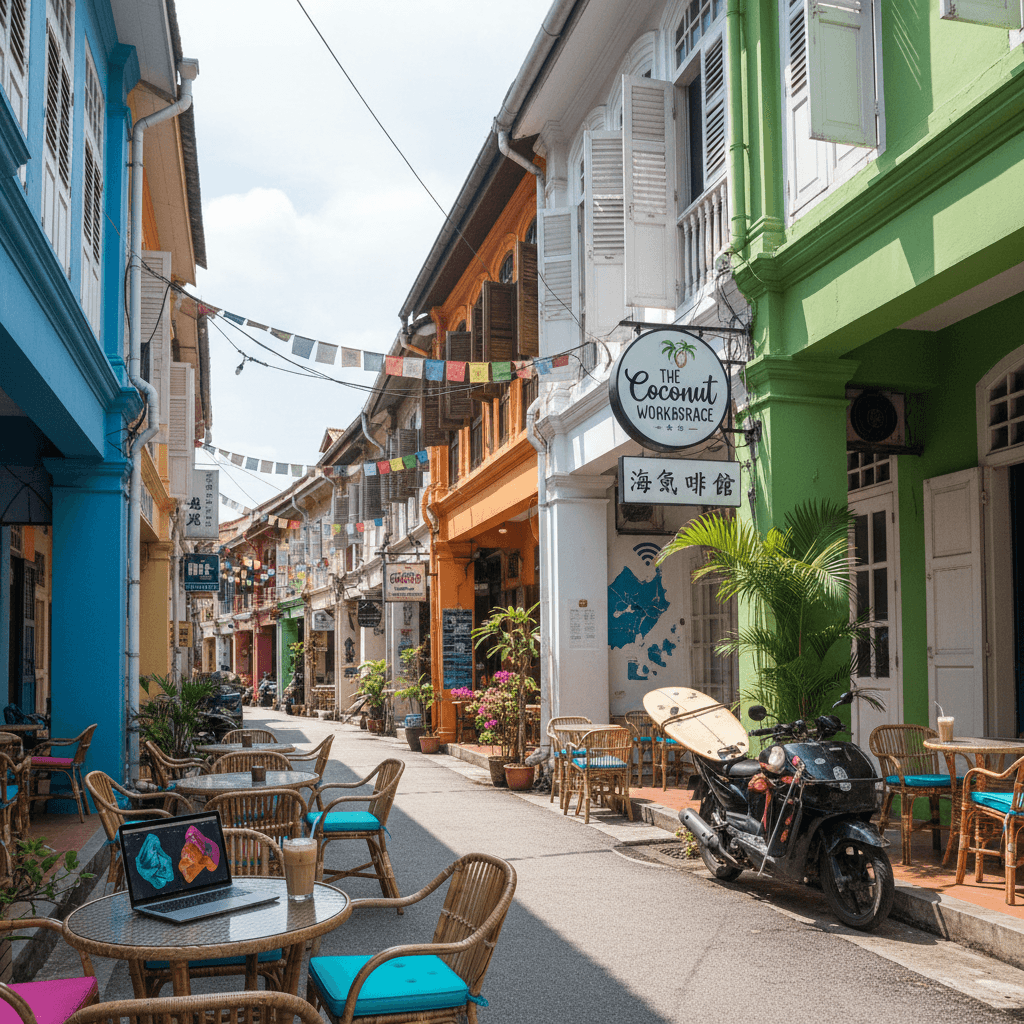
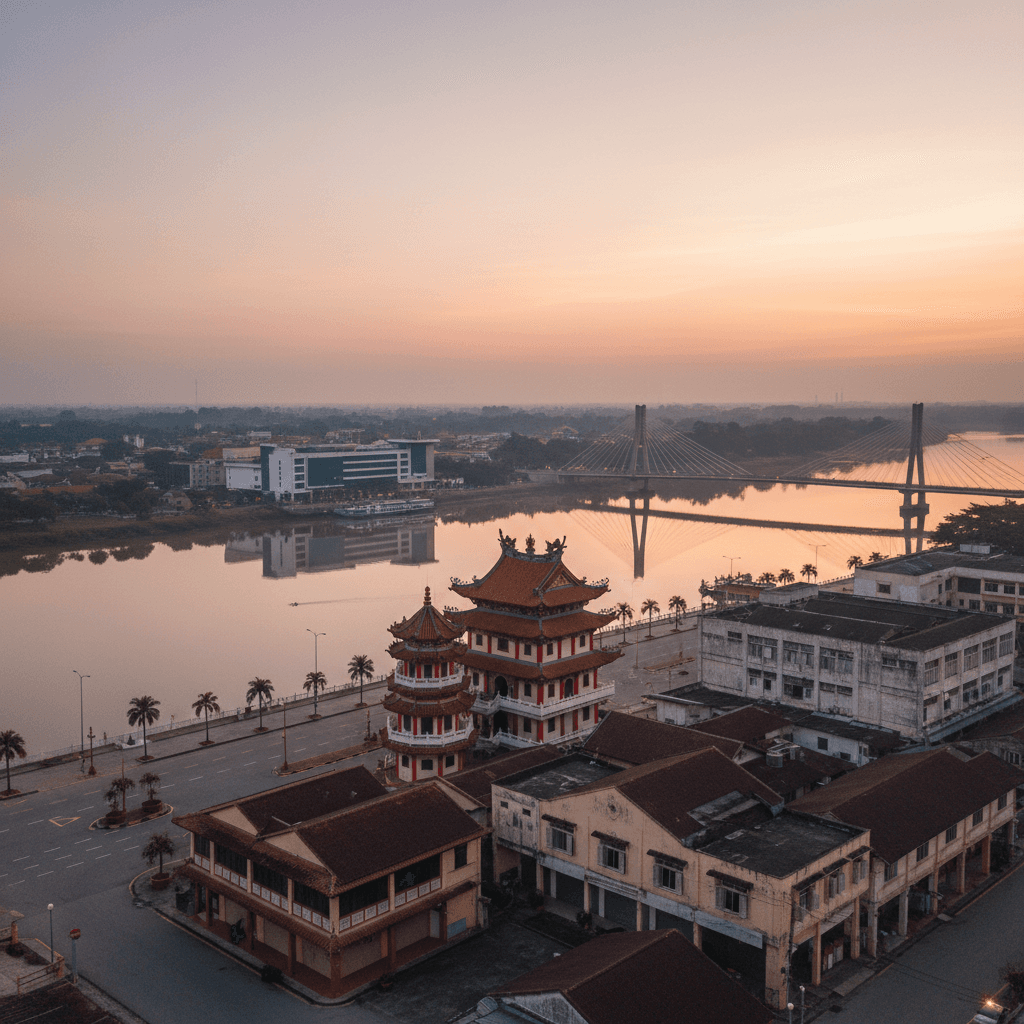
If you're looking for the polished, high-speed energy of Kuala Lumpur or the curated heritage of Penang, Sibu will surprise you. This is a gritty, honest river port in central Sarawak that doesn't try too hard to impress. Known as the Swan City, it feels more like a lived-in frontier town where the mighty Rajang River dictates the rhythm of life. It's the ancestral heart of the Foochow Chinese community, and that heritage is baked into everything from the architecture to the legendary noodles.
The vibe here is decidedly unhurried. You won't find a massive digital nomad community or a "laptop scene" in every cafe. Instead, you'll find a place where people actually talk to their neighbors and life revolves around the market. It’s the kind of city where you can live exceptionally well on a fraction of what you'd spend elsewhere, provided you're happy trading craft beer bars for open-air hawker centers and high-end malls for traditional shophouses.
Cost of Living Breakdown
Sibu is one of the most affordable hubs in Southeast Asia. Most expats find that their biggest challenge isn't the cost, but simply deciding how much luxury they actually need in a place where $1,000 USD a month makes you feel like royalty.
- Budget Tier: $600 to $800 per month covers a shared space, plenty of street food, and local transport.
- Mid-range Tier: $1,000 to $1,500 per month gets you a private 1BR apartment, frequent dining out, and a few weekend trips.
- Comfortable Tier: $1,800 to $2,500 per month is the high life here, including a modern condo, upscale meals, and all the conveniences.
Housing and Neighborhoods
Where you plant your flag depends on whether you want the convenience of the modern suburbs or the raw character of the docks.
Lanang
- Rent: Roughly $200 to $300 for modern developments.
- The Vibe: This is the most developed residential pocket. It’s quieter and features newer apartment complexes, though it’s less walkable than the center.
City Centre / Downtown
- Rent: Around $250 for a standard 1BR.
- The Vibe: The historic heart. You're steps away from the Sibu Central Market and the river. It's noisy and the buildings are older, but the energy is unmatched.
Jalan Ulu Oya
- Rent: $200 to $300 for contemporary housing.
- The Vibe: Favored by families and those looking for a "western" suburban feel. You’ll need a car or a reliable Grab habit if you live out here.
Digital Infrastructure
Working from Sibu requires a bit of a DIY attitude. While you won't find a coworking space on every corner, the infrastructure is solid enough for most remote roles. iCube Innovation is the main player in town, offering 24/7 access and proper meeting rooms. If you prefer a more grassroots startup environment, the Sibu Digital Innovation Hub in Kampung Nangka is a budget-friendly alternative.
For the cafe-hoppers, Payung Cafe and The Ark are local favorites for a few hours of work, though the WiFi can be hit or miss during peak hours. A fixed 60Mbps home connection will run you about RM79 ($18.80), and a beefy mobile data plan is roughly RM21.50 ($5.10). Most nomads recommend grabbing a local SIM from Maxis or Celcom immediately upon arrival.
Getting Around
Don't bother looking for a subway map. Sibu is a Grab city. The app is the gold standard for getting around, with rides across town usually costing less than a cup of coffee. While the city center is walkable, the humidity and lack of consistent sidewalks mean you'll likely call a car for anything longer than a ten-minute trek. If you're heading to or from the airport, a 30-minute Grab ride usually clocks in between RM30 and RM50 ($7 to $12).
Safety and Health
The "gangster city" reputation Sibu had decades ago is mostly a thing of the past. Today, it’s as safe as any other medium-sized Malaysian city. You’ll want to keep your wits about you at night and stick to Grab rather than hailing random cars, but violent crime is very rare. For healthcare, KPJ Sibu Specialist and Rejang Specialist Hospital provide high-quality private care that is very affordable by international standards, while Sibu Hospital handles major emergencies for the region.
Living Costs in Sibu
If you are looking for a place where your currency stretches to its absolute limit, Sibu is a heavy hitter. It consistently ranks as one of the most affordable urban centers in Malaysia. Most digital nomads find they can live a high-quality life here for a fraction of what they would spend in Kuala Lumpur or even neighboring Kuching.
Monthly Housing and Utilities
Rent is the biggest win for your budget here. While you won't find many high rise glass towers, the modern developments are spacious and incredibly cheap. Most expats recommend looking in the Lanang or Jalan Ulu Oya areas for newer builds, while those who want to be in the thick of the action stick to the City Centre.
- City Centre Studio/1BR: Around $250 (RM1,050) per month.
- Outside Centre 1BR: Approximately $180 (RM740) per month.
- 3-Bedroom Apartment (City Centre): Roughly $455 (RM1,890), perfect for families or those wanting a home office.
- Basic Utilities: Expect to pay about $31 for electricity, water, and cooling for a single person.
The Food Budget
Sibu is a Foochow food paradise. You will likely find yourself eating out for almost every meal because it is often cheaper than buying groceries. The local hawker scene is the heartbeat of the city, especially at the Sibu Central Market.
- Street Food/Hawker Meal: A bowl of Kampua noodles or Sarawak Laksa usually runs between $1.90 and $2.85 (RM8 to RM12).
- Mid-range Dinner for Two: A three course meal at a decent sit down spot averages $8.70 (RM36.50).
- Upscale Dining: Even at the nicest spots in town, you will rarely cross $24 (RM100) for a high end meal.
- Coffee Culture: A cappuccino in a trendy cafe like The Ark or Payung Cafe costs about $2.25 (RM9.50).
Connectivity and Transport
Since Sibu lacks a robust public bus network, your transport budget will live and die by the Grab app. It is the primary way to get around, and it is remarkably efficient. For digital infrastructure, costs are low, though you should verify the speeds at your specific accommodation before signing a long lease.
- Home Internet (60+ Mbps): Monthly plans start around $18.80 (RM79).
- Mobile Data (10GB+): Prepaid SIMs from providers like Maxis or Celcom cost about $5.10 (RM21.50).
- Airport Transfer: A 30 minute Grab ride from the airport to downtown typically costs between $7 and $12 (RM30 to RM50).
Monthly Budget Tiers
To give you a realistic idea of what to expect, here is how the lifestyle tiers typically break down for a single person.
- Budget Tier: $600 to $800. This covers a modest room, exclusively local hawker food, and using Grab sparingly.
- Mid-range Tier: $1,000 to $1,500. This is the sweet spot. You get a private one bedroom apartment, eat at nice cafes daily, and have plenty left over for weekend trips.
- Comfortable Tier: $1,800 to $2,500. At this level, you are living in the best housing available, dining at upscale restaurants, and essentially ignoring price tags on local services.
Travelers often say that Sibu feels like a time capsule. While it lacks the glitzy coworking hubs of Penang, the sheer affordability allows for a much slower, stress free pace of life. If you can handle the quieter nights, your bank account will certainly thank you.
The Digital Nomad: City Centre / Downtown
If you're in Sibu to work, you want to be in the historic heart of the "Swan City." This is where the action is. Living here means you're within walking distance of the Sibu Central Market, where you can grab a RM8 plate of Kampua Mee before settling into a cafe for the morning. It's the most authentic slice of Sarawak you'll find, filled with old shophouses and the smell of roasted Foochow bagels.
- Rent: Expect to pay around $252 (RM1,050) for a decent 1BR apartment.
- Connectivity: You're close to iCube Innovation, the city's primary coworking hub. While many nomads work from spots like Payung Cafe or The Ark, having a dedicated desk at iCube is the best bet for stable video calls.
- The Vibe: Gritty, lively, and very local. It's perfect if you don't mind a bit of noise in exchange for being able to walk everywhere.
The Long-Term Expat: Lanang
Expats who plan on staying for six months or more usually gravitate toward Lanang. It's the most developed residential pocket in Sibu and feels a bit more "polished" than the downtown core. You'll find modern apartment complexes here that offer amenities like gyms and better security, which are harder to come by in the older parts of town.
- Rent: Prices range from $200 to $300 for modern units.
- Lifestyle: It's quieter than the city centre but still close to shopping malls and supermarkets. You'll likely need to rely on Grab to get around, as it's not as walkable as the historic district.
- Why here: It offers the best balance of modern comfort while keeping your monthly burn low. Even with a "fancy" apartment, your total utilities will likely hover around $31 a month.
Families: Jalan Ulu Oya
For those traveling with kids or looking for a suburban feel, Jalan Ulu Oya is the go-to. This area has seen a lot of recent development, with newer housing estates that provide more square footage for your dollar. It’s far enough from the river port to avoid the heavy traffic but close enough to reach international schools and medical facilities like KPJ Sibu Specialist Medical Centre quickly.
- Housing: You can find 3BR homes or large apartments for roughly $455 (RM1,890).
- Pros: Wide streets, less noise, and a sense of community. It's where the local middle class and professional expats tend to settle.
- Cons: You are definitely in "car territory" here. Without a vehicle or a dedicated budget for Grab, you'll feel isolated.
Solo Travelers and Adventurers: Sg. Merah
Also known as the Sarikei Road area, Sg. Merah is an interesting mix of commercial and residential zones. It's a bit of a wild card, but it's great for solo travelers who want to be away from the main tourist trail while still having access to great food. The Sibu Digital Innovation Hub is nearby in Kampung Nangka, making it a viable alternative for budget-conscious tech workers.
- Cost: This is one of the most affordable areas, often landing in the $178 (RM740) range for a basic 1BR.
- Atmosphere: It's a "local's local" neighborhood. You'll find fewer English speakers here than in the City Centre, so it's a great place to immerse yourself if you're trying to learn the language or culture.
- Transport: A Grab ride to the city centre is quick and cheap, usually costing less than $3 to $5 depending on the time of day.
Connectivity and Speeds
If you're coming from Kuala Lumpur or Penang, you'll notice a step down in infrastructure, but it's far from a digital desert. Fixed broadband typically clocks in around 60 Mbps for a standard RM79 monthly plan. It's reliable enough for Zoom calls and standard uploads, though power users might find the lack of widespread high speed fiber frustrating.
Most nomads rely on a solid mobile data backup. You can grab a SIM from providers like Maxis or Digi at the airport or any convenience store. A 10GB plus data plan will only set you back about RM21.50. Coverage is strong in the city center and Lanang, but it can get spotty if you head out toward the river outskirts.
Coworking Spaces
Sibu isn't a massive nomad hub, so the dedicated coworking scene is small but functional. iCube Innovation is the main player here. It feels like a proper professional environment with private office suites, meeting rooms, and those all important phone booths for private calls. They offer 24/7 access, which is a lifesaver if you're working for clients in US or European time zones. You'll need to message them directly for a quote as they don't post flat rates online, but it's generally affordable by regional standards.
For a more local, startup oriented vibe, there is the Sibu Digital Innovation Hub (Sibu DIH) in Kampung Nangka. It's less about the nomad "lifestyle" and more about local entrepreneurship, but it provides a very cheap desk and a chance to meet Sarawakian techies. It's basic, so don't expect artisanal coffee or ergonomic designer chairs, but it gets the job done.
The Cafe Office Scene
Since dedicated desks are limited, many expats end up "cafe hopping" to keep things fresh. The local culture is laid back about people lingering with laptops, provided you're ordering more than just a single water. Here are the spots most regulars frequent:
- Payung Cafe: A favorite for its relaxed atmosphere and decent WiFi. It's great for casual admin work, though it can get noisy during the lunch rush.
- The Ark Cafe: Known for having a bit more space and a menu that keeps you fueled through a long afternoon session.
- Cafe Cafe: A bit more upscale with reliable power outlets, making it a go to for when your battery is hitting the red zone.
One thing to keep in mind is that "Sibu time" is real. Cafes might have variable opening hours, and the WiFi isn't always a guarantee. Always have your Grab app ready to move to a backup location, and keep a loaded local SIM for tethering just in case the house router decides to take a nap.
Digital Infrastructure Summary
- Monthly Fiber Internet: RM79 ($18.80 USD)
- Mobile Data (10GB+): RM21.50 ($5.10 USD)
- Primary Coworking: iCube Innovation (Professional, 24/7 access)
- Budget Coworking: Sibu Digital Innovation Hub (Basic, community focused)
- Best Working Cafes: Payung Cafe, The Ark, and Cafe Cafe
General Safety and Street Smarts
If you have spent time researching Sibu, you might have come across its old reputation as a rough and tumble town. Decades ago, it was famously dubbed a gangster city due to rivalries in the timber industry. Today, those days are long gone. Most expats find Sibu to be a safe, laid back river town where the biggest threat is usually a sidewalk that is uneven or a sudden tropical downpour.
The city feels remarkably secure compared to the frantic pace of Kuala Lumpur. That said, petty crime like snatch thefts can happen, particularly near the Sibu Central Market or the night market where crowds gather. Local nomads recommend keeping your bag on the side away from the street to avoid opportunistic drive by thefts. If you are out late at the bars along Jalan Borneon, stick to Grab rather than walking home through dimly lit side streets.
Healthcare Infrastructure
For a city of its size, Sibu punches above its weight in medical care. You won't find the glitzy medical tourism hubs of Penang here, but the facilities are reliable and significantly cheaper than what you will find in the West. Most doctors speak excellent English, having trained in West Malaysia, Australia, or the UK.
Sibu Hospital is the primary public facility. It is the second largest in Sarawak and handles everything from emergencies to specialized surgery. While it is accredited and highly capable, wait times can be grueling for non emergencies. Most expats and digital nomads opt for private care for anything that isn't a life threatening crisis.
Private Medical Options
If you need to see a specialist or get a quick checkup, these are the two names you need to know:
- KPJ Sibu Specialist Medical Centre: Located right in the city centre, this is often the first choice for foreigners. They offer a full range of services including cardiology, orthopedics, and 24 hour emergency care. It feels more like a private clinic and the administrative process is usually quite fast.
- Rejang Specialist Hospital: This is a 49 bed private facility about 10 minutes from the town center. It has a solid reputation for personalized care and Rejang Specialist Hospital houses around 21 resident specialists and over 20 visiting specialists. It is a great spot for routine diagnostics or minor procedures.
Pharmacies and Emergencies
Pharmacies are everywhere in the downtown area. You will find familiar Malaysian chains like Watson’s and Guardian, along with independent local chemists. Many medications that require a prescription in the US or Europe can be bought over the counter here after a quick consultation with the pharmacist. For any serious emergency, dial 999 for an ambulance, though if you are mobile, taking a Grab to the hospital is often faster.
Environmental Health
The biggest health nuisance in Sibu is often the mosquitoes. Dengue fever is a reality in Sarawak, so using repellent during the dawn and dusk hours is a smart move. Additionally, because Sibu is a low lying river town, the humidity is intense. Staying hydrated is not just a suggestion; it is a requirement to avoid heat exhaustion while you are out exploring the markets.
Getting Around Sibu
Getting from point A to point B in Sibu is straightforward, though it requires a shift in mindset if you are used to the robust metro systems of Kuala Lumpur or Singapore. This is a car-dependent city, but because the central core is relatively compact, you won't feel stranded. Most expats and nomads rely on a mix of walking for short errands and ride-hailing for everything else.
The Grab Dominance
Grab is the undisputed king of transport here. Since Sibu lacks a reliable public bus network, this app will be your lifeline. It is available 24/7, and you can usually get a car within five to ten minutes in the city center. You do not even need a local SIM card to use it; your home number works fine as long as you have data.
- JustGrab: The fastest way to get a ride, usually costing between RM5 and RM12 for trips within the city.
- GrabCar 6-Seater: Perfect if you are traveling with a group or have heavy luggage from the airport.
- GrabCar Plus: For a few extra Ringgit, you get newer vehicles and drivers with higher ratings.
Traditional taxis still exist, but they are becoming a rarity. They don't always use meters, which can lead to awkward negotiations. If you do use one, agree on the price before the wheels start turning.
Walking the Swan City
The downtown area and the riverfront are surprisingly walkable. If you live near the Sibu Central Market, you can easily reach dozens of hawker stalls, pharmacies, and banks on foot. The streets are generally safe, though the tropical humidity and sudden afternoon downpours often make a five-minute walk feel much longer.
Outside the immediate city center, sidewalks become inconsistent. If you are staying in Lanang or Jalan Ulu Oya, walking to the central hub isn't practical. The heat is the biggest factor here; most locals avoid walking long distances between 11:00 AM and 4:00 PM.
Airport Transfers
Sibu Airport sits about 25 to 30 minutes away from the downtown core. It is a small, efficient airport, and getting into town is painless. A Grab ride typically costs between RM30 and RM50 ($7 to $12 USD) depending on the time of day and traffic. There are taxi counters at the arrivals hall where you can buy a fixed-rate coupon, but most nomads find the app-based pricing more transparent and convenient.
River Travel
You cannot talk about Sibu without mentioning the Rajang River. While not a daily commute option for most digital nomads, the express boats at the Sibu Wharf are a unique part of the local transport fabric. These "bullet boats" connect Sibu to upriver towns like Kapit and Belaga. It is a loud, vibrating, and quintessentially Sarawakian experience that every visitor should try at least once to see the interior of the island.
Biking and Scooters
You won't see many expats on bicycles here. The infrastructure isn't designed for it, and the traffic can be aggressive. While some locals use motorbikes to navigate the narrow lanes of the older Chinese quarters, there isn't a formal rental market for scooters like you would find in Bali or Chiang Mai. Stick to Grab for your daily moves; it's air-conditioned, affordable, and keeps you dry during monsoon season.
The Linguistic Landscape
If you've spent time in Kuala Lumpur or Penang, you'll notice a distinct shift in the air when you land in Sibu. While English is widely understood in Malaysia's major hubs, Sibu is a place where local dialects take center stage. This is the heartland of the Foochow community. You'll hear this specific Chinese dialect everywhere, from the morning clamor at the Central Market to the coffee shops along Jalan Channel.
Don't let that intimidate you. Most locals are multilingual, switching between Foochow, Mandarin, Malay, and English. In business settings, hotels, and upscale cafes like The Ark or Cafe Cafe, you'll get by just fine with English. However, once you step into the smaller hawker centers or deal with older shopkeepers, English proficiency drops significantly. Learning a few phrases in Bahasa Melayu (Malay) goes a long way here, as it's the national language and the common ground for the city's Malay, Chinese, and indigenous Melanau and Iban populations.
Communication Style and Etiquette
People in Sibu are famously friendly but often more reserved than those in the capital. Communication is polite and indirect. Most nomads find that a smile and a patient attitude solve almost any language barrier. If you're struggling to get your point across, pointing at a menu or using a translation app is perfectly acceptable and won't be seen as rude.
Expats frequently mention that "Sibu English" has its own rhythm, heavily influenced by Foochow syntax. You might hear people add particles like "lah" or "meh" to the end of sentences. It's expressive and efficient once you get the hang of it. If someone asks "Already eat?", they're usually just being polite, it's a standard greeting similar to "How are you?"
Staying Connected
Reliable communication starts with a local SIM card. Don't rely on international roaming; it's expensive and often spotty. You can pick up a card at Sibu Airport or any of the numerous mobile shops in the city center. The big four providers are Maxis (Hotlink), Celcom, Digi, and U Mobile.
- Maxis/Hotlink: Generally considered to have the most stable coverage in the city, though it's often the priciest.
- Celcom: Excellent if you plan on traveling into the more rural parts of Sarawak or taking long boat trips up the Rajang River.
- Digi: Popular with nomads for its affordable prepaid data packages, often costing around RM20 to RM30 ($5 to $7 USD) for a solid monthly data allowance.
For messaging, WhatsApp is the undisputed king. Whether you're booking a table at a restaurant, messaging a landlord about an apartment in Lanang, or talking to a Grab driver, everyone uses it. If you're looking to integrate into the local business community, having a working WhatsApp number is more important than having a local landline.
Navigating the Digital Divide
While 4G is reliable in the urban core, the city's infrastructure is still catching up to the fiber speeds of West Malaysia. Most nomads recommend having a backup mobile hotspot if you're working from an older rental in the city center. If you need serious bandwidth for video calls, head to iCube Innovation. It's the most reliable spot for high speed internet and a professional environment, and the staff there speak excellent English, making it a great home base for your first few weeks in town.
The Tropical Rhythm
Living in Sibu means embracing the heat of central Sarawak. It's tropical, humid, and rain is a frequent guest. You won't find traditional four seasons here; instead, the year is divided by rainfall patterns. Temperatures usually hover between 23°C and 32°C (73°F to 90°F), so you'll want to prioritize accommodation with strong air conditioning.
The wettest months typically run from October through January. During this window, the Northeast Monsoon brings heavy afternoon downpours that can occasionally cause localized flash flooding near the Rajang River. If you're planning to get work done in cafes, this is the time you'll find yourself trapped for an extra hour over a second kopi while waiting for the rain to clear.
When to Plan Your Stay
For the most comfortable experience, aim for the dryer window between June and August. The humidity is slightly more bearable, and the skies are generally clearer for river excursions. This is also the peak period for local festivals, which provide the best insight into the city's Foochow and indigenous Dayak soul.
- June: The Gawai Dayak festival celebrates the harvest. It's a fantastic time to experience the hospitality of local longhouses, though many businesses may close for a few days.
- July/August: The Borneo Cultural Festival usually takes over the town square. It's a massive celebration of food and performance that nomads often cite as the highlight of their stay.
- January/February: Chinese New Year is a major event given Sibu's heritage. Expect plenty of firecrackers and lion dances, but be aware that many smaller eateries shut down for the week.
The Haze Factor
One thing long term expats will tell you to watch out for is the "haze season." This typically happens between July and September. Smoke from agricultural burning in the region can occasionally drift over, causing poor air quality for a few days or weeks at a time. It doesn't happen every year with the same intensity, but it's worth checking the Air Pollutant Index (API) if you have respiratory sensitivities.
Packing Essentials
Since the weather is consistently warm, pack light, breathable fabrics. However, don't let the heat fool you; Malaysian malls, cinemas, and buses are notorious for "Arctic" levels of air conditioning. Most nomads recommend carrying a light hoodie or shawl for indoor work sessions. A sturdy umbrella is non negotiable, not just for the rain, but also as a sunshade during the midday heat when walking between the Central Market and your apartment.
Best Time for Budget Travelers
If you're looking to save on the already low costs, avoid the weeks surrounding Chinese New Year and Gawai. Flight prices to Sibu Airport from Kuala Lumpur or Kuching can triple during these holidays as locals return home. Outside of these peak travel windows, you'll find the city incredibly quiet and accommodation prices very stable.
Living Costs and Budgeting
Sibu is one of the most affordable corners of Malaysia, sitting comfortably in the top 15% of the world's least expensive cities. You can live a high quality life here for a fraction of what you would spend in Kuala Lumpur or Singapore. Most nomads find that a budget of $1,000 to $1,500 USD per month provides a very comfortable lifestyle, including a modern apartment and frequent dining out.
Rent and Neighborhoods
- City Centre: Best for those who want to be near the Sibu Central Market and the river. Expect to pay around $250 USD (RM1,050) for a one bedroom apartment. It is walkable and authentic, though older buildings are the norm here.
- Lanang: This is the go to for modern living. It has newer apartment complexes and better shopping infrastructure. Rent usually sits between $200 and $300 USD.
- Jalan Ulu Oya: Popular with families and expats who prefer quiet, contemporary housing. It is a bit further out, so you will definitely need to rely on Grab for transport.
Food and Daily Expenses
The food scene is where your money goes furthest. A meal at a local hawker stall typically costs between RM8 and RM12 ($1.90 to $2.85 USD). Even a nice three course dinner for two at a mid range restaurant will only set you back about RM36.50 ($8.70 USD). If you are craving a cappuccino, expect to pay around RM9.50 ($2.25 USD) at a local cafe.
Digital Infrastructure and Coworking
The internet in Sibu is reliable enough for standard remote work, though it lacks the blazing fiber speeds found in West Malaysia. A 60 Mbps home connection costs about RM79 ($18.80 USD) per month. For mobile data, a 10GB plan is roughly RM21.50 ($5.10 USD). You can pick up SIM cards from Maxis or Celcom at the airport or any convenience store.
For a dedicated workspace, iCube Innovation is the top choice. It offers 24/7 access, private suites, and meeting rooms. If you prefer a more community focused startup vibe, check out the Sibu Digital Innovation Hub in Kampung Nangka. Many nomads also set up shop in local spots like Payung Cafe or The Ark Cafe, though you should check the WiFi strength before settling in for a long session.
Staying Safe and Healthy
Sibu is generally safe, and the old "gangster city" reputation from decades ago is largely a thing of the past. It feels like any other mid sized Malaysian city. Just use common sense at night and stick to Grab for transport rather than hailing random cars.
If you need medical care, the city is well equipped. Sibu Hospital is the main public facility, but most expats head to private hospitals for faster service. KPJ Sibu Specialist Medical Centre and Rejang Specialist Hospital both offer high quality care with English speaking specialists. For any emergency, the number to dial is 999.
Getting Around
Public buses are almost non existent here, so your life will revolve around the Grab app. It is cheap, reliable, and works exactly like Uber. A trip from the airport to the city centre takes about 30 minutes and costs between RM30 and RM50 ($7 to $12 USD). While the downtown core is walkable, the tropical heat often makes a quick Grab ride the more sensible choice for anything longer than a ten minute stroll.
Need visa and immigration info for Malaysia?
🇲🇾 View Malaysia Country GuideHidden Gem
Worth the effort
Monthly Budget Estimates
More cities in Malaysia
Miri
🇲🇾 Malaysia