Shah Alam
🇲🇾 Malaysia
If you find the high octane energy of Kuala Lumpur a bit much for a Tuesday morning, Shah Alam is the breather you didn't know you needed. Located just 25 kilometers west of the capital, the state capital of Selangor feels less like a concrete jungle and more like a massive, well manicured garden. It is a city of roundabouts, wide boulevards, and a surprisingly chill pace of life that draws in nomads who value focus over frenzy.
The vibe here is distinctly local and suburban, yet polished. You won't find the rooftop bar hopping scene of Bukit Bintang here. Instead, you get a city that actually sleeps, allowing for a deep work routine that's hard to maintain in more tourist heavy hubs. Most expats find the transition easy because the infrastructure is top tier, but the cost of living stays refreshingly low. You are trading the neon lights for lakeside jogs and some of the best street food prices in the Klang Valley.
The Nomad Experience
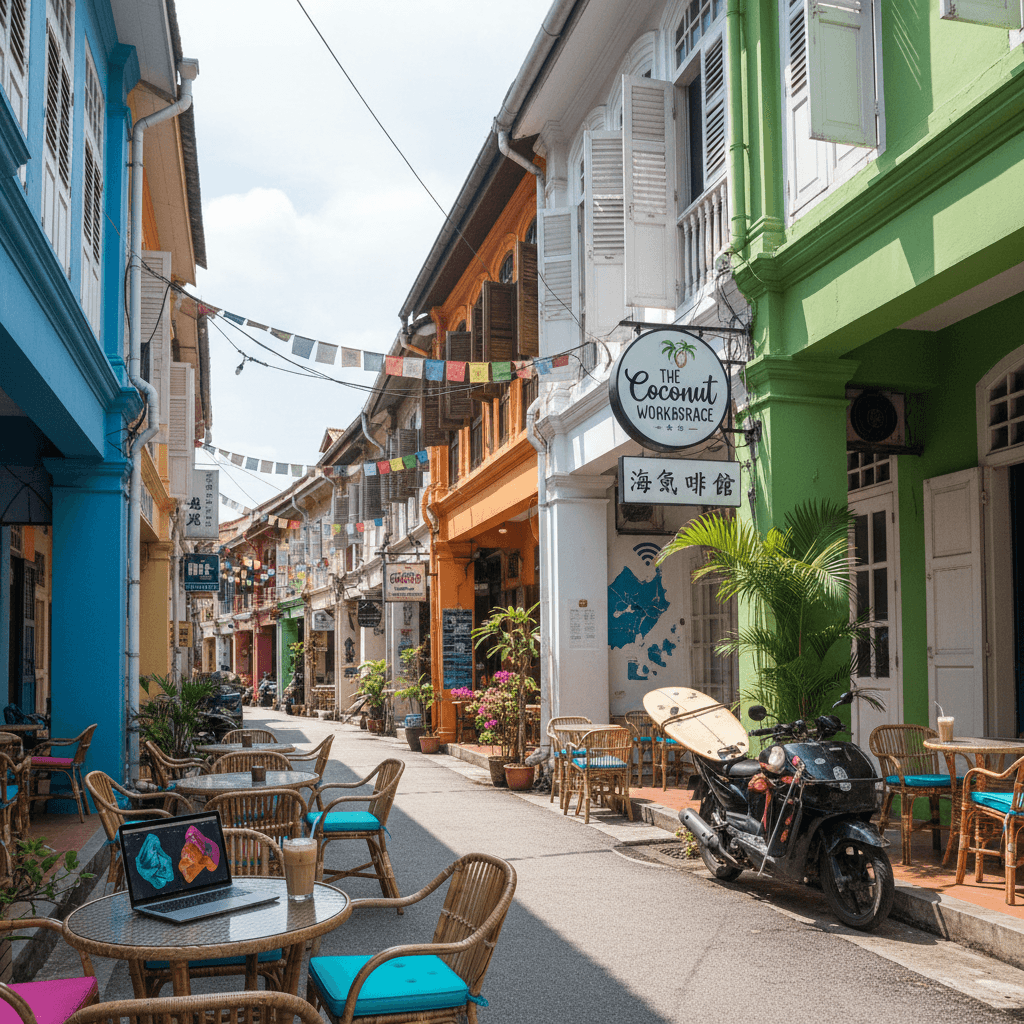
Living here feels like being in on a secret. While the digital nomad crowds swarm Bali or Chiang Mai, Shah Alam offers a "real" Malaysian experience. You'll spend your mornings at places like The Koffee or Bimba II Cafe, where the WiFi is snappy and the coffee doesn't cost a fortune. The social scene is quieter, centered more around night markets and cafe hopping than clubbing. If you need a big city fix, a RM30 Grab ride puts you right back in the heart of KL in about 30 to 40 minutes.
- The Pros: Monthly expenses are roughly $681 including rent. It is incredibly safe, green, and easy to navigate if you have a car or use ride hailing apps.
- The Cons: The nightlife is almost non existent, and the city has a more conservative, family oriented atmosphere. You will definitely want a Grab account as the public transport can be a bit of a hike from the main residential hubs.
Cost of Living Breakdown
Your ringgit goes significantly further here than in neighboring cities. You can live a very comfortable, "upper middle class" lifestyle on a budget that would barely cover a studio in Singapore or London.
- Budget Lifestyle ($500 to $700 per month): This covers a room in a shared house, plenty of RM5 street food, and using the local bus system.
- Mid Range ($1,000 to $1,500 per month): The sweet spot for most nomads. You can snag a modern 1 bedroom apartment for $400 to $600, eat out at nice cafes daily, and keep a full time coworking membership.
- Comfortable ($1,800 to $2,500 per month): This gets you a premium 2 bedroom condo in a spot like Seksyen 13, frequent upscale dining, and enough left over for weekend trips around Malaysia.
Where the Community Hangs Out
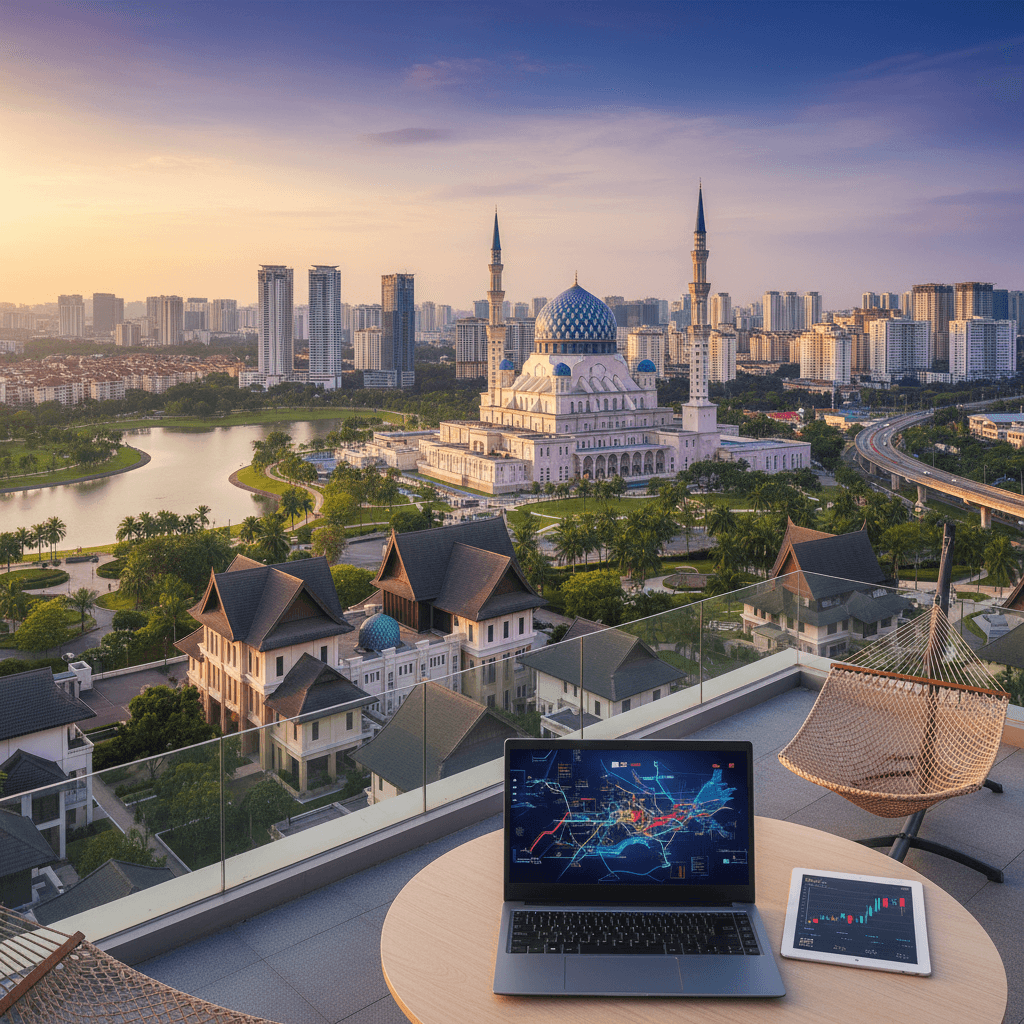
The city is divided into numbered "Seksyens," each with its own personality. Seksyen 7 is the heartbeat of the city for younger crowds, thanks to the university nearby. It is packed with affordable boutiques and trendy eateries. If you prefer things a bit more upscale and quiet, Seksyen 9 offers a tranquil environment near the iconic Blue Mosque, perfect for those who need zero distractions to hit a deadline.
For those who want a "city within a city" feel, Setia Alam is the place to be. It has its own massive mall, Setia City Mall, and a legendary night market. It feels like a self contained ecosystem where you can walk to your grocery store, your gym, and your favorite bubble tea shop without ever leaving the neighborhood.
Connectivity and Workspace
Internet isn't an issue here. Most apartments come with high speed fiber, and a 100Mbps plan will only set you back about RM89/month. When you need a professional environment, Co-labs Coworking in Seksyen 26 is the gold standard, offering 24 hour access and showers for those marathon coding sessions. If you prefer flexibility, Spaces offers day passes for around RM69, giving you a sleek office environment without the long term commitment.
Ultimately, Shah Alam is for the nomad who has outgrown the party phase and wants a high quality of life, reliable infrastructure, and a peaceful home base that doesn't drain the bank account.
The Bottom Line on Budgeting
Shah Alam is a breath of fresh air for your wallet, especially if you’re moving over from the high-octane prices of Kuala Lumpur or Singapore. You can live a very comfortable life here for about $681 a month, rent included. If you’ve already secured a spot to sleep, your basic monthly expenses will likely hover around $366.
Most nomads find that their money goes significantly further here than in neighboring cities. You aren't sacrificing quality of life; you’re just paying suburban prices for urban infrastructure. It’s the kind of place where you can treat yourself to a nice dinner without checking your bank balance first.
Housing: From Student Hubs to Luxury Condos
Your biggest variable will be where you hang your hat. Rental prices vary depending on whether you want to be in the thick of the student energy or tucked away in a quiet gated community.
- Studio or 1-Bedroom Apartments: Expect to pay $247 to $296 in more affordable areas like Seksyen 7. If you prefer a modern high-rise in a premier neighborhood, budget between $400 and $600.
- 2-Bedroom Apartments: Mid-range units usually go for $600 to $800, while premium locations can top $1,200.
- Seksyen 13: This is the sweet spot for many expats. It’s a commercial hub with great value serviced apartments near the AEON Mall.
- Setia Alam: A favorite for those who want a westernized suburban feel. Prices are competitive, and you get access to newer facilities and parks.
Daily Life and Dining
Eating out is a national pastime in Malaysia, and Shah Alam makes it easy to indulge. You’ll find that food is both the biggest highlight and one of the smallest line items in your budget.
- Street Food: A solid meal at a local stall or mamak will cost you between RM5 and RM12 ($1.30 to $3.10).
- Mid-range Dining: If you’re heading to a cafe in Seksyen 7 or a restaurant in Setia City Mall, expect to pay RM25 to RM40 ($6.50 to $10.30) per person.
- Upscale Meals: For those nights you want to splurge, high-end dining starts around RM50 ($13) and goes up from there.
Utilities and connectivity won't break the bank either. You can find 100Mbps fiber around RM89/month. Basic monthly utilities for a standard apartment typically range from RM27 to RM42 ($7 to $11), though your air conditioning habits will ultimately dictate that number.
Monthly Budget Tiers
To help you plan your move, here is how different lifestyles typically break down in terms of monthly cost:
The Budget Nomad
- Total: $500 to $700
- Lifestyle: Shared accommodation or a basic studio in Seksyen 7, eating mostly at local stalls, and using the bus or KTM Komuter for transport.
The Mid-Range Professional
- Total: $1,000 to $1,500
- Lifestyle: A private 1-bedroom apartment in Seksyen 13, a mix of local food and trendy cafes, frequent Grab rides, and an occasional hot desk at a coworking space.
The High-Comfort Expat
- Total: $1,800 to $2,500
- Lifestyle: A large 2-bedroom apartment in a premium development like Alam Impian, dining at upscale restaurants, a full-time coworking membership at Co-labs, and weekend trips out of the city.
Getting around is equally affordable. A monthly pass for the local bus system can cost as little as $5.60. Most expats, however, rely on Grab. It’s reliable, air-conditioned, and usually costs just a few dollars for most trips within the city limits.
For Solo Travelers and Budget Nomads: Seksyen 7
If you want to be where the action is without emptying your wallet, Seksyen 7 is your best bet. Because it sits right next to Universiti Teknologi MARA, the vibe is young, energetic, and unapologetically local. You'll find the streets lined with affordable cafes like The Koffee, where you can park up with a laptop for a few hours without anyone giving you the side-eye.
Rentals here are some of the most competitive in the city. You can often snag a studio or a room in a managed apartment for between $247 and $296. It is the kind of place where you'll meet plenty of young professionals and students, making it easy to build a social circle quickly. The proximity to the Shah Alam Lake Gardens also means you have a massive green space for your morning run or a sunset walk to decompress after work.
For Digital Nomads and Tech Professionals: Seksyen 13
Seksyen 13 is the commercial heartbeat of Shah Alam and usually the first choice for nomads who want a "plug and play" lifestyle. It is home to modern serviced apartments and condominiums that offer high speed internet and gym facilities. You are right near the AEON Mall, so everything from groceries to a quick cinema break is within walking distance. Expect to pay between $400 and $600 for a nice one bedroom apartment in this area.
The dining scene here is a mix of reliable chains and local favorites, ranging from $6.50 mid range meals to quick $2 street food bites. While there are plenty of cafes to work from, you are also close to major coworking hubs like Co-labs in Seksyen 26. It is a strategic spot if you plan on using Grab to get around, as it is well connected to the major highways heading into Kuala Lumpur.
For Families and Long Term Expats: Setia Alam
If you prefer a suburban feel with wide streets and planned parks, Setia Alam is the gold standard. It functions like a self sufficient mini city on the western edge of Shah Alam. Expats recommend it for the community feel and the Setia City Mall, which serves as a central hub for shopping and dining. It is much quieter than the city center, making it ideal if you are traveling with kids or just need a dedicated home office setup without the noise of urban traffic.
The housing options here are diverse, ranging from high rise condos to spacious terrace houses. While it feels premium, prices remain fair compared to KL, with mid range 2 bedroom apartments typically falling between $600 and $800. Don't miss the Setia Alam Night Market on Saturdays; it is one of the longest in Malaysia and a perfect spot to grab dinner for under $5 while soaking in the local atmosphere.
For Creatives and Peace Seekers: Alam Impian and Seksyen 9
For those who find the typical city buzz distracting, Seksyen 9 offers an upscale, tranquil environment. It is a leafy residential neighborhood with a slower pace of life, located conveniently close to the Sultan Salahuddin Abdul Aziz Mosque. It is perfect if your work requires deep focus and you prefer a private residential rental over a busy apartment complex.
Creatives often gravitate toward Alam Impian, a newer development that prioritizes aesthetics. It is famous for its public art installations and beautiful parks. While it is a bit further out and has fewer cafes, the quiet atmosphere is a massive draw for writers, artists, and designers. You'll find charming bistros like Bimba II Cafe that offer a more intimate setting for a work session. It is a laid back environment where a comfortable lifestyle will likely cost you between $1,800 and $2,500 a month, depending on how much you splurge on a high end property.
Connectivity and Speed
You won't have to worry about dropping off a Zoom call in Shah Alam. The city is wired with reliable fiber optics, and most nomads find the local infrastructure more than capable of handling heavy data loads. Standard home broadband packages usually hover around 100Mbps+ for RM89-149/month, making it one of the most affordable high speed setups in the region.
If you're working from a rental, it's always smart to ask for a speed test before signing. Most modern condos in Seksyen 13 and Setia Alam come pre-wired for Time or Unifi, which are the two big players here. If the Wi-Fi at your Airbnb is patchy, the 5G coverage across the city is excellent, so you can always fall back on a mobile hotspot.
Top Coworking Spots
While Shah Alam doesn't have the sheer volume of "laptop cafes" you'll find in Kuala Lumpur, the dedicated coworking spaces here are professional and well equipped. They tend to cater to a mix of local entrepreneurs and remote workers, which gives the environment a focused, productive energy.
- Co-labs Coworking (Seksyen 26): This is arguably the most polished space in the city. It's positioned perfectly for those who need to jump on the Kesas or Federal Highway quickly. You'll get the standard perks like standing desks and free coffee, but it's the extras like 24 hour access, showers, and even a gym that make it a favorite for long term stays.
Cafe Culture and Remote Work
If you prefer a bit of background noise and the smell of roasting beans, the cafe scene is concentrated around the university hubs. Seksyen 7 and Seksyen 13 are the best bets for finding a corner to work for a few hours. The Koffee and Bimba II Cafe are local staples where you'll often see students and freelancers parked with their laptops. Just be mindful of the peak lunch rush; most owners don't mind you staying a while as long as you keep the coffee orders coming.
Mobile Data and SIM Cards
Getting connected the moment you land is easy. Most travelers recommend picking up a SIM at the airport, though you'll pay a slight premium for the convenience. A Hotlink tourist SIM goes for about RM35 for 15 days with 100GB high-speed data or RM60 for a full month.
If you're staying longer, head to a mall like AEON Mall Shah Alam to grab a local prepaid plan. Here is the breakdown of what to expect:
- CelcomDigi: The most reliable for wide coverage if you plan on taking day trips out of the city. Their Prepaid 30 plan gives you 30GB for RM50.
- Maxis/Hotlink: Known for having the fastest speeds in urban centers. Their 35GB monthly plan usually runs about RM45.
- Celcom MEGA 98: If you're a data minimalist's nightmare, this postpaid plan offers unlimited data for RM98 a month.
Most expats suggest keeping a dual SIM setup if your phone supports it. Having a secondary cheap line on a different network ensures you're never offline if one provider has a rare localized outage.
Peace of Mind in the State Capital
Shah Alam feels different from the frantic energy of Kuala Lumpur. It is a planned city, which means wider roads, more green lungs, and a generally calmer pace of life. For nomads and expats, this translates to a high level of personal safety. You won't find the same level of late night foot traffic here as you would in Bukit Bintang, but the residential neighborhoods are well lit and frequently patrolled.
Most expats feel perfectly comfortable walking to local cafes or grocery stores during the day. Like any urban center, snatch thefts can happen, particularly involving motorbikes, so keep your bag on the side away from the road. However, violent crime is rare. The city is conservative and family oriented, so the general vibe is one of mutual respect and community watchfulness.
Medical Care You Can Count On
One of the biggest perks of living in the Klang Valley is the world class healthcare, and Shah Alam is no exception. If you're coming from the US or Europe, you'll likely find the private hospitals here surprisingly modern and very affordable. English is the primary language for all medical staff, so you won't have any trouble explaining your symptoms or understanding your prescription.
- SALAM Shah Alam Specialist Hospital: This is the go to for most emergencies. They run a 24 hour Accident and Emergency (A&E) department. It is known for being efficient, and the specialists are highly regarded by the local expat community.
- Columbia Asia Extended Care Hospital: If you need specialized rehabilitation, physiotherapy, or long term nursing care, this is the place. It is a modern facility that handles everything from sports injuries to more complex neurological recovery.
- KPJ Selangor Specialist Hospital: Another heavy hitter located in Seksyen 20. It is a massive private facility covering almost every specialty imaginable.
Pharmacies and Everyday Health
You are never more than a few minutes away from a pharmacy in Shah Alam. Major chains like Guardian, Watsons, and Caring Pharmacy are anchored in every mall, including Setia City Mall and AEON Mall Shah Alam. They are great for picking up high quality sunscreens, vitamins, and over the counter meds.
For minor ailments like a cold or a skin rash, locals usually head to a "Klinik." These are small, private GP practices found in almost every commercial block. A consultation and basic medicine will usually set you back between RM50 and RM100 (roughly $11 to $22), and you can usually walk in without an appointment.
Emergency Contacts
Keep these numbers saved in your phone just in case. While you'll hopefully never need them, it's better to have them ready while you're out exploring the city.
- General Emergency (Police/Ambulance): 999
- SALAM Shah Alam A&E: +60 3-5543 4000
- Tourist Police: +60 3-2149 6590 (Based in KL but helpful for foreigners)
Most nomads find that having a basic local insurance policy or a global plan like SafetyWing works perfectly here. Private hospitals will often ask for a guarantee of payment or a credit card deposit upfront if you don't have a local insurance card, so keep your digital policy documents handy on your phone.
The Logistics of Daily Life
Shah Alam is a sprawling, car centric city. Unlike the dense urban core of Kuala Lumpur, things here are spread out across various "Seksyens." While it lacks the walkability of European cities, the infrastructure is modern and generally well maintained. Most nomads find that a mix of ride hailing and the occasional train ride is the most efficient way to handle the daily commute.
Ride-Hailing and Apps
Grab is the undisputed king here. It is reliable, affordable, and usually arrives within minutes in central areas like Seksyen 7 or Seksyen 13. For those on a tighter budget, AirAsia Ride and InDrive are popular alternatives that sometimes offer lower fares during peak hours. Expect to pay around RM8 to RM15 ($2 to $4) for most cross city trips. If you are heading into KL for a night out, a Grab will usually cost between RM30 and RM50 ($7 to $12) depending on traffic and the time of day.
Public Transit: Trains and Buses
The rail network is useful but often requires a "last mile" solution like a short taxi ride to reach your final destination. The KTM Komuter (Line 2) stops at Batu Tiga and Shah Alam stations, connecting you directly to KL Sentral. However, the KTM is known for being less frequent than the metro lines, so check the schedule beforehand.
The Kelana Jaya LRT (Glenmarie station) is another option, serving the eastern edge of the city. It is a cleaner, faster experience than the KTM and connects to popular spots like Bangsar and KLCC. Local buses like the SA02 and 754 crisscross the city from 6:02 AM until 11:07 PM. While they are incredibly cheap, often less than RM2 ($0.50) per ride, they can be slow due to Shah Alam's notorious rush hour traffic.
Driving and Parking
If you are planning to stay for several months, some expats choose to rent a car or a scooter. The city is connected by major arteries like the Federal Highway, KESAS, and ELITE. Driving is straightforward, though traffic jams between 5:00 PM and 7:00 PM are part of the local experience. Parking is generally easy to find at malls like AEON Mall Shah Alam or Setia City Mall, and street parking in commercial areas usually requires using the Smart Selangor Parking app.
Walking and Micromobility
Shah Alam is not a city where you can easily walk from one neighborhood to another. The heat and humidity make a 20 minute walk feel like a workout. However, specific areas like Seksyen 7 near the university and the Lake Gardens are very pedestrian friendly. You will occasionally see Beam or Tryke electric scooters in these pockets, which are great for quick errands or a sunset zip around the park. For everything else, stick to four wheels.
Summary of Transport Costs
- Grab Ride (Short distance): RM8 to RM12 ($2 to $3)
- KTM/LRT Fare to KL: RM3.50 to RM6 ($0.80 to $1.40)
- Monthly Bus Pass: RM30 to RM50 ($7 to $11)
- Daily Car Rental: RM100 to RM150 ($23 to $35)
- Petrol (RON95): RM1.99 per liter
The Linguistic Landscape
You'll find that getting by in Shah Alam is relatively straightforward if you speak English, though the city has a more distinctly Malay character than the international bubble of central Kuala Lumpur. As the capital of Selangor, Bahasa Melayu is the primary language you'll hear in government offices, local markets, and residential areas. However, because it's a major educational hub and home to many multinational corporations, English proficiency is generally high among professionals and younger residents.
Most digital nomads find they can navigate daily life, from ordering RM8 Nasi Lemak to setting up home internet, without any major language barriers. In areas like Seksyen 7 and Seksyen 13, where student populations and modern malls converge, English is the default for commerce. If you're heading into more traditional neighborhoods or local "warungs," knowing a few Malay phrases goes a long way in building rapport with the locals.
Essential Language Apps and Tools
While you won't need to be fluent to survive, having a few digital tools on your phone makes the transition much smoother. Expats in Shah Alam typically rely on a specific set of apps for communication and translation:
- Google Translate: The camera feature is a lifesaver for translating Malay-only menus at smaller roadside stalls or reading physical mail and utility bills.
- WhatsApp: This is the undisputed king of communication in Malaysia. Whether you're messaging a landlord about a $300 studio or booking a desk at Co-labs Coworking, almost all business is conducted via WhatsApp.
- Grab: Beyond just transport, the app's built-in messaging features include auto-translation, which helps when coordinating with drivers who might prefer Malay.
Communication Style and Social Etiquette
Communication in Shah Alam is generally polite, indirect, and soft-spoken. It's a conservative city compared to KL, so a little extra courtesy goes a long way. People here value "saving face," which means avoiding public confrontation or overly aggressive negotiation. If you're dealing with a service provider or a landlord, a friendly, patient approach usually yields better results than being demanding.
You'll notice the "Manglish" (Malaysian English) quirk of adding "lah" to the end of sentences. It doesn't change the meaning, but it softens the tone. While you don't need to mimic it, understanding that it's a sign of a relaxed conversation helps you read the room. In professional settings, like the Spaces Coworking offices, the communication style is standard international business English.
Key Phrases for Your Pocket
Learning a handful of Malay words will earn you plenty of smiles and sometimes even a "local price" at the night markets. Here are the basics that nomads use most often:
- Terima Kasih: Thank you. (Response: Sama-sama).
- Berapa?: How much? (Useful at the Setia Alam Night Market).
- Makan: Eat.
- Satu / Dua / Tiga: One / Two / Three.
- Kurang manis: Less sugar. (Crucial when ordering iced coffee or tea if you don't want it syrupy sweet).
- Tandas: Toilet.
Staying Connected
Reliable communication isn't just about speaking; it's about data. For a nomad, a local SIM is the first thing to grab. Most travelers recommend CelcomDigi or Maxis (Hotlink) for the best coverage across Shah Alam. You can pick up a Tourist SIM ~RM35-49 for 15-30 days with 15-65GB, but if you're staying longer, monthly prepaid plans from RM30-55 depending on data provides more than enough data for navigating and staying in touch. If you're moving into a permanent apartment, a 100Mbps home fiber ~RM89-129/month, though most modern condos in Seksyen 13 come with high-speed infrastructure ready to go.
The Tropical Reality
Shah Alam doesn't do seasons in the traditional sense. Since it sits just a few degrees north of the equator, you're looking at a tropical rainforest climate that stays hot and humid year round. Temperatures usually hover between 23°C (73°F) at night and 33°C (91°F) during the day. Most nomads find the humidity is the real factor to dress for; it's thick, and you'll likely want an apartment with solid air conditioning rather than just a ceiling fan.
The city experiences two monsoon seasons. The Southwest Monsoon (drier) runs from June to September, and the Northeast Monsoon (wetter) from November to March. Don't let the word "monsoon" scare you off. It rarely means constant rain for days. Usually, it's a massive afternoon downpour that clears up within an hour, leaving the air slightly cooler for your evening walk to the night market.
When to Plan Your Stay
If you're looking for the driest window, aim for June, July, or August. This is technically the "dry" season, though in Malaysia, that just means it rains less frequently. It's the best time for exploring the Shah Alam Lake Gardens or hiking up Bukit Sapu Tangan without slipping in the mud. Travelers often say this period feels the most manageable for outdoor sightseeing before the humidity peaks.
The transition months, particularly October and April, tend to be the wettest. If you're a "hunker down and work" type of nomad, these months are actually great for productivity. You can grab a seat at Co-labs Coworking in Seksyen 26 or The Koffee (Seksyen 7 area), watch the rain wash the streets, and get through your to-do list while the temperature drops a few degrees.
Major Events and Holidays
The "best" time to visit often depends more on the cultural calendar than the rain gauge. Because Shah Alam is a Malay-majority city and the capital of Selangor, Islamic holidays are a big deal here. Ramadan is a fascinating time to be in town. While some local eateries might close during the day, the Ramadan Bazaars that pop up in the late afternoon are legendary. You can find incredible street food for RM5 to RM15 that you won't see any other time of year.
Keep an eye out for these key dates:
- Hari Raya Aidilfitri: The end of fasting month. The city gets quiet as people head to their hometowns, but the "Open House" culture means you might get invited for some incredible home-cooked rendang.
- Thaipusam: Typically late January to early February. While the main action is at Batu Caves nearby, the energy spills over into Shah Alam.
- Selangor Day: Celebrated on December 11. It's a public holiday in the state, so expect government offices and some businesses to take the day off.
What to Pack
Expats recommend a "layered" approach to clothing. Outside, you'll want breathable fabrics like linen or light cotton to handle the 90% humidity. However, Malaysian malls, cinemas, and coworking spaces like Spaces often keep the AC at sub-arctic levels. Always keep a light hoodie or sweater in your bag if you plan on working from a cafe for more than an hour.
A sturdy umbrella is a non-negotiable item. Don't bother with the cheap ones; the tropical winds during a storm will flip them inside out in seconds. Most locals just wait out the rain in a cafe for 30 minutes, as the drainage systems in modern areas like Setia Alam handle the flash floods pretty well.
Getting Around Town
You'll find that Shah Alam is a city designed for cars, but that doesn't mean you're stuck behind a wheel. Most expats and nomads rely heavily on Grab. It's affordable, reliable, and saves you from the humidity. A quick trip across town usually costs between RM10 and RM20.
If you're looking to save cash, the KTM Komuter train stops at Batu Tiga, which connects you directly to Kuala Lumpur. For local hops, the bus network is decent; look for routes SA02 or SA05. Just keep in mind that the "last mile" from a station to your apartment can be a long walk in the sun, so keep your ride-hailing app ready.
Connectivity and SIM Cards
The internet in Shah Alam is punchy and reliable. Most modern condos come with fiber connections reaching 100Mbps+ for about RM89 a month. If you're working from cafes in Seksyen 7, the speeds are generally good enough for video calls without any stuttering.
For your phone, grab a local SIM at the airport or any mall. CelcomDigi and Maxis (Hotlink) have the best coverage here. A solid monthly prepaid plan with around 35GB of data will set you back about RM45. If you're staying longer, the Celcom MEGA 98 plan offers unlimited data for RM98 a month, which is great if you use your phone as a hotspot.
Health and Safety
Shah Alam is a relaxed, family friendly city and is generally very safe. You'll see people out late at the local mamak stalls or jogging in the parks. Like anywhere, keep an eye on your bag in crowded markets, but there's no need for high alert here.
If you get sick, the healthcare is top tier. SALAM Shah Alam Specialist Hospital has a 24 hour emergency room that nomads recommend for its efficiency. For specialized care or rehab, Columbia Asia Extended Care is the go to spot. You'll find pharmacies like Watson's or Guardian in every major shopping center like AEON Mall for basic meds and sunblock.
Money and Budgeting
Your money goes a lot further here than in KL or Singapore. You can live a very comfortable life on $1,500 a month. If you're on a tighter budget, $700 is doable if you stick to local neighborhoods and street food.
- Street Food Meal: RM5 to RM12
- Mid-range Dinner: RM25 to RM40
- Monthly Utilities: RM27 to RM42
- Coworking Day Pass: RM10 to RM69
Local Etiquette
Shah Alam is the capital of a more conservative state, so it's respectful to dress a bit more modestly than you might in a beach town. When visiting the Blue Mosque or government buildings, make sure your shoulders and knees are covered. Most locals are incredibly friendly and will appreciate a simple "Terima Kasih" (thank you) when you're grabbing your morning kopi.
Alcohol isn't as front and center here as it is in Kuala Lumpur. You won't find a massive strip of bars, but many restaurants in Seksyen 13 or Setia Alam serve drinks, and the social scene usually revolves around food and late night cafe culture instead.
Need visa and immigration info for Malaysia?
🇲🇾 View Malaysia Country GuideHidden Gem
Worth the effort
Monthly Budget Estimates
More cities in Malaysia
Miri
🇲🇾 Malaysia