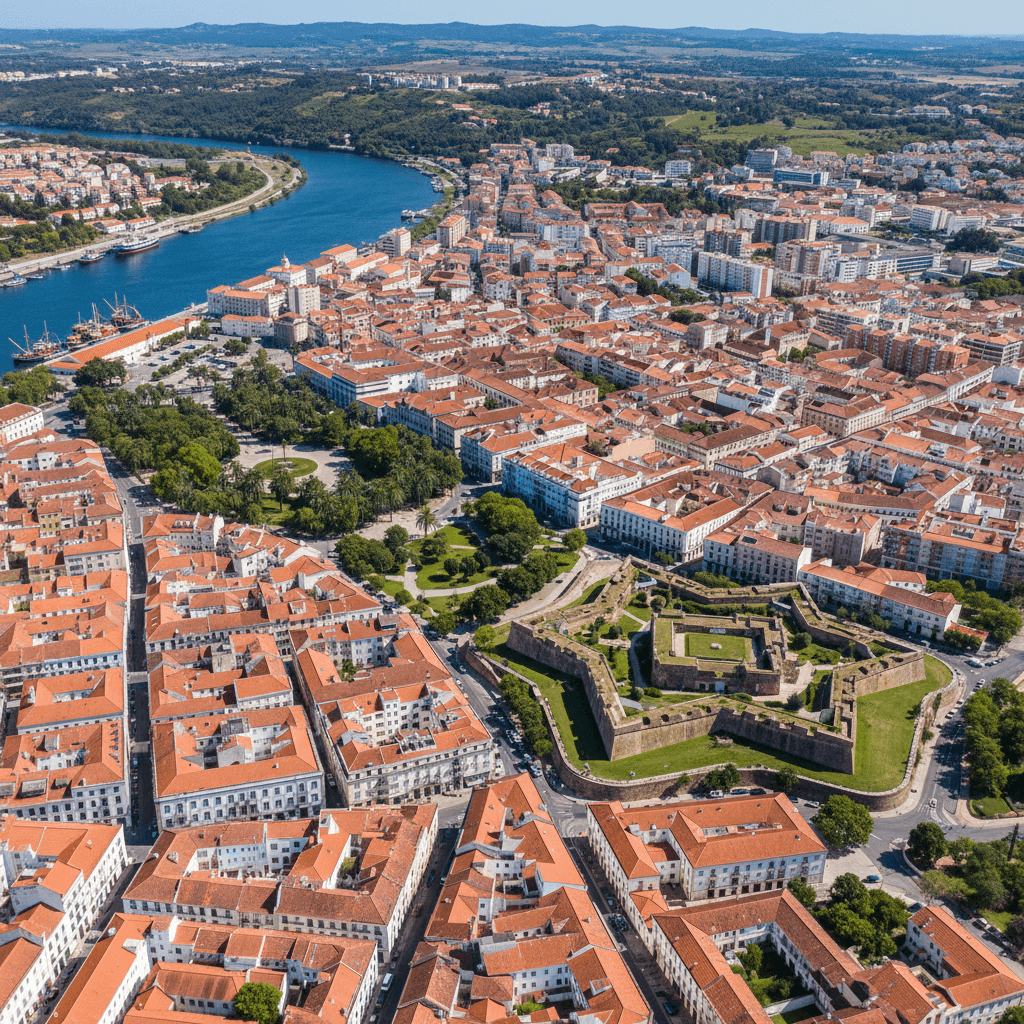
Setúbal
🇵🇹 Portugal
The Vibe: Lisbon’s Salty, Slower Sibling
If Lisbon is the frantic, glamorous older sister, Setúbal is the cousin who stayed by the coast, learned to grill the perfect sardine, and never looks at a watch. Located just 40 minutes south of the capital, this port city trades steep hills and tourist crowds for a gritty, authentic charm and immediate access to the Arrábida Natural Park. It feels lived in. You’ll hear the clatter of plates from family run tascas and smell the salt air from the Sado River before you ever see a trendy avocado toast spot.
Nomads usually land here when they want the Portuguese sun without the burn rate of the big city. The rhythm is dictated by the tides and the morning market. It is a place for deep work in the mornings and ferry rides to the Troia Peninsula in the afternoons. While the nightlife is sleepy and you might need a translation app for deeper conversations with locals, the trade off is a community where people actually know their neighbors.
Cost of Living: Your Euro Goes Further
Setúbal remains one of the best value propositions in mainland Portugal. You can live a comfortable, middle class lifestyle here for roughly €1,800 to €2,200 a month, which would barely cover rent and utilities in many European hubs.
- Budget (approx. €1,200 to €1,500): This covers a modest studio in residential areas like Viso, plenty of home cooked meals from the Mercado do Livramento, and using the local bus system.
- Mid-range (approx. €1,800 to €2,200): The sweet spot for most nomads. You can snag a nice 1BR in the historic Baixa district, eat out three or four times a week, and keep a dedicated desk at a local workspace.
- Comfortable (€2,500+): This buys you a premium, furnished apartment with river views, frequent seafood dinners at upscale spots like Casa da Baía, and weekend trips to the Alentejo.
Where to Set Up Base
Choosing a neighborhood in Setúbal is a choice between convenience and quiet. Most short term residents stick to the center, but long termers often head for the hills.
Baixa (City Center)
- The Draw: This is the heart of the action. You are steps away from cobbled pedestrian streets, the best cafes, and the ferry terminal.
- Rent: Expect to pay €600 to €900 for a one bedroom.
- The Catch: It can get noisy on Friday nights when the bars fill up, and the old buildings sometimes lack modern insulation.
Viso
- The Draw: A favorite for families and expats looking for a "real" neighborhood feel. It is quieter, greener, and has more modern apartment blocks.
- Rent: Slightly cheaper at €500 to €800.
- The Catch: It is a 15 minute bus ride or a bit of a hike to the beach and the main social hubs.
Connectivity and Remote Work
The internet infrastructure is rock solid. Most apartments come with fiber connections reaching 100 to 500 Mbps via providers like MEO or NOS. While Setúbal doesn't have the massive coworking hubs found in Lisbon, the cafe culture is welcoming. You can grab a €1.50 espresso and work for hours at local spots, provided you avoid the lunch rush. For a more professional setup, many nomads take the €3-6 Fertagus train into Lisbon once or twice a week to use spaces like Cowork Central or Heden.
Practical Logistics
Getting around is simple because the center is incredibly walkable. You can cross the main hub in about 20 minutes on foot. If you need to go further, the Bolt and Uber apps are active and cheap, with most cross city rides costing under €10. For your phone, grab a local SIM card from MEO or Vodafone for about €15, which usually nets you 50GB of data.
The weather is a major selling point. From May to October, you’ll enjoy temperatures between 20°C and 30°C. Winters are mild but can be damp; January and February often see about 10 to 15 days of rain, so a good raincoat is a better investment than a heavy parka. Safety is rarely a concern here, though it’s smart to keep an eye on your bag in the crowded Baixa markets. If you ever need a doctor, the Hospital de São Bernardo is the local go to, and most pharmacies have English speaking staff ready to help with minor issues.
The Price of Living Well
Setubal feels like a well kept secret for anyone who wants the Portuguese coast without the Lisbon price tag. While the capital often demands a monthly budget north of 2,000 Euros, you can live a very comfortable life here for significantly less. Most nomads find that 1,800 to 2,200 Euros covers a mid range lifestyle with a private apartment in the center, plenty of seafood dinners, and a dedicated workspace.
If you are watching your wallet, a budget of 1,200 to 1,500 Euros is doable if you look toward the Viso neighborhood or the city outskirts. On the flip side, those spending 2,500 Euros or more will find themselves living in premium, furnished apartments in the historic heart with enough left over for weekend trips to the Arrabida beaches or frequent ferry rides to Troia.
Breaking Down the Monthly Totals
- Budget (1,200 to 1,500 Euros): This covers a studio in a residential area like Viso for about 600 Euros, grocery shopping at local markets, and using the 40 Euro monthly bus pass.
- Mid Range (1,800 to 2,200 Euros): Expect to pay around 750 to 800 Euros for a nice one bedroom in Baixa. This tier allows for daily cafe visits and dining out a few times a week.
- Comfortable (2,500+ Euros): You will likely be in a high end, move in ready flat for 900 to 1,000 Euros, eating at upscale spots like Casa da Baia, and keeping a flexible budget for leisure and travel.
Neighborhoods and Where to Stay
Baixa (City Center): This is the heartbeat of Setubal. Expats love it for the walkable, cobbled streets and proximity to the waterfront. Rent for a studio or one bedroom usually sits between 600 and 900 Euros. Just be aware that the nightlife around the local bars can get lively, so a short stay first is a smart move to check noise levels.
Viso: If you prefer a quieter, more residential vibe, Viso is the go to. It is popular with families and long term expats. Rents are softer here, ranging from 500 to 800 Euros. You will be further from the beach, but the green spaces and local feel make up for the 15 minute bus ride to the center.
Outskirts and Troino: For the most affordable options, look toward the edges of town. You can find places for 400 to 700 Euros. It is less walkable, so you will likely want a bike or a Bolt account, but it offers the best access to nature and quiet nights.
Food, Drink, and Socializing
The cost of food is one of Setubal's biggest draws. You can grab a quick pastel or street snack for 3 to 5 Euros. A solid lunch at a mid range restaurant usually costs between 10 and 15 Euros per person. If you are going for the famous local seafood, expect to pay 25 to 40 Euros for a high end meal.
Groceries are affordable if you stick to local produce. While there isn't a massive nomad meetup scene yet, the "Expats in Setubal" Facebook group is active. For bigger networking events, most people hop on the Fertagus train for 3-6 Euros and head into Lisbon, which takes about 40 minutes.
Connectivity and Logistics
Internet is reliable and fast, with providers like MEO and NOS offering speeds up to 500 Mbps. If you need a local SIM card, you can pick one up for 15 to 20 Euros with a generous data cap. While dedicated coworking spaces are still popping up, many nomads work from local cafes for the price of a 1.50 Euro coffee.
Getting around is simple. The center is highly walkable, and you can cross the city on foot in about 45 minutes. For longer trips, Uber and Bolt are readily available, with short rides across town costing between 5 and 10 Euros. If you are coming from the airport in Lisbon, an Uber will run you about 40 to 60 Euros, though the train and ferry combo is much cheaper at roughly 15 Euros.
For Nomads and Solo Travelers: Baixa (City Center)
If you want to be in the thick of it, Baixa is your best bet. It is the historic heart of Setubal, characterized by narrow, cobbled streets and pedestrianized zones. Most nomads gravitate here because you can walk everywhere. You are never more than 15 to 20 minutes from the urban beaches or the main ferry terminal to Troia.
The vibe is social and relaxed. You will find plenty of cafes where you can park your laptop for the price of a €1 or €2 espresso. While there are not many dedicated coworking spaces in the city yet, the local cafe culture is welcoming. If you need a serious office day, the Fertagus train gets you into Lisbon in about 50 minutes for €3-6, giving you access to hubs like Second Home or Heden.
- Rent: Expect to pay between €600 and €900 for a studio or one bedroom apartment.
- Atmosphere: High energy, historic charm, and very walkable.
- Drawbacks: It can get noisy on weekends due to the bars; expats often suggest staying for a few days first to check the sound levels of a specific street.
For Long-Term Expats and Remote Workers: Viso
Viso sits just uphill from the center and offers a more grounded, residential feel. It is the go-to for those who want to escape the tourist foot traffic of Baixa while staying close enough to enjoy the amenities. It is much quieter at night, which is a major plus if you are on a different time zone for work calls.
The area feels like a real neighborhood rather than a vacation spot. You will find local fruit shops, small grocery stores, and green spaces where you can actually find a bench to read a book. It is a bit further from the water, usually a 10 to 15 minute bus ride or a brisk walk, but the trade off is a more authentic Portuguese lifestyle and slightly lower prices.
- Rent: One bedroom apartments typically range from €500 to €800.
- Atmosphere: Peaceful, local, and spacious.
- Drawbacks: You will likely rely more on the bus or a bike to get to the beach.
For Families: The Residential Outskirts
Families moving to Setubal often look toward the northern and western outskirts, including areas near Troino. These neighborhoods provide more square footage for your money and easier access to the Arrabida Natural Park. Living here makes it much easier to load up a car for weekend trips to the mountains or the secluded beaches of Portinho da Arrabida.
Safety is a highlight here. While Setubal is generally safe, these residential pockets are particularly calm. You will find more modern apartment blocks with elevators and occasionally underground parking, which is a rare luxury in the historic center.
- Rent: Larger family homes or modern flats run between €400 and €700 depending on the distance from the center.
- Atmosphere: Family oriented, quiet, and close to nature.
- Drawbacks: Not very walkable; you will definitely want a car or a monthly bus pass, which costs about €40.
For Budget Seekers: Troino and Beyond
Troino is an old fisherman's quarter that has a gritty, soulful character. It is perfect for those who want to keep their monthly burn low. You are close to the famous Mercado do Livramento, one of the best fish markets in the world, where you can grab fresh ingredients for a few Euros. Dining out here is also cheaper; a plate of the local specialty, choco frito, will usually run you €10 to €15 at a mid range spot.
Many budget conscious travelers use apps like Idealista or local Facebook groups like Arrendar Setubal to find rooms here. It is a great way to live like a local without the Lisbon price tag.
- Rent: Budget rooms or older studios can be found for €400 to €600.
- Atmosphere: Traditional, salty, and very affordable.
- Drawbacks: Some buildings are older and might lack modern insulation or heating.
Connectivity and Speed
You won't have to worry about dropping off a Zoom call while working from the Sado estuary. Portugal is a powerhouse for fiber optics, and Setubal benefits from the same infrastructure as Lisbon. Providers like MEO, NOS, and Vodafone offer speeds ranging from 100 Mbps to 500 Mbps in most central apartments. If you're renting an Airbnb in the historic Baixa district, just double check that the host hasn't opted for a basic ADSL package, as thick stone walls in older buildings can sometimes chew up a weak signal.
For mobile data, grab a local SIM as soon as you arrive. You can find kiosks in the Alegro Setubal mall or at the Lisbon airport. A prepaid card with 50GB of data usually runs between €10 and €20. It's a lifesaver for tethering if you decide to spend a Tuesday afternoon working from the sands of Praia da Figueirinha.
Coworking Spaces and Local Vibes
Setubal is still catching up to its big brother Lisbon when it comes to dedicated coworking hubs. While you won't find a massive WeWork here yet, the city's smaller scale is part of the charm. Most nomads here lean into the "laptop cafe" culture or take the 40 minute Fertagus train into Lisbon when they need a high energy office environment. A round trip ticket costs about €6-12, making it an easy commute for community events at spaces like Second Home or Heden, where day passes typically range €15-25.
If you prefer staying local, expect a more informal setup. The monthly cost for a desk in regional shared offices typically sits between €150 and €250. However, many remote workers find that the city's public library and various specialty cafes serve their needs just as well for the price of a few coffees.
Best Cafes for Deep Work
The cafe culture here is welcoming, but follow the unwritten rule: don't camp out during the lunch rush. Between 12:30 PM and 2:30 PM, these tables are for choco frito, not spreadsheets. Outside of those hours, you'll find reliable WiFi and plenty of power outlets if you look in the right spots.
- Casa da Baia: This is a favorite for many. It's a beautiful historic building with a courtyard that stays cool even in the July heat. The WiFi is solid, and there's enough space that you won't feel like you're intruding.
- Yellow Bus: A bit more modern and upbeat, this spot often attracts a younger, international crowd. It's a good place to post up if you don't mind a little background hum.
Practical Tips for Remote Workers
The midday sun is no joke, and neither is the midday crowd. Travelers often say that cafes get packed around 1:00 PM, so if you have a big presentation, it's safer to stay in your home office during the lunch block. If you're staying in Baixa, be aware that the nightly street noise can be a distraction if you work late shifts. For those who need absolute silence, the residential Viso neighborhood offers a much calmer environment for a few hundred euros less in monthly rent.
To meet other professionals, don't wait for a flyer in a window. Most of the networking happens online. Join the Digital Nomads Portugal or Expats in Setubal groups on Facebook. While the local scene is smaller than Lisbon's, the community is tight knit and very willing to share the password to the best hidden WiFi spots in town.
Stay Safe and Healthy in the Sado Estuary
Setúbal is a breath of fresh air for those tired of the high-alert energy of major metropolitan hubs. It is widely considered a safe, laid-back city where the biggest threat is usually a sunburn at Praia da Figueirinha rather than anything more sinister. Because it lacks the massive tourist crowds of Lisbon, you won't find the same level of aggressive street scams, though you should still keep your wits about you in the more crowded parts of the historic center.
General Safety and Street Smarts
The city has a low crime rate, and most nomads feel perfectly comfortable walking alone through the Baixa district at night. That said, the narrow, winding alleys of the old town can get quite dark after the shops close. While it isn't dangerous, it’s smarter to stick to well-lit main thoroughfares if you’re heading home late from a bar. Pickpocketing is rare but can happen in the Mercado do Livramento when it's packed on Saturday mornings, so keep your phone and wallet secured while you're browsing the local snapper and sea bass.
- Emergency Number: Dial 112 for police, fire, or medical emergencies.
- Nightlife Safety: Stick to the waterfront and Praça de Bocage for evening drinks; these areas stay populated and well-monitored.
- Walking: The city is highly walkable, but be careful on the traditional calçada stone sidewalks when it rains, as they become incredibly slick.
Healthcare Services
Portugal’s healthcare system is high quality, and Setúbal is no exception. If you have a minor ailment or need a prescription, look for the green illuminated crosses of the local farmácias. Pharmacists here are highly trained, often speak excellent English, and can provide advice or over-the-counter treatments for common issues like allergies or stomach bugs.
For more serious matters, the Hospital de São Bernardo is the main public facility in the city. While public care is reliable, wait times for non-emergencies can be long. Many expats and nomads prefer private options like Hospital da Luz Setúbal for faster service and a higher likelihood of finding English-speaking specialists. Most international insurance plans are accepted here, and a standard consultation usually costs between €40 and €60 out of pocket if you don't have local coverage.
Practical Health Tips for Nomads
- Water Safety: Tap water in Setúbal is perfectly safe to drink, so you can skip the plastic bottles and use a refillable one.
- Pharmacies: Use the Farmácias de Serviço app to find which locations are open 24/7 on a rotating schedule.
- Private Insurance: If you're staying long-term, look into local providers like CUF or Multicare for affordable private health plans.
- Sun Protection: The Atlantic breeze can be deceptive. Even when it feels cool, the UV index is high from May to October, so wear sunscreen if you're working from a terrace.
Overall, the peace of mind you get in Setúbal is a major part of its appeal. You get the benefits of a modern European city’s infrastructure without the underlying stress of a high-crime environment. As long as you follow the same basic precautions you would use in any mid-sized city, you'll find it a very secure base for your remote work stint.
Footing It in the Center
Setubal is a walker's dream. If you base yourself in the Baixa neighborhood, you can reach almost everything you need on foot within 15 to 20 minutes. The city center is largely pedestrianized, featuring those classic Portuguese cobbled streets that lead you from your apartment to the fresh fish stalls at Mercado do Livramento or down to the waterfront. Most nomads find they don't need a car for daily life here, which is a massive relief for the monthly budget.
The city is roughly 45 minutes end to end if you're walking, but keep in mind that the terrain gets steeper as you move away from the river. If you're heading toward the residential areas in Viso, be prepared for a bit of a climb or a short bus ride.
Public Transit and Regional Links
When your legs need a break, the local bus network is efficient and affordable. A single ride usually costs between €1.50 and €2.50, but if you're staying for a month or more, grabbing a monthly pass for €40 is the way to go. It covers the local routes and makes getting to the outskirts much simpler.
For trips into Lisbon, the Fertagus train is the gold standard. It’s a 50 minute ride that costs €3-6 one way. It’s a favorite for nomads who want to attend networking events or coworking sessions in the capital without paying Lisbon rent prices. Just remember that the train station is a bit of a hike from the historic center, so you might want to take a quick bus or scooter to the platform.
Apps and Ride-Hailing
If you're out late or carrying heavy groceries, Uber and Bolt are both active in Setubal. Short rides within the city limits typically range from €5 to €10. It's a reliable backup when public transit slows down in the evening, though the city is generally safe enough for a late night stroll in well lit areas.
For those who prefer two wheels, keep an eye out for Jump or Doctor Bike. You can rent electric bikes or scooters via their apps for about €1 to €2 to unlock and roughly €0.20 per minute after that. They are perfect for zipping along the coastline toward the beaches, though they can't quite handle the trek all the way into the heart of Arrabida Natural Park.
Getting to the Airport
Since Setubal doesn't have its own airport, you'll be using Lisbon Airport (LIS). You have three main ways to make the trip:
- The Budget Route: Take the ferry across to Barreiro and then a train. It takes about 90 minutes and costs roughly €10 to €15.
- The Direct Route: Grab an Uber or Bolt directly from the terminal. Depending on traffic and demand, expect to pay between €40 and €60.
- The Middle Ground: Take a bus or metro from the airport to Sete Rios station in Lisbon, then catch the Fertagus train down to Setubal.
Escaping to the Beach
One of the biggest draws of Setubal is the proximity to the Arrabida beaches. During the summer months, the city often runs dedicated shuttle buses because parking near the sand is nearly impossible. If you want more freedom, expats often recommend renting a car for a day to explore the deeper parts of the Natural Park, but for a standard beach day at Praia da Figueirinha, the local bus or a bike rental will do the trick perfectly.
The Linguistic Reality
Expect a bit of a shift if you are coming from Lisbon or Porto. In Setubal, Portuguese is the undisputed king of the streets. While the hospitality staff in the Baixa district usually speak enough English to get you through a seafood dinner, the proficiency drops off quickly once you head into local residential spots like Viso or deal with government offices.
Most expats find that locals are incredibly patient and friendly, but they won't always meet you halfway in English. You will get much further with a smile and a botched "Bom dia" than by speaking louder in English. If you are planning a stay longer than a month, learning the basics isn't just a courtesy; it is a survival tactic for daily life at the Mercado do Livramento or when chatting with your landlord.
Digital Tools for the Ground
Since you won't always find an English speaker nearby, your phone is your best friend. Most nomads here rely on a few specific apps to bridge the gap:
- Google Translate: Use the camera feature for menus and official mail from the city council.
- Drops: This is the go to for building a quick vocabulary of nouns and verbs without the fluff.
- Mondly or Babbel: These are better for practicing realistic phrases you will actually use at the bakery or the pharmacy.
- iTalki: Many long term expats book 1:1 sessions with Portuguese tutors to practice the specific European accent, which is quite different from the Brazilian version.
Essential Phrases to Know
You don't need to be fluent, but having these five phrases in your back pocket will change how locals treat you. Obrigado (if you identify as male) or Obrigada (if you identify as female) is the most important word you will learn. Use it constantly.
- Ola: Hello. Simple and effective.
- Tudo bem?: How is it going? A standard follow up to a greeting.
- Onde fica...?: Where is...? Use this for finding the train station or a specific cafe.
- A conta, por favor: The bill, please. You will need this at every meal since Portuguese servers rarely bring the check until asked.
- Fala ingles?: Do you speak English? It is always more polite to ask in Portuguese first.
Communication for Remote Work
On the technical side, communication is seamless. Portugal has some of the best fiber internet in Europe. Providers like MEO and NOS offer speeds between 100 and 500 Mbps, which is more than enough for heavy video conferencing. If you are working from a cafe in the center, the WiFi is generally reliable, though it can get a bit spotty when the lunch rush hits around 1:00 PM.
For mobile data, grab a SIM card at a Vodafone or MEO shop. You can usually get a prepaid plan with 50GB of data for about €15 to €20. This is a lifesaver for using translation apps on the go or tethering your laptop when the beach WiFi at Arrabida fails you.
Social Connection
The nomad social scene in Setubal is still growing. You won't find the massive, organized meetups that happen every night in Lisbon. Instead, communication happens in Facebook groups like Expats in Setubal or through the Digital Nomads Portugal network. Most people living here take the €3-6 Fertagus train into Lisbon for larger networking events and then retreat back to the quiet of the coast for their actual work week.
The Sweet Spot: When to Go
Setúbal is defined by its relationship with the Sado River and the Atlantic, so timing your stay around the water is the best move. Most nomads find the window from May to October to be the gold standard. During these months, temperatures hover between 20°C and 30°C, which is perfect for working from a cafe terrace in Baixa before heading to the Arrábida beaches in the afternoon.
July and August are the peak of summer, with highs reaching 29°C. While it's the best time for swimming and boat trips to see the local dolphin pod, the city center gets noticeably busier. If you prefer a quieter vibe with the same blue skies, aim for June or September. You'll get plenty of sun, low humidity, and more elbow room at your favorite seafood spots.
The Rainy Season Reality
If you're planning a winter stint, be prepared for a different pace. From December to February, Setúbal cools down to around 12°C to 16°C. It isn't freezing, but it's the wettest part of the year. You can expect rain about 10 to 15 days per month. While the lower humidity makes for crisp air, the dampness can feel chilly in older historic buildings that lack central heating.
Expats usually recommend this period only if you're looking for deep-focus work time and don't mind the occasional grey sky. The upside? Rent prices in the city center are often more negotiable, and the local restaurants like Casa da Baía feel much more authentic without the summer crowds.
Seasonal Breakdown
- Spring (April to June): Temperatures range from 18°C to 24°C. The landscape is blooming, and it's the ideal time for hiking the trails in Arrábida Natural Park before the summer heat kicks in.
- Summer (July to September): Expect consistent sun and highs of 25°C to 29°C. Rainfall is almost non-existent, averaging only 1 to 3 days. This is the prime season for beach life and outdoor dining.
- Autumn (October to November): A mild transition period with temps between 17°C and 22°C. You'll see more rain starting in late October, but it's still pleasant enough for light jackets and afternoon walks.
- Winter (December to March): The coolest stretch, staying around 15°C. It's the "worst" time for traditional tourism, but the city remains functional and calm.
Pro Tip for Digital Nomads
If you're sensitive to noise, keep in mind that the warm summer nights mean the bars in the Baixa district stay active late into the evening. Travelers often suggest booking a place in the Viso neighborhood if you need absolute silence for early morning calls during the peak summer months. Otherwise, embrace the Mediterranean rhythm: work during the bright, mild mornings and save your social energy for the cooler, sun-drenched evenings.
The Daily Budget
Living in Setubal is a breath of fresh air for your wallet, especially if you are coming from Lisbon or the Algarve. A solo nomad can live comfortably here on €1,800 to €2,200 per month without feeling restricted. If you are on a tighter budget, €1,200 to €1,500 is doable, though you will likely be looking for a studio in more residential areas like Viso or the outskirts.
- Rent: A 1BR in the historic center (Baixa) usually runs between €600 and €900.
- Groceries and Dining: Local markets are cheap. A mid range dinner out costs about €15 per person, while a quick pastel and coffee will only set you back €3 to €5.
- Transport: A monthly bus pass is €40, though the city is so walkable you might rarely use it.
Where to Plant Your Flag
Baixa (City Center): This is where most nomads land. It is full of cobbled streets, tiny cafes, and is only a 15 minute walk to the water. It is perfect for the "work from a cafe" lifestyle, though keep in mind that living above a bar can get noisy on Friday nights. Expats often suggest booking a short stay here first to see if the street noise bothers you.
Viso: If you are staying long term or bringing a family, Viso is the local favorite. It is quieter, greener, and more affordable, with studios starting around €500. You are a 10 minute bus ride from the center, but you get a much more authentic, peaceful Portuguese neighborhood feel.
Outskirts (near Troino): Great for those who want to be closer to the Arrabida nature trails. Rents are the lowest here, often under €700 for larger spaces, but you will likely want a bike or a scooter to get into the heart of town.
Connectivity and Workspace
The internet in Setubal is surprisingly snappy. Most apartments come with fiber connections reaching 200 to 500 Mbps. While there isn't a massive "big brand" coworking space in town yet, many nomads take the 40 minute Fertagus train into Lisbon once or twice a week to use spaces like Heden.
On local days, head to Casa da Baia. It is a beautiful spot where you can work for the price of a €1.50 coffee. For mobile data, grab a SIM from MEO or Vodafone at the local FNAC. You can usually get 50GB of data for about €15 to €20, which is plenty for hotspotting during a beach day at Praia da Figueirinha.
Getting Around
You don't need a car here. The center is compact enough to walk end to end in 45 minutes. For longer trips, Uber and Bolt are active and cheap, with most cross town rides costing under €10. If you want to explore the coast, rent a bike from Doctor Bike for about €0.20 per minute.
To get to Lisbon, the Fertagus train is your best friend. It costs €2.25 one way and drops you right in the capital. For airport runs, an Uber to LIS airport usually costs between €40 and €60 depending on the time of day.
Health and Safety
Setubal is incredibly safe. Like any port city, just use common sense in unlit areas at night. For healthcare, the Hospital de Sao Bernardo is the main public hub, and pharmacies are everywhere. Most doctors in the larger clinics speak excellent English, so you won't struggle to explain your symptoms.
Local Nuances
While English is common in the cafes of Baixa, it drops off quickly in the residential hills. Download the Drops or Mondly apps to learn basic Portuguese phrases. A simple "Bom dia" goes a long way with the vendors at the Mercado do Livramento. Also, remember that Sundays are quiet; many shops close up, so it is the perfect day to join the "Expats in Setubal" Facebook group for a beach meetup or a seafood lunch.
Need visa and immigration info for Portugal?
🇵🇹 View Portugal Country GuideEasy Landing
Settle in, no stress