Seremban
🇲🇾 Malaysia
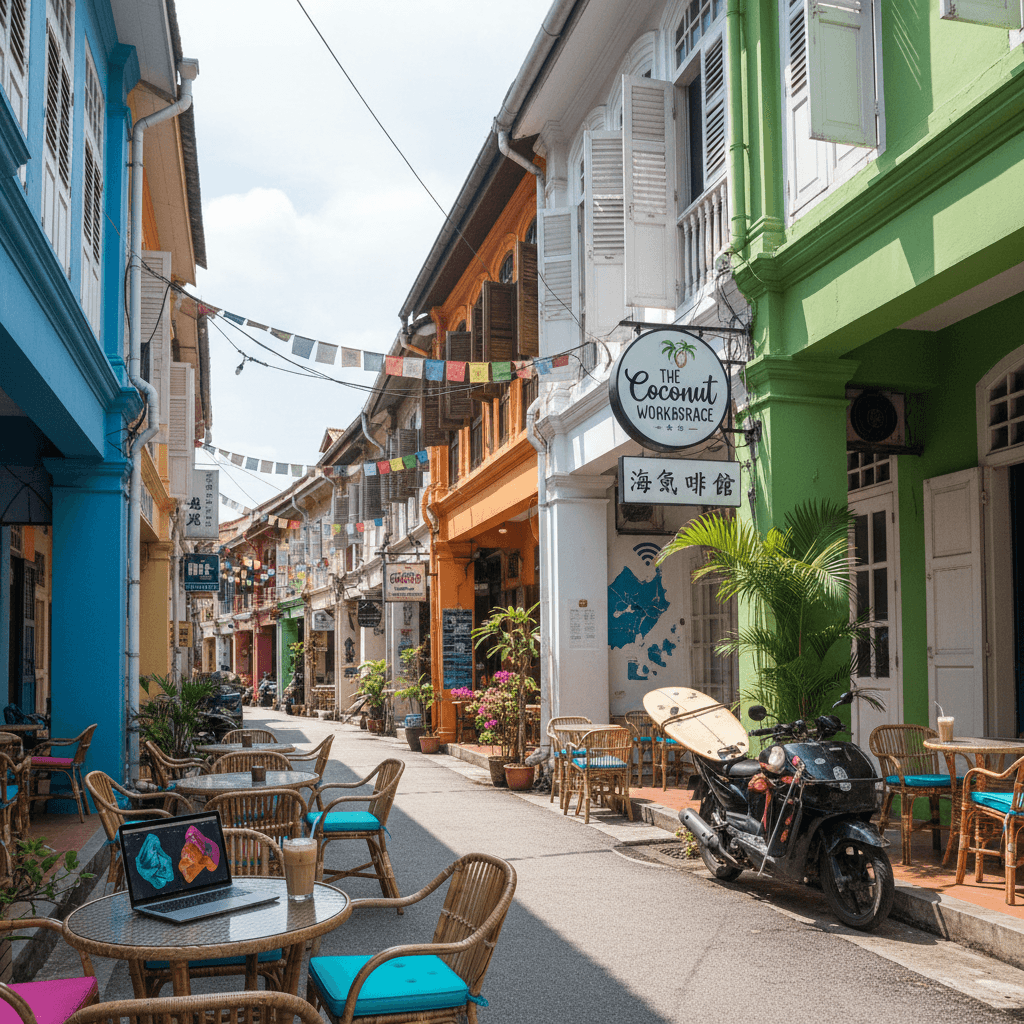
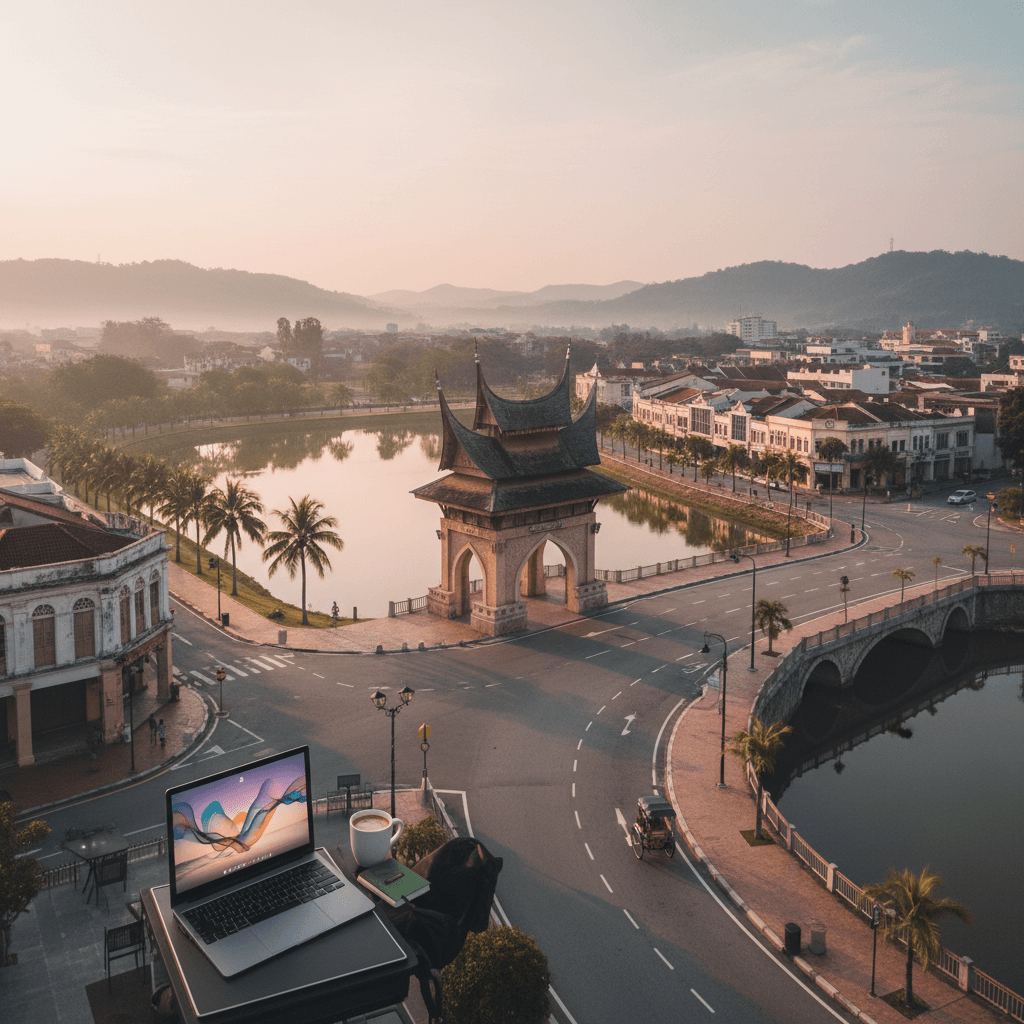
Seremban isn't the kind of place that tries to impress you with skyscrapers or a frantic nightlife scene. Instead, it offers a refreshing breath of air for those who find Kuala Lumpur a bit too much to handle. Just an hour south of the capital, this city feels like Malaysia's best kept secret for slow living. You'll notice the distinctive Minangkabau architecture immediately, those elegant, curved roofs shaped like buffalo horns that pay homage to the region's Sumatran roots.
The vibe here is unpretentious and deeply local. You aren't just another face in a tourist crowd; you're part of a community where people actually have time to chat. It's a multicultural melting pot where the scent of spicy Negeri Sembilan bird's eye chili (cili padi) wafts from Malay stalls, sitting right alongside bustling Chinese coffee shops and vibrant Indian eateries. For a digital nomad, it’s a place where your ringgit stretches incredibly far without sacrificing the comforts of modern infrastructure.
The Cost of Living
If you're looking to slash your overhead while maintaining a high quality of life, Seremban is hard to beat. It consistently ranks as one of the most affordable cities in the region. Most expats find they can live quite comfortably on a fraction of what they'd spend in Singapore or even KL.
- Monthly Budget (Single): A modest lifestyle costs around $330, while a more upscale, comfortable experience sits at roughly $1,370 including rent.
- Housing: You can snag a modern 1-bedroom apartment in the city center for between $200 and $300 per month.
- Daily Sustenance: A local lunch will set you back about $3.60, and a nice dinner for two at a mid-range spot is usually under $20.
- Connectivity: High speed internet (50 Mbps+) averages about $30 a month, which is a steal for remote work.
Where to Plant Your Roots
The city is sprawling, so choosing the right neighborhood depends on whether you want old world charm or suburban convenience. Most nomads and expats gravitate toward the newer developments for the ease of amenities.
- Seremban 2: This is the modern heartbeat of the city. It’s a massive, well planned township where you’ll find the best shopping malls, gyms, and parks. It’s the most "westernized" part of town and very popular with families.
- Bandar Sri Sendayan: A bit further out but very polished. It’s home to the Matrix International School and feels like a premium gated community with excellent facilities.
- City Center (Old Town): If you want to be within walking distance of the best street food and the KTM train station, this is it. It’s grittier and louder, but it has character that the newer suburbs lack.
- Bandar Ainsdale: A solid middle ground. It’s newer than the old town but offers great connectivity to the highway if you plan on frequenting Kuala Lumpur.
The Digital Nomad Reality
Don't expect a massive coworking hub like you'd find in Bali or Chiang Mai. Seremban is still catching up in that department. While there aren't dedicated big brand spaces like Common Ground yet, the cafe culture is stepping up. You'll find plenty of reliable spots like Starbucks or local boutique cafes where the Wi-Fi is fast enough for Zoom calls and the coffee is solid at around $2.90 a cup.
Getting around is easiest if you use Grab. Rides start at just $1.20, making it much more convenient than trying to figure out the local bus routes. If you need to head into KL for a meeting or a change of pace, the KTM Komuter train is a scenic, stress free ride for about $2.10 (RM8.80). For those who want total independence, renting a scooter for about $9.70 a day is a great way to explore the lush greenery on the city's outskirts.
Ultimately, Seremban is for the nomad who wants to "disappear" into real Malaysian life for a while. It’s safe, it’s friendly, and it’s arguably the best value for money you’ll find on the peninsula. You come here to work hard during the day and enjoy a slow, spicy, and very affordable dinner as the sun sets over those iconic horn shaped roofs.
Seremban is a breath of fresh air for anyone feeling the "KL fatigue." While prices in Kuala Lumpur have crept up over the years, Seremban remains one of the most affordable urban pockets in Malaysia. It consistently ranks in the top 20% of the world's least expensive cities, making it a prime spot if you're looking to stretch your runway or live a high quality life on a modest budget.
Most expats and nomads find they can live quite comfortably here for under $700 a month, including rent. If you're on a strict budget, it's entirely possible to get by on around $330, while a "no-compromises" lifestyle with a luxury condo and frequent dining out usually tops out around $1,370.
Housing & Accommodations
Rent is where you'll see the biggest savings compared to the capital. You can snag a modern, furnished studio or a one bedroom apartment in the city center for between $170 and $235. For those who need more space or a dedicated home office, a three bedroom apartment will only set you back about $310 to $430.
- Furnished 85 m² Apartment: Approximately $290 (RM1,336)
- Monthly Utilities (One Person): Around $27
- High Speed Internet (50 Mbps+): Roughly $30
Dining & Groceries
The local food scene is a major draw, and it's incredibly cheap. You'll likely find yourself eating out more than cooking because it's often more economical. A standard lunch at a local spot costs about $3.60, and even a mid range dinner for two people usually stays under $20.
- Local Lunch Menu: $3.58
- Mid-range Dinner for Two: $19.00
- Cappuccino: $2.88
- Domestic Beer (0.5L): $3.57
- Fast Food Meal: $3.56
Transportation & Connectivity
Getting around Seremban is cheap, though the city isn't perfectly walkable outside the old town. Most residents rely on Grab, which is very affordable here. A typical ride starts at just $1.20 (RM5). If you prefer public transit, the KTM Komuter train to Kuala Lumpur is a scenic one hour trip for $2.10 (RM8.80).
- Monthly Transport Pass: $29.70
- Single Local Transport Ticket: $1.13
- Motorcycle Rental: $9.70 (RM40) per day
For your mobile data, expats usually recommend Maxis or CelcomDigi. You can get a solid 5G plan with plenty of data for about $24 (RM109) per month. It's a small price to pay for staying connected while you're working from a cafe in Seremban 2 or exploring the Minangkabau architecture in the city center.
For Digital Nomads: City Center and Old Town
If you're landing in Seremban to work remotely, the City Center is your best bet for a walkable lifestyle. Most nomads find that staying near the old town allows them to skip the need for a car, with a walk score of 65. You'll be close to local coffee shops and the main transportation hub, Terminal 1, which is handy for weekend trips to Kuala Lumpur.
The vibe here is authentic and unpretentious. Rent for a one bedroom apartment in the center usually hovers between $172 and $235 per month. While there aren't dedicated coworking chains like Common Ground yet, you'll find plenty of reliable WiFi at spots like Starbucks or local boutique cafes. Living here puts you right in the middle of the best street food, where a local lunch sets you back only about $3.50.
For Families: Seremban 2
Seremban 2 is widely considered the gold standard for expats moving with children. It's a massive, 3,800 acre self contained township that feels more like a modern suburb in Australia or the US than a traditional Malaysian town. The infrastructure is top notch, featuring wide roads, green parks, and large shopping complexes like AEON and Mydin.
Families recommend this area because everything is within a ten minute drive. You've got international schools nearby and a very safe, gated community feel. A spacious three bedroom apartment here typically costs between $310 and $430 a month. It's the most developed part of the city, offering a "soft landing" for those who aren't quite ready for the chaos of older neighborhoods.
For Expats and Educators: Bandar Sri Sendayan
If you're moving to Seremban for work, specifically in the education sector, Bandar Sri Sendayan is likely where you'll end up. This newer development is the home of Matrix International School, making it a magnet for expat teachers and parents who want to be within walking distance of the campus. It's a bit further out from the city core, so you'll definitely want to use the Grab app, which starts at around $1.20 for short trips.
The housing here is modern, often featuring high end finishes and clubhouses with gyms and pools. It's a quiet, polished neighborhood that's still growing. Because it's a newer area, the internet connectivity is generally excellent, with 50 Mbps plans starting at roughly $30 per month, which is perfect for households with multiple devices.
For Solo Travelers and Long Termers: Rahang and Bandar Ainsdale
Travelers looking for a more "local" feel often gravitate toward Rahang, known by locals as Kampung Baru. It's an established residential area that mixes old school charm with newer terrace houses. It's great if you want to practice your Malay, though you'll find English is widely spoken here too. It's one of the best places to experience the multicultural mix of Chinese, Malay, and Indian residents that gives the city its character.
If you prefer something brand new but want to stay mobile, Bandar Ainsdale is a solid alternative. It's located just 5 kilometers from the town center and offers great connectivity to the highway. It's a middle ground for those who find Seremban 2 too suburban but the City Center too noisy. You can find fully furnished apartments for around $290 a month, giving you a high quality of life on a very lean budget.
- Best for Walkability: City Center / Old Town
- Best for Modern Amenities: Seremban 2
- Best for Families: Bandar Sri Sendayan
- Best for Value: Rahang
Connectivity and Speeds
If you're coming from Kuala Lumpur, you might expect a dip in infrastructure, but Seremban holds its own. The city is well-cabled, and most modern apartments or Airbnbs in areas like Seremban 2 come equipped with high-speed fiber. You can expect to pay around $30.10 a month for a 50 Mbps home connection, which is stable enough for video calls and heavy uploads.
For mobile data, don't settle for spotty signals. Expats usually lean toward Maxis or CelcomDigi. Both have rolled out 5G coverage across the city center and major townships. If you want peace of mind, Maxis offers unlimited 5G plans starting at RM109 monthly. You'll find that these plans often include international roaming options, making it easier if you're taking the KTM train down to Singapore or hopping over to Thailand.
Coworking and Shared Spaces
Seremban doesn't have the massive coworking hubs you'll find in the capital. While brands like Common Ground are everywhere in KL, they haven't opened a dedicated branch here yet. This means the "digital nomad" scene is more decentralized. You won't find a sleek office with a community manager and networking mixers every Tuesday.
Instead, remote workers here tend to utilize shared office suites in business parks or stick to the thriving cafe culture. If you need a professional environment for a few hours, look for local business centers in Centrio Seremban 2. These spots are often quieter than the malls and provide the basic desk-and-power-outlet setup you need to get through a deep-work session.
The Cafe Office Culture
The real "offices" for nomads in Seremban are the coffee shops. The local scene is evolving, and you'll see plenty of people with MacBooks tucked away in corners. Starbucks remains the most reliable fallback because the WiFi is free and the staff won't hover if you stay for three hours. It's a predictable environment for those days when your home internet flails.
For a more local feel with better aesthetics, head to the cafes in Seremban 2 or Bandar Ainsdale. Many of these newer spots are designed with a modern, minimalist vibe that's perfect for laptop work. Just keep in mind that on weekends, these places get packed with families. If you have a deadline, stick to weekday mornings when the atmosphere is much more conducive to focus.
Practical Tips for Remote Work
- Power Stability: Power outages aren't common, but they happen during heavy monsoon rains. It's smart to keep your laptop charged and have a local SIM with a hotspot backup.
- Peak Hours: Cafes get noisy during the lunch rush between 12:00 PM and 2:00 PM. Plan your calls for early morning or late afternoon.
- Data Caps: If you're buying a prepaid SIM at the airport, check the "fair usage policy." Some "unlimited" plans throttle your speed after you hit a certain gigabyte threshold.
- Language: Most service staff in tech shops or cafes speak excellent English. If you have a router issue or need a specific adapter, you won't struggle to explain what you need.
Most nomads find that while Seremban lacks the "cool factor" of a dedicated coworking community, the cost savings more than make up for it. You're paying a fraction of the rent you'd pay in KL, and the internet is just as fast. It's a trade-off that works well for those who prefer getting their head down and working over constant social networking.
Staying Safe in Seremban
Seremban is remarkably laid back compared to the high energy of Kuala Lumpur. Most expats find it to be a peaceful, family oriented city where the biggest "danger" is usually just the midday heat. Violent crime is rare here. You'll likely feel comfortable walking around the city center or residential neighborhoods like Seremban 2 during the day.
That said, it pays to be street smart. Like any urban area, petty theft and snatch thefts can happen, particularly in crowded areas or near Terminal 1. Local residents usually recommend keeping your bag on the side away from the road when walking near traffic. If you're out late, it's better to use Grab rather than walking through poorly lit stretches of the old town. Overall, the city maintains a lower crime rate than Malaysia's larger metros, making it a top choice for those who prioritize a sense of security.
Healthcare Infrastructure
The healthcare system in Seremban is a mix of high quality private care and a heavily utilized public system. For minor issues, you can find pharmacies like Guardian or Watson's in almost every shopping mall. They're well stocked with international brands and pharmacists can often provide advice for common ailments.
- Tuanku Ja'afar Hospital: This is the primary public facility. It's affordable and the doctors are highly skilled, but it's often very crowded. Bed occupancy rates frequently hit 95%, so wait times for non emergencies can be long.
- Columbia Asia Hospital Seremban: Columbia Asia Hospital Seremban is undergoing a major expansion with a planned 13-storey facility to increase capacity to 347 beds and 100 clinics (expected completion 2029). This is the go to for most expats and digital nomads, offering a more streamlined experience with shorter wait times.
- KPJ Seremban Specialist Hospital: Another reliable private option located in the Bukit Rasah area, popular for its range of specialists and modern diagnostic equipment.
Medical Costs and Insurance
Medical care here is a bargain if you're coming from the US or Europe, but costs can add up at private hospitals if you don't have coverage. A standard consultation at a private clinic usually runs between $15 and $30. Most nomads choose to carry international health insurance to ensure quick access to private wards if something serious happens.
Emergency Services
If you find yourself in a pinch, the general emergency number in Malaysia is 999. This connects you to the police, ambulance, and fire department. For faster medical response, many expats call the private hospitals directly, as they maintain their own ambulance fleets. It's a good idea to keep the direct line for Columbia Asia or KPJ saved in your phone just in case.
The city's tap water is generally considered safe for showering and brushing your teeth, but most locals and long term travelers stick to filtered or bottled water for drinking. You'll see water filtration machines outside many convenience stores where you can refill large jugs for just a few cents.
Public Transport and Trains
If you're heading into Kuala Lumpur for a meeting or a weekend out, the KTM Komuter is your best bet. The train runs directly from the Seremban station to KL Sentral. It takes about an hour and costs around RM8.80. It's a scenic, low stress way to commute, though the trains can get crowded during peak morning and evening hours.
For getting around the state or traveling further south toward Melaka, Terminal 1 is the central hub. This downtown bus and taxi terminal connects you to almost every corner of Negeri Sembilan. If you're coming from KL and don't want to take the train, express buses frequently depart from Pasar Seni or Padu stations and drop you right in the heart of Seremban.
Ride-Hailing and Taxis
Most expats and nomads living here rely heavily on Grab. It's the dominant ride-hailing app in Malaysia and is incredibly reliable in Seremban. You'll rarely wait more than five minutes for a car in developed areas like Seremban 2 or Bandar Ainsdale. Fares usually start at a modest RM5 ($1.20), making it significantly cheaper and more transparent than trying to negotiate with traditional taxi drivers at the station.
Traditional taxis are still around, mostly clustered near Terminal 1. They don't always use meters, so you'll need to agree on a price before you get in. Unless you find yourself in a spot with zero data reception, stick to the app for better rates and safety tracking.
Walking and Biking
The city center is surprisingly walkable with a walk score of 65. You can easily bounce between local coffee shops, heritage buildings, and markets on foot. However, once you leave the old town core, the infrastructure gets spotty. Sidewalks might disappear or become uneven, and the Malaysian heat makes long walks a sweaty endeavor.
If you want more freedom, you can rent a motorcycle for about RM40 ($9.70) per day. It's a great way to explore the outskirts or ride out to the Centipede Temple, but you'll need an international driver's license. Dedicated bike lanes are almost non-existent, so you'll be sharing the road with cars and trucks. If you aren't an experienced rider, the local traffic flow can feel a bit chaotic at first.
Airport Connections
Seremban is actually closer to Kuala Lumpur International Airport (KLIA) than KL itself is. The airport is only about 25 kilometers away. A Grab ride to the terminal is usually the most convenient option and takes about 45 to 60 minutes depending on traffic. You can also take the KTM Komuter, though you'll have to switch to the ERL train or a shuttle bus at specific stations, which can be a hassle with heavy luggage.
- KTM Komuter Fare: Approximately RM8.80 to Kuala Lumpur.
- Grab Base Fare: Starts at RM5.
- Motorcycle Rental: Around RM40 per day.
- Monthly Transport Pass: Roughly $29.70 for frequent commuters.
The Linguistic Landscape
You won't have much trouble getting your point across in Seremban. While it's not quite as international as the heart of Kuala Lumpur, English is the unofficial bridge between the city's Malay, Chinese, and Indian communities. Most locals in the service industry, especially in hubs like Seremban 2 or the City Center, speak English well enough to handle everything from complex banking questions to ordering a specific spice level at a mamak stall.
That said, the city has a unique linguistic flavor. You'll hear a mix of Bahasa Malaysia, Mandarin, Cantonese, and Tamil throughout the day. Expats often find that while English is the default for business, learning a few "Manglish" quirks helps you blend in. Adding a "lah" at the end of a sentence isn't required, but understanding it helps you follow the rhythm of local conversation.
Breaking the Ice with Bahasa
Even though you can survive on English alone, making an effort with Bahasa Malaysia goes a long way. It's the national language and a major point of pride. Locals are generally patient and appreciative when they hear a foreigner attempting the basics. If you're heading into more traditional neighborhoods like Rahang, a friendly greeting in Malay often results in better service and a wider smile.
Here are the essentials you'll actually use on the ground:
- Terima kasih (Thank you)
- Sama-sama (You're welcome)
- Berapa harga? (How much is this?)
- Minta bill (Can I have the bill?)
- Saya tidak mengerti (I don't understand)
- Pedas (Spicy) vs Tak pedas (Not spicy)
Digital Tools for Communication
For those moments when you're staring at a menu written entirely in Chinese characters or a sign in deep Jawi script, technology is your best friend. Most nomads here rely on Google Translate, specifically the camera feature, which works surprisingly well for translating local menus or government notices. The Malay-English dictionary on the app is reliable for 95% of daily interactions.
Since most communication with landlords, Grab drivers, or local business owners happens over WhatsApp, you can also use built-in translation features if you're struggling with a text. Most locals are tech-savvy and will often switch to English the moment they realize you're a traveler.
The Social Context
In Seremban, communication is often indirect and polite. It's a "saving face" culture, so being overly blunt or raising your voice in a disagreement is usually counterproductive. If you're dealing with a service delay or a misunderstanding, a calm and smiling approach works significantly better than getting frustrated.
If you're looking to meet other English speakers, the community around Matrix International School in Bandar Sri Sendayan is a good bet. While there aren't many formal nomad meetups, the cafe scene is where the younger, English-speaking crowd hangs out. You'll find that once you start frequenting the same spot, the "regular" status comes quickly, and the language barrier disappears entirely.
Climate Reality
Expect plenty of sunshine and high humidity regardless of when you land. Seremban sits in a tropical sweet spot where the mercury rarely dips. Daily highs usually hover between 87.7°F and 91.2°F. It's the kind of heat that makes you appreciate the air conditioning in the Seremban 2 shopping malls or the shade of the Lake Gardens.
The humidity is the real kicker for most expats. It stays consistently high, so you'll find yourself planning your outdoor runs or errands for the early morning or after the sun goes down. Most locals and nomads stick to indoor spaces during the midday peak to avoid the intense tropical sun.
The Rainy Season
While you'll see rain throughout the year, the wettest window hits between October and November. November is historically the dampest month, often seeing up to 27 days of precipitation when you factor in short afternoon bursts. These aren't usually day long drizzles; they're heavy, dramatic tropical downpours that can flash flood streets and then vanish within an hour.
If you're moving here to work remotely, these storms are actually quite cozy. They provide a natural "deep work" soundtrack, though you'll want to make sure your apartment has a solid roof and good drainage. The driest months tend to be January and February, which offer the clearest skies for exploring the nearby hills or the Minangkabau architecture in the city center.
Best Time to Visit
For the best balance of weather and local flavor, aim for December through February. The rainfall eases up, and while it's still hot, the air feels slightly less heavy. This period also aligns with major cultural celebrations like Chinese New Year, where the city comes alive with decorations and incredible festive food markets.
June through August is another solid window. It's a popular time for travelers because the weather is relatively stable. If you're looking to save even more on Seremban's already low prices, visiting during the shoulder months of March or September can lead to better deals on short term rentals, though you'll need to keep an umbrella handy.
What to Pack
- Lightweight Fabrics: Stick to linen and cotton. Synthetic fabrics will feel like a sauna in this humidity.
- Rain Gear: A sturdy umbrella is more practical than a raincoat, which will just make you sweat.
- Sun Protection: High SPF sunscreen and a good hat are non negotiable if you're walking around the Old Town.
- Indoor Layers: It sounds counterintuitive, but bring a light hoodie. Malaysian cafes and cinemas love to crank the AC to freezing levels.
Seasonal Travel Tips
Expats recommend keeping an eye on the haze season, which can occasionally affect air quality across Peninsular Malaysia between July and September. It doesn't happen every year, but it's worth checking local air quality apps if you have respiratory sensitivities.
During the peak of the rainy season, public transport like the KTM Komuter train to Kuala Lumpur usually runs fine, but Grab prices might surge during heavy downpours. Most long term residents suggest having the Grab app ready to go so you don't get stranded at a cafe when a sudden storm hits at 4:00 PM.
Connectivity and Workspace
Internet speeds in Seremban are reliable enough for most remote roles, with 50 Mbps fiber connections costing around $30 per month. If you're staying in a modern development like Seremban 2, you'll rarely face downtime. For mobile data, grab a SIM from Maxis or CelcomDigi. Maxis is a favorite for nomads because their 5G plans start at roughly RM109 and include solid international roaming if you're hopping over to Singapore or Thailand.
You won't find a dedicated Common Ground or high end coworking hub here yet. Most digital nomads set up shop in cafes. Starbucks is the old reliable for high speed WiFi, but the local third wave coffee scene is growing. Expect to spend about $2.88 for a cappuccino. If you need a professional environment, many residents commute to Kuala Lumpur via the KTM Komuter train, which takes about an hour and costs only RM10.
Navigating the City
The city center has a walkability score of 65, meaning you can knock out errands on foot if you're staying near the old town. However, for the suburban townships like Bandar Ainsdale or Seremban 2, you'll need wheels. Public buses run from Terminal 1, but they aren't always on a strict schedule.
- Grab: This is the go to app for everyone. Rides start at about RM5 ($1.20). It's significantly cheaper and more transparent than flagging down a traditional taxi.
- KTM Komuter: The train station is right in the heart of town. It's perfect for day trips to KL, though it can get crowded during peak commute hours.
- Motorcycle Rentals: If you have an international driving permit, you can rent a bike for around RM40 ($9.70) a day to explore the Minangkabau architecture in the surrounding countryside.
Health and Safety
Expats generally find Seremban much quieter and safer than the capital. It has a family oriented vibe with lower crime rates. For medical needs, Tuanku Ja'afar Hospital is the main public facility, but it stays very busy. Most expats head to Columbia Asia Hospital Seremban for shorter wait times. They are currently building a massive 13 storey expansion, so the private healthcare options are only getting better.
Language and Local Nuances
English is the bridge language here. You'll find it spoken in most shops, restaurants, and banks. While Malay is the official language, the city's multicultural makeup means you'll hear plenty of Mandarin and Tamil too. Learning a few phrases like "Terima kasih" (Thank you) goes a long way with the locals, but you won't struggle to get by with just English.
Weather and Packing
It's hot and humid year round, with temperatures hovering around 90°F (32°C). You'll want light, breathable clothing, but keep a light jacket handy for the aggressive air conditioning in malls and cinemas. The wettest months are October and November. When it rains, it pours, often leading to flash flooding in low lying areas, so check the sky before heading out for a long walk.
Cost of Living Summary
- Studio Apartment: $172 to $235 per month in the city center.
- Local Meal: $3.50 for a standard lunch menu.
- Monthly Transport Pass: Roughly $29.70.
- Utilities: Around $26.70 for a single person.
Need visa and immigration info for Malaysia?
🇲🇾 View Malaysia Country GuideEasy Landing
Settle in, no stress
Monthly Budget Estimates
More cities in Malaysia
Miri
🇲🇾 Malaysia