Seminyak
🇮🇩 Indonesia
The High-End Heart of Bali
Seminyak is where Bali’s tropical soul gets a designer makeover. It is the island’s upscale playground, a place where the scent of incense from morning Hindu offerings mingles with the aroma of expensive espresso. While nearby Canggu feels like a rugged surf camp, Seminyak is the sophisticated older sibling who prefers chilled rosé at a beach club to a Bintang on a plastic stool.
Living here means balancing a high-energy, urban lifestyle with the slow pace of the tropics. You’ll find world-class dining and high-end boutiques lining the streets, but you’ll still have to dodge scooters on narrow sidewalks. It is polished, trendy, and unashamedly touristy, making it perfect for nomads who want the comforts of home without sacrificing the Balinese sunset.
The Daily Grind and Social Scene
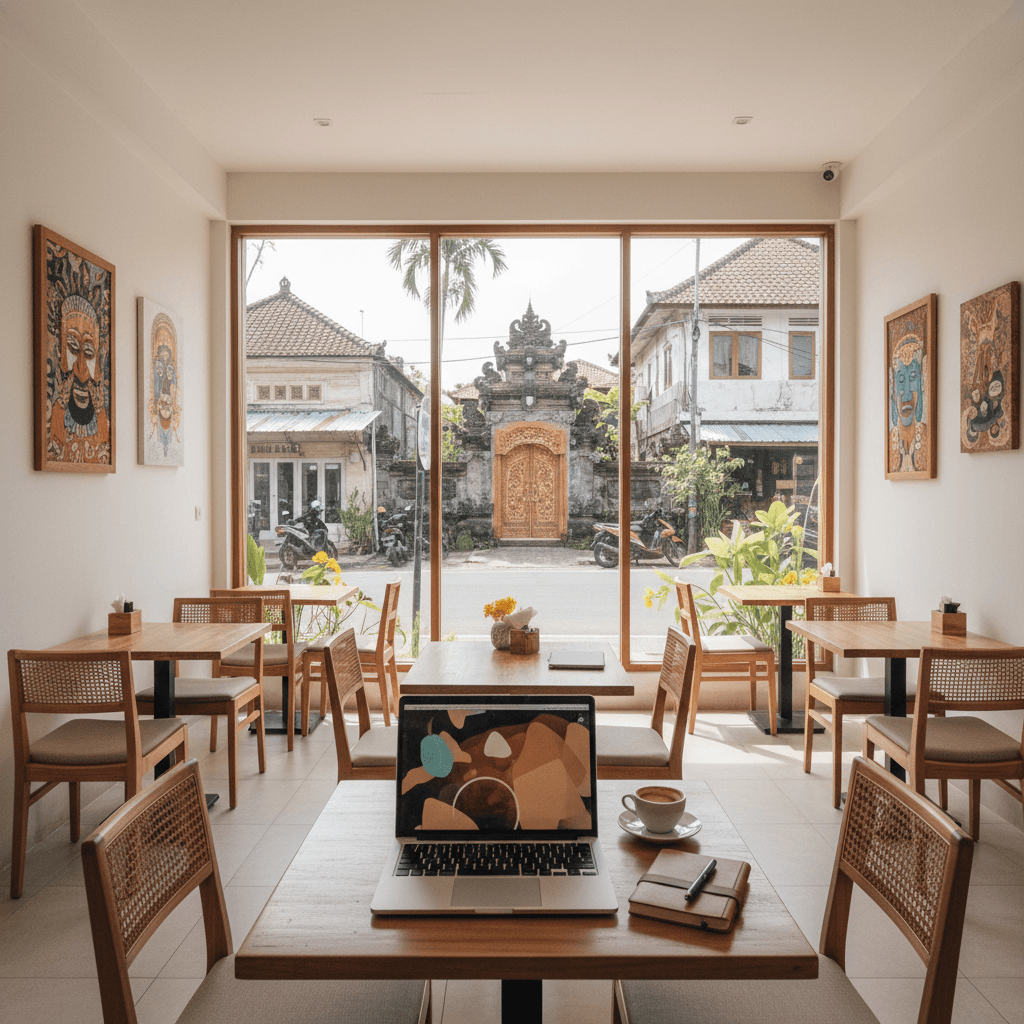
The vibe is undeniably social. Most nomads spend their afternoons transitioning from a laptop session at a sleek cafe to a beanbag at Potato Head or KU DE TA. It is a place to see and be seen. Because the infrastructure is more developed than in more remote areas, the Wi-Fi is generally excellent, often reaching 100 to 200 Mbps in dedicated hubs.
The community is a mix of short-term holidaymakers, fashion entrepreneurs, and established expats. While the social scene is legendary, the traffic is the local villain. Getting from one end of Oberoi Street to the other can take twenty minutes in a car, so most veterans rely on Gojek or Grab bike taxis to zip through the gridlock for about $1 or $2 per ride.
Where to Plant Your Roots
Choosing a neighborhood depends on how much you value sleep versus proximity to the action. Your budget will fluctuate significantly based on how close you are to the sand.
- Seminyak Central (Oberoi): The pulse of the city. It is incredibly walkable for errands and nightlife, but it’s loud and expensive. A studio here usually runs between $700 and $1,500 per month.
- Petitenget: This is the "Gold Coast" of the area. It’s home to the best restaurants like Mama San and high-end villas. Expect to pay $2,000 or more for premium spots.
- Kerobokan: Located on the outskirts, this is where many long-term expats live. It is quieter and offers more space for your money, with 1-2 bedroom villas ranging from $1,000 to $1,600.
The Cost of Stylish Living
Seminyak is one of the priciest spots on the island, but it’s still affordable compared to Western hubs. You can live on $1,500 if you stick to local warungs, but most nomads find $2,500 is the sweet spot for a comfortable lifestyle that includes coworking and regular cafe visits. If you want the full luxury experience with a private pool and fine dining, budget $4,000 and up.
- Local Meals: A plate of nasi goreng at a street warung costs $1.50 to $2.50.
- Cafe Dining: A healthy brunch at a spot like Crate Café averages $6 to $12.
- Fine Dining: Upscale mains at Mama San start around $15-20, but a full dinner with drinks can easily hit $50.
- Coworking: Monthly hot desks at Biliq Seminyak or GoWork range from $50 to $160.
Practical Realities
The weather is a major factor in your experience. The dry season from April to October is spectacular, with sunny days and lower humidity. If you arrive in January, the wettest month, be prepared for torrential downpours that can flood streets and turn a quick scooter trip into a soggy ordeal.
Safety is generally high, though petty theft and phone snatching can happen in crowded nightlife zones. Most expats recommend avoiding Sunset Road if you are new to riding scooters, as the traffic is aggressive. For healthcare, BIMC and Siloam provide western-standard care with English speaking staff, though a simple consultation can cost between $40 and $100, so SafetyWing insurance is a standard requirement for most residents.
Ultimately, Seminyak is for the nomad who wants Bali with a safety net. It’s convenient, beautiful, and vibrant, providing a lifestyle that feels like a permanent vacation in a high-end resort town.
The Price of Paradise
Seminyak sits at the high end of the Bali spectrum. While you can still find a cheap bowl of local noodles, you’re mostly paying for the convenience of being steps away from world class beach clubs and high speed fiber optics. Most nomads find they need at least $2,500 a month to really enjoy the lifestyle here without constantly checking their bank app.
If you're on a tighter leash, $1,500 is doable if you stick to a shared studio, eat primarily at local warungs, and zip around on a basic scooter. On the flip side, those looking for the full tropical luxury experience with a private villa in Petitenget and frequent dinners at spots like Mama San should budget $4,000 or more.
Monthly Budget Breakdowns
- Budget Tier ($1,500): Shared housing, street food like nasi goreng, and a monthly scooter rental.
- Mid-Range ($2,500): Private 1BR apartment, a mix of cafe brunches and local eats, plus a coworking membership.
- Comfortable ($4,000+): Modern villa with a pool, upscale dining, and frequent Grab rides to avoid the humidity.
Where to Hang Your Hat
Rent varies wildly depending on how close you are to the surf. Central Seminyak, particularly around Oberoi Street, is the heart of the action. You'll pay $700 to $1,500 for a decent studio or 1BR villa here. It’s walkable and social, but the traffic can be a nightmare and the bass from the clubs carries.
Petitenget is the upscale neighbor. It's home to the trendiest villas and places like Potato Head. Expect to pay $2,000 or more for premium spots. If you want more space for your money, expats recommend Kerobokan. It’s just on the outskirts, quieter, and you can snag a 1 to 2BR villa for $1,000 to $1,600. You’ll be further from the beach, but closer to international schools and local markets.
Dining and Socializing
Food is where your budget can either thrive or vanish. A meal at a local warung usually costs between $1.50 and $2.50. Mid-range cafes like Crate Cafe serve up avocado toast and solid coffee for $6 to $12. When you want to splurge, mains at high end restaurants start around $15 and can easily climb to $50 with cocktails.
Nightlife is a major draw, but it’s pricey. Sunset drinks at KU DE TA or dancing at ShiShi will likely be your biggest weekly expense. Travelers often say that while the social scene is unmatched, the "tourist tax" in Seminyak makes nearby Canggu look like a bargain.
Staying Productive
The infrastructure for remote work is excellent. You’ll find fiber optic speeds averaging 100 to 200 Mbps in most modern villas and hubs. For a dedicated workspace, Biliq Seminyak is a favorite, with day passes around $18 and monthly hot desks ranging from $50 to $160. Other solid options include GoWork and Kembali Innovation Hub.
For mobile data, skip the airport kiosks where prices are inflated. Head to a local shop and grab a Telkomsel tourist SIM. You can get 25GB for 30 days for about $10. Just remember you'll need your passport to register the card.
Getting Around
There is no public transport to speak of. Your best bet is downloading the Gojek or Grab apps immediately. Short rides on a motorbike taxi cost $1 to $2, while a car to Ubud will run you $8 to $13. If you’re brave enough to brave the traffic yourself, monthly scooter rentals like a Honda Scoopy cost between $50 and $100. Always carry an International Driving Permit and wear a helmet; the local police are active in this area.
Health and Safety
Seminyak is generally safe, but petty theft happens, especially in crowded nightlife zones. Modern medical care is available at BIMC or Siloam hospitals, where staff speak fluent English. A standard consultation costs between $40 and $100. Most expats suggest carrying SafetyWing insurance, which typically runs $45 to $100 per month depending on your age and coverage needs.
Nomads and Remote Workers
If you're in Bali to grind during the day and hit the beach clubs by sunset, Seminyak Central is your base. Most nomads congregate around Oberoi Street because it's walkable and packed with caffeine hubs like Crypto Cafe. You're never more than a few minutes from Biliq Seminyak, where a monthly hot desk runs between $50 and $160.
Living here puts you in the thick of the action, but it comes with a price tag. Expect to pay $700 to $1,500 for a decent studio or one bedroom villa. While the social scene is unmatched, the traffic on Sunset Road and the constant hum of scooters can be draining. Many remote workers use Gojek or Grab to zip around for $1 or $2 per ride rather than fighting for parking themselves.
Expats and Luxury Seekers
For those with a higher budget who want a more polished experience, Petitenget is the go to spot. It feels more upscale than the central strip and hosts some of the island's best dining, like the high end Southeast Asian flavors at Mama San. Rents here frequently climb above $2,000 for premium villas, but you're paying for proximity to iconic spots like Potato Head and KU DE TA.
Expats here enjoy a mix of high speed fiber internet, often through Biznet, and a more sophisticated social circle. It's less about the backpacker party and more about sunset cocktails and networking at Motel Mexicola. If you're staying long term, you'll likely want a Telkomsel tourist SIM with 25GB of data for about $10 to stay connected while moving between beach clubs.
Families and Long Term Residents
When the noise of the main tourist drag becomes too much, families usually head to Kerobokan on the outskirts. It’s a quieter, more residential area where your money goes much further. You can snag a spacious two bedroom villa for $1,000 to $1,600, which is a steal compared to the beachfront prices.
This neighborhood is strategically located near international schools in the Canggu/Kerobokan area, making it a favorite for parents. While you'll lose the immediate beach access, you're still only a 10 or 15 minute scooter ride from the coast. It feels like a real neighborhood rather than a tourist hub, though you'll still find plenty of local warungs serving $2 nasi goreng when you don't feel like cooking.
Solo Travelers
Solo travelers usually stick to the heart of the city near Kayu Aya. The density of hostels and boutique hotels makes it easy to meet people, and the nightlife at La Favela or ShiShi is right on your doorstep. It’s the most convenient area if you don't want to rent a scooter, as a large chunk of the shops and cafes are accessible on foot.
Safety is generally high, though solo travelers should stay alert on Oberoi Street at night to avoid petty theft. Most find that a budget of $1,500 a month is enough to live comfortably here if you balance upscale dinners with meals at local spots. For healthcare, BIMC and Siloam hospitals are nearby and staffed with English speakers, with consultations typically costing between $40 and $100.
- Daily Scooter Rental: $7 to $10
- Monthly Coworking (Biliq): $50 to $160
- Mid-range Meal: $6 to $12
- SafetyWing Insurance: $45 to $100 per month
Connectivity and Speed
You won't have to hunt for a signal in Seminyak. Most digital nomads find the infrastructure here among the most reliable in Bali. Fiber optic providers like Biznet and IndiHome dominate the area, pushing speeds between 100 and 200 Mbps in most dedicated workspaces and high end villas. If you're renting a private place, expect to pay between $20 and $60 per month for a solid home setup.
Mobile data is your safety net. Most expats recommend picking up a Telkomsel tourist SIM with 20-25GB for 30 days around $15-20. It's the most reliable network across the island. Just steer clear of the airport kiosks where prices are inflated; find a local cell shop in town and bring your passport for the mandatory registration. For a backup, XL Axiata is a cheaper alternative that works well within the urban sprawl of Seminyak.
Top Coworking Spaces
While nearby Canggu is famous for its massive nomad hubs, Seminyak offers a more professional, "boutique" feel. The spaces here are generally less crowded and better suited for deep focus or client calls.
- Biliq Seminyak: This is the local favorite. It has a unique "pay per minute" system if you just need to pop in for a quick meeting, but most regulars opt for the day pass at IDR 290,000 ($18). Monthly hot desks range from $50 to $160. It features a dipping pool, great coffee, and a quiet indoor area.
- GoWork: Located inside the Millennium Village, this is part of a larger Indonesian chain. It feels more like a corporate office in Singapore or London, making it perfect if you need a polished backdrop for Zoom calls.
- Kembali Innovation Hub: Situated on the edge of Seminyak, this spot focuses heavily on the local creative community and tech startups. It's a bit more "Indo-centric" and hosts excellent networking events.
Work Friendly Cafes
If you prefer the hum of a coffee machine over a silent office, Seminyak is packed with laptop friendly spots. Most cafes expect you to order a meal or a coffee every few hours in exchange for their bandwidth. Crypto Cafe is a standout for nomads, specifically designed with power outlets and reliable free access.
Other popular spots include Crate Cafe for a high energy vibe and Sisterfields if you don't mind a bit of noise. Just keep in mind that during the peak heat of the afternoon, the open air cafes can get sticky. If you have a long shift, stick to the air conditioned interiors of the dedicated coworking spaces.
Practical Costs for Remote Workers
Budgeting for your "office" costs depends on how often you need a dedicated desk versus a cafe chair. Most mid range nomads spend about $200 to $300 per month on a mix of coworking memberships and cafe tabs.
- Day Pass: $7 to $16
- Monthly Hot Desk: $100 to $300
- Coffee at a Nomad Hub: $2.50 to $4
- Home Fiber Internet: $20 to $60 per month
One pro tip from the local community: always carry a power bank and check if your cafe has "stop kontak" (power outlets) before you sit down. While Seminyak is modern, older buildings sometimes have limited plugs near the tables.
Keeping Your Cool in Seminyak
Seminyak is the sophisticated older sibling of Bali's coastal towns. While it feels more polished than Kuta, it remains a high energy urban environment. You'll find it generally safe for solo nomads and families alike, provided you keep your wits about you after dark on Oberoi Street. Petty theft, like phone snatching from moving motorbikes, is the most common headache here. Keep your bag on the side away from the road and don't leave your tech unattended at beach clubs like Potato Head.
The real danger in Seminyak isn't crime; it's the pavement. Sunset Road is notorious for heavy traffic and inexperienced riders. If you aren't confident on a scooter, stick to Gojek or Grab. Expats often warn against driving through areas like Bumbak or Umalas late at night because of poor lighting and the occasional drunk driver heading home from the clubs. If you're walking, watch your step for Canang Sari (Hindu offerings) on the ground; stepping on them is considered disrespectful.
Medical Care and Hospitals
One of the perks of living in Seminyak is having world class medical facilities right on your doorstep. You aren't stuck with rural clinics here. BIMC Hospital and Siloam are the gold standards, featuring modern equipment and staff who speak fluent English. A standard consultation usually runs between $40 and $100, which is steep by local standards but reasonable for the quality of care.
- BIMC Hospital: Located near the Dewa Ruci roundabout, they have a 24 hour emergency room and are very experienced with insurance claims.
- Siloam Hospitals: Known for specialized care and fast diagnostics, located just off Sunset Road.
- Guardian Pharmacy: These are everywhere in Seminyak. They’re reliable for basics like sunscreen, stomach meds, or minor first aid.
- Apotek: Look for these local pharmacies if you need specific prescriptions or cheaper generic versions of common meds.
Insurance and Emergencies
Don't even think about landing in Bali without a solid policy. Most nomads opt for SafetyWing, which costs between $45 and $100 per month depending on your age and coverage needs. It's affordable and covers the big stuff like medical evacuations. If you're planning to ride a scooter, make sure your policy actually covers it; many require you to have a valid International Driving Permit (IDP) and a helmet for the claim to be valid.
In a pinch, you can dial 112 for general emergencies, though response times can be slow due to Seminyak's infamous traffic. For an ambulance, the direct lines are 118 or 119. Most seasoned expats suggest calling BIMC directly if you need a fast, private ambulance response.
Health Hazards to Watch For
The infamous "Bali Belly" is still a thing, though higher end Seminyak cafes like Mama San or Crate Cafe have very high hygiene standards. Stick to bottled or filtered water; never drink from the tap. Even for brushing your teeth, many travelers prefer using bottled water to stay on the safe side.
Mosquitoes are another factor, especially during the wet season from late October to April. Dengue fever pops up occasionally, so keep the repellent handy if you're working from an open air cafe or a garden villa in Kerobokan. Most villas provide mosquito coils or electric plug ins; use them.
The Reality of the Road
Moving around Seminyak is a bit of a paradox. On one hand, the central grid around Oberoi Street and Petitenget is more walkable than almost anywhere else in Bali. On the other, the traffic is legendary for all the wrong reasons. If you are trying to get from a villa in Kerobokan to a sunset session at Potato Head during peak hours, be prepared to sit in a gridlock of cars and exhaust fumes.
Most nomads quickly realize that four wheels are a liability here. The streets are narrow, and the volume of tourists often brings Sunset Road to a standstill. To survive Seminyak, you need to think like a local: stay off the main drags during the afternoon rush and always prioritize two wheels over four.
The Two-Wheeled Lifestyle
Renting a scooter is the unofficial rite of passage for anyone staying longer than a weekend. It is the only way to zip through the narrow "gangs" (small alleys) and bypass the long lines of idling taxis. You can expect to pay between $7 and $10 per day for a standard Honda Scoopy or Vario. For long-term stays, monthly rates drop significantly to between $50 and $100.
- Requirements: You technically need an International Driving Permit (IDP) and a valid motorcycle license from home. Police checkpoints do happen, especially near the main intersections of Seminyak and Kerobokan.
- Safety: Always wear a helmet. The roads are chaotic, and "Jam Karet" (rubber time) doesn't apply to the speed of local traffic. If you aren't an experienced rider, avoid Sunset Road until you've had a few days of practice on quieter backstreets.
- Parking: Most cafes and beach clubs have dedicated scooter parking, usually costing around IDR 2,000 to 5,000 (about $0.15 to $0.30).
Ride-Hailing Apps
If you aren't comfortable driving yourself, your phone will be your best friend. Gojek and Grab are the two dominant players in Bali. They are incredibly affordable and reliable. A short "GoRide" (motorcycle taxi) across town usually costs between $1 and $2. If you need a car for a group or a rainy day, a "GoCar" will typically run you $3 to $6 within the Seminyak area.
For longer trips, like heading up to Ubud for the day, you can book a car through these apps for roughly $8 to $13. One pro tip: some areas in Bali have "local transport zones" where ride-hailing apps aren't allowed to pick up passengers. While this is less common in central Seminyak than it used to be, keep an eye out for signs or ask your villa host about the local etiquette.
Walking and Pavements
Seminyak is one of the few places in Bali where you'll actually see sidewalks, though their quality varies wildly. Around Seminyak Square and the high-end boutiques of Petitenget, the walking is decent. However, watch your step for loose tiles, missing covers over drainage ditches, and the occasional daily offering (Canang Sari) placed on the ground.
Expats generally recommend walking for short distances under ten minutes. Anything longer, and the tropical heat and humidity will likely leave you drenched before you reach your destination. If you are heading out for a nice dinner at Mama San, take a Grab car with air conditioning.
Airport Transfers
Getting from Ngurah Rai International Airport to Seminyak is a relatively short trip of 25 to 40 minutes, depending on the time of day. You can use the Grab lounge at the airport, which is convenient and offers fixed pricing. Expect to pay between $20 and $30 for a private transfer or a premium Grab car. Many nomads prefer to pre-arrange a driver through their villa or hotel to avoid the haggle at the arrivals hall, which can be overwhelming after a long flight.
GoWork: Part of Indonesian chain, check Park 23 location near airport.
The Linguistic Landscape
You won't need to brush up on your Indonesian grammar just to order a flat white in Seminyak. Because this is Bali's upscale hub, English proficiency is remarkably high. Most staff at cafes like Crate Café or high end spots like Mama San speak fluent English, and you'll find that menus, signs, and digital services are almost always bilingual.
While you can easily survive a three month stint without knowing more than "hello," relying solely on English creates a bubble. Expats who've lived here for years suggest that even a tiny effort goes a long way with the locals. It shifts your status from a passing tourist to a respectful guest, which often results in better service and genuine smiles at your local warung.
Key Phrases for Daily Life
The local language is a mix of Bahasa Indonesia (the national language) and Balinese (the indigenous language). For daily interactions, stick to Indonesian. It's phonetic and lacks complex tenses, making it one of the easier languages for English speakers to pick up. Start with these basics:
- Terima kasih: Thank you. You'll use this dozens of times a day.
- Sama sama: You're welcome.
- Apa kabar?: How are you?
- Berapa?: How much? (Useful at markets, though most Seminyak shops have fixed prices).
- Minta bill: Can I have the bill?
- Om Swastiastu: This is a Balinese Hindu greeting. Use it when entering a local home or a more traditional space to show deep respect.
Digital Communication and Apps
In Seminyak, your phone is your lifeline. WhatsApp is the undisputed king of communication. Whether you are booking a table at Potato Head, messaging a villa owner in Kerobokan, or chatting with a Gojek driver, you'll do it through WhatsApp. Most businesses don't use email for quick inquiries; they'll list a mobile number on their Instagram bio instead.
For translation, Google Translate is reliable for Indonesian, especially the camera feature for reading labels at the supermarket. If you want to actually learn the language, nomads often recommend Mondly or the Learn Indonesian Phrasebook app. For real world practice, many digital nomads join Facebook groups like Bali Digital Nomads to find language exchange partners or informal tutors.
Cultural Nuances in Communication
Communication in Bali is about more than just words. It's a "high context" culture where tone and body language matter. Avoid raising your voice or showing outward frustration, even if you're stuck in Sunset Road traffic. This is known as "losing face," and it rarely gets results. Balinese culture values "Jam Karet" or "rubber time," meaning things might not always happen at the exact minute they were promised. A relaxed, patient approach will make your social interactions much smoother.
When paying for your IDR 150,000 SIM card or handing over documents for your villa rental, always use your right hand. The left hand is traditionally considered unclean. It's a small gesture, but locals notice and appreciate the awareness. If you're heading to a temple or a formal ceremony, remember that quiet observation is the best form of communication.
Staying Connected
To keep the conversation going, grab a local SIM immediately. Most nomads avoid the overpriced airport kiosks and head to a local cell shop in central Seminyak. Telkomsel is the gold standard for coverage, costing around $10 for 25GB of data. If you have a newer phone, an eSIM is even easier to set up before you land, though it's often slightly more expensive than a physical local card.
The Tropical Rhythm
Living in Seminyak means trading the usual four seasons for a simple binary: wet and dry. Because it sits just south of the equator, the temperature stays stubbornly consistent. You can count on the mercury hovering between 26°C and 32°C (roughly 79°F to 90°F) no matter which month you choose to fly in. The real variable here is the humidity and the frequency of tropical downpours.
The Golden Window: April to October
This is the dry season and, by most accounts, the absolute best time to base yourself here. Rainfall drops to about 50mm per month, meaning you get those postcard-perfect blue skies and reliable sunsets at Potato Head or KU DE TA. The air is slightly less heavy, making it much more comfortable to zip around on a scooter or walk between cafes on Oberoi Street.
Most nomads aim for the shoulder months of May, June, and September. During this window, you get the best of the weather without the peak holiday crowds that descend in July and August. The surf is also most consistent on the west coast during these months, which is a major draw if you like to hit the waves before opening your laptop.
The Monsoon Shift: November to March
When the wet season hits, it hits hard. Rainfall jumps to over 300mm monthly, with January typically being the wettest month of the year. You can expect anywhere from 8 to 15 days of rain per month during this stretch. It rarely rains all day, but when the clouds break, the streets can flood quickly, and the humidity spikes to levels that make your laptop fans work overtime.
There are a few trade-offs for braving the rain:
- Lower Prices: You can often negotiate better monthly rates on villas in Petitenget or Kerobokan during the off-season.
- Less Crowded: The popular coworking spaces like Biliq Seminyak are quieter, and you won't have to fight for a sunset beanbag on the beach.
- Lush Scenery: The island turns an incredible, deep green that makes weekend trips to the interior much more scenic.
Seasonal Survival Tips
If you’re planning a stint in Seminyak, keep these practicalities in mind for the local climate:
- The December Peak: Despite the rain, late December is incredibly busy and expensive. The Christmas and New Year period brings a massive influx of tourists, driving up short-term rental prices and making traffic on Sunset Road a nightmare.
- Internet Reliability: While fiber providers like Biznet are generally stable, heavy monsoon storms can occasionally cause flickers. If you have high-stakes Zoom calls, most expats recommend having a Telkomsel SIM with a 25GB data pack as a backup.
- Gear Maintenance: The humidity is real. If you’re staying in a villa without a sealed, air-conditioned office space, keep your electronics in a dry bag or a drawer when not in use to prevent moisture damage.
- Transport Strategy: In the dry season, a scooter is the only way to beat the traffic. In the wet season, you'll find yourself using the Gojek or Grab apps much more frequently to book cars, as riding a bike in a Balinese downpour is a recipe for a bad day.
For the quintessential nomad experience, aim to arrive in April or May. You’ll catch the start of the dry weather, the prices haven't hit their summer peak yet, and the social calendar is just starting to ramp up.
Getting Around the Streets
Forget public buses or trains; they don't exist here. Most nomads rely on Gojek or Grab for everything. These apps are the lifeblood of the island, letting you hail a motorbike for $1 to $2 or a car for longer hauls. A trip from Seminyak to Ubud usually lands between $8 and $13 depending on the time of day.
If you're brave enough to handle the traffic, renting a scooter is the way to go. Expect to pay $7 to $10 per day or around $50 to $100 for a monthly rental. You will need an International Driving Permit and a helmet is non negotiable. Stick to the side streets when you can; Sunset Road is notoriously hectic for inexperienced riders.
Cost of Living Breakdown
Seminyak is one of Bali's pricier pockets, but your budget can stretch depending on how "local" you're willing to go. Most digital nomads find that $2,500 a month buys a very comfortable mid range lifestyle.
- Budget ($1,500/month): Shared studio, eating at local warungs, and a monthly scooter rental.
- Mid Range ($2,500/month): Private 1BR apartment, a mix of cafe brunching and local dinners, plus a coworking membership.
- Luxury ($4,000+/month): A private villa in Petitenget, daily upscale dining at places like Mama San, and frequent Grab car rides.
Where to Set Up Base
Choosing a neighborhood depends on how much noise you can tolerate. Central Seminyak, specifically around Oberoi Street, is great if you want to walk to beach clubs like Potato Head. It's social and convenient, but the traffic and late night music can be a headache.
Petitenget is the upscale choice. It's home to the trendiest villas and high end dining, though you'll struggle to find anything under $1,500 a month here. For a bit more breathing room, expats often head to Kerobokan. It's quieter, closer to schools, and you can snag a 1 or 2 bedroom villa for $1,000 to $1,600.
Internet and Productive Spaces
The days of patchy Bali WiFi are mostly gone. Most hubs now offer fiber speeds between 100 and 200 Mbps. For a dedicated work environment, Biliq Seminyak is a favorite; a day pass is about $18, while a monthly hot desk ranges from $50 to $160. Other solid options include GoWork and Kembali Innovation Hub.
For your phone, grab a Telkomsel tourist SIM. You can get 25GB for 30 days for roughly $10. Buy it at a local phone shop rather than the airport to avoid the markup, and remember you'll need your passport for registration.
Health and Safety
Seminyak is generally safe, but petty theft happens, especially on crowded nights around La Favela or ShiShi. Keep your phone tucked away while on a scooter to avoid snatch and grab thefts. If you get sick, BIMC and Siloam are modern hospitals with English speaking doctors. A standard consultation usually costs between $40 and $100. Most nomads use SafetyWing for insurance, which runs about $45 to $100 a month.
Cultural Nuances
Balinese culture is everywhere, even in the middle of the party district. You'll see small offerings (canang sari) on the sidewalks; try not to step on them. When visiting temples like Tanah Lot, you'll need a sarong and your shoulders covered. A little bit of the local language goes a long way. Use "Terima kasih" for thank you and "Om Swastiastu" for hello. Just be prepared for "Jam Karet" or "rubber time," things rarely happen exactly on schedule here.
Weather Windows
The best time to visit is during the dry season from April to October. You'll get sunny days and lower humidity, which is perfect for beach days. The wet season kicks in from November to March. January is usually the wettest month, where you can expect heavy downpours for about half the month. Temperatures stay steady between 26 and 32 degrees Celsius year round, so pack light.
Need visa and immigration info for Indonesia?
🇮🇩 View Indonesia Country GuideEasy Landing
Settle in, no stress