Santiago de los Caballeros
🇩🇴 Dominican Republic
The Heartbeat of the Cibao
If you are looking for the Caribbean of postcards and palm trees, Santiago de los Caballeros might confuse you at first. There is no ocean here. Instead, you get the grit and grace of a real Dominican city that doesn't care if tourists show up or not. It is the country's second largest city and the industrial engine of the Cibao Valley, offering a lifestyle that feels more like "living abroad" and less like a permanent vacation.
The vibe is surprisingly grounded. While Santo Domingo can feel chaotic and Cabarete feels like a nomad bubble, Santiago strikes a balance. It is family oriented, deeply proud of its Águilas Cibaeñas baseball team, and obsessed with its legendary Cibao cuisine. Nomads who land here usually do so because they want high quality private healthcare, modern apartments in neighborhoods like Naco, and a cost of living that stays consistently lower than the coastal hubs.
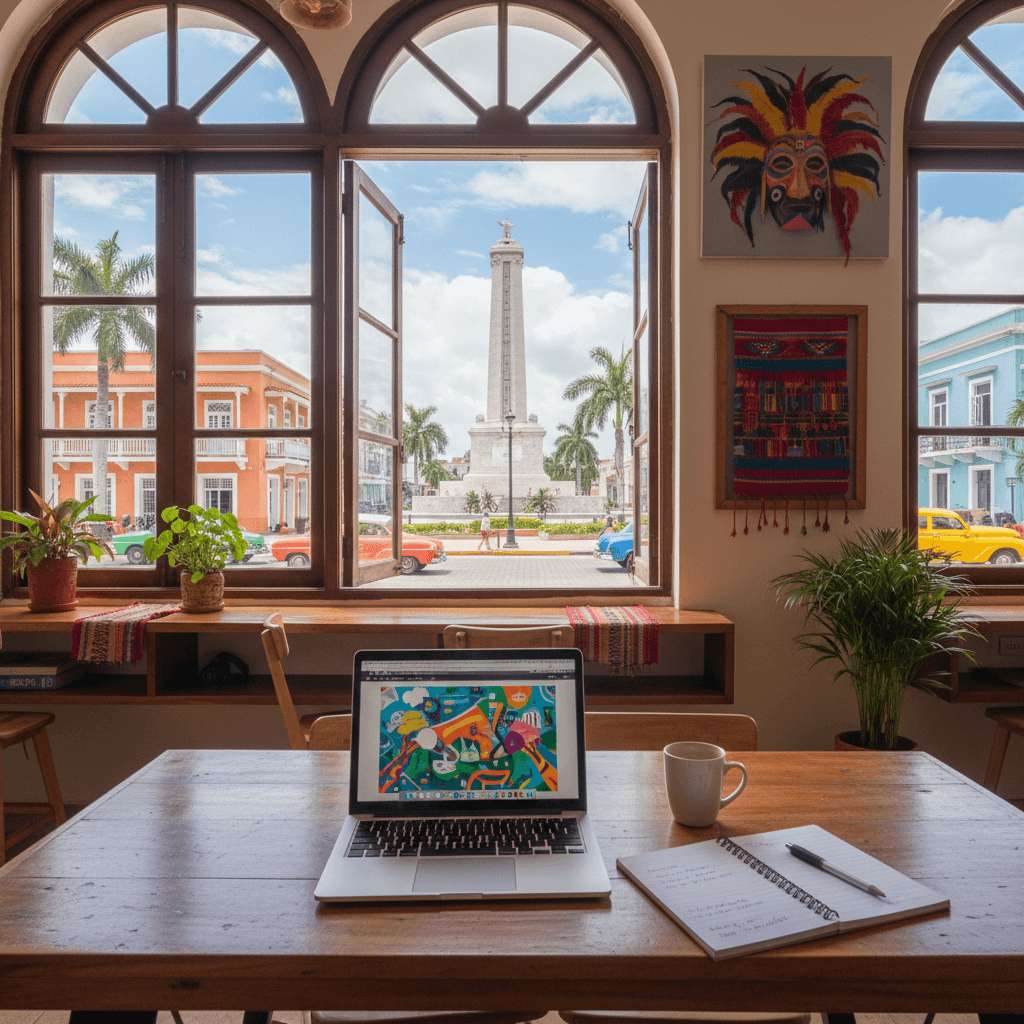
You will feel the city's personality most at the Monumento a los Héroes de la Restauración. It is the local living room where everyone gathers at sunset. The air is thick with the smell of street food and the sound of merengue tipping out of car windows. It is an emotional high that reminds you why you left the cubicle behind, even if you are the only expat in the square.
Cost of Living Breakdown
Living here is a bargain compared to the capital. You can maintain a comfortable lifestyle for around $1,800 a month, though budget conscious travelers can make it work on $1,200 if they stick to local spots. Here is what you can expect to pay:
- Housing: A modern 1BR in central areas like Naco or Ensanche Bermúdez runs between RD$25,000 and RD$40,000 ($400 to $650 USD).
- Dining: A plate of sancocho or mangu at a local comedor costs RD$150 to RD$300 ($2.50 to $5), while a high end dinner at a spot like Jalao will be RD$1,500+ ($25+).
- Transport: Uber is your best friend here, with most city trips costing RD$300 to RD$500 ($5 to $8). If you are brave, a guagua ride is only RD$50 ($0.80).
- Coworking: Dedicated desks start around RD$5,000 a month ($80), though many nomads just work from cafes in Naco for the price of a few coffees.
Where to Plant Your Flag
Santiago isn't just one big sprawl; the neighborhood you pick defines your entire experience. Expats generally gravitate toward the center for convenience and safety.
Naco and Ensanche Bermúdez
- Best For: Digital nomads and newcomers who want reliability.
- Pros: This is the most walkable part of the city with the best access to fiber optic internet and private clinics like Hospital Metropolitano.
- Cons: Rents are the highest in the city, and traffic during rush hour is a headache.
Los Pepines and Gurabí
- Best For: Long termers and families.
- Pros: These areas are quieter and greener, often offering stunning views of the surrounding mountains.
- Cons: You will definitely need a car or a heavy Uber budget, as there are fewer cafes and amenities within walking distance.
Downtown (Near the Monumento)
- Best For: Solo travelers who want to be in the thick of it.
- Pros: Incredible energy, the best street food, and you are steps away from every major cultural event.
- Cons: It gets loud, and safety can be an issue if you are walking alone late at night outside the main plazas.
The Digital Setup
Internet in Santiago is surprisingly strong if you choose your building wisely. Fiber optic connections from Claro or Altice can reach speeds of 500 Mbps, which is plenty for heavy video calls. However, power outages are a reality of Dominican life. Most expats recommend staying in a "tower" that has a planta (backup generator) to ensure your router doesn't die in the middle of a meeting.
The nomad community is smaller here than in the south, so you won't find a coworking space on every corner. Local spots and affiliates of Impact Hub are your best bet. For mobile data, grab a Claro prepaid SIM for about RD$500, which gives you 20GB of data to use as a hotspot when the cafe WiFi gets spotty.
A Gateway to the Mountains
The secret weapon of Santiago is its location. When the city heat gets too intense, you are only an hour away from Jarabacoa and Constanza. These mountain towns are the "Swiss Alps of the Caribbean," offering waterfalls, hiking, and temperatures that actually require a sweater at night. For many nomads, the ability to work in a city Monday through Friday and disappear into the pine forests on Saturday is the main reason they choose Santiago over the beach.
The Authentic Alternative
Santiago de los Caballeros is where you go when you want the real Dominican Republic without the "resort tax" found in Punta Cana or the premium price tags of Santo Domingo's high-end districts. It is a city that prioritizes stability and local life over tourist spectacles. For digital nomads, this translates to a significantly lower cost of living while still enjoying modern infrastructure and high-quality private healthcare.
Most expats find they can live quite well here on $1,800 a month. If you are sticking to a tighter budget, $1,200 covers the basics comfortably, while $2,500 puts you in a luxury apartment with all the bells and whistles. Because it is not a primary tourist hub, your pesos go much further at local markets and restaurants.
Monthly Budget Estimates
- Budget Lifestyle ($1,200): Focuses on local neighborhoods, cooking at home, and using public guaguas.
- Mid-Range Lifestyle ($1,800): Includes a modern 1-bedroom in a central area, frequent Uber rides, and dining out a few times a week.
- Comfortable Lifestyle ($2,500+): High-end condo with a pool, coworking memberships, and weekend trips to the mountains in Jarabacoa.
Housing and Neighborhoods
Rent is usually the biggest savings compared to the coast. You can find a solid studio or one-bedroom apartment in a central, safe area for RD$25,000 to RD$40,000 ($400 to $650 USD). If you are looking for long-term stays, Facebook Marketplace and local agencies like Eliun Real Estate are the go-to resources.
Naco and Ensanche Bermúdez
- Rent: Starting at RD$35,000 ($580 USD) for modern units.
- The Vibe: These are the central hubs for nomads. You are within walking distance of gyms, malls, and reliable private clinics like Hospital Metropolitano.
- Trade-off: Traffic can get heavy during rush hour and rents are the highest in the city.
Los Pepines and Gurabí
- Rent: Typically RD$20,000 to RD$30,000 ($330 to $500 USD).
- The Vibe: More residential and quiet with better views of the surrounding mountains. It is great for families or those who want a slower pace.
- Trade-off: You will definitely need an Uber or your own wheels to get to the main coworking spots or cafes.
Food and Dining
Eating out in Santiago is a highlight, especially if you love the hearty flavors of the Cibao region. Street food like mangu or a bowl of sancocho will only set you back RD$150 to RD$300 ($2.50 to $5). It is cheap, filling, and usually delicious.
For a sit-down meal at a mid-range restaurant, expect to pay between RD$500 and RD$800 ($8 to $13). If you want to splurge at an upscale spot like Jalao or Mesón de la Cava, a full dinner with drinks usually starts around RD$1,500 ($25). Grocery shopping at local chains like Supermercados Bravo or La Sirena helps keep costs down, especially if you buy local produce instead of imported brands.
Connectivity and Working
Internet reliability is high in modern districts, with fiber-optic speeds reaching up to 500 Mbps through providers like Claro and Altice. However, power outages can happen. Most expats recommend choosing an apartment building with a "planta" (backup generator) to ensure you stay online during work hours.
- Coworking: Monthly desks start around RD$5,000 ($80), though the scene is still growing.
- Cafe Culture: Local cafes in Naco are nomad-friendly, with a coffee costing about RD$150 ($2.50).
- Mobile Data: A prepaid SIM card with 20GB of data costs about RD$500 ($8).
Transportation
Getting around is affordable if you skip the traditional taxis. Uber and InDrive are the standard for expats, with most cross-town trips costing RD$200 to RD$400 ($3 to $7). Public guaguas (minibuses) are even cheaper at RD$50 ($0.80) per ride, but they can be a bit chaotic for newcomers. If you are heading to the airport, an Uber typically costs RD$1,000 ($16) and takes about 25 minutes from the city center.
For Digital Nomads: Naco and Ensanche Bermúdez
If you're landing in Santiago with a laptop and a need for reliable infrastructure, Naco and Ensanche Bermúdez are the go-to spots. These central districts feel the most modern, offering the kind of stability you need for a 9-to-5 remote schedule. You'll find the best access to fiber-optic internet here, with speeds reaching up to 500 Mbps in newer apartment buildings.
The lifestyle here is remarkably convenient. You're within walking distance of high-end grocery stores and private healthcare facilities like Clínica Unión Médica. While there isn't a massive coworking hub yet, many nomads set up at local cafes or use the Impact Hub affiliates in the area. Just make sure your rental has a backup generator, locally called a planta, because power flickers are a reality of Dominican life.
- Monthly Rent: RD$35,000 to RD$45,000 (roughly $575 to $740 USD) for a modern one-bedroom.
- Vibe: Professional, urban, and functional.
- The Draw: Best reliability for utilities and proximity to the city's top gyms and supermarkets.
For Long-Term Expats and Families: Los Pepines and Gurabí
Expats looking to settle in for six months or more often gravitate toward Los Pepines or the greener outskirts of Gurabí. These areas trade the high-energy city noise for a bit more breathing room and mountain views. It feels less like a temporary stop and more like a neighborhood where you actually know your neighbors.
Families appreciate these zones for the quieter streets and larger residential layouts. You'll likely need a car or a consistent Uber budget here, as these neighborhoods aren't as walkable as the city center. However, the trade-off is a cooler breeze coming off the mountains and a much lower price point for more square footage. It's the perfect middle ground between city amenities and the nature of the nearby Cibao Valley.
- Monthly Rent: RD$25,000 to RD$35,000 ($410 to $575 USD).
- Vibe: Residential, community-focused, and leafy.
- The Draw: More value for your money and a peaceful escape from the downtown traffic.
For Solo Travelers and Culture Seekers: Downtown (Near El Monumento)
If you want to be in the thick of things, look for a place near the Monumento a los Héroes de la Restauración. This is the heart of Santiago's social life. You'll be steps away from cheap street food like mangu for RD$150 and the best people-watching in the city. Solo travelers find it easier to meet people here, especially during baseball season when the Estadio Cibao comes alive with Águilas Cibaeñas fans.
Living here is an sensory experience. It's noisy, it's crowded, and it's intensely Dominican. You'll have quick access to the city's nightlife and merengue bars, but safety requires a bit more vigilance at night compared to Naco. Stick to well-lit main streets and use Uber for trips after dark. It's the best spot for those who want to practice their Spanish and skip the expat bubble entirely.
- Monthly Rent: RD$20,000 to RD$30,000 ($330 to $495 USD).
- Vibe: Energetic, historic, and loud.
- The Draw: Immediate access to festivals, museums, and the city's best nightlife.
Pro Tips for Your Search
Most locals and savvy expats use Facebook Marketplace or local agencies like Eliun Real Estate to find listings. Don't expect to find everything on Airbnb; the best deals are usually negotiated in person or through local contacts. Always confirm the internet speed with a screenshot before signing a lease, and ask specifically about the water heater and backup power situation. If you're moving here during the summer months from May to October, prioritize a place with efficient air conditioning, as the Cibao heat is no joke.
Santiago isn't the beach party capital of the Caribbean, and for many nomads, that's exactly the draw. While coastal towns focus on tourism, Santiago runs on business and education. This makes the internet infrastructure more stable than you might find in a sandy bungalow, but you'll still need to be strategic about where you set up your desk.
Connectivity and Speeds
Fiber-optic internet is the standard in modern neighborhoods like Naco and Ensanche Bermúdez. You can expect speeds ranging from 100 Mbps to 500 Mbps, which is more than enough for heavy video conferencing and large file uploads. However, the city's infrastructure isn't uniform. If you're scouting an apartment on Airbnb or Facebook Marketplace, always ask for a screenshot of a speed test before booking.
Power outages, while less frequent than in years past, still happen. Most high-end apartment buildings and modern office spaces have back-up generators, locally called "plantas." If you're working on a deadline, make sure your accommodation has one. If not, a fully charged laptop and a solid data plan are your best friends.
Mobile Data and SIM Cards
The mobile network in Santiago is robust. Claro and Altice are the two main players, and both offer reliable 4G and emerging 5G coverage throughout the city center. Most nomads recommend having a local SIM as a backup hotspot for those moments when the local grid blips.
- Claro/Altice Starter Pack: Expect to pay around RD$500 ($8) for a basic SIM and 20GB of data.
- eSIM Options: If you want to be connected the moment you land at STI, GigSky offers digital SIMs that work well in the DR.
- Topping Up: You can buy "paquetitos" (data bundles) at almost any pharmacy like Farmacia Carol or via the providers' apps.
Coworking Spaces and Cafe Culture
The coworking scene in Santiago is still finding its feet compared to Santo Domingo. You won't find a massive WeWork here, but there are professional pockets where you can get deep work done. Impact Hub affiliates and local business centers provide the most stable environments. Monthly memberships usually hover around RD$5,000 ($80), while day passes are roughly RD$200 to RD$400 ($4 to $7).
If you prefer the hum of a coffee shop, the culture is casual and welcoming. Unlike some European cities where laptops are frowned upon, many cafes in Naco expect people to stay for a while. Just keep an eye on your gear and try to buy a coffee or a snack every couple of hours to stay in the staff's good graces.
Key Working Hubs
- Central Santiago (Naco Area): This is the gold standard for nomads. It's walkable, has the highest density of cafes with strong WiFi, and the power grid is prioritized.
- Near the Monumento: Great for a laptop session with a view, but can get noisy during the late afternoon when the city winds up for the evening.
- Shopping Malls: Don't overlook the food courts or dedicated cafe spaces in modern malls. They often have the most reliable air conditioning and backup power in the city.
Practical Workflow Tips
Santiago's pace is moderate, but the midday heat is real. Most nomads find they're most productive by starting early, around 8:00 AM, and taking a long lunch to enjoy some sancocho or mangu before the afternoon humidity peaks. Since the expat community is smaller here, you'll likely be working alongside local professionals and students, which is a great way to practice your Spanish during coffee breaks.
For those who need to jump on late-night calls with teams in Asia or early mornings for Europe, stick to the modern residential towers. These buildings are designed for the city's professional class and almost always include the necessary hardware to keep your router humming 24/7.
Stay Smart, Stay Safe
Santiago generally feels more grounded and secure than the capital, but it still requires the usual urban awareness. Most expats and nomads report a stable environment, especially in modern hubs like Naco and Ensanche Bermúdez. Violent crime targeting foreigners is rare in these central districts, but petty theft, like phone snatching or pocket picking, can happen if you aren't paying attention.
The city's vibe shifts after dark. While the area around the Monumento a los Héroes is a social hotspot, the outskirts of downtown can get dicey at night. Stick to well lit streets and use ride hailing apps rather than hailing random cars. Travelers often say the best rule of thumb is to avoid flashy displays of wealth; keep your high end tech in your bag until you're safely inside a cafe or your apartment.
- Solo walking: Fine during the day in central areas, but use Uber after 9:00 PM.
- Local scams: Be wary of overly friendly strangers offering "tours" near the markets.
- Valuables: Don't leave laptops or bags visible in parked cars.
Top Tier Medical Care
One of Santiago's biggest draws for long term stays is the quality of its private healthcare. The city is home to some of the best facilities in the Caribbean, often rivaling US standards for a fraction of the price. If you need a specialist or an emergency room, head to Hospital Metropolitano de Santiago (HOMS) or Clínica Unión Médica. These hospitals are modern, well equipped, and frequently staffed by doctors who trained in the US or Europe.
A standard consultation with a specialist usually costs around RD$2,000 (roughly $33). Even without local insurance, paying out of pocket for minor issues is manageable for most nomads. If you're staying long term, many expats recommend getting a local plan from providers like ARS Universal or Humano to cover major emergencies.
- Pharmacies: Farmacia Carol is the most reliable chain; many locations are open 24/7 and offer delivery via WhatsApp.
- Emergencies: Dial 911 for immediate assistance, though response times can vary based on traffic.
- Prescriptions: Many medications that require a script in the US are available over the counter here, but always check with a pharmacist first.
Health Precautions for Nomads
The tropical climate brings a few specific health considerations. Mosquito borne illnesses like Dengue occur occasionally, so keep repellent handy, especially during the rainy season from May to November. Sun protection is equally important; the Caribbean sun is intense even on cloudy days.
Tap water is a no go for drinking. Most apartments provide or allow you to order botellones (5 gallon jugs) of purified water for about RD$100. Use bottled water for brushing your teeth if you have a sensitive stomach, though most long termers find the tap water fine for basic hygiene. When eating out, stick to busy spots where food turnover is high to avoid the "Dominican belly" that sometimes plagues newcomers.
Useful Contacts
- Hospital Metropolitano (HOMS): Main hub for surgery and specialized care.
- Clínica Unión Médica: Excellent for diagnostics and general emergencies.
- Uber/InDrive: The safest way to navigate the city late at night.
- Expat Facebook Groups: "Digital Nomads DR" is a great resource for finding English speaking doctors or dentists recommended by the community.
The Pulse of the Cibao
Santiago isn't the kind of place where you'll find a tourist shuttle waiting at every corner. It's a real, functioning city where the rhythm is dictated by work, family, and baseball. Getting around requires a bit of local savvy, but once you understand the hierarchy of transport, it’s remarkably efficient and easy on your wallet.
The city layout is relatively compact, but the tropical heat and occasional lack of paved sidewalks make walking a challenge for anything beyond a few blocks. Most nomads find that a mix of ride-hailing apps and the occasional local bus is the sweet spot for staying mobile without the stress of driving.
Ride-Hailing and Taxis
For most expats and remote workers, Uber and InDrive are the gold standard. They remove the language barrier and the need to haggle over prices. A typical trip across town usually lands between RD$200 and RD$400. It's reliable, safe, and the cars are generally air-conditioned, which is a lifesaver during the humid afternoons.
If you're coming from the Cibao International Airport (STI), expect to pay around RD$1,000 for an Uber or a registered taxi. The ride into the city center takes about 20 to 30 minutes depending on the notorious Santiago traffic. If you prefer a more local vibe for short distances, you'll see motoconchos (motorcycle taxis) everywhere. They cost about RD$25 to RD$50, but they aren't for the faint of heart; only hop on if you’re comfortable weaving through traffic without a helmet.
Public Transit: Guaguas and Conchos
If you want to live like a local and save your pesos, the guaguas (minibuses) and conchos (shared multi-passenger cars) are the way to go. These vehicles follow specific routes through the city and are incredibly cheap at roughly RD$50 per ride.
- Routes: They cover almost every major artery, including the areas around Naco and the Monumento a los Héroes.
- How to use: Just wave them down from the sidewalk. You'll likely be squeezed in with several other people, so keep your bags close.
- Payment: Always carry small change in Dominican Pesos; drivers won't have change for large bills.
Micro-Mobility and Walking
Santiago is slowly embracing modern tech for short bursts of travel. You can find bike or scooter rentals through local apps like Muve, which typically cost around RD$500 for a full day of use. This is a great way to explore the area around the Monumento or the more modern streets of Ensanche Bermúdez.
Walkability is a mixed bag. In central, upscale neighborhoods like Naco, you'll find decent sidewalks and plenty of amenities within a 10 to 15 minute stroll. However, once you head toward the outskirts or deeper into residential zones like Gurabí, the infrastructure thins out. Traffic in Santiago can be aggressive, so always keep your eyes up when crossing the street.
Escaping the City
One of the best parts about being based in Santiago is its position as a gateway to the mountains. When the city heat gets too much, nomads often head to Jarabacoa or Constanza for the weekend.
- Car Rentals: If you want total freedom, rentals are available but driving in the DR is notoriously chaotic. Expect to pay RD$2,500 to RD$3,500 per day.
- Buses: For a more relaxed journey, Caribe Tours and Metro ST offer high-quality, air-conditioned coach service to Santo Domingo, Puerto Plata, and the mountain regions for very reasonable prices.
The Cibao Accent and Local Lingo
In Santiago, you aren't just hearing Spanish; you're hearing the distinct, rapid-fire Cibaeño dialect. The most famous quirk here is the "r" and "l" replacement. Locals often swap these sounds for an "i" sound at the end of syllables. For example, instead of saying "por favor," you might hear "poiai favoi." It takes a few days for your ears to adjust, but locals are generally patient with foreigners trying to keep up.
English proficiency is significantly lower here than in tourist bubbles like Punta Cana or Cabarete. In central neighborhoods like Naco or near the Monumento, you might find 20% to 30% of people with basic English skills, usually in high-end hotels or private clinics like Hospital Metropolitano. For daily life, you'll need the basics. Most nomads find that even a small effort to speak Spanish opens doors, as Santiagueros are famously proud of their city and love to chat.
Essential Phrases for Daily Life
- ¿Cómo tú 'tá?: A shortened, local version of "How are you?"
- ¿Cuánto cuesta?: Use this for everything from street food to taxi rides.
- ¿Qué lo qué?: The ultimate Dominican slang for "What's up?" Use it sparingly until you've built some rapport.
- Un chin: Means "a little bit." Very helpful when ordering coffee or street food.
- El colmado: The neighborhood corner store. You'll spend a lot of time here.
Digital Tools and Translation
Since English isn't a given, tech is your best friend. Expats recommend downloading the Spanish pack on Google Translate for offline use, especially when navigating the markets or talking to guagua drivers. The camera translation feature is a lifesaver for reading menus at local spots like Mesón de la Cava where English menus are rare.
For text communication, WhatsApp is the king of the Dominican Republic. You won't just use it for friends; you'll use it to book hair appointments, order water delivery, and talk to your landlord. If you don't have a WhatsApp account, set one up before you land. Most businesses will respond to a text much faster than an email or a phone call.
Staying Connected
Getting a local SIM card is the first thing you should do after dropping your bags. Claro and Altice are the two main providers. You can pick up a starter pack for around RD$500 ($8 USD), which usually includes plenty of data for a week or two. If you want to hit the ground running, GigSky offers eSIM options that you can activate the moment you land at STI airport.
While fiber-optic internet is becoming common in modern apartments in Naco and Ensanche Bermúdez, speeds can fluctuate between 100 and 500 Mbps. Power outages happen occasionally, so having a 4G backup via your phone's hotspot is a smart move. Most nomads find that a combination of a local SIM and a solid home router is enough to handle Zoom calls without a hitch.
Social Etiquette and Communication Style
Dominicans are warm and expressive. In Santiago, social interactions often start with a handshake and a genuine "buenos días" or "buenas tardes." It's considered polite to acknowledge people when you enter a small shop or a waiting room. The culture is very family-oriented, so don't be surprised if your Uber driver or a barista asks you about your family or where you're from. It's not prying; it's just the local way of being friendly.
If you're looking for an English-speaking community, your best bet is joining Facebook groups like Digital Nomads DR or Expats in Santiago. These groups are where people coordinate meetups for Águilas Cibaeñas baseball games or weekend trips to the mountains of Jarabacoa. Since the nomad scene is smaller here than on the coast, these digital hubs are vital for making your first few local connections.
The Sweet Spot: December to April
If you're planning your stint in Santiago, aim for the window between December and April. This is the dry season, where the oppressive humidity takes a backseat and you'll enjoy consistent temperatures between 22°C and 28°C (72°F to 82°F). It is the perfect weather for working from a cafe in Naco or catching an Águilas Cibaeñas baseball game at Estadio Cibao without melting into your seat.
The breeze coming off the nearby Cordillera Central mountains makes the evenings surprisingly pleasant during these months. Expats often use this time to scout apartments or take weekend trips to Jarabacoa, as the mountain roads are much safer when they aren't slick from tropical downpours.
Handling the Heat: May to October
Prepare for a shift starting in May. The mercury climbs steadily, often peaking around 33°C (91°F). While the city stays active, the humidity can make a short walk to the supermarket feel like a marathon. If you're visiting during this time, a backup power source is a necessity. Heavy rains can lead to occasional local outages, and you do not want to be without A/C or a fan when the afternoon sun hits its peak.
The rainy season technically spans May through November, but the most intense activity usually happens between June and October. You'll see dramatic, heavy afternoon thunderstorms that dump a lot of water quickly. Most nomads find that as long as they have a solid indoor setup with reliable fiber optic internet, these rains are just a good excuse to focus on deep work for a few hours.
The Hurricane Factor
Like the rest of the Caribbean, Santiago faces hurricane season from June 1 to November 30. Statistically, September and October are the months with the highest risk. Because Santiago is inland and slightly elevated compared to coastal spots like Puerto Plata, it generally avoids the worst of the storm surges. However, high winds and flooding are still possible. Local expats recommend keeping your devices charged and having a few days of water and food on hand if a tropical depression is headed toward the Cibao Valley.
Events Worth Planning Around
Beyond the weather, timing your visit can depend on the local social calendar. Santiago is the heart of Dominican culture, and it shows during specific times of the year:
- February: The Carnival season is massive here. Every Sunday in February, the streets around the Monumento a los Héroes de la Restauración fill with colorful masks and music. It is loud and chaotic, but it is the most authentic cultural experience you will find in the country.
- October to January: This is winter baseball season. Even if you aren't a sports fan, the energy at the stadium is infectious and serves as a major social hub for meeting locals and other expats.
- Christmas and New Year: Expect prices for short term rentals to spike as the Dominican diaspora returns home to visit family. The city gets very crowded, but the festive atmosphere is unmatched.
What to Pack
Since Santiago is a professional and family oriented city rather than a beach town, the dress code is a bit more formal. Pack lightweight, breathable fabrics like linen or moisture wicking cotton. You will want a light jacket or hoodie for December and January evenings, or for those weekend trips into the mountains where temperatures can drop significantly. Most importantly, bring a sturdy umbrella and a waterproof laptop sleeve if you plan on being mobile during the summer months.
Connectivity and Workspace
Internet in Santiago is surprisingly robust if you choose your neighborhood wisely. Fiber optic connections are standard in modern districts like Naco, with speeds ranging from 100 to 500 Mbps. Most expats rely on Claro or Altice for home setups. Since the city occasionally deals with power fluctuations, savvy nomads prioritize apartments with backup generators, often called "plantas," to keep the router humming during a blackout.
The coworking scene is still finding its feet compared to Santo Domingo. You won't find a massive hub on every corner, but Impact Hub affiliates and laptop friendly cafes in the central areas are the go-to spots. Expect to pay around RD$5,000 ($80 USD) for a monthly hot desk. For a quick session, local cafes charge about RD$200 to RD$400 for a day pass. For mobile data, grab a Claro prepaid SIM at the airport or a local shop; RD$500 usually gets you a 20GB starter pack that works well as a hotspot backup.
Cost of Living Breakdown
Santiago offers a significant discount compared to the pricey beach towns or the capital. You can live well here on $1,800 USD a month, while budget conscious travelers can make $1,200 work by eating locally. If you want a luxury high rise and frequent fine dining, budget for $2,500 or more.
Naco and Ensanche Bermúdez
- Rent: RD$25,000 to RD$40,000 ($400 to $650 USD) for a modern one bedroom.
- Best for: Digital nomads who want walkability and reliable utilities.
- The Vibe: Modern, safe, and close to private hospitals.
Los Pepines and Gurabí
- Rent: RD$20,000 to RD$35,000 ($330 to $575 USD) for larger residential spaces.
- Best for: Long term expats and families.
- The Vibe: Quiet, greener, and offering great views of the nearby mountains.
Daily Expenses
- Street Food: A plate of mangu or sancocho costs RD$150 to RD$300 ($2.50 to $5 USD).
- Mid range Dining: Expect to pay RD$500 to RD$800 ($8 to $13 USD) at spots like Mesón de la Cava.
- Transport: Uber trips across town usually run RD$300 to RD$500 ($5 to $8 USD).
Safety and Healthcare
Expats generally find Santiago safer and more relaxed than Santo Domingo. Violent crime is rare in the central districts, though you should keep your phone tucked away in crowded markets to avoid petty theft. Stick to Ubers at night rather than walking, especially near the outskirts of the downtown area.
Healthcare is a major draw for the city. Hospital Metropolitano (HOMS) and Clínica Unión Médica provide care that rivals US standards. A specialist consultation usually costs around RD$2,000 ($33 USD). For minor issues, Farmacia Carol locations are everywhere and many stay open 24/7.
Getting Around and Logistics
The city is serviced by Cibao International Airport (STI). An Uber to the center takes about 20 to 30 minutes and costs roughly RD$1,000 ($16 USD). For daily commutes, guaguas (minibuses) are the cheapest option at RD$50 per ride, though they can be cramped. Many locals use the InDrive app as an alternative to Uber for better rates.
Since there is no specific digital nomad visa, most people enter on a 30 day tourist card and simply apply for an extension online. For banking, stick to Banco Popular ATMs for the best rates, or use Wise for international transfers. You will need some Spanish here; while English works in high end hotels, you will want a translation app for the grocery store and local bars where the Cibaeño dialect is the local tongue.
Climate and Timing
The best weather hits between December and April, when it is dry and mild. Temperatures stay between 24°C and 32°C (75°F to 90°F) most of the year. Try to avoid September and October if possible, as these are the peak months for potential hurricane activity and heavy tropical rains.
Need visa and immigration info for Dominican Republic?
🇩🇴 View Dominican Republic Country GuideHidden Gem
Worth the effort
Monthly Budget Estimates
More cities in Dominican Republic
Cabarete
🇩🇴 Dominican Republic
Punta Cana
🇩🇴 Dominican Republic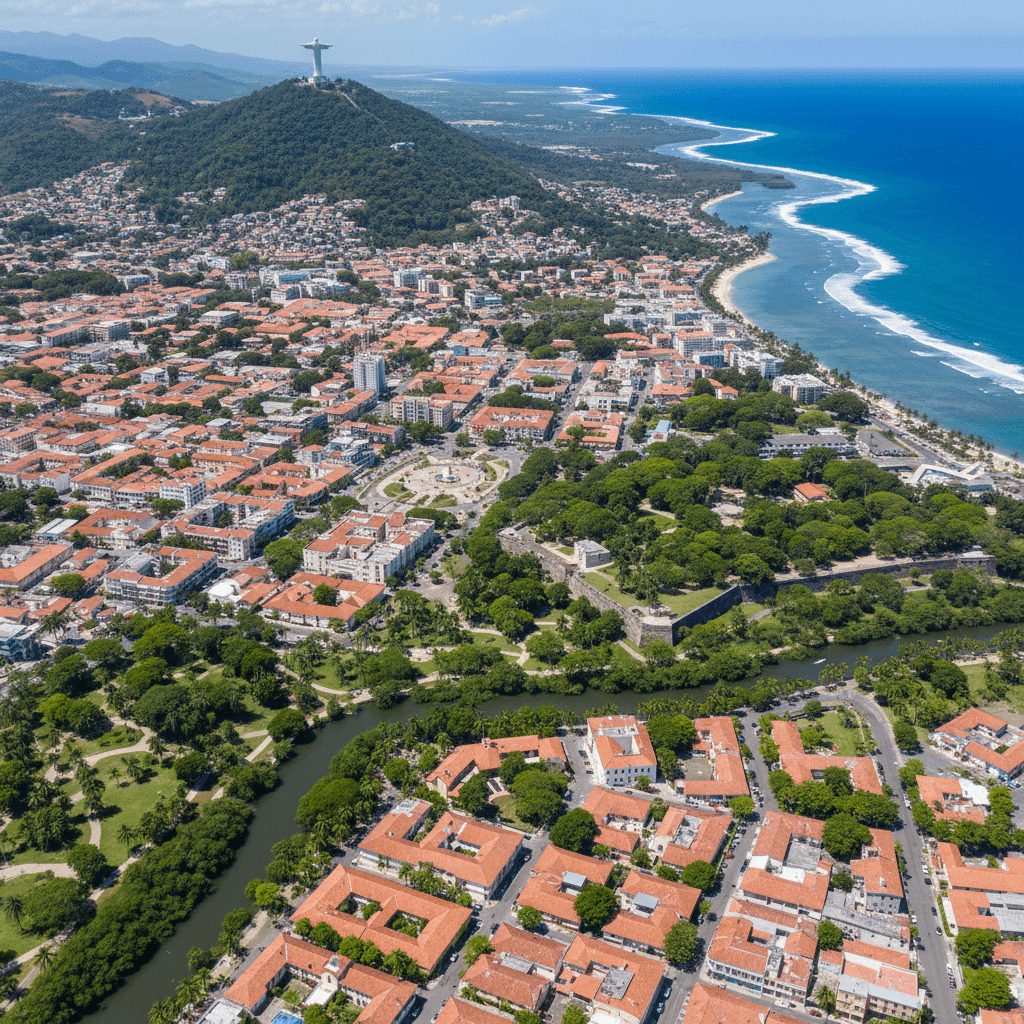
Puerto Plata
🇩🇴 Dominican Republic