Santa Teresa
🇨🇷 Costa Rica
The Pura Vida Reality
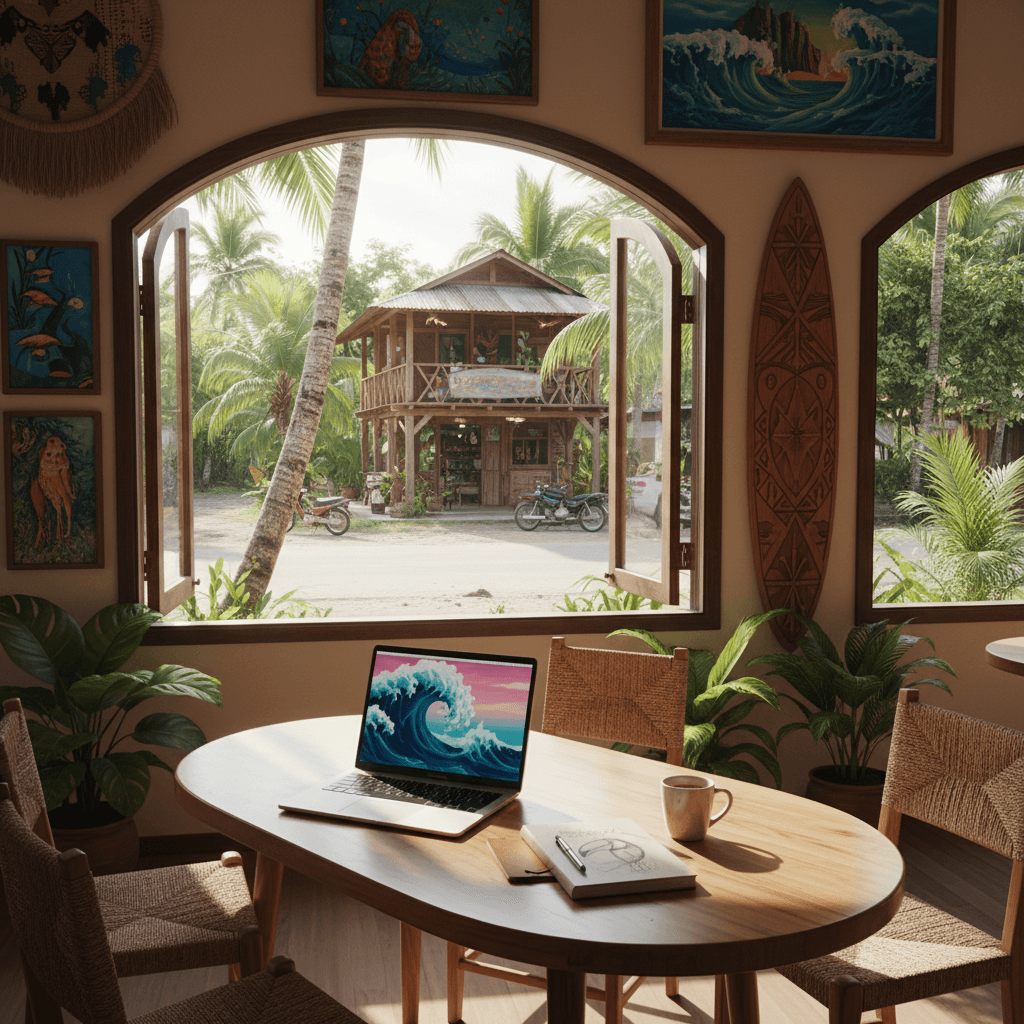
Santa Teresa isn't your typical manicured resort town. It’s a raw, jungle-backed stretch of coastline on the edge of the Nicoya Peninsula that feels like it’s constantly battling back the forest. You’ll find a distinct mix of high-end wellness culture and gritty, dirt-road reality. Most nomads describe the vibe as bohemian and unpretentious, where the day is dictated by the tides rather than the clock. It’s the kind of place where you’ll see a tech founder in a mud-splattered ATV headed to a $15 organic smoothie bowl after a sunrise surf session.
What sets Santa Teresa apart from other hubs like Tamarindo is its layout. There is no traditional "downtown." Instead, life happens along one long, dusty main road that runs parallel to the Pacific. It’s spread out, rustic, and can be surprisingly loud with the hum of engines, but the moment you step onto the sand, that noise vanishes. The community is heavily international, filled with young entrepreneurs and creatives who have traded city life for a surfboard and a Starlink connection.
The Living Experience
Living here requires a bit of grit. You’ll deal with dust in the dry season, thick mud in the rainy season, and the occasional power outage when a tropical storm rolls through. However, the payoff is a lifestyle focused on physical health and outdoor connection. Most people start their mornings at Santa Teresa Playa for a surf or a yoga class before heading to a cafe to log on for the day. While the local Tico culture can feel a bit overshadowed by the influx of expats, the "Pura Vida" philosophy still anchors the pace of life. Just don't expect things to happen fast; patience is a requirement here.
Cost of Living Breakdown
Santa Teresa has become one of the pricier spots in Costa Rica due to its popularity and remote location. Everything has to be trucked in, and prices reflect that. Expats recommend having a solid budget before committing to a long-term stay.
- Budget Tier ($1,500 to $2,000 per month): This usually involves staying in a hostel dorm or a shared room, eating primarily at local "sodas" for $5 to $8 a meal, and relying on the infrequent public bus.
- Mid-Range Tier ($2,500 to $3,500 per month): This is the sweet spot for most nomads. It covers a $900 studio or 1BR rental, regular meals at mid-range cafes, and a scooter or long-term ATV rental.
- Comfortable Tier ($4,000+ per month): For those wanting a private villa with AC, consistent dining at upscale international spots, and a dedicated car rental to explore the peninsula.
The Neighborhood Layout
Choosing where to stay is vital because the town’s lack of walkability can be a major hurdle if you don't have wheels.
Santa Teresa Playa (The Core)
- Best for: Solo travelers and first-timers who want to be near the action.
- The Vibe: High energy, walkable to the best surf breaks and cafes like Somos.
- Costs: Premium pricing for proximity; expect $900 to $1,200 for decent monthly rentals.
Calle Colibri
- Best for: Nomads who want a view and a quieter workspace.
- The Vibe: Tucked into the hills behind the main road. It’s peaceful, but the steep terrain means an ATV is non-negotiable.
- Pros: Home to Outsite, offering a built-in community of remote workers.
Playa Hermosa & Cóbano
- Best for: Families or long-term expats seeking space.
- The Vibe: Much quieter and less commercialized than the south end.
- Cons: You’re fairly isolated from the main social hubs and coworking spots.
Logistics and Staying Connected
Reliable internet used to be a fantasy here, but fiber optic and Starlink have changed the game. You can now pull 75Mbps to 100Mbps at dedicated spots like Outsite or Selina. For backup, most nomads grab a Kolbi or Claro SIM card, which provides decent 4G coverage along the main strip. There are a couple of ATMs in town, including at banks near El Cruze, but they can run out of cash or have lines. Safety is generally high, though petty theft from cars or beaches is a common complaint. The biggest "danger" most travelers face is the lack of a major hospital; there are local clinics for basics, but serious issues require a long trek to a major city. Come for the waves, stay for the community, but bring a high-quality dust mask for the road.
The Reality of the Pura Vida Price Tag
Santa Teresa isn't the budget backpacker haven it used to be. While you can still find ways to save, the influx of high-end boutique hotels and trendy organic cafes has driven prices up. Most nomads find that while they're getting world-class surf and a high-quality community, they're paying US or European prices for the privilege. You're effectively paying a premium for the remote, jungle-chic lifestyle.
The local economy runs on a mix of cash and card. You'll want to keep plenty of Colones or US Dollars on hand because there is famously only one ATM in town, and it frequently runs out of cash or has a massive line. For daily expenses, expect to spend heavily on transport and dining out, as grocery prices at the local supers can be surprisingly high due to the town's remote location on the Nicoya Peninsula.
Monthly Budget Breakdowns
Your monthly burn rate depends heavily on how much "dust" you're willing to eat and how you choose to get around. Most expats recommend budgeting at least 20 percent more than you think you'll need to account for tourist price gouging and the high cost of imports.
- The Budget Nomad ($1,500 to $2,000): This lifestyle involves staying in a dorm or a shared room at a spot like Zeneida's or Selina, eating at local "sodas" for $5 to $8 a meal, and relying on the infrequent public bus or your own two feet.
- The Mid-Range Professional ($2,500 to $3,500): This is the sweet spot for most. It covers a mix of cooking at home and eating at mid-range spots like Somos, and a long-term scooter or ATV rental.
- The Comfortable Expat ($4,000+): If you want a private villa with a pool, a dedicated ATV (the gold standard for transport here), and dinner at upscale beachfront spots every night, your costs will easily clear $4,000.
Key Living Expenses
Outside of rent, your biggest variable is going to be transport. Because the main road is long, dusty, and lacks proper sidewalks, walking isn't always viable. Most nomads opt for an ATV rental, which can cost $30 to $50 per day for long-term arrangements, though bikes and scooters are cheaper alternatives.
- Studio or 1BR Apartment: Expect to pay $2,000-$2,500+ per month for something central, higher in peak season.
- Coworking Memberships: Dedicated spaces like Outsite or Aire Eco Cowork typically charge between $10 and $20 for a day pass.
- Groceries for Two: Plan for $350 to $500 per month. Imported goods like berries, cheeses, and specific almond milks will double your bill quickly.
- Utilities and Connectivity: Basic utilities average $90, while high-speed fiber optic internet costs about $50. Many nomads also invest in a Starlink backup for the rainy season when power outages are common.
- Dining Out: A casual lunch at a cafe is usually $10 to $15, while a nice dinner with drinks will easily top $30 per person.
Strategic Savings
To keep costs down, look for housing in the South near Carmen or further north toward Playa Hermosa, though you'll definitely need a vehicle if you stay that far out. Shopping at the "ferias" (farmers markets) for local produce rather than the main supermarkets can also shave a significant amount off your monthly food budget. If you're staying long-term, skip the daily rental rates and negotiate a monthly price for a scooter or ATV directly with local shops; they're usually open to deals if you're sticking around for a few months.
Santa Teresa Playa (The Core)
If you're a solo traveler or a nomad looking to be in the thick of it, this is your zone. It's the central stretch of the main beach road where the energy is highest. You'll find the highest concentration of cafes like Somos and the two Selina locations, which act as the de facto social hubs for the town. It's one of the few areas where you can almost get by on foot, though most people still opt for a bike or scooter to deal with the heat and dust.
- The Vibe: Social, surf-focused, and high energy.
- Best for: Networking, quick beach access, and those without a dedicated vehicle.
- Monthly Rent: Around $900 for a studio or 1BR, though prices spike during the December to April dry season.
- Coworking: Easy access to Aire Eco Cowork and Selina.
The trade-off for being central is the noise and the dust. The main road isn't fully paved, so trucks and ATVs kick up a constant cloud that can be a nuisance if your balcony faces the street. Expect to pay a premium for the convenience of walking to your morning surf session.
Calle Colibri
For long-term nomads and expats who want a bit of distance from the main road's chaos, Calle Colibri is the go-to. This area winds uphill, away from the beach, offering a much quieter atmosphere and, if you're lucky, better jungle views. This is where you'll find Outsite Santa Teresa, a popular choice for remote workers who need reliable fiber optic internet and a built-in community.
- The Vibe: Elevated, peaceful, and professional.
- Best for: Focused work, longer stays, and those who value a quiet night's sleep.
- Transport: An ATV or 4x4 is mandatory here. The hills are steep and the walk to the beach in 90-degree heat is brutal.
- Internet: Known for more stable connections, often reaching 75Mbps to 100Mbps.
Living here feels more like a community and less like a tourist strip. You'll likely meet neighbors at the local coworking spots or via WhatsApp groups. Just keep in mind that "quiet" still means sharing your space with howler monkeys and the occasional power outage during the rainy months.
Playa Hermosa and Cóbano
Located at the northern end of the strip, Playa Hermosa is the preferred enclave for families and expats seeking space. The beaches here are less crowded and the lots are larger, allowing for private villas with pools rather than cramped apartments. It's a bit of a trek from the main "downtown" area, but the trade-off is a much more relaxed, residential feel.
- The Vibe: Secluded, upscale, and family-friendly.
- Best for: Families, groups, and anyone staying for several months who wants a "home" rather than a "base."
- Cost: Higher upfront costs for villas, often $4,000+ per month for comfortable setups.
- Daily Life: You'll be doing a lot of driving. Expect a 10 to 15 minute ATV ride just to get to a major grocery store.
The surf at Hermosa is often more forgiving for beginners, making it a hit with families. However, you'll feel more isolated here. If you don't have a reliable vehicle, you'll feel stranded, as public buses are infrequent and cost about $1.50 but rarely follow a strict schedule.
South Near Playa Carmen
The southern end of the road near the Playa Carmen intersection is where budget-conscious solo travelers often land. It's the furthest point from the trendy northern cafes, but it's also where you'll find some of the more affordable "Sodas" (local Tico restaurants) and cheaper rental units. It's functional, if a bit rugged.
- The Vibe: Rustic, dusty, and practical.
- Best for: Surfers on a budget and travelers who want to be near the town's only ATM and main pharmacies.
- Food: Great for $5 to $8 local meals, which helps balance out the high cost of living elsewhere.
- Safety: Generally safe, but stick to the main road at night. Petty theft is common, so never leave valuables in your car or on the beach while surfing.
While it's the most "local" feeling part of the strip, it's also the dustiest. Many nomads find that while they save on rent here, they end up spending more on transport to get to the better coworking spaces and social events further north.
Connectivity in the Jungle
In the past, Santa Teresa was a place where you went to disappear. Today, it’s a place where you can lead a board meeting in the morning and surf world class breaks by noon. While the town’s infrastructure still feels rugged, the internet situation has improved drastically with the introduction of fiber optic cables. Speeds of 50-100Mbps possible with fiber in some spots, but averages around 30-50Mbps; Starlink common backup.
The main challenge isn't usually the speed, but the stability. Power outages are a fact of life here, especially during the peak of the rainy season between June and September. Most serious nomads recommend staying somewhere with a backup generator or using a Starlink setup as a fail-safe. For mobile data, grab a prepaid SIM card from Kolbi, Movistar, or Claro. Coverage is generally strong along the main beach road, but it drops off quickly once you head into the hills toward Calle Colibri.
Top Coworking Spaces
If your rental's WiFi fails or you just need some air conditioning to escape the midday heat, Santa Teresa has a surprisingly robust coworking scene. These spots serve as the unofficial town squares for the digital nomad community.
- Outsite: With multiple locations including Santa Teresa Playa and Calle Colibri, Outsite is the gold standard here. It’s designed specifically for remote workers, featuring ergonomic chairs and reliable glass fiber internet. Daily passes usually run between $10 and $20.
- Selina: There are two Selina locations in town (North and South). They offer a classic nomad atmosphere with dedicated desks, phone booths, and plenty of networking events. It's a bit more social and can get loud, but the community vibe is hard to beat.
- Torito’s Guest House: This coliving spot is popular with long term travelers and offers a more intimate workspace than the larger hostels.
Work-Friendly Cafes
The "work from anywhere" culture is deeply ingrained in Santa Teresa. You won’t get side-eyed for opening a laptop in a cafe, provided you're ordering food and drinks. Many beachfront spots have added outlets and boosted their routers to accommodate the laptop crowd.
- Somos: This is a massive nomad hub. It’s part cafe, part surf shop, and part hostel. The WiFi is solid, the coffee is excellent, and you’ll likely meet half a dozen other entrepreneurs by the time you finish your first espresso.
- Zeneida’s: Located right on the beach, this is the spot for those who want to work with their toes near the sand. It’s perfect for low intensity tasks or clearing out an inbox.
- The Bakery: While it can get very busy and loud, it’s a staple for a quick morning work session fueled by some of the best pastries in Costa Rica.
Practical Workflow Tips
Since the town is spread out along one long, dusty road, logistics matter. Most nomads find that an ATV or scooter is necessary to get between their villa and the coworking hubs. If you’re staying off the main road in areas like Calle Colibri, don't rely on walking; the hills are steep and the heat is intense.
For financial logistics, keep in mind there is only one ATM in the main part of town. It frequently runs out of cash or has long lines. Most coworking spaces and upscale cafes accept cards, but for smaller sodas and local shops, cash is king. Use apps like Wise or Revolut to manage your transfers, but always keep a $50 to $100 cash reserve for those days when the town’s single ATM decides to take a siesta.
Finally, join the local WhatsApp and Facebook groups like Costa Rica Digital Nomads. These are the best resources for real time updates on power outages, internet repairs, or finding last minute desk space when your home connection goes dark.
Keeping it Safe in the Dust
Santa Teresa feels like a sanctuary, but it's not a bubble. Most nomads feel perfectly comfortable walking the beach road during the day, yet the town's rapid growth has brought a rise in opportunistic crime. Petty theft is the main headache here. If you leave your bag on the sand while you're out catching waves, there's a high chance it won't be there when you get back. Expats generally advise against bringing anything to the beach except your board and a towel.
The town's layout adds a layer of physical risk. Because there are very few streetlights once you step off the main drag, unlit side paths and jungle trails can be sketchy after dark. Stick to the main road when walking at night, or better yet, use an ATV. Travelers often mention "nomad targeting" in terms of price gouging, but actual violent crime remains very low for the region. Just keep your valuables locked in a safe at places like Outsite or Selina, and don't leave electronics visible in your parked car or ATV rental.
The most common injuries in Santa Teresa aren't from crime, they're from the road. Between the deep potholes, thick clouds of dust that obscure vision, and slick mud during the rainy season, "road rash" is practically a local rite of passage. If you're renting a scooter or ATV, wear a helmet and take it slow. The dust can also cause respiratory irritation, so you'll see many locals and long-termers wearing bandanas or masks while driving.
Healthcare and Medical Emergencies
Healthcare in Santa Teresa is best described as "basic but functional." You won't find a major hospital in town. For anything serious, you're looking at a 5 to 6 hour drive to San Jose or a bumpy trip to a larger regional hub. This remoteness is something to consider if you have a chronic condition that requires specialist care.
For day-to-day issues like surf cuts, stomach bugs, or infections, there are several reliable options:
- Local Clinics: Small private clinics along the main road handle minor emergencies and general consultations. They're used to treating travelers and usually have English-speaking staff.
- Pharmacies: You'll find well-stocked pharmacies (Farmacias) frequently along the beach road. Pharmacists in Costa Rica can often provide medical advice and dispense certain medications that would require a prescription in the US or Europe.
- Emergency Services: Dial 911 for any major emergency. Be aware that response times can be slow due to the town's geography and road conditions.
Because of the limited local facilities, most nomads carry robust travel insurance that includes emergency medical evacuation. If you need a lab test or a specific prescription, you might need to head inland toward Cobano, which serves as the local administrative hub and has slightly more infrastructure than the beach strip.
Health and Wellness Tips
The "Pura Vida" lifestyle is great for your mental health, but the tropical environment requires some maintenance. The sun here is incredibly strong, especially between 10:00 AM and 2:00 PM. Dehydration is a frequent issue for newcomers who underestimate the humidity. Stick to bottled or filtered water if you have a sensitive stomach, although tap water in many parts of the Nicoya Peninsula is technically drinkable.
During the rainy season from May to November, mosquitoes become a bigger nuisance. While malaria isn't a major concern in Santa Teresa, Dengue fever pops up occasionally, so high-quality repellent is a must. Most residents find that staying healthy here is easy as long as you respect the sun, stay hydrated, and don't treat the dusty main road like a racetrack.
The One-Road Reality
Santa Teresa is essentially one long, dusty artery stretching along the coastline. While the map might make it look like a walkable beach town, the reality on the ground is different. The main road is unpaved in many sections, turning into a dust bowl during the dry season and a muddy obstacle course when the rains hit. Walking isn’t just slow; it’s often uncomfortable due to the heat and the constant clouds of dust kicked up by passing vehicles.
Most nomads find that having their own wheels isn't just a luxury, it's a requirement for a functional life here. If you're staying right in the Santa Teresa Playa core near Selina or Somos, you can get away with walking to the surf and a few cafes, but you'll feel trapped quickly without transport.
ATVs: The Local Gold Standard
The quad bike (ATV) is the unofficial mascot of Santa Teresa. It’s the most practical way to handle the potholes, steep hills like Calle Colibri, and the rugged terrain leading to Playa Hermosa. Expect to pay between $30 and $50 per day for long term rentals. While expensive, it gives you the freedom to chase the best sunset spots or haul groceries back to your villa without breaking a sweat.
- Long-term rentals: Negotiate directly with local shops along the main road rather than booking daily through a hotel.
- Safety: Dust masks or buffs are a must have to protect your lungs while riding.
- Parking: Generally easy, but always lock your helmet to the bike to avoid petty theft.
Bicycles and Scooters
Scooters are a cheaper alternative to ATVs, usually costing about $20 to $30 per day. They work fine for the main road, but they struggle on the steep, unpaved side roads where many of the quieter rentals are located. If you're an experienced rider, they're a great budget saver, but beginners should stick to four wheels. Bicycles are available but rarely recommended for daily use unless you're staying on a very flat stretch and don't mind arriving at your coworking space drenched in sweat.
Public Transit and Taxis
Public infrastructure is minimal. There are infrequent buses connecting the town to Cóbano and nearby villages for about $1.50 one way, but they aren't reliable for a nomad schedule. Uber is technically available but extremely spotty; don't count on it for a 4:00 AM airport run. Local taxis exist, but prices can be high for short distances, especially after dark. Most expats keep a few taxi numbers in their WhatsApp contacts just in case of a breakdown or a heavy night at the beach bars.
Getting There and Away
Santa Teresa is remote, which is part of its charm, but the journey is a commitment. You have two main options coming from San Jose (SJO) or Liberia (LIR):
- The Fast Way: Take a domestic flight to Tambor (about 25 minutes), followed by a 45 minute taxi ride. This is the priciest route but saves you a full day of travel.
- The Shuttle Way: Shared vans cost between $50 and $100 and take roughly 5 to 6 hours. This includes a ferry crossing from Puntarenas to Paquera, which offers some of the best views of the Gulf of Nicoya.
- The Rental Car: If you drive yourself, a 4x4 is highly recommended. The roads leading into the peninsula can be treacherous during the rainy season between May and November.
Practical Transit Tips
Cash is king for transport. Since there is only one ATM in town and it frequently runs out of money or has long lines, always keep a stash of Colones or US Dollars specifically for gas and taxi fares. If you're planning to stay for more than a month, many nomads find it's cheaper to buy a used scooter and sell it before leaving, though this requires some patience with local Facebook groups.
The Pura Vida Dialect
In Santa Teresa, the most important phrase you will learn isn't actually about grammar. Pura Vida is the local heartbeat. While it literally translates to pure life, you will hear it used as a hello, a goodbye, a way to say everything is cool, or even a shrug when the power goes out during a tropical storm. It sets the tone for every interaction in town, reminding you to slow down and stay patient.
Spanish is the official language, but Santa Teresa is a unique bubble. Because the community is so heavily comprised of international entrepreneurs, surf instructors, and expats, English is incredibly common. You can easily spend an entire month here working from Outsite or Selina and never actually need to speak Spanish to survive. Most staff at the trendy cafes and boutique hotels are bilingual, and the nomad crowd is a melting pot of Europeans, Israelis, and North Americans who use English as their bridge.
When You Need Spanish
While you can get by with English in the tourist core, having some Spanish makes life significantly easier and cheaper. You will want it when dealing with Kolbi or Claro representatives for your SIM card, talking to mechanics for ATV repairs, or ordering a $7 casado at a local soda. Usually, about 20 percent of your interactions, specifically those away from the main beach road or with older locals, will require some effort in Spanish.
- Greeting locals: Start with "Buenas" or "Hola" before jumping into English. It goes a long way in terms of respect.
- Asking for prices: "Cuanto cuesta?" is vital at the local markets where prices aren't always marked.
- Directions: Since there are few official street names, learning words like "derecha" (right), "izquierda" (left), and "recto" (straight) helps when navigating the dusty backroads.
Digital Tools and Connectivity
Most nomads recommend downloading Google Translate offline packs for Spanish before arriving. Cell service is generally reliable, but there are dead zones as you head north toward Playa Hermosa or up the hills of Calle Colibri. Having the translation tool available without a signal is a lifesaver if you get lost on an unpaved road.
For daily communication, WhatsApp is the undisputed king. Whether you are booking a surf lesson, ordering a taxi, or joining the local nomad groups to find a weekend beach bonfire, it all happens on WhatsApp. If you are looking for an apartment, joining the Santa Teresa Community Facebook groups is the standard way to find listings and ask questions about local services.
Social Etiquette
The vibe here is bohemian and informal. Communication is relaxed, and "Tico time" is a real factor. If you are meeting a local contact for a rental or a service, don't be surprised if they are 15 to 20 minutes late. It isn't considered rude; it's just the pace of the peninsula. When you are in the water surfing, the language of the waves is more about observation than talking. Respect the lineup, wait your turn, and a simple nod or a "Pura Vida" to the person next to you is usually all the communication you need.
Expats often suggest that even if your Spanish is shaky, attempting a few words shows you aren't just another tourist passing through. Most locals are patient and will appreciate the effort, often helping you find the right word. In a town that can sometimes feel like a colony of young foreigners, making that small linguistic bridge helps maintain the community feel that makes Santa Teresa special.
The Seasons of the Nicoya Peninsula
In Santa Teresa, the weather dictates the pace of your life. Because the town is built around a single main road that isn't fully paved, the transition between seasons changes everything from your commute to your internet stability. Most nomads divide the year into two distinct blocks: the sun-drenched dry season and the lush, muddy green season.
Dry Season (December to April)
This is the peak of the Santa Teresa experience. You can expect consistent temperatures between 75 and 90°F and almost zero rain. The skies stay blue, the sunsets at Playa Carmen are legendary, and the surf is world-class. This is when the nomad community is at its most active, with networking events at Outsite and Selina in full swing.
- The Upside: You'll have perfect beach weather every single day. It is the best time for learning to surf or taking an ATV up to the hills of Calle Colibri without worrying about getting stuck in the mud.
- The Downside: The dust is real. Since the road is unpaved in many sections, the "Santa Teresa Cough" is a common complaint from the dust kicked up by ATVs. Prices for rentals also spike during these months, often hitting $4,000 or more for comfortable villas.
Green Season (May to November)
As May rolls around, the landscape transforms into a deep jungle green. While the mornings are often sunny, afternoon downpours become the norm. By September and October, the rain can be intense and relentless. Many businesses take a break during these months, and the town feels significantly quieter.
- The Upside: The dust disappears, the air feels fresh, and the crowds thin out. You can often negotiate better long-term rates on apartments or find deals at coliving spaces like Torito's Guest House.
- The Downside: Logistics get tricky. Power outages are frequent when the storms hit hard, which can knock out your WiFi. Most serious remote workers keep a Starlink setup or a Kolbi SIM card as a backup during this time. The main road often turns into a series of muddy craters, making a scooter or bike nearly impossible to use.
When to Visit
If you want the quintessential "Pura Vida" lifestyle with reliable sunshine, aim for January through March. The town is alive, the coworking spaces are buzzing, and you won't have to worry about your laptop getting soaked on the way to a cafe. It is the most expensive time to be here, but it's when the social scene is at its peak.
For those on a tighter budget who don't mind a bit of rain, May and June are great "shoulder" months. You'll catch the beginning of the lush scenery before the heaviest rains arrive in October and November. Just make sure your accommodation has a solid backup power plan if you have a heavy meeting schedule, as the tropical storms don't care about your Zoom calls.
Climate Quick Facts
- Hottest Months: March and April, with highs pushing 90°F.
- Rainiest Months: September and October. Expect heavy afternoon or overnight deluges.
- Water Temperature: Stays a comfortable 80 to 84°F year round; you'll never need a thick wetsuit here.
- Nomad Preference: Most stay for the full December to April window to avoid the mud and enjoy the best surf conditions.
The Pura Vida Reality
Santa Teresa isn't your typical digital nomad hub. It's a rugged, jungle-fringed stretch of coastline where the lifestyle revolves around the tide charts and the sunset. While the "Pura Vida" vibe is real, the infrastructure is famously rustic. You'll spend most of your time on one long, dusty main road that connects everything. It's beautiful and social, but it requires a bit of grit to manage the logistics of daily life.
Cost of Living Breakdown
Costa Rica is one of the pricier stops in Central America, and Santa Teresa sits at the top of that scale due to its popularity. Most nomads find they need a minimum of $2,500 per month to live comfortably without constantly checking their bank balance. Here is what you can expect to spend based on your lifestyle:
- Budget ($1,500 to $2,000): Living in a hostel dorm or a shared house, eating mostly at local "sodas" (traditional diners) for $5 to $8 a meal, and relying on public buses or walking.
- Mid-range ($2,500 to $3,500): A private 1BR apartment or studio for around $900, frequenting mid-range cafes where meals cost $10 to $15, and renting a scooter or long-term ATV.
- Comfortable ($4,000+): A high-end villa with a pool, dining at upscale international spots where dinner is $20+, and having a dedicated ATV or car rental.
Where to Set Up Base
The town is essentially one long road, but different pockets cater to different crowds. Most nomads stick to Santa Teresa Playa, the core area. It's the most walkable part of town, putting you steps from the surf, Selina, and the best cafes. It gets incredibly dusty in the dry season, so keep that in mind if you have respiratory issues.
If you want a bit more peace, Calle Colibri is a popular uphill area. It's home to Outsite and offers better views and quieter nights, but you absolutely need an ATV to get up the hills. For families or those staying long-term, Playa Hermosa to the north is quieter and less crowded, though it feels a bit more isolated from the main social scene.
Internet and Coworking
WiFi has improved significantly, with fiber optic now reaching many rentals. You can find speeds up to 100Mbps, but the power can be fickle, especially during the rainy season. Many serious nomads use Starlink as a backup. For a guaranteed connection and a social atmosphere, check out these spots:
- Outsite: Multiple locations like Mararmar and Calle Colibri. It’s the gold standard for nomads here, offering dedicated desks and a built-in community for $10 to $20 a day.
- Selina: Two locations in town with reliable coworking spaces and a younger, high-energy crowd.
- Somos: A popular cafe with a great workspace vibe, though it can get loud during peak hours.
- Aire Eco Cowork: A focused environment for those who need to get deep work done away from the beach distractions.
Navigation and Safety
Getting around is the biggest hurdle. The main road is unpaved in many sections and lacks sidewalks. Expats recommend renting an ATV for $30 to $50 a day on a long-term lease. Walking is possible in the center, but you'll be dodging traffic and inhaling dust. For arrivals, most people fly into San Jose or Liberia and take a 5 to 6 hour shuttle, or take a domestic flight to Tambor followed by a 45-minute taxi.
Safety is generally high, though petty theft is a constant reality. Never leave your bag unattended on the beach while you surf, and lock your doors at night. There isn't a major hospital nearby, so keep the local pharmacy locations handy for minor issues and have travel insurance that covers emergency transport for anything serious.
Timing Your Stay
The weather dictates the rhythm of the town. The dry season (December to April) is prime time with temperatures between 75 and 90°F. This is when the social scene peaks, but prices also skyrocket. The rainy season (May to November) brings lush greenery and lower prices, but be prepared for muddy roads and frequent power outages, especially in the peak rain months of October and November.
Banking and Connectivity
Cash is still king for many local transactions, and there is only one ATM in the main part of town. It frequently runs out of money or has long lines. Carry a backup stash of US dollars or Colones. For your phone, grab a prepaid SIM card from Kolbi or Claro. Coverage is generally strong along the main road but drops off quickly once you head into the hills.
Need visa and immigration info for Costa Rica?
🇨🇷 View Costa Rica Country GuideHidden Gem
Worth the effort
Monthly Budget Estimates
More cities in Costa Rica
Liberia
🇨🇷 Costa Rica
Alajuela
🇨🇷 Costa Rica
Heredia
🇨🇷 Costa Rica