Sandakan
🇲🇾 Malaysia
The Vibe: Little Hong Kong Meets the Wild
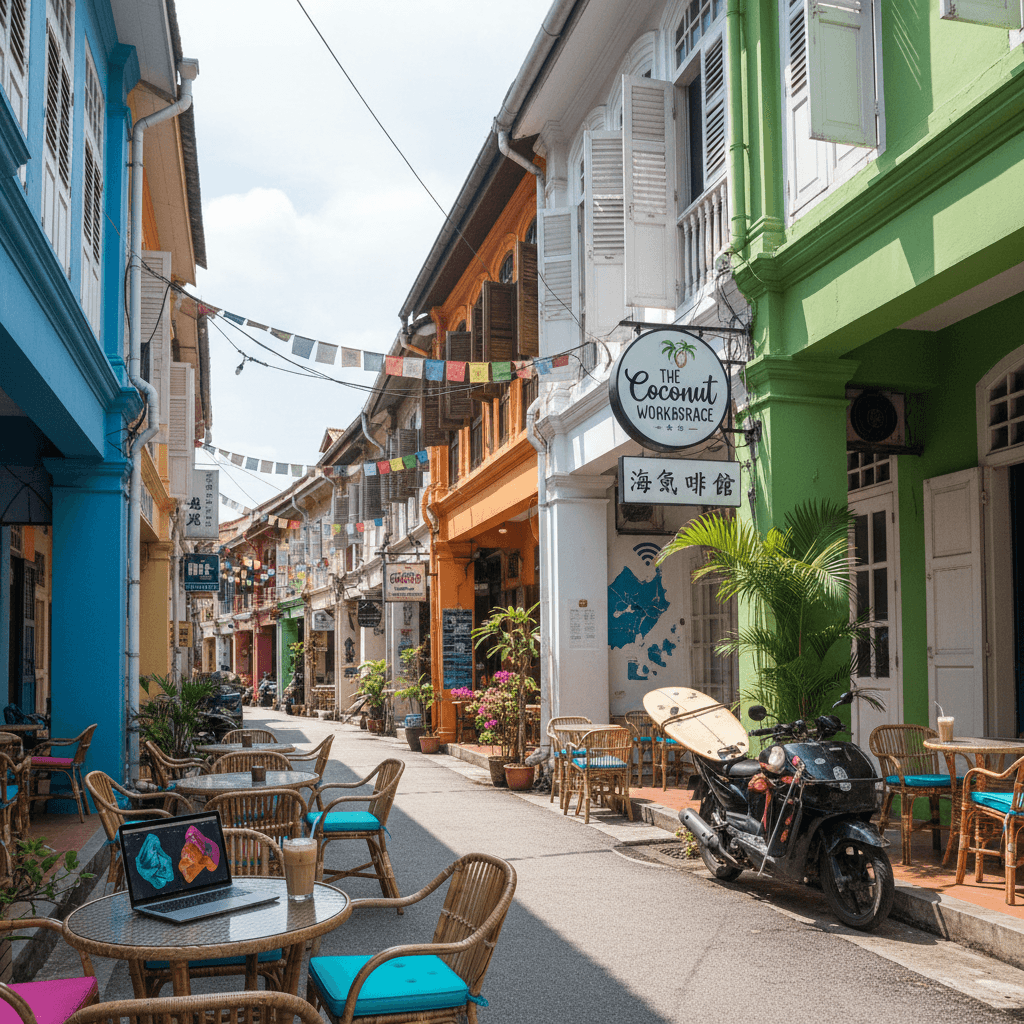
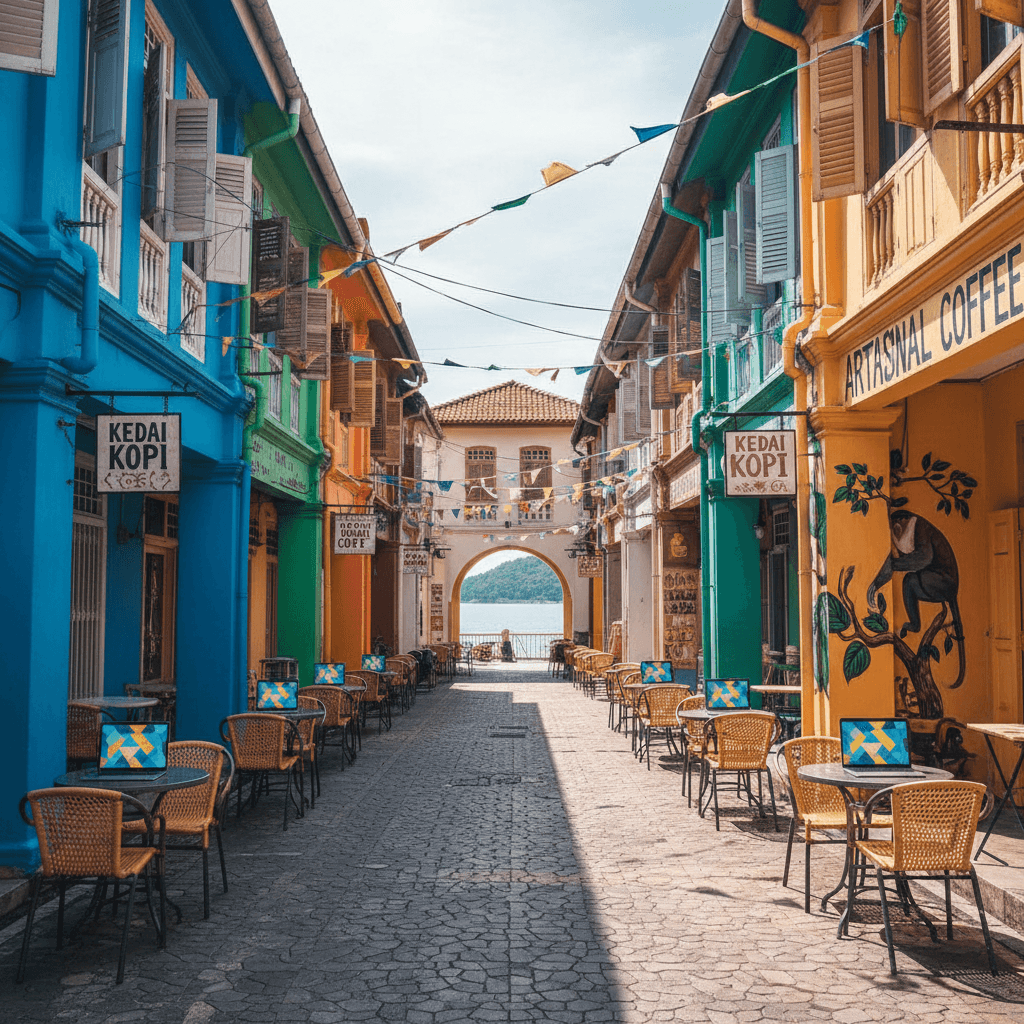
Sandakan isn't your typical polished digital nomad hub. It has a gritty, nostalgic soul that feels worlds away from the glass towers of Kuala Lumpur. Known as "Little Hong Kong" due to its Cantonese roots, the city smells of salt air and charcoal-grilled seafood. It is the kind of place where life slows down to the pace of a ceiling fan in a colonial-era cafe.
The atmosphere is unpretentious and deeply local. You won't find crowds of influencers here. Instead, you'll see elderly men reading newspapers in kopitiams and fishermen unloading their catch at the waterfront. It is a city of layers, where 19th-century history sits right next to modern shopping malls. For nomads, the appeal lies in the "work-life-nature" balance. You can spend your morning on a Zoom call and your afternoon watching orangutans or exploring stilt villages built over the Celebes Sea.
What Sets Sandakan Apart
Unlike Chiang Mai or Bali, Sandakan doesn't cater specifically to foreigners. This means you get an authentic slice of Bornean life, but it also means you have to be more self-reliant. The community is incredibly welcoming, though the expat circle is small and tight-knit. It is a destination for the "slow nomad" who values deep immersion and wildlife over high-speed networking events.
The city's personality is defined by its rugged edges. It is a gateway to the jungle, and that proximity to the wild gives the town a frontier energy. You'll find that locals are genuinely curious about why you've chosen their city, often leading to long conversations over a RM11 cappuccino at a local cafe.
Cost of Living Breakdown
Sandakan is remarkably affordable, even by Malaysian standards. Most nomads find they can live a high-quality life for a fraction of what they would spend in Penang or KL. A single person can live comfortably on around $523 per month including rent.
- Budget Tier: $400 to $600 per month. This covers a room in a shared house, eating primarily at hawker stalls, and using local transport.
- Mid-Range Tier: $800 to $1,200 per month. This gets you a private one-bedroom apartment, a mix of cafe meals and local food, and regular weekend trips to nature reserves.
- Comfortable Tier: $1,500+ per month. You will live in the best part of town, eat at mid-range restaurants daily, and have a generous budget for diving or jungle safaris.
Typical Monthly Expenses
- Studio Apartment (City Centre): $163 (RM800)
- 3-Bedroom House (Outside Centre): $272 (RM1,200)
- Street Food Meal: RM5 to RM10 ($1.15 to $2.30)
- Mid-range Dinner for Two: RM80 to RM100 ($18 to $23)
- Monthly Gym Membership: RM80 ($18)
- Mobile Data Plan (30GB+): RM45 ($9)
The Emotional Experience
Living here feels like being let in on a secret. There is a specific kind of peace found in the humidity and the sound of the evening call to prayer echoing across the water. Travelers often mention a sense of "resetting" in Sandakan. The lack of a frantic social scene allows for deep focus on projects, while the surrounding rainforest provides a massive playground for when your laptop finally closes.
It isn't always easy. You will deal with occasional internet hiccups and a lack of specialized coworking spaces. But when you are sitting at San Da Gen Kopitiam with a plate of local toast and a strong coffee, watching the city wake up, those minor inconveniences tend to disappear. It is a city for those who want to feel like they are truly somewhere else.
The Bottom Line on Your Budget
Sandakan is one of those rare spots where your dollar stretches so far you might actually double-check the bill. It is significantly cheaper than Kuala Lumpur or Penang, making it a dream for slow travelers who want to pile up savings without living like a hermit. Most nomads find they can live a very comfortable, mid-range lifestyle here for about $800 to $1,200 a month, which covers a modern apartment, daily cafe visits, and plenty of weekend trips to see the orangutans.
If you are on a tight budget, you can scrape by on as little as $520 a month including rent. On the flip side, if you have a $1,500 monthly budget, you are effectively living like royalty in the best parts of town.
Monthly Rent Breakdown
Housing will be your biggest saving. While there are not many "digital nomad" branded coliving spaces, the local rental market is incredibly accessible. Most expats recommend looking for condos with security and gyms if you want Western-style amenities.
- City Centre (Lebuh Empat & Waterfront): This is the heart of the action. A 1-bedroom apartment here averages $163 (RM800), while a larger 3-bedroom place for families or groups runs around $339 (RM1,500).
- Residential Suburbs (Bandar Baru & Outside Centre): If you do not mind a short Grab ride, prices drop even further. You can find small units for $102 (RM500) and spacious family homes for about $272 (RM1,200).
Eating and Drinking
Sandakan is nicknamed "Little Hong Kong" for a reason, the food scene is legendary and cheap. You will likely find yourself eating out more than cooking because the local markets and hawker stalls are so affordable. A meal at a local stall usually costs between $1.15 and $2.30 (RM5-10).
For a sit-down dinner at a mid-range restaurant, expect to pay about $20 (RM85) for two people, including three courses. Coffee culture is growing here too. A solid cappuccino at a spot like Urban Cafe or San Da Gen Kopitiam will set you back about $2.30 (RM11). If you fancy a beer with your seafood, a domestic pint is also around $2.30 (RM10), though keep in mind that alcohol is more expensive here than in neighboring countries due to Malaysian taxes.
Utilities and Connectivity
Keeping the lights on and the AC running is not going to break the bank. For a single person, monthly utilities like electricity and water usually hover around $45 (RM200). Since you will likely be working from home or cafes, a good data plan is a must.
- Mobile Data: Most nomads grab a Hotlink or Celcom SIM. You can get a 30GB to 40GB plan for roughly $9 (RM40).
- Home Internet: If you are signing a longer lease, a 50Mbps+ fiber connection costs between $16 and $49 (RM72-215) a month.
- Gym Memberships: Staying fit is cheap, with local gym access costing about $18 (RM80) per month.
Getting Around
You won't need to own a car here. The Grab app is the undisputed king of transport in Sandakan. It is reliable, safe, and transparently priced. A typical ride across town rarely exceeds $3 or $4. If you are really counting pennies, the local bus system exists, and a monthly pass is a mere $5 (RM22), though most expats find the convenience of Grab well worth the extra couple of dollars.
For Digital Nomads: City Centre (Lebuh Empat & Waterfront)
The City Centre is the logical base for anyone needing to stay productive while soaking in the "Little Hong Kong" atmosphere. Most nomads gravitate toward the grid of streets around Lebuh Empat because it's the only part of Sandakan where you can truly live a walkable lifestyle. You're steps away from the best caffeine fixes at San Da Gen Kopitiam or Urban Cafe, which serve as the city's unofficial coworking hubs.
Living here puts you right on the edge of the Sulu Sea. The waterfront area has seen significant development, offering modern apartment rentals with views of the harbor. While it's the most expensive part of town, "expensive" is relative; a solid studio or one bedroom apartment usually sits around $163 (RM800) per month. The trade-off for the convenience and social proximity is the noise from the morning markets and evening traffic, but for most, the ability to walk to a grocery store or a seaside bar makes it worth it.
For Expats: Bandar Baru Sandakan
If you're planning to stay for a year or more, follow the locals and long-term expats to Bandar Baru (New Town). This area feels much more suburban and organized than the old city core. It's where you'll find the modern shopping malls, larger supermarkets, and newer housing developments. It’s a quieter existence, away from the humidity and chaos of the port, with much better air quality and more greenery.
Expats usually prefer this area because you get significantly more space for your money. A spacious three bedroom house or modern condo here averages about $272 (RM1,200). You'll definitely need a car or a Grab account to get around, as things are spread out. It's the best spot if you want a "normal" life with easy access to gyms and larger retail centers without the tourist foot traffic found downtown.
For Families: Northward Suburbs & Mile 4-6
Families generally avoid the cramped quarters of the City Centre in favor of the residential stretches between Mile 4 and Mile 6. This corridor is home to the city’s better schools and specialized medical facilities like the Sabah Medical Centre. The neighborhoods here are built for cars, featuring gated communities and houses with actual yards, which are rare closer to the water.
The pace here is slow and safe. You’ll find plenty of local parks and family-run restaurants where a full dinner for four rarely tops $25. It's an area where neighbors actually know each other, and the lifestyle revolves around weekend trips to the nearby rainforest discovery centers rather than nightlife. Rent for a family-sized home in these outskirts typically hovers around $250 to $300 per month.
For Solo Travelers & Culture Seekers: Buli Sim Sim
For those who aren't worried about having a dedicated desk or a quiet office, Buli Sim Sim offers an experience you won't find anywhere else in Borneo. This is a traditional water village where houses are built on high stilts over the ocean. It’s incredibly photogenic and puts you right in the heart of the local fishing culture. You’ll wake up to the sound of boats and the smell of fresh seafood being prepared for the morning markets.
While it’s not a typical "neighborhood" for long-term residency because of the lack of modern amenities and the humidity, it's perfect for a month-long deep dive. The seafood restaurants here are the best in the city, with meals like ginger scallion crab costing a fraction of what you’d pay in Kuala Lumpur. Just be aware that the infrastructure is rustic; you're trading high speed fiber internet for authentic culture and some of the best sunsets in Malaysia.
Nightlife & Socializing: Taman Tinosan
Sandakan isn't exactly a party town, but if you want to be near the action, Taman Tinosan is the place to look. It has a younger, more energetic vibe than the rest of the city. This area is packed with small bars, bistros, and late-night eateries that stay active well after the City Centre has gone to sleep. It’s a popular spot for younger expats and locals to grab a $2.30 domestic beer and socialize. It can get loud on Friday and Saturday nights, so it's better for those who want to be in the mix rather than those seeking total peace and quiet.
Sandakan isn't your typical digital nomad hub like Chiang Mai or Bali. If you're looking for sleek, air-conditioned offices with ergonomic chairs and unlimited kombucha, you'll be disappointed. However, for those who value a quiet pace and can work effectively from a corner table in a local cafe, it's a surprisingly functional base.
WiFi Speeds and Reliability
The internet situation is a bit of a mixed bag. In the city center, you can expect fixed broadband speeds between 50 and 100 Mbps. Most modern hotels and mid-range apartments handle video calls and large uploads without much trouble. Once you head toward the outskirts or the stilt villages, reliability takes a hit. It's common for local nomads to keep a backup mobile hotspot ready just in case of a brief outage.
The "Coworking" Scene
There are no formal, dedicated coworking spaces in Sandakan as of 2025. You won't find Hot Desks or Private Offices for rent by the day. Instead, the local remote work community gravitates toward a handful of "laptop-friendly" cafes. Most owners are happy to let you linger for 2 to 3 hours if you're buying coffee and snacks, which usually cost between RM5 and RM15.
- San Da Gen Kopitiam: This is the go-to for a mix of heritage vibes and decent WiFi. It gets busy during lunch, so most people head here for morning sessions.
- Wrapped Cafe: Located at the Four Points by Sheraton, this is the most "corporate" feeling spot in town. It has the most reliable connection and a professional atmosphere if you have an important client meeting.
- Urban Cafe: A cozy spot with a more modern aesthetic. It's quieter than the waterfront spots and popular with younger locals.
- Up Case Cafe: Good for late afternoon work. They have a solid Italian menu if you want to transition straight from spreadsheets to dinner.
- Rock Paper Scissors Cafe: A great morning spot. The WiFi is snappy enough for most tasks, and the breakfast menu is a hit with expats.
Mobile Data and SIM Cards
Since public WiFi can be spotty, getting a local SIM card is the first thing you should do. Coverage is excellent across the city, though it thins out as you head into the jungle for wildlife tours. Maxis (Hotlink) and Celcom are the two heavy hitters here. Most nomads find Celcom has slightly better penetration in older buildings.
You can pick up a SIM at the airport or any convenience store. You'll need your passport for registration. Popular prepaid plans include:
- Hotlink (Maxis): Around 35GB for RM45 per month.
- Celcom Xpax: Roughly 30GB for RM45 per month.
- Digi Prepaid: Larger 40GB bundles for RM50 per month.
Managing your data is easy through the provider apps. You can top up using a credit card or GrabPay. If you're staying long-term in an apartment, a fixed line from Maxis or Digi will cost between RM72 and RM215 per month depending on the speed, but be aware that most providers require a tenancy agreement to set this up.
Practical Tips for Remote Workers
Power outlets aren't always guaranteed at every table in local cafes. Expats recommend carrying a small power strip or a high-capacity power bank. Because the city is so affordable, many nomads choose to rent a slightly nicer apartment in Bandar Baru Sandakan or the City Centre and use their home internet as a primary workspace, saving the cafes for social interaction or light admin tasks.
Safety Situation and Local Context
Sandakan is generally a peaceful place where you can walk around without much worry. Most expats find the city much safer than larger Southeast Asian hubs. While the Eastern Sabah Security Command (ESSCOM) maintains a presence in the region due to historical maritime concerns, this rarely affects daily life for residents or nomads. You'll see a visible police presence, which locals say adds a layer of comfort rather than tension.
Petty crime like bag snatching is rare but not non-existent. Stick to common sense: don't leave your laptop unattended at Urban Cafe and keep an eye on your phone while walking near the waterfront. If you're staying in Buli Sim Sim, be mindful of the wooden walkways at night as lighting can be dim. Most travelers feel perfectly comfortable exploring the night markets or walking to dinner in the City Centre after dark.
Healthcare Infrastructure
Malaysia's healthcare is world class, and Sandakan holds its own for most routine needs. You'll find that private care is the way to go for speed and comfort. Doctors almost always speak excellent English, having often trained abroad, so explaining your symptoms won't be a struggle.
- Hospital Duchess of Kent: This is the main public hospital. It's reliable for emergencies, but wait times for non-critical issues can be long.
- Sabah Medical Centre (SMC): The preferred choice for expats. It's a private facility with modern equipment and faster service.
- Medi-Clinic Sandakan: Great for quick consultations, blood tests, or minor ailments. A standard visit usually costs around RM 50 to RM 100 ($11 to $22).
Pharmacies and Prescriptions
You won't have to look far for a pharmacy. Chains like Guardian and Watsons are everywhere, especially in malls like Harbour Mall Sandakan. They carry most international brands for over the counter meds. If you need specific prescription medication, bring your original script from home. Pharmacists are quite knowledgeable and can often suggest local equivalents if your specific brand isn't available.
Health Risks and Prevention
Since you're at the doorstep of the jungle, mosquitoes are your biggest annoyance. Dengue fever pops up occasionally, so using repellent during sunrise and sunset is a smart move. The tap water is technically treated, but nobody drinks it straight. Most nomads stick to filtered water or 1.5L bottles which cost about RM 2 ($0.45).
The tropical sun is brutal here. If you're heading out to the Sepilok Orangutan Appeal or taking a boat to Turtle Island, pack high SPF sunscreen. Buying it locally can be surprisingly expensive, sometimes RM 50 to RM 80 ($11 to $18) for a small bottle, so it's a good idea to bring a supply with you.
Emergency Contacts
It's a good idea to save these numbers before you land. Most operators speak English, though you might need to speak slowly.
- General Emergency (Police/Ambulance): 999
- Fire Department: 994
- Tourist Police: 089 211 222
Travelers often recommend getting a local SIM card immediately so you can use the Grab app. In a pinch, a Grab driver is often the fastest way to get to a clinic if you aren't in a life threatening situation that requires a formal ambulance.
The Grab Era
In Sandakan, your smartphone is your best friend. Forget trying to flag down old school taxis on the street; the Grab app is the undisputed king of transport here. It's reliable, transparent, and incredibly cheap. You can expect to pay around RM18 to RM30 for most trips within the city limits, and the drivers are generally friendly and helpful with local tips.
While Grab is the go-to for digital nomads and expats, it's a good idea to have a backup like Maxim or AirAsia Ride on your phone. These apps sometimes have better availability during the tropical downpours that can occasionally leave everyone stranded for twenty minutes.
Public Buses and Minivans
If you're on a tight budget or just want to experience Sandakan like a local, the Bas Mini (minibuses) are an option. They don't really follow a strict digital schedule; they mostly leave when they're full. You'll find the main hub near the waterfront area.
- Cost: Usually between RM1 and RM5 depending on the distance.
- Route: Look for the destination written on the front or side of the van.
- Note: These aren't air-conditioned, so prepare for a sweaty ride if you're heading out during the midday heat.
Walking and Bikeability
The City Centre and the Waterfront area are quite walkable. You can easily hop between cafes, the heritage museum, and the central market on foot. However, Sandakan isn't built with pedestrians as a priority once you leave the immediate downtown core. Sidewalks can be uneven or disappear entirely, and the humidity is a real factor.
Most expats find that walking is great for short errands in the morning or evening, but for anything over a kilometer, they'll call a Grab. Cycling isn't particularly common for commuting due to the heat and the lack of dedicated bike lanes, though you might see some enthusiasts on the outskirts during the cooler early morning hours.
Getting to the Wildlife Hubs
Many travelers visit Sandakan specifically for the Sepilok Orangutan Rehabilitation Centre and the Borneo Sun Bear Conservation Centre. These are located about 25 kilometers from the city center.
- Grab: The easiest way to get there. It costs roughly RM40 to RM50 each way.
- Public Bus: Look for Bus No. 14 at the local terminal. It's much cheaper at around RM6, but it only runs a few times a day, so you have to time your visit carefully.
- Private Hire: If you're planning a full day of sightseeing, you can often negotiate a day rate with a Grab driver for RM150 to RM200.
Renting Your Own Wheels
For long term stays, some expats prefer the freedom of a scooter or a small car. You won't find many international rental chains here, so you'll likely be dealing with local agencies.
- Scooter Rental: Expect to pay around RM40 to RM60 per day, with significant discounts for monthly rentals.
- Car Rental: A basic Perodua Myvi (the unofficial car of Malaysia) will set you back about RM100 to RM130 per day.
- Requirements: You'll need a valid International Driving Permit and your passport. Traffic is generally calm compared to Kuala Lumpur, but watch out for potholes on the smaller backroads.
Arrival from the Airport
Sandakan Airport (SDK) is about 13 kilometers from the town center. When you land, skip the expensive airport taxi counters and just book a Grab. It usually costs under RM20 and takes about 20 minutes to reach the waterfront hotels. It's a seamless process that makes arriving in the city feel much less stressful than in other Southeast Asian hubs.
Sandakan is often called "Little Hong Kong" due to its historical Cantonese influence, but the linguistic reality today is a colorful mix of Malay, English, and various Chinese dialects. You won't need to be a polyglot to get by here, but understanding the local hierarchy of languages will make your daily life much smoother.
The Lingua Franca: Bahasa Malaysia
Bahasa Malaysia is the official language and the primary way people from different ethnic backgrounds communicate. While most people in the service industry speak some English, knowing a few Malay phrases goes a long way in the local wet markets or smaller family run eateries. The Sabahan dialect is slightly different from what you'll hear in Kuala Lumpur; it's often described as sounding more melodic and clear.
Expats find that learning "Market Malay" is usually enough for daily errands. Simple words like Terima Kasih (Thank you) and Berapa? (How much?) are the best icebreakers when you're exploring the stalls at the Central Market.
English Proficiency
English is widely understood, especially among the younger generation, business owners, and staff at hotels or larger cafes like San Da Gen Kopitiam. You'll have no trouble using English for banking, medical appointments at Sabah Medical Centre, or dealing with government offices.
Most nomads find that "Manglish" (Malaysian English) is the norm here. It's a fast paced, efficient version of English that drops unnecessary grammar and adds local emphasis. If someone adds a -lah or -bah to the end of a sentence, they aren't changing the meaning; they're just adding flavor or emphasis.
The Chinese Influence
Because of Sandakan's history as a major trading port, Chinese dialects are everywhere. If you spend time in the Buli Sim Sim water village or the older shophouses in the city center, you'll hear plenty of Cantonese. Unlike many other parts of Malaysia where Hokkien dominates, Sandakan remains a Cantonese stronghold. You will also hear Mandarin, which is the medium of instruction in Chinese schools and is becoming increasingly common among the youth.
Communication Tips for Nomads
- Download Google Translate: While English is common, the camera feature is lifesaver for translating menus at smaller hawker stalls that might only be in Malay or Chinese.
- WhatsApp is King: Almost all business in Sandakan happens on WhatsApp. Whether you're booking a table at Urban Cafe, talking to a landlord about a rental in Bandar Baru, or messaging a Grab driver, make sure you have a local number or a data plan ready.
- The "Boss" Culture: When you're at a coffee shop or ordering street food, it's common to call the server "Boss." It's a gender neutral, friendly way to get someone's attention without being rude.
- Physical Cues: Malaysians are generally polite and indirect. A small nod or a hand over the heart is a common way to show respect when saying thank you.
Staying Connected
For digital nomads, communication isn't just about speaking; it's about data. The city is well covered by the major Malaysian telcos. Most expats recommend Maxis (Hotlink) or Celcom for the most consistent 4G coverage around the waterfront and residential hubs. You can pick up a SIM card at the airport or any 7-Eleven for about RM10 to RM15, and a monthly data plan with 30GB+ will usually cost you between RM35 and RM60.
If you're planning to work from cafes, don't be afraid to ask for the "WiFi password" as soon as you sit down. Most places are happy to let you camp out for a few hours if you're buying coffee, but in smaller local spots, the connection might be "hidden" or reserved for staff unless you ask.
The Rhythm of the Seasons
Sandakan follows a tropical rainforest climate, which means it's hot, humid, and prone to rain year round. You'll generally see temperatures hovering between 27°C and 32°C (80°F to 90°F). Because it's on the coast, the sea breeze helps cut through the mugginess, but you'll still want an apartment with solid air conditioning if you plan on getting any deep work done during the day.
The city experiences two main phases: the Northeast Monsoon and the Southwest Monsoon. The Northeast Monsoon, running from November to February, brings the heaviest rainfall. This isn't just a light drizzle; it’s the kind of torrential downpour that can turn streets into streams in minutes. If you're a digital nomad who enjoys cozying up in a cafe like San Da Gen Kopitiam while it pours outside, this time of year is quite atmospheric. However, if you're here for the wildlife, the rain can make jungle trekking muddy and difficult.
When to Visit for Wildlife and Sun
Most expats and long term travelers agree that March to August is the sweet spot. This is the "dry" season, though in Borneo, "dry" is a relative term. You'll still see rain, but it's usually short, sharp afternoon bursts rather than day long deluges. This window is perfect for visiting the Sepilok Orangutan Rehabilitation Centre or taking a boat trip down the Kinabatangan River, as the animals are more active and easier to spot when they aren't hiding from the rain.
If you have your heart set on seeing green turtles nesting, aim for July to October. This is peak season at Turtle Island Park. Just keep in mind that because this is the best weather window, prices for short term rentals and tours can tick upward, and the small number of high quality "work friendly" cafes can get a bit more crowded with tourists.
A Month-by-Month Snapshot
- March to May: This is arguably the best time for digital nomads to arrive. The weather is clearing up, the humidity feels slightly more manageable, and the "high season" crowds haven't fully descended yet.
- June to August: The driest months. It's the best time for outdoor adventures, but it's also the hottest. Expect higher electricity bills from running the AC 24/7.
- September and October: A transitional period. You'll get a mix of clear mornings and rainy afternoons. It's a great time for budget conscious travelers to find deals on accommodation.
- November to February: The wet season. Expect gray skies and frequent rain. Boat transfers to nearby islands or river lodges are often canceled or delayed during this time due to rougher seas and high water levels.
Practical Tips for the Tropical Climate
Sandakan's humidity is no joke. Most nomads find that a "dry bag" is a mandatory investment for protecting laptops and camera gear, especially if you're commuting via Grab or walking between cafes. If you're looking for a place to stay, prioritize units on higher floors to catch the breeze and stay away from the ground level dampness that comes with the monsoon.
When the heat peaks between 11:00 AM and 3:00 PM, the city slows down. Locals usually retreat indoors, and you'll find the best productivity happens in the early morning or late evening. If you're planning a meeting or a long work session, the Wrapped Cafe inside the Four Points building is a favorite for its reliable climate control and views of the Sulu Sea.
Connectivity and Digital Setup
You won't find the sleek, glass-walled coworking hubs of Kuala Lumpur here. Most nomads treat local cafes as their office. San Da Gen Kopitiam is a favorite for its nostalgic atmosphere and decent speeds, while Wrapped Cafe inside the Four Points building offers a more professional, air-conditioned environment for those long Zoom calls. Expect to pay between RM5 and RM15 for a coffee to secure your seat for a few hours.
For your phone, grab a local SIM immediately. Maxis (Hotlink) and Celcom have the best coverage across Sabah. You can pick these up at the airport or any convenience store for about RM45, which usually nets you around 35GB of data. If you are renting a long-term apartment, fixed broadband plans range from RM72 to RM215 per month for speeds up to 100 Mbps, though you will likely need a formal tenancy agreement to sign up.
Navigating the City
Forget about the public buses; they are erratic and mostly used by locals who know the unspoken routes. Your lifeline here is Grab. It is cheap, reliable, and removes the need to haggle with taxi drivers. Most rides within the city center cost under RM10. If you are heading out to the Sepilok Orangutan Rehabilitation Centre, expect to pay closer to RM30.
The city center itself is quite walkable, especially around the Waterfront and Lebuh Empat. However, the tropical humidity is no joke. Most expats walk in the early morning or late evening and stick to cars during the midday heat.
Money and Budgeting
Sandakan is incredibly easy on the wallet. You can live well here on $800 to $1,200 a month without really trying to save. Cash is still king in smaller markets and hawker stalls, so keep a stash of Ringgit on you. For everything else, GrabPay and Touch 'n Go eWallet are widely accepted and very convenient for tracking your spending.
- Street food meal: RM5 to RM10
- Mid-range dinner for two: RM80 to RM100
- Monthly gym pass: RM80
- Domestic beer: RM10
Staying Safe and Healthy
The city is generally very safe, but it is a working port town, so keep your wits about you at night in less lit areas. Petty theft is rare but not unheard of. For medical needs, expats usually head to Sabah Medical Centre. It is a private facility where the doctors speak excellent English and a standard consultation will only set you back about RM23.
Pharmacies like Guardian and Watsons are everywhere. They stock most international brands, so you don't need to pack a year's supply of basics. If you have a specific prescription, bring the original box or a doctor's note, as it makes it much easier for the pharmacist to find the local equivalent.
Visas and Logistics
Most Western travelers get a 90-day visa-free entry upon arrival in Malaysia. If you're planning to stay longer, you'll need to look into the DE Rantau nomad pass, which is specifically designed for remote workers. Just remember that Sabah has its own immigration autonomy. Even if you're coming from Kuala Lumpur, you'll go through a passport check, so keep your documents handy when flying between Peninsular Malaysia and Borneo.
Need visa and immigration info for Malaysia?
🇲🇾 View Malaysia Country GuideHidden Gem
Worth the effort
Monthly Budget Estimates
More cities in Malaysia
Miri
🇲🇾 Malaysia