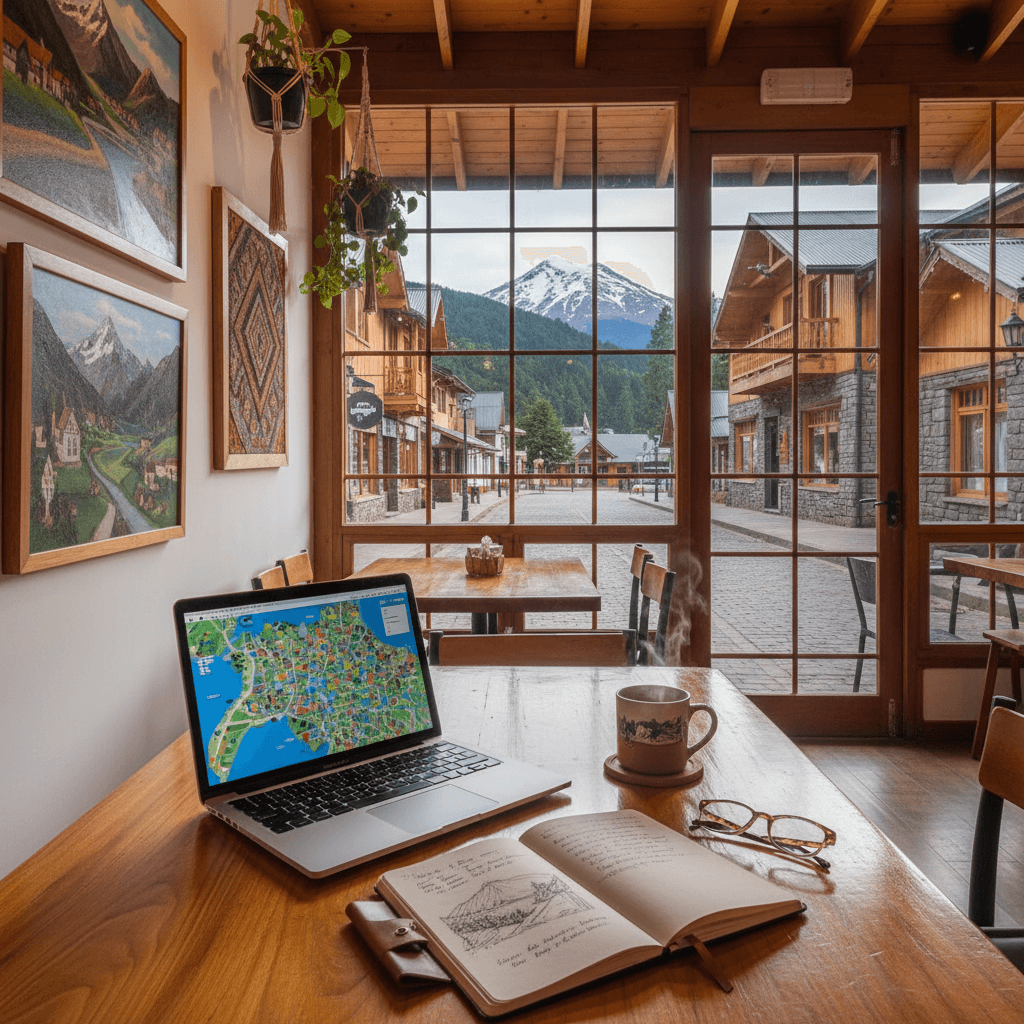
San Martín de los Andes
🇦🇷 Argentina
The Patagonian Slow-Burn
If Bariloche is the loud, energetic capital of the lakes district, San Martín de los Andes is its sophisticated, quieter sibling. Tucked into the eastern end of Lake Lácar, this town feels like a high-end alpine village that hasn't lost its soul to mass commercialization. It is a place where the architecture is strictly regulated, wood and stone dominate the skyline, and the mountains feel like they are leaning in to listen to your conversations.
For nomads, the vibe here is less about "hustle culture" and more about deep work followed by deep nature. You won't find the frantic energy of Buenos Aires or the backpacker parties of Mendoza. Instead, you get a community that values the "siesta" and the "asado." It is a town that moves to the rhythm of the seasons, dominated by the snowy peaks of Chapelco in winter and the crystal-clear glacial waters in summer.
Who It Is For (And Who It Isn't)
Digital nomads who thrive here are usually those looking to trade city lights for starlight. It is perfect if you are an outdoor enthusiast who wants to spend your lunch break mountain biking or your weekends trekking through Lanín National Park. It is also a haven for those who find the chaos of larger Argentine cities draining; here, the air is crisp, the water is drinkable, and the safety levels are among the highest in the country.
However, if you need a different coworking space for every day of the week or a 3:00 AM club scene, San Martín will feel too small. The town is compact and walkable, but the "urban" amenities are limited. You are coming here for the silence, the Mapuche heritage, and the chance to live inside a postcard while still having enough 50-100 Mbps fiber optic internet to hop on a Zoom call.
The Daily Rhythm
Life in San Martín revolves around the Centro and the waterfront. Most nomads start their day with a "submarino" (hot milk with a chocolate bar) at a local spot like Mamusia before settling into a few hours of work. The town has a distinct "mountain time" feel. Shops often close between 1:00 PM and 4:00 PM, which is the perfect excuse to head to the Bandurrias Lookout for a quick hike.
Social life is centered on craft beer and fire. After the sun dips behind the Andes, the local breweries, or "cervecerías," fill up with a mix of locals, expats, and seasonal travelers. It is an easy place to meet people if you are willing to strike up a conversation over a pint of Patagonian IPA. The emotional experience of being here is one of grounding; it is hard to feel stressed about a deadline when you can see the Lanín Volcano looming on the horizon.
What Sets It Apart
What truly distinguishes San Martín de los Andes from other mountain towns is its aesthetic consistency and its proximity to the Seven Lakes Route. Unlike other destinations that feel like a patchwork of styles, San Martín has a curated, cozy atmosphere that feels intentional. It is also significantly less "touristy" than Bariloche, offering a more authentic glimpse into Patagonian life without sacrificing the comforts of high-end dining and reliable infrastructure.
- The Peak Season: January and February bring the summer crowds, while July and August are all about the ski scene at Chapelco.
- The Shoulder Season: March and April (Autumn) are arguably the best times for nomads, featuring stunning foliage, lower prices, and fewer tourists.
- The Culture: A unique blend of traditional gaucho culture and Mapuche influence, which you will see in the local textiles and food.
Cost of Living Snapshot
- Budget Tier: Around $1,000 per month. This covers a room in a shared house, plenty of empanadas, and using the local bus system.
- Mid-Range Tier: $1,500 to $2,000 per month. This is the sweet spot for most nomads, allowing for a private one-bedroom apartment, frequent dinners out, and a ski pass or gear rentals.
- Comfortable Tier: $2,500+ per month. At this level, you are looking at a premium lakeside cabin, upscale dining at places like El Regional, and private transport for exploring the surrounding national parks.
The Patagonian Premium
While Argentina is famous for being budget friendly, San Martín de los Andes is a bit of an outlier. Because it is a premier resort town tucked into the Andes, you should expect to pay a "Patagonia tax." Prices here generally run 20% to 30% higher than in Buenos Aires, especially when it comes to housing and dining out. Most nomads find that a monthly budget of $1,500 to $2,000 provides a very comfortable lifestyle with a private apartment and frequent meals at local parrillas.
If you are on a tighter budget, you can get by on $1,000 a month by opting for a shared house further from the lake and sticking to local empanada shops. On the other end of the spectrum, if you want a high end cabin with a view of Lake Lácar and daily ski passes at Chapelco, you will likely spend $2,500 or more.
Housing and Accommodation
Finding a place to stay is the biggest variable in your monthly spend. The market is heavily geared toward short term tourists, so prices fluctuate wildly between the quiet shoulder seasons and the peak summer or winter months.
- Studio or 1BR Apartment (Centro): Expect to pay between $300 to $400 for Centro 1BR. Staying in the town center is great for walkability, but you pay for the convenience.
- Private Cabins (Outskirts): If you look toward neighborhoods like Barrio El Arenal or along the road to Lolog, you can find larger spaces for $600 to $800, though you will likely need a car or a bike.
- Shared Housing: A room in a shared house or a long term hostel arrangement usually costs around $300 to $350.
Expats recommend using Facebook Marketplace or local groups like "Alquileres San Martín de los Andes" rather than relying solely on Airbnb, which often carries a heavy markup for this region.
Food and Dining
San Martín is a culinary heavyweight, famous for its wild boar, trout, and chocolate. While fine dining is available, there are plenty of ways to eat well without breaking the bank. A mid range dinner with a glass of Malbec usually lands around $15 to $20.
- Quick Eats: A couple of empanadas or a choripán from a street vendor will cost you $3 to $5.
- Mid-Range Meal: A sit down lunch or dinner at a local spot like El Regional costs about $12 to $18.
- Groceries: If you cook at home, a weekly grocery run for one person averages $50 to $70. Local markets are great for fresh produce, but imported goods are pricey.
- Coffee: A flat white or a "submarino" (hot chocolate) at a cafe like Mamusia or Ulises is usually $3 to $5.
Connectivity and Logistics
Staying connected is surprisingly affordable, though you should factor in the cost of a good data backup. Most nomads use a mix of local SIM cards and coworking fees to stay productive.
- Mobile Data: A local prepaid SIM from Claro or Movistar with a decent data package is about $10 to $20 per month.
- Coworking: While dedicated coworking spaces are still emerging in San Martín, you can expect to pay $10 to $20 for a day pass or around $150 for a monthly desk. Many travelers opt to work from cafes for the price of a few coffees.
- Transportation: The town center is very walkable. For longer trips, local buses are roughly $1 per ride, while a taxi or "remis" across town usually costs between $5 and $10.
Keep in mind that cash is still king in many smaller shops. Travelers often say that using services like Western Union to send yourself money is the best way to get a favorable exchange rate, which can effectively lower your cost of living by quite a bit compared to using a standard bank ATM.
For Digital Nomads: El Centro
If you need to be within a five minute walk of a reliable flat white and a strong WiFi signal, El Centro is the only place to be. This is the heartbeat of San Martín, where the classic Alpine architecture meets modern convenience. Most nomads gravitate toward the area between Avenida San Martín and the lakefront because it eliminates the need for a car. You can spend your mornings working from Mamusia or one of the scenic waterfront cafes and your afternoons walking down to the shore of Lake Lácar.
- Living Costs: Expect to pay between $500 and $700 for a decent one bedroom apartment on Airbnb. Short term rentals are plentiful here, but they book up fast during the January peak.
- Connectivity: This area has the most stable fiber optic connections in town, often reaching 50 to 100 Mbps.
- Vibe: Social and walkable. You'll run into other remote workers at the local breweries and coffee shops.
For Expats and Long-Termers: Barrio Quila Quina and Alrededores
Expats who are staying for six months or more often move slightly away from the tourist tracks to find more space and better monthly rates. Areas like Barrio Quetrihué or the outskirts toward the road to Lolog offer a more authentic residential feel. You'll find larger houses with gardens and wood burning stoves, which are vital for the Patagonia winters. It is a quieter life, but you are still close enough to the action to head into town for a steak dinner at El Regional.
- Rent: If you move off the short term platforms and look at Facebook Marketplace or Zonaprop, you can find houses for $700 to $1,000 per month.
- Transportation: You'll likely want a car or a reliable bike. While the local buses are cheap at about $1 a ride, they don't always run on a digital nomad's schedule.
- Pros: Incredible views of the surrounding peaks and a tight knit community of locals and long term foreign residents.
For Families: Vega Maipú and El Desafío
Families moving to San Martín generally prioritize safety and proximity to nature, making Vega Maipú a top choice. It is a flat, sunny valley area about 10 minutes from the center. It feels more like a traditional suburb but with the Andes as your backyard. There is plenty of room for kids to roam, and it is closer to some of the private schools and larger supermarkets. For those on a higher budget, El Desafío offers a gated community feel with mountain bike trails and polo fields right on site.
- Lifestyle: Very quiet at night. You'll spend your weekends driving 20 minutes to Chapelco Ski Resort or hiking in Lanín National Park.
- Safety: This is one of the safest regions in Argentina. Petty crime is rare, and families often feel comfortable letting kids play outside until dusk.
- Cost: Family sized homes usually start around $1,200 and can go much higher for premium mountain views.
For Solo Travelers: Puerto Arrayanes and the Lakefront
If you are traveling solo and want to soak up the scenery without feeling isolated, the area near Puerto Arrayanes is ideal. It is technically the edge of the center, right where the town meets the water. It is the most scenic part of the urban area, perfect for people watching and catching the sunset. Solo travelers often find it easier to meet people here, as the waterfront is the natural gathering spot for everyone in town.
- Social Scene: You are steps away from the best bars and the pier where the boat excursions depart. It is easy to join a group for a day trip to Hua Hum or a trek up to Bandurrias Lookout.
- Budget: Studios in this prime spot can be pricey, often $40 or $60 a night for short stays, but the convenience is hard to beat.
- Practicality: You won't need a vehicle. Everything from the pharmacy to the grocery store is within a 10 block radius.
Connectivity in the Patagonian Wild
Working from the edge of the Andes used to mean bracing for dropped Zoom calls and glacial speeds, but San Martín de los Andes has caught up with the requirements of the modern nomad. You can generally expect fiber optic speeds between 50 Mbps and 100 Mbps in the town center. While it isn't the gigabit playground of Buenos Aires, it is more than enough for video conferencing and heavy cloud uploads.
The main challenge here is the geography. Once you move away from the paved streets of the Centro and into the hills or toward the Lácar lakefront, signal reliability can dip. Most nomads recommend confirming a speed test with your Airbnb host before booking, especially if you are eyeing a cabin in the woods. Power outages are rare but can happen during heavy winter snowstorms or high winds, so a backup battery for your laptop is a smart move.
Coworking Spaces and Community Hubs
San Martín doesn't have the massive coworking franchises you'll find in the capital, but it offers intimate, community focused spaces that double as social hubs. Espacio Trama is a local favorite that blends culture with work, often hosting workshops and events that help you meet locals beyond the digital screen. You can expect to pay around $15 to $20 USD for a day pass, with weekly and monthly discounts available for those staying longer.
Most spaces here operate on a "Patagonian schedule," meaning they might close for a couple of hours in the afternoon for a siesta, though the dedicated coworking offices usually stay open straight through. It's the go to spot when you have a deadline and need to escape the distractions of a busy cafe.
The Cafe Office Culture
If you prefer the hum of a milk steamer to a quiet office, the town's cafe scene is welcoming to laptop users. Mamusia is an iconic choice, famous for its chocolate but also offering decent WiFi and a cozy atmosphere for an hour or two of light admin. Just be sure to order a $5 USD coffee and a pastry to keep the table.
Another solid option is Café Martinez, a reliable national chain where the WiFi is consistent and the staff won't mind if you linger. For a view that beats any office cubicle, head toward the waterfront cafes. While the internet there can be hit or miss depending on the tourist crowds, the inspiration factor of looking out over the Lácar Lake is hard to beat.
Mobile Data and SIM Cards
Don't rely solely on accommodation WiFi. Local SIM cards are cheap and provide a necessary safety net. Personal and Movistar have the best coverage in town, though Claro is a decent alternative. You can pick up a prepaid SIM at any kiosco (convenience store) for a few dollars. A 10GB data pack typically costs between $10 and $15 USD.
- Holafly eSIM: Best for immediate 4G/5G data upon arrival, costing $20 to $50 depending on the plan duration.
- Prepaid Local SIM: Cheapest option for long stays, easily topped up via the Mercado Pago app or at local shops.
- Signal Strength: Strong in the Centro; expect "No Service" once you get deep into Lanín National Park or high up on Chapelco.
Practical Tech Tips for the Andes
The "Blue Dollar" exchange rate heavily influences your costs. If you pay for coworking or tech gear in cash pesos exchanged at the unofficial rate, your effective cost drops significantly. Most nomads use Western Union or Wise to manage their funds while in Argentina to get the most value for their money.
Since you are in a mountain town, keep your gear protected from the elements. If you're hiking to a viewpoint to work for the afternoon, a waterproof laptop sleeve is non negotiable. The weather changes fast here, and a sudden Patagonian drizzle can ruin a MacBook in seconds. Travelers often suggest bringing a universal power adapter, though many modern buildings use the three pronged Type I socket common in Australia and China.
Personal Safety in the Village
San Martín de los Andes is one of the safest spots in Argentina. Unlike the grit of Buenos Aires or the busier streets of Mendoza, this is a mountain town where people still leave their bikes unlocked for a quick coffee run. Most nomads find the atmosphere incredibly relaxed, even when walking home alone after a late dinner at 11:00 PM.
Petty crime is rare but not non-existent. Travelers often say the biggest risk is "theft of opportunity" on the beach at Lake Lácar or leaving a laptop unattended in a cafe while using the restroom. Use common sense, keep your gear within sight, and you will likely have zero issues. The local police force, the Policía de Neuquén, is generally helpful and approachable, though their English is often limited.
If you are heading into the mountains, the risks shift from people to nature. Lanín National Park is wild. Nomads who hike or mountain bike should always register their itinerary with the Guardaparques (Park Rangers). Weather changes in minutes here, and getting lost on an isolated trail as the temperature drops is a much more real threat than being mugged in town.
Healthcare and Medical Services
For a town of its size, San Martín is well-equipped for most medical needs. The Hospital Ramón Carrillo handles emergencies and general care. It is a public facility, so it can be crowded, but the quality of the doctors is high. For private care, which most expats and nomads prefer for shorter wait times, the Clínica Chapelco is the modern go-to. It is located just outside the main center and offers a wide range of specialties.
If you have a serious or highly specialized medical emergency, you will likely be stabilized here and then transferred to Bariloche or Neuquén City, which have larger, more advanced medical hubs. Most nomads recommend having a private health insurance plan like Swiss Medical or OSDE while in Argentina, though many travel insurance policies cover visits to local private clinics.
Pharmacies are everywhere in the Centro area. Look for the "Farmacia de Turno" sign if you need medicine late at night; there is always at least one pharmacy open 24 hours on a rotating schedule. You can get many basic medications over the counter that might require a prescription in the US or Europe.
Emergency Contacts and Practical Info
Keep these numbers saved in your phone. Most operators will speak Spanish, so if your skills are rusty, try to have a local friend or host help you make the call.
- Police: Dial 101
- Medical Emergencies (Ambulance): Dial 107
- Fire Department: Dial 100
- Civil Defense: Dial 103 (Useful for weather alerts or road closures)
Environmental Hazards
The Andean sun is deceptively strong due to the clean air and high altitude. Even on a cool 15°C day in November, you will burn quickly. Locals swear by high SPF sunscreen and polarized sunglasses, especially if you are spending the day on the water or skiing at Chapelco. In the winter, black ice on the roads is a major concern. If you are renting a car to drive the Seven Lakes Route in July or August, ensure you have snow chains and know how to use them.
Tap water in San Martín de los Andes is generally safe to drink and actually tastes better than the bottled stuff in most cities. It comes straight from mountain runoff and is heavily monitored. If you are deep in the backcountry, however, always treat lake or stream water to avoid parasites.
Navigating the Village and Beyond
San Martín de los Andes is one of those rare mountain towns where you can actually get by without a car if you play your cards right. The town is laid out in a classic grid that slopes gently toward Lake Lácar. Most nomads choose to stay in the Centro, where everything from the supermarket to the local brewery is within a 10 to 15 minute walk.
If you are living further out in neighborhoods like Vega Maipú or Barrio El Arenal, you will need to get familiar with the local bus system. These buses are affordable, usually around $1 per ride, but they require a SUBE card. You can pick one up at local kiosks, just like in Buenos Aires, but make sure you top it up whenever you see a recharge point; they can be surprisingly hard to find when you are in a rush.
Taxis and Remises
You won't find Uber or Cabify operating here. Instead, the town relies on traditional taxis and remises. A remise is essentially a private car service with a fixed rate that you book via phone or a local agency office. They are often more reliable than hailing a cab on the street during the snowy winter months.
- Local Taxi/Remise Ride: Expect to pay between $5 and $10 for most trips within the town limits.
- Airport Transfer: The Aviador Carlos Campos Airport (CPC) is about 20 kilometers from the center. A private transfer or taxi usually costs between $20 and $50 depending on the season and how much gear you have.
- Booking Tip: Many travelers simply save the WhatsApp number of a local remise agency to book rides in advance.
Exploring the Region
To really see the Seven Lakes Route or visit the Lanín National Park, you have two main options: the bus or a rental. The Albus and KoKo bus lines connect San Martín to Villa La Angostura and Bariloche. A ticket for the two hour trip to Bariloche typically runs between $10 and $20.
For total freedom, nomads often team up to rent a car for a weekend. Expect to pay around $50 to $80 per day for a basic manual transmission vehicle. Having your own wheels is the only way to reach the more secluded trailheads or the Hua Hum border crossing at your own pace. If you are visiting in winter to hit the slopes at Chapelco, look for the dedicated ski shuttles that depart from the town center; they are much cheaper than daily parking and deal with the mountain road ice so you don't have to.
Two Wheels and Footpower
During the summer months from December to February, mountain bikes are the preferred way to get around. You can rent a decent bike for about $10 a day. The town is very bike friendly, though the hills get steep the moment you leave the central grid. If you are staying in the Puerto Arrayanes area, a bike is perfect for commuting into town for a morning session at a cafe.
Most expats recommend walking as much as possible. The air is crisp, the views of the Andes are constant, and the town is exceptionally safe. Just keep an eye on the weather; a sunny morning can turn into a Patagonia windstorm by lunchtime, so always carry a shell if you are heading out on foot.
The Local Linguistic Landscape
In San Martín de los Andes, Spanish isn't just the official language; it's the heartbeat of the town. While you might find English speakers at high end hotels or the ski schools at Chapelco, the general level of English proficiency is quite low compared to Buenos Aires. Locals are incredibly friendly and patient, but they won't always have the vocabulary to meet you halfway. If you're heading to a local butcher or trying to negotiate a long term rental in Barrio Quietré, you'll need at least a basic grasp of Spanish to get things done effectively.
The Argentine dialect has its own rhythm and quirks. You'll quickly notice the "sh" sound for double Ls and Ys, so "Calle" becomes "ca-she" and "Yo" becomes "sho." It's a rhythmic, melodic way of speaking that nomads often find easier to understand once they adjust to the accent. Most expats recommend downloading a translation app like Google Translate or DeepL for offline use, as cell service can be spotty when you're exploring the more remote parts of Lanín National Park.
Essential Phrases for Nomads
- "¿Tenés Wi-Fi?" (Do you have Wi-Fi?): The most important question for any remote worker entering a cafe in the Centro.
- "La cuenta, por favor" (The bill, please): Remember that servers in Argentina generally won't bring the bill until you ask for it.
- "¿Dónde está el coworking?" (Where is the coworking space?): Even if you're looking for a specific cafe like Café Martinez, this gets the point across.
- "¿Aceptan Mercado Pago?" (Do you accept Mercado Pago?): This digital payment app is ubiquitous across Argentina, and it's often easier than carrying large stacks of pesos.
Staying Connected
Reliable communication starts with a local SIM card. While Holafly eSIMs are a popular, hassle-free choice for short stays, they can be pricey, ranging from $20 to $50 a month. If you're staying for several months, most nomads suggest getting a physical SIM from Claro or Movistar. You can pick these up at small kiosks (kioscos) in the town center for about $10 to $20, and they offer better local rates for data packages.
Internet speeds in town are generally solid for video calls and heavy uploads, typically averaging between 50 and 100 Mbps. However, the connection can get temperamental during heavy winter storms or peak summer tourist weeks. If your work depends on 100 percent uptime, it's worth asking your landlord for a speed test before signing a lease, especially if the property is located further out toward Puerto Arrayanes.
Social Etiquette and Communication
Communication here is as much about body language as it is about words. Expect a warm greeting, usually a single kiss on the right cheek, even if you've just met someone. It's a social norm that extends to business meetings and casual coffee dates alike. If you're invited to a late night asado, don't expect to talk shop; social gatherings are for unwinding, and dinners rarely start before 9:00 PM or 10:00 PM.
For networking, the community is smaller and more tight knit than in Bariloche. Most digital nomads and expats connect through Facebook Groups like "Gente de San Martín de los Andes" or local WhatsApp groups. These are the best places to find out about unofficial meetups or to get recommendations for a reliable remis (private taxi) driver. People here value personal connections, so taking the time to learn a few local slang words like "che" or "buena onda" will go a long way in building rapport with the community.
Seasonal Shifts and the Nomad Calendar
San Martín de los Andes is a town of two distinct faces, dictated almost entirely by the Andean climate. Because it sits in the heart of northern Patagonia, the weather isn't just a backdrop; it determines your lifestyle, your internet reliability during storms, and your weekend plans. Most nomads find the sweet spot between December and February, when the days are long, dry, and surprisingly warm.
During these summer months, temperatures typically hover between 10°C and 25°C. It is the gold standard for anyone who wants to work in a cafe with the door open or spend their afternoons hiking in Lanín National Park. The sun doesn't set until late, giving you plenty of daylight for a post-work swim in Lake Lácar. Keep in mind that this is peak tourist season for Argentines, so the town feels lively and prices for short-term rentals often spike.
Winter and the Ski Crowd
If you prefer snow over sand, June through August transforms the town into a winter wonderland. Temperatures drop to between -5°C and 10°C, and the focus shifts entirely to the Chapelco Ski Resort. Expats who stay through the winter recommend securing housing with reliable heating, as the mountain chill is biting. While the town is cozy and the scenery is spectacular, July is often cited as the least favorable month due to high winds and heavy snowfall that can occasionally lead to power flickers or slower satellite internet.
The Shoulder Season Advantage
For those looking for a quieter pace and lower costs, the shoulder seasons offer a different kind of appeal. Travelers often say that March and April are the most beautiful months because of the autumn foliage. The forests turn deep shades of red and orange, and the wind dies down compared to the spring. It is a great time to snag a discount on a mid-range apartment that might cost $1,500 in January but drops significantly once the summer crowds head home.
Spring, specifically September to November, is a bit more unpredictable. It is the rainy season, and you can expect frequent showers and lingering cold. However, it is the best time for fly fishing enthusiasts and those who want the hiking trails entirely to themselves. Just be prepared for mud and pack a high-quality waterproof shell.
Planning Your Stay
- Best for Outdoor Work: January and February. Low humidity and consistent sunshine make it easy to work from decks or lakeside spots.
- Best for Budgeting: May and October. These are the quietest months when landlords are most open to negotiating monthly rates.
- Best for Socializing: July and August. The après-ski scene in the centro bars is the easiest way to meet other travelers and locals.
Regardless of when you arrive, the air is crisp and the water is some of the purest in the world. Just remember that Patagonia weather changes fast. Even in the height of summer, a 20°C day can turn into a 5°C night the moment the sun dips behind the Andes, so layers are your best friend here.
Money and the Blue Dollar
Understanding the local economy is the first step to a stress free stay. While official exchange rates exist, most nomads use the Blue Dollar market or services like Western Union to get nearly double the value for their foreign currency. Cash is still king in Patagonia. While larger restaurants and supermarkets in the Centro take cards, you'll want pesos for smaller cafes or artisan markets.
Budgeting here is a bit higher than in Buenos Aires because of the town's remote location and status as a premier resort. A comfortable monthly budget for a solo nomad sits between $1,500 and $2,000. This covers a nice one bedroom apartment, frequent dining out on regional trout or wild boar, and plenty of weekend trips into the mountains. If you're watching your wallet, you can scrape by on $1,000 by sticking to empanada shops and shared housing.
Staying Connected
The internet in San Martín is surprisingly resilient, but it isn't foolproof. Most modern apartments in the town center offer fiber optic speeds between 50 and 100 Mbps. However, if you venture further out toward Barrio Quietré or the hills, signals can get spotty. It's smart to have a backup. Pick up a local Claro or Movistar SIM card for about $15, or set up a Holafly eSIM before you land for immediate data.
While dedicated coworking spaces are still catching up to the demand, the cafe culture is elite. Café Martinez is a reliable standby for a morning of deep work. For a more local vibe with great views, try the shops along Avenida San Martín. Just remember the local etiquette; buy a coffee every few hours and don't hog a four top table during the busy lunch rush.
Navigation and Logistics
The town itself is incredibly walkable. You can get from the lakefront at Lago Lácar to the main shopping district in fifteen minutes on foot. For everything else, there is no Uber here. Instead, locals use Remises, which are private car services you book via phone or local apps. They're safer and more reliable than hailing a random cab on the street.
To reach the Chapelco Ski Resort or nearby trailheads, you'll want to use the local bus system or rent a bike for about $10 a day. If you're planning on staying more than a week, consider renting a car for a few days to drive the Seven Lakes Route toward Villa La Angostura. It's one of the most scenic drives on the planet and much better experienced at your own pace than on a tour bus.
Health and Safety
San Martín is one of the safest spots in Argentina. Violent crime is almost non existent, and the biggest worry for most travelers is twisting an ankle on a hiking trail. The local hospital handles basic emergencies well, but for anything specialized, residents usually head two hours south to Bariloche. Always carry travel insurance that covers high altitude activities if you're planning on skiing or trekking in Lanín National Park.
Cultural Nuances
Don't expect to eat dinner before 9:00 PM. Most restaurants don't even open their doors until then. The town follows a classic siesta schedule; shops often close between 1:00 PM and 4:30 PM, so plan your errands for the morning. When meeting someone new, a single kiss on the right cheek is the standard greeting, regardless of gender. It might feel overly familiar at first, but it's the quickest way to feel like a local rather than a tourist.
- Emergency Numbers: Dial 107 for an ambulance or 101 for police.
- Language: English is common in hotels, but basic Spanish is a must for grocery stores and taxis.
- Water: The tap water is safe, cold, and delicious; no need to waste money on plastic bottles.
Need visa and immigration info for Argentina?
🇦🇷 View Argentina Country GuideHidden Gem
Worth the effort