San Juan (La Union)
🇵🇭 Philippines
The Creative Capital of the North
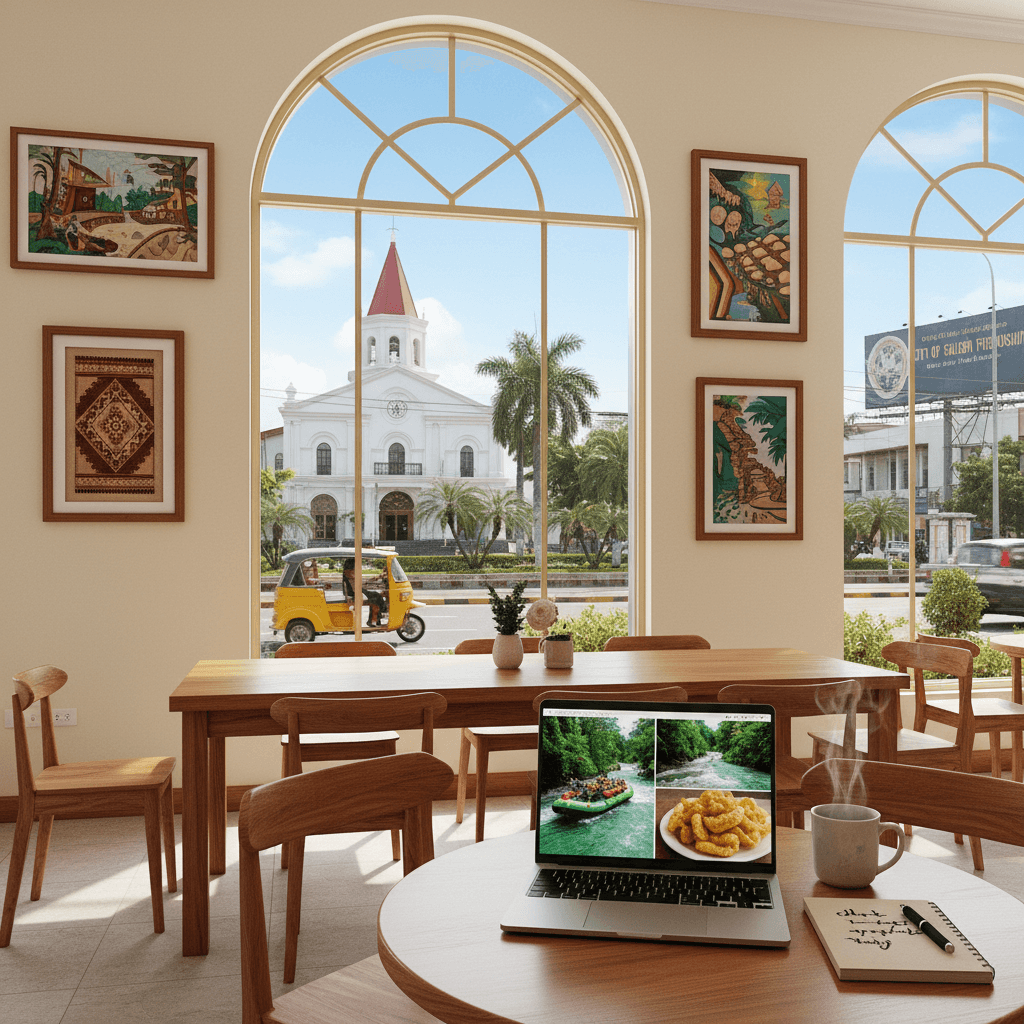
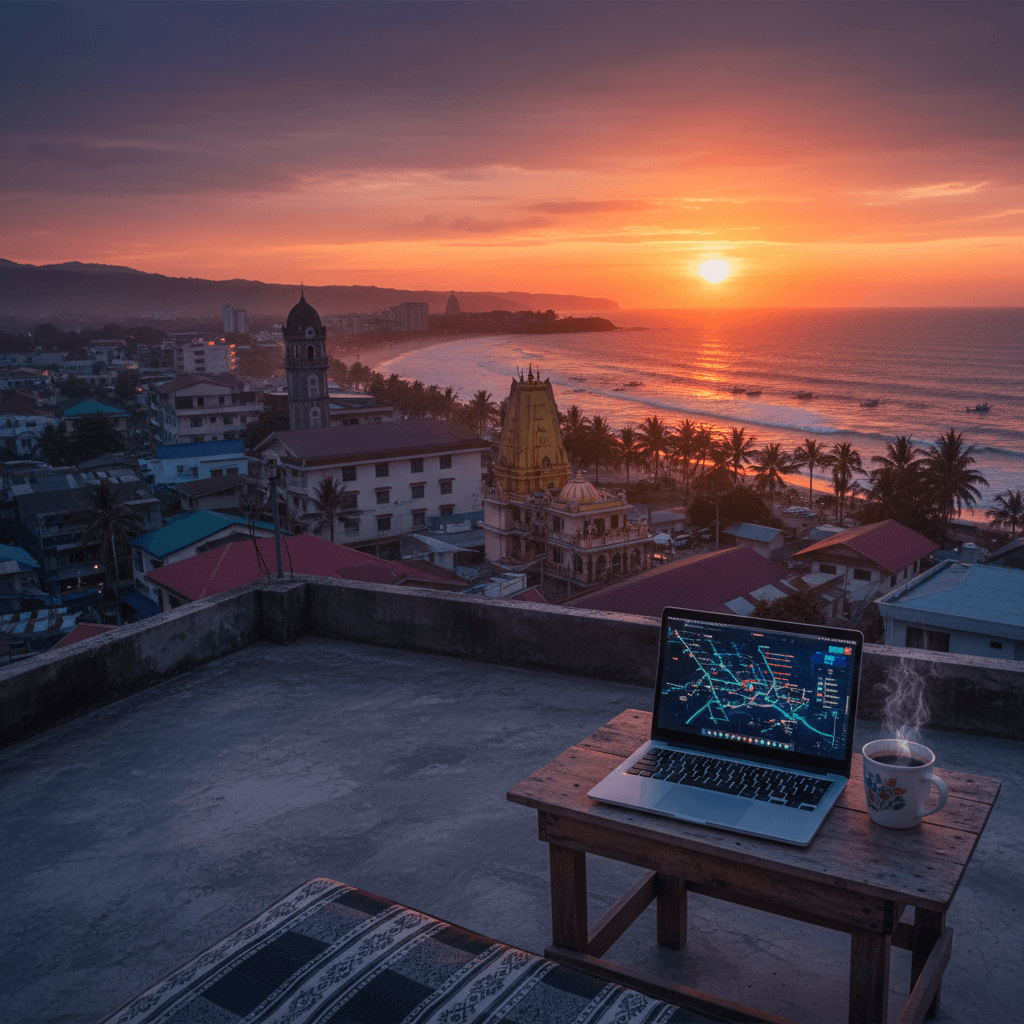
San Juan, or "Eli" as the locals call it, isn't your typical polished resort town. It’s a gritty, creative, and deeply welcoming surf hub that has evolved into Luzon's primary sanctuary for remote workers. While other Philippine destinations feel like vacation spots, San Juan feels like a community. You'll find developers, writers, and artists trading their morning surf sessions for afternoon deep-work blocks in cafes that smell like sea salt and specialty beans.
The energy here is infectious but unhurried. Most nomads find themselves falling into a rhythm dictated by the tides and the sunset. It’s a place where you can spend your morning on a longboard, your afternoon on a fiber-optic connection, and your evening sharing a bucket of beer with people you just met at a beachfront bar. It’s less about checking off sights and more about the lifestyle of being barefoot and productive.
What to Expect in Urbiztondo and Beyond
The geography of San Juan is simple, but choosing your base matters for your productivity. Most of the action is centered in Urbiztondo, the walkable heart of the surf scene. It's where you'll find the highest concentration of cafes and fellow travelers, though it gets loud and crowded when the Manila weekend crowd arrives on Friday nights.
- Urbiztondo: The go-to for solo nomads. It’s walkable, social, and packed with fiber-ready hostels. The downside is the weekend noise and the lack of parking.
- San Juan Beach & Town Center: A quieter alternative just a short hop away. It’s better for families or those who want a calm weekday environment, though you'll likely need a PHP 20 to PHP 50 tuktuk ride to get to the best food spots.
- Bacnotan (North): This is for the long-termers who need serious focus. It’s home to quieter workspaces like Baybayin Hub and offers a more local, less commercialized experience.
The Cost of Living
Living here is significantly more affordable than Manila or Siargao, though prices are creeping up as its popularity grows. A solo nomad can live comfortably on PHP 50,000 to PHP 70,000 per month, which covers a decent 1BR or studio, daily cafe meals, and plenty of social activities.
- Rent: Expect to pay between PHP 15,000 and PHP 25,000 for a studio or a room in a nomad-friendly guest house with reliable WiFi.
- Food: Street food runs about PHP 50 to PHP 100. A meal at a popular spot like El Union Coffee or a mid-range cafe will cost PHP 200 to PHP 400. Upscale beachfront dinners usually start at PHP 500.
- Transport: Most of your time in Urbiztondo will be spent walking. For longer trips, jeepneys and tuktuks are cheap, usually under PHP 50 for local runs.
Connectivity and Workspace
Internet used to be a headache here, but fiber-optic rollouts have changed the game. Most established cafes and Airbnbs now offer high-speed connections that can handle video calls, though it's always smart to ask for a speed test before booking. Mobile data can be spotty, so locals recommend carrying a GOMO or Smart Rocket SIM as a backup.
For a dedicated work environment, Baybayin Hub is the gold standard for the community, offering daily passes for PHP 200 to PHP 300. If you prefer the "cafeworking" vibe, Clean Beach Coffee and Kabsat provide great views and solid WiFi. El Union Coffee remains the spiritual home of the town's creative scene, perfect for networking over a dirty horchata.
Safety and Practicalities
San Juan is remarkably safe. Expats and solo female travelers frequently comment on the welcoming atmosphere and the lack of "tourist traps." While petty theft can happen in crowded bars on Saturday nights, the general vibe is one of mutual respect. If you need medical care, the pharmacies in town are well-stocked, and the larger hospitals in San Fernando are only a 15-minute drive away.
The best time to visit is from October to March. This is when the surf is consistent and the weather is dry. Avoid the peak rainy season from July to September unless you don't mind heavy downpours interrupting your beach time. To get around, use GCash for payments and join the Surftown Market Facebook group to find apartment listings or community events. It’s the easiest way to plug into the local scene before you even land.
The Price of Paradise
San Juan strikes a balance that's increasingly rare in the digital nomad world. It's significantly more affordable than the concrete jungle of Manila, yet it carries a creative, premium energy that sets it apart from more rugged provinces. Most nomads find that their money goes remarkably far here, especially if they swap the upscale resort dining for the local carinderias and street food stalls.
For a solo traveler, your monthly burn rate depends entirely on how much you prioritize air conditioning and beachfront proximity. A budget-friendly lifestyle, leaning on hostels and walking everywhere, sits around PHP 30,000 to 40,000. If you want a private studio, frequent cafe visits, and the occasional tuktuk, a mid-range budget of PHP 50,000 to 70,000 is more realistic. High-end living with a fiber-equipped Airbnb and nightly cocktails at beach bars will easily push you past PHP 80,000.
Monthly Housing Breakdown
Where you sleep determines your social life. Urbiztondo is the undisputed heart of the action, but you'll pay a premium for the convenience of being steps from the surf.
- Urbiztondo (The Hub): Expect to pay PHP 15,000 to 25,000 for a studio or a 1BR apartment. Many of these are listed as Airbnbs or long-term hostel stays. It's walkable and social, but weekends get loud and crowded with the Manila crowd.
- San Juan Beach: This area is slightly more family-oriented and calmer during the week. Prices are comparable to Urbiztondo, but you might get a bit more space for your money. You'll likely need a scooter or a tuktuk to get to the main restaurant strip.
- Bacnotan (North): If you're staying for months rather than weeks, look further north. It's much quieter and cheaper, though you'll be sacrificing the immediate "surf town" vibe for better focus and lower rent.
Daily Sustenance and Socializing
Food costs in San Juan are a "choose your own adventure" experience. You can grab a quick street food snack for PHP 50 to 100, or settle into a popular spot like El Union Coffee where a meal and a specialty brew will run you PHP 200 to 400. Upscale beach bars and restaurants like Kabsat usually see bills starting at PHP 500 per person, especially if you're ordering sunset cocktails.
For those who need a dedicated workspace, coworking isn't a massive drain on the wallet. Baybayin Hub offers daily passes for PHP 200 to 300. If you prefer the cafe-hopping route, most nomads just budget for a couple of coffees or a meal. Just remember that while fiber is common in cafes, mobile data can be spotty; it's smart to keep a GOMO or Smart Rocket SIM loaded with about PHP 500 of data as a backup.
Transport and Logistics
Urbiztondo is highly walkable. You can get from one end of the main strip to the other in about 20 minutes on foot. When you need to venture further, like heading to the pharmacies or banks in San Fernando, the local transport is cheap and efficient.
- Jeepneys: These cost between PHP 20 and 50 depending on the distance. They're the go-to for getting to the town center.
- Tuktuks: Perfect for short hops when you're carrying groceries or a surfboard. Expect to pay PHP 50 to 100 for most local trips.
- Scooter Rentals: While prices vary by shop, most travelers find rentals for roughly PHP 300 to 500 per day. It's the best way to explore nearby spots like Tangadan Falls.
- Getting Here: The bus from Manila takes about 5 to 6 hours and costs between PHP 800 and 1,200. It's a small price to pay for the transition from city smog to sea breeze.
Most businesses now accept GCash or Maya, which makes daily transactions seamless. However, keep some cash on hand for the smaller stalls and transport. ATMs are available in Urbiztondo, but they occasionally run out of bills during busy holiday weekends, so plan accordingly.
The Social Nomad: Urbiztondo
If you are coming to San Juan to work by day and socialize by night, Urbiztondo is your home base. It is the undisputed heart of the surf scene and the primary hub for the digital nomad community. Most nomads find that they rarely need to leave this neighborhood because everything is walkable within 20 minutes. You can grab a world class brew at El Union Coffee, take a meeting at The Attic Room, and catch the sunset at Kabsat without ever needing a vehicle.
- Rent: Expect to pay between PHP 15,000 and PHP 25,000 for a studio or one bedroom apartment with fiber internet.
- Vibe: High energy, creative, and very social. It is the best place to meet other developers, writers, and artists.
- The Trade-off: It gets loud and crowded on weekends when the Manila crowd arrives. Parking is a nightmare, so don't bother bringing a car if you stay here.
The Long-Term Expat: Bacnotan and North San Juan
Expats who have traded the city grind for a permanent coastal life often drift north toward Bacnotan. It is significantly quieter than the main drag but keeps you close enough to the action for a weekend dinner. This area is home to Baybayin Hub, a dedicated coworking space that offers a more professional environment than the local cafes. It is a favorite for those who need deep focus and reliable power backups.
- Rent: Larger houses and long term rentals are more common here, often providing better value for PHP 30,000 and up.
- Vibe: Productive and serene. You will find more "slow living" enthusiasts here than partygoers.
- The Trade-off: You will definitely need a scooter or a bike. It is a bit of a trek to the main bars and restaurants in Urbiztondo, and public transport via jeepney costs around PHP 20 to PHP 50 per ride.
Families and Serious Surfers: San Juan Beach and Town Center
The area around the town center and the main San Juan beach offers a more balanced pace. It is safer and more residential, making it the top choice for families or travelers who want to focus on their surf progression without the constant distraction of the bar scene. The beaches here are scenic and less packed during the week, providing plenty of space for kids to run or for you to catch waves in peace.
- Rent: Prices vary wildly, but mid range family villas or guesthouses generally land in the PHP 50,000 to PHP 70,000 monthly bracket.
- Vibe: Relaxed and local. You will see more families and long term residents than solo backpackers.
- The Trade-off: It feels less "nomad focused." You won't find a coworking space on every corner, and you will likely spend PHP 100 to PHP 200 on tuktuks to get to the trendy cafes in the south.
Solo Travelers: The Hostel District
Solo travelers usually congregate in the pockets of Urbiztondo near The Circle Hostel. This is where the "barefoot culture" is most prominent. It is the easiest place to find a surf instructor or a group to grab dinner with. Budget travelers can survive here on PHP 30,000 to PHP 40,000 a month by sticking to street food that costs PHP 50 to PHP 100 and walking everywhere.
- Rent: Hostel beds or shared rooms can be found for very low daily rates, though many solo nomads eventually upgrade to private Airbnbs for better WiFi.
- Vibe: Instant community. If you show up alone, you won't stay that way for more than an hour.
- The Trade-off: Privacy is a luxury. If you have a job that requires frequent client calls, the communal living spaces might be too noisy for comfort.
Connectivity and Speed
San Juan has matured into Luzon's creative capital, and the infrastructure finally matches the hype. Most cafes and guesthouses in the Urbiztondo strip now run on fiber optic lines, delivering speeds that comfortably handle Zoom calls and heavy uploads. You can generally expect a 9/10 reliability rating for fixed WiFi, though mobile data is a different story. The signal for Globe and Smart can be patchy near the shoreline, so don't rely on a hotspot for important meetings.
Most nomads find that GOMO or Smart Rocket SIMs are the best backups. You can grab these for about PHP 500 at local shops. If you're booking an Airbnb, always ask the host for a recent speed test screenshot. While the town is tech-friendly, the salt air and occasional tropical storms can cause brief outages, making a dedicated coworking space a smart investment for your heavy-lift days.
Top Coworking Spots
- Baybayin Hub: This is the gold standard for the local nomad community. With branches in both San Juan and nearby Bacnotan, it offers a beachfront vibe for PHP 200 to PHP 300 per day. It is the best place to meet other developers and artists.
- Kabsat: While technically a restaurant and bar, it is a favorite for those who want to work with a view. They have reliable WiFi and plenty of outlets, plus a killer happy hour when the sun starts to set.
The Cafe Culture
The work-from-cafe scene is where San Juan really shines. El Union Coffee is the unofficial headquarters for the town's digital crowd. It is high-energy and creative, though it gets packed on weekends with Manila tourists. If you need something more mellow, Clean Beach Coffee is perfect for a relaxed afternoon with a laptop and a book. Just remember the local etiquette: if you're taking up a table for three hours, keep the orders coming.
Most cafes offer free WiFi, but it is often throttled or limited by a voucher system. For deep work, nomads usually stick to their own data or the dedicated coworking hubs. If you need to take a sensitive client call, it is best to find a quiet indoor spot rather than a beachfront cafe to avoid the sound of crashing waves and acoustic covers in the background.
Community and Networking
Networking in La Union happens organically. You'll likely meet your next collaborator in the surf lineup or over a craft beer at a pop-up market. For more structured connections, join the Surftown Market Facebook group. It is the primary bulletin board for nomad meetups, artist workshops, and developer hangouts. The community is tight-knit but incredibly welcoming to newcomers who respect the local surf etiquette and barefoot culture.
If you're staying long-term, consider heading north to Bacnotan. It is quieter and less distracted than the main Urbiztondo strip, making it a favorite for writers and developers who need to hit a deadline before heading south for the weekend parties. You'll find the cost of living slightly lower there, with more spacious setups for a dedicated home office.
Digital Nomad Expenses
- Daily Coworking Pass: PHP 200 to PHP 300
- Monthly Fiber-Equipped Studio: PHP 15,000 to PHP 25,000
- Cafe Meal and Coffee: PHP 300 to PHP 500
- Backup Data SIM: PHP 500
A Safe Haven for the Surf-Minded
San Juan is one of those rare places where the safety concerns of a big city feel worlds away. Most nomads find the town, particularly the Urbiztondo surf district, incredibly welcoming. It has a tight-knit, small-town atmosphere where people look out for one another. You'll see solo travelers and young creatives walking between cafes and bars well into the evening without much worry.
While violent crime is practically non-existent in the tourist zones, you should still use common sense. Petty theft can happen, especially on the beach if you leave your phone or wallet unattended while hitting the waves. During the busy weekends when crowds pour in from Manila, keep a closer eye on your belongings in packed bars or transit hubs. Local expats recommend using GCash or Maya for most transactions so you aren't carrying around large stacks of cash.
Healthcare and Medical Services
For minor ailments, San Juan has plenty of local pharmacies stocked with the basics. If you need more serious medical attention or a specialist, you'll need to head to San Fernando. It is only about a 13-minute drive south and houses the region's primary hospitals. Most travelers recommend Lorma Medical Center for its modern facilities and English-speaking staff.
- Emergency Services: Dial 911 for immediate assistance or contact the local barangay stations in Urbiztondo for neighborhood-level issues.
- Pharmacies: Mercury Drug and small local "botikas" are easily found along the main highway.
- Dental Care: Several reputable clinics are located in San Fernando if you need a quick check-up or cleaning.
Staying Healthy on the Coast
The tropical heat is the most common health hurdle for newcomers. Temperatures stay between 25°C and 32°C year-round, so dehydration is a real risk if you're spending all day in the sun or working from outdoor cafes. Stick to bottled or filtered water; while many upscale cafes like El Union use filtered ice, it is safer to avoid tap water for drinking.
If you're planning to stay long-term, consider the seasonal shifts. The rainy season from June to October brings more mosquitoes, so having a good repellent on hand is smart to avoid dengue. Most nomads find that as long as they stay hydrated and respect the midday sun, they stay perfectly healthy while enjoying the surf life.
Safety Checklist for Nomads
- Beach Safety: Always check the flags or ask a local instructor about rip currents before heading out, especially during the swell season from October to March.
- Nightlife: Stick to the main Urbiztondo strip after dark. It is well-lit and active, making it the safest area for solo walkers.
- Connectivity: Since mobile data can be spotty, always have your accommodation's address saved offline. If you get lost, find a tuktuk or jeepney; drivers are generally helpful and honest with pricing, which usually runs PHP 20 to PHP 50 for short hops.
- Insurance: Ensure your travel insurance covers "extreme sports" if you plan on taking surf lessons or renting boards frequently.
The Urbiztondo Walk
If you're staying in the heart of the surf action, your own two feet are your best asset. Urbiztondo is incredibly compact, and you can walk from one end of the main strip to the other in about 20 minutes. Most nomads find that once they've settled into a guesthouse or Airbnb near the beach, they rarely need a motor to get to their morning coffee at El Union or an afternoon session at Baybayin Hub. It's a barefoot friendly culture where the transition from laptop to longboard takes seconds.
The only downside to the walkable nature of the surf hub is the weekend crunch. When the Manila crowd arrives, the narrow coastal road gets choked with traffic and parking becomes a nightmare. If you're scouting for an apartment, look for places with dedicated parking spots if you plan on keeping a vehicle, otherwise, you'll spend half your afternoon circling the block.
Tuktuks and Trikes
For short hops or when you're carrying groceries, the local tuktuks are the go to choice. These are slightly more modern and spacious than the traditional Philippine tricycle, making them a hit with expats carrying gear. You'll find them idling near the popular hostels or cruising the main highway. A quick ride within San Juan usually costs between PHP 20 and PHP 50, though prices might tick up slightly at night.
If you need to head into San Fernando for a major grocery run or a hospital visit, the trike remains a reliable option. It's about a 15 minute trip. Always agree on the fare before you hop in, though the drivers in La Union are generally known for being fair with travelers.
Public Jeepneys
The iconic jeepney is the backbone of local transit for longer stretches along the McArthur Highway. These run constantly from dawn until early evening. If you're heading north toward the quieter workspaces in Bacnotan or south toward the San Fernando city center, just flag one down. Rides are incredibly cheap, usually starting at PHP 13 to PHP 20 for short distances and capping around PHP 50 for longer hauls. It’s the best way to live like a local, though they can get cramped during peak commute hours.
Scooter Rentals
For those who want the freedom to explore Tangadan Falls or find quieter surf breaks up the coast, renting a scooter is the way to go. You can usually find rentals through hostels like The Circle or independent shops along the main road. Expect to pay between PHP 300 and PHP 500 per day. It's a smart move for long term nomads who want to escape the Urbiztondo bubble, but be mindful of the rainy season from June to October when the roads can get slick and visibility drops during afternoon downpours.
Getting to San Juan
Since there's no commercial airport right in San Juan, most nomads arrive via Manila. The journey is a rite of passage. You have a few solid options:
- Partas Bus: The most popular choice. Catch a bus from the Cubao or Pasay terminals in Manila. Look for the "Vigan" or "Laoag" routes and ask to be dropped off at Urbiztondo, San Juan. Tickets cost between PHP 600 and 900 depending on whether you choose the standard or luxury express.
- Private Transfer: If you're traveling in a group or have heavy gear, a private car from Manila takes about 4 to 5 hours via the TPLEX highway.
- Grab: While Grab is the king of ride hailing in Manila, it has limited presence in La Union. You might find it useful for getting around San Fernando, but don't count on it for quick pickups in the smaller surf pockets.
Practical Transit Tips
- Digital Payments: Download the GCash or Maya apps. Many drivers and small shops now accept QR payments, which saves you the hassle of hunting for small change.
- Navigation: Google Maps is quite accurate for San Juan, but for the best local intel on bus schedules, join the Surftown Market Facebook group.
- Night Moves: Jeepneys stop running frequently after dark. If you're out late at the beach bars, plan to walk or have a local tuktuk driver's number handy.
Communication in San Juan is remarkably easy for most travelers. English is a primary language for business, education, and government in the Philippines, so you'll find that almost everyone in the surf shops, cafes, and hotels speaks it fluently. The local language is Ilocano, and while you'll hear it spoken between residents, they will seamlessly switch to English or Tagalog the moment you join the conversation.
Language Basics
While you can get by with zero local knowledge, picking up a few words goes a long way with the locals. It shows you aren't just a weekend tourist from Manila. Most nomads find that "Salamat" (thanks) is the most used word in their daily vocabulary. If you are haggling for a tricycle ride or buying fruit at the market, "Magkano?" (how much?) is your go-to phrase. If you are giving directions to a driver, just say "Diretso" (straight) to keep things moving.
- Salamat: Thank you
- Magkano: How much?
- Diretso: Straight ahead
- Ingat: Take care
The Digital Handshake
In San Juan, communication isn't just about what you say, it's about the apps you use. GCash and Maya are the lifeblood of the town. While cash is still king for street food, almost every cafe in Urbiztondo and even some tricycle drivers accept GCash. If you are staying for more than a week, setting up a local fintech account is a priority. It makes paying for your flat white at El Union Coffee or settling a tab at Kabsat much smoother.
For social coordination, Facebook is still the dominant platform. Expats and long-term nomads recommend joining the Surftown Market Facebook group. It is the town's digital bulletin board where you will find everything from apartment listings with fiber internet to announcements for creative meetups and artist workshops. If you need to message a local business or book a table, many prefer Facebook Messenger or WhatsApp over traditional phone calls.
Staying Connected
Mobile data can be hit or miss depending on exactly where you are standing on the beach. Most nomads find that having a dual-SIM setup is the best strategy. Smart generally has better coverage in the La Union region, but GOMO (which runs on the Globe network) is popular for its data-only packages that don't expire. You can pick up a SIM card at the airport or at small shops in the town center for around PHP 500.
When you are looking for a place to work, don't rely on mobile hotspots for important video calls. The fiber internet in established spots like Baybayin Hub or The Attic Room is reliable, often hitting speeds that surprise first-timers. Travelers often suggest asking your Airbnb host for a specific speed test screenshot before booking, as some older buildings in the San Juan town center still struggle with signal penetration through thick concrete walls.
Social Etiquette
The "Language of the Lineup" is just as important as spoken word here. San Juan has a very welcoming but protective surf community. If you are heading into the water, respect the local surf etiquette. A simple nod or a "Good morning" to the locals goes a long way in establishing rapport. The vibe is barefoot and casual; you will rarely find a place with a dress code, and the communication style reflects that relaxed, creative energy that has made the town Luzon's unofficial creative capital.
The Seasonal Rhythm
San Juan is a tropical town where the calendar is dictated by the swell. Most nomads aim for the window between October and March. This is the peak surfing season when the Amihan (northeast monsoon) winds bring consistent waves and dry, sunny days. Temperatures usually hover between 28°C and 31°C, making it perfect for those mid-day ocean dips between Zoom calls.
If you aren't here for the surf, the summer months of April and May offer incredibly clear water and a calmer atmosphere. It gets hot, often hitting 32°C or higher, so you'll want to ensure your Airbnb has a solid air conditioning unit and a backup generator, as the local grid can occasionally struggle with the heatwave demand.
Navigating the Rainy Season
The wet season typically runs from June through September. While the rain can be intense, it rarely pours all day. You'll mostly deal with heavy afternoon thunderstorms. This is the quietest time in town, which is great if you want lower rent prices and less competition for a seat at El Union Coffee. However, July and August can bring typhoons that might disrupt travel plans or cause temporary power outages. If you're staying during this window, a power bank for your laptop and a backup SIM card like GOMO or Smart are non-negotiable for staying online.
When to Avoid the Crowds
The biggest factor in your San Juan experience isn't just the weather, it's the day of the week. Because it's only a 5 to 6 hour bus ride from Manila, Urbiztondo transforms on Friday nights. The "Manila crowd" arrives in force, prices for weekend rentals spike, and the quiet cafes turn into loud party spots. If you prefer a focused work environment, plan your deep work sessions for Monday through Thursday and use the weekends to explore nearby spots like Tangadan Falls or the quieter beaches in Bacnotan.
Cost of Living Breakdown
While San Juan has become more popular, it remains affordable compared to Makati or BGC. Most mid-range nomads find that a budget of PHP 50,000 to 70,000 per month allows for a very comfortable lifestyle including a private studio, daily cafe meals, and plenty of weekend drinks.
- Urbiztondo (The Hub): This is where you want to be for the social scene. Expect to pay PHP 15,000 to 25,000 for a studio or a room in a boutique hostel with fiber internet. It's walkable, but can get noisy.
- San Juan Town Center: A bit further north, this area is better for families or those who want a quieter night's sleep. Rent is slightly lower, but you'll spend more on PHP 50 tuktuk rides to get to the main bars.
- Bacnotan: Located about 15 minutes north of the main strip. It's the go-to for long-termers who need serious peace. Baybayin Hub has a presence here, offering a more dedicated "workation" vibe away from the tourist crush.
Practical Planning Tips
Expats recommend checking Surftown Market on Facebook before you arrive to scout for long-term apartment deals. Once you're on the ground, GCash is the local king. You can pay for everything from your PHP 200 daily pass at a coworking space to a PHP 50 street food snack using the app. While there are ATMs in Urbiztondo, they occasionally run out of cash during holiday weekends, so keep a stash of pesos tucked away just in case.
The Nomad Lifestyle in San Juan
San Juan, La Union, or "Elyu" as locals call it, has transformed from a sleepy surf break into the creative capital of Northern Luzon. It's a place where you'll find software developers and artists sharing a table at a beachside cafe before hitting the waves at sunset. The vibe is decidedly barefoot and relaxed, but there's a serious undercurrent of productivity during the week.
Most nomads find the work-play balance here easy to manage. You can spend your morning on a fiber connection and your afternoon learning to longboard. The only real downside is the weekend surge; Friday nights bring a wave of partygoers from Manila that can make the main strip feel crowded and parking nearly impossible.
Cost of Living
While prices have crept up as the town's popularity grows, it remains much more affordable than Makati or BGC. Expect to spend between PHP 50,000 and PHP 70,000 per month for a mid-range lifestyle that includes a private studio, frequent cafe meals, and daily transport.
- Housing: A studio or 1BR in Urbiztondo with fiber internet usually runs between PHP 15,000 and PHP 25,000 per month.
- Food: Local street food is around PHP 50 to PHP 100. A meal and a coffee at a popular spot like El Union Coffee will cost about PHP 200 to PHP 400.
- Coworking: Daily passes at places like Baybayin Hub cost around PHP 200 to PHP 300.
- Transport: Short hops in a tuktuk or jeepney are PHP 20 to PHP 50.
Where to Base Yourself
Urbiztondo
This is the heart of the action. It's the most walkable neighborhood and where you'll find the highest concentration of cafes, bars, and fellow nomads. It's perfect if you want to be steps away from the surf, though it gets loud on Saturday nights.
San Juan Beach & Town Center
A bit further north, this area is quieter and better suited for families or surfers who prefer a calmer atmosphere. You'll likely need a scooter or a quick tuktuk ride to get to the main social hubs, but the weekdays are incredibly peaceful.
Bacnotan (North LU)
Long-term nomads often migrate here for a focused work environment. It's home to some of the most reliable coworking setups, like the northern branch of Baybayin Hub. It's a drive from the nightlife, but the productivity levels are higher.
Internet and Productive Spaces
Mobile data in San Juan is notoriously flaky. Don't rely on a hotspot for important video calls. Instead, look for accommodations that specifically advertise fiber WiFi. Most nomads recommend getting a GOMO or Smart Rocket SIM as a backup, but the dedicated coworking spaces are your best bet for stability.
- Baybayin Hub: Offers a beachfront office vibe with reliable speeds for about PHP 300 a day.
- The Attic Room: A classic, quiet setup favored by those with heavy deadlines.
- Clean Beach Coffee: Great for afternoon emails and a more relaxed, sustainable atmosphere.
- Kabsat: Come here for the sunset views and surprisingly good WiFi, but it can get lively during happy hour.
Getting Around and Staying Safe
Urbiztondo is highly walkable; you can get from one end to the other in about 20 minutes. For longer trips to San Fernando for groceries or hospital runs, jeepneys are the most common choice. You can also rent a scooter for roughly PHP 300 to PHP 500 a day to explore the surrounding falls and coastal roads.
Safety is rarely a concern here. The community is tight-knit and welcoming to solo travelers. Just keep an eye on your belongings at the beach or in crowded bars during the weekend rush. If you have a medical emergency, the nearest quality hospitals are in San Fernando, about a 15 minute drive away.
Practical Essentials
English is spoken fluently in almost every establishment, so you won't have trouble communicating. For payments, GCash is the king of convenience here. Almost every small shop and cafe accepts it, though you should still keep some cash on hand for jeepneys and smaller stalls. There are several ATMs located in the Urbiztondo area if you run low.
The best time to visit is from October to March. This aligns with the peak surfing season and the dry weather. If you come between July and September, be prepared for heavy tropical rains that can occasionally disrupt travel plans, though the surf is still active.
Need visa and immigration info for Philippines?
🇵🇭 View Philippines Country GuideNomad Haven
Your home away from home
Monthly Budget Estimates
More cities in Philippines
Legazpi City
🇵🇭 Philippines
Naga City
🇵🇭 Philippines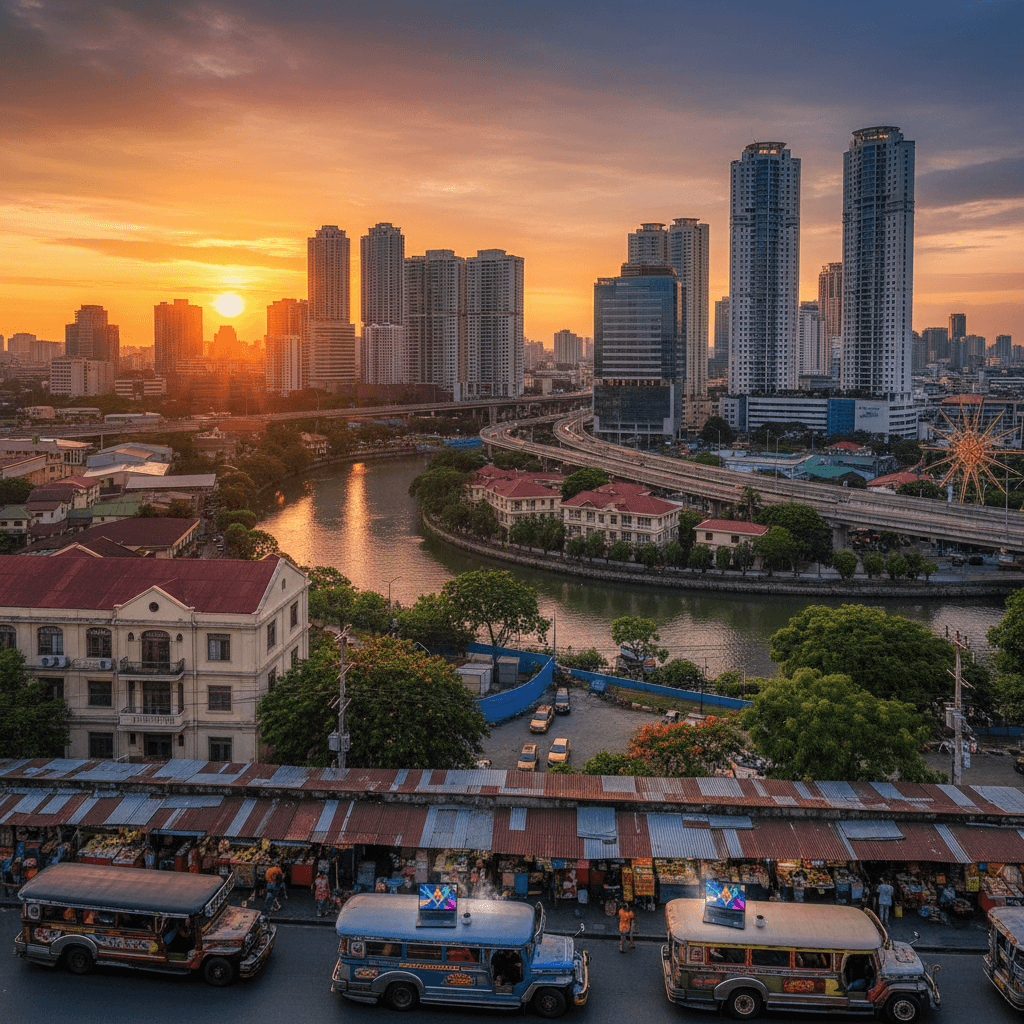
Pasig (Ortigas)
🇵🇭 Philippines