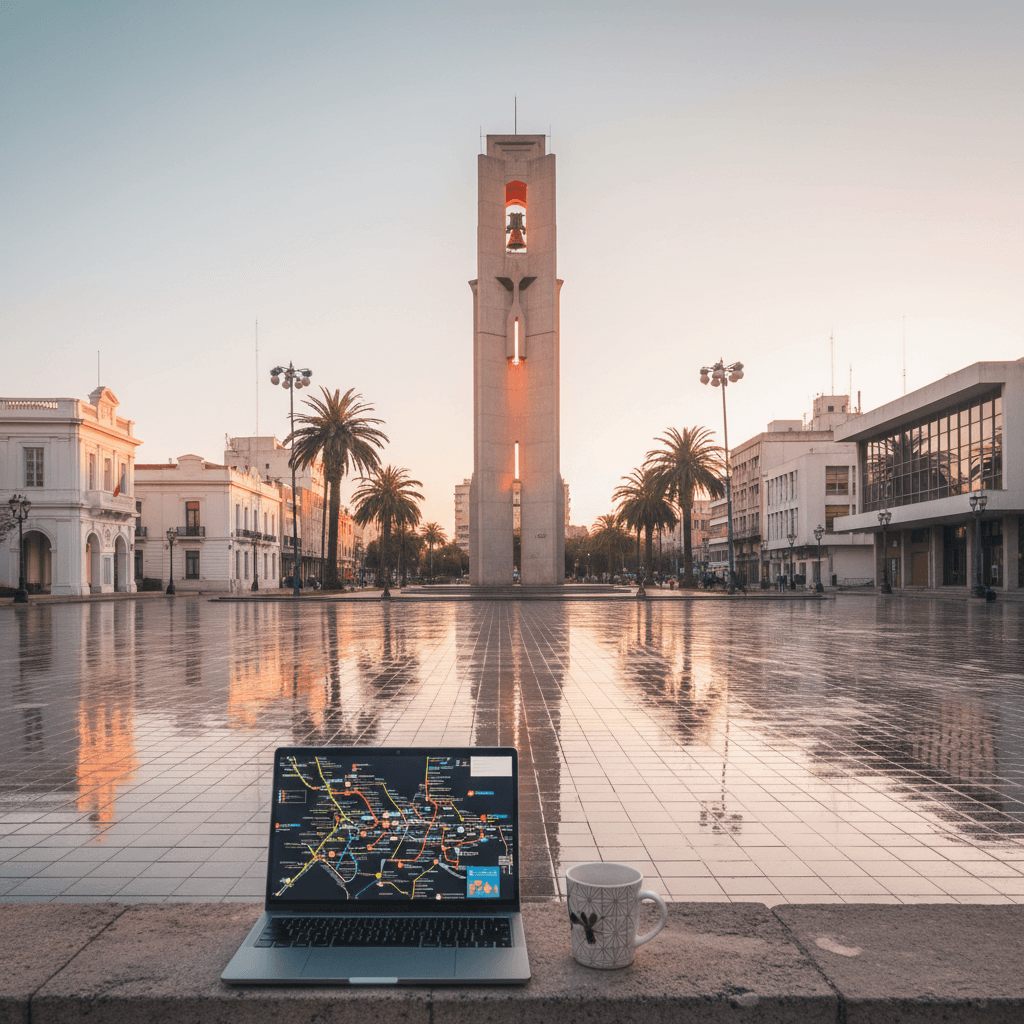
San Juan
🇦🇷 Argentina
If you are tired of the frantic energy of Buenos Aires or the tourist crowds in Mendoza, San Juan is the breath of fresh air you didn’t know you needed. Located in the shadow of the Andes, this is a city that moves at its own pace. It is a place characterized by wide, tree-lined avenues and a quiet, sun-drenched confidence. For nomads, the draw here isn't just the low cost of living; it is the rare opportunity to live an authentic Argentine life without the "digital nomad bubble" feel of more famous hubs.
The Local Vibe
Life in San Juan revolves around the sun and the soil. You will quickly notice a commitment to sustainability here, with solar energy projects dotting the landscape and a culture deeply rooted in world class wine production. The atmosphere is serene and incredibly safe. Locals are known for their hospitality, and while English isn't widely spoken, people will go out of their way to help you if you try a little Spanish. It is the kind of city where you can leave your laptop on a cafe table to use the restroom without a second thought.
Living Costs & Budgets
San Juan remains one of the most affordable spots in Argentina. While the average nomad spends about $900 to $1,200 per month for a comfortable lifestyle, you can easily scale your expenses based on your needs.
- The Budget Tier (~$1,000/mo): You will likely stay on the outskirts of the city where rent for a studio runs $150 to $350. You will stick to street food like empanadas for $3 to $5 and use the reliable public bus system at $0.50 a ride.
- The Mid-Range Tier (~$1,500/mo): This allows for a central apartment for $400 to $600 and frequent dinners at mid-range spots for $10 to $15. You will likely use taxis for $5 to $10 per trip.
- The Comfortable Tier (~$2,000/mo): You can snag a premium downtown rental for $600+ and eat at the best steakhouse in town every night for $25 to $40 while enjoying the freedom to explore the mountains.
Where to Plant Your Roots
The city is highly walkable and bikeable, so your choice of neighborhood mostly depends on how close you want to be to the action. Most nomads gravitate toward the Downtown/Central area. This is where you will find the highest concentration of cafes with reliable WiFi and the few dedicated coworking spaces. It is walkable, safe, and puts you right at the heart of the city's museums and galleries.
If you prefer a quieter existence, look at the Residential Outskirts. These areas are popular with expats and families because they offer more space and proximity to the vineyards. The trade-off is a longer commute and a greater need for a car or taxi, as Uber is notoriously unreliable here. Travelers usually recommend sticking to the red and white taxi companies for the safest and most consistent service.
Work and Connectivity
Do not let the laid-back pace fool you; the infrastructure is solid. Internet speeds in the city center average 85 Mbps, often hitting 100 Mbps in professional spaces. This is plenty for Zoom calls or uploading large files to the cloud. While there aren't dozens of coworking brands, you can find quality desk space for $100 to $250 per month. For mobile data, most expats use local SIMs or an eSIM like Breezesim to stay connected while exploring the nearby Ischigualasto Provincial Park.
The Emotional Experience
Being a nomad in San Juan feels like being part of a secret. You will spend your afternoons working from a cafe, your evenings at a wine tasting, and your weekends trekking through the Valley of the Moon. The summer heat can be intense, often reaching 35°C (95°F), which is why the city embraces a slower pace during the day. It is a place that forces you to slow down, breathe, and actually enjoy the glass of Malbec in your hand.
The Price of Tranquility
San Juan is one of those rare spots where your dollar stretches significantly further than in Buenos Aires or Mendoza, without sacrificing the modern comforts remote workers need. While the average nomad spend hovers around $900 to $1,200 per month, you can live quite well on less if you lean into the local lifestyle. It is a city that rewards those who trade fast paced urban chaos for a glass of Syrah and a view of the Andes.
The local economy operates on a mix of cash and cards, though you will want to keep pesos on hand for smaller shops and street food. Most expats find that a $1,500 monthly budget covers a central apartment, frequent dining out, and weekend trips into the mountains. If you are on a tighter budget, sticking to the city outskirts and utilizing the efficient bus system can bring your costs down to roughly $1,000 per month.
Monthly Budget Breakdowns
To give you a better idea of what to expect, here is how the costs shake out based on your lifestyle preferences:
The Budget Traveler
- Rent (Outskirts): $150 to $350
- Meals: $3 to $5 for street food like empanadas; $8 for simple cafes
- Transportation: $0.50 per bus ride
- Workspace: Free WiFi in local cafes
The Mid-Range Nomad
- Rent (Central Area): $400 to $600
- Meals: $10 to $15 for mid range sit down dinners
- Transportation: $5 to $10 per trip using local red and white taxis
- Workspace: $100 to $200 for a coworking day pass or part time desk
The High End Resident
- Rent (Premium Downtown): $600 and up
- Meals: $25 to $40 for upscale dining and fine wine pairings
- Transportation: $300 for a monthly car rental
- Workspace: $250 for full access to a dedicated coworking space
Housing and Neighborhoods
Most nomads gravitate toward the Downtown/Central district. It is the most walkable part of the city, packed with cultural hubs, museums, and the best concentration of cafes with reliable internet. You will deal with a bit more morning traffic here, but the convenience of being near the action is usually worth it.
If you prefer a quieter pace, the Residential Outskirts offer more spacious housing and easier access to the surrounding wine regions. These areas are popular with families and long term expats, though you will likely need to rely on taxis or a rental car since it is a bit of a trek to the city center. For finding rentals, many travelers recommend using the Punta app or local Facebook groups rather than relying solely on global platforms.
Connectivity and Work
Internet speeds in San Juan are surprisingly solid, averaging around 85 Mbps. In urban pockets and dedicated workspaces, you can often find speeds up to 100 Mbps, which is plenty for Zoom calls and heavy cloud uploads. Mobile coverage is excellent across the city, and you can easily grab an eSIM via Breezesim or a local physical SIM for reliable data on the go.
While the coworking scene is still growing, the cafe culture is strong. You will find plenty of laptops open in central coffee shops. If you need a more formal setup, expect to pay between $100 and $250 per month for a desk. Just be sure to check the specific WiFi speeds at your apartment before signing a lease, as older buildings in residential areas can sometimes be hit or miss.
Practical Spending Tips
- Visas: Argentina offers a Digital Nomad Visa for 180 days. The application fee is $120 via the RaDEX system, and you will need to register your local address once you arrive.
- Transport: Skip Uber here; drivers are scarce. Stick to the official red and white taxis for the most reliable and safe service. A transfer from San Juan Airport (UAQ) to the center typically costs between $10 and $20.
- Groceries: Shopping at local markets for seasonal produce and regional wine is significantly cheaper than hitting the high end supermarkets downtown.
The Central District (Centro)
If you want to be where the action is, the downtown core is your best bet. This area is the heartbeat of the city, characterized by wide, tree lined avenues and a surprisingly modern layout. Most nomads gravitate here because it is the most walkable part of San Juan. You can easily bounce between a morning coffee at a local cafe and an afternoon session at a coworking space without needing a car.
- Rent (1BR): $400 to $600 for a central apartment.
- Vibe: Urban but relaxed, with easy access to museums and cultural hubs.
- Best for: Digital nomads and solo travelers who prioritize proximity to high speed internet and social spots.
The infrastructure in Centro is reliable, with internet speeds often hitting 85 to 100 Mbps. While there is some light traffic during the midday rush, the city is generally quiet compared to the frantic pace of Buenos Aires. You will find that most people use red and white taxis to get around if they aren't walking, though the central grid is very bike friendly.
Residential Outskirts & Rivadavia
Expats looking for a more "local" feel often head slightly west toward the residential stretches and the Rivadavia area. These neighborhoods feel more like traditional suburbs. They are quieter, greener, and offer a bit more breathing room. It is a great choice if you plan on staying for more than a few months and want to be closer to the mountains and the famous wine regions.
- Rent (Studio/1BR): $300 to $400 on the outskirts.
- Vibe: Peaceful and family oriented with plenty of local markets.
- Best for: Expats and long term residents who want to save on rent and don't mind a short commute.
Living here usually requires a bit more Spanish, as English proficiency is lower than in the tourist centers. You will likely want to use the local bus network or rent a car for about $300 a month to make the most of the surrounding natural beauty. It is the kind of place where neighbors actually know each other and the pace of life slows down significantly.
Safety and Practicality
One of the best things about San Juan is the lack of "no go" zones. Travelers and locals alike report that the city is exceptionally secure. You should still use common sense, but the low crime rate makes it one of the safest spots in Argentina for foreigners. If you are worried about getting home late, stick to the registered red and white taxi companies rather than trying to find an Uber, which can be hit or miss in this province.
For those planning a longer stay, the Argentina Digital Nomad Visa is a solid option. It costs about $120 and gives you 180 days of legal residency. Most newcomers use apps like Punta to find apartment listings or join local IT and startup groups to meet people. While the community is still growing, the hospitality here is legendary. You will find that locals are genuinely curious and welcoming toward foreigners, especially if you show an interest in the local wine culture.
Cost Comparison by Lifestyle
- The Budget Traveler: Expect to spend around $1,000 per month. This covers a modest apartment on the outskirts, street food meals for $3 to $5, and relying on the $0.50 bus rides.
- The Mid-Range Nomad: A budget of $1,500 per month allows for a central apartment, frequent mid-range dinners at $10 to $15, and a dedicated desk at a coworking space for roughly $150.
- The Comfortable Expat: At $2,000 per month, you can live in a premium downtown flat, eat at upscale restaurants for $25+, and maintain a rental car for weekend trips to the Valley of the Moon.
Connectivity in the Sun-Drenched Capital
San Juan is a sleeper hit for remote workers who want the Argentine lifestyle without the frantic energy of Buenos Aires. While it feels like a quiet provincial town, the infrastructure is surprisingly robust. You can expect reliable fiber optic connections in most central apartments and cafes, with speeds averaging around 85 Mbps. It is more than enough for back to back Zoom calls or uploading large files to the cloud.
Mobile data is equally impressive. Local providers offer excellent 4G and 5G coverage throughout the city center. If you want to skip the hassle of visiting a physical store, many nomads use Breezesim for an eSIM before they land. If you are staying longer, grabbing a local SIM card is cheap and gives you a massive data bucket for just a few dollars a month.
Coworking Spaces and Where to Work
The coworking scene in San Juan is still developing compared to Palermo or Mendoza, but the quality is high. Most dedicated spaces are concentrated in the Downtown area, making them easy to reach if you are staying in a central Airbnb. You should budget between $100 and $200 for a monthly hot desk. These hubs usually offer speeds of 85-100 Mbps, which is sufficient for video conferencing and cloud-based work, backup generators for the occasional power dip, and a community of local entrepreneurs in the tech and solar energy sectors.
If you prefer the "laptop and latte" lifestyle, San Juan’s cafe culture is top tier. The city is famous for its wide, tree lined avenues that stay cool even when the sun is blazing, and many cafes offer outdoor seating with decent WiFi. Most spots are happy to let you work for a few hours if you keep the coffee and empanadas flowing. Just keep in mind the local rhythm; many businesses close for a few hours in the afternoon for siesta, though larger cafes in the center usually stay open.
Digital Nomad Logistics
Living here is remarkably affordable. Your dollar goes a long way, especially if you are earning in a stronger currency. Most nomads find that a total monthly budget of $1,793 allows for a very comfortable lifestyle, including a nice apartment and frequent wine tours.
- Central Studio Rent: Expect to pay $400 to $600 for a modern place in the walkable core.
- Outskirts Housing: If you prefer quiet, residential areas near the vineyards, prices drop to $300 to $400, though you will likely need a car or taxi to get around.
- Daily Expenses: A mid range meal will set you back about $10 to $15, while a quick street food lunch is often under $5.
For long term stays, the Argentina Digital Nomad Visa is a game changer. It allows you to stay for 180 days and is renewable. The application fee is approximately $200 total ($120 application fee plus $80 consulate fee). It is a straightforward process that legitimizes your stay while you explore the Andes. To manage your life on the ground, download the Punta app. It is becoming the go to tool for finding nomad friendly apartments and connecting with the growing expat community in the region.
Practical Tech Tips
While card payments are widely accepted in shops and restaurants, it is smart to keep some pesos on hand for smaller markets or taxis. Speaking of transport, Uber can be hit or miss here. Most locals and expats recommend using the official red and white taxis, which are safe, metered, and easy to flag down. If you are heading out on a day trip to the Valley of the Moon or the mountains, download your maps for offline use, as signal can drop once you get deep into the provincial parks.
A Secure Haven in the Cuyo
San Juan is one of those rare spots where you can actually let your guard down. Unlike the high energy and occasional edge of Buenos Aires, this city feels like a large, quiet village. Most nomads find the pace here incredibly refreshing; the streets are wide, the people are genuinely hospitable, and the overall vibe is serene. It’s the kind of place where locals still sit outside their homes in the evening, and the crime rate remains impressively low.
While you don't need to be on high alert, you should still practice basic city smarts. Don't leave your MacBook unattended on a cafe table while you use the restroom, and keep an eye on your phone in crowded plazas. Travelers often say they feel perfectly safe walking home after a late dinner, but if you’re heading across town at night, stick to the red and white taxis. These are the official, regulated cabs and are much more reliable than trying to hunt for an Uber, which rarely has drivers available in this region.
Healthcare and Wellness
If you need a doctor, the local healthcare system is functional but basic. The city has several public and private hospitals that handle emergencies well, though they aren't as modern as the facilities you'd find in the capital. For anything specialized or major, most expats recommend heading to Mendoza or Buenos Aires. That said, for a quick checkup or a minor illness, the quality is improving and perfectly adequate.
- Emergency Services: Dial 911 for any immediate police or medical assistance.
- Pharmacies: You'll find these on almost every other corner. They are well-stocked and the pharmacists can often recommend over-the-counter fixes for common ailments.
- Air and Water: The air quality is generally excellent thanks to the proximity to the Andes. Food safety is moderate; stick to bottled water if you have a sensitive stomach, though most locals drink the tap water without issue.
The Digital Nomad Visa (RaDEX)
Argentina has made it relatively easy to stay long-term with their dedicated Digital Nomad Visa. This allows you to live and work in San Juan for 180 days, and you can renew it if you decide the wine and mountains are too good to leave. You'll need to apply through the RaDEX system. The application fee is approximately $200 total ($120 application fee plus $80 consulate fee).
Once you arrive, make sure to register your local address. This is a standard part of the process and keeps your legal status in the clear. Having this visa also makes things like getting a local SIM card or signing a longer-term lease much smoother. For your phone, skip the roaming charges and grab a local chip or use an eSIM like Breezesim; the 4G coverage in the city center is surprisingly strong and reliable for hotspots.
Local Safety Tips
The biggest "danger" in San Juan isn't crime; it's the sun. The region is famously arid and sunny, with summer temperatures regularly hitting 35°C (95°F). Dehydration and sunburn are real risks if you're out exploring the Valley of the Moon or hiking the foothills. Always carry more water than you think you need and wear high-SPF sunscreen, even on cloudy days.
Socially, the city is very welcoming to foreigners. You won't find many "no-go" zones here, though the outskirts can feel a bit dark and desolate at night simply because they are less developed. Stick to the central areas for your evening walks, and you'll find the environment to be one of the safest in South America.
The Layout
San Juan is a breath of fresh air if you are coming from the frantic energy of Buenos Aires. The city was largely rebuilt after a 1944 earthquake, resulting in a grid of wide, tree-lined avenues and spacious plazas that make it incredibly easy to navigate. It is a city designed for a slower pace, where the sidewalk cafes actually have room to breathe.
Most nomads stick to the Downtown/Central area. It is the most walkable part of the city and puts you within striking distance of the best coffee shops and cultural spots. If you prefer a quieter stay, the residential outskirts offer more space and proximity to the vineyards, but you will definitely need a set of wheels to get back and forth.
On Foot and Two Wheels
For daily life in the center, your own two feet are usually enough. The city is flat, and the wide sidewalks are well-maintained. Biking is also a popular choice among locals and long-term visitors. You can find bike and scooter rentals in the central district, which is a great way to explore the plazas without breaking a sweat. Just keep in mind that the summer sun here is no joke, with temperatures often hitting 30°C to 35°C, so you will want to do your heavy trekking in the early morning or after the sun starts to dip.
Taxis and Ride-Hailing
If you are used to opening Uber or Cabify, you might be disappointed here. Ride-hailing apps are notoriously unreliable in San Juan, often with very few drivers on the road. Instead, stick to the traditional taxi system. Look for the distinct red and white taxis; they are professional, safe, and regulated. A typical trip across town will run you between $5 and $10. They are the gold standard for getting home after a late dinner or a wine tasting.
Public Buses
The local bus network is surprisingly efficient and very affordable. A single ride costs roughly $0.50, making it the cheapest way to get around if you are on a budget. The buses are also your best bet for short day trips to nearby spots. If you are heading further out, such as to the airport (UAQ), a taxi is the much more convenient choice and will cost you about $10 to $20 for the transfer.
Getting Out of Town
San Juan is the gateway to some of Argentina's most jaw-dropping landscapes, like Ischigualasto Provincial Park. For these excursions, public transport won't cut it. Most nomads recommend one of two options:
- Car Rentals: If you want total freedom to explore the Andes or the Valley of the Moon, a rental car costs around $300 per month. This is a solid investment if you plan on doing weekend mountain runs.
- Guided Tours: For one-off trips to the vineyards or the mountains, booking a guided tour is the stress-free way to go. They usually include door-to-door transport from your apartment in the city.
Transport Costs at a Glance
- Public Bus: $0.50 per ride.
- Taxi Trip: $5 to $10 for most central routes.
- Airport Transfer: $10 to $20 via taxi.
- Monthly Car Rental: Approximately $300.
Overall, the transit experience here matches the city's personality: it is uncomplicated and unhurried. You won't find a sprawling subway system, but you also won't find the soul-crushing traffic jams of a major metropolis.
The Local Lingo
In San Juan, Spanish isn't just the primary language; it's almost the only one you'll hear on the street. Unlike the bilingual bubbles of Palermo in Buenos Aires, this is a city where immersion happens the moment you step off the plane. The local accent is distinct, characterized by the classic Argentine "sh" sound for double Ls and Ys, though it carries a slower, more melodic pace than the rapid fire speech of the capital.
English proficiency is quite low once you leave the main hotels or high end wine tours. You'll find that younger people in the tech scene or university students might have a working grasp of English, but your local grocer or taxi driver likely won't. Most nomads find that a few weeks here does more for their Spanish than months of apps ever could. If you're serious about staying, look into local language exchanges or private tutors; they're incredibly affordable compared to US or European prices.
Communication Tools and Apps
Since you can't rely on English for daily life, your phone is your best friend. Google Translate is a non negotiable tool here, especially the camera feature for translating menus or signs at the supermarket. For getting around and communicating with locals, WhatsApp is the undisputed king. Whether you're booking a wine tour, chatting with a landlord, or joining a nomad meetup, everything happens via "the green app."
For digital nomads, staying connected is easy. You can grab a local SIM from providers like Claro or Personal, which offer excellent 4G and 5G coverage throughout the city center. If you prefer to hit the ground running, Breezesim offers reliable eSIM options that save you the hassle of finding a physical store on day one. Expect to pay around $1 to $5 USD for a generous monthly data package.
Etiquette and Social Cues
Communication in San Juan is warm and deeply personal. People here value hospitality and will often go out of their way to help a struggling foreigner. Don't be surprised by the "beso," a single kiss on the right cheek, which is the standard greeting for both men and women in social settings. It's also common for conversations to start with a few minutes of small talk about your day or your impressions of the city before getting down to business.
One thing to keep in mind is the "siesta" culture. Between 1:00 PM and 5:00 PM, the city goes quiet. Many shops close, and response times on WhatsApp will drop to zero. It's not that people are being rude; it's just the local rhythm. Adjusting your communication expectations to this schedule will make your life much easier. If you need something done, do it in the morning or wait until the city wakes back up for the evening.
Survival Phrases for the Road
While you'll want to learn as much as possible, these basics will get you through your first week:
- ¿Cuánto cuesta? (How much does it cost?): Use this at the ferias and smaller shops.
- ¿Dónde está el baño? (Where is the bathroom?): Self explanatory but vital.
- La cuenta, por favor (The check, please): Essential for those long, late dinners.
- Todo bien (All good): The universal Argentine response to "How are you?" or "Is this okay?"
Travelers often say that even if your Spanish is broken, making the effort goes a long way. Sanjuaninos are proud of their province and generally thrilled to see nomads choosing their quiet corner of the Andes over the more crowded tourist hubs.
The Sun-Drenched Rhythm
San Juan is famous for being one of the sunniest spots in Argentina. You can expect blue skies nearly year-round, which is a massive draw for nomads tired of gray European winters or humid tropical rainy seasons. The climate is arid and desert-like, meaning the heat is dry and manageable rather than sticky, though the 30°C to 35°C (86°F to 95°F) highs in the peak of summer can feel intense if you aren't near a pool.
Most people find the sweet spot for a visit falls during the shoulder seasons. From March to May and September to November, the air is crisp, the vineyards are changing colors, and the temperature sits comfortably in the low 20s. It’s perfect for long afternoons working from a sidewalk cafe without needing to retreat into the air conditioning.
Seasonal Breakdown
- Spring (September to November): This is arguably the best time to arrive. The city's famous tree-lined avenues are in full bloom, and the weather is ideal for weekend trips to Ischigualasto Provincial Park. Highs usually hover around 25°C (77°F).
- Summer (December to February): It gets hot. Expect temperatures to frequently climb above 33°C (91°F). The city slows down significantly in the afternoons as locals observe a strict siesta to avoid the midday sun. If you enjoy late-night dinners and outdoor festivals, this is your season.
- Autumn (March to May): Harvest season in wine country. The weather stays warm and stable, making it a favorite for expats who want to tour the local bodegas. The nights start to get cooler, so you'll want a light jacket.
- Winter (June to August): Winters are mild and very dry. While daytime temperatures stay around 15°C to 18°C (59°F to 64°F), the desert air means nights can drop toward freezing. It rarely snows in the city, but you'll see the Andes capped in white in the distance.
The Nomad Sweet Spot
If you're planning a three-month stay, aim for March through May. Not only is the weather near-perfect, but this period avoids the peak summer holiday prices and the occasional winter wind storms known as the Zonda. The Zonda is a hot, dry wind that can blow down from the mountains, usually between May and November, occasionally bringing dust and a sudden spike in temperature.
Travelers often say that the lack of humidity makes San Juan feel like a different country compared to the damp winters of Buenos Aires. Just keep a bottle of water and some lip balm handy; the dry air is no joke. Most nomads find that the predictable sunshine makes it much easier to stick to a routine, especially if your work-life balance involves morning runs or evening bike rides through the central parks.
Practical Planning
Since the rainy season is almost non-existent here, you don't really need to pack for storms. Instead, focus on layers. Even in the warmer months, the desert climate means a 15-degree temperature swing between noon and midnight is common. If you're heading out for a Malbec tasting or a late dinner, you'll be glad you brought a sweater for the walk home.
The Nomad Budget
Living in San Juan is significantly more affordable than in Buenos Aires or Mendoza. Most nomads find they can live comfortably on about $1,793 per month, though you can get by on much less if you lean into local habits. While cards are widely accepted in shops and restaurants, keeping some pesos on hand is helpful for smaller street stalls or quick snacks.
- Budget Tier: Around $1,000 per month. This usually covers a studio on the city outskirts for $300 to $400 and a diet of street food like empanadas for $3 to $5 a meal.
- Mid-Range: Around $1,500 per month. This gets you a central apartment for $400 to $600 and frequent dinners at mid-range restaurants for $10 to $15.
- Comfortable: $2,000+ per month. You'll stay in premium downtown units and eat at upscale spots where a steak and wine dinner runs $25 to $40.
Where to Set Up Base
The city is laid out with wide, tree lined avenues that make it very walkable. Most remote workers stick to the Downtown/Central area. It is the hub for cafes and cultural spots, so you won't need a car for your daily routine. It can get a little busy during the day, but it never reaches the frantic pace of larger capitals.
If you prefer a quieter vibe or want to be closer to the vineyards, look at the Residential Outskirts. You will get more space for your money and easier access to the mountains. Just be prepared for a longer commute into the center for social events. Expats generally find the entire city very safe, with no specific neighborhoods flagged as off limits.
Connectivity and Coworking
Internet reliability is a pleasant surprise here. Speeds average around 85 Mbps, and it is common to see 100 Mbps in dedicated workspaces or modern apartments. This is plenty for Zoom calls or uploading large files. Mobile coverage is excellent across the city, and you can easily pick up a local SIM or use an eSIM like Breezesim for immediate data.
The cafe culture is strong, and most owners don't mind if you linger with a laptop for a few hours. If you need a more professional setup, coworking spaces typically cost between $100 and $250 per month depending on whether you want a day pass or full time access. These spots are also the best way to meet the growing community of IT professionals and startup founders in the city.
Getting Around
San Juan is very bike friendly, and the central grid is easy to navigate on foot. For longer trips, the public bus network is efficient and cheap, costing about $0.50 per ride. While Uber exists, drivers can be scarce. Locals recommend using the official red and white taxis, which are reliable and safe. A transfer from San Juan Airport (UAQ) usually costs between $10 and $20.
Health and Safety
This is one of the more secure cities in Argentina. Crime is low, and the locals are famously hospitable. You should still use common sense with your belongings in public, but the general atmosphere is relaxed. Healthcare is decent for routine issues, and pharmacies are found on almost every street corner. For any major emergencies, the national number is 911.
Practical Logistics
If you plan to stay long term, the Argentina Digital Nomad Visa is a great option. It allows for a 180 day stay and is renewable. The Argentina Digital Nomad Visa costs approximately $200 total ($120 application fee plus $80 consulate fee when applying in person at a consulate). You'll need to register your local address once you arrive.
Spanish is the primary language here. English proficiency isn't very high once you step out of the main tourist circles, so downloading Google Translate is a smart move. Learning a few phrases will go a long way with the locals, who are usually patient and eager to help. Remember that San Juan follows the traditional Argentine schedule, so expect late dinners and a slower pace during the afternoon siesta hours.
Need visa and immigration info for Argentina?
🇦🇷 View Argentina Country GuideEasy Landing
Settle in, no stress