San José
🇨🇷 Costa Rica
The Pulse of the Central Valley
San José is rarely a traveler's first love, but for the nomad who stays longer than a weekend, it becomes a reliable, high speed base. It lacks the postcard perfection of the coast, trading white sand for concrete and heavy traffic. However, it makes up for it with the best infrastructure in Central America. You come here for the fiber optic internet, the upscale coworking spaces like WeWork, and the ability to order almost anything on UberEats while rain pours down in the afternoon.
The city operates on a unique frequency. It is a mix of traditional Tico culture, where everyone greets you with a Pura Vida, and a modernizing capital full of craft breweries and third wave coffee shops. Most nomads find the city is less about sightseeing and more about lifestyle. It is the kind of place where you work from a breezy patio at Cafeoteca in the morning and take a $10 Uber to a high end dinner in Escazú by night.
The Neighborhood Breakdown
Where you park your laptop matters immensely here. The city is fragmented, and your experience will change drastically depending on your zip code. Most expats and digital nomads gravitate toward these four hubs:
- Barrio Escalante: This is the undisputed culinary heart of the city. It feels more European than Latin American in parts, packed with gastropubs, art galleries, and the best coffee in the country. It is walkable, safe, and has a social energy that makes it easy to meet people at spots like Lupulus Beer Shop.
- Escazú: Often called the Beverly Hills of San José. It is where you go for luxury condos, American style malls, and the best private hospitals like CIMA. It is safe and polished but can feel a bit suburban and pricey. expect to pay $950 or more for a modern apartment here.
- San Pedro: The university district. It is gritty, lively, and much more affordable. You will find younger crowds, cheaper "soda" restaurants serving $5 meals, and a more local, unpolished vibe.
- La Sabana: Centered around the city's massive central park. It is a great middle ground for those who want high rise living with green space for morning runs. Many new condos here include built in coworking areas.
Living Costs & Logistics
San José is not the budget paradise it used to be, but it remains manageable if you avoid the tourist traps. A mid range lifestyle usually sits around $2,000 per month. Rent for a solid one bedroom in a good area like Barrio Escalante or San Pedro typically runs between $500 and $750. If you want the high life in Escazú, budget closer to $1,200 for housing alone.
Daily life is convenient. A local Kolbi SIM card costs about $15 and gives you great coverage. While the public buses are cheap at $0.90 a ride, they are often crowded and confusing for newcomers. Most nomads rely on Uber, which is efficient and safe. Just be prepared for the legendary San José traffic; a five kilometer trip can easily take 40 minutes during rush hour.
The Reality Check
It is important to be realistic about the grit. The downtown core can be sketchy after dark, and petty theft is a reality you have to manage by staying alert and sticking to the safer neighborhoods. The sidewalks are often uneven or non existent, making it a difficult city to navigate purely on foot.
The real magic of "Chepe," as locals call it, is its position as a launchpad. You get the 20 to 28 degree Celsius weather and city comforts during the week, then hop on a bus or a short flight on Friday to be at a volcano or a world class surf break in under three hours. It is a city that rewards the patient traveler who values community and reliable WiFi over immediate aesthetic beauty.
The Price of Pura Vida
San José sits in a middle ground for Latin American capitals. It isn't as cheap as Medellín or Mexico City, but it remains significantly more affordable than North American or European hubs. For most nomads, the city serves as a functional base where you trade scenic views for reliable fiber optic internet and urban conveniences. Inflation has pushed prices up recently, so you'll want to keep a close eye on your Uber and dining habits.
A monthly budget of $2,000 provides a very comfortable lifestyle for a solo traveler. This covers a modern apartment in a trendy area, frequent meals out in Barrio Escalante, and a dedicated desk at a coworking space. If you are on a tighter budget, you can get by on $1,200 by living in student heavy San Pedro and sticking to local sodas (small, family run restaurants) for your meals.
Monthly Budget Breakdowns
Your lifestyle determines which tier you'll fall into. Most expats find that their biggest variable isn't rent, but how often they use ride hailing apps and eat imported foods.
Budget Tier
- Total: Approximately $1,200 per month.
- Housing: $500 to $650 for a studio or 1BR in San Pedro or the city outskirts.
- Food: $300 to $450 by shopping at local ferias (farmers markets) and eating $5 street food.
- Transport: $0.90 per bus ride.
- Workspace: Working from laptop friendly cafes like Cafeoteca.
Mid-Range Tier
- Total: Approximately $2,000 per month.
- Housing: $650 to $850 for a centrally located 1BR in a safe neighborhood.
- Food: $10 to $15 per meal at mid range restaurants and craft breweries.
- Transport: $5 to $10 per trip using Uber.
- Workspace: $10 to $20 per day for a hot desk at Selina or Impact Hub.
Comfortable Tier
- Total: $3,000+ per month.
- Housing: $950+ for a luxury condo in Escazú or a 3BR house.
- Food: $20+ per meal at upscale dining spots.
- Transport: $300+ per month for a car rental or frequent long distance Ubers.
- Workspace: $200+ per month for a dedicated office at WeWork.
Key Everyday Expenses
Internet is one of the city's strong suits. You can get a solid fiber connection for about $35 a month, which is a steal compared to the spotty service you'll find at the beach. Standard utilities like electricity and water usually hover around $85 for a small apartment.
When it comes to connectivity, pick up a local SIM card immediately. Most travelers recommend Kolbi or Movistar. You can get a starter data pack at the airport or any mall for $10 to $20, which is plenty for navigating and staying connected during power outages.
Transport is where the "hidden" costs add up. While the bus is only $0.90, the system is confusing and the buses are often packed. Most nomads rely on Uber to avoid the heat and safety concerns of walking downtown at night. A typical cross town trip costs between $5 and $10, but heavy traffic can cause these prices to spike during rush hour.
The Neighborhood Premium
Where you sleep dictates what you pay. Barrio Escalante is the current favorite for its walkable streets and coffee culture, but you'll pay a premium for the location. San Pedro offers a more authentic, local feel with lower prices because of the nearby university. Escazú is the high end choice, full of malls and gated communities, where prices mirror those in the United States. If you want a balance of park access and modern condos, look at La Sabana, though you should budget extra for Ubers since it's a bit removed from the nightlife hubs.
Barrio Escalante: The Nomad and Solo Traveler Hub
If you're looking for the heartbeat of San José's modern social scene, Barrio Escalante is where you'll want to drop your bags. It's the city's culinary capital, centered around the famous Calle 33, where old houses have been converted into craft breweries, third wave coffee shops, and fusion restaurants. Nomads gravitate here because it's one of the few truly walkable pockets in the city, making it easy to hop from a morning espresso at Cafeoteca to an afternoon coding session.
- Vibe: Trendy, safe, and social with a heavy emphasis on gastronomy and nightlife.
- Work Spaces: You're close to Impact Hub and Selina, which offer reliable desks and a built in community for around $10 to $20 a day.
- Rent: Expect to pay a premium for the location, usually $650 to $900 for a modern studio or one bedroom apartment.
- Pros: Incredible food, high safety ratings, and a younger, international crowd.
- Cons: Prices are rising quickly and it can get noisy on weekend nights.
Escazú: The Expat and Executive Enclave
Located west of the city center, Escazú feels less like a tropical capital and more like a high end North American suburb. It's the preferred choice for long term expats and those working for multinational corporations. The area is hilly, offering slightly cooler temperatures and better air quality than downtown. You'll find massive shopping centers like Multiplaza and the top tier CIMA Hospital right in your backyard.
- Vibe: Polished, convenient, and upscale. It's where you go for familiar comforts and luxury amenities.
- Infrastructure: This is the land of WeWork and high speed fiber optic internet. Most luxury condos here come with dedicated office suites.
- Rent: Budget at least $950 for a small apartment, though many expats spend $1,500 to $2,500 for larger homes in gated communities.
- Pros: Best healthcare access, high safety, and every American brand or service you might miss.
- Cons: You'll definitely need a car or a healthy Uber budget; the traffic on the highway into the city can be brutal.
San Pedro: The Budget Conscious Local Experience
Home to the University of Costa Rica, San Pedro has a gritty, energetic, and academic feel. It's perfect for travelers who want to stretch their dollars without being completely isolated from the action. While parts of it can feel a bit chaotic, it's well connected to the rest of the city by frequent $0.90 bus routes. It's a great place to pick up local Tico slang and find "sodas" (small local diners) serving $5 casado lunches.
- Vibe: Unpretentious, youthful, and very local.
- Living Costs: This is one of the few central areas where you can still find decent rooms or small apartments for $500 to $650.
- Work Spaces: Costa Rica Workstation is a popular budget friendly choice for those who don't need the bells and whistles of a corporate office.
- Pros: Very affordable, great public transport links, and a wide variety of cheap eats.
- Cons: Sidewalks are hit or miss, and certain edges of the neighborhood can be sketchy after dark.
La Sabana: The Balanced Choice for Families
If you want to be near the action but need some green space for the kids or a morning run, La Sabana is the place to be. It's anchored by the massive Sabana Metropolitan Park, which acts as the city's lungs. The neighborhood is seeing a boom in high rise condo developments that offer spectacular views of the surrounding mountains and easy access to the National Stadium.
- Vibe: Active and professional. It's a mix of residential towers and business offices.
- Amenities: Families love the proximity to the park's playgrounds and sports facilities. There are plenty of supermarkets and pharmacies within a short walk.
- Transport: It's a major transit hub, making it easy to catch a bus downtown or an Uber to the airport for around $20.
- Pros: Best access to outdoor recreation and modern, secure building complexes.
- Cons: It lacks the "soul" of Escalante or the charm of the hills in Escazú.
Connectivity and Speed
San José is the backbone of Costa Rica's digital infrastructure. While the beach towns often struggle with salt air corroding equipment or monkeys knocking out power lines, the capital offers stability. You can easily find fiber optic connections with speeds reaching 100 Mbps or higher for around $35 per month. Most modern apartment buildings in areas like La Sabana or Escazú come pre-wired with reliable mesh systems.
For mobile data, don't rely on your home roaming plan. Pick up a local SIM card immediately. Most nomads recommend Kolbi for the best coverage if you plan to take day trips, though Movistar and Claro are solid within the city limits. You can grab a starter kit at the airport or any mall for about $10 to $20. It's enough to keep your Slack notifications moving while you're stuck in the city's infamous afternoon traffic.
Top Coworking Spaces
The coworking scene has matured significantly, moving beyond basic desks to high end corporate environments and social hubs. If you need a professional atmosphere that feels like a Silicon Valley office, WeWork is the gold standard here. It's pricey, often $200 or more per month, but the amenities and networking opportunities are hard to beat.
- Impact Hub: Located on the east side, this is the go to for those who want a community vibe. It's a favorite for social entrepreneurs and freelancers, with day passes typically running between $10 and $20.
- Selina: Perfect for solo travelers who want to blend work and social life. It's a bit more "hostel chic" but offers reliable desks and a built in crowd of fellow nomads.
- Costa Rica Workstation: A great budget friendly alternative for those staying near the central hostels who just need a quiet corner and a fast pipe.
The Cafe Office Culture
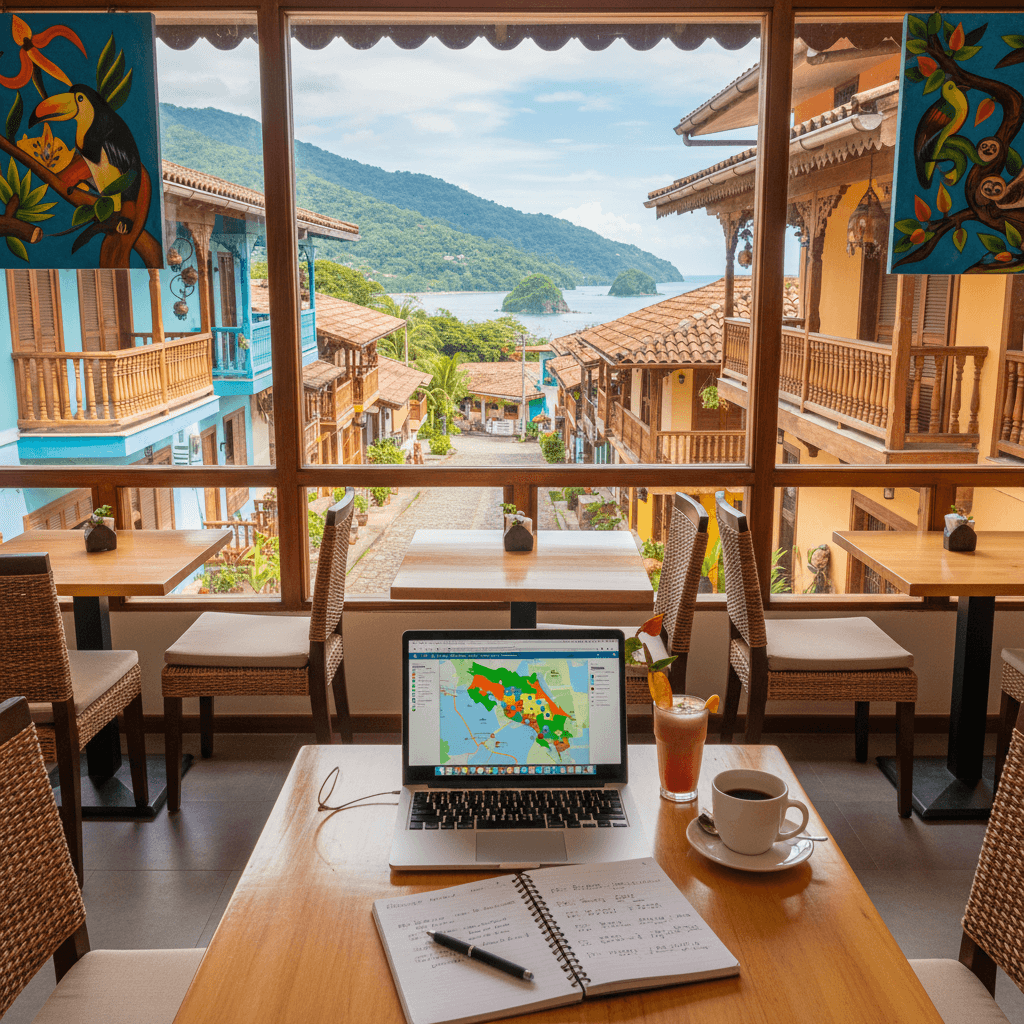
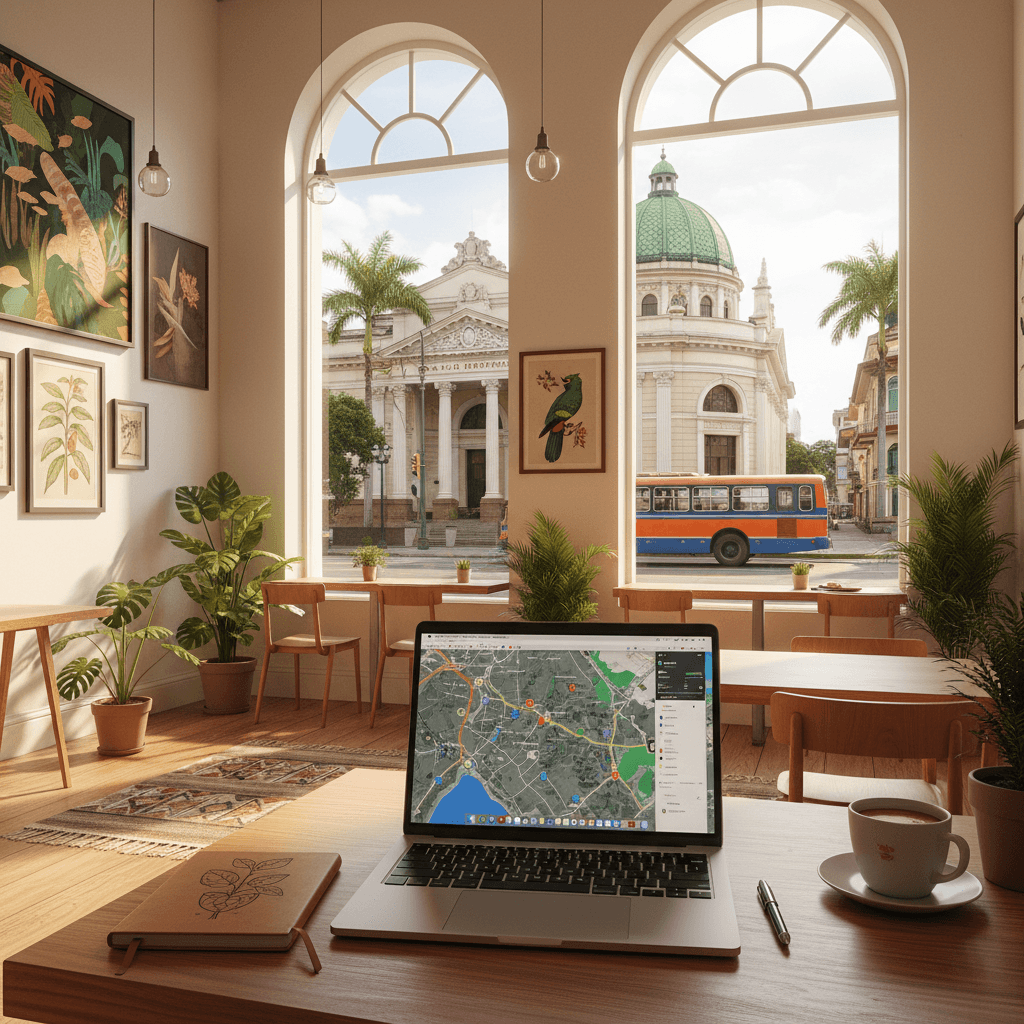
If you prefer the hum of a milk steamer over a dedicated office, San José has a sophisticated coffee culture. Barrio Escalante is the neighborhood you want for this. It's walkable, safe during the day, and packed with third wave coffee shops that don't mind if you linger with a laptop for a few hours.
Cafeoteca is a standout choice. It has a spacious patio and an indoor area where the Wi-Fi is strong and the coffee is sourced from all eight of Costa Rica's growing regions. Expats also frequent the cafes around La Sabana, where many of the newer condo buildings lack enough natural light for a full work day. Just a heads up: keep your tech within sight. While these areas are generally safe, "laptop snatching" can happen if you leave your MacBook unattended while grabbing a refill.
Practical Remote Work Tips
Power outages are rare in the city center compared to the coast, but they do happen during the peak of the rainy season from September to October. If your job requires 100% uptime for video calls, it's smart to have a backup battery or a hotspot ready. Most nomads find that a $10 data top up on a local SIM provides a perfectly fine emergency bridge.
If you're looking for a long term setup, many high rise apartments in Escazú and San Pedro now market themselves specifically to remote workers. These "live work" units often include dedicated business centers or rooftop lounges with mesh Wi-Fi included in the rent. It's a convenient way to skip the commute and avoid the $5 to $10 Uber rides that add up when you're crossing town during rush hour.
Staying Safe in the Chepe
San José, affectionately called Chepe by locals, isn't the kind of place where you should wander aimlessly with your phone out. While the city is generally safe for nomads who keep their wits about them, the downtown core requires a high level of situational awareness. Most expats and long term travelers avoid the central district after dark entirely, as petty crime and pickpocketing are common in crowded areas like Central Avenue between 4 PM and 5 PM when the streets are packed with commuters.
To stay on the safe side, stick to neighborhoods like Barrio Escalante, Escazú, or La Sabana. These areas have a much more relaxed, secure vibe where you can walk to dinner or a cafe without much worry. If you are moving between neighborhoods at night, don't risk the poorly lit sidewalks. Use Uber; it is reliable, cheap at $5 to $10 per trip, and much safer than trying to navigate the city's inconsistent pedestrian infrastructure on foot.
Common sense goes a long way here. Keep your laptop in a nondescript bag, avoid flashy jewelry, and never leave your belongings unattended in a cafe, even in the "nicer" parts of town. If you are working from a public spot, Cafeoteca in Escalante is a favorite for its secure, relaxed atmosphere. For emergencies, dial 911 just like you would in North America.
World Class Healthcare
One of the biggest perks of basing yourself in San José is the access to top tier medical care. Costa Rica is famous for its healthcare system, and the best facilities in the country are concentrated right here in the Central Valley. Whether you need a routine checkup or specialized care, you are in good hands.
- Private Hospitals: CIMA Hospital in Escazú is the gold standard for expats. It is modern, high tech, and most of the staff speak excellent English. Other great options include Clínica Bíblica in the city center and Hospital Metropolitano.
- Pharmacies: You will find a farmacia on almost every corner. Many medications that require a prescription in the US or Europe are available over the counter here. Pharmacists are highly trained and can often give medical advice for minor ailments like stomach bugs or allergies.
- Insurance: Most nomads use private international insurance or pay out of pocket for private visits. Prices are significantly lower than in the US, but having a solid policy is recommended if you plan on staying long term under the Digital Nomad Visa.
Pedestrian Realities
Safety in San José also means being a defensive pedestrian. The city wasn't exactly built with walkers in mind. Sidewalks can be uneven, disappear without warning, or have large gaps that catch the unwary. Crosswalks are often treated as suggestions by local drivers, so always wait for a clear gap before stepping into the street. If you are heading out for a run, La Sabana Park is the best spot to get your miles in without worrying about traffic or twisted ankles.
Most travelers find that once they settle into a rhythm and learn which streets to avoid, the city feels manageable. It is all about balance; enjoy the pura vida lifestyle, but keep your eyes open when you are in the thick of the urban hustle.
The Reality of Getting Around
San José is many things, but a walkable paradise isn't one of them. The city is a patchwork of broken sidewalks, steep curbs, and a general lack of crosswalks that can make a simple three block trek feel like an obstacle course. Most nomads quickly learn that while you can stroll through specific pockets like Barrio Escalante or the Central Avenue pedestrian mall, you'll rely on wheels for almost everything else.
Ride-Hailing: Your Best Friend
Uber is the undisputed king of transportation here. It's reliable, safe, and surprisingly affordable compared to North American or European prices. A typical trip across town usually lands between $5 and $10. Expats and long term travelers prefer it over traditional taxis because the price is fixed in the app, avoiding the "gringo tax" or disputes over the meter.
- Uber: Best for late night returns and moving between neighborhoods like Escazú and San Pedro.
- Didi: A common alternative that sometimes offers lower rates during peak hours.
- Airport Transfers: Expect to pay $20 to $30 for a ride from SJO to the city center.
The Public Bus System
If you're on a budget or want to live like a local, the bus system is remarkably extensive. It costs about $0.90 per ride, which is a steal. The downside is the complexity; there isn't one central hub for every route, so you might find yourself walking to different corners of the city to find the specific terminal for your destination. Buses can get incredibly crowded during the 4pm to 6pm rush, so plan your grocery runs accordingly.
Dealing with Traffic
Traffic is the one thing every resident agrees on: it's brutal. San José was not built for the volume of cars it now hosts. If you have a Zoom call at 9am, don't try to cross the city at 8:15am. Heavy rains in September and October often turn the streets into slow moving rivers, doubling commute times instantly. Most digital nomads structure their day to stay within their immediate neighborhood during peak congestion hours.
Alternative Wheels
Micromobility is slowly picking up steam in flatter, more modern areas like La Sabana, though the poor road quality makes these options a bit risky for the uninitiated. If you're feeling adventurous, bike rentals are available, but you'll need nerves of steel to share the lane with aggressive bus drivers. For those staying several months and planning frequent trips to the coast, car rentals start around $300 per month, though most nomads find that the cost of insurance and the headache of city parking make Uber a better deal.
Walking Safely
Stick to the daylight hours if you're exploring the downtown core on foot. While areas like Barrio Escalante are great for a evening pub crawl, other parts of the center can get sketchy after dark. Stick to well lit main roads and keep your phone in your pocket rather than walking with it out for navigation. If a destination is more than a 15 minute walk away at night, just call an Uber.
The Tico Tongue and "Pura Vida"
In San José, you'll find a linguistic environment that is largely Spanish dominant but surprisingly accessible for English speakers. The local dialect, often called "Tico," is known for being polite, relatively clear, and characterized by a unique use of the word "u" instead of "o" in some diminutives. While you can get by with English in many professional and social circles, learning even a handful of local phrases goes a long way in building rapport with the locals.
The most important phrase you will hear a dozen times a day is Pura Vida. While it literally translates to "pure life," it functions as a greeting, a goodbye, an acknowledgment that everything is okay, or even a way to say "no worries." If someone asks how you are, responding with "Pura Vida" is the fastest way to sound like a local. For daily transactions, keep ¿Cuánto cuesta? (How much does it cost?) and La cuenta, por favor (The check, please) in your back pocket.
English Proficiency in the City
If you stick to nomad hubs like Barrio Escalante or high-end districts like Escazú, you'll find that English proficiency is moderate to high. Staff at coworking spaces like WeWork or Impact Hub, baristas at third-wave coffee shops like Cafeoteca, and employees at the SJO airport usually speak excellent English. Most digital nomads find that they can navigate daily life, from ordering a craft beer to setting up a Kolbi SIM card, without much of a language barrier.
However, the dynamic shifts once you step outside these bubbles. If you're taking a public bus for $0.90 or shopping at a local feria (farmers market) in San Pedro, the level of English drops significantly. Expats often recommend having a translation app ready for these interactions. Google Translate with an offline Spanish pack downloaded is a lifesaver when you're trying to explain a specific grocery item or navigating a less touristy neighborhood.
Digital Communication and Connectivity
Staying connected is rarely an issue in the capital. The infrastructure is significantly more robust than what you'll find in the coastal beach towns. Most nomads opt for a local prepaid SIM card immediately upon arrival to handle Uber rides and navigation. You can grab a starter kit for about $10 to $20 at the airport or in any major mall like Multiplaza.
- Top Carriers: Kolbi and Movistar are the most reliable for urban coverage.
- Messaging: WhatsApp is the undisputed king of communication here. Whether you're booking a hair appointment, messaging a landlord on Facebook Marketplace, or ordering delivery, expect to do it via WhatsApp.
- Work Connectivity: Fiber optic internet is standard in most modern condos in La Sabana, with speeds easily hitting 100 Mbps for around $35 a month.
Social Etiquette and Networking
Ticos are generally warm and non-confrontational. In San José, social networking often happens in person at coffee shops or through active digital communities. If you're looking to meet other English speakers or fellow nomads, the San José Free Walking Tour and various Digital Nomad Visa Facebook groups are the go-to resources. Travelers often say that the community in Barrio Escalante is particularly welcoming, making it easy to find a group for a weekend trip to a nearby volcano or waterfall garden.
When communicating with locals, a little politeness goes a long way. Using "por favor" and "gracias" isn't just a formality; it's a core part of the culture. Even if your Spanish is limited to five words, making the effort to use them will usually result in a much friendlier interaction and perhaps a few local tips you wouldn't find in a guidebook.
The Central Valley Sweet Spot
San José sits in a geographical "goldilocks zone." Because of its elevation in the Central Valley, you avoid the sweltering, humid heat found on the coasts. Instead, you get a spring like climate that stays remarkably consistent. Most days hover between 20°C and 28°C (68°F to 82°F). You'll want a light jacket for the evenings, as temperatures can dip once the sun goes down, but you can leave the heavy winter gear at home.
Dry Season: The Peak Experience
If you want guaranteed sunshine and blue skies, aim for December through April. This is the dry season, or "verano" as locals call it. January, February, and March are arguably the best months to be in the city. The air is crisp, the breeze keeps things cool, and you won't have to plan your life around afternoon downpours.
This is also the busiest time for the nomad community. Since the weather is perfect for day trips to places like La Paz Waterfall Gardens or the Arenal Volcano, you'll find coworking spaces like WeWork or Impact Hub at their most social. Just keep in mind that prices for short term rentals in neighborhoods like Barrio Escalante tend to peak during these months.
The Rainy Season: Afternoon Rhythms
From May to November, the "invierno" (winter) takes over. Don't let the name scare you; it doesn't get cold, just wet. A typical day starts with gorgeous sunshine, followed by heavy, predictable rain starting around 2:00 PM or 3:00 PM. Most nomads use this as a cue to hunker down in a cafe like Cafeoteca to get through their deep work while the storm passes.
- September and October: These are the rainiest months. Expect heavy afternoon showers almost every day. If you struggle with gray skies, this might not be your favorite time, but it is the cheapest time to find housing deals.
- The "Veranillo": Usually in July, there is a brief break in the rain for a week or two. It's a nice mid season surprise that lets you squeeze in some extra outdoor adventures.
- Greenery: The big upside to the rainy season is the landscape. The hills surrounding the city turn a brilliant, deep green that you just won't see in February.
When to Book Your Flight
If you have total flexibility, try to arrive in late November or early December. You'll catch the tail end of the rainy season prices while the city starts to buzz with holiday energy and the weather begins to clear. It’s the perfect transition period before the holiday crowds arrive in late December.
Expats often recommend avoiding Semana Santa (Holy Week) in late March or early April if you want to get work done. The city clears out as everyone heads to the beach, many businesses close, and public transport becomes a puzzle. However, if you enjoy a quiet, empty city, it’s a unique time to experience San José without its legendary traffic jams.
Quick Seasonal Breakdown
- Best Weather: January to March. Expect 25°C days and clear nights.
- Budget Friendly: September and October. Great for snagging discounts on long term stays.
- Best for Nature: June and July. The rain makes the surrounding coffee plantations and volcanoes look spectacular.
Connectivity and Tech Setup
San José is the undisputed hub for reliable infrastructure in Costa Rica. While the coast offers better views, the capital provides the high speed fiber optic internet you need for video calls and heavy uploads. Most nomads pick up a local SIM card immediately upon landing at SJO airport. Kolbi and Movistar are the reliable choices here; expect to pay about $10 to $20 for a starter data pack that will keep you connected while you find your bearings.
For dedicated work sessions, WeWork in Escazú offers the most modern amenities, while Impact Hub or Selina on the east side provide a more social, community focused environment for $10 to $20 per day. If you prefer the cafe route, Cafeoteca in Barrio Escalante is a favorite for its spacious patio and high quality beans. Most apartments in areas like La Sabana or San Pedro now include dedicated desks or coworking lounges as standard features.
Navigating the City
Walking in San José is a mixed bag. Neighborhoods like Barrio Escalante are pedestrian friendly with plenty of breweries and third wave coffee shops, but moving between districts on foot is frustrating. Sidewalks are often uneven or non-existent, and crosswalks are treated more as suggestions by local drivers. Most expats rely on Uber to get around safely and comfortably. It is affordable, usually costing between $5 and $10 for a cross-town trip, and it saves you from the headache of local bus routes.
Public buses are the budget choice at roughly $0.90 per ride. They are efficient but can get incredibly crowded during the 4pm to 5pm rush. If you are heading out of town for a weekend at the beach, these buses are your best bet for a cheap getaway, though many nomads prefer renting a car for about $300 a month if they plan on frequent day trips to places like La Paz Waterfall or Arenal.
Safety and Health
The general rule for San José is simple: stay alert in the downtown core and avoid it entirely after dark. Petty crime like pickpocketing is common in crowded areas. Stick to well lit, populated neighborhoods like Escazú, La Sabana, or San Pedro. These areas feel much more like typical international suburbs and are generally safe for solo travelers.
On the healthcare front, you are in good hands. San José is home to top tier facilities like CIMA Hospital in Escazú. Pharmacies are on almost every corner and can handle minor ailments without a doctor's visit. For any serious emergencies, the number to dial is 911. Most doctors in the private system speak excellent English, which takes the stress out of medical visits.
Budgeting and Lifestyle
Living in San José isn't as cheap as it used to be, but it remains manageable if you eat like a local. A meal at a "soda" (a small local eatery) will cost you $3 to $5, while a dinner in the trendy Escalante district will run closer to $15 or $20. Most nomads find that a monthly budget of $2,000 provides a very comfortable lifestyle, including a nice apartment and regular nights out.
- Studio Rent: $500 to $650 in San Pedro; $950+ for upscale Escazú condos.
- Utilities: Budget around $85 for water and electricity, plus $35 for fast WiFi.
- Groceries: Expect to spend $300 to $450 a month for two people.
- Tipping: A 10% service charge is usually included in your restaurant bill, so extra tipping isn't mandatory but appreciated for great service.
Language and Local Customs
You'll hear the phrase "Pura Vida" dozens of times a day. It is used as a greeting, a goodbye, or a way to say everything is cool. While Spanish is the primary language, English proficiency is quite high in nomad hotspots and business districts. If you plan to stay long term, the Digital Nomad Visa is a great path, allowing for one year stays if you meet the income requirements. It also helps with opening local bank accounts, though many expats find that Wise or Revolut work perfectly for daily expenses at ATMs across the city.
Need visa and immigration info for Costa Rica?
🇨🇷 View Costa Rica Country GuideHidden Gem
Worth the effort
Monthly Budget Estimates
More cities in Costa Rica
Liberia
🇨🇷 Costa Rica
Alajuela
🇨🇷 Costa Rica
Heredia
🇨🇷 Costa Rica