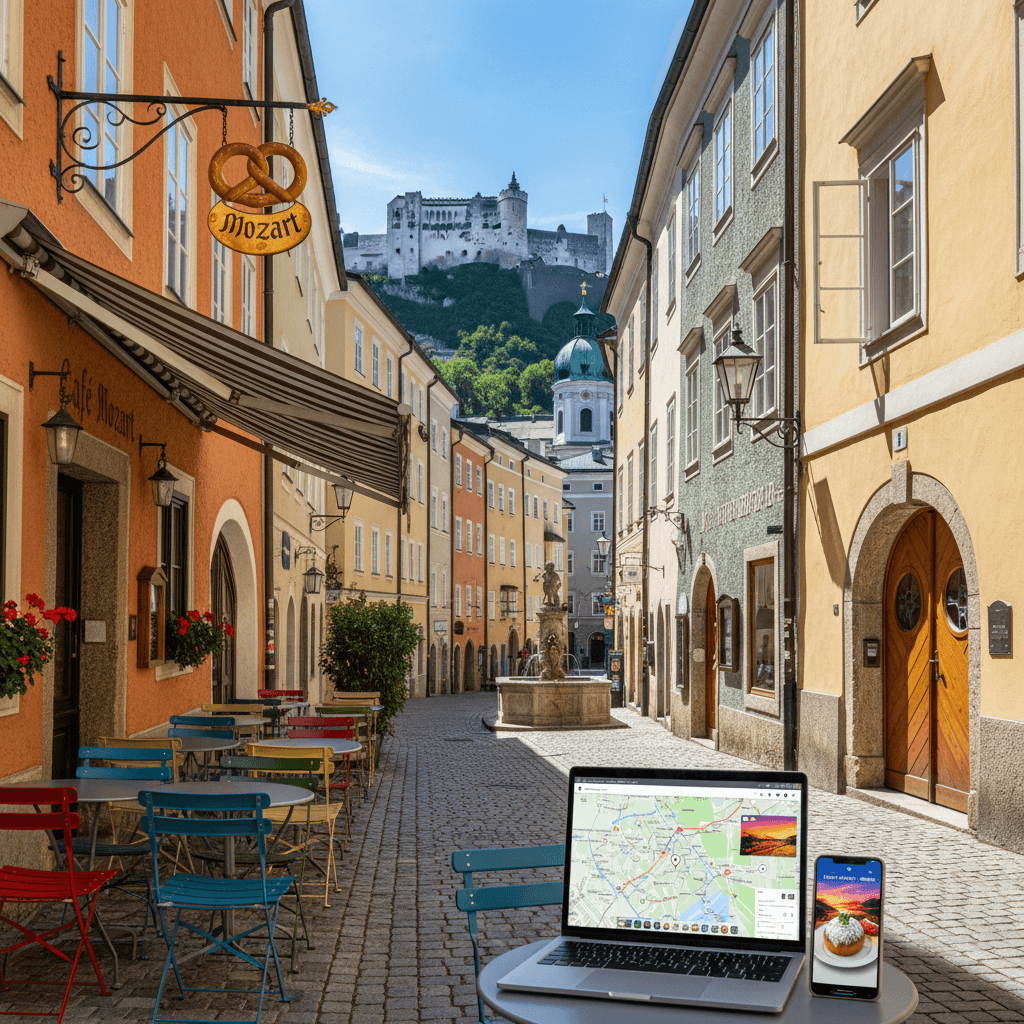
Salzburg
🇦🇹 Austria
Salzburg feels less like a city and more like a carefully preserved stage set, but one where people actually live, work, and hike. If you're coming from the frantic energy of Berlin or the sprawling chaos of London, the first thing you'll notice is the silence. It's a place where the air smells like alpine rain and old stone, and where the pace of life slows down to match the steady flow of the Salzach River.
For the remote worker, Salzburg is the ultimate "slow travel" base. It isn't a place where you'll find a massive, 24/7 nomad community or a new networking event every Tuesday. Instead, it’s a city for those who want to finish a deep work session and be on a mountain trail twenty minutes later. Travelers often say it’s the prettiest view of the Alps you can get while still having reliable fiber optic internet and a decent flat white.
The Daily Rhythm
Living here in 2025 means embracing a lifestyle that values quality over quantity. You'll likely spend your mornings in the Altstadt (Old Town), dodging the Sound of Music tour groups to find a quiet corner in a centuries old cafe. Most nomads find that while the social scene is smaller than Vienna's, it's more intimate. You’ll meet people at spots like Propeller or Cup&Cino, where the Wi-Fi is actually fast enough to handle a Zoom call without the dreaded lag.
The vibe is undeniably upscale and leans toward the traditional. You’ll see locals in Tracht (traditional dress) heading to the theater, and you'll quickly realize that "casual" here still means looking put together. It’s a safe, clean, and highly functional city where the buses run like clockwork and you can walk home alone at 2:00 AM without a second thought.
What to Expect on the Ground
- The Cost Factor: Salzburg is undeniably pricey. Expats suggest budgeting between $2,500 and $4,000 a month to really enjoy the city. While you can scrape by on $1,500 if you’re staying in shared co-living, the "Salzburg experience" usually involves mid range dining and weekend trips into the mountains.
- The Outdoor Office: This is a city for the active nomad. Most people use the AllTrails app to navigate the paths that cut right through the town center. The Mönchsberg cliffs offer a panoramic backdrop for your lunch break.
- The Language Barrier: It’s almost non existent in the city center. While German is the official tongue, English is the default in coworking spaces and cafes. However, learning a simple "Hallo" or "Danke" goes a long way with the older shopkeepers in the Nonntal district.
The Nomad Reality Check
If you need a high energy nightlife scene or a massive variety of coworking hubs, Salzburg might feel a bit stifling after a month. It’s a smaller pond, and the social ease is often rated a 3 out of 5 by solo travelers. It takes a bit more effort to break into local circles compared to more extroverted hubs in Southern Europe.
That said, the tradeoff is a level of inspiration that’s hard to find elsewhere. There is something about working under the shadow of the Hohensalzburg Fortress that makes a Tuesday afternoon feel significant. It’s a base for the nomad who has outgrown the party hostels and wants a refined, breathtakingly beautiful place to actually get things done.
Neighborhood Snapshots
Old Town (Altstadt)
- Vibe: Pure fairytale, UNESCO history, and very touristy.
- Rent: High, expect €800+ for a small studio.
- Pros: Everything is walkable; you're in the heart of the culture.
Mirabellplatz & Salzach River
- Vibe: More "real world" but still scenic with great gardens.
- Rent: Slightly more competitive but still premium.
- Pros: Best access to coworking spaces and the main train station.
Nonntal
- Vibe: Quieter, greener, and favored by long term expats.
- Rent: Moderate by Salzburg standards.
- Pros: Close to the mountains and away from the heaviest tourist crowds.
The Price of Living in a Baroque Fairytale
Living in Salzburg feels like stepping into a postcard, but that aesthetic comes with a premium price tag. For most digital nomads, a realistic monthly budget falls between $2,500 and $4,000. While local wages are relatively modest, the influx of tourism and the city's status as a cultural hub keep costs high, especially when it comes to short term housing and dining out in the Altstadt.
The good news is that Salzburg is a card friendly city. You can tap your way through most cafes and shops, though it's smart to keep a few Euros on hand for smaller traditional bakeries or mountain huts if you're heading into the Alps. Expect your biggest expenses to be rent and leisure, while infrastructure like public transit remains high quality and fairly priced.
Monthly Budget Tiers
- The Budget Nomad ($1,500 to $1,800): This requires a bit of hustle. You'll likely be staying in shared co living spaces or rooms outside the city center, cooking most meals at home, and sticking to free activities like hiking the Kapuzinerberg.
- The Mid Range Professional ($2,500 to $3,200): This is the sweet spot for most. It covers a private studio or a well located apartment via platforms like Flatio, frequent meals at local gasthofs, and a dedicated desk at a coworking space.
- The High End Resident ($4,000+): If you want a view of the Hohensalzburg Fortress from your balcony, dinner at farm to table spots in Nonntal, and weekend trips to the lakes, this is your bracket.
Housing and Neighborhood Costs
Rent is the most variable part of your budget. If you're looking for nomad specific housing that includes utilities and high speed Wi Fi, expect to pay between €400 and €800 for a room or small studio. Prices spike significantly during the Salzburg Festival months in the summer, so booking well in advance is a must.
Old Town (Altstadt)
- Rent: High. Expect to pay a premium for the UNESCO charm.
- Vibe: Very touristy but incredibly walkable and surrounded by history.
- Daily Coffee: €4.50 to €6.00 at historic spots like Café Tomaselli.
Mirabellplatz and Salzach River
- Rent: Moderate to High. This is a favorite area for expats who want to be central but slightly removed from the heaviest crowds.
- Vibe: Scenic gardens and easy access to the river paths for morning runs.
- Coworking: Close to local hubs where a hot desk averages €100 per month.
Food and Drink
Eating out in Salzburg is a delight if you enjoy hearty Austrian classics. A standard lunch of Wiener Schnitzel or a bowl of Kasnocken will run you €10 to €15 at a casual spot. If you're heading out for a mid range dinner with a drink, budget about €25 to €30. For those working from cafes, a cappuccino usually sits around €4.00.
Expats often recommend shopping at local markets or supermarkets like Spar and Hofer to keep costs down. A weekly grocery run for one person typically costs about €50 to €70, depending on how much Alpine cheese and local chocolate you're tempted by.
Transportation and Connectivity
Salzburg is a walkable city, but the public transport system is excellent for rainy days or reaching the outskirts. If you plan on exploring more of Austria, nomads highly recommend the ÖBB Vorteilscard. It costs a small fee up front but slashes train fares by 50%, making day trips to Hallstatt or Vienna much more affordable.
Internet is rarely an issue here. Most cafes offer speeds between 30 and 87 Mbps. For a reliable backup, many travelers use a Magenta eSIM or ConnectPls to stay connected while hiking in the nearby mountains. If you need a professional environment, local coworking spaces offer daily rates or monthly memberships that align with European standards, usually around €100 for basic access.
Digital Nomads and Solo Travelers
If you're in Salzburg to work, you'll likely want to be in the Altstadt (Old Town) or along the Salzach River. The Altstadt is a UNESCO World Heritage site, and living here feels like stepping into a movie set. You'll be within walking distance of the best cafes for remote work, like Propeller Cafe or Cup&Cino. While the rent is the highest in the city, the convenience of having culture and coworking right outside your door is hard to beat.
For a slightly more modern feel that still keeps you close to the action, look around Mirabellplatz. It's central and highly walkable, making it easy to meet up with the small but growing nomad community. Most solo travelers find this area perfect because it's safe at all hours and offers the best connectivity to the rest of the city. Expect to pay between €800 and €1,200 for a well located studio or a room in a high end co-living space.
- Vibe: Historic, walkable, and culturally saturated.
- Workspaces: Propeller Cafe, Starbucks, and local coworking hubs near the center.
- Rent: High, often €1,000+ for private apartments.
Expats and Long-Term Residents
Expats moving for work or a slower pace of life often gravitate toward the areas just across the river from the Old Town. These neighborhoods offer a bit more breathing room while maintaining that classic Salzburg aesthetic. You get better access to local grocery stores and gyms without the constant flow of "Sound of Music" tour groups passing your window.
The Salzach River area is a favorite for those who enjoy an active lifestyle. There are dedicated paths for morning runs and easy bike access to the outskirts of town. While Salzburg isn't the most bike friendly city in Europe, living near the river makes cycling much more manageable. Expats recommend looking for apartments here if you want a balance of city life and quiet evenings.
- Vibe: Active, scenic, and slightly more residential.
- Connectivity: Excellent bus links and proximity to the main train station for weekend trips to Vienna or Munich.
- Rent: Moderate to high, typically €700 to €950 for a one bedroom.
Families
Nonntal is the go-to recommendation for families. It sits just south of the historic center and offers a much quieter, greener environment. It's far enough from the tourist traps to feel like a real community, but close enough that you can still walk into town for a weekend treat at Café Tomaselli. The streets are wider, the air is clean, and there's plenty of space for kids to run around.
The infrastructure here is top notch, with easy access to schools and parks. Families often choose this area because it feels secure and permanent. While you won't find many nomad hubs or trendy coworking spaces in Nonntal, the peace and quiet are a fair trade. You'll likely need a larger budget here, as family sized apartments are in high demand and short supply.
- Vibe: Peaceful, green, and community focused.
- Amenities: Close to hiking trails, parks, and local schools.
- Rent: €1,500+ for multi bedroom family flats.
Budget Tips for All Neighborhoods
Regardless of where you land, Salzburg is expensive. To keep costs down, many residents use the ÖBB Vorteilscard, which slashes train fares by 50% for those mountain getaways. For food, skipping the sit down restaurants in the Altstadt and hitting the local markets or street food stalls can save you €15 to €20 per meal. If you're staying for more than a month, platforms like Flatio or Nomad Stays are your best bet for finding mid term housing that includes utilities and decent Wi-Fi without the "tourist tax" of a standard hotel.
Connectivity Infrastructure
Salzburg might look like a medieval fairytale, but its backbone is strictly 21st century. You can expect reliable, fast internet across the city with average download speeds ranging between 30 and 87 Mbps. Mobile coverage is excellent even as you head toward the Gaisberg or the surrounding Alpine foothills. If you're heading into the mountains for a weekend, grab a Magenta eSIM or a local SIM card; they have the most consistent hotspots for the Alps region.
Most apartments and hotels offer stable Wi-Fi, but if you're a heavy user, look for rentals verified by Flatio or Nomad Stays. These platforms often have "Nomad Inspectors" who verify connection speeds before you book. For those who need a backup for video calls, the ConnectPls or Solis Hotspot services are popular among expats here to ensure they never drop a meeting during a summer thunderstorm.
Coworking Spaces and Memberships
While the nomad scene is smaller than Vienna's, the coworking infrastructure is professional and growing. You'll find that most dedicated desks go for around €100 per month, which usually includes high speed fiber, coffee, and access to meeting rooms. These spaces are the best way to break through the local social barrier, as the community can feel a bit reserved at first.
- Talent Garden Style Hubs: These are the standard for the city, offering flexible memberships and a very corporate-meets-creative atmosphere.
- Local Creative Studios: Scattered around Mirabellplatz and the Salzach River, these smaller spots are great if you prefer a quieter, more intimate environment.
- Public Libraries: For a budget friendly day, the city libraries offer quiet zones and decent Wi-Fi for just a few Euros.
The Cafe Office Scene
Salzburg has a legendary cafe culture, but not every historic spot is friendly to laptops. Avoid the traditional white tablecloth spots if you plan on staying for three hours. Instead, head to the more modern neighborhoods or spots known for accommodating remote workers.
Propeller Cafe is a top pick among the local remote crowd for having some of the fastest tested speeds in the city. If you're near the center, Cup&Cino is a reliable choice with speeds around 16 Mbps, which is plenty for most tasks. Starbucks is always an option with 9.8 Mbps, though it gets crowded with tourists in the afternoons. If you find yourself at Afro Cafe, keep in mind the speeds are a bit slower at 3.6 Mbps, making it better for emails and coffee than heavy uploads.
Practical Remote Work Tips
- Power Outlets: Austria uses Type F plugs. Older cafes are notorious for having zero available outlets, so show up with a full charge or a beefy power bank.
- Public Wi-Fi: The city offers free public Wi-Fi in major squares like the Altstadt, but it's best for checking maps rather than actual work.
- Peak Times: Cafes get very busy between 2:00 PM and 4:00 PM for the traditional "Kaffee und Kuchen" hour. If you're working from a laptop, try to wrap up or move to a coworking space before the cake rush hits.
Most digital nomads find that the best balance is working from a dedicated space in the morning and moving to a riverside cafe in the afternoon. It keeps you productive while allowing you to soak in those Alpine views that make the high cost of living here feel worth it.
A Safe Haven in the Heart of the Alps
Salzburg is consistently ranked as one of the safest cities you can find. For digital nomads and solo travelers, this means a rare level of freedom. You can walk through the Altstadt or along the Salzach River at 2:00 AM without a second thought. Crime rates are remarkably low, and while you should always keep an eye on your laptop in a crowded cafe near Mirabellplatz, professional pickpocketing isn't the constant threat here that it is in larger European hubs like Barcelona or Rome.
The city's security extends to its environment. The air quality is pristine, thanks to the surrounding mountains and strict local regulations. You'll also find that food safety standards are exceptionally high; whether you're grabbing a quick bite at a street stall or dining at a farm to table spot in Nonntal, the risk of foodborne illness is negligible. Tap water is not just safe to drink, it's some of the best tasting Alpine water in the world, so don't waste your money on bottled plastic.
Navigating the Healthcare System
If you do run into trouble, you're in good hands. Austria's healthcare system is world class, and Salzburg is home to several high tech medical facilities. The Uniklinikum Salzburg (Landeskrankenhaus) is the primary hospital and offers a full range of specialist services. English is the unofficial second language of the medical community here; most doctors and nurses speak it fluently, so you won't need to worry about a language barrier during a stressful situation.
For minor issues, look for a Apotheke (pharmacy). They are easy to spot by the large red "A" sign. Pharmacists in Austria are highly trained and can advise on many ailments, often saving you a trip to the doctor. Keep in mind that pharmacies follow strict operating hours, but there is always a rotating "night pharmacy" open for emergencies. You can find out which one is on duty by checking the sign in any pharmacy window or using a local search app.
Insurance and Emergency Basics
Most nomads find that private travel insurance like SafetyWing or World Nomads works perfectly here, as it's widely accepted by local clinics. If you're an EU citizen, your EHIC card will cover most necessary treatments. For those staying long term on a specific visa, you might be required to enroll in the ÖGK (Austrian Health Insurance Fund), which gives you access to the same high level of care as locals.
In a serious emergency, there are three numbers you should memorize, though the universal European emergency number 112 works for everything.
- 112: General European Emergency
- 133: Police
- 144: Ambulance
- 122: Fire Department
Staying Healthy and Active
Living in Salzburg naturally encourages a healthy lifestyle. The city is surrounded by "city mountains" like the Mönchsberg and Kapuzinerberg, which are crisscrossed with hiking trails accessible right from the center. Many expats recommend using the AllTrails app to find paths that fit your fitness level. During the winter, the focus shifts to skiing and snowboarding in the nearby mountains, keeping the community active year round despite the colder temperatures.
The only real health "hazard" to watch out for is the Schnürlregen, the famous Salzburg "string rain." It can be persistent and chilly, especially from November to February. Locals suggest investing in a high quality waterproof jacket and sturdy boots to avoid the common colds that can circulate during the damp winter months. If you stay dry and keep moving, you'll find Salzburg is one of the most rejuvenating places to base yourself in Europe.
The Logistics of Getting Around
Salzburg is a rare city where you can actually get by without a car, and you probably should. The historic center is compact and largely pedestrianized, making your own two feet the most reliable way to explore the Altstadt. Most nomads find that while the cobblestones can be a bit of a workout, the sheer beauty of the baroque architecture makes walking the default choice for daily errands.
When you need to cover more ground or head out to the quieter residential areas like Nonntal, the local trolleybus system (Obus) is incredibly efficient. These electric buses are clean, quiet, and run on a tight schedule. You can buy tickets at tobacco shops (Trafik), at machines at major stops, or via the Salzburg Mobil app. Buying on the bus is possible but always costs a bit more, so it's better to plan ahead.
Public Transport and Passes
If you're staying for a month or more, don't bother with single tickets. They'll eat through your budget quickly. Expats recommend getting a weekly or monthly pass if you're commuting to a coworking space daily. For those who plan on doing a lot of sightseeing alongside their work, the Salzburg Card is a solid investment for the first few days, as it includes all public transport and entry to most major sites.
- Single Ticket: Roughly €2.10 to €3.00 depending on where you buy it.
- 24-Hour Pass: Approximately €4.50 to €6.00.
- Monthly Pass: Usually starts around €60 for the core city zone.
Cycling and Micro-mobility
The city's relationship with bikes is a bit of a mixed bag. While there are dedicated paths along the Salzach River that are perfect for a scenic ride, some nomads feel the bikeability within the dense historic core is lower than in cities like Amsterdam or Berlin. The streets can get narrow and crowded with tourists, which makes cycling more of a leisure activity than a high speed commuting option. You'll find bike sharing stations scattered around, and several shops offer long term rentals if you want a set of wheels for your entire stay.
Regional Travel and Day Trips
One of the biggest perks of living in Salzburg is the access to the Austrian Federal Railways, known as the ÖBB. The main train station (Hauptbahnhof) is a major hub connecting you to Munich, Vienna, and even Bratislava. For nomads who want to explore the Alps or nearby lakes on weekends, the train is the way to go.
The smartest move you can make is picking up an ÖBB Vorteilscard. It costs around €66 (or less if you're under 26) and gives you a 50% discount on all standard rail fares. It pays for itself after just a couple of trips to Vienna or across the border to Germany. For getting to the airport, skip the expensive private transfers; the Number 2 bus runs every 10 to 20 minutes from the train station and the city center, taking you straight to the terminal for the price of a standard bus ticket.
Ride-Hailing and Taxis
Don't expect the same level of ride-hailing saturation you might find in London or New York. Uber does operate in Salzburg, but availability can be hit or miss during off-peak hours. Local taxi ranks are reliable but pricey. Most travelers suggest sticking to the buses or walking unless it's late at night and you're carrying heavy groceries or luggage. For mountain adventures, download AllTrails to navigate the hiking paths that lead directly out of the city and into the alpine foothills.
The Linguistic Landscape
While German is the official language in Salzburg, you'll find that navigating the city as an English speaker is remarkably smooth. Most nomads find that they can get by with zero German in the Altstadt and central coworking hubs. Since the city is a major international tourist destination, hospitality staff, younger locals, and the professional community are usually fluent in English.
That said, Salzburgers often speak a local Austro-Bavarian dialect among themselves. It sounds quite different from the "High German" you might have learned in school or on an app. It's softer and more melodic, but it can be confusing if you're trying to eavesdrop on the next table at Café Tomaselli to practice your skills. Don't let that discourage you; everyone will switch to standard German or English the moment they realize you're an expat.
Day-to-Day Communication
In professional environments or during local meetups, English is the default bridge. For daily errands like grocery shopping or visiting a pharmacy, a few polite phrases go a long way. Locals appreciate the effort, even if they immediately reply in perfect English. It breaks the ice and shows you're not just another tourist passing through for a Sound of Music tour.
- Grüß Gott: The standard greeting in Austria, more common than the German "Hallo."
- Servus: A casual "hi" or "bye" used frequently among friends and in relaxed cafes.
- Bitte: Please (and also "you're welcome").
- Danke: Thank you.
- Zahlen, bitte: "The bill, please," which you'll need at spots like Afro Cafe.
Digital Tools and Translation
For official documents, rental agreements on platforms like Flatio, or navigating government websites, Google Translate with the camera feature is your best friend. While many contracts for nomads are provided in English, smaller local landlords might still use German-only templates. If you're staying long term, having a translation app ready for mail and utility bills is a necessity.
Expats recommend using DeepL for more accurate translations of formal emails or documents, as it handles the nuances of German grammar better than most competitors. For learning the basics, Duolingo or Babbel are fine, but many nomads in Salzburg prefer joining a local "Stammtisch" (a regular's table) where language exchange happens over a few beers.
Social Nuances
Communication in Salzburg tends to be direct but polite. Travelers often say that while Austrians might seem reserved at first, they are generally helpful if you ask for directions or assistance. In the nomad community, which is smaller here than in Vienna, communication is very tech-focused. You'll find most coordination for weekend hiking trips or alpine excursions happens in WhatsApp groups or through the DigitalNomadHub forums.
If you're planning to stay for more than a month, consider signing up for a "German for Beginners" course at a local language school. It's less about surviving and more about the social capital it gives you. Being able to order your Wiener Schnitzel or Salzburger Nockerl in the local tongue is a quick way to transition from "visitor" to "resident" in the eyes of the locals.
The Seasonal Rhythm
Salzburg sits right in the lap of the Alps, which means the weather is as dramatic as a Mozart opera. You'll get four distinct seasons here, each changing the city's vibe for remote workers. While the views are consistently stunning, the rain is a constant companion; locals call it Schnürlregen, or "rain in strings," because of how it tends to drizzle persistently throughout the year.
For most nomads, June through September is the sweet spot. The mercury usually sits between 15°C and 25°C, making it perfect for taking your laptop to a cafe terrace or hitting the trails after a deep-work session. This is also when the city feels most alive, though you'll be sharing the narrow streets of the Altstadt with plenty of other travelers.
Winter and the Alpine Chill
If you're coming for the fairytale aesthetic, December is hard to beat. The temperatures hover between -5°C and 5°C, and the Christmas markets around Mirabellplatz create a cozy atmosphere that almost makes you forget the sun sets before 5:00 PM. It’s a quiet time for the nomad community, but if you enjoy skiing or snowboarding, having the Austrian Alps as your backyard is a massive perk.
The period from November to February is generally the toughest for long-term stays. It's often grey, damp, and cold. Unless you're specifically here for winter sports or the quiet solitude of a snowy baroque town, the low light levels can be a bit of a drag on productivity.
When to Plan Your Stay
- Peak Season (July and August): Expect the highest rental prices and crowded cafes. The Salzburg Festival brings in a global crowd, so booking your Flatio or nomad-friendly apartment well in advance is a must.
- Shoulder Season (May, June, and September): This is the goldilocks zone. The weather is mild enough for hiking with apps like AllTrails, but the city doesn't feel quite so overwhelmed by the "Sound of Music" tour buses.
- Low Season (January to March): Great for budget-conscious nomads who don't mind the cold. You'll find better deals on monthly stays, and the local coffee house culture feels much more authentic when it's just you and the locals hiding from the snow.
Practical Packing for the Alps
No matter when you arrive, bring a high-quality waterproof jacket. Since it rains year-round, you'll see people biking to work in downpours without a second thought. If you're planning to use the ÖBB Vorteilscard for weekend trips to Vienna or Munich, remember that mountain weather changes fast; a sunny morning in the city doesn't mean it won't be freezing by the time you reach a nearby peak.
Most expats recommend layering. Even in the height of summer, the evenings can get brisk once the sun dips behind the Mönchsberg. If you're here in the winter, thermal layers aren't just for skiers; they're a staple for anyone walking the cobblestone streets of the Old Town daily.
Connectivity and Workspace
You won't have to worry about your Zoom calls dropping here. Salzburg delivers reliable internet with average download speeds between 30 and 87 Mbps. Mobile coverage is excellent even as you move toward the mountains, though nomads often grab a Magenta eSIM or a ConnectPls plan for the most consistent service in the Alps.
If you prefer the hum of a cafe over a dedicated desk, head to Propeller Cafe for some of the fastest public Wi-Fi in town. Cup&Cino is another solid backup with decent speeds, while Afro Cafe is better for light admin work and a great atmosphere. For a focused environment, local coworking spaces typically run around €100 per month for a hot desk. Look for Flatio verified rentals if you want to ensure your apartment has a "nomad-approved" workspace before you land.
Budgeting for the Alpine Life
Salzburg isn't a budget destination. Most digital nomads find they need between $1,500 and $5,032 per month depending on their lifestyle. Local cards are accepted almost everywhere, so you don't need to carry stacks of cash, but keep some change for smaller mountain huts.
- Budget Tier ($1,500): You'll likely be in a shared co-living setup or a studio further out, sticking to street food like Wiener Schnitzel or Apfelstrudel for €10 to €15.
- Mid-Range Tier ($2,500): This covers a private one-bedroom apartment, regular meals at mid-range restaurants for €20 to €30, and a public transport pass.
- Comfortable Tier ($4,000+): You can afford a high-end apartment in the Altstadt, farm to table dining at €40+ per plate, and a dedicated coworking membership.
Navigation and Getting Around
The city is highly walkable, especially around the Altstadt and Mirabellplatz. However, Salzburg isn't known for being particularly bike friendly compared to other European hubs. The public transit system is efficient and punctual, which is standard for Austria.
For weekend trips to Vienna or Munich, grab an ÖBB Vorteilscard. It costs a small fee upfront but slashes train fares by 50 percent. If you're planning to hit the trails, nomads recommend downloading AllTrails for the local mountain routes. For airport transfers, the local bus or train is much cheaper than a taxi and just as fast.
Safety and Health
Salzburg is exceptionally safe. Crime rates are very low, and solo travelers generally feel comfortable walking home at night in any neighborhood. The air quality is a major draw for expats, and the tap water is some of the cleanest in the world, coming straight from the mountains.
Healthcare is world class. There are several major hospitals and pharmacies are easy to find. If you have an emergency, dial 112. Most doctors speak excellent English, so you won't struggle to explain your symptoms if you catch a cold during the rainy season.
Language and Social Life
While German is the official language, you'll get by easily with English in the city center, coworking spots, and restaurants. A simple "Hallo" or "Danke" goes a long way with the locals. Most expats find the social scene a bit quiet; it's a 3 out of 5 for ease of making friends. You'll have better luck meeting people at DigitalNomadHub meetups or by frequenting the same cafes in the Salzach River area.
Weather Realities
Pack layers regardless of when you visit. Summers are pleasant, usually between 15°C and 25°C, but the city sees rain year round. The period from November to February can be grey and damp. If you're here for the hiking, June through September is your best window for clear skies and accessible trails.
Need visa and immigration info for Austria?
🇦🇹 View Austria Country GuideEasy Landing
Settle in, no stress