Salta
🇦🇷 Argentina
The Salta Vibe: Andean Soul Meets Colonial Calm
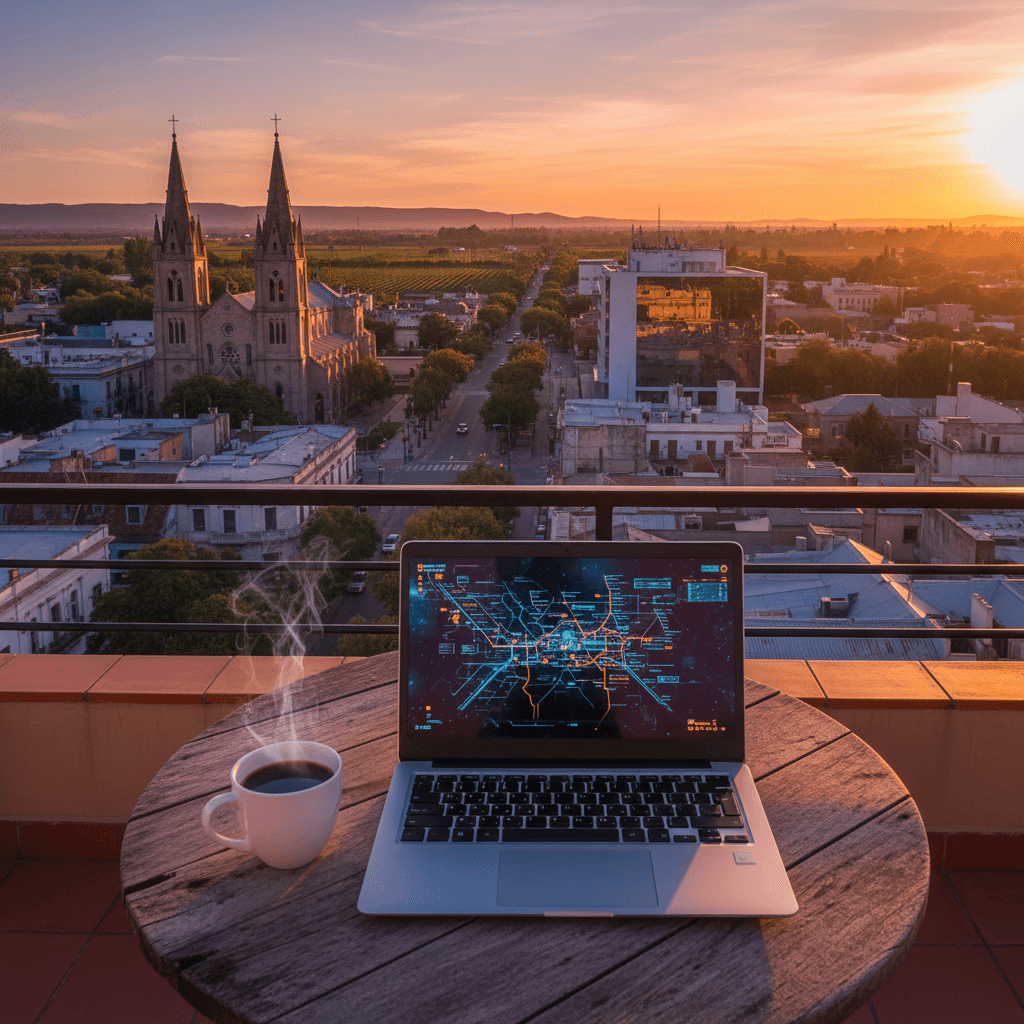
If Buenos Aires is Argentina's frantic, late night heartbeat, Salta is its deep, steady breath. Tucked into the Lerma Valley in the country's northwest, this city trades skyscrapers for red tiled roofs and European rush for a pace that respects the afternoon siesta. It feels older, more grounded, and significantly more traditional than the capital. You aren't just in Argentina here; you're in the gateway to the Andes, where indigenous history and Spanish colonial architecture have spent centuries blending into something unique.
The emotional experience of Salta is defined by its intimacy. With around 350,000 residents, the city center is remarkably walkable. You'll likely spend your mornings working from a cafe near Plaza 9 de Julio, watching the sunlight hit the pink facade of the Cathedral, and your evenings tucked into a peña, a traditional folk music hall. There is a specific kind of magic in hearing a room full of people clap in unison to a zamba folk song while sharing a pitcher of Torrontés wine. It’s a city that invites you to slow down, put the laptop away by 7:00 PM, and actually engage with your surroundings.
What Sets Salta Apart
Unlike established nomad hubs like Medellin or Lisbon, Salta is still finding its footing with the remote work crowd. This means you won't find a nomad brunch on every corner, but you will find a level of authenticity that’s becoming rare. The community is small but growing, and the locals are famously welcoming to foreigners, often eager to practice their English or share tips on the best empanadas in town. It’s a destination for the "slowmad" who values nature and culture over high speed public infrastructure.
- The Landscape: You’re surrounded by desert scenery, salt flats, and the multicolored mountains of the Quebrada de Humahuaca. Weekends aren't for city hopping; they're for road trips to Cafayate or Cachi.
- The Cost: Your dollar goes incredibly far here. With monthly costs for a solo nomad ranging from $1,600 to $2,500 for a mid range lifestyle, it’s one of the most affordable spots in South America, especially if you’re savvy with the blue dollar exchange rate.
- The History: This isn't just a backdrop. Places like the MAAM museum, which houses remarkably preserved Inca mummies, give the city a weight and a sense of place that modern hubs lack.
The Digital Nomad Reality Check
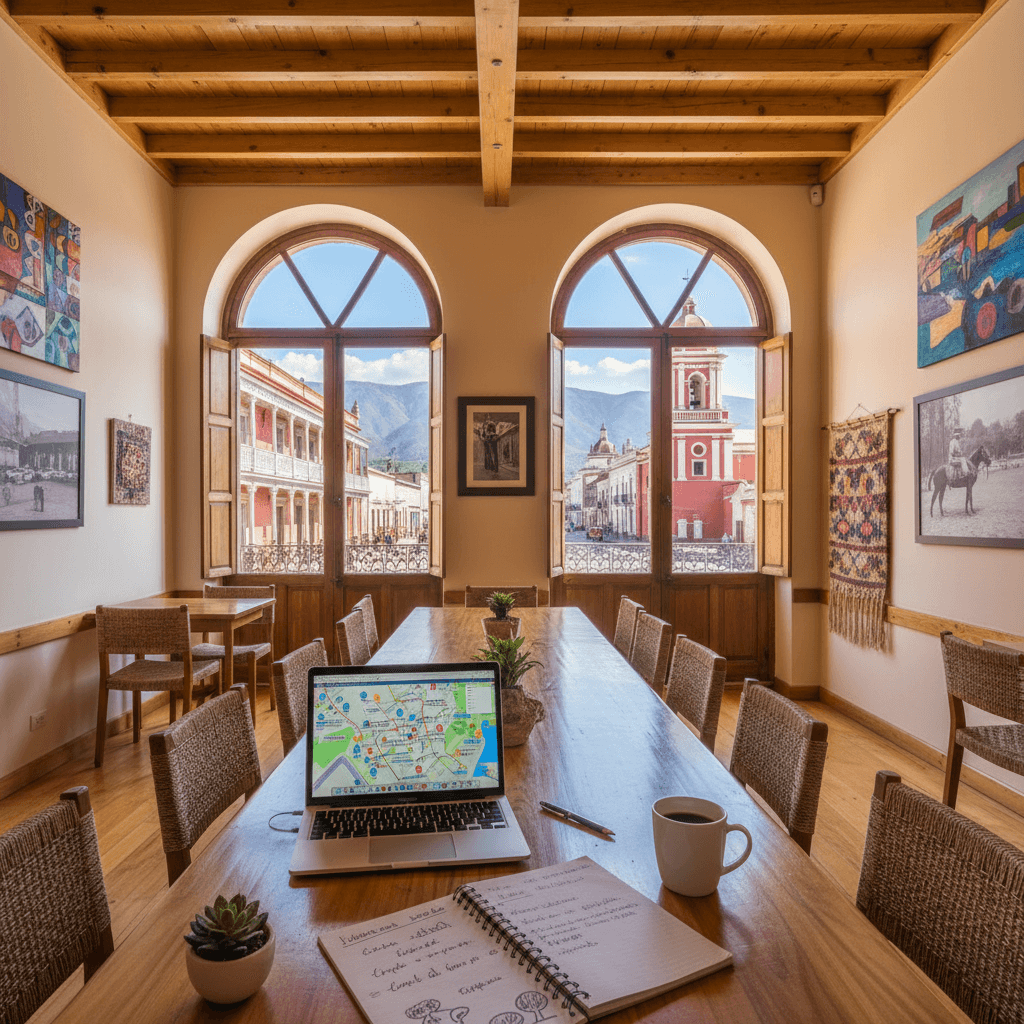
Living here requires a bit of a "hustle and adapt" mindset regarding tech. While the city is safe and the food is world class, the infrastructure can be temperamental. Public WiFi in parks or basic cafes often leaves much to be desired, frequently dropping out when you need it most. Most nomads find that they can't rely on random connections; you’ll need to base yourself near a dedicated coworking space like Coworking Salta or STUDIO to ensure you don't drop off a Zoom call.
The "hates" are few but specific: the internet outside of fiber equipped apartments is inconsistent, and the expat density is low. If you need a massive social circle of fellow tech workers to feel at home, Salta might feel a bit lonely. But if you're looking for a place where you can eat $3 street empanadas, hike through red rock canyons on a Tuesday, and experience a culture that hasn't been sanitized for tourists, Salta hits the mark perfectly.
Quick Snapshot: Life in Salta
- Primary Vibe: Unhurried, cultural, and ruggedly beautiful.
- Best Time to Visit: May to October. The weather is dry and mild, avoiding the heavy summer rains and intense heat of January.
- Safety: Very high. Travelers and solo nomads consistently report feeling safe walking the central streets and using the local red and white taxis.
- The Social Scene: Centered around Calle Balcarce for nightlife and the city’s many plazas for afternoon coffee. The dating scene is surprisingly active, and the local "peña etiquette" is a must learn for anyone staying more than a week.
The Blue Dollar Advantage
Living in Salta right now feels like a financial life hack if you're earning in USD or Euros. While Argentina's inflation is legendary, the devaluation of the peso works heavily in favor of remote workers. Most nomads find that Salta is significantly cheaper than Buenos Aires or Mendoza, offering a high quality of life for a fraction of what you'd spend in North America or Europe.
To make your money go further, you'll need to understand the "blue dollar" exchange rate. Instead of using official bank rates, expats typically bring cash or use services like Western Union to get the unofficial market rate, which is often double the official one. Using this method, a comfortable solo lifestyle usually lands between $1,600 and $2,500 per month, though budget travelers can definitely scrape by on $1,000 if they stick to local markets and shared housing.
Monthly Budget Breakdown
- Budget Nomad ($1,000 to $1,500): This tier covers a simple studio on the city outskirts for about ARS 200,000 to 400,000. You'll be eating plenty of street empanadas, which cost between ARS 2,000 and 5,000, and using the local bus system for ARS 1,000 per ride.
- Mid-Range Professional ($1,600 to $2,500): Most digital nomads fall here. You can snag a nice apartment in the Centro for ARS 400,000 to 700,000. This budget allows for daily coworking passes at spots like Coworking Salta for ARS 12,000 and frequent dinners at mid-range spots where a meal runs about ARS 15,000.
- High-End Comfort ($3,000+): At this level, you're looking at premium apartments with dedicated fiber optic internet for ARS 700,000+. You'll likely rely on private taxis or car rentals through Discover Cars and dine at upscale peñas where a night of wine and folk music can top ARS 50,000.
Housing and Neighborhoods
Rent is your biggest variable. Most travelers recommend staying near Plaza 9 de Julio for the best walkability and more reliable infrastructure. If you're looking for nightlife, Calle Balcarce is the hub for bars and music, though it gets loud on weekends. For those staying longer, the Cerro San Bernardo outskirts offer better views and quieter streets, but you'll spend more on transport to get into the city center.
Booking.com is the standard for finding short-term stays, but for stays longer than a month, try joining local Facebook groups or asking around at coworking spaces. Just be sure to verify the WiFi speed before signing anything; while fiber is available, some older buildings in the historic center still struggle with speeds.
Food, Connectivity, and Daily Costs
Grocery shopping at Mercado Central is a great way to keep costs down. You can grab a hearty lunch there for ARS 6,500 to 9,500. If you're eating out, Salta is famous for having the best empanadas in the country, and they remain one of the most affordable quick meals you can find.
Staying connected is relatively cheap. A local SIM card from Claro or Personal costs about ARS 5,000, with 10GB data plans running around ARS 10,000. If you prefer convenience, Holafly eSIMs are popular, though they come at a premium compared to local physical SIMs. For work sessions, expect to pay around ARS 18,000 for a day pass at STUDIO Coworking or Café Atemporal if you need guaranteed uptime.
Transport and Extras
Salta is incredibly walkable, so you likely won't spend much on daily transit. When you do need a lift, the red and white taxis are reliable and affordable; a trip across town rarely exceeds ARS 10,000. Weekend trips are the one area where costs can add up. A bus ticket to Cafayate or the Quebrada de Humahuaca via Busbud is affordable, but specialized tours like the Train to the Clouds are priced for tourists and will take a bigger bite out of your monthly budget.
For Digital Nomads: Centro (The Heart of the Action)
If you're in Salta to work, you'll want to stay within a few blocks of Plaza 9 de Julio. This is the city's colonial core and the only area where you can reliably find fiber optic internet and a concentration of coworking spaces. Most nomads prefer this neighborhood because it's entirely walkable, meaning you can grab a 6,500 ARS lunch at Mercado Central and head straight to a desk without needing a taxi.
The vibe here is historic but functional. You're surrounded by pink cathedrals and palm trees, but you're also steps away from Coworking Salta and Café Atemporal. Expect to pay between 400,000 and 700,000 ARS for a decent apartment with a dedicated workspace. The only downside is the noise; between the church bells and the tourists, it's rarely silent. Most remote workers use Booking.com to secure places here, making sure to ask for a screenshot of a speed test before committing.
For Solo Travelers and Socialites: Calle Balcarce
Solo travelers looking for a social scene usually gravitate toward the area around Calle Balcarce. This is the nightlife capital of the city, famous for its peñas, which are traditional folk music clubs. It's a bit more gritty and energetic than the pristine main square. You'll find plenty of hostels and short term rentals that put you right in the mix of the city's best bars and late night empanada spots.
While it's great for meeting people, the internet can be hit or miss compared to the central business district. It gets crowded on weekends, so it's not the place for you if you value an early night's sleep. However, for those who want to experience the "Salta la Linda" culture through music and wine, this is the spot. You're also close to the train station for the Train to the Clouds excursions.
For Expats and Long-Termers: Cerro San Bernardo Outskirts
If you're planning to stay for several months, look toward the residential streets climbing the base of Cerro San Bernardo. Expats recommend this area because it trades the downtown noise for incredible views of the valley. It's much quieter and feels more like a lived-in neighborhood than a tourist zone. You can still reach the center via a quick red or white taxi ride, which usually costs between 10,000 and 20,000 ARS depending on the distance.
Living here feels more authentic. You'll shop at local verdulerías rather than tourist markets. Rent for premium houses or larger apartments can exceed 700,000 ARS, but you get significantly more space and better air quality. The main trade-off is walkability; you'll likely want to use local taxi apps to get around since the hills can be a workout in the summer heat.
For Families and Budget Seekers: The Quieter Outskirts
Families often look for rentals near the city's larger parks or further out in the suburban rings. These areas offer much lower prices, with some houses going for 200,000 to 400,000 ARS. It's a peaceful lifestyle, but it comes with logistical hurdles. Public buses are cheap at roughly 1,000 ARS per ride, but they can be confusing for newcomers.
The biggest challenge for remote-working families in these areas is the infrastructure. WiFi stability drops off the further you get from the downtown grid. If you choose this route, travelers suggest getting a local SIM from Claro or Personal with a heavy data plan as a backup. It’s a great way to save money, provided you don't mind a 20 minute commute to reach the museums and cafes of the center.
Neighborhood Comparison at a Glance
- Centro: Best for internet, coworking, and walking. Rent: 400k to 700k ARS.
- Calle Balcarce: Best for nightlife, folk music, and meeting people. Rent: 350k to 600k ARS.
- Cerro San Bernardo: Best for views, quiet, and long term stays. Rent: 700k+ ARS.
- Outskirts: Best for low budgets and local immersion. Rent: 200k to 400k ARS.
The Connectivity Reality
If you're planning to work from Salta, you need to be strategic. The city's public infrastructure hasn't quite caught up to its growing popularity with remote workers. While you'll find WiFi in almost every cafe around Plaza 9 de Julio, it's often better suited for clearing your inbox than hopping on a high stakes video call. Speeds fluctuate wildly, ranging from a sluggish 24 Mbps to a respectable 100 Mbps in modern apartments with dedicated fiber lines.
Most nomads find that relying on public hotspots in parks or busy plazas is a recipe for frustration. The connection often "leaves much to be desired," as locals put it. To stay productive, your best bet is to verify that your Airbnb or rental has a private fiber connection before you book. If you're heading out to the nearby valleys for a weekend trip, expect total signal blackouts in the remote stretches of the Quebrada de Humahuaca.
Top Coworking Spaces
For guaranteed stability, Salta has a handful of dedicated spaces that have become the unofficial hubs for the city's small but growing nomad community. Most of these spots offer day passes ranging from ARS 12,000 to ARS 18,000.
- STUDIO Coworking Salta: A favorite for those who need a quiet, aesthetic environment and decent coffee.
- Coworking SLA: Great for networking with local entrepreneurs and finding a steady desk for the week.
- Café Atemporal y Coworking: This is the go to for a more relaxed vibe. It bridges the gap between a traditional cafe and a workspace, making it ideal if you don't need a silent office environment.
Data and SIM Cards
Don't rely on your home roaming plan; it'll cost you a fortune. Instead, grab a local SIM card as soon as you arrive. Claro, Movistar, and Personal are the big three providers. You can pick up a physical card for about ARS 500-1,000 at the airport or small kiosks (kioscos) downtown. Topping it up with a 10GB monthly plan will typically set you back another ARS 1,000-2,500.
If your phone supports it, Holafly is the preferred eSIM choice for many nomads. It saves you the hassle of hunting down a physical store, though you'll pay a premium for the convenience. For finding the best WiFi spots on the fly, travelers recommend keeping the Wifimaps app handy to see user reported speeds for local cafes.
The Cafe Office Scene
Salta has a deep cafe culture, and while not all are "laptop friendly," many are welcoming if you're buying coffee and staying for an hour or two. The Centro area is packed with colonial style cafes where the pace is slow enough that nobody will shoo you away. Just keep a VPN active, as security on these open networks is often nonexistent. Expats suggest ExpressVPN as a reliable choice for navigating Argentinian networks securely.
One final tip: keep your WhatsApp and Instagram active. In Salta, these aren't just social apps; they're how you'll book coworking desks, check cafe hours, and communicate with landlords. In Argentina, the green speech bubble is the king of commerce.
General Safety and Street Awareness
Salta is widely regarded as one of the safer urban centers in Argentina. Most travelers and nomads find the atmosphere significantly more relaxed than the frantic energy of Buenos Aires. The city center, particularly around Plaza 9 de Julio and the Calle Balcarce nightlife strip, is generally safe to walk at night, provided you stick to well lit areas where people are out enjoying the peñas.
Local red and white taxis are reliable and well regulated. Most residents recommend using them over walking long distances after dark, especially if you're carrying a laptop or expensive camera gear. While traditional ride hailing apps like Uber aren't the primary choice here, local taxi apps are the standard for booking a tracked ride. If you're heading out into the Calchaquí Valleys or remote desert areas, keep in mind that cell signal is spotty at best. Always let someone know your itinerary before heading into the mountains.
Petty crime like pickpocketing is rare but not non existent. Like any city with a growing tourism scene, it's smart to keep your phone tucked away on public buses and avoid leaving bags hanging off the back of your chair at outdoor cafes. Most nomads report feeling completely comfortable working from spots like Café Atemporal or Coworking Salta without the high alert status required in larger Latin American hubs.
Healthcare and Medical Services
The healthcare system in Salta is capable, though the best facilities are concentrated in the city center. For anything beyond a minor checkup, expats and long term nomads typically head to private clinics rather than public hospitals to avoid long wait times. The quality of routine care is high, and many specialists have trained internationally, though English proficiency among medical staff can be hit or miss.
- Emergency Contacts: Dial 107 for an ambulance or 101 for the police.
- Pharmacies: These are everywhere. Look for the "Farmacia" signs; many operate 24/7 on a rotating schedule known as "de turno."
- Insurance: Most nomads use a Complete Nomad Plan or similar international coverage. It's best to have a policy that allows for direct billing or easy reimbursement, as private clinics may require upfront payment in pesos.
Staying Healthy in the North
The biggest health hurdle for newcomers isn't illness, but the environment. Salta sits at about 1,152 meters (3,780 feet), but day trips to the Quebrada de Humahuaca or the Train to the Clouds will take you much higher. Altitude sickness is a real factor. Locals swear by coca tea or coca leaves to manage the headaches and shortness of breath that come with Andean exploration.
The sun at this altitude is incredibly strong, even when the air feels cool in July. A high SPF sunscreen is a daily requirement, not an option. Regarding the water, while many locals drink from the tap, most nomads stick to filtered or bottled water to avoid "traveler's stomach," especially during the rainy season from January to March when the AQI can occasionally hit 165 due to humidity and local conditions.
Key Safety Numbers and Info
- Police: 101
- Medical Emergencies: 107
- Recommended Private Care: Consult with your coworking community or local Facebook expat groups for the latest recommendations on specific English speaking doctors.
- Safety App: Keep WhatsApp active; it's the primary way to contact local services and apartment hosts.
Navigating the City on Foot
Salta is one of those rare cities where your own two feet are your best assets. The historic center, built around Plaza 9 de Julio, is incredibly compact and designed for walking. Most nomads find they rarely need a vehicle if they're staying in Centro or near Calle Balcarce. The sidewalks are generally well maintained, and the grid layout makes it nearly impossible to get lost.
If you want a bird's eye view without the hike, the Teleférico San Bernardo is the local go to. It costs between ARS 8,000 and 12,000 for a round trip. It's more of a scenic experience than a commute, but it's the fastest way to get from the city base to the summit for sunset views.
Public Buses and the SAETA System
For longer hops across town or to the quieter outskirts, the local bus system, known as SAETA, is the way to go. It is remarkably cheap, with rides typically costing between ARS 1,500 and 2,000. You'll need a rechargeable SAETA card, which you can pick up and top off at local kiosks (look for the "Telecarga" signs).
- Pros: Extremely budget friendly and covers almost every corner of the metropolitan area.
- Cons: Buses can get packed during the siesta rush hours, and the routes aren't always intuitive for newcomers.
- Pro Tip: Download Moovit or the SAETA app for routes and tracking, it's a lifesaver when you're waiting in the midday heat.
Taxis and Ride-Hailing
You won't find Uber dominating the streets here like in Buenos Aires. Instead, Salta relies on a fleet of red and white taxis and "remises" (radio taxis). They are plentiful, metered, and generally considered very safe by the expat community. A short cross town trip usually lands between ARS 3,000 and 5,000, while a run to the airport (SLA) typically costs between ARS 10,000 and 20,000.
While you can hail them on the street, many nomads prefer using local taxi apps or WhatsApp to book. It provides a digital trail and a fixed price estimate. Just remember to have cash on hand, as many drivers still don't accept digital payments or credit cards.
Wheels for Weekend Escapes
While you don't need a car in the city, you'll definitely want one for day trips to Cafayate or the Cachi mountain passes. Most travelers recommend Discover Cars for securing a rental. If you're staying long term, look into bike or scooter rentals for a bit more freedom. The traffic is much calmer than in the capital, making it a relatively stress free place to drive.
- Car Rentals: Best for exploring the Calchaquí Valleys at your own pace.
- Bicycles: Great for Sunday rides when the city slows down, though bike lanes are still a work in progress.
- Long Distance Buses: Use Busbud to book trips to the Quebrada de Humahuaca. The terminal is centrally located and easy to reach via a quick taxi ride.
Logistics Summary
- Airport Transfer: ARS 10,000 to 20,000 via taxi; cheaper bus options are available but take much longer.
- Daily Commute: ARS 1,500 to 2,000 for a bus ride; ARS 0 if you stay in the walkable Centro.
- Connectivity: Use WhatsApp for booking almost everything, from taxis to restaurant tables.
The Local Lingo
In Salta, Spanish isn't just the official language; it's the only one you'll hear in most daily interactions. The local dialect has a distinct Andean flavor, often sounding softer and slightly slower than the rapid fire "Rioplatense" Spanish found in Buenos Aires. While you'll encounter English at high end hotels or the MAAM museum, don't expect it at the local pharmacy or when ordering a dozen empanadas at Mercado Central.
Most nomads find that having at least a lower intermediate level of Spanish makes life significantly easier. If you're just starting out, locals are generally patient and welcoming toward foreigners attempting the language. They appreciate the effort, especially if you're staying in the Centro or Calle Balcarce areas where tourism is more common.
Digital Communication and Apps
If you want to get anything done in Salta, you need WhatsApp. It is the lifeblood of communication here. From booking a table at a peña to confirming a dental appointment or negotiating rent with a landlord, everything happens over text or voice notes. Most businesses won't even check their email, but they'll reply to a WhatsApp message within minutes.
For navigating the city and translating on the fly, keep these apps ready:
- Google Translate: Download the Spanish pack for offline use, as cell service can drop when you head into the Calchaquí Valleys.
- WiFi Map: Use apps like WiFi Map to locate reliable spots such as Dosis Café Atemporal, since public WiFi in parks is notoriously spotty.
- Instagram: Surprisingly, this is the best way to discover local events, nomad meetups, and new coworking spaces like STUDIO Coworking.
Staying Connected
Don't rely on your home roaming plan unless you want a massive bill. Expats recommend grabbing a local SIM card immediately. You can find Claro, Movistar, or Personal shops throughout the downtown area. A prepaid SIM costs ARS 500-2,000 with 10GB plans around ARS 1,000-3,000.
If you prefer to hit the ground running, an eSIM is a solid choice for the first few days, though it's pricier than local options. Just keep in mind that once you leave the city limits for day trips to Purmamarca or Cafayate, signal becomes a luxury. Always let someone know your plans before heading into the remote mountain passes.
Social Etiquette and Cues
Communication in Salta is deeply tied to the city's traditional roots. When you enter a small shop or a cafe, a friendly "Hola, buen día" or "Buenas tardes" is expected before you dive into your request. It's a polite society where greetings matter.
If you find yourself at a folk music peña, pay attention to the non verbal cues. Clapping along to the music is encouraged, and it's a great way to bond with the table next to you without saying a word. In social settings, locals are quite open about the economic situation, but as a guest, it's usually better to listen and learn rather than lead the conversation on politics or the blue dollar exchange rate.
Key Phrases for Nomads
- ¿Cuál es la contraseña del WiFi? (What is the WiFi password?) – You'll use this at every cafe in Plaza 9 de Julio.
- ¿Aceptan transferencia? (Do you accept transfers?) – Useful if you're using local fintech apps or paying for a longer stay.
- La cuenta, por favor. (The bill, please.) – Remember to add a 10% tip, which is the standard for good service.
- ¿Tienen fibra óptica? (Do you have fiber optic?) – Ask this before signing any short term lease in neighborhoods like Cerro San Bernardo.
The Seasonal Sweet Spot
Salta sits in a subtropical highland zone, which means you aren't dealing with the sweltering humidity of Buenos Aires or the bone-chilling winds of southern Patagonia. Most nomads find the sweet spot falls between May and October. This is the dry season, where the skies stay a crisp Andean blue and the temperatures hover between 13°C and 31°C (56°F to 88°F). It is the perfect window for trekking through the Quebrada de Humahuaca or taking the cable car up Cerro San Bernardo without getting soaked.
If you are planning to work from rooftop cafes near Plaza 9 de Julio, July is often cited as the prime month. It is mild, dry, and has the best air quality of the year. You will want to pack layers, though. The high altitude means that while you might be in a t-shirt at noon, you will be reaching for a wool poncho the second the sun dips behind the mountains.
The Rainy Season Reality
Things take a turn from December through March. This is Salta's summer, and it brings heavy rains and occasional heatwaves. Travelers often find January the most challenging month to be productive. Temperatures can hit 31°C, but with the humidity, the "real feel" often climbs toward 36°C.
The rain isn't just a minor inconvenience for your afternoon walk; it can actually impact your workflow. Heavy storms sometimes mess with the already inconsistent public WiFi in the city center. If you are here during the summer, expats recommend staying in a modern apartment in Centro with dedicated fiber internet rather than relying on the "unstable" connections found in older colonial buildings or parks.
Month-by-Month Breakdown
- January to March: Peak rain and heat. Expect high humidity and occasional moderate AQI during stagnant periods. Great for seeing lush green landscapes, but bad for hiking.
- April to June: The transition. Temperatures settle into a comfortable 24°C. The crowds thin out, and the desert colors in the Calchaquí Valleys start to pop.
- July to September: The goldilocks zone. It is very dry with an average high of 22°C. This is the best time for photography and long-term stays.
- October to December: Temperatures rise back toward 28°C. You will see more clouds, but the heavy rains usually hold off until late December.
When to Book for the Best Rates
Because Salta is a major hub for domestic Argentine tourism, prices for Airbnbs and boutique hotels spike during the winter holidays in July and around Easter. If you are on a budget, try to arrive in late April or September. You will still get the clear weather, but you will have more leverage when negotiating monthly rent for apartments near Calle Balcarce.
Keep an eye on the local festival calendar too. Visiting during a folk festival at a local peña is a fantastic cultural experience, but it means the city center will be louder and busier than usual. If you need total silence for Zoom calls, avoid booking a place directly on the main plaza during peak festival weeks.
Money and the Blue Dollar
Argentina's economy is famously volatile, and Salta is no exception. To get the most for your money, avoid using standard ATMs which give the official bank rate. Most nomads use Western Union to send money to themselves or exchange physical US dollars at "cuevas" to get the Blue Dollar rate. This can make your cost of living significantly lower, often around $1,000 to $1,500 for a comfortable budget month.
Connectivity Strategy
Don't rely on public WiFi in Salta. While the colonial cafes are beautiful, the connection is often spotty and frustrating for Zoom calls. If you need to get work done, head to Coworking Salta or STUDIO Coworking. Daily passes usually run between ARS 12,000 and 18,000.
For mobile data, grab a local SIM from Claro or Personal. You can find these at kiosks called "locutorios" throughout the city center. Expect to pay about ARS 8,000 for the card and another ARS 12,000 for a 10GB monthly plan. If you want to skip the hassle, an eSIM from Holafly works well, though it's more expensive than local options.
Navigating the City
The city center, or Centro, is incredibly walkable. Most of your daily life will happen within a ten block radius of Plaza 9 de Julio. For longer trips, Salta uses a system of red and white taxis that are reliable and cheap. Unlike Buenos Aires, Uber isn't the primary player here; locals use local taxi apps or simply hail them on the street.
- Local Buses: You'll need a rechargeable SAETA card. Rides are cheap, usually around ARS 1,000 to 2,000.
- Airport Transfers: A taxi from Martin Miguel de Güemes International (SLA) to downtown should cost between ARS 10,000 and 20,000.
- Car Rentals: If you're heading into the mountains, Discover Cars is a solid choice for finding rentals.
Daily Costs and Budgeting
Prices fluctuate with inflation, but Salta remains one of the more affordable hubs in Argentina. Here is what to expect for monthly expenses:
Mid-Range Nomad Budget
- Rent (Downtown Studio): ARS 400,000 to 700,000
- Daily Meals: ARS 10,000 to 20,000
- Coworking: ARS 15,000 per day
- Transport: ARS 50,000 per month
When to Go
The best time to be in Salta is from May to October. This is the dry season, with pleasant daytime temperatures between 19°C and 25°C. Avoid January through March if you can; it's the rainy season and the heat can get oppressive, often hitting 31°C with high humidity that makes the air quality feel heavy.
Safety and Health
Salta is generally very safe for foreigners. Petty theft exists like in any city, so keep your phone tucked away on busy streets, but violent crime is rare. For healthcare, Hospital San Bernardo is the main public facility, but most expats use private insurance like the Complete Nomad Plan to access private clinics which offer faster service. If you have an emergency, dial 107 for an ambulance or 101 for the police.
Cultural Nuances
Life moves slower here. Shops often close for a "siesta" between 1:00 PM and 5:00 PM, so plan your errands for the morning. When visiting a peña on Calle Balcarce, it's customary to clap along with the folk music and stay late; the party rarely starts before midnight. A 10% tip is standard in restaurants, and while Spanish is the main language, a little effort goes a long way with the friendly locals.
Need visa and immigration info for Argentina?
🇦🇷 View Argentina Country GuideEasy Landing
Settle in, no stress
Monthly Budget Estimates
More cities in Argentina
San Martín de los Andes
🇦🇷 Argentina
Villa La Angostura
🇦🇷 Argentina
La Plata
🇦🇷 Argentina